
13 Signs a Dog Notices the Moment an Ordinary Morning Stops Being Ordinary
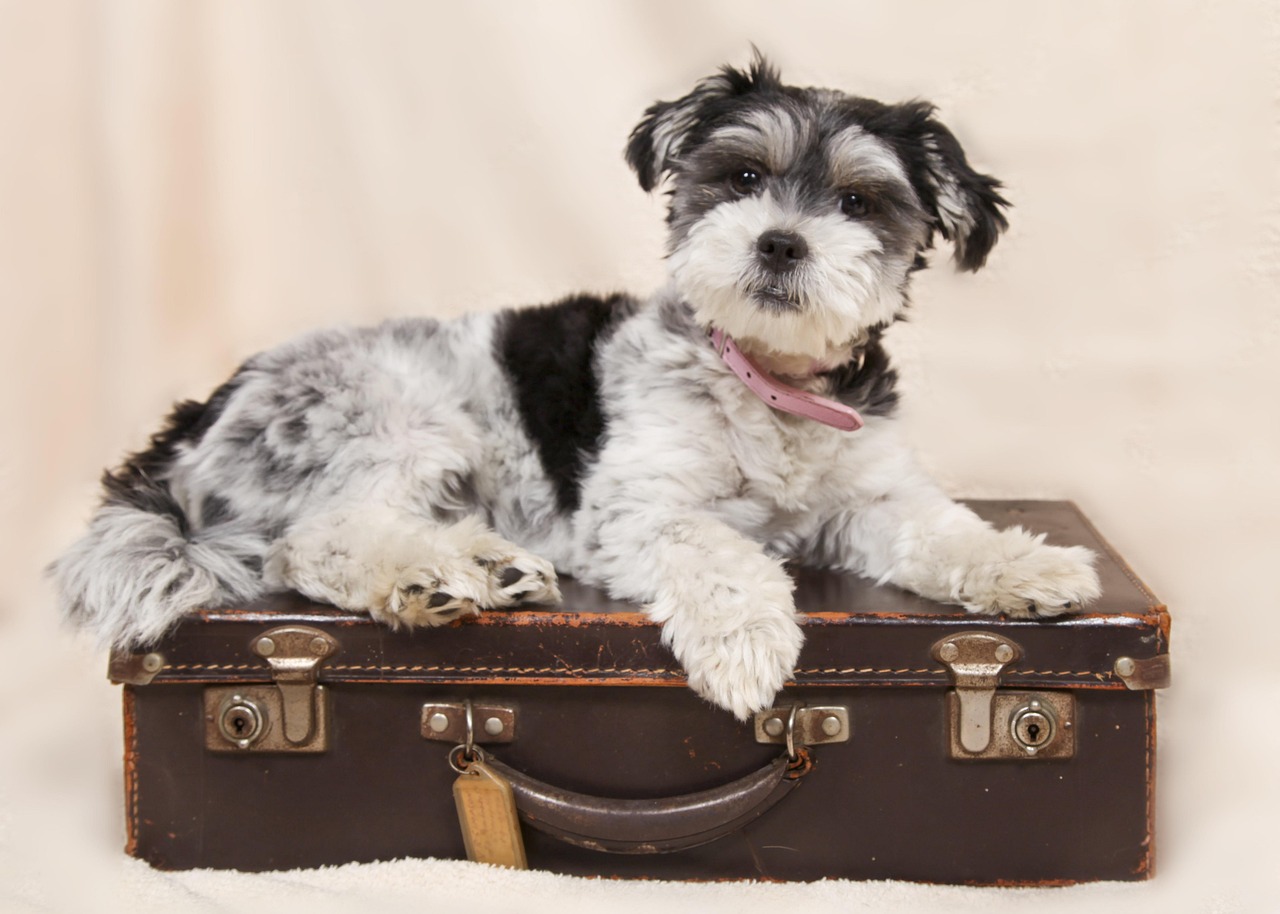
You think you’re hiding it. The tight jaw, the extra-fast shower, the way you didn’t really taste your coffee. You think this is just another Tuesday, filed away quietly before anyone notices. Your dog noticed before your feet hit the floor.
Dogs don’t read calendars, but they read you – your scent, your pace, the pitch of your voice, the order you do things in. Long before you’ve admitted anything is different, your dog has already built a private case file on the day. What follows are 13 unmistakable signs that your dog has clocked the shift – and once you start noticing them, you’ll never sleep through your dog’s morning briefing again.
#1 – They Break the Script of Their Usual Morning Routine
On a truly normal morning, dogs are boringly predictable. Same spot by the door, same nudge for breakfast, the same lazy stretch-yawn-circle before they settle back down. So when a dog suddenly abandons that script, it’s rarely random – they might skip their usual drink of water, ignore a favorite toy, or not even bother heading to the door at the usual time.
A routine-loving dog abruptly changing sequence is one of the clearest tells that they’ve clocked something different about the day.
Behaviorists describe dogs as expert “pattern readers.” They don’t just memorize actions – they memorize order, timing, and the energy wrapped around those actions. Grab your keys before coffee, put on makeup before feeding them, or start moving just a little too fast, and your dog will notice before you do, shadowing you room to room or parking themselves somewhere they never sit in the morning, right in your walking path.
#2 – Their Eyes Start Tracking You Like a Hawk
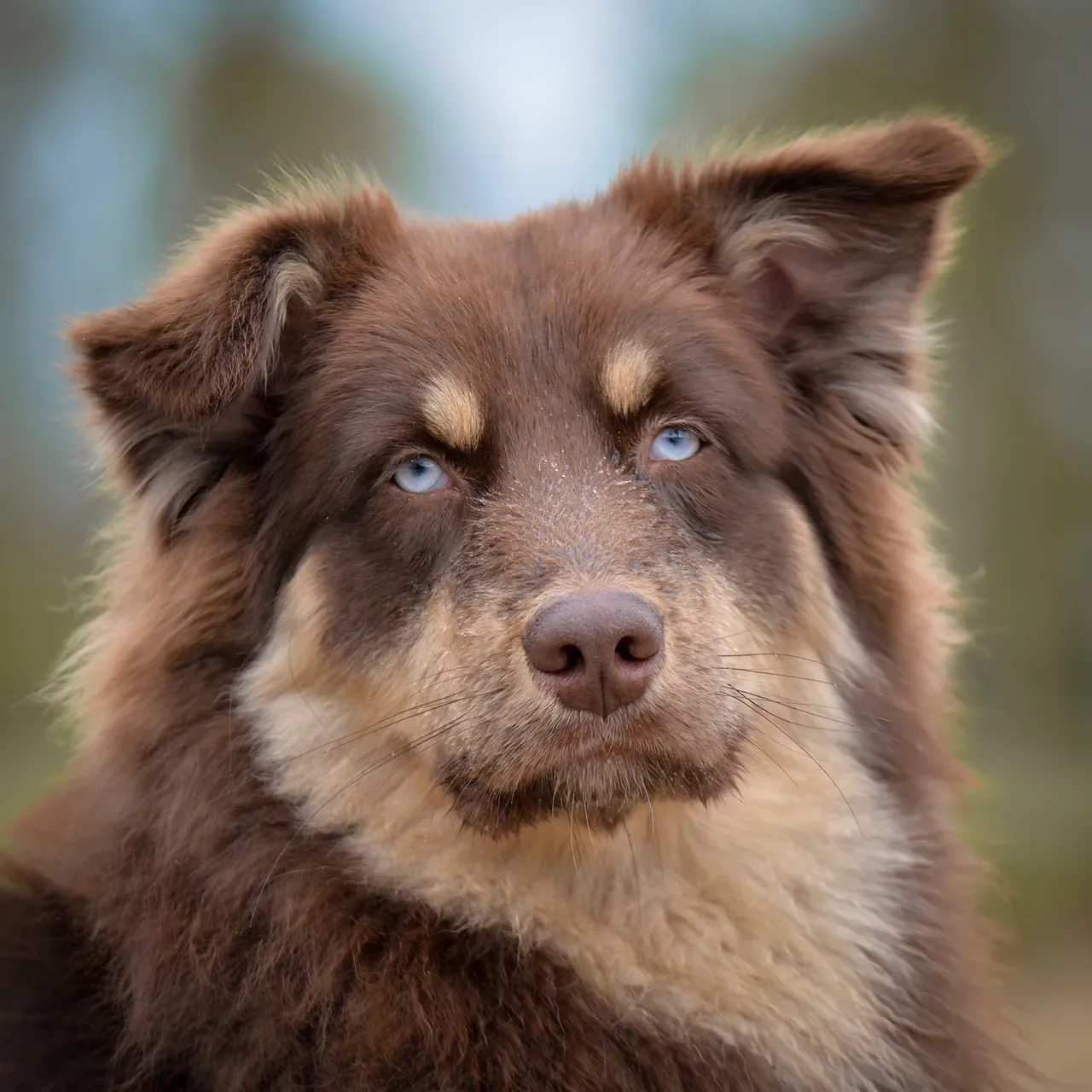
Most people underestimate how intensely dogs watch human faces. On an average morning, your dog glances at you, checks the window, sniffs the floor – normal background monitoring. On a not-so-normal morning, that stare turns into something else entirely: laser-focused, head slightly tilted, pupils just a little bigger every time you look up.
This “hawk-eye tracking” is your dog running live surveillance on your mood, movements, and micro-expressions.
Dogs read our eyes and eyebrows almost like a second language. If you’re stressed about an interview, quietly anxious about bad news, or buzzing over a trip, your face changes long before you say a word out loud. Some dogs will even follow your gaze – look at a suitcase, the door, or your phone, and their eyes flick there too, waiting for the reveal.
#3 – They Sniff You Like You’re a Stranger
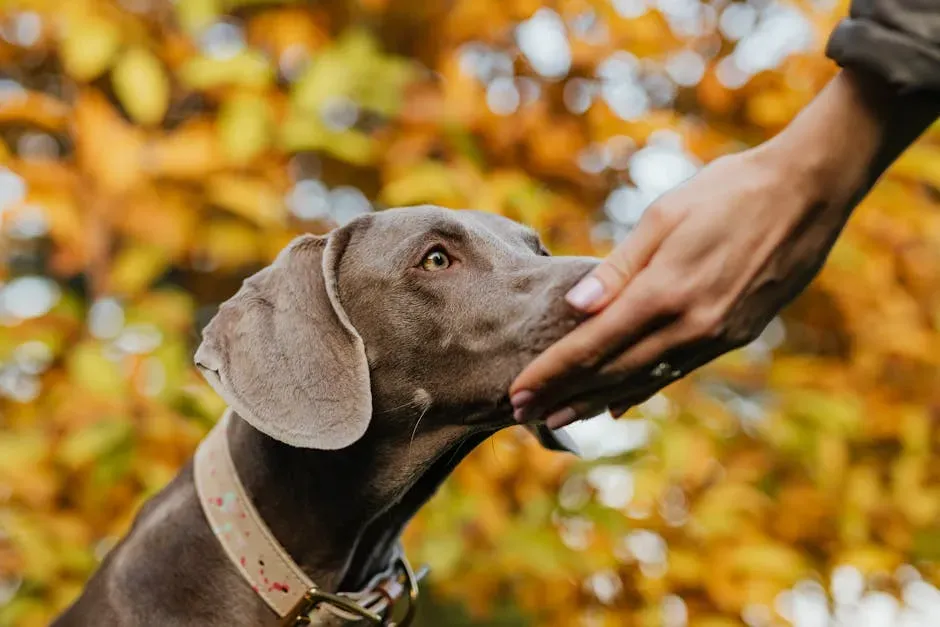
When an ordinary morning suddenly goes sideways, many dogs go straight to their superpower: scent. You might notice your dog getting unusually “nosey” with you – investigating your shoes, sniffing your clothes more carefully, or burying their nose in your hands or hair like they’re running a scan.
They can literally detect changes in your hormones, sweat chemistry, and even subtle illness markers long before you feel anything obvious yourself.
Maybe you’re anxious about a presentation, coming down with a cold, or your stress hormones are simply elevated from a bad night’s sleep. Your dog doesn’t know the reason, but they register the shift completely. A dog who normally gives you a quick hello sniff and moves on, but suddenly performs a full-body investigation, has decided this morning isn’t business as usual.
Fast Facts
- Dogs are commonly cited as having up to 300 million scent receptors, compared to roughly 6 million in humans.
- The part of a dog’s brain devoted to analyzing smells is proportionally many times larger than ours.
- Trained scent dogs can pick up on subtle chemical shifts tied to stress, illness, and hormone changes.
#4 – They Camp Out by a Different Door or Spot
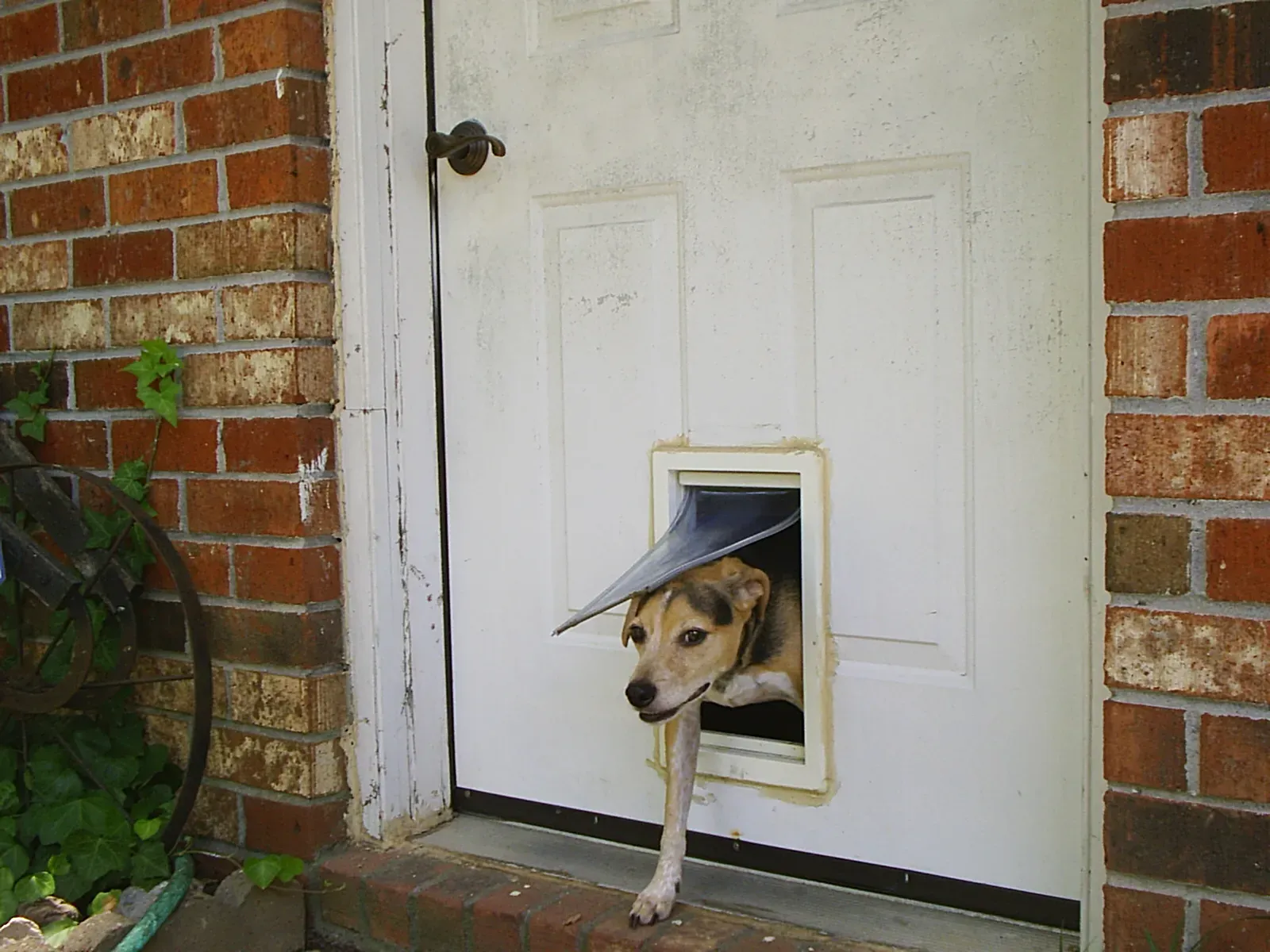
On a typical day, your dog has “their” places – the couch corner, the sunny patch by the window, the bed near your feet. When a morning changes, dogs often change location in a way that looks random but isn’t. Suddenly they’re parked by the front door earlier than usual, or lying next to your suitcase, or sitting at the bottom of the stairs staring up.
Location changes are often your dog’s quiet way of preparing for whatever they think is coming next.
If you’ve traveled recently, they may associate certain cues – packing a bag, certain shoes, that perfume – with you leaving, so they pre-emptively guard the exit. Other times they position themselves to “control the flow”: hallways, doorways, right beside your bed. Owners often dismiss this as clinginess, but it’s usually strategy – your dog rearranging their entire day around a new expectation.
#5 – Their Energy Spikes or Drops for “No Reason”
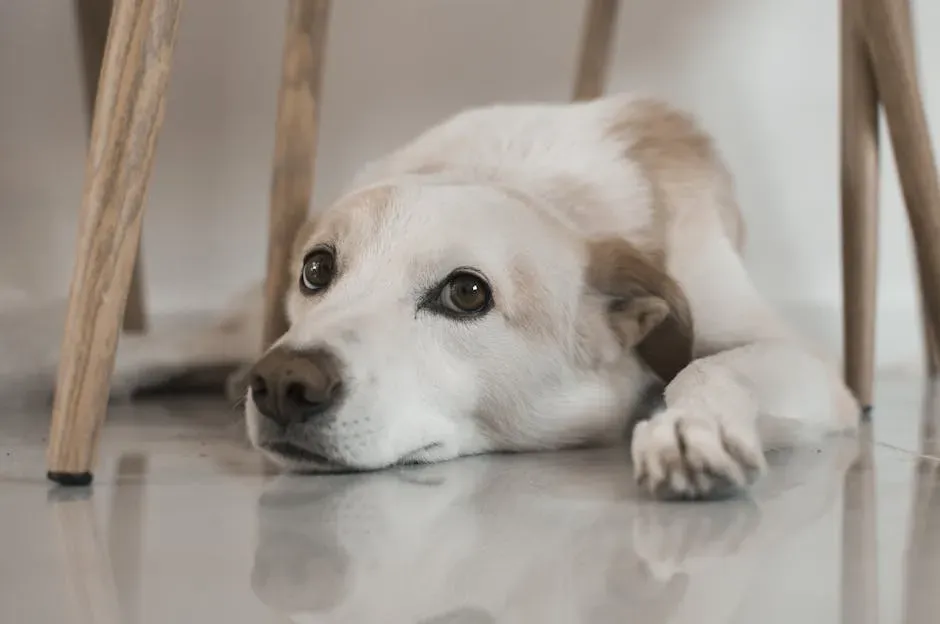
Emotionally tuned owners feel this one like a wave. One morning your usually chill dog is bouncing off the walls with no obvious trigger. Or the opposite happens: your normally bouncy dog goes uncharacteristically flat, shadowing you quietly, uninterested in toys or food.
Sudden, context-free shifts in energy often mean your dog has connected dots you haven’t consciously noticed yet.
They’re reacting to the emotional temperature of the house – tension about money, health, or a big decision you’re still pretending is fine, even though your cortisol and tone of voice already say otherwise. Some dogs respond with hyperactivity, trying to jolt you back into a familiar pattern. Others go soothing, lying closer and checking your face again and again. Either way, they’ve realized today isn’t like yesterday.
#6 – They Start Vocalizing in New Ways
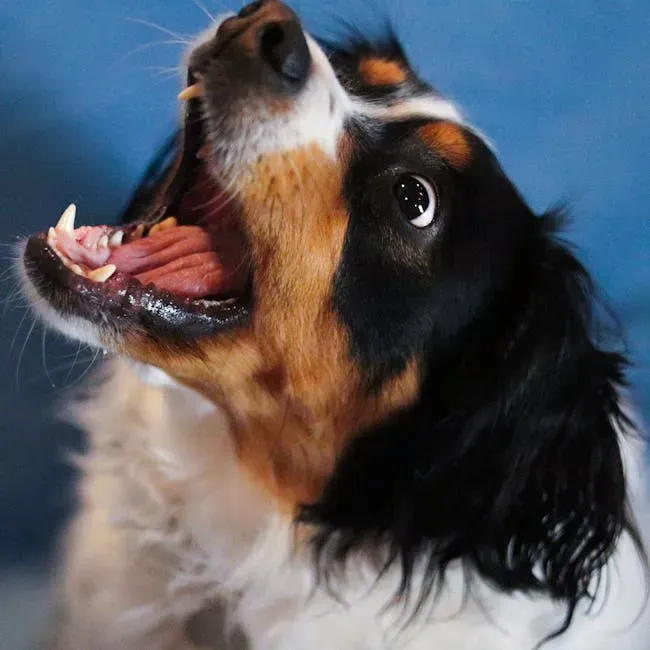
Every dog has a “sound library” – the normal barks, whines, huffs, and grumbles you hear every week. When a morning stops being ordinary, that library often changes. You might hear a new high-pitched whine when you step toward the door, or an unusually intense single woof the moment your phone buzzes.
A dog that suddenly introduces a new, consistent vocal pattern is broadcasting that they’ve picked up on a shift, not just being noisy.
Owners who pay attention can actually tell the difference between “I’m bored” noises and “something’s different” noises – the latter more persistent, more targeted at you specifically, tied to packing, rushing, or crying. Some dogs go strangely quiet instead, especially the ones that normally bark at everything. That silence is its own loud message: they’re listening, not wasting energy on background noise anymore.
#7 – They React to Objects They Normally Ignore
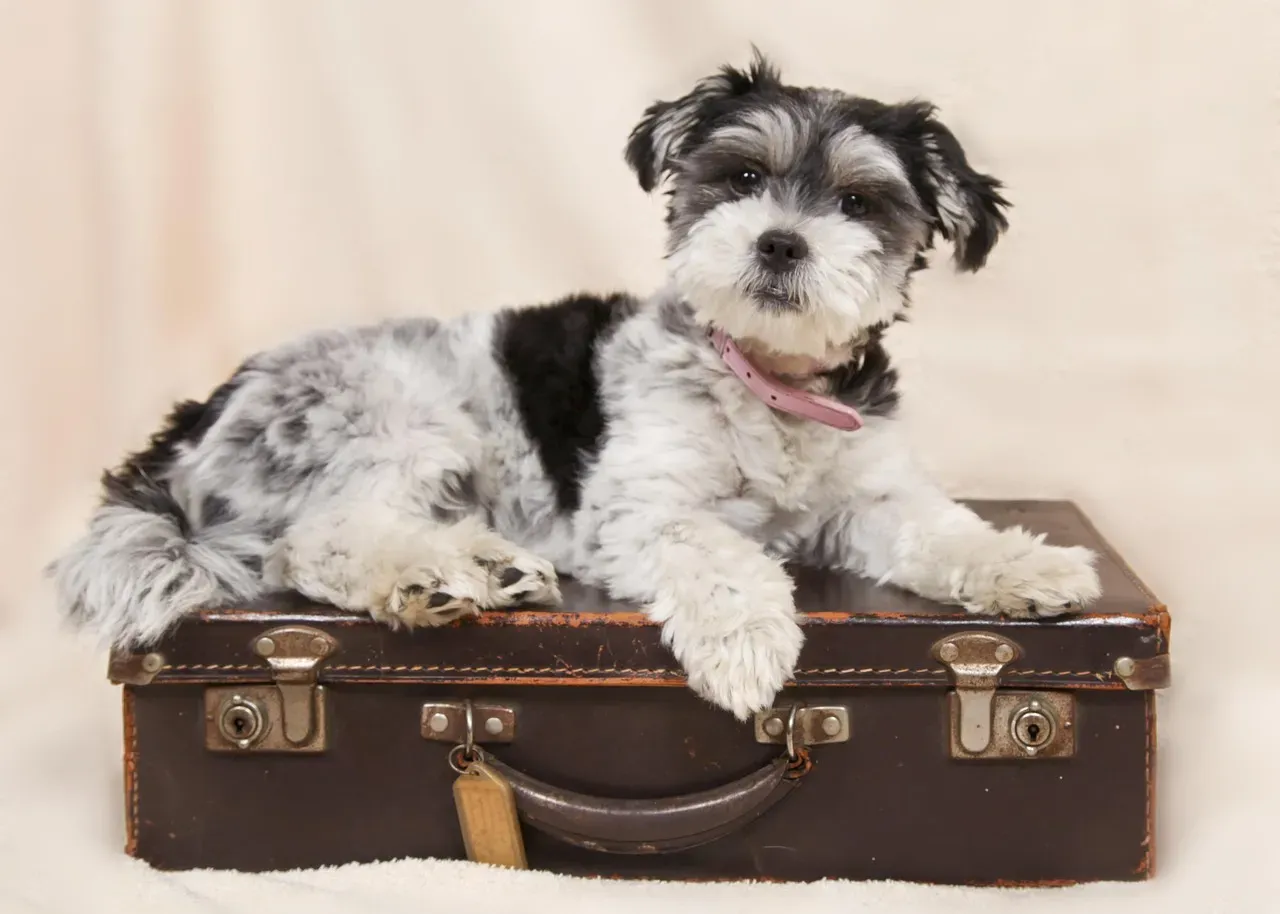
Nothing exposes a shifted morning faster than “that one random object” your dog suddenly cares about. The suitcase comes out and your dog freezes, ears up. You pull out the black dress you only wear to funerals, and they quietly slink closer.
Dogs form powerful associations between specific objects and big emotional days – travel, breakups, moves, vet visits – and they never forget the link.
Drag out the overnight bag and some dogs immediately whine or block the door. Others see a certain leash and explode with excitement, because that item always predicts a trail hike, not a boring sidewalk loop. They’re not reacting to “stuff” in general – they’re reacting to combinations. That coffee mug plus your laptop bag means a normal workday, but that same mug plus your passport case means something else entirely, and their whole posture shifts to match.
Quick Compare
- Mug + laptop bag: ordinary workday – barely a glance.
- Mug + passport case: departure alert – dog trails closer, watches the door.
- Leash + sneakers: excitement mode – tail up, ready to bolt outside.
- Suitcase + closed bedroom door: anxious pacing near the exit.
#8 – They Guard You, Not the House
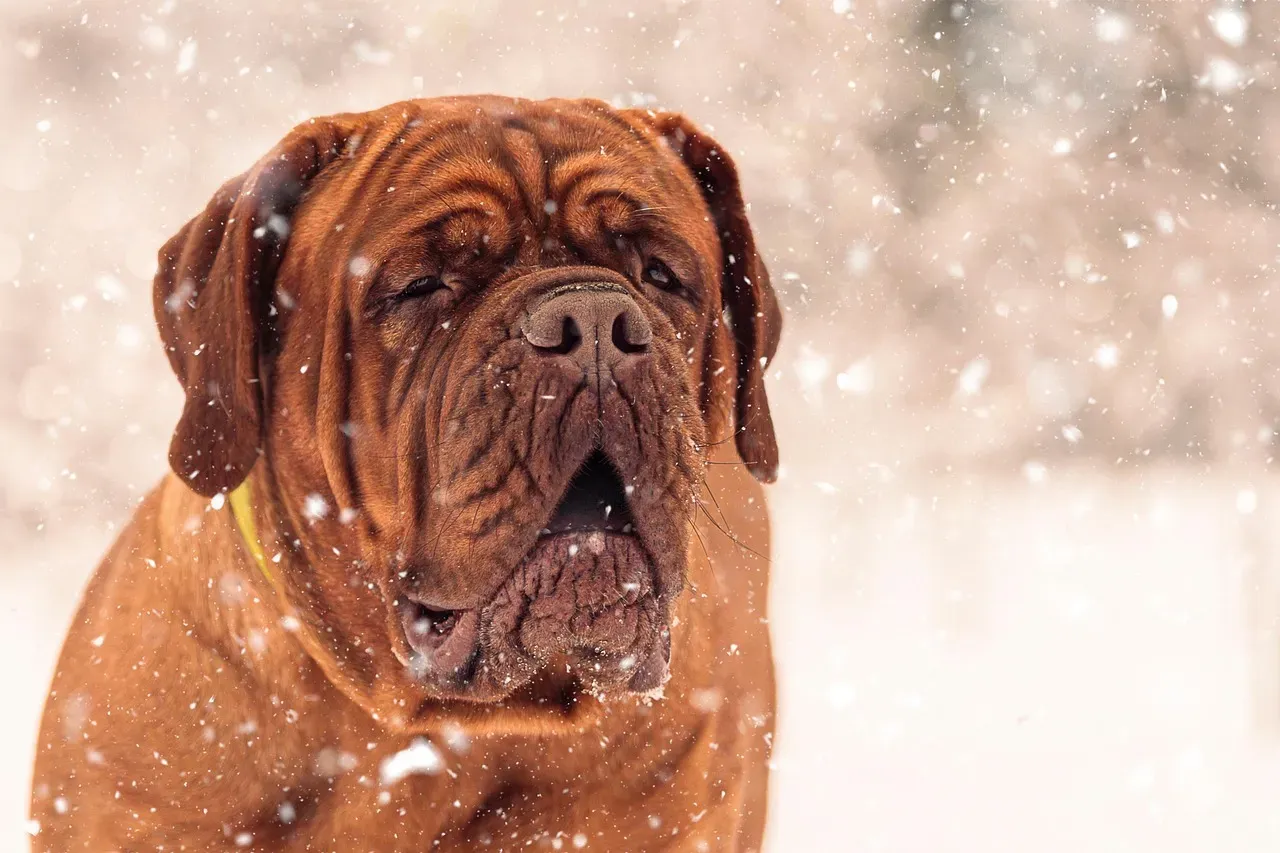
Most people think of dogs as guarding territory – doors, yards, couches. But when a morning changes, many dogs flip that script and start guarding the person instead of the space, staying glued to your hip or gently blocking other people from getting too close.
This “bodyguard mode” is a red flag that your dog has assessed the day as emotionally or physically higher risk for you specifically.
If you’re upset, sick, or heading into a situation they’ve learned is stressful, they may literally reposition themselves between you and the perceived problem – standing over you in bed, following you into the bathroom when they usually don’t bother. Some trainers call this “overprotective,” but it’s really your dog’s math: your breathing, your posture, and unusual objects adding up to protect mode.
#9 – They Double-Check Windows, Doors, and Sounds
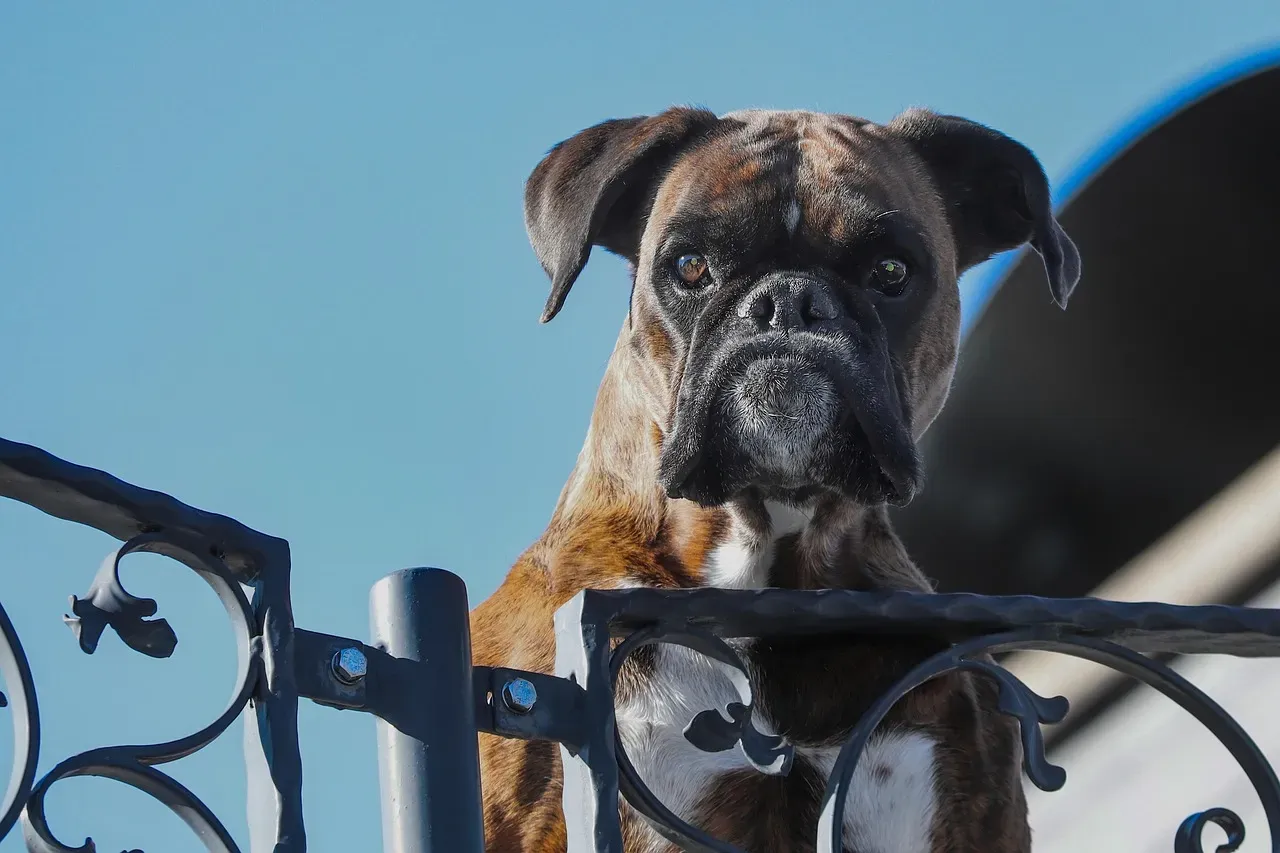
On chill mornings, background noise stays in the background – the garbage truck, the neighbor’s car, all of it a shrug. But when a morning shifts, many dogs suddenly act like head of security, racing to the window at the slightest sound or freezing mid-movement to tilt their head at something they’d normally ignore.
It’s as if they’re re-mapping the environment, hunting for the source of the “different” feeling they’ve already picked up inside the house.
This isn’t random hyper-alertness. Dogs tie internal states to external contexts – if their human is tense, their own heart rate rises, and suddenly every sound outside deserves scrutiny. That’s why some dogs bark at “nothing” on the day you’re anxious: they’re not hearing more, they’re interpreting more. Some patrol in loops from door to window and back. Others just stand frozen, staring at one spot, listening.
At a Glance
- Racing to the window at sounds they’d normally ignore
- Freezing mid-step instead of continuing on
- Patrolling in loops between the door and window
- Standing motionless, staring at one fixed spot
#10 – They Ignore Food or Gobble It Like It’s Their Last Meal
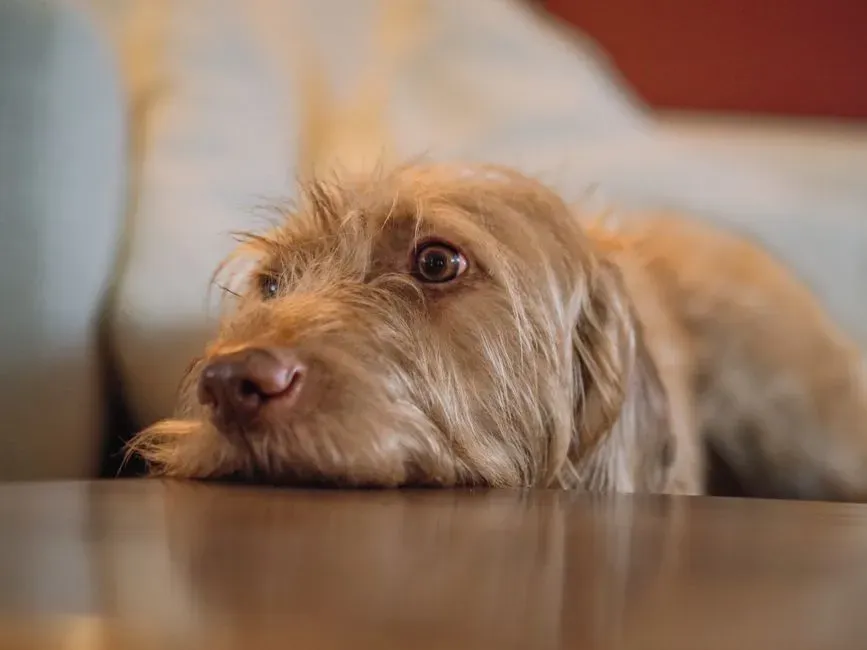
Dogs and breakfast are usually a simple equation: bowl down, food gone. So any deviation here is loud. On mornings that turn out to be significant, many dogs either snub the meal completely or inhale it at record speed.
A dog that skips or rushes food, with no illness involved, is often responding to emotional disruption rather than being picky.
It’s the same way some people lose their appetite before an exam while others stress-eat. If you’re rushing, your dog may eat fast, trying to finish the routine before whatever’s coming next arrives. If you’re sad, some dogs abandon the bowl entirely and choose to sit near you instead – food traded for proximity, which is never a small decision for a dog.
#11 – They Cling to You Like Velcro or Take Space on Purpose
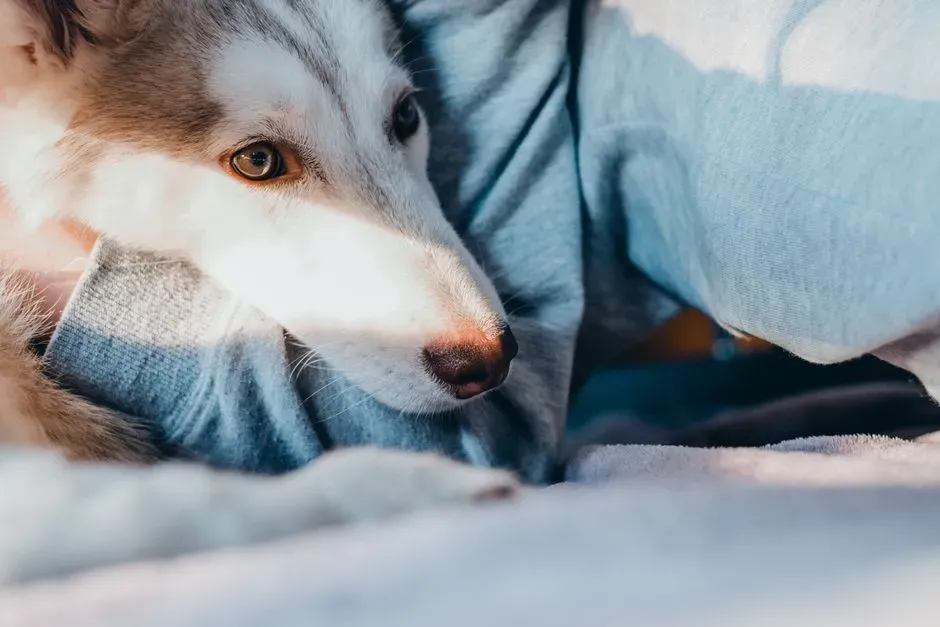
Dogs get labeled “needy” or “aloof,” but the reality is more strategic than that. When a morning stops being ordinary, attachment patterns shift. Some dogs turn into Velcro, following you into every room and pawing at your leg.
Others, surprisingly, step back – choosing a spot where they can see you clearly but stay out of the emotional blast zone.
Velcro behavior shows up when dogs sense your distress or anticipate separation; they’re not just seeking comfort, they’re trying to stay impossible to leave behind. The “distance dog” response is more misunderstood – often a mix of respect and vigilance, lying in a doorway instead of on top of you. Either way, when your dog’s preferred distance from you changes overnight, something in their mental math about the day has changed too.
Worth Knowing
- Velcro dogs follow you room to room, paw at your leg, and resist being left alone.
- Distance dogs pick a spot with a clear view of you – close enough to watch, far enough to observe.
- Both patterns can show up in the same dog on different days – it’s about vigilance, not how much they love you.
#12 – They React Before the Big Thing Actually Happens
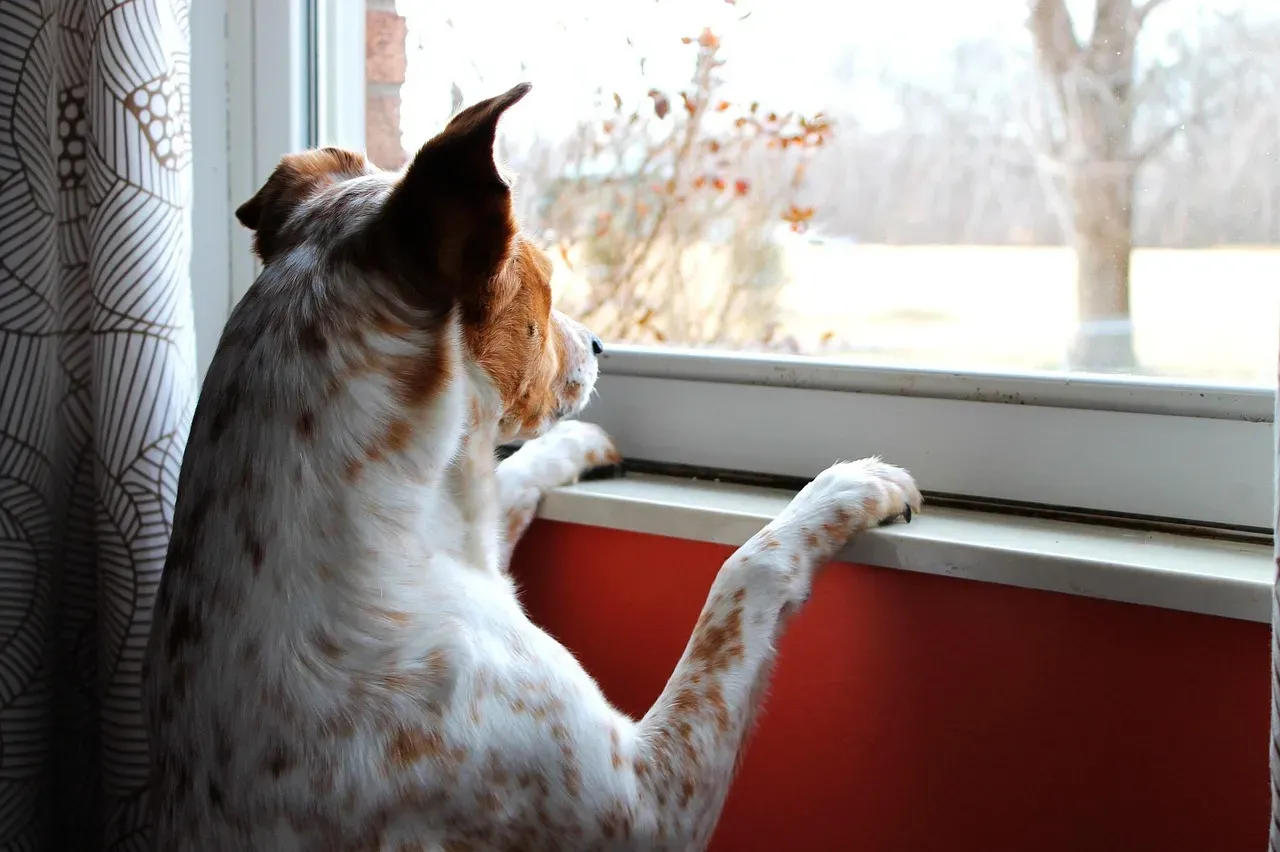
Here’s where people really underestimate dogs: they’re often ahead of the plot. Your dog starts pacing ten minutes before the doorbell rings. They get anxious before your alarm even goes off on the day you’re leaving early. They climb into your lap before the argument starts, or before you open the email you’ve been dreading.
Dogs combine routines, smells, micro-expressions, and time-of-day cues to predict events before the “main event” is even visible.
If every Thursday means a rush to daycare, they know the pre-rush signals – the earlier wakeup, the different shoes, the faster walk, the smell of your hurried sweat. The same goes for emotionally loaded days: a funeral, a breakup conversation, a medical appointment. They sense you bracing before you’ve admitted to yourself that you’re bracing at all. They’re not psychic. They’re just excellent statisticians of your life.
#13 – They Offer Comfort in a Very Specific, Personal Way
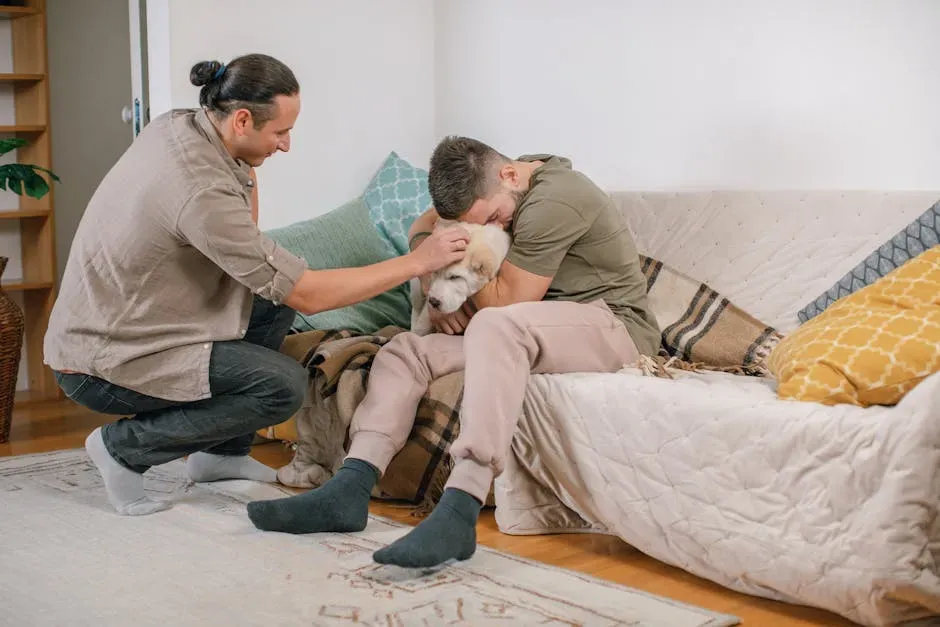
This is the sign most people remember months or years later. When a morning quietly tilts from normal to life-changing – a diagnosis call, a breakup, bad news, even good news that feels enormous – many dogs shift into a kind of targeted compassion that feels almost human.
They don’t just “comfort you” in some generic sense; they comfort you in the exact way that has worked for you before.
If you’re the type who cries on the couch, your dog might press their head into your chest like a weighted blanket. If you pace when you’re anxious, they might walk beside you, matching your speed, keeping you from spiraling too far. Others lick your hand once and then just… stay. That long, silent presence is them saying, in the only language they have, “I know this day is different, and I’m choosing to be here for it.”
The Bottom Line
We like to pretend we’re the rational ones and dogs are just along for the ride, but mornings like these expose the truth: your dog is quietly tracking your life with a level of detail most humans never match. When the day tilts – good or bad – they’re often the first to log the shift, long before you admit it to yourself.
Here’s the uncomfortable, slightly controversial take: if you routinely dismiss these signs as “clingy,” “dramatic,” or “just being a dog,” you’re ignoring one of the clearest emotional mirrors you’ll ever own. Dogs don’t care about your performance. They care about your patterns. When your dog tells you, in their own quiet way, that this morning isn’t like the others – they’re usually right. The only real question left is whether you’re paying enough attention to listen.