
11 Details a Dog Has Decided Which Door in a House Actually Matters
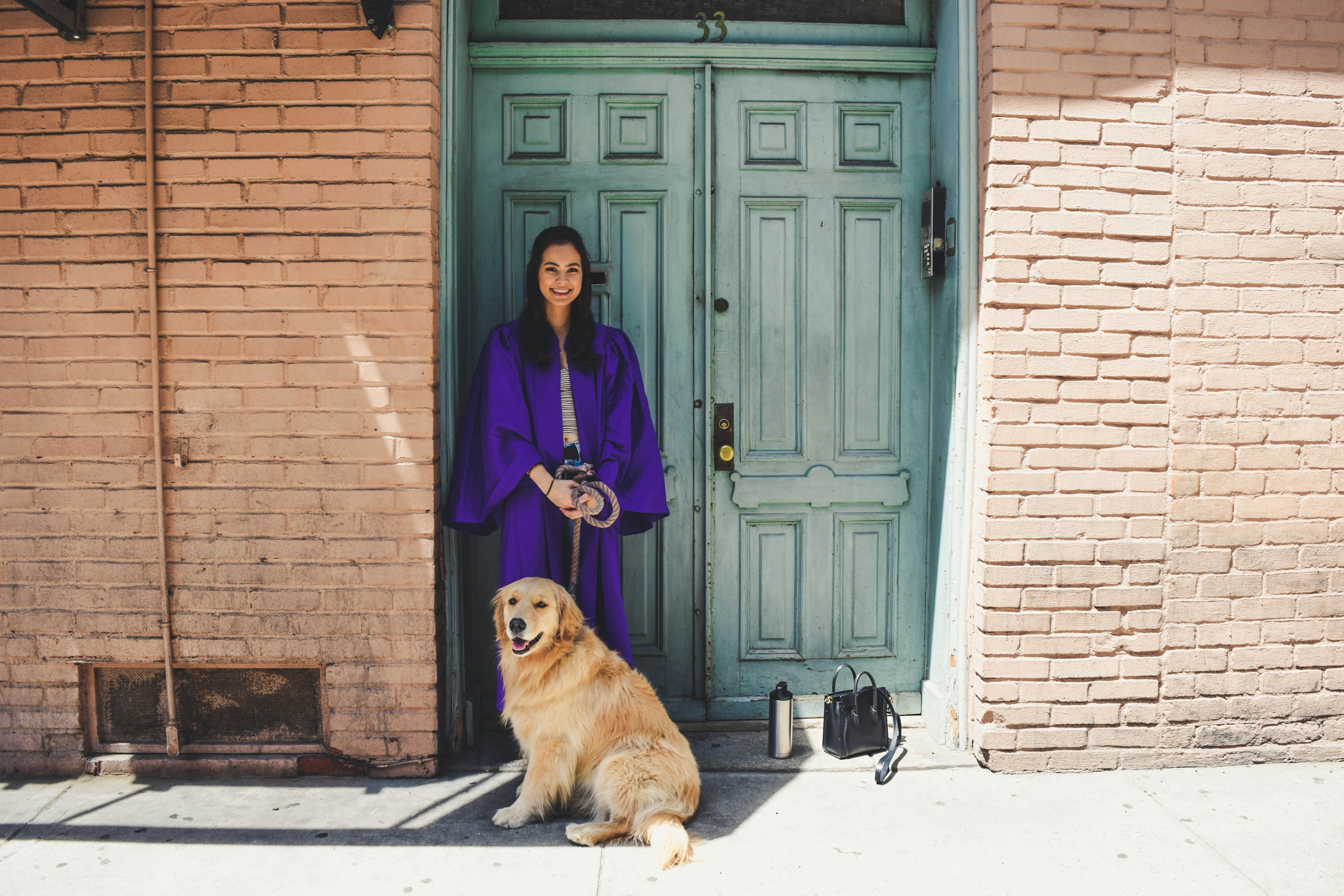
Most people assume every doorway in the house is interchangeable to a dog – just another gap to blast through on the way to food, toys, or the backyard. Watch your dog for one full day, though, and something quietly strange comes into focus.
Your dog has already picked one specific door as the real “portal that matters,” and it’s probably not the one you’d guess. From scent trails to sound patterns to buried emotional memories, dogs are constantly ranking your doors into “critical,” “meh,” and “ignore completely.” Here’s what that ranking actually looks like – and what it quietly reveals about your daily life together.
#1 – The Door Where You Disappear (The Human Exit Door)
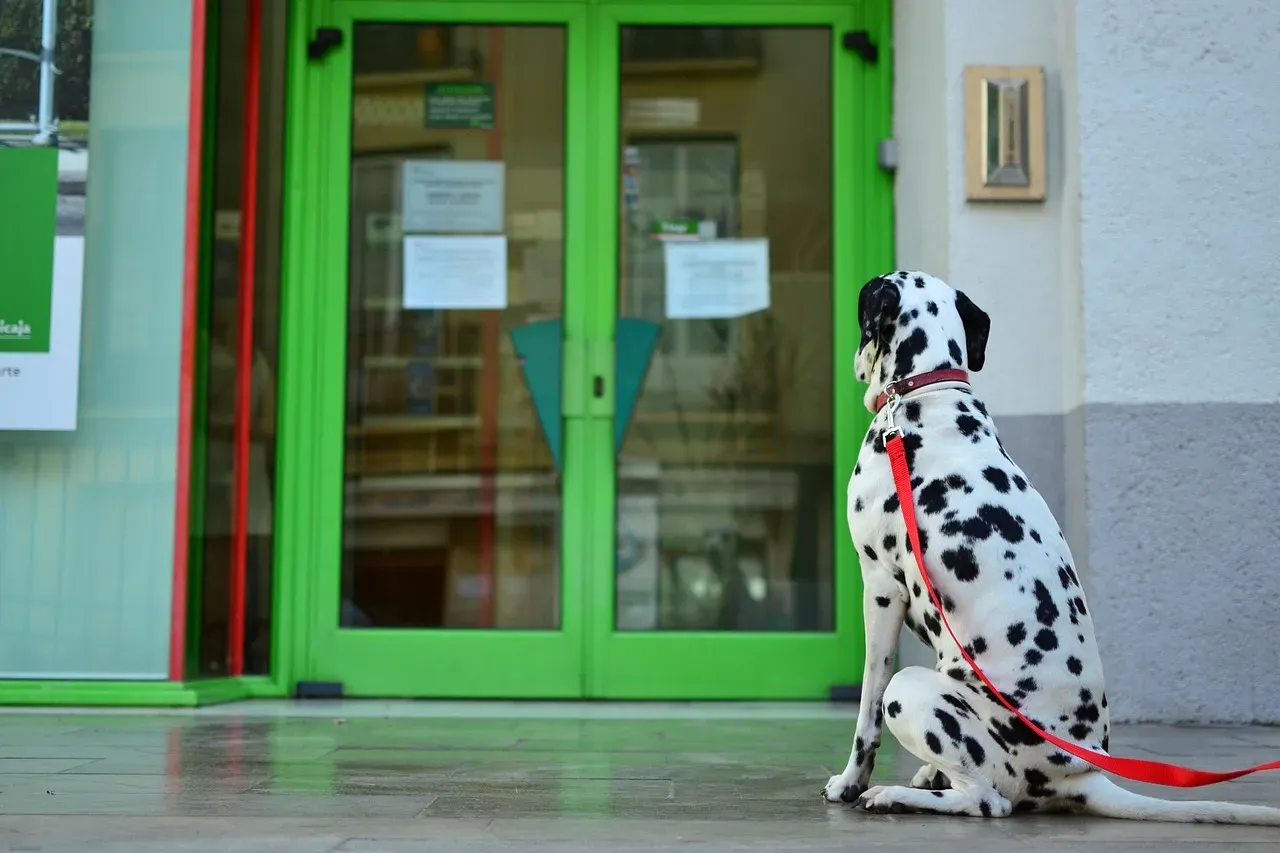
If you remember only one thing from this list, make it this: the door you use to leave for work is usually the single most emotionally loaded door in your dog’s world. To you, it’s just the garage door or the front door. To your dog, it’s the “you vanish now” portal, and they’ve built an entire early-warning system around it.
They clock the pre-exit rituals long before you touch the handle – keys lifted, shoes laced, that specific jingle of metal and fabric. By the time your hand hits the knob, their nervous system is already ten seconds ahead, bracing for the empty house. That hopeful sit, the pacing, the whine – it’s not drama, it’s pattern recognition. This one doorway has learned, through repetition, to predict loneliness.
#2 – The Door That Smells Like the Whole World (The Scent Highway)
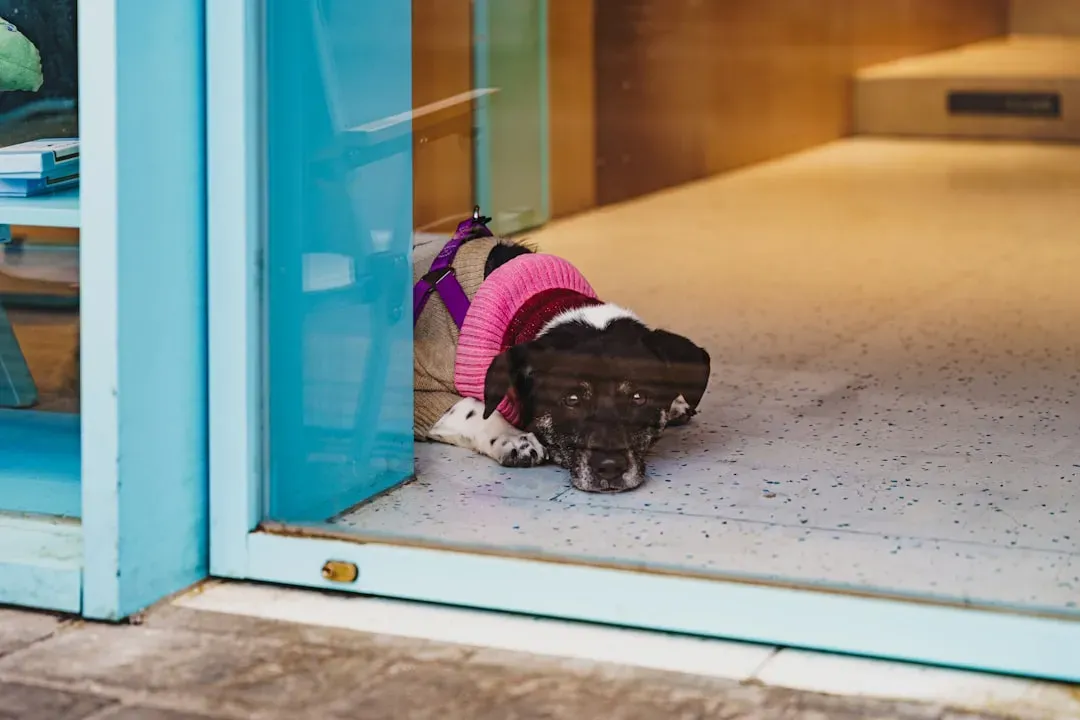
Here’s a truth most owners never clock: dogs “see” doors with their noses first, not their eyes. The door that matters most is often the one carrying the densest, freshest mix of outdoor smells – mud, grass, tires, the neighbor’s dog, last night’s rain. It’s your dog’s version of an endlessly refreshing feed of “what’s happening out there.”
Watch closely and you’ll catch your dog returning again and again to sniff the crack at the bottom of one particular door, even when nobody’s coming or going. That’s not boredom, that’s data collection – reading who passed by, which direction they went, roughly how long ago. Owners assume the back patio door is “the dog door,” but plenty of dogs actually obsess over the front door instead, simply because that’s where the richest scent traffic lives.
Fast Facts
- Dogs have roughly 300 million scent receptors, compared to about 6 million in humans.
- The part of a dog’s brain devoted to smell is proportionally many times larger than a human’s.
- A dog’s nose print is as unique as a human fingerprint.
- Scent left at a threshold can linger long enough for a dog to “read” hours-old foot traffic.
#3 – The Door That Predicts Fun (Walks, Car Rides, Chaos)
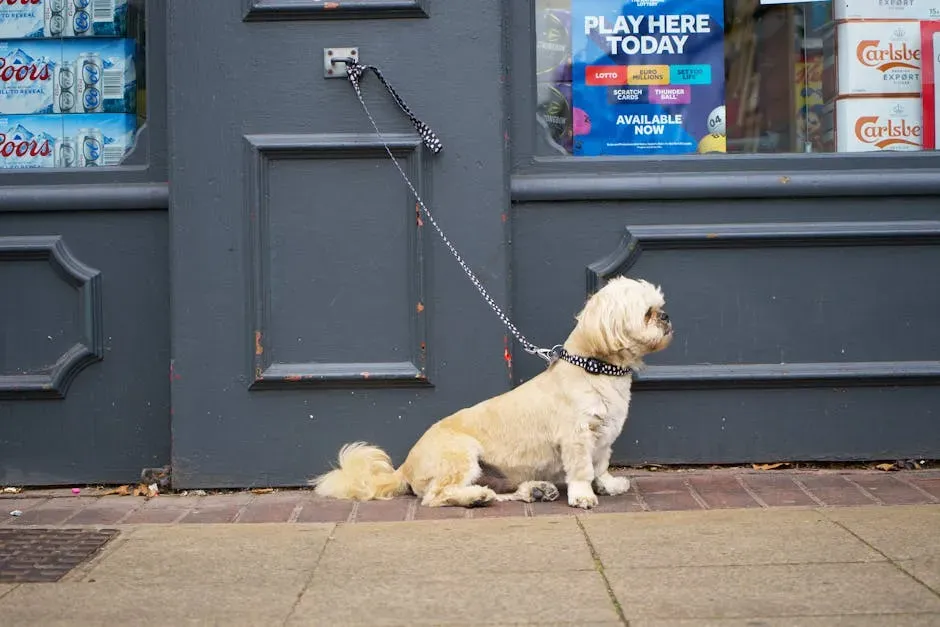
Dogs are ruthless about pattern and payoff, and they are not sentimental about which exit “should” matter. Whichever door most reliably leads to walks, car rides, or full-blown backyard zoomies gets elevated to VIP status in your dog’s head. You’ll see it in the body language instantly – faster tail wag, tighter spins, a borderline-deranged bark the second your hand even flirts with that handle.
Plenty of households have a perfectly nice front door that the dog barely acknowledges, because every walk actually starts from the side gate or the garage. That’s where the leash appears. That’s where adventures begin. So naturally, that’s the one they stalk and shove their nose against. People complain about “door reactivity” at one specific spot without realizing they trained that obsession themselves, by pairing that single doorway with every high-energy moment in the dog’s life.
#4 – The Door That Never Closes (and Why Your Dog Barely Respects It)
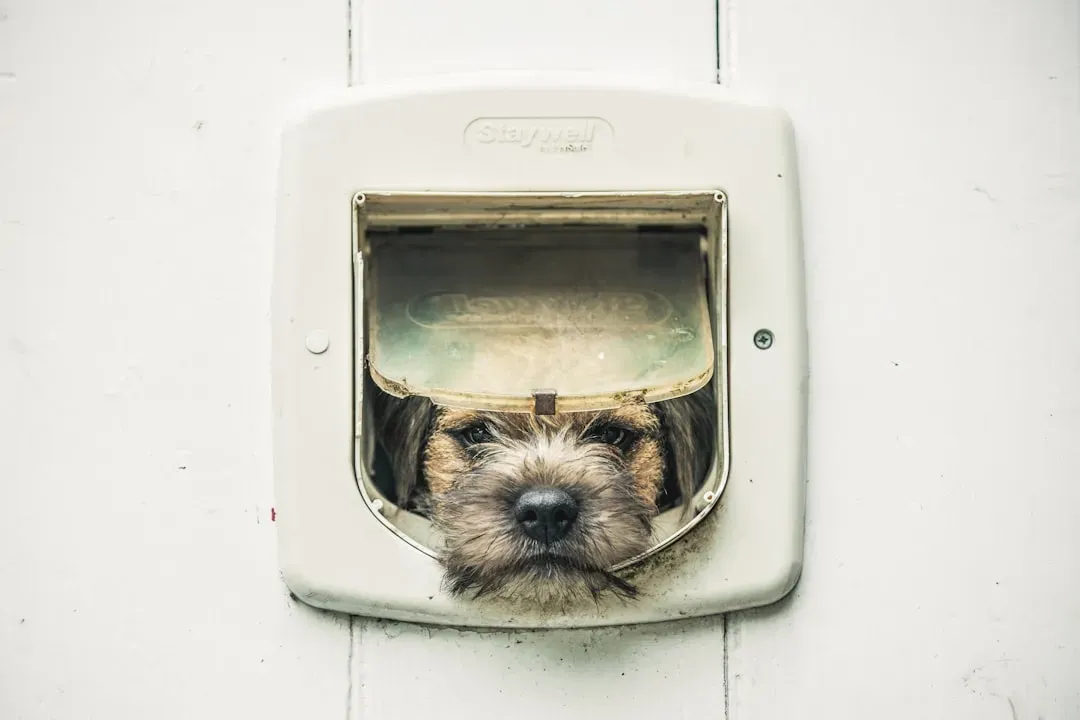
Here’s where it gets slightly controversial: a door that’s always propped open, or rarely fully latched, barely registers as a real boundary to most dogs. It’s just a gap in space, not a decision point. A bedroom door that’s constantly ajar, a hallway that’s always accessible – that threshold does not carry weight in your dog’s mental map, no matter how much we humans want it to mean “their space versus our space.”
Dogs learn what matters through friction. If a door never stops them, never triggers a ritual, never precedes an emotional shift, it quietly gets demoted to background noise. That’s why some dogs breeze through interior doorways without a second glance, then slam the brakes hard at the one door that actually changes their environment – the yard, the street, the car. While we obsess over “teaching boundaries” indoors, the dog has already concluded that only one or two doors in the entire house actually change the stakes.
#5 – The Door That Controls Noise (Thunder, Fireworks, or Silence)
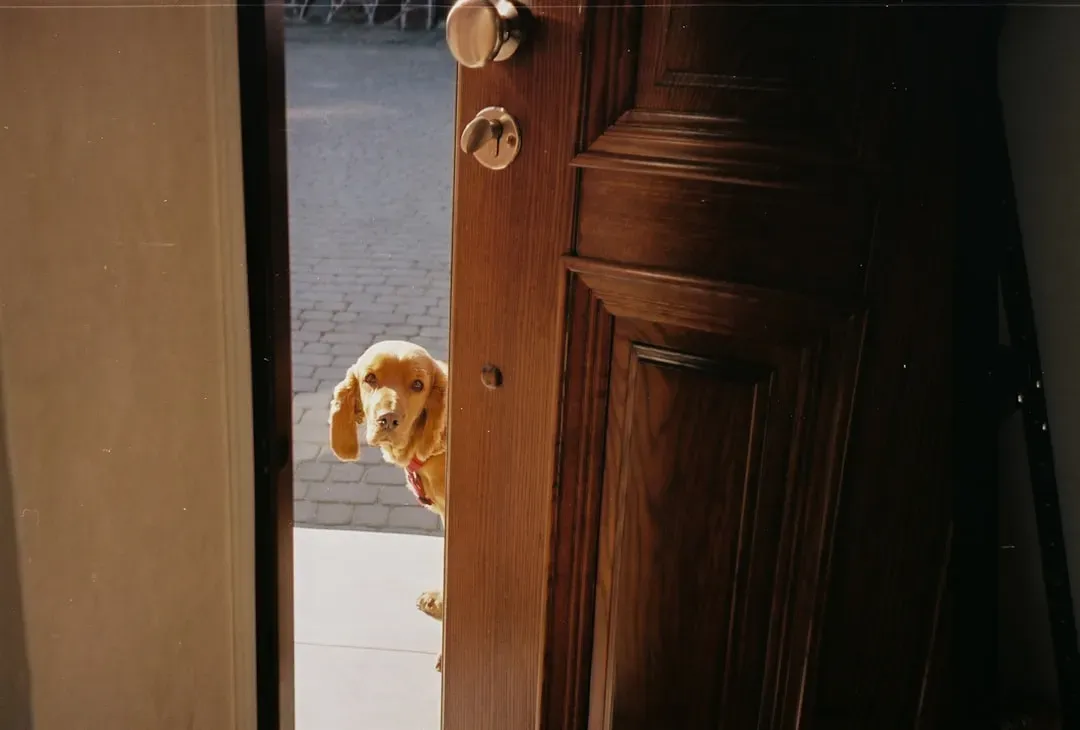
Most owners badly underestimate how much sound alone can turn a specific doorway into either a threat or a sanctuary. If fireworks, thunder, or loud traffic tend to erupt from one side of the house, the door on that side can quickly become a “danger portal” – or, depending on what the dog learns there, an escape hatch toward safety.
Dogs with noise sensitivities often glue themselves to the opposite door, the one leading to the quietest corner of the house. You might notice your dog refusing to go near the front door on the Fourth of July, but hovering instead near a back bathroom or a closet door that muffles the booms outside. That’s not random hiding – it’s strategic, sound-based mapping, and some dogs will physically tremble near the noisy door while staring longingly at the quiet one.
#6 – The Door You Guard Without Realizing It (Your Dog Is Reading You)
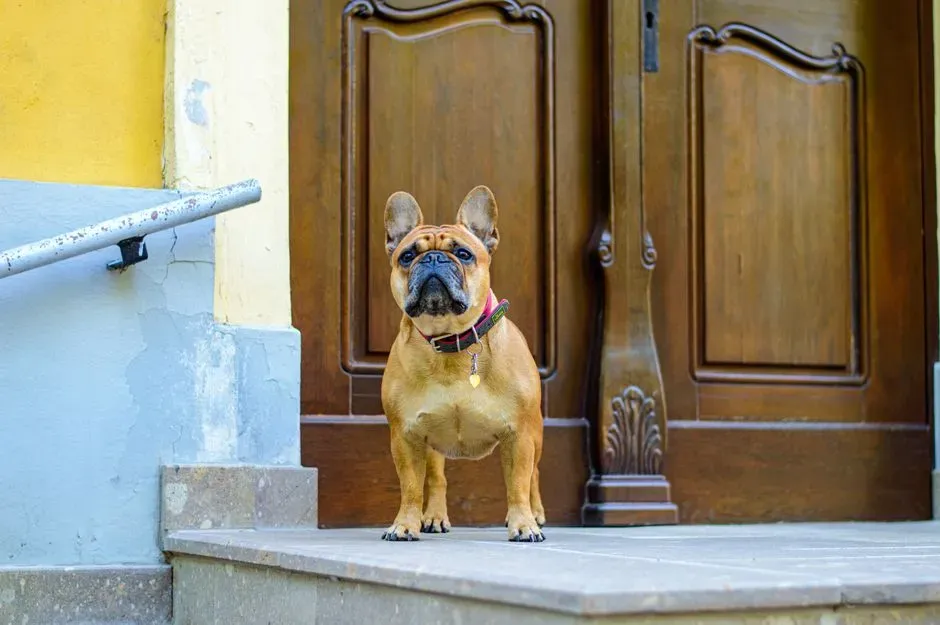
Dogs are professional overthinkers when it comes to human behavior, and the door you treat with the most caution instantly ranks higher in their internal hierarchy. If you consistently pause, check locks, lower your voice, or angle your body protectively in front of one specific door, they notice – and they file that doorway under “serious border.”
This is exactly why some dogs turn into miniature security alarms at one entrance and stay completely unbothered at every other doorway in the house. You might think your dog independently decided this was the front line of defense. In reality, they watched you decide that first, through repeated peephole checks, tense conversations with delivery drivers, or anxious package-watching. You’ve been quietly training them, over and over, that this exact threshold is worth guarding with their whole body and voice.
Worth Knowing
- A stiff posture and a low, sustained bark near one door – but not others – is a classic guarding signal.
- Fixated staring at a single threshold when unfamiliar sounds occur often points to a “trained” alert zone.
- Dogs that position themselves between you and a specific door are actively managing it, not just standing nearby.
- Watch how fast your dog relaxes once that one door is closed or locked – it’s a good clue how much weight it carries.
#7 – The Door to the Forbidden Zone (Rooms They’re Not Allowed In)
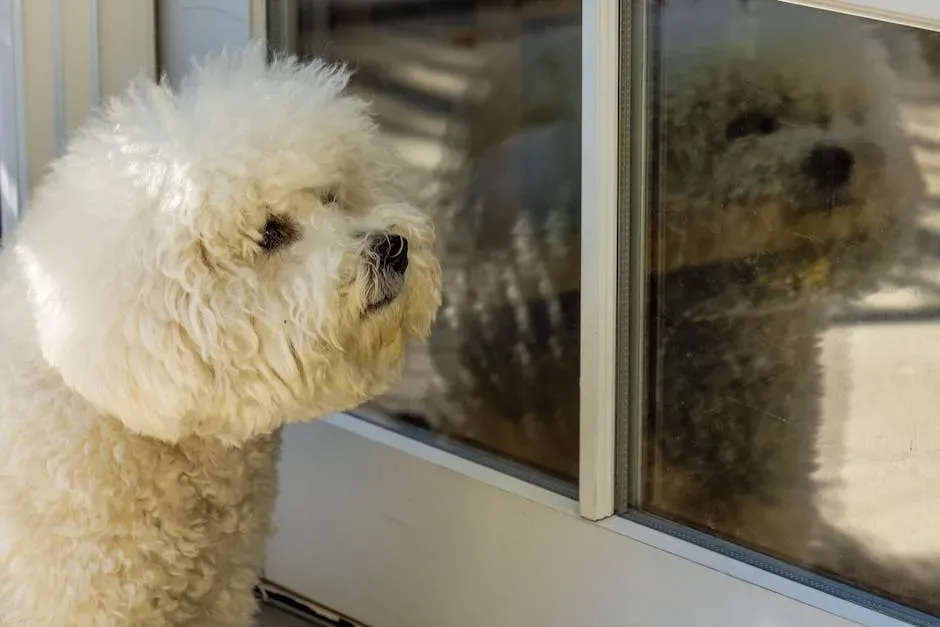
Here’s the part a lot of owners secretly hate admitting: the “off-limits” door is often your dog’s favorite obsession, precisely because you made it forbidden. A home office, a nursery, a spotless guest room – dogs keep a running mental bookmark on whatever space you dramatically seal off. Shut a door with enough finality, and you’ve basically announced, “something important is happening in here.”
Some dogs will sleep directly outside that closed door, not because they’re desperate to get inside, but because that’s now where your attention keeps disappearing to. Others test the boundary constantly, nose wedged into any crack like furry liquid the moment it’s left even slightly open. In multi-pet homes, this single closed door can become the site of full silent standoffs – pawing, scratching, and vocal protest over a room nobody even particularly wants to enter.
#8 – The Door That Smells Like You (Bedrooms and the “Human Nest”)
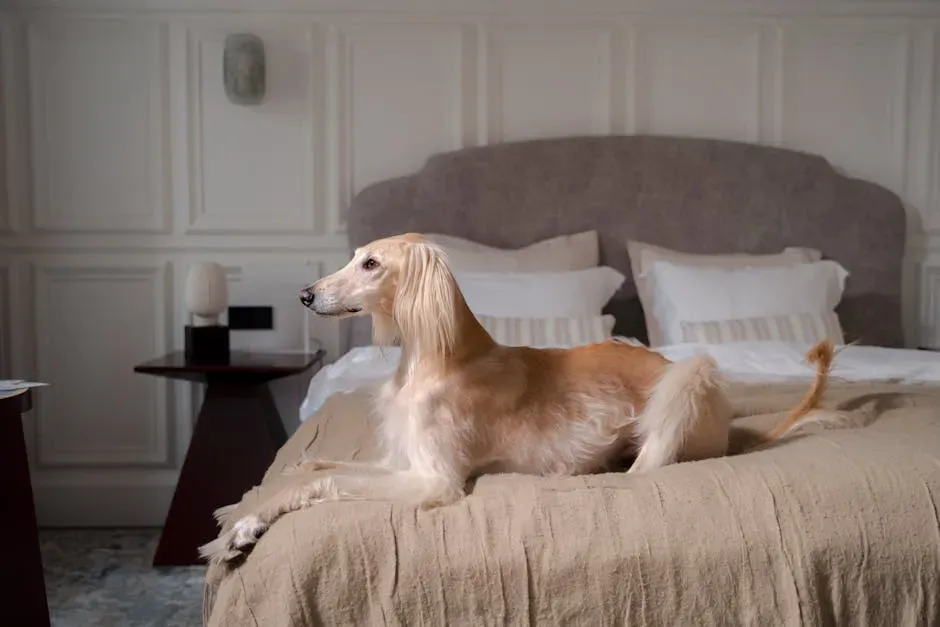
Forget the front entrance – for a huge number of dogs, the real important door is the one leading into the bedroom where you sleep. That threshold is saturated with your personal scent: sheets, pillows, clothing piles, even lingering body heat. For a creature whose primary sense is smell, that space functions like a 24/7 highlight reel of “my human was here.”
Notice how many dogs park themselves right at that threshold instead of walking deep into the room, especially if they’re technically not allowed on the bed. They’re negotiating the rule in real time – close enough to soak in your scent, not far enough in to get scolded. Even dogs with full run of the house will often still choose a spot just inside or outside this one door as their go-to resting place, because to them, it’s the emotional core of the home.
Why It Stands Out
- Usually the most scent-saturated spot in the entire house.
- Often wins out as a nap spot even when the dog has full access elsewhere.
- Becomes the go-to negotiation zone for “allowed versus not allowed” house rules.
- Can be chosen over the dog’s own bed simply because your scent is stronger there.
#9 – The Door That Moves (Baby Gates, Crates, and Temporary Barriers)
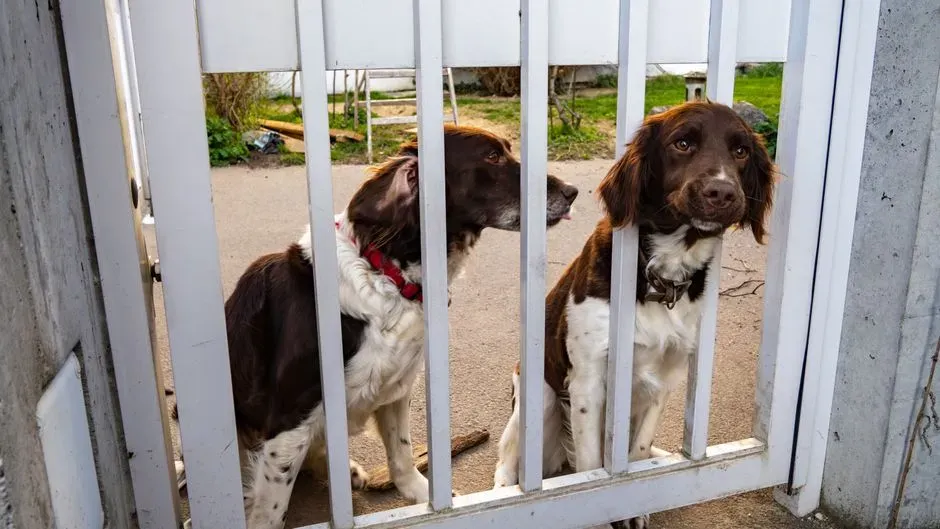
People love telling themselves, “it’s just a baby gate,” but your dog reads it very differently. A movable barrier turns an ordinary doorway into a shifting power line – sometimes open, sometimes closed, always worth checking. Unlike a fixed door, a gate or crate door invites constant negotiation: pawing, nudging, and a hopeful side-eye to see if the rules have quietly changed since last time.
Because these barriers are tied to specific triggers – mealtimes, alone time, guests arriving – dogs become laser-focused on what this particular “door” predicts. Crate open means freedom. Crate closed means quiet time or absence. A baby gate across the hall means no access to the couch or the chaos of the kids. Some dogs even learn to rattle these barriers on purpose for attention, because unlike a solid wall, a movable door suggests that pushing, pleading, or performing might actually work.
Dogs are incredibly acute students of routine, and small changes in a household’s pattern do not go unnoticed by them.
Dr. Patricia McConnell, applied animal behaviorist
#10 – The Door Where Life Changes (New Pets, Babies, or Goodbyes)
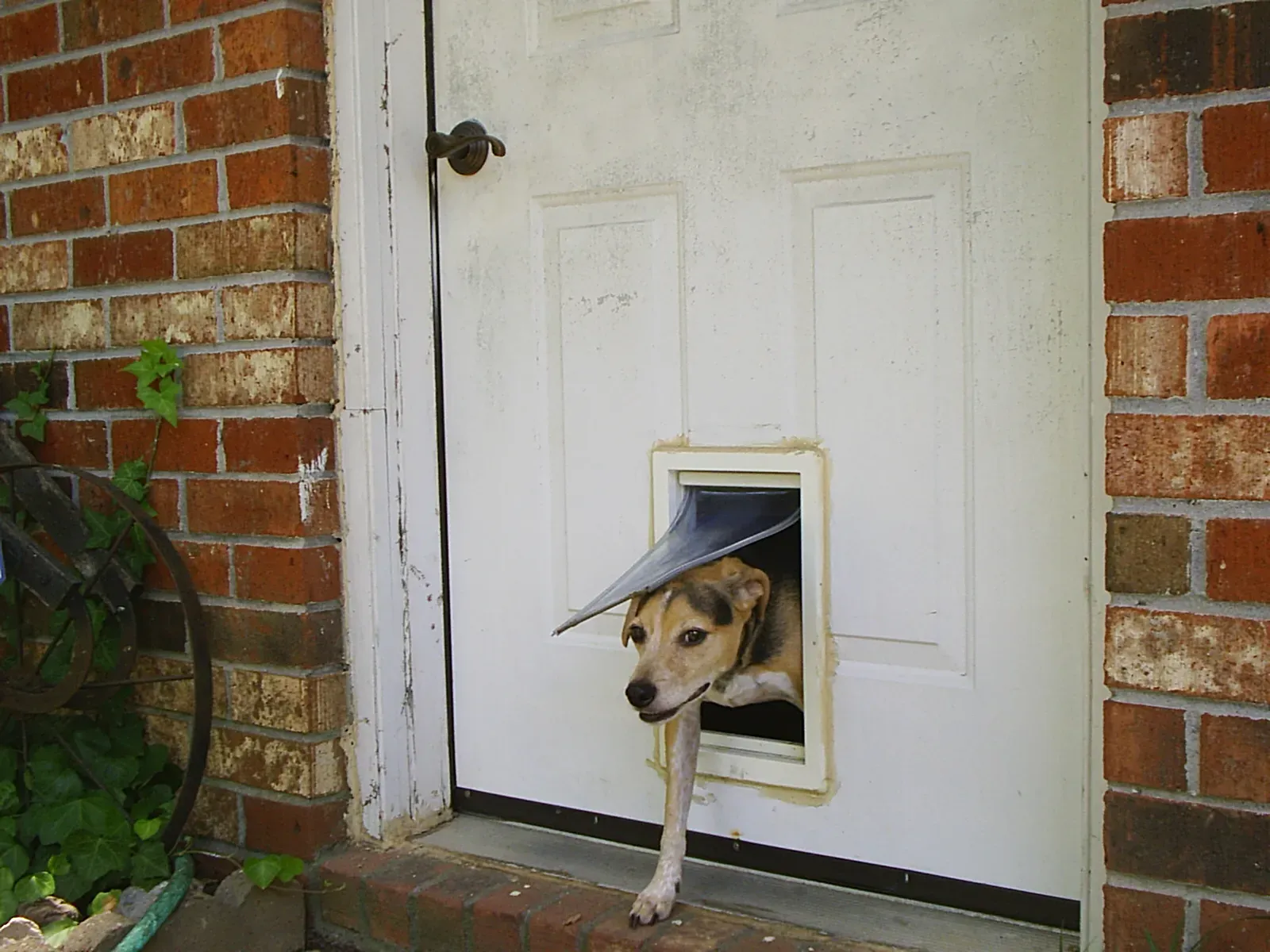
Not every meaningful door is about daily routine. Some doorways get permanently imprinted with a single major event. The door where a new baby first came home, where a rescue dog first crossed into safety, or where someone beloved walked out for the last time can become quietly sacred in a dog’s memory, long after the moment itself has passed.
We tend to underestimate how strongly dogs attach emotion to a specific location, but they absolutely do. A dog who watched another pet carried out through one exact door and never return may avoid that threshold for months afterward. Another dog might hover by the same door every evening at the exact hour a late family member used to arrive, ears pricked at every passing car. On the flip side, the doorway where they first met “their” person can spark tail-wagging joy years later, the instant someone touches that same handle.
At a Glance
- The door a new pet or baby first came through.
- The door a beloved pet or person exited for the last time.
- The door where a rescue dog first felt safe.
- The door tied to a long-gone daily arrival or departure ritual.
#11 – The Door You Come Through Together (The True “Pack Door”)
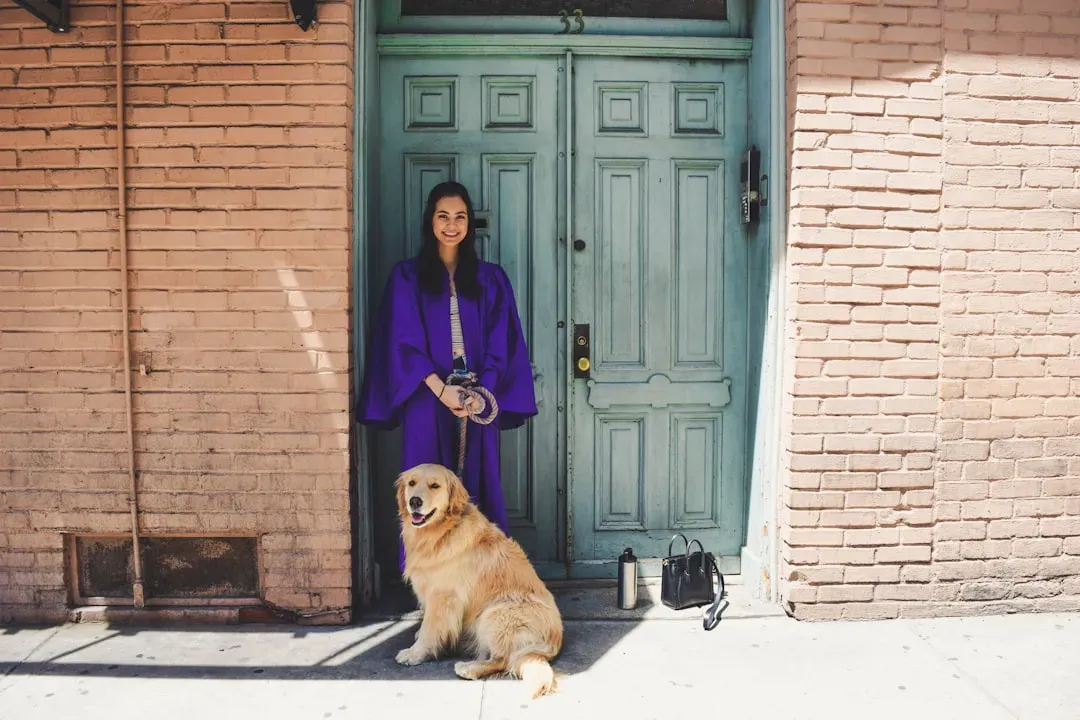
Here’s the detail that quietly outranks every other one on this list: the most important door in your dog’s life is usually the one you pass through together, most often, as a team. Not the fanciest one, not the front-most one, not whatever the architect intended as “primary” – just the one that reliably means “we go in and out as a unit.”
Dogs are social pattern machines, and their deepest comfort comes from shared movement – out together, back in together. Watch which door your dog anticipates you at, not when you’re leaving alone, but when you’re heading out side-by-side. That’s often the mudroom door, the side garage entrance, or the slightly ugly back slider that never makes it into real estate photos. Every time you reach for that particular handle and your dog materializes like they were summoned, you’re watching exactly which door they’ve decided actually matters.
The Bottom Line
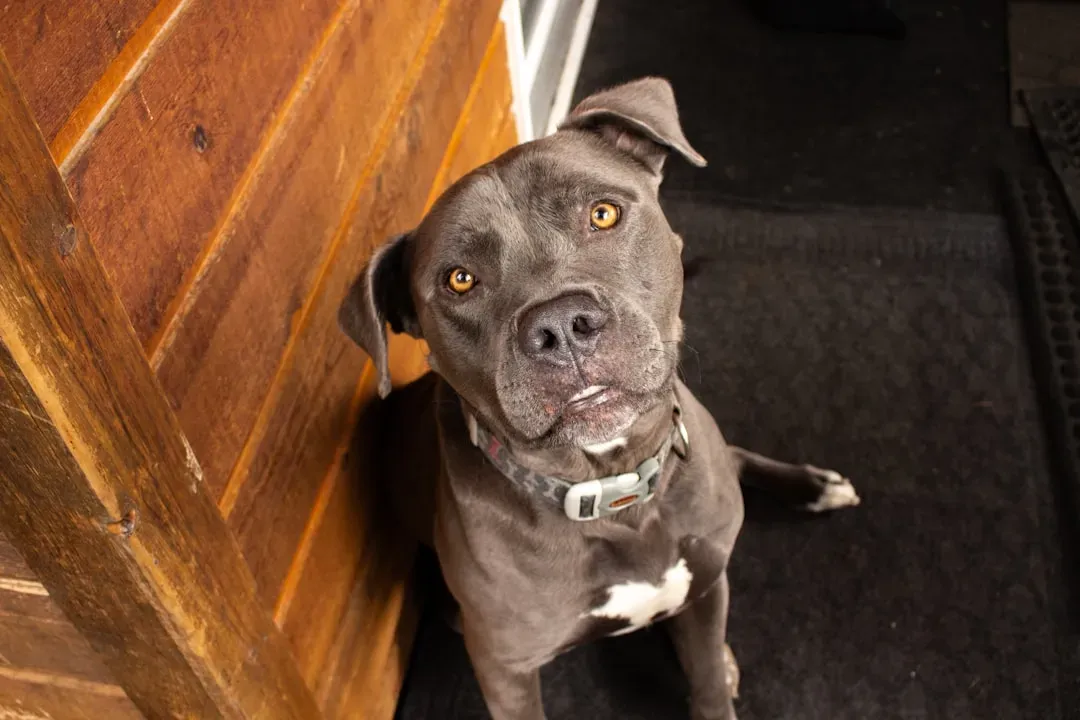
Zoom out far enough and the pattern gets almost brutally simple: dogs don’t care which door is prettiest, they care which door changes their emotional state. The “important” doorway is whichever one reliably predicts separation, reunion, adventure, safety, or access to you. Meanwhile, architects, designers, and most homeowners spend their energy obsessing over curb appeal and grand front entrances, while the family dog quietly hands its entire emotional map over to a side door, a bedroom threshold, or a crate gate stuck in a hallway.
Honestly, I think that’s the part worth sitting with. Your dog’s chosen door isn’t really about the door at all – it’s a mirror of your routines, your absences, and your comings and goings. If the most meaningful threshold in their life is the one you exit through alone every morning, that says something. If instead it’s the beat-up, unremarkable door you both walk through together every single day, that says something better. So take a second look at your own house: which door has your dog already voted for, and are you actually okay with the answer?