
13 Tells a Groomer Can Tell About a Dog From the First Minute on the Table
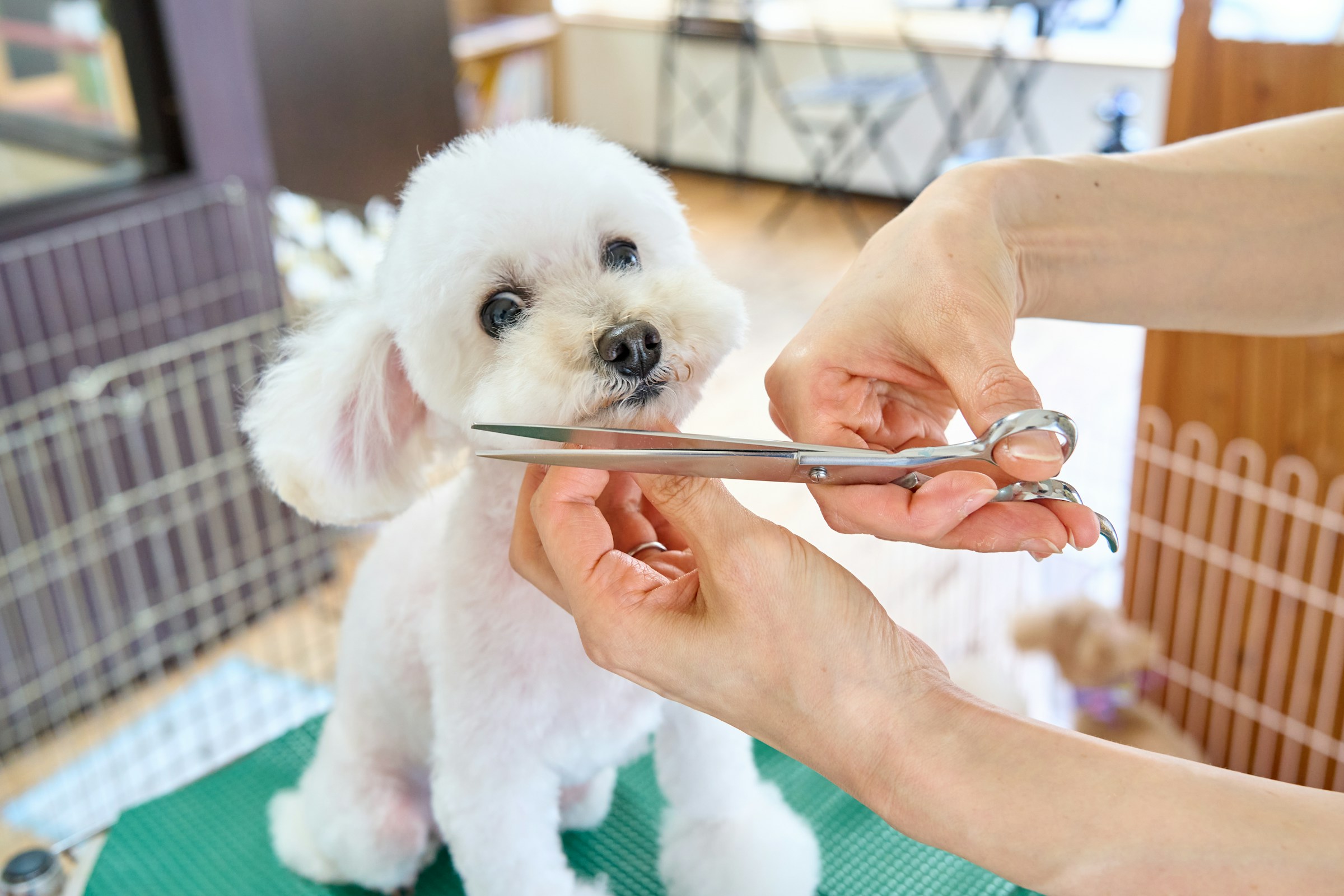
You drop your dog off, wave goodbye, and assume the next hour is just shampoo, scissors, and a cute bandana at pickup. But the groomer already knows things about your dog you haven’t told them – things you might not even know yourself.
It happens in the first sixty seconds on the table, before the clippers even turn on. Pain, fear, trust issues, hidden neglect, old trauma – it’s all sitting right there in how a dog stands, breathes, and reacts to a single touch. Here’s what professional groomers say they actually see in that first minute, and why it matters a lot more than you think.
#1 – How Much Pain Your Dog Is Hiding
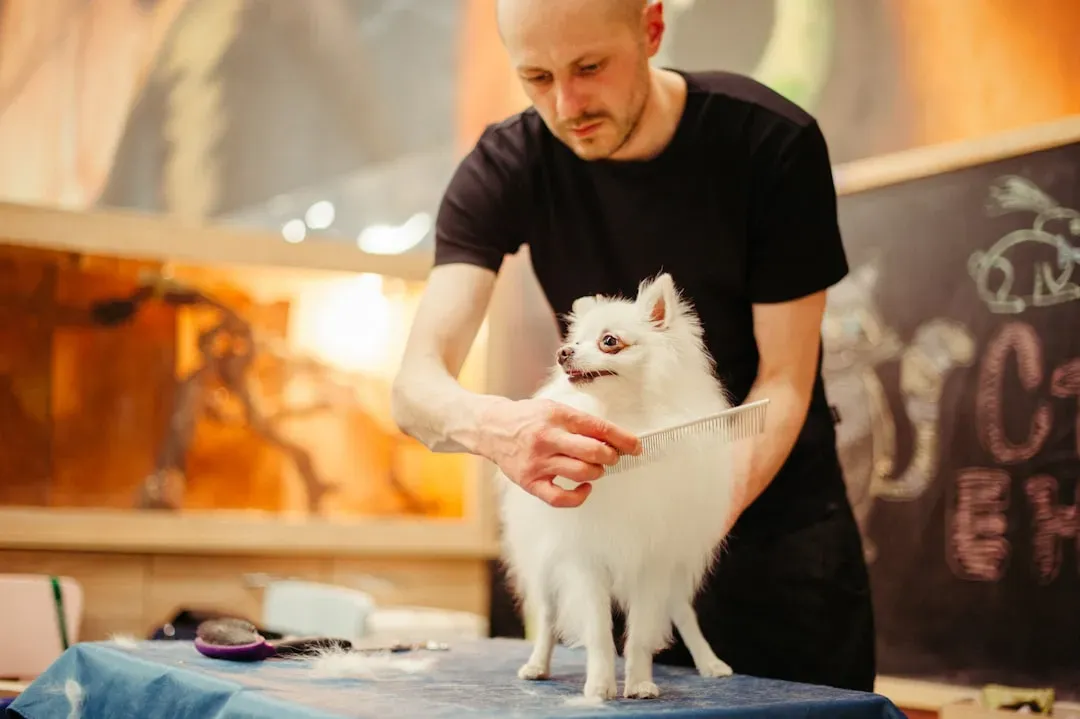
The first thing a seasoned groomer reads isn’t personality – it’s pain. A dog that flinches at certain spots, stiffens when lifted, or holds a strange, guarded posture is quietly broadcasting discomfort most owners never noticed at home. Many dogs with chronic pain look totally normal on their own turf because they’ve learned to compensate. Put them on a slightly unstable table, and those compensations show up fast.
That’s why good groomers start with a light hands-on “hello” instead of the clippers, checking joints, spine, and paws with gentle pressure. A dog who only snaps when the tail is lifted often has anal gland or lower back trouble. One who pants hard before anything stressful has even started may be hiding arthritis or dental pain. A responsible groomer adjusts on the spot – shorter sessions, more support, no forced positions – because that first minute can be the difference between a safe groom and a dangerous one.
#2 – Whether Your Dog Trusts Humans (Or Just Tolerates Them)
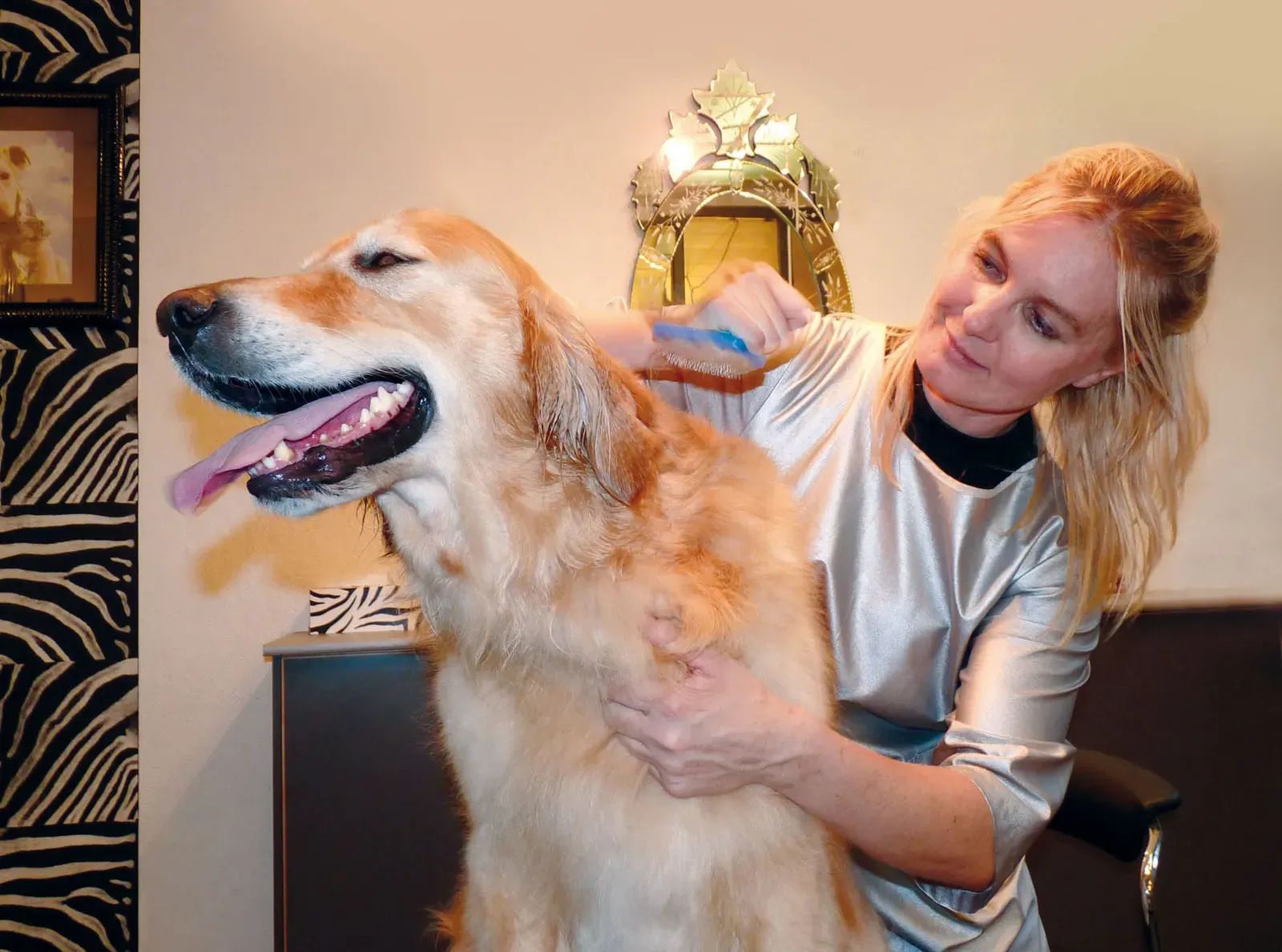
Every owner swears their dog “loves people.” Groomers see the truth in the first touch. There’s a massive gap between a dog that genuinely trusts humans and one that has simply learned to freeze and endure. A dog that leans into a hand with soft, blinking eyes is saying “I feel safe.” A dog that goes stock-still, jaw clamped, whites of the eyes showing? That’s not calm. That’s survival mode.
Groomers watch for the small stuff: does the dog follow a hand with their nose, accept gentle restraint without stiffening, offer a tail wag even while unsure? Those are signs of real confidence. A dog that tolerates everything but never blinks, yawns constantly, or licks its lips nonstop is quietly screaming stress – and has a much shorter fuse than the “perfectly behaved” label suggests. Ironically, the statue-still dog is often the one closest to biting.
Quick Compare: Trust vs. Tolerance
- Trusting dog: soft eyes, occasional blinking, leans into a hand
- Tolerant dog: frozen posture, whites of the eyes showing, jaw clenched
- Trusting dog: tail still wags even when unsure
- Tolerant dog: constant lip-licking or yawning with no tail movement
#3 – How Much Handling Your Dog Gets at Home
Groomers can tell almost instantly whether a dog is used to being touched – really touched, not just petted. A dog that gets its paws, ears, tail, and muzzle handled regularly at home moves through the first minute like it’s no big deal. They might be nervous, but they know the script: stand here, get touched, nobody dies.
A dog that rarely gets full-body handling reacts like every touch is a horrifying new invention. Within seconds a groomer sees it: the paw yanked back the instant it’s held, the thrashing when the tail lifts, the sudden roll onto the back to escape restraint. These aren’t “bad dog” signs – they’re “no practice” signs. Ironically, the most matted, hardest-to-groom dogs are often the least-handled ones, which is why many groomers quietly recommend daily five-second paw holds and ear touches at home.
#4 – Your Dog’s Real Temperament (Not Just Their Breed Stereotype)
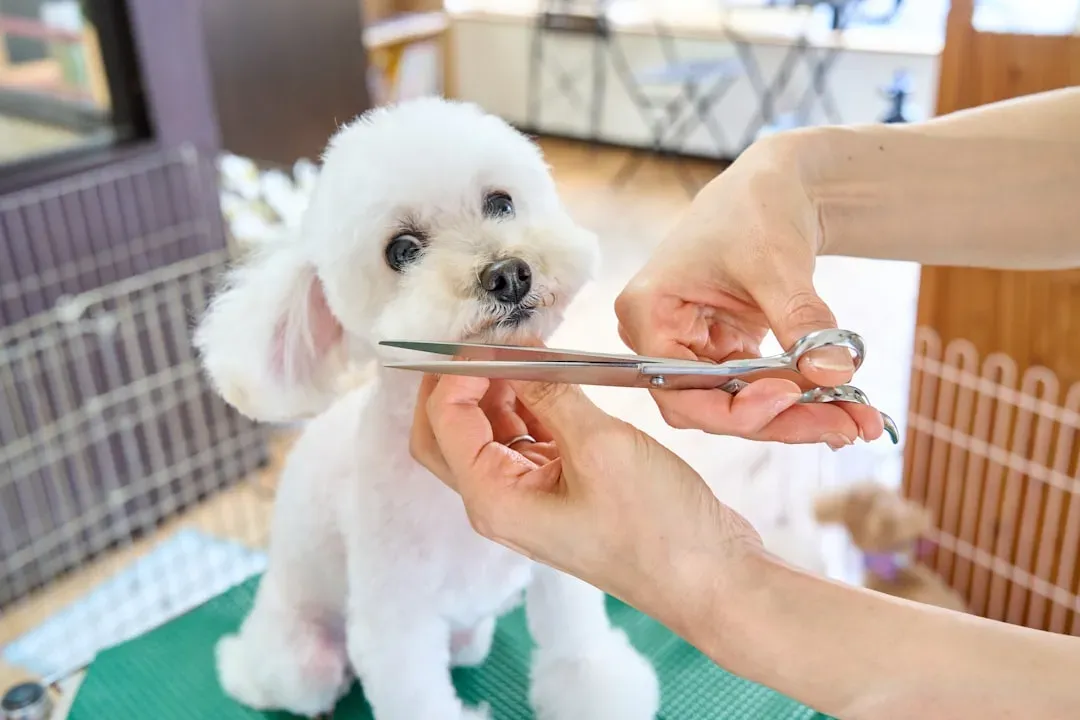
Owners love to open with, “He’s a [breed], so he’s stubborn / chill / anxious.” Groomers smile politely, then let the dog tell the real story. Within a minute on the table, the actual temperament shows up: confident, cautious, pushy, clowny, or wound tight. Breed plays a role, but individual wiring shows up faster than any stereotype ever could.
Many of the sweetest, most bombproof clients are breeds the internet loves to call “reactive” or “spicy.” Groomers watch how a dog handles newness – do they investigate the table with curiosity, or freeze solid? Do they try to run the interaction, or wait for direction? A genuinely easygoing dog wobbles, then relaxes fast. An intense dog keeps scanning the room and flinches at small sounds. The good groomers adapt to the dog in front of them, not the stereotype in their head – because some of the “difficult” ones just have big feelings, not bad temperaments.
#5 – How Stressed Your Dog Has Been Before They Even Arrived
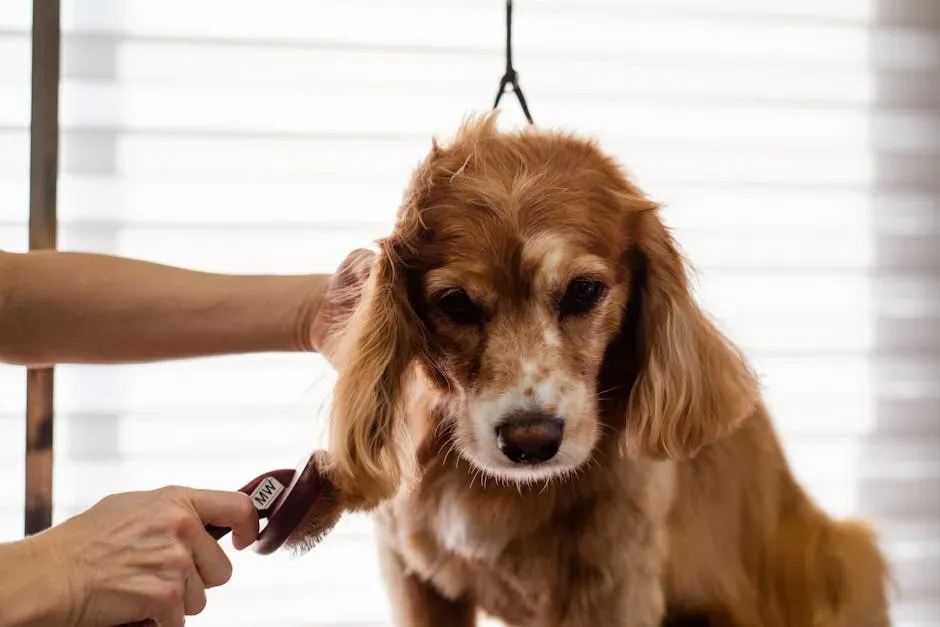
By the time your dog hits the table, the groomer can often read the whole pre-groom saga written on their body. Hard panting, drooling, trembling, a soaked collar – that usually means the stress started in the car or the second the leash came out. Even if they “calm down” by the time they’re lifted onto the table, their system is already flooded with adrenaline.
A mildly stressed dog will take a treat, respond to soft talk, and visibly loosen up with slow petting. An overloaded dog refuses food entirely, startles at completely normal sounds, and can’t hold still for a second. Good groomers make an instant call: push ahead gently, or slow everything way down. And here’s the part some owners don’t want to hear – for certain dogs, especially seniors or ones with a rough past, stopping the session entirely matters more than “just getting it done” today.
Fast Facts: Reading Stress Levels
- Mild stress: takes a treat, relaxes with slow petting
- High stress: refuses food, startles at normal sounds
- Physical red flags: heavy panting, drooling, trembling, a soaked collar
- Pro response: slows down or pauses entirely for at-risk dogs
#6 – Whether Your Dog Has Had a Bad Grooming Experience Before
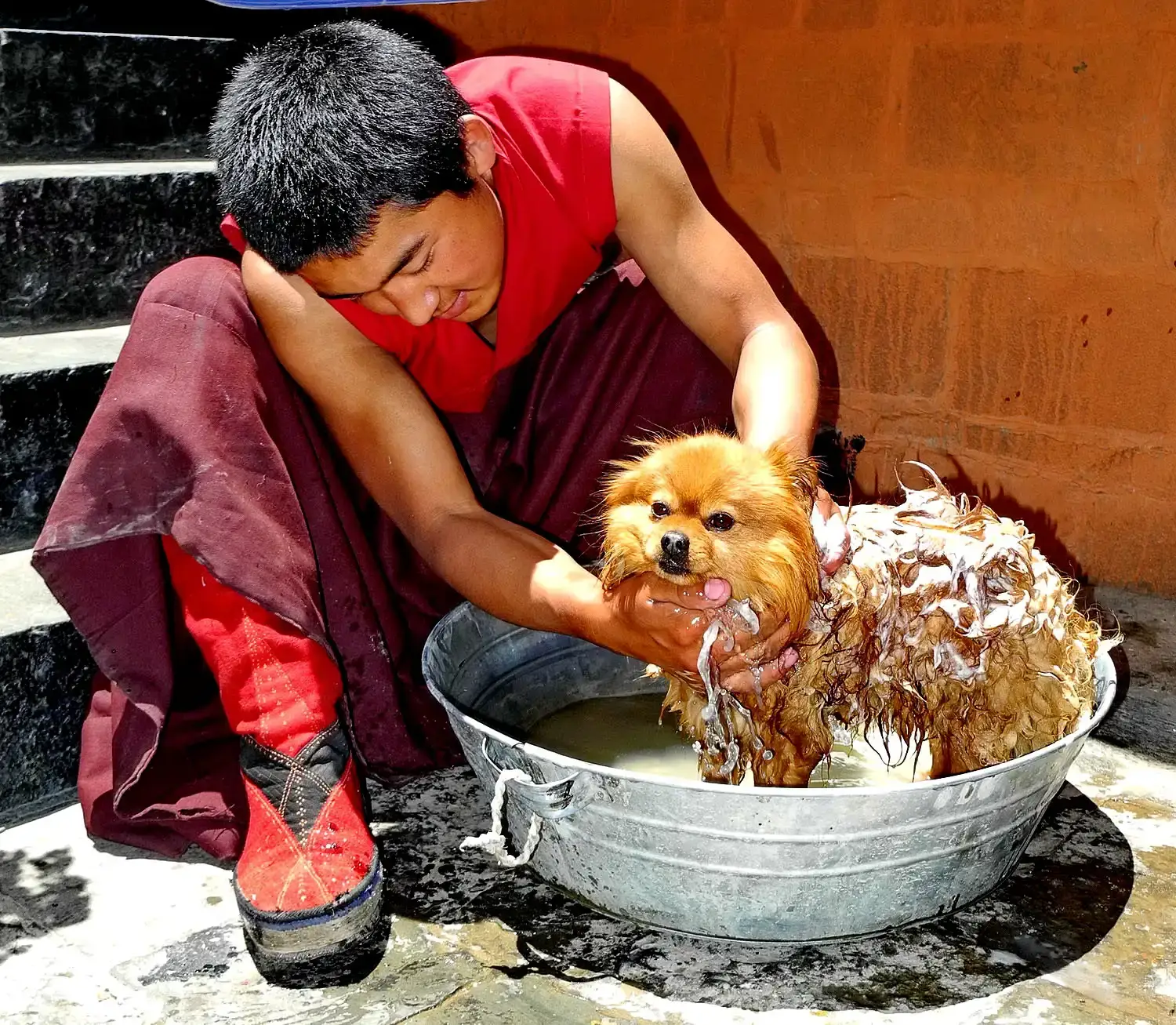
Dogs remember far more than people give them credit for. Groomers can usually tell within a minute if a dog is reacting to grooming in general, or to something specific that happened on a table before. A dog with a bad history often arrives already on high alert the moment they spot the tub or the tools – fine at the front counter, then instantly flipped into panic the second the table lifts.
Watch for extreme reactions to one specific tool, like the clippers near the face or the sound of a nail grinder. Watch for panic when a loop touches the neck, even gently, or sudden aggression that only appears under restraint. This isn’t spoiled behavior – it’s learned survival. A dog who was once nicked, rushed, or manhandled now believes all grooming equals danger, and the truth is, not every dog’s fear started at home. Some of it was handed to them on a table they never chose.
#7 – Your Dog’s Real Physical Age (Not the One on the Intake Form)
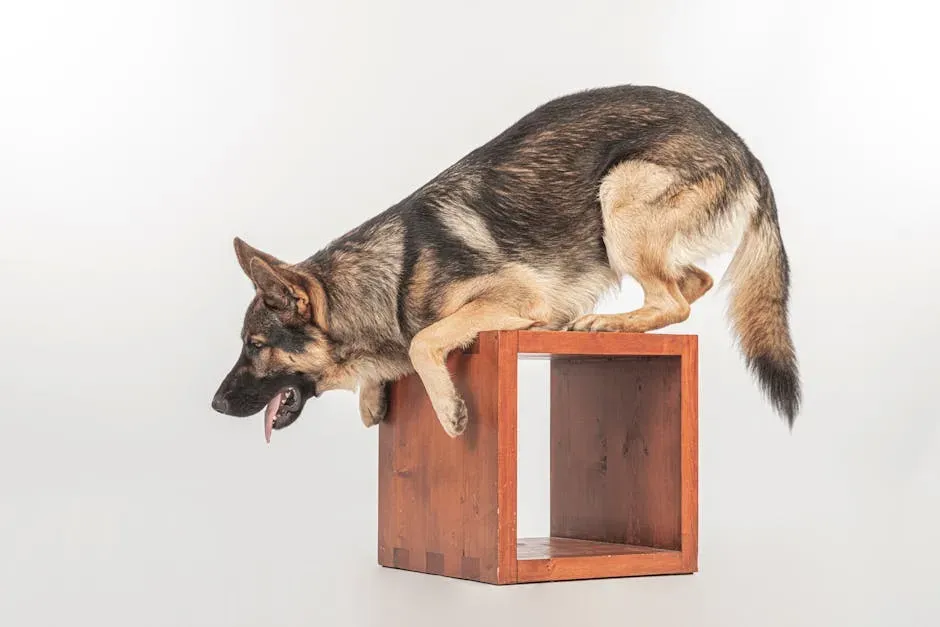
You might proudly say, “He’s only five!” But the way your dog balances on the table sometimes tells a very different age story. Groomers see dozens of dogs a week across every life stage, so they develop a sharp eye for real age versus the number you wrote down. A dog who struggles to balance, sags through the back, or can’t comfortably turn is often moving a lot older than their years – joint issues, muscle weakness, or just plain lack of fitness.
Feet planted wide and swaying, sitting abruptly the second support is removed, a small slip followed by real panic – these aren’t cute quirks, they’re safety issues. A dog with poor balance is far more likely to fall or flail on a wet, slightly slick surface. Good groomers respond with a lower table, more physical support, and shorter standing time, and many will gently suggest a vet check. It stings to hear your “young” dog moves like a senior. Catching it early is a gift, not an insult.
#8 – How Often Your Dog Actually Gets Groomed (Not Just “Regularly”)
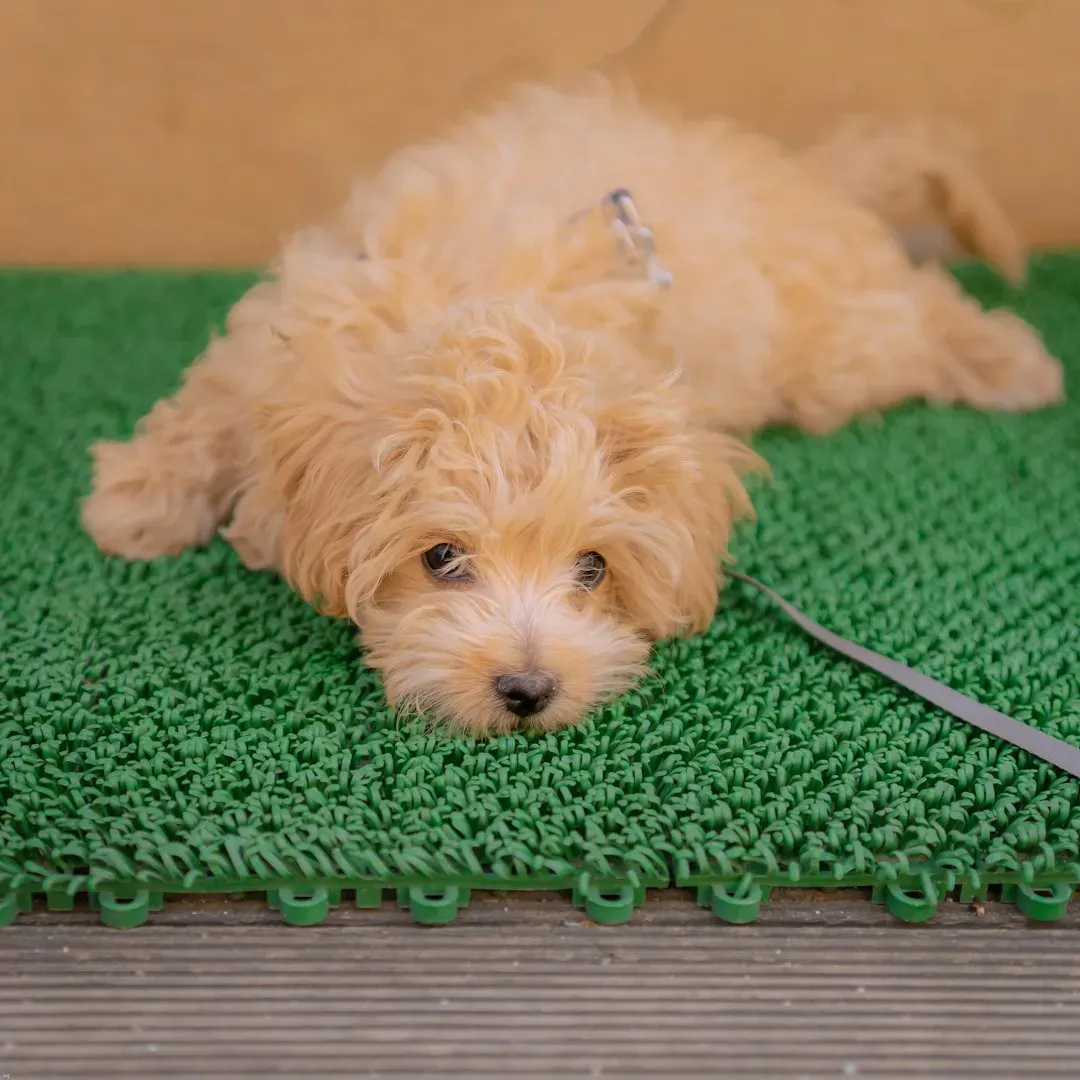
Almost every owner insists, “We come pretty regularly.” Groomers nod politely – then the coat tells the real story in seconds. Packed undercoat, tight mats behind the ears, hardened debris between the paw pads: none of that happens overnight. A truly well-maintained coat feels lighter and parts easily at the skin. The “we’ll get to it eventually” dogs feel dense, clumpy, or sticky before the brush even touches them.
A groomer checks whether a comb glides through the neck and ears, whether there’s a sour, yeasty smell buried in the fur, whether the armpits and groin feel thick and lumpy. When mats show up immediately, the pro knows this is no simple tidy-up – it may mean a full shave-down for comfort and a harder conversation at pickup. The unpopular truth: “cute and fluffy” is a lifestyle, not a haircut. Without real brushing down to the skin, no appointment schedule will save your dog from painful matting.
Worth Knowing: Signs of Coat Neglect
- Packed undercoat that resists a comb near the skin
- Tight mats behind the ears, armpits, and groin
- Hardened debris wedged between paw pads
- A sour or yeasty smell trapped deep in the fur
#9 – Whether Your Dog’s Skin Is Actually Healthy Underneath That Shine
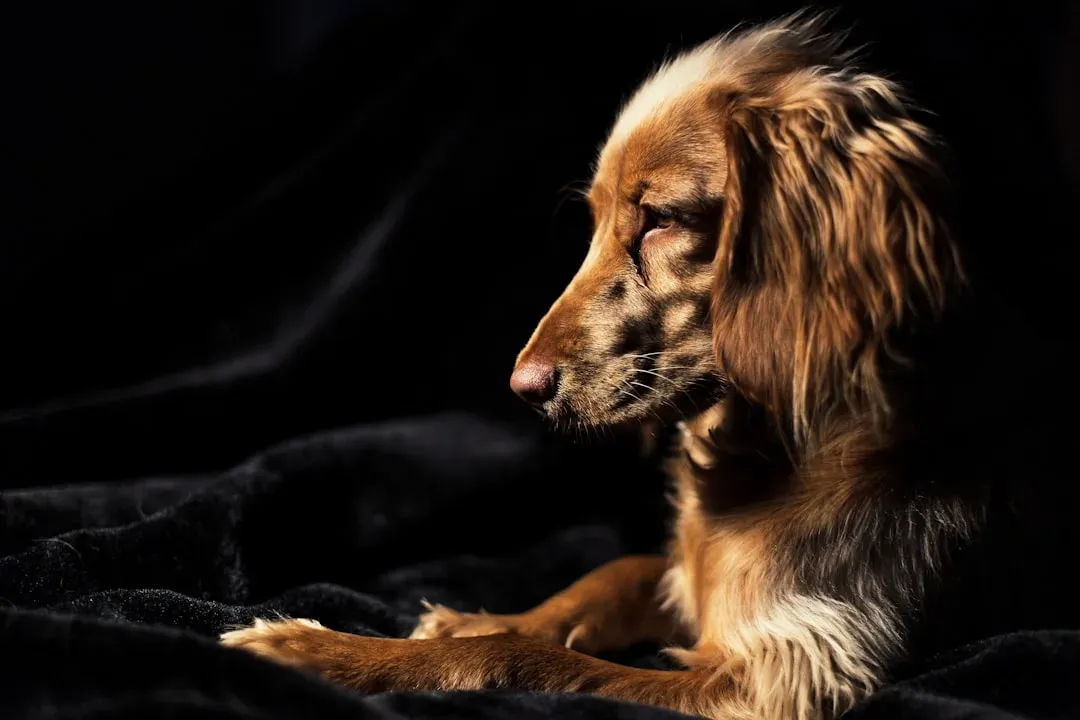
Most people judge coat quality by shine. Groomers judge by what’s happening at the skin. As they part the fur in that first minute, they’re reading a map of your dog’s overall health. Dandruff, hot spots, greasy patches, or a moth-eaten texture can all point to allergies, poor diet, parasites, or endocrine issues – nothing gets diagnosed on the table, but it absolutely changes how safely the groom can proceed.
Healthy skin looks pale pink or evenly pigmented, not angry and red. A dog who flinches at an itchy spot or starts chewing themselves the moment your hand leaves is telling you their skin was already uncomfortable before the shampoo ever touched them. Good groomers switch to gentler products and cooler water on irritated zones, and many will flag a pattern – chronic ear gunk, recurring hot spots, new bald patches – for a vet visit. Some owners get defensive hearing “this looks medical” instead of “he just has dry skin.” But pretending it’s purely cosmetic doesn’t make it go away.
#10 – How Safe Your Dog Feels in Any New Environment
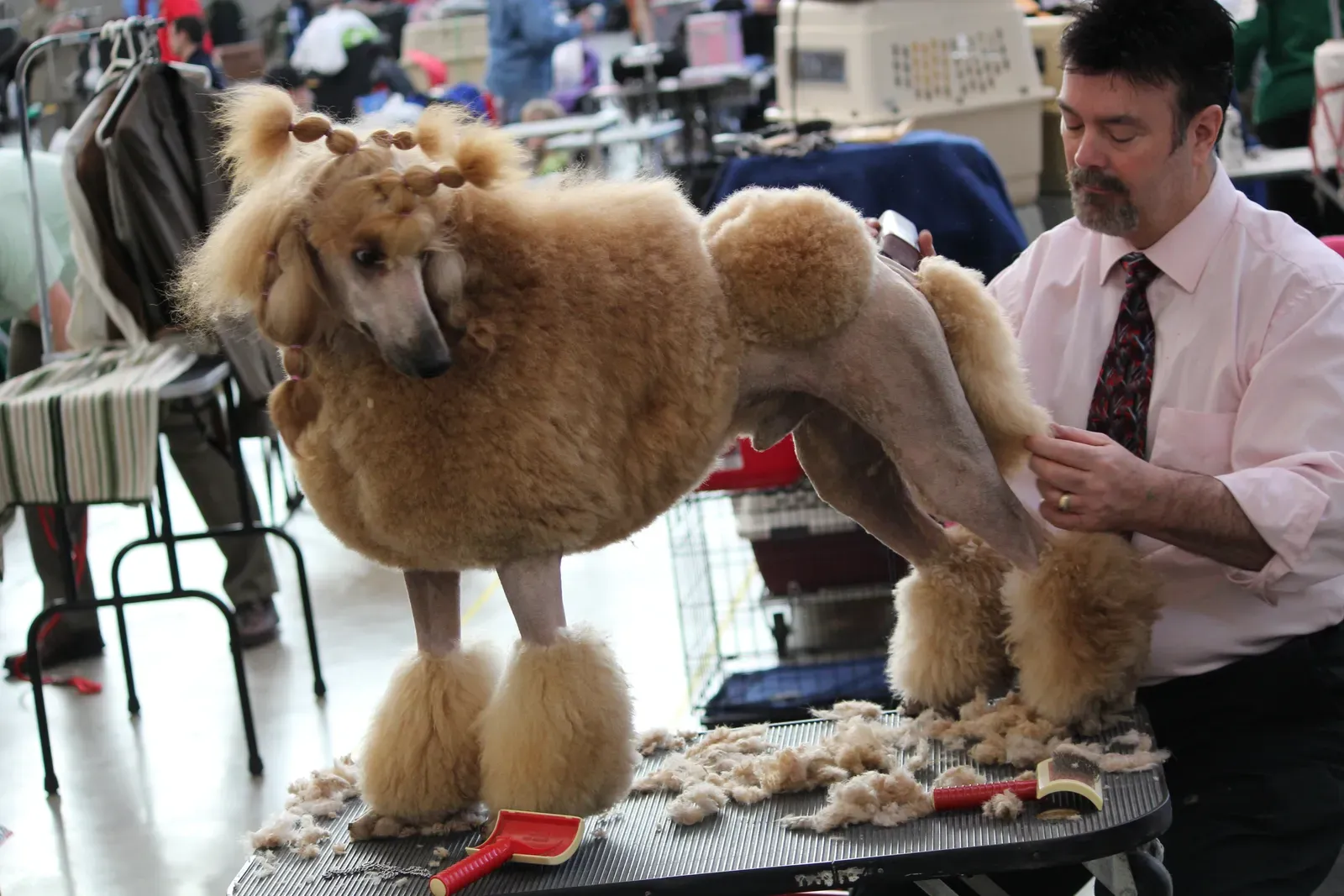
Grooming tables are honesty amplifiers. A dog that feels fundamentally safe in new spaces adapts to the weirdness – the height, the non-slip mat, the strange tools – within a minute or two. A dog who doesn’t feel safe anywhere new shows it before the first snip: scanning for exits, bracing at every movement, clinging to the owner with their eyes even after the leash changes hands. That’s not simple nervousness. It’s a lack of confidence in the world itself.
Groomers test it gently – a light touch under the chin, a slow paw lift, a short pause mid-lift – and watch whether the dog glances back and recovers, or completely falls apart. A dog that can’t handle basic novelty in that first minute is at much higher risk of panicking once the dryer or clippers turn on. Good groomers start with the calmest tasks first and sometimes recommend “happy visits” where the dog just stands on the table, gets a cookie, and leaves. It sounds excessive until you realize the grooming table might be the scariest piece of furniture your dog will ever meet.
#11 – Whether Your Dog Has Learned That Aggression Buys Space
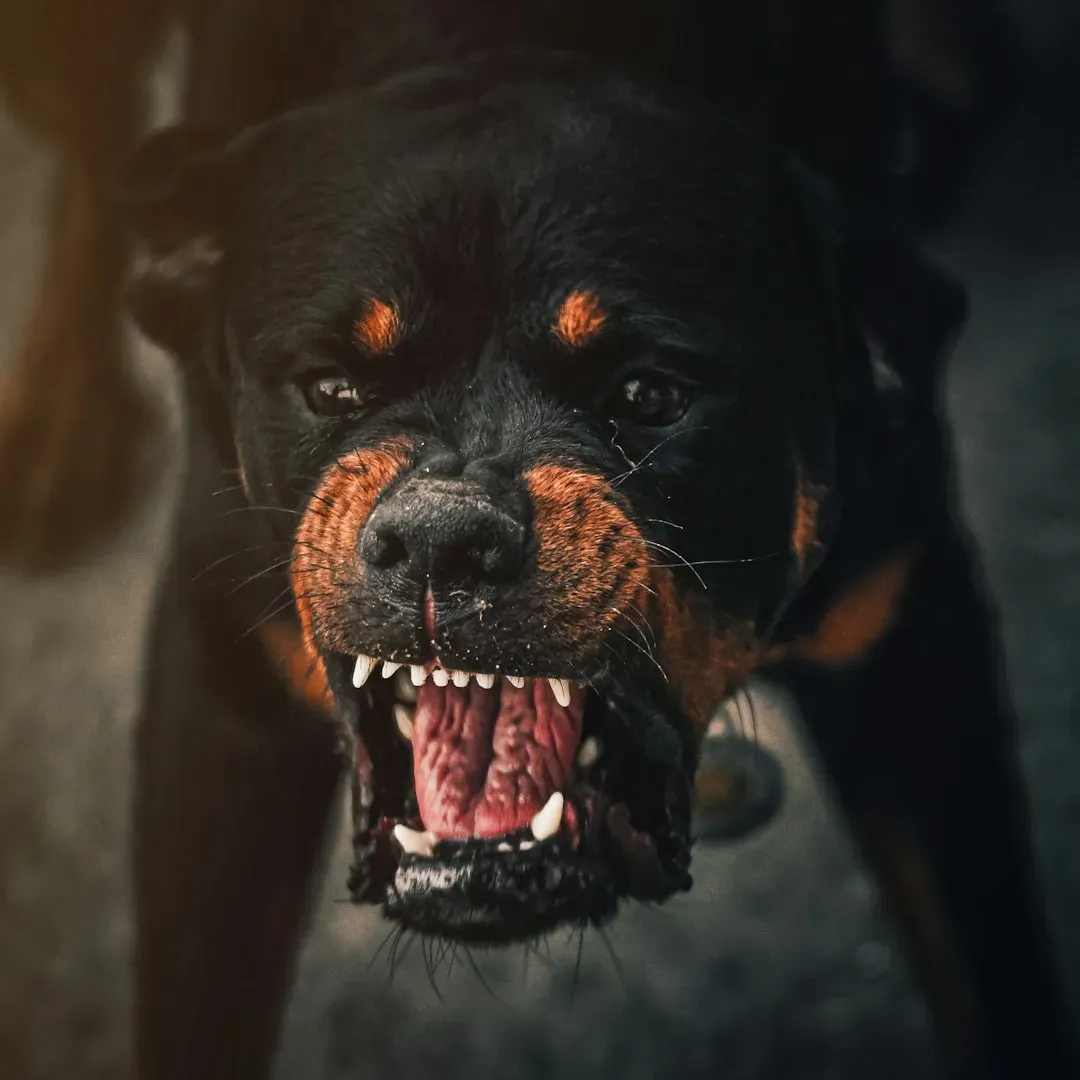
This is the one most owners don’t want to hear. Groomers quickly spot the difference between a genuinely terrified dog and one who has figured out that a growl or a snap makes people back off. Both deserve empathy, but they need completely different handling plans. A dog who goes from calm to snapping the moment their paw is touched, then instantly relaxes once you stop, may have learned a pattern: I object, you retreat. That doesn’t make them evil. It means the strategy has worked before.
The table changes the rules, and groomers can’t afford to pretend otherwise.
Professionals test boundaries carefully – light restraint, brief touches to sensitive spots, watching for escalation. A dog that gives a warning and then calms with support is likely fearful, not manipulative. A dog that lunges hard and then flips right back to normal the second it’s released is often using aggression as a communication tool. Ethical groomers respect the message but still build in safer structure: muzzles when needed, firmer protocols, and sometimes a refusal of service if the risk is too high. Owners often insist “he’s never like this at home” – and maybe he isn’t. The table still changes things.
#12 – What Your Dog Eats and How Much Real Care Goes Into Their Routine
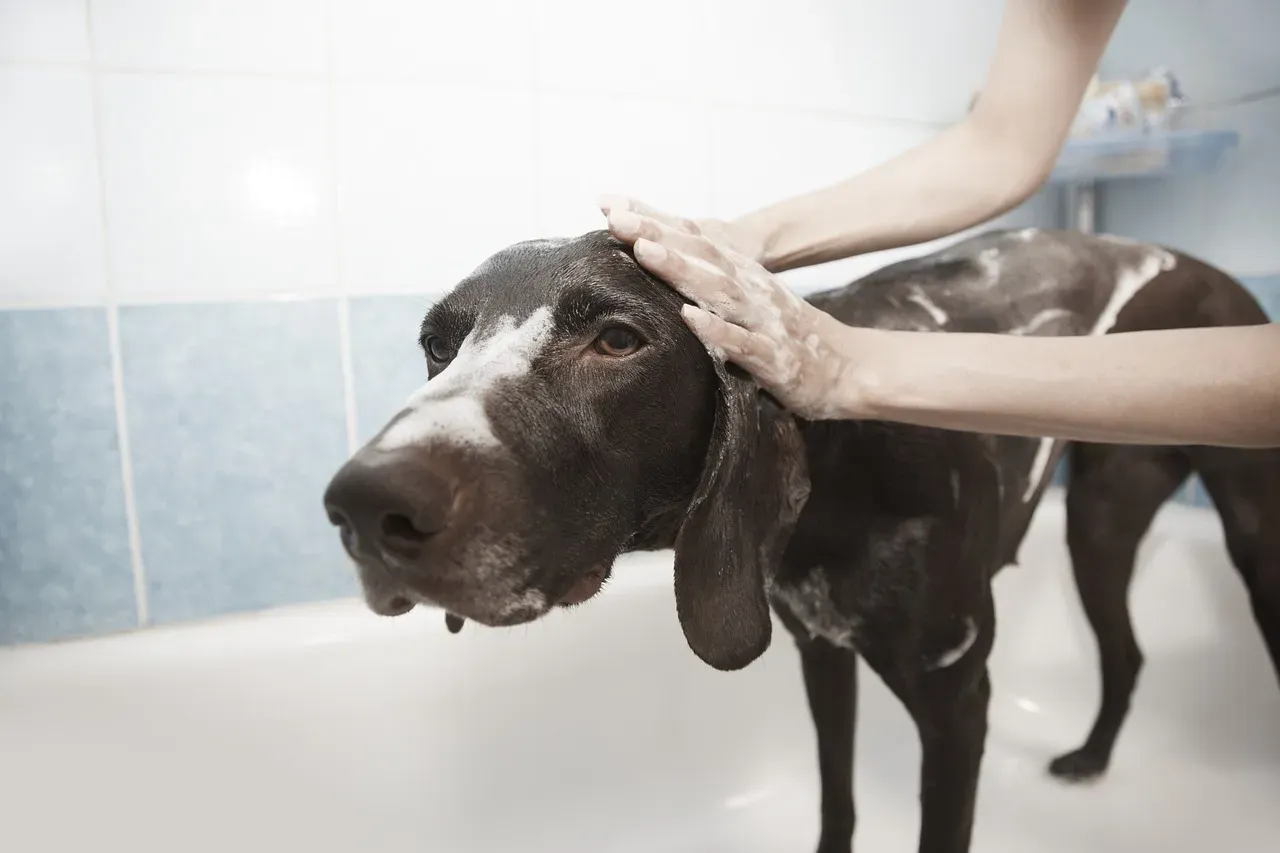
Groomers will never say it this bluntly at check-in, but it’s true: your dog’s coat, nails, breath, and even their smell tell a story about their whole lifestyle. Greasy, dull fur, thick brittle nails, and a strong sour odor can all point to poor diet, low exercise, or neglected dental care. A groomer isn’t your vet, but after enough dogs, the patterns become obvious – the ones on solid nutrition and a real routine simply feel and smell different on the table.
A quick look at the teeth while adjusting the muzzle, a pass down the spine, a sniff near the ears – it adds up fast. Overgrown nails that clearly haven’t been trimmed in months aren’t just cosmetic; they change posture and comfort on the table. Deeply stained fur around the mouth or paws often points to chronic licking and allergies. The best groomers don’t shame, they educate – suggesting more frequent nail trims or a dental check. Some owners hear criticism where there’s only concern, but ignoring these tells doesn’t make the problem disappear. It just kicks it down the road.
#13 – How Much You Actually Respect Your Dog’s Limits
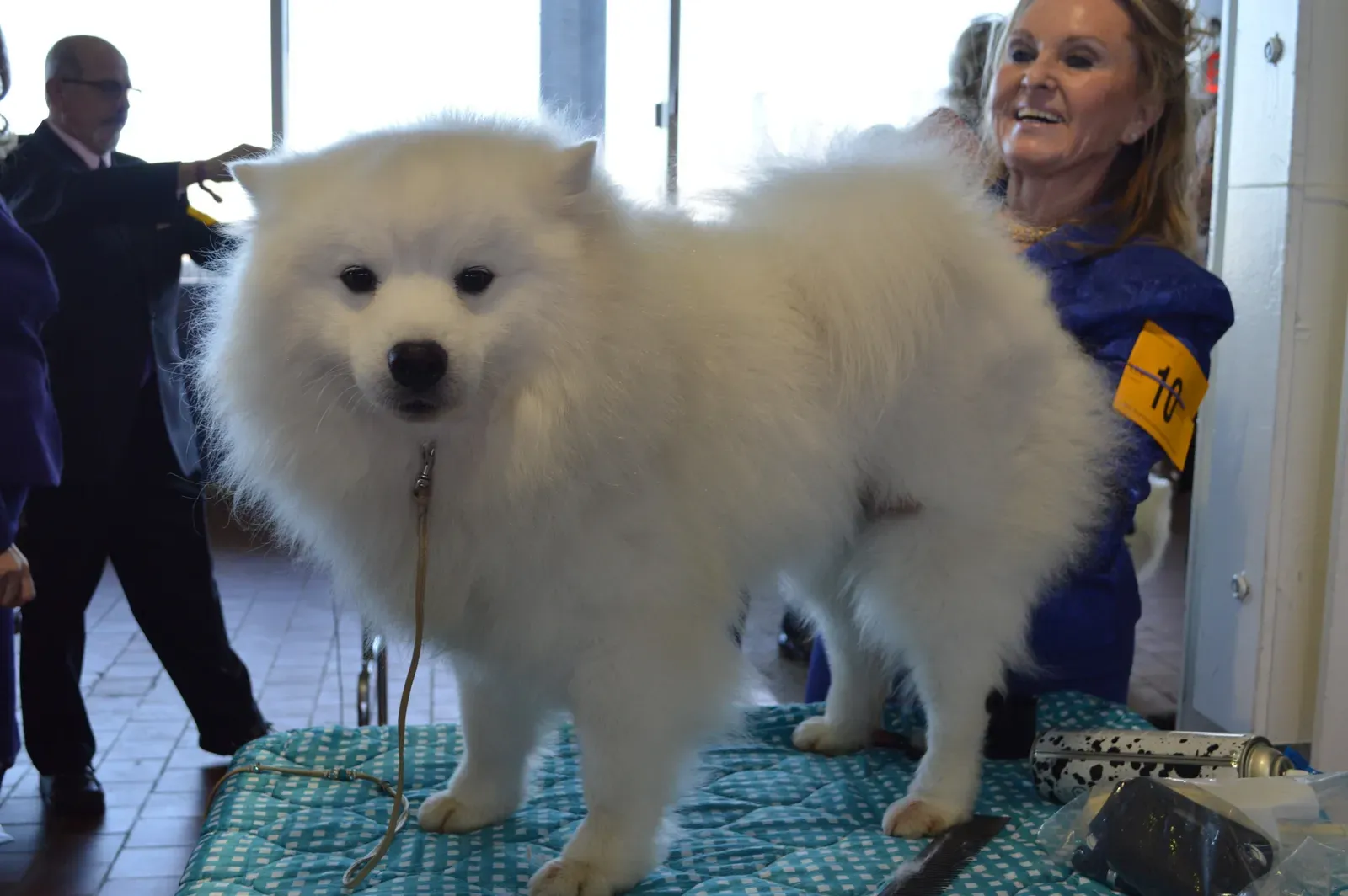
Here’s the part almost nobody talks about: groomers aren’t just reading your dog in that first minute. They’re reading you. The way a dog behaves on the table often mirrors how their boundaries get handled at home. An owner who shrugs, “just do whatever, he’ll get over it,” tells a very different story than one who asks, “if he seems too stressed, can we split this into two visits?”
Dogs whose limits are routinely bulldozed tend to explode or shut down on the table. Groomers notice whether a dog glances at you for reassurance – or for a rescue that never comes. They notice whether you dismiss the fear (“he’s being dramatic”) or acknowledge it (“he’s nervous, let me know if you need to stop”). When a groomer realizes a dog’s emotional needs aren’t being recognized at home, they know they’re working uphill – and they quietly become the only person in that dog’s life advocating for slower, kinder handling. That first minute doesn’t just reveal the dog. It reveals the relationship.
At a Glance: Signs You’re Respecting Your Dog’s Limits
- You warn the groomer about known triggers ahead of time
- You’re open to splitting a groom into shorter sessions if needed
- You acknowledge visible fear instead of calling it “drama”
- Your dog looks to you for reassurance, not for a rescue
Dog grooming was never just baths and bows. It’s one of the rawest honesty tests your dog will ever face, and in that first minute on the table, a good groomer sees far past “needs a trim.” They’re picking up on hidden pain, buried stress, old trauma, lifestyle gaps, and whether anyone is actually listening when a dog says “I’m not okay.”
That can feel uncomfortably personal, especially when the findings point straight back at us as owners. But here’s my honest take: ignoring those tells doesn’t protect your dog, it just keeps them stuck and quietly suffering in silence. The best groomers aren’t judging your life – they’re advocating for the one member of your family who can’t speak up and can’t walk away from the table. Treat grooming as a partnership instead of a cosmetic errand, and you’ll be amazed how much less your dog dreads that first minute.