
10 Small Signs a Kennel Reads in a Dog That Predict How the Whole Week Will Run
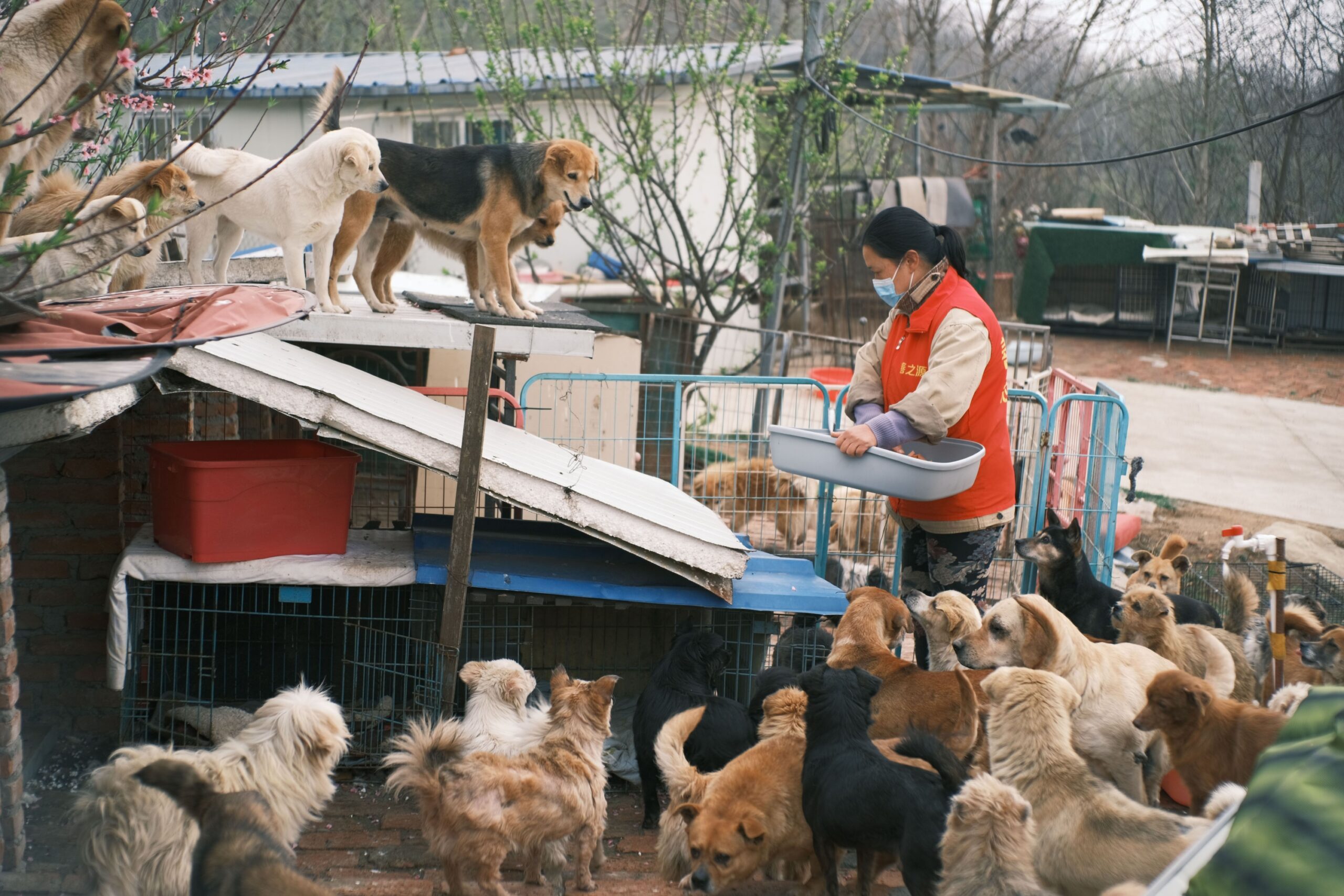
Most dog owners assume kennels run on a simple formula: booking calendar, staff rota, feeding schedule, done. Insiders will tell you that’s almost cute. The best-run kennels aren’t reading a spreadsheet to predict the week ahead – they’re reading the dogs themselves, in the first few minutes and hours, long before anyone fills out a single form.
A curled tail. A hesitant sniff at the water bowl. A dog that freezes at a doorway instead of walking through it. These tiny, easy-to-miss signals quietly forecast fights, upset stomachs, barking meltdowns, and those rare, blissfully calm weeks everyone hopes for. Here’s what experienced kennel staff actually watch for – and what it secretly tells them about the seven days ahead.
#1 – The “First Two Minutes” Energy When Dogs Walk In
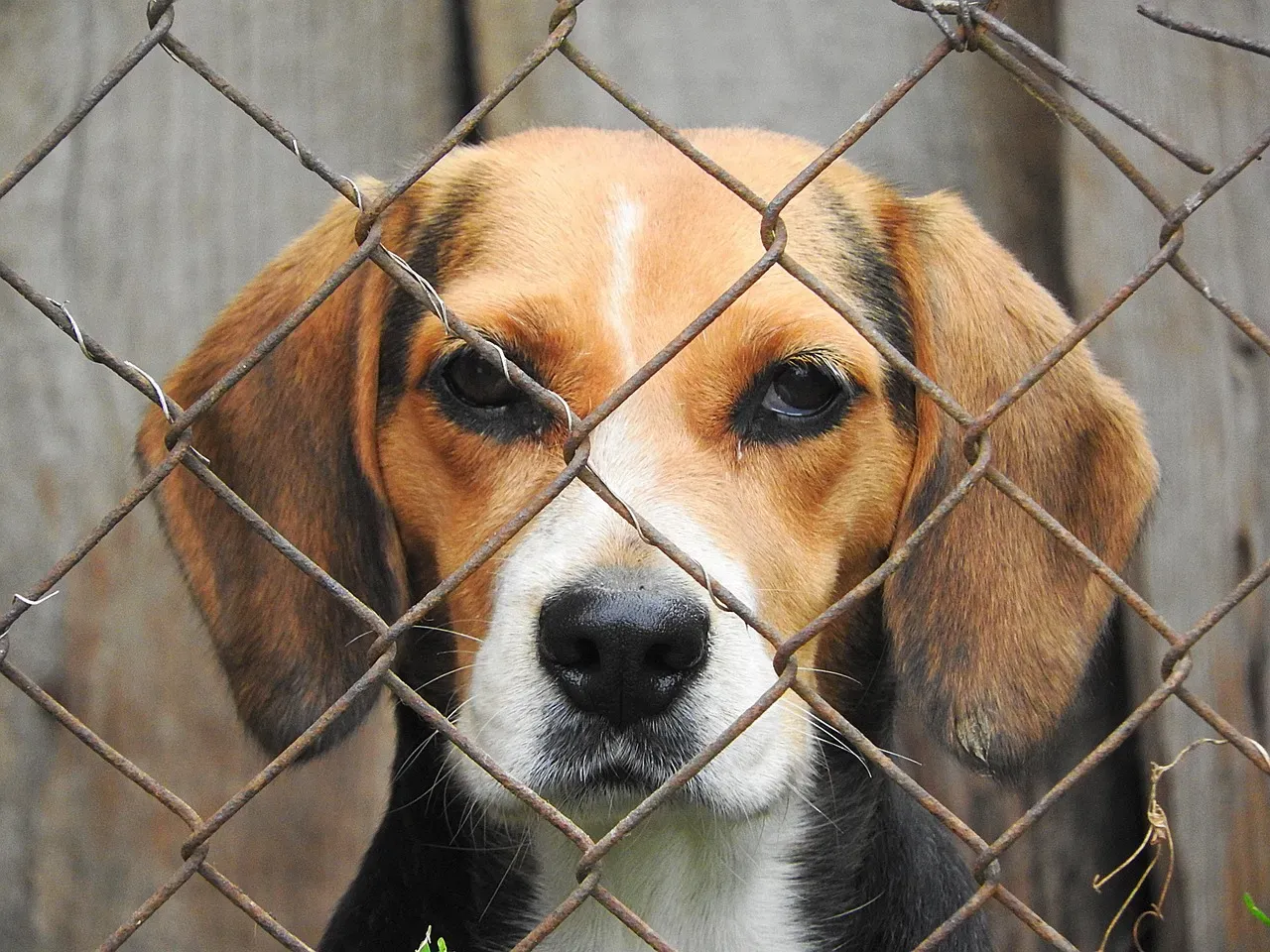
Kennel pros will tell you the whole week gets decided in the first two minutes of check-in. When early arrivals float in loose, curious, and sniffing the floor like it’s no big deal, staff quietly relax. They know, statistically, they’re in for a smoother run.
But when the first few dogs drag their owners through the door with hackles up and eyes scanning every corner, experienced handlers flag it instantly as a “high-management” week. It’s not about the individual dog – it’s about the pattern. A lobby full of loose, waggy bodies usually predicts fluid group play. A lobby full of tense, bracing dogs means staff are about to spend the week preventing trouble instead of actually enjoying the dogs in their care.
Fast Facts
- Loose, sniffing dogs at check-in typically predict calmer group play all week.
- Tense, hackled arrivals signal a “high-management” day ahead for staff.
- Staff read the room’s overall energy pattern, not just one dog’s behavior.
- The first two minutes often shape staffing and group-placement decisions for the whole stay.
#2 – Who Eats (and Who Refuses) in the First 24 Hours
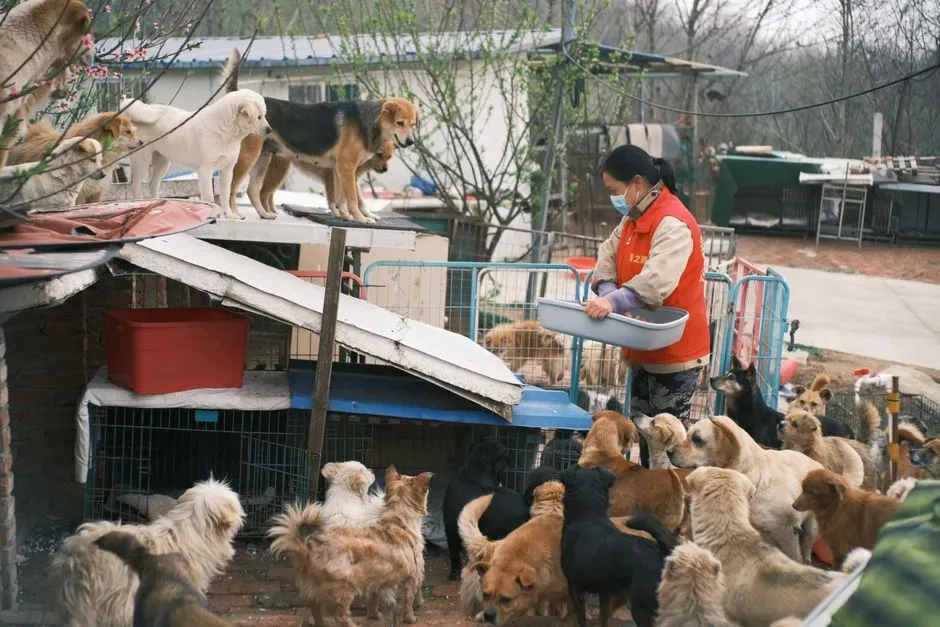
Most owners panic the moment their dog skips a meal. Kennel staff don’t panic – they count. What they’re really tracking is how many dogs in the group hesitate or walk away from food in the first 24 hours, because one picky eater is normal, but a cluster of them is a warning sign that stress is running higher than the wagging tails let on.
Food drive turns out to be one of the most honest, low-drama measures of stress that exists in a kennel. A dog that eats normally will usually bounce back fast, even if it’s loud in its suite. A dog that won’t eat also won’t take treats, which quietly wrecks staff’s ability to redirect, train, or build trust during the stay. A week full of finished breakfasts usually means easy medication times and far fewer 3 a.m. stomach-upset calls to worried owners.
#3 – The First Water Bowl Crowd: Who Drinks, Who Guards, Who Avoids
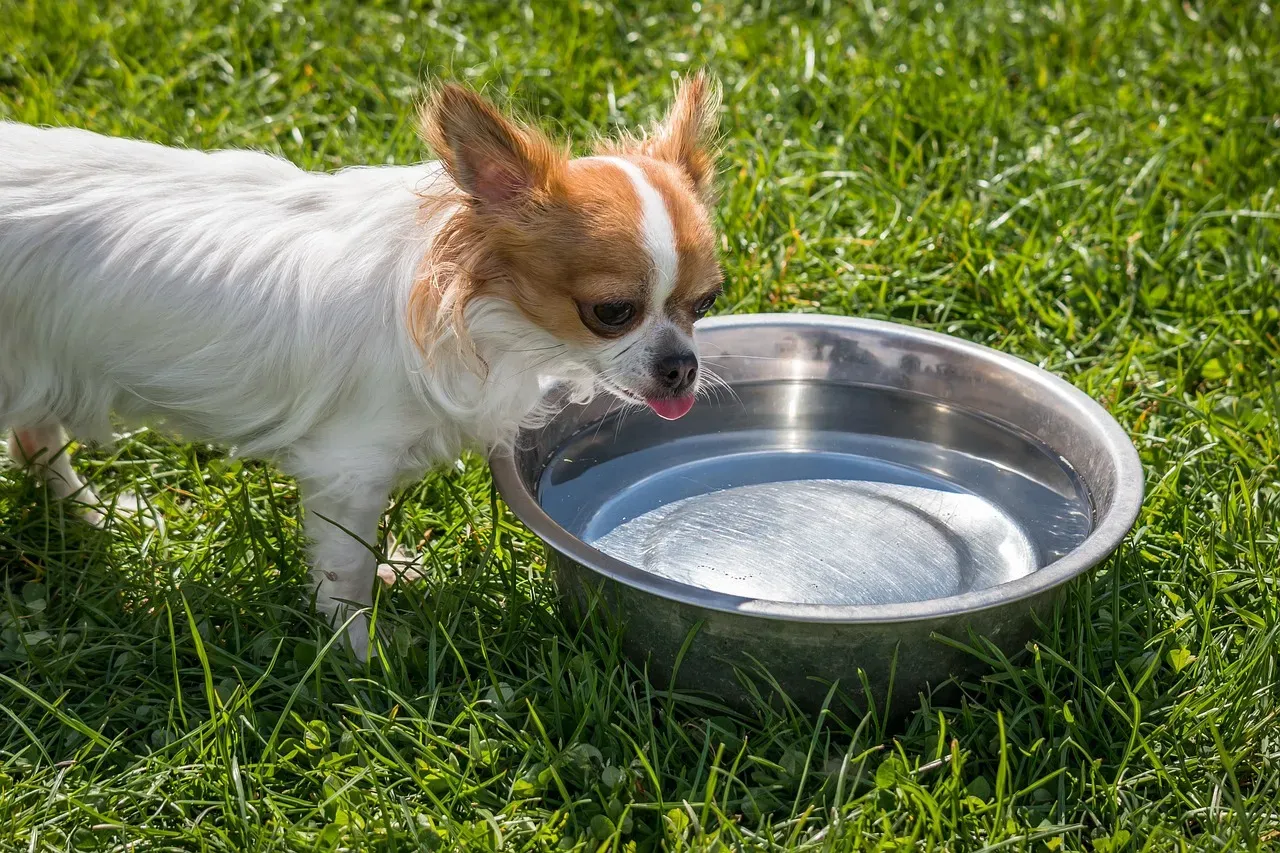
A casual visitor sees a water bowl. A good kennel sees a live social pressure test. That first water break in the yard or group play area reveals, almost instantly, how the social dynamics of the whole week are going to play out.
Dogs that take turns, curve their bodies politely, and slip in and out with soft eyes are telling staff “this group is easy.” A dog that plants itself at the bowl, stiff-tailed and standing tall, gets mentally flagged on day one as a potential resource guarder. Just as telling are the dogs who avoid the bowl entirely even while panting – they’re quietly saying the room feels too overwhelming to turn their back on yet, and they often become the pacing, clingy “shadow walkers” by midweek.
#4 – Gate and Door Reactions: The Invisible Pressure Points
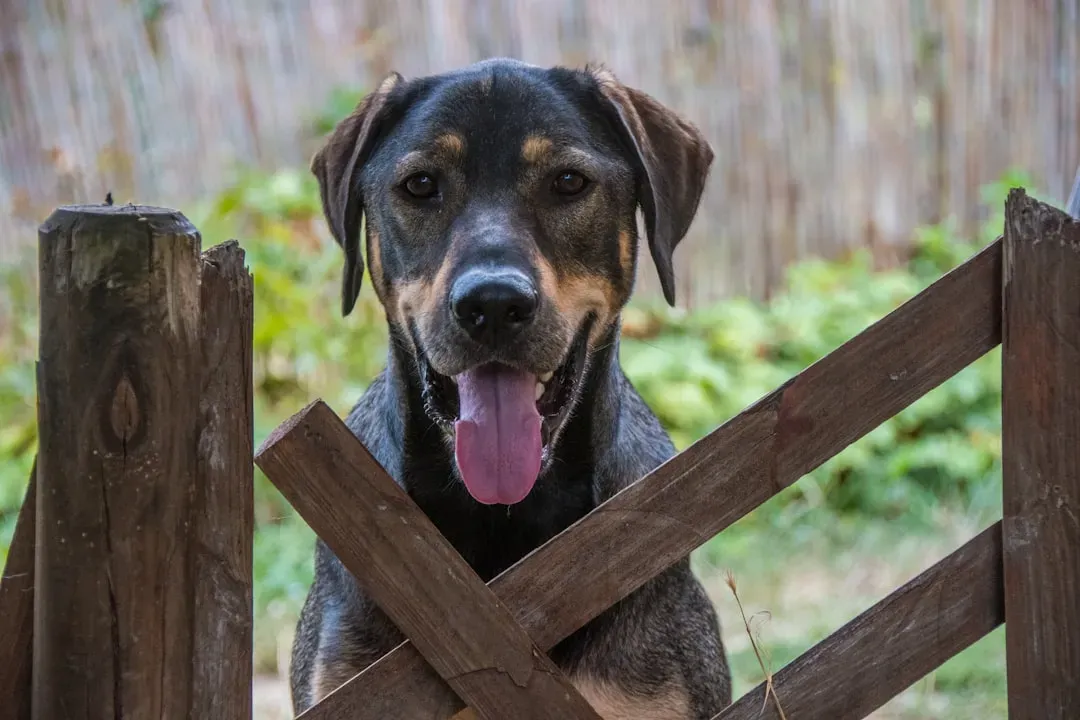
Most people assume barking at a door is just excitement. Kennel pros know that doors are pressure points, and how dogs handle them predicts exactly how draining the week’s foot traffic will feel. When staff move the first dogs through to yards or suites, they’re watching like hawks: does everyone stack up politely with soft, curved bodies, or does someone slam the threshold and body-check whoever’s closest?
Here’s the ugly truth nobody advertises: a kennel full of pushy doorway dogs burns staff out fast, because every single gate becomes a negotiation. When most dogs wait – even sloppily – it predicts quieter hallways and fewer fence-fighting episodes all week. Staff also quietly note which dogs freeze at doors, because those are often the same dogs who later refuse to go outside during storms or fireworks.
Quick Compare
- Polite waiters: stack up softly with curved bodies – predicts quiet hallways all week.
- Doorway crashers: body-check or slam thresholds – predicts constant gate negotiations.
- Freezers: stall at the threshold – often the same dogs who struggle later during storms or fireworks.
#5 – The Lobby Soundtrack: First Barks, Whines, and Silences
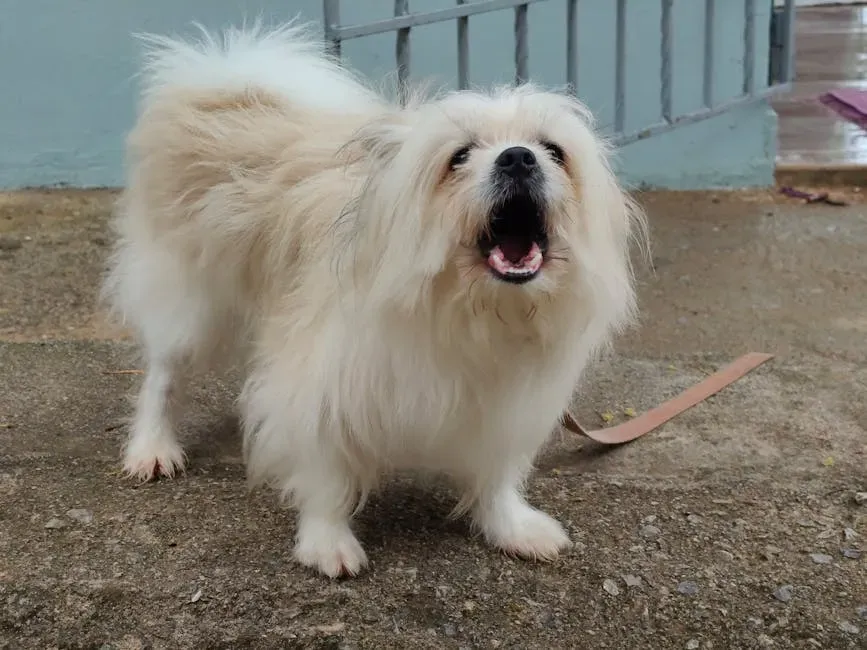
While owners are busy apologizing for their dog’s bark at check-in, kennel staff aren’t offended – they’re taking notes. The very first bark in the lobby, and how the room answers it, is a shockingly accurate forecast for the noise levels of the entire week.
One playful woof with a loose, wiggly body is nothing. But a sharp, frantic first bark that gets three other dogs to “join the choir” tells staff they’re facing a loud, echoing week ahead. Total silence isn’t automatically a good sign either – a frozen, whale-eyed lobby often signals heavy anxiety that surfaces later as stomach or skin issues. What staff really listen for is rhythm: dogs that rev up and then settle predict an easier week than dogs that escalate and simply stay there.
#6 – How Fast New Dogs Find (or Fail to Find) Personal Space
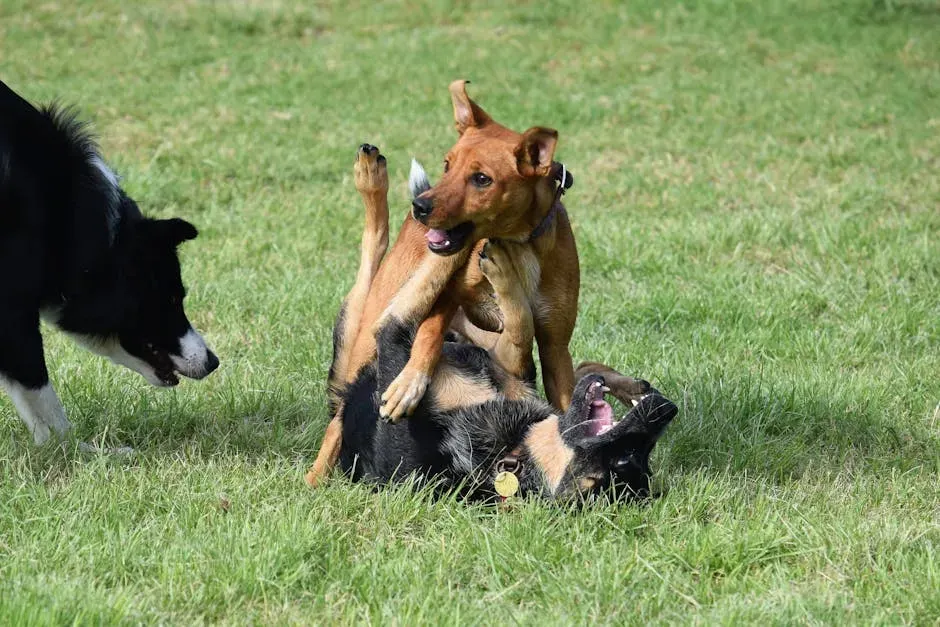
Most people watch how a dog plays. Fewer people notice how a dog claims space, but seasoned staff track it closely in the first couple of hours. Dogs that quickly find a “home base” – a corner, a bed, a spot by the fence – and settle into it tend to become stable players all week. Dogs that never stop moving, that ping-pong through the room with no anchor, are early candidates for over-arousal and midweek meltdowns.
The real red flag shows up when multiple dogs can’t carve out space without conflict – when lying down or claiming a favorite spot repeatedly ends in posturing or snap-offs. That tells staff they’re dealing with a group that doesn’t respect bubble boundaries, which means more breakouts and more one-on-one decompression time instead of big, happy group runs. When dogs negotiate space effortlessly instead, it’s a green light for richer group activities all week long.
#7 – Crate and Suite Reactions the First Time the Door Closes
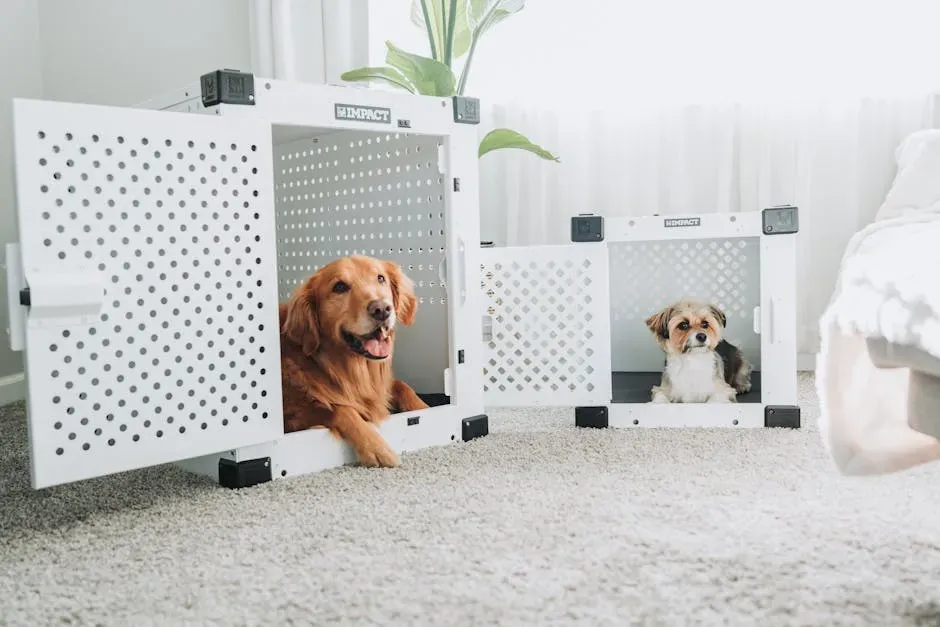
Ask any kennel worker and they’ll say the same thing: the first time a kennel door latches shut is when a dog’s real feelings about the stay come out. A brief protest, a sniff around, then lying down – that’s textbook adjustment. But a dog that immediately spins, barks nonstop, or chews at the bars is showing staff a confinement panic that can color the entire week.
Just as concerning, in a quieter way, are the dogs that collapse into a corner, turn their face to the wall, and refuse treats the moment the door shuts. These dogs often fly under an owner’s radar at pick-up because “she wasn’t barking,” but staff know exactly how worried they should be. A week that opens with confident, crate-savvy dogs means smooth feeding and medication rounds. A week that opens with dogs slamming themselves against doors means late-night welfare checks and a lot of rearranged housing plans.
Worth Knowing
- A brief protest followed by settling in is considered a normal, healthy adjustment.
- Nonstop barking or chewing at bars signals confinement panic that can echo through the week.
- Quiet, withdrawn dogs who refuse treats are often more concerning to staff than loud ones.
- Confident crate behavior on day one usually means smoother feeding and medication rounds later.
#8 – Micro-Interactions Around Staff: Jealousy, Velcro, and Indifference
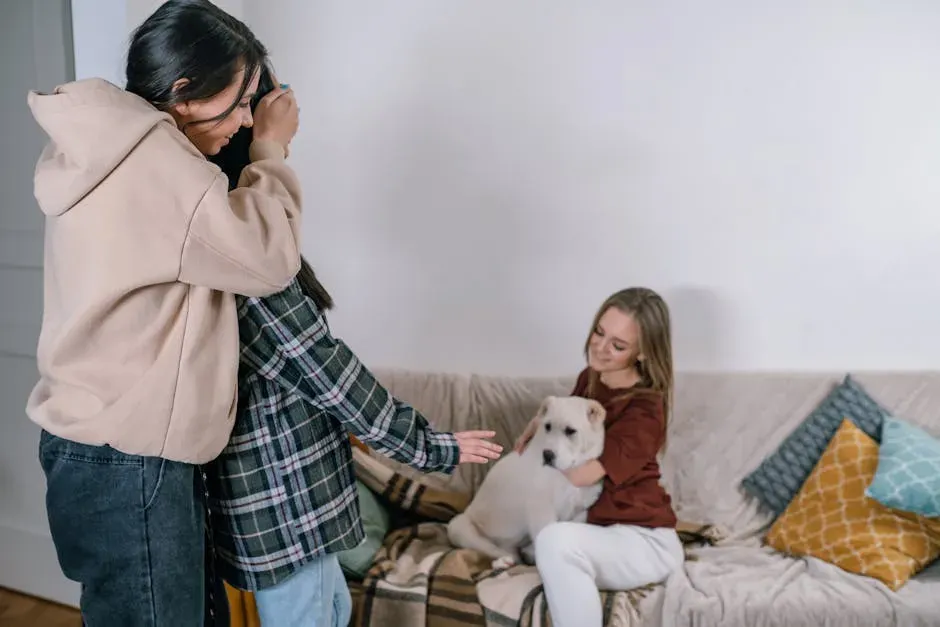
Most owners assume their clingy dog is simply affectionate. Kennel pros see something closer to an attachment style, and it shapes the whole week’s group dynamics. In the first hour, staff quietly clock which dogs compete hard for attention, which ones treat humans like furniture, and which ones hover anxiously at a handler’s leg the second they crouch down.
A little affection-seeking is completely normal. But when two or three high-status dogs slam into staff every time someone bends over, it’s an early warning for a week of resource guarding centered on people rather than toys or food. The nervous “Velcro” dogs are a different concern – they’re the ones most likely to panic when rotated to a new yard or handler later in the week. The ideal mix, staff say, is a blend of staff-friendly, chill, and independent dogs, because that combination predicts easier training sessions and far less drama when owners walk back in at pick-up.
#9 – Play Invitations: Who Starts Games and How They End

This is where the real dog nerds on staff get excited, because early play invitations act like a social fingerprint for the whole cohort. In the first group sessions, staff watch who initiates play, how clear their signals are, and – just as importantly – how the games wrap up.
In a dream scenario, one or two socially fluent dogs do exaggerated play bows, bouncy side-steps, and actual pauses to check in with their partner. Those dogs quietly teach the rest of the room how to play fair. It goes sideways fast when the first invitations look more like ambushes – hard stares, straight-line rushes, no bow, an immediate full-body slam. When games consistently ramp up with no natural breaks, staff know they’ll spend the week refereeing instead of observing, and they can already guess which dogs will become the bullies and which will become the perpetual victims.
Why It Stands Out
- Clear play bows and check-in pauses signal a socially fluent dog who “teaches” the room how to play fair.
- Hard stares and straight-line rushes with no bow often forecast a week of refereeing, not relaxing.
- Games with natural breaks tend to stay fun; games that only escalate tend to end in real conflict.
#10 – The End-of-Day-One Reset: How Dogs Look After the Chaos
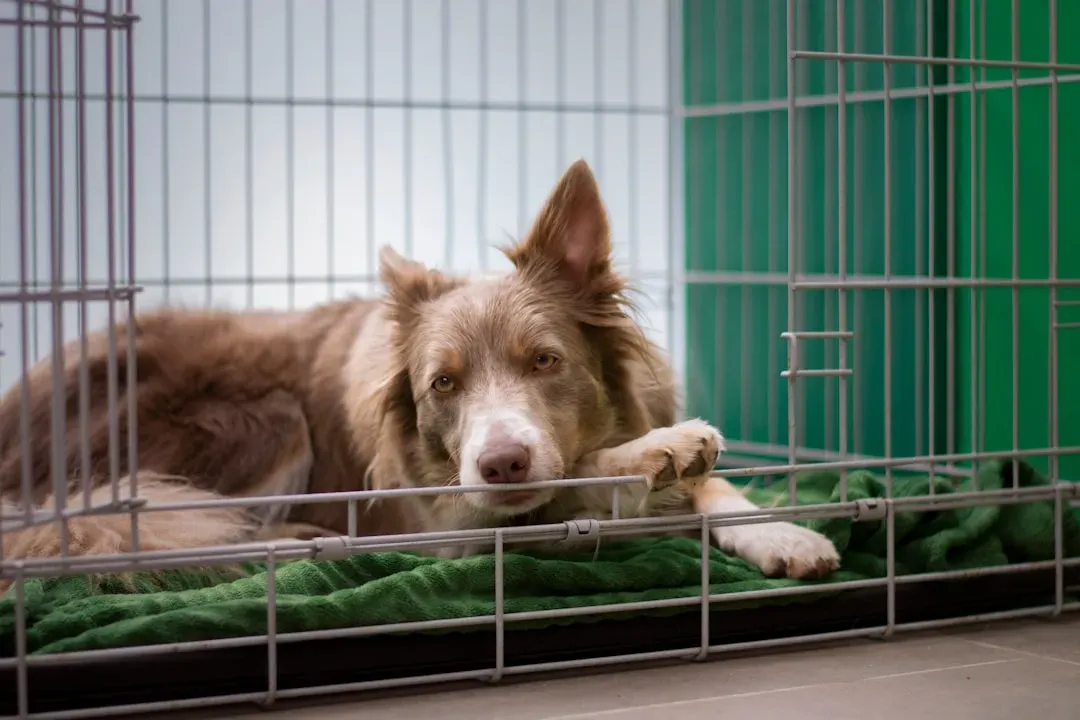
The most underrated tell of all has nothing to do with 9 a.m. It’s what the building feels like right before closing on day one. Seasoned staff do a mental scan: are most dogs asleep or calmly chewing, or are they still pacing and reacting to every sound – just as amped twelve hours later as they were at check-in?
Here’s the blunt truth nobody softens for owners: a kennel full of dogs that can’t come down by the end of day one is almost guaranteed a rough week, complete with compounded stress, stomach issues, and sudden spats between dogs that seemed fine at intake. If the building instead feels palpably softer by closing time – fewer barks, more sprawled bodies, normal appetites – staff know their rotations and group choices are actually working. This end-of-day reset is the closest thing a kennel has to a crystal ball, and it tells them, more honestly than anything else, whether the coming week will be about enrichment or damage control.
The Bottom Line
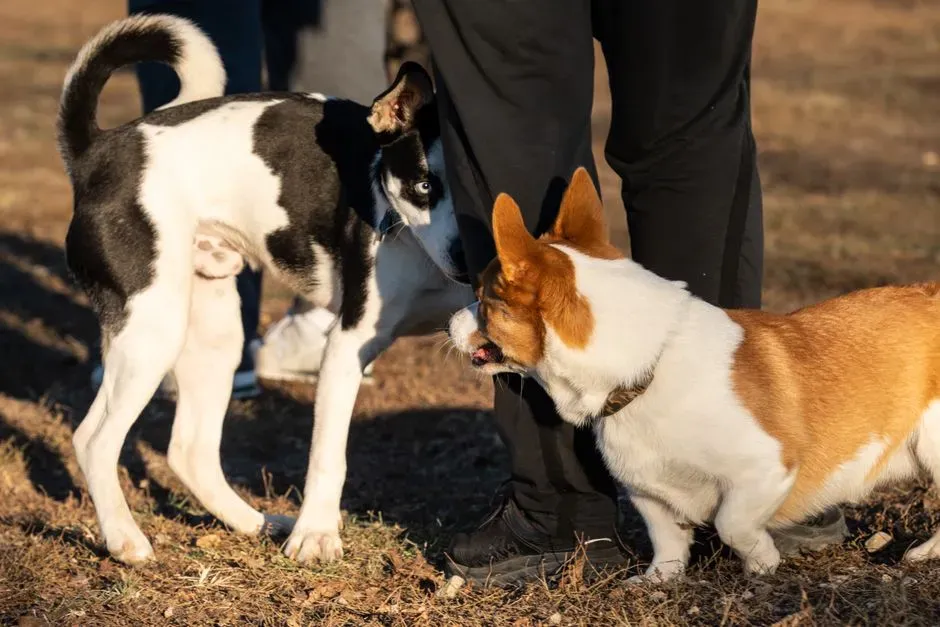
The part most kennels never put on their website is that they’re not just watching dogs – they’re constantly reading them, like a weather forecast rewritten every few hours. Who drinks first, who freezes at doors, who guards humans, who actually settles by closing time – these tiny tells quietly shape group assignments, staffing decisions, and how much sleep the overnight team gets.
A fully booked week can look brutal on paper and still run smoothly if the early body language says “we’ve got this.” And a light week can turn into a nightmare if those same signs point to chronic anxiety or over-arousal that nobody bothered to notice.
Here’s the opinionated part: if a kennel isn’t paying attention to these small signs, they’re not really managing your dog – they’re just containing them until pick-up. The best operations treat day-one behavior as data, not drama, and they should be willing to talk to you about it. So next time you pick up your dog, skip the small talk. Ask what your dog’s first two minutes, first meal, and first water break actually predicted – and see if the answer is honest, or just “she did great.”