
14 Details a Dog Knows the Day Is About to Change Before Anybody Has Said So
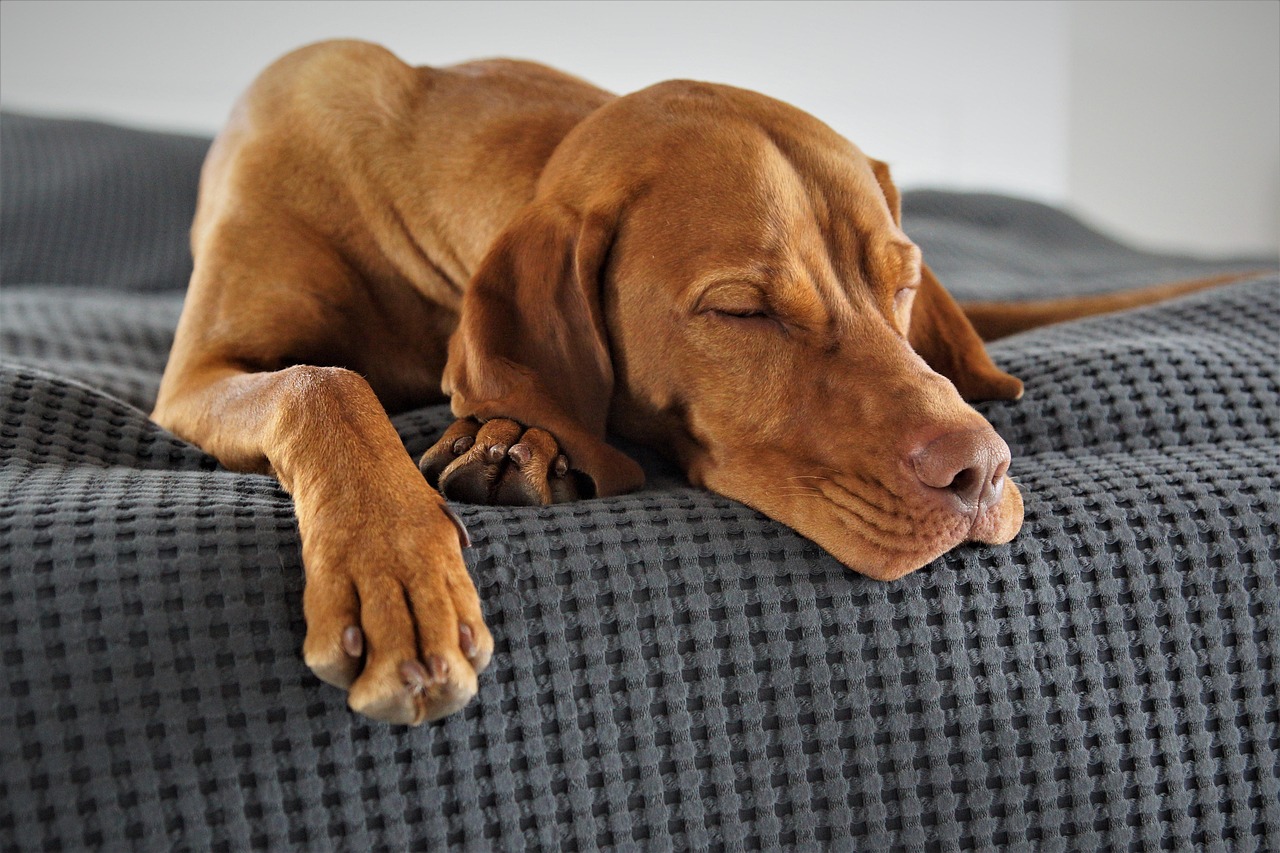
Your dog doesn’t own a watch, hasn’t glanced at a calendar, and definitely doesn’t know it’s a Tuesday. And yet, almost every single night, they start acting like the day is closing minutes before you’ve even admitted it to yourself. That’s not a coincidence, and it’s not just “dogs like routine” hand-waving – it’s a real, trackable pattern that behaviorists and painfully observant owners keep independently stumbling onto.
The truth is weirder than the tired explanation most people settle for. Dogs are running a constant sensory audit on your house – light, sound, smell, your posture, even your phone habits – and quietly stitching it into a private countdown. Fourteen of those signals are specific enough, and consistent enough, that once you know what to look for, you will never watch your dog flop onto the couch at 9:47 p.m. the same way again.
#1 – Their Internal “Light Clock” Starts the Countdown

Dogs don’t need a clock on the wall; the sky is already doing the job for them. As daylight fades and settles into that flat, dim evening light, their brains register the shift and quietly log it: a daily cycle is closing. It’s the same circadian machinery humans run on, except dogs tend to obey it more faithfully, mostly because their days are simpler and their routines rarely get hijacked by deadlines or doomscrolling.
In homes where the lights dim on a predictable schedule, dogs start anticipating the whole end-of-day sequence before you’ve even said the word “walk.” You’ll catch them stretching, yawning, and drifting toward their sleeping spot as the house darkens, with nobody prompting them. Flip the script and keep every light blazing at midnight, and plenty of dogs will look genuinely rattled – their internal light clock is insisting the day should already be over.
Fast Facts
- Dogs share the same light-sensitive circadian system humans do, with melatonin rising as daylight fades.
- Their body clock resets daily using both natural and artificial light exposure.
- Puppies and senior dogs often show the most rigid, predictable evening wind-down patterns.
- Bright, unexpected light late at night can delay a dog’s natural settling behavior.
#2 – They Hear the “End of Day” Sounds You Don’t Notice

Long before you consciously think “the day is winding down,” the soundscape around you already has. Traffic thins out, neighbors stop slamming doors, the TV shifts to late-night programming, the washing machine finally shuts up. Dogs are quietly cataloguing all of it, learning that when certain hums and distant noises fade out, the daily soundtrack is telling them the day is ending.
Inside the house, the giveaway is often your own noise pattern: dishwasher humming on, bathroom fan clicking, closet doors sliding, the thump of shoes finally coming off. Dogs build a mental playlist out of this, and once they hear the sound that usually comes right before “goodnight,” they’re already moving. That’s why your dog sometimes gets up and walks to bed the instant you flip a specific light switch – nobody called them, but the pattern did.
#3 – They Can Smell “Yesterday” Fading on the Air
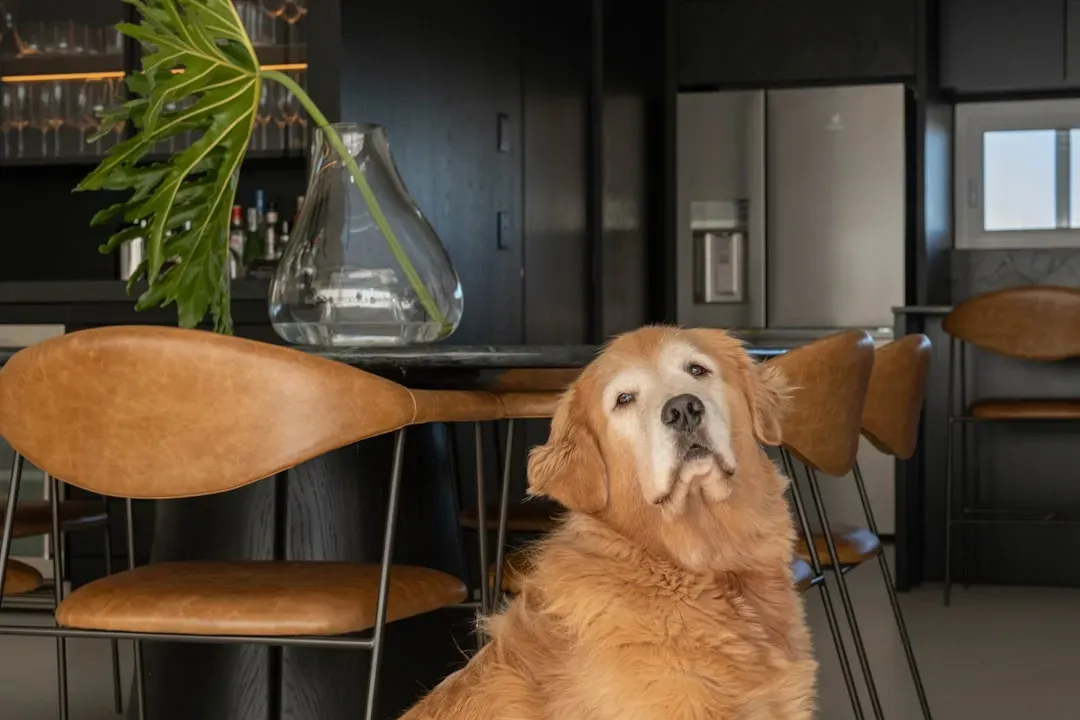
This sounds like something out of science fiction, but it’s just basic scent physics. Smells build up across a day – cooking, sweat, whatever clung to your clothes outside – and then slowly disperse. Dogs live inside that shifting scent cloud, and they’re not just noticing “dinner smell”; they’re tracking exactly how much weaker that smell is compared to an hour ago.
Some behaviorists suspect dogs may even anchor their sense of time to the fading intensity of your own scent – sharpest the second you walk through the door, thinner as the hours crawl on. That fade repeats nearly every day of their life: big scent spike at arrival, slow dilution into the quiet hours. Once that curve hits a certain low point, your dog seems to understand, without ever seeing a clock, that the current day is basically used up.
#4 – They Track Your Micro-Routines Like a Spreadsheet

Humans think in big chunks: work, dinner, bed. Dogs obsess over the tiny stuff – the order you turn off lamps, the way you stack the dishes, the exact moment you swap phone-scrolling for tooth-brushing. Those small, boring routines form a fixed sequence your dog leans on to predict that the day is about to flip, and unlike you, they almost never skip a step unless something is genuinely wrong.
Watch a routine-obsessed dog around midnight and you’ll see it in real time: pick up a specific blanket, and they jump off the couch; close one particular app, and they’re already trotting toward the bedroom. That’s also why late-night parties or vacations throw them off so badly – their “spreadsheet” is suddenly out of order, and they visibly hesitate, unsure whether the day has already turned over or not. The moment you finally hit your usual last move, they snap right back into “new day incoming” mode.
#5 – Their Bladder Is a More Honest Clock Than Yours

Humans override their bodies constantly with caffeine and one-more-episode logic. Dogs don’t get that luxury – their bladder and digestion call the shots. Most dogs on a steady schedule build up to one last pee or poop break at the end of the day, and that physical urge becomes a hard marker: when the pressure hits a certain level, they know the day is almost over.
Let your dog out at 10:30 p.m. every night, and their body will sync to that window, sometimes down to fifteen minutes. You’ll catch them pacing near the door at the exact moment your own internal clock still insists it’s probably around nine. Ignore that signal too often, and dogs don’t just get physically uncomfortable – they get unsettled, because the day hasn’t wrapped up the way their body insists it should.
#6 – They Feel Your Energy Crash Before the Day Technically Ends

Even in the messiest household, one thing runs like clockwork: you get tired and sloppy by a certain hour. Dogs are brutally good at clocking that. They register your posture caving, your voice going soft, your walking pace dragging, your attention shrinking to almost nothing. To them, your energy is a daily chart that bottoms out at roughly the same low every single night.
This is why some dogs start whining or nudging you during your third “just one more episode” at 1 a.m. – your behavior says the day should have ended hours ago, even though you’re technically still awake. Dogs that are deeply bonded to one person often mirror this almost exactly, yawning and settling early the moment they sense you mentally checking out, whether or not anything in the room has actually changed.
#7 – They Anticipate the Midnight Quiet (Even in Busy Cities)
Even in a loud apartment building, nights aren’t just darker – they’re differently noisy. Elevators run less, footsteps in the hallway thin out, phones stop ringing, and the TV downstairs switches genres. Dogs quietly map all of it, and once the “end of social noise” arrives, they file it under “today is done.”
In busy, multi-person households, you’ll often see the dog do a final patrol as people peel off to their bedrooms – sniffing each door, checking the windows – before settling somewhere with a good vantage point. They’re not just going to sleep; they’re closing the book on the day’s social chapter. If someone unexpectedly shows up late or stays up far later than normal, plenty of dogs get visibly alert or confused, because the quiet phase they were expecting simply never arrived.
#8 – They Sync to Your Device Habits (Like It or Not)
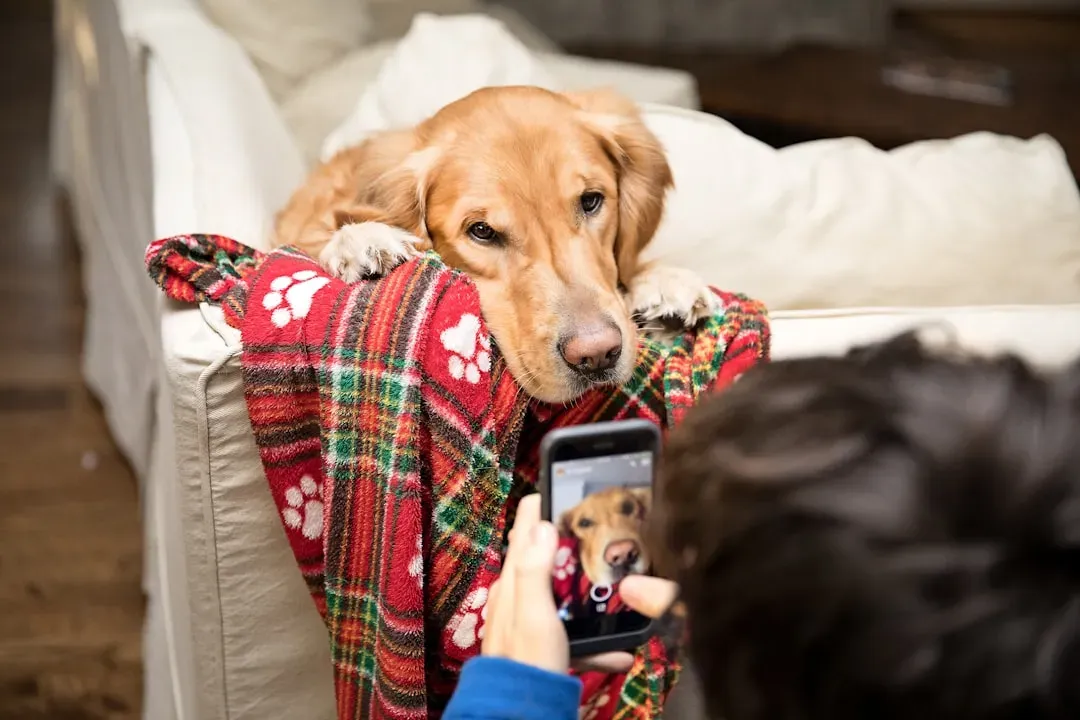
Here’s the part tech-heavy owners don’t love hearing: your phone and TV habits are now built into your dog’s internal calendar. Many dogs notice that once the doomscroll stops and the charger clicks in, the day tends to be over within minutes. Close the laptop or swap a bright show for a dark screen, and to your dog, that’s basically an official “we’re done here” announcement.
Some dogs even latch onto specific sounds – the Netflix “are you still watching?” chime, your nightly alarm tone, the beep your smart lock makes when you arm it for the night. It’s not magic, it’s just relentless pattern recognition. Binge-watch until sunrise with none of the usual night-time cues, though, and don’t be shocked when your dog looks tired, restless, and quietly thrown off. Their mental clock just got hacked.
Worth Knowing
- Dogs are exceptionally good at linking specific sounds – like a phone chime or charger click – to upcoming events.
- Blue light from screens delays human melatonin production, which can subtly shift the “energy crash” cues dogs rely on.
- A consistent screen-down time each night helps reinforce a dog’s sense of a reliable schedule.
- Breaking that pattern for even one night can leave routine-sensitive dogs looking restless or confused.
#9 – Their Sleep Cycles Reset at Specific Times

Dogs don’t just pass out randomly. Many run consistent sleep-wake micro-cycles at night – a long early stretch, a brief stir, then another deeper stretch. The timing of that final long sleep matters a lot: once they hit that last deep-sleep block, their brain files the day under “complete.”
Owners who share a bedroom see this ritual clearly – the circling, the sigh, the heavy flop, and then nothing until morning light. Disrupt it by waking them repeatedly or shuffling rooms in the early hours, and many dogs act mildly disoriented, as if their brain already assumed the day had ended and got proven wrong. Over weeks, that final sleep window tends to land around the same clock time even in homes with zero formal schedule.
#10 – They Read Tiny Changes in Natural Night Smells
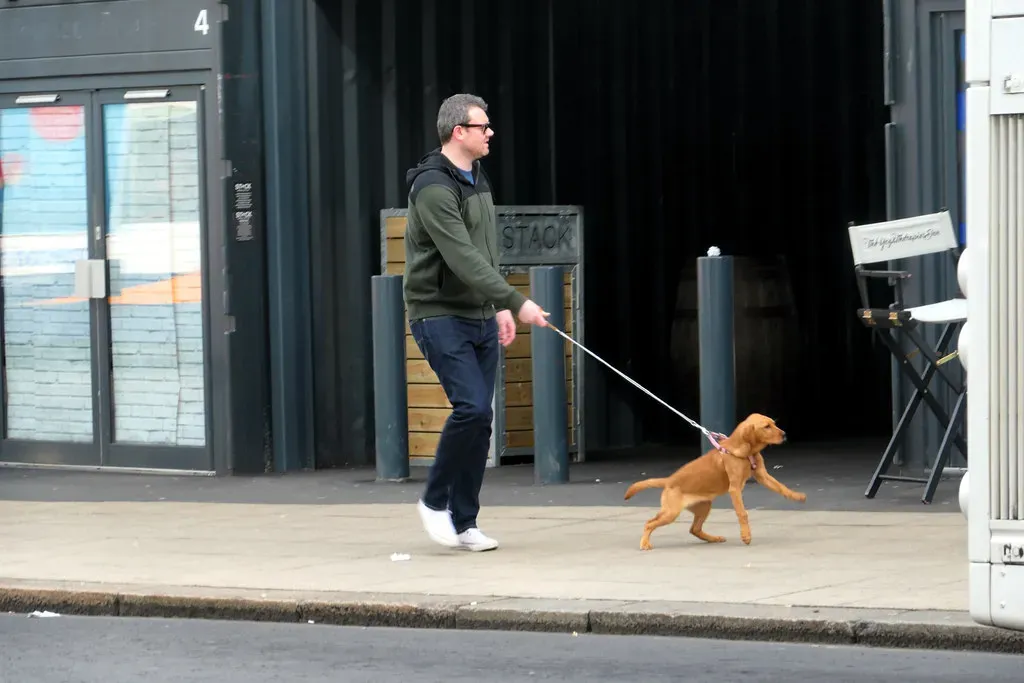
We already know dogs run on scent, but people forget the outdoor air itself changes shape across the night. Temperatures drop, humidity shifts, plants stop releasing certain compounds, human activity adds and then removes layers of odor. A dog lying near a cracked window or a drafty door is sampling all of this constantly, and when the night air hits a familiar “late” profile, they behave as if the day has officially ticked over.
In the suburbs, the barbecue-and-exhaust smell of early evening gives way to damp earth and cooler grass later on. In cities, restaurant smells fade into cleaner, sharper night air. Your dog has smelled this exact transition hundreds of times, and it usually makes them calmer, curling tighter or drifting from the door. Close a window they’re used to sniffing, and some dogs will walk right to that spot and look genuinely uneasy, like someone just switched off their invisible clock.
#11 – They Anticipate Your Alarm Before It Rings

This is the detail that convinces people their dog can tell time. Plenty of dogs wake up seconds or minutes before the morning alarm, even when it’s set slightly earlier or later than usual. What’s really happening is subtler: their internal rhythm, layered with repeated environmental cues, lets them predict exactly when the previous day’s chapter is closing.
They’re keying into things you barely register – the heater or coffee machine humming on a timer, the first birds at a certain brightness level, faint early street activity. Combine that with their own body’s habit of stirring lightly at roughly the same point each morning, and you get a dog staring at you seconds before the alarm goes off. This is also exactly why weekends throw dogs off – you lingering in bed scrambles their script, and some will whine or nudge you as if to say, “You’re late to today.”
#12 – They Notice When “Night Rules” Turn Into “Morning Rules”

Dogs are concrete thinkers, and most households run two different rulebooks. At night: fewer walks, lower voices, closed doors, no play. In the morning: more talking, more movement, breakfast, outside trips. That switch in rules is, for a dog, the clearest possible signal that one day’s pattern has ended and the next one has begun.
You can watch this transition happen in real time. In that groggy stretch when you’ve sat up but haven’t left the bed, many dogs act cautiously, essentially testing whether night rules still apply. Say “good morning” in your usual tone or swing your legs out of bed, and they can explode into full new-day behavior instantly. To a dog, the day doesn’t change at midnight – it changes the moment you start behaving differently, which is a strange but oddly practical way to run a calendar.
Quick Compare: Night Rules vs. Morning Rules
- Voice: Soft and quiet at night → Upbeat and energetic in the morning
- Movement: Minimal, doors closed at night → Frequent, doors open in the morning
- Food: No meals offered at night → Breakfast signals the day has begun
- Activity: No walks or play at night → Walks and play resume each morning
#13 – They Sense Emotional Closure at the End of the Day

One of the most underrated things dogs do is read emotional chapters. Most households follow a similar arc: the busy scramble, the relaxed evening hang, then a quieter, softer stretch right before bed when conversation fades. Dogs absorb all of it, and when that emotional chapter closes, many treat it as the final proof that the day is finished.
That’s why dogs often push for affection late at night, right when you’re least talkative and most drained – they’re not just being needy, they’re bookending the shared day at the exact moment it’s ending. Some trainers point to this as the reason bedtime cuddles or a calm grooming routine tend to make dogs more secure overall. Flip that script with yelling, chaos, or random all-nighters instead, and dogs genuinely struggle to locate where one day stops and the next begins, which often shows up as clinginess or restless pacing.
#14 – They Remember Pattern Breaks for Days
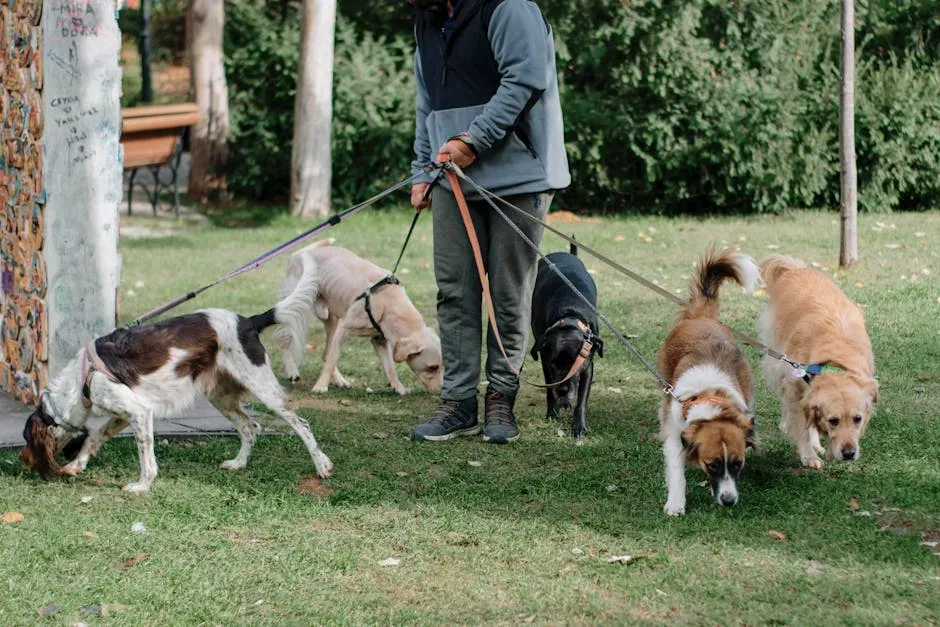
Here’s the part almost nobody talks about: dogs don’t just feel the day changing, they remember exactly when that shift got broken. Stay up all night, cross time zones, or make an emergency 3 a.m. vet run, and many dogs quietly store that disruption as a flagged memory. For the next several nights, they’ll act differently at that same hour, watching you more closely or hovering near doors like they’re waiting for the other shoe to drop.
This is part of why dogs struggle so visibly after big life events – moving house, a new baby, a breakup, losing someone. Those moments come with violent changes to when and how each day actually ends, and from the dog’s point of view, the rulebook just got torn up. Some adjust within days; others check the old bedroom at the exact time a person used to come home, for weeks. If you want your dog to feel secure, giving them a predictable ending to the day might be the single most underrated kindness you can offer.
At a Glance
- Dogs can flag disrupted routines as memorable events, not just passing annoyances.
- Major life changes – moving, new babies, loss – often trigger weeks of altered nighttime behavior.
- Consistent daily endings help dogs feel secure, even during otherwise stressful periods.
The Bottom Line
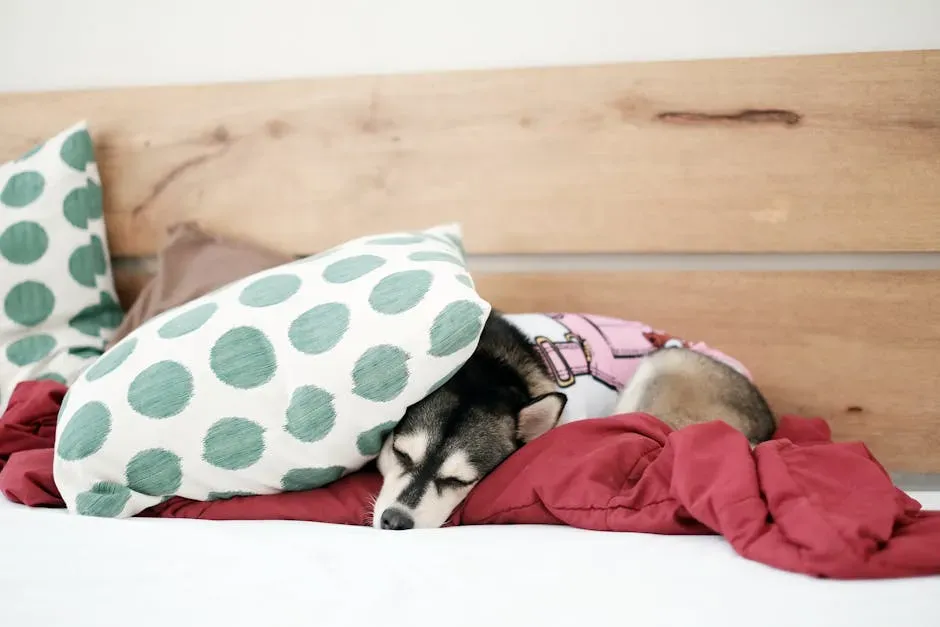
Dogs don’t know dates, but they absolutely know when a day is winding down and when a new one has started – often more precisely than the humans running the household. Light levels, fading scent, your smallest routines, your phone habits, the outside noise, their own body rhythms, and the emotional temperature of the room all stack together into a shockingly accurate definition of “today” versus “tomorrow.”
Here’s the part I’ll say plainly, because most articles won’t: your dog’s sense of time is really just a mirror of your consistency, and that’s a little humbling. A chaotic evening doesn’t just wear you out – it hands your dog an unreliable calendar. Give them a stable ending to the day, even a boring one, and you’re not just being tidy. You’re handing them the one thing they can’t get anywhere else: a version of tomorrow they can actually trust is coming.