
11 Dog Breeds That Never Leave Their Owner’s Side
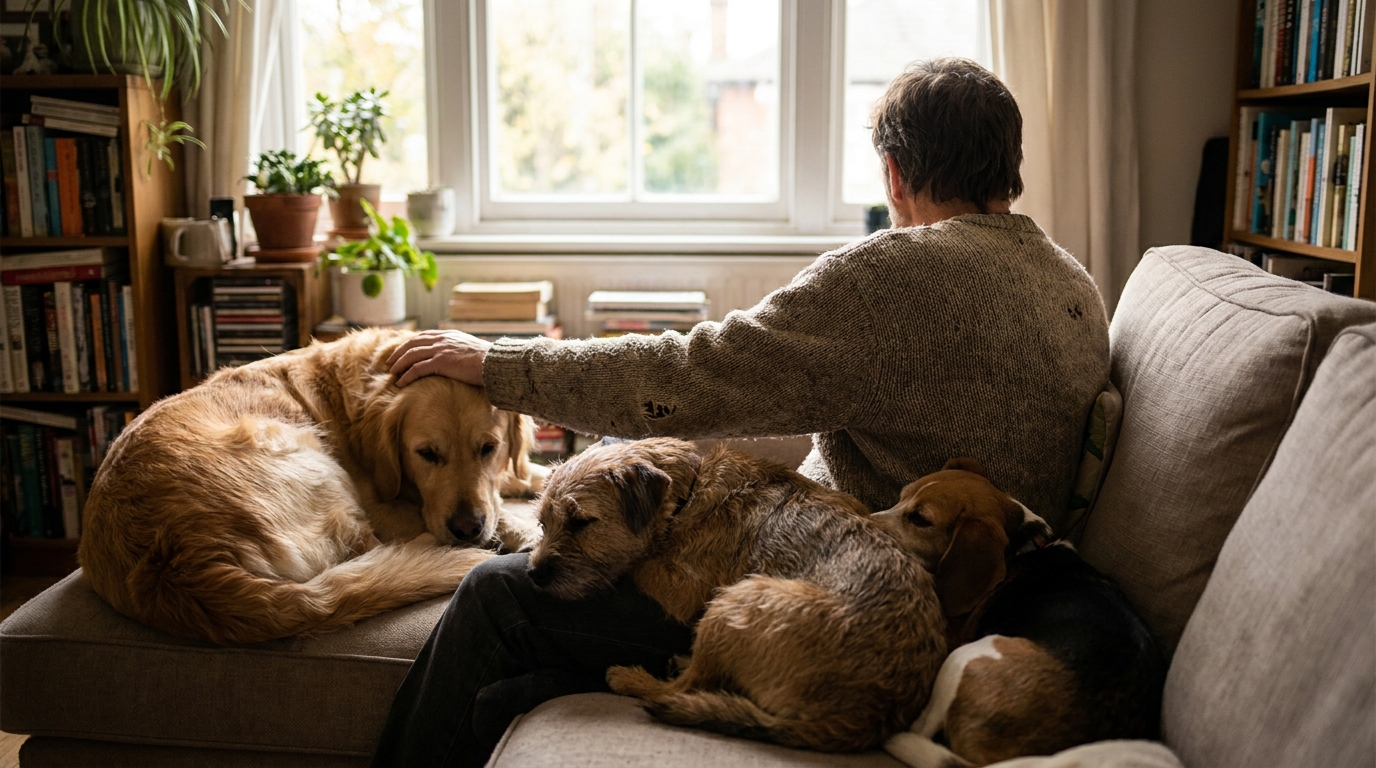
Stick with us to the end: one simple daily habit strengthens the bond these breeds are already wired to form.
Some dogs follow you from room to room, while others barely glance up when you leave. Most people assume it’s just personality, but certain breeds are hardwired for constant companionship.
These aren’t lap dogs by accident. They were bred for jobs that required watching their handler’s every move, and that instinct never faded. Here’s what the data actually says.
#11 — Labrador Retriever Watches Your Every Step
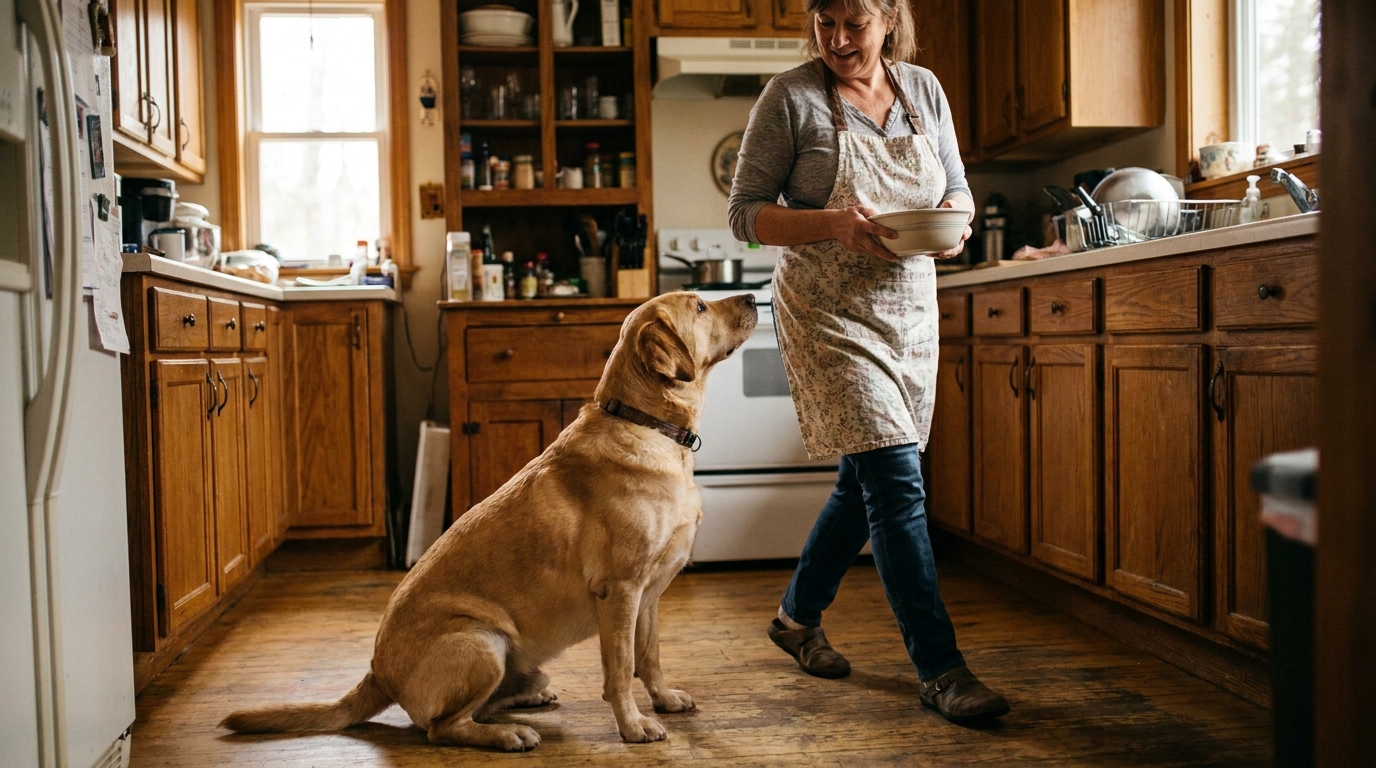
They weren’t bred to work alone, and it shows in every room they enter.
Labrador Retrievers were developed to work alongside hunters in freezing water, retrieving downed birds and returning them without being told twice. That job required constant eye contact and an ability to read subtle hand signals from dozens of yards away. The dogs who couldn’t stay focused didn’t make the cut.
Modern Labs carry the same wiring. They track your location even when they seem to be napping, and they adjust their position when you move to another room.
Quick Compare
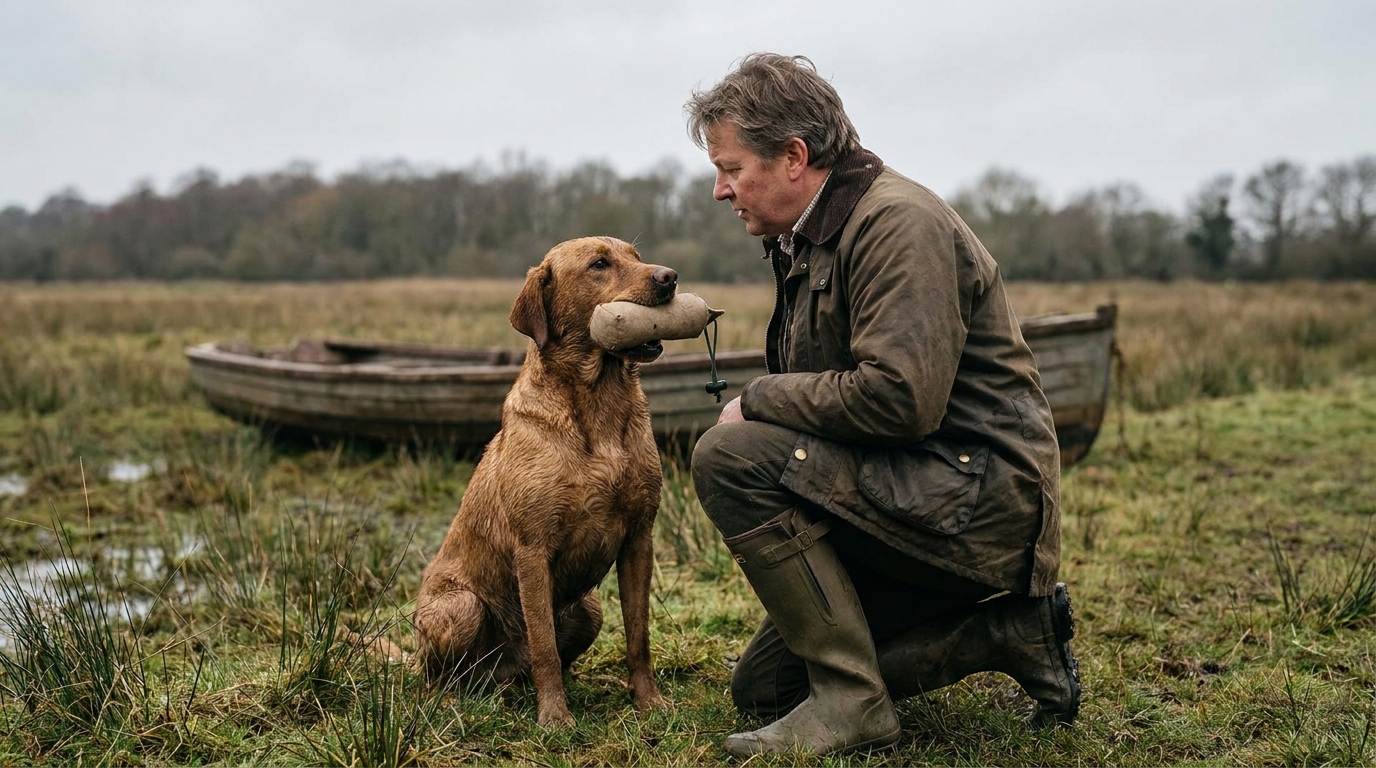
- Bred as hunting retrievers in Newfoundland, 1700s–1800s
- Selected for biddability and handler focus over generations
- Still the most popular family dog in the U.S. and U.K.
Trainers report that Labs learn routines faster than most breeds because they’re already watching. If you leave for work at the same time daily, your Lab will start waiting by the door five minutes early without being taught.
#10 — Cavalier King Charles Spaniel Refuses Separation
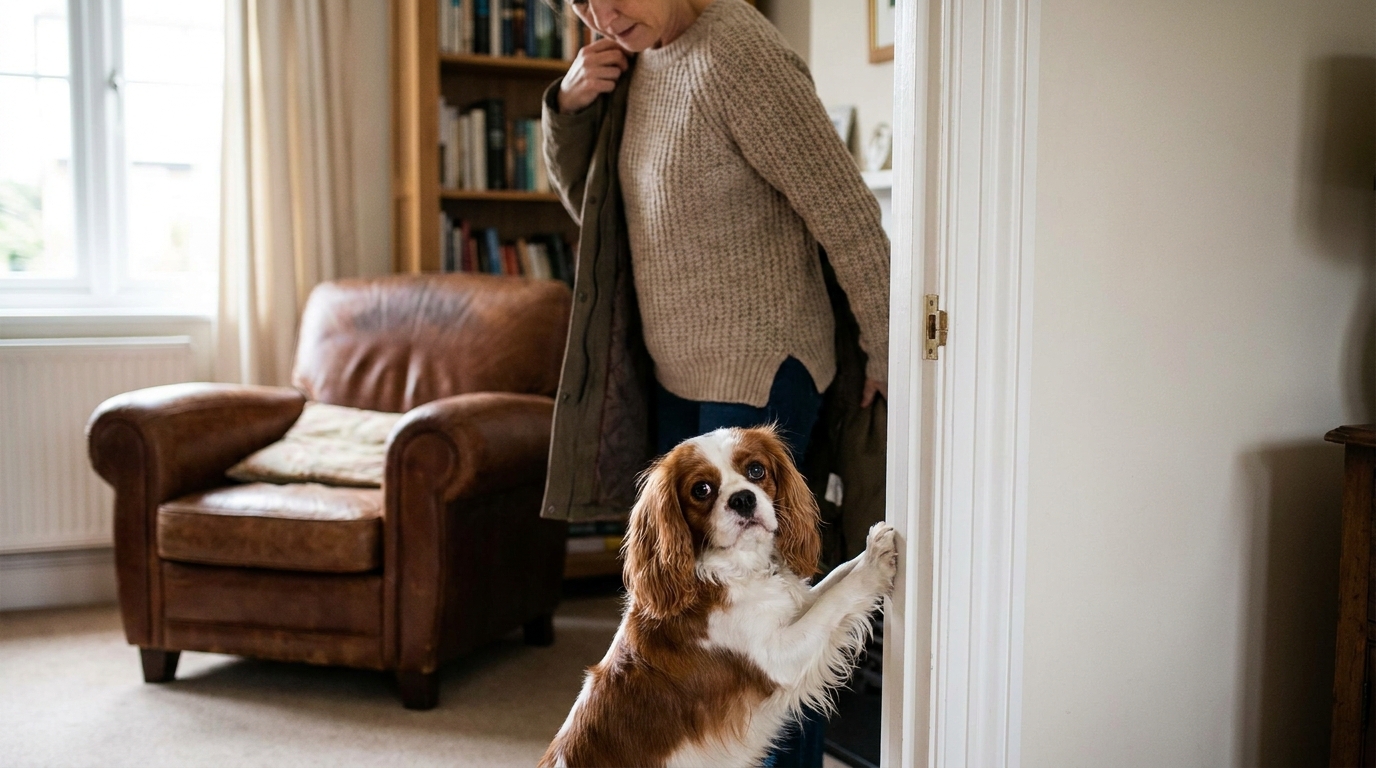
This breed was designed to be ornamental, but the work was full-time.
Cavaliers were bred as companion dogs for European nobility, expected to sit on laps during long carriage rides and sleep in bedchambers. They were never hunting dogs or guard dogs. Their entire job was proximity, and they were selected for it across centuries.
The result is a dog that becomes anxious when left alone for more than a few hours. They don’t just prefer company—they were built to need it.
Behaviorists note that Cavaliers often shadow their owners from room to room, even in multi-dog households where other pets stay put. A Cavalier left alone too often will develop separation anxiety faster than most breeds, usually within weeks.
#9 — German Shepherd Monitors Your Location Constantly
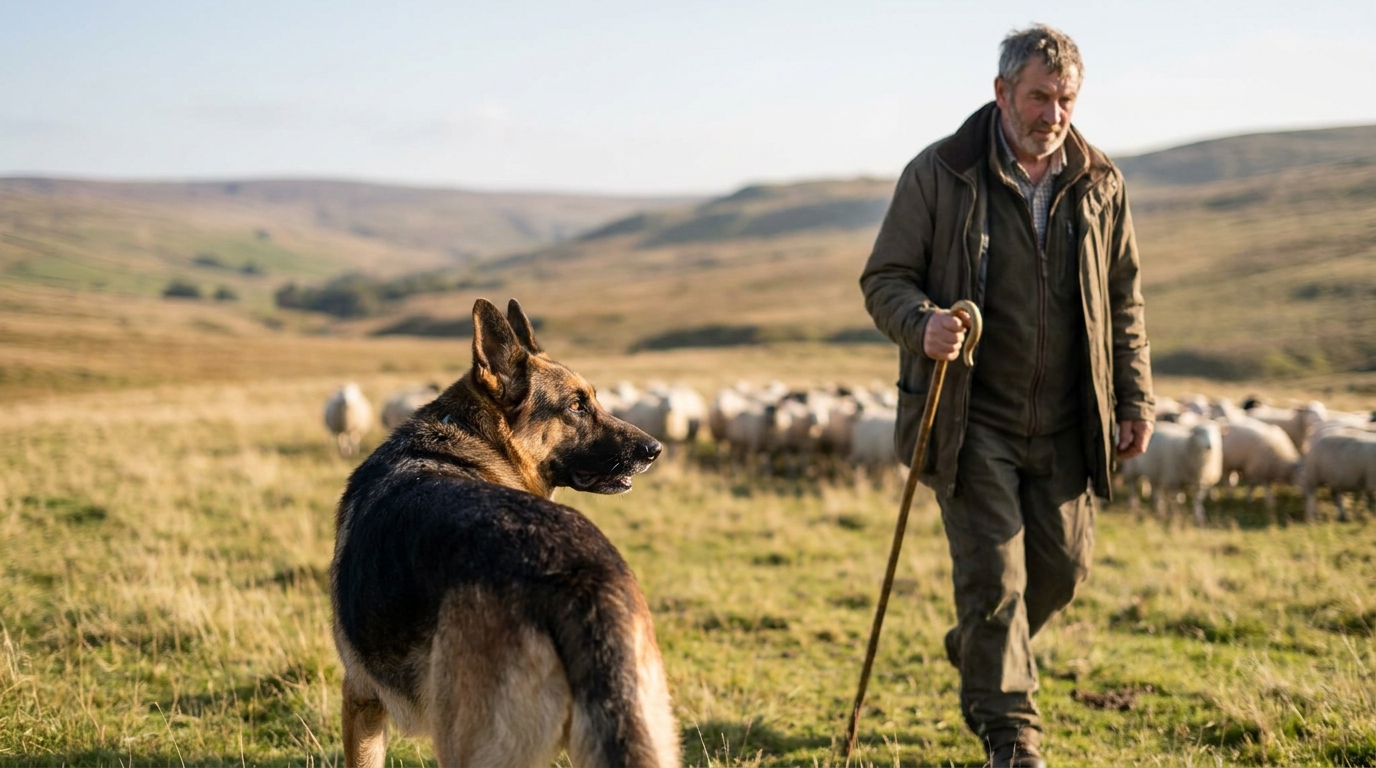
They were bred to herd sheep alone, but only while keeping the shepherd in sight.
German Shepherds were developed in the late 1800s to work independently in vast pastures, making decisions about the flock without constant commands. But independence didn’t mean distance. The breed standard required a dog that could work out of earshot but never out of visual range.
That’s why a German Shepherd in a house will usually position itself where it can see multiple doorways. They’re not guarding—they’re maintaining the same spatial relationship they held with shepherds a century ago.
Police and military trainers exploit this trait deliberately. A German Shepherd handler can move through a building with the dog off-leash, and the dog will check the handler’s position every few seconds without being called.
Most Velcro dogs were bred for jobs that punished independence.
#8 — Vizsla Stays Within Arm’s Reach
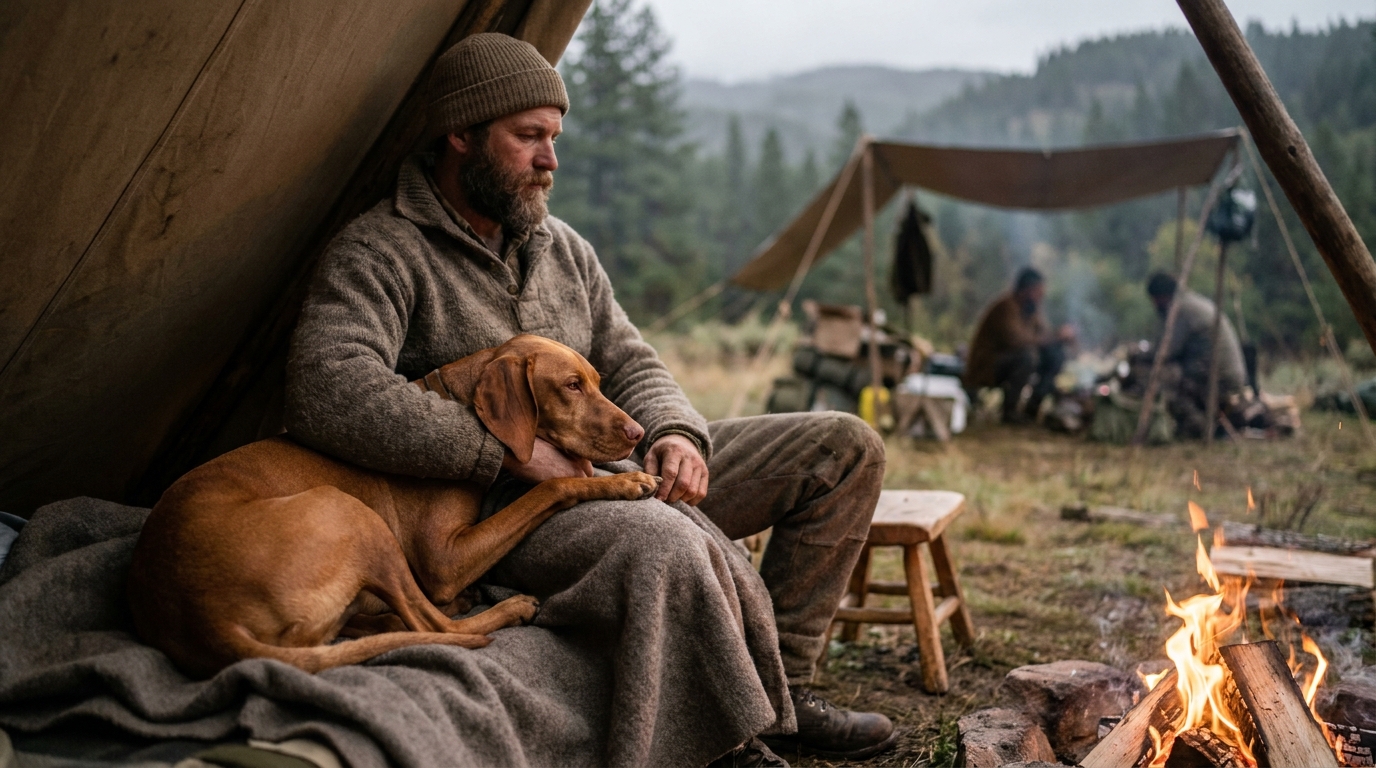
Hungarian hunters needed a dog that could work all day and still sleep in the tent.
Vizslas were bred as dual-purpose pointers and retrievers for Hungarian falconers and hunters, expected to work in the field and then stay quiet indoors at night. The breed was nearly extinct after World War II, and the dogs that survived were the ones kept closest to families, not in kennels.
That history shows in their behavior today. Vizslas lean against their owners, follow them into bathrooms, and sleep pressed against legs or feet.
Fast Facts
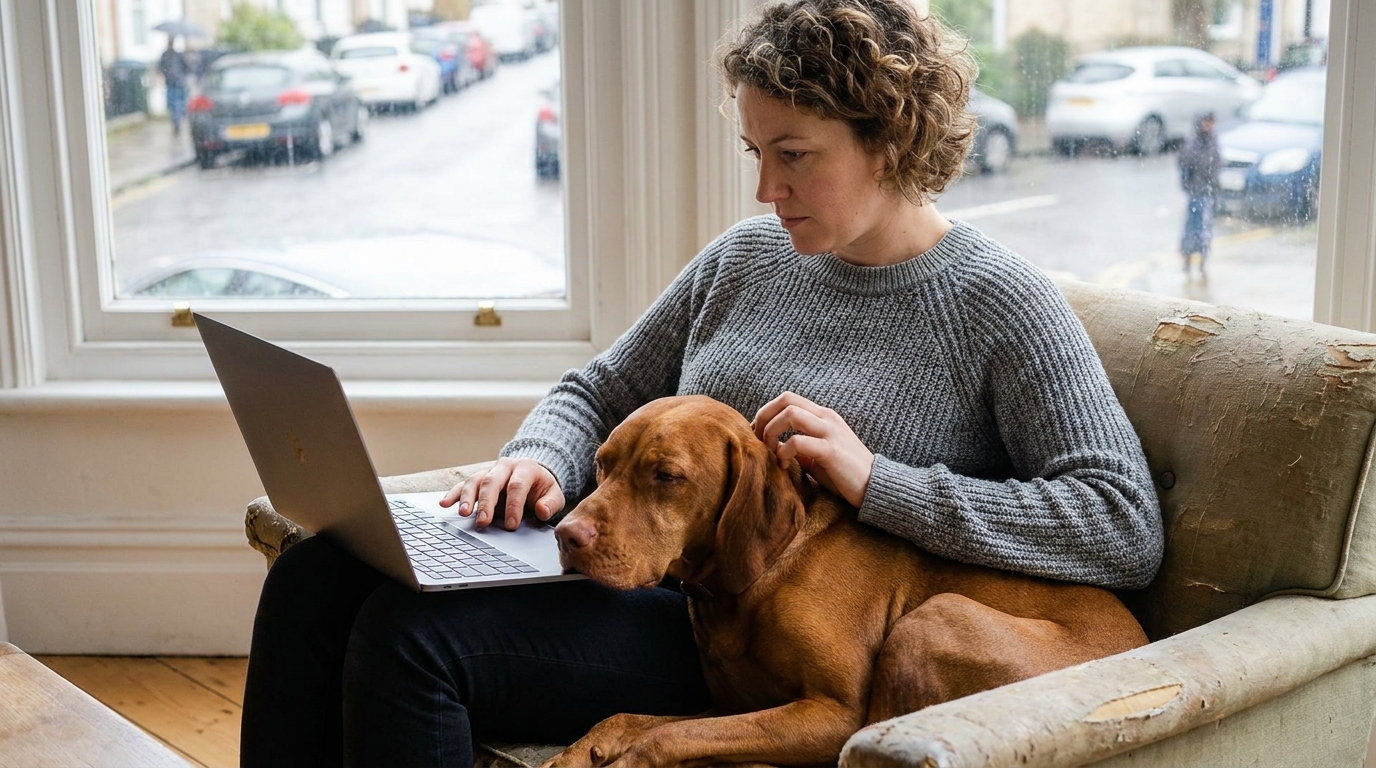
- Often called “Velcro dogs” by breeders and owners
- Require more physical contact than most sporting breeds
- Prone to separation anxiety if left alone during the workday
Veterinarians report that Vizslas are overrepresented in separation anxiety cases, not because they’re neurotic but because their need for contact is genuine. A Vizsla left alone for eight hours will often pace or vocalize, even in a comfortable crate.
#7 — Golden Retriever Tracks Your Routine
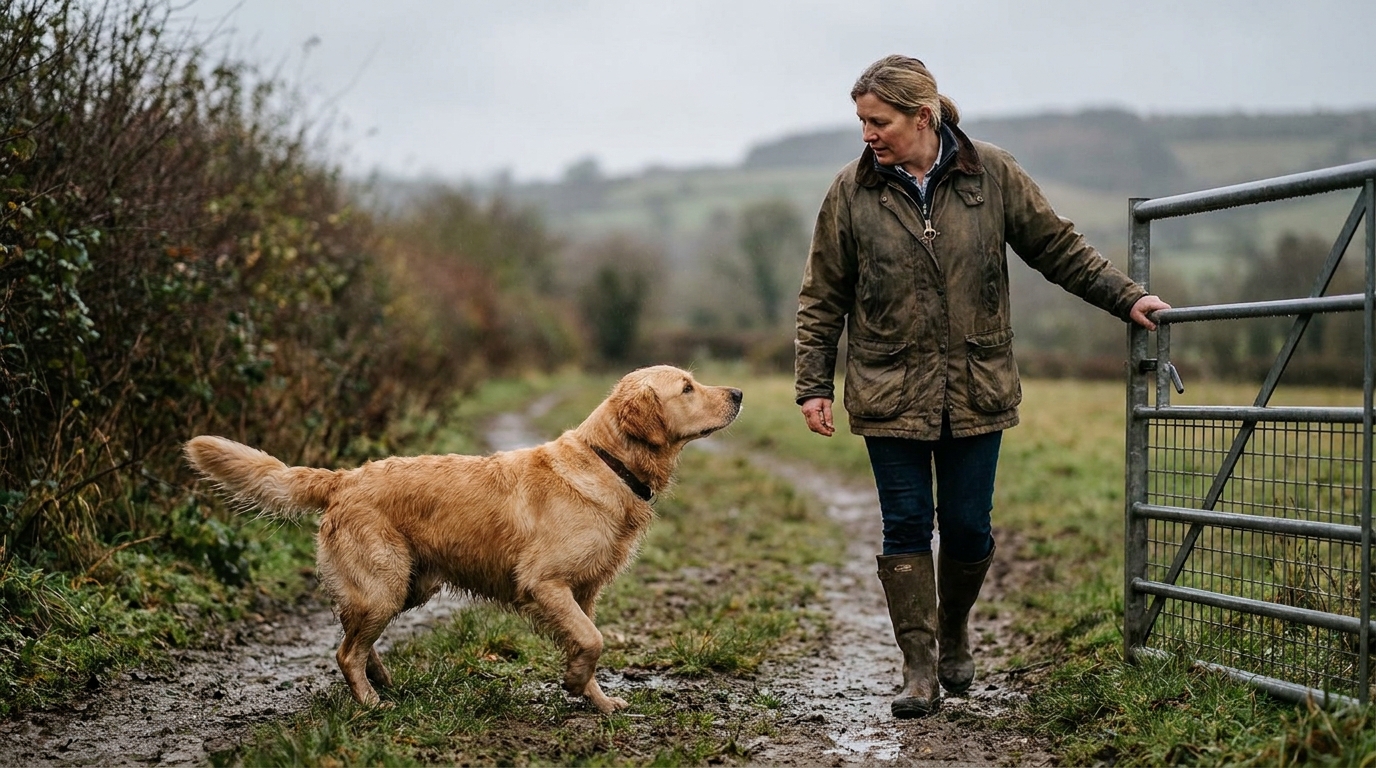
They were built to work in pairs with a handler, not in packs with other dogs.
Golden Retrievers were developed in Scotland for waterfowl hunting, bred to wait silently beside a hunter for hours and then retrieve birds on command. The stillness wasn’t passive—it was focused attention, and it required a dog that found the handler more interesting than the environment.
Modern Goldens retain that handler focus. They learn your schedule without training and begin anticipating transitions—dinner prep, bedtime, walks—sometimes twenty minutes before you move.
Trainers note that Goldens are easier to recall than many sporting breeds because they’re already checking in. A Golden off-leash in a park will glance back at its owner every thirty to sixty seconds, a habit that doesn’t require reinforcement.
#6 — Shetland Sheepdog Needs Visual Contact
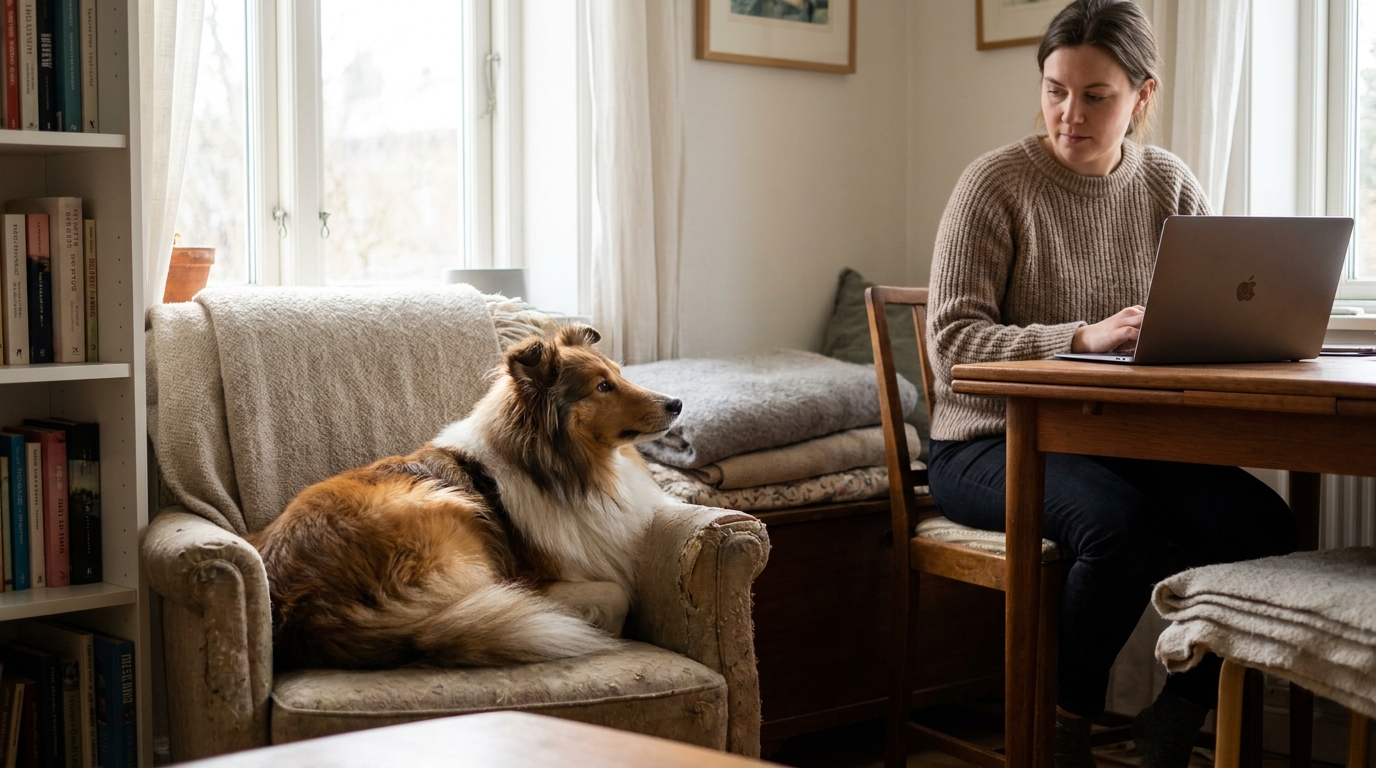
Herding breeds have to watch stock, but Shelties were bred to watch the shepherd just as closely.
Shetland Sheepdogs worked in the Shetland Islands herding sheep across rough terrain, often out of the shepherd’s immediate control. The dogs had to make split-second decisions about when to push the flock and when to hold, and the only way to coordinate was constant visual check-ins.
That behavior doesn’t turn off indoors. A Sheltie will reposition itself in the house to maintain line of sight, and it will follow you from room to room even when it’s not seeking attention.
Agility trainers prefer Shelties for off-leash work because the dog’s default is to monitor the handler’s position and body language. A Sheltie running an agility course will abort an obstacle if the handler’s movement suggests a different path, even without a verbal correction.
But #5 takes proximity to a level that surprises even experienced handlers…
#5 — Papillon Shadows You Like a Second Thought
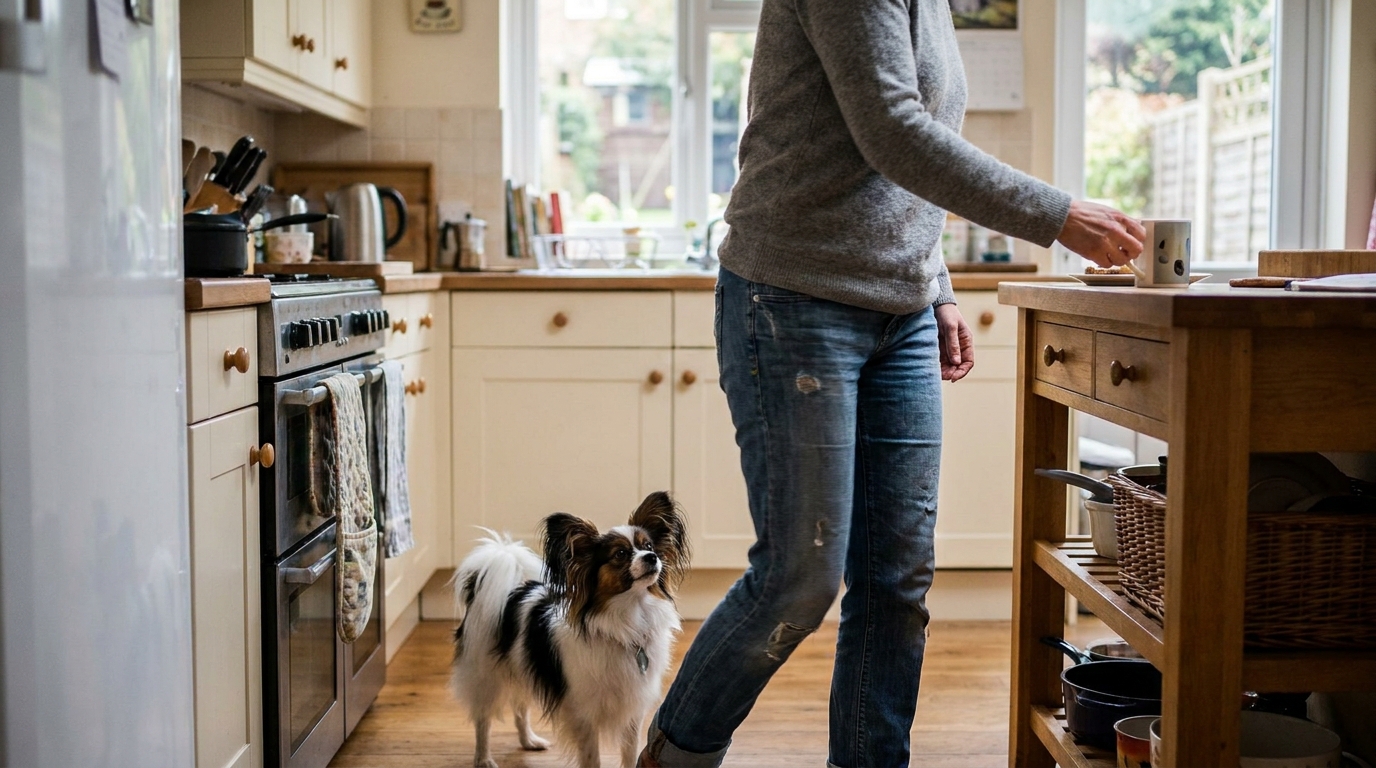
They’re toy dogs, but they weren’t bred to be passive.
Papillons were companion dogs for French and Belgian nobility, expected to alert their owners to visitors and unusual activity. They weren’t lap warmers—they were small watchdogs, and their job required staying close enough to notice everything the owner noticed.
The result is a dog that follows at heel height without being asked. Papillons move when you move, often before you’ve finished standing up.
Obedience competitors favour Papillons in rally and obedience trials because the dog’s natural position is already at the handler’s side. A Papillon doesn’t need to be taught “with me”—it’s the breed’s factory setting. They’re also less prone to distraction than many toy breeds because their attention defaults to the owner, not the environment.
#4 — Border Collie Reads You Before You Move
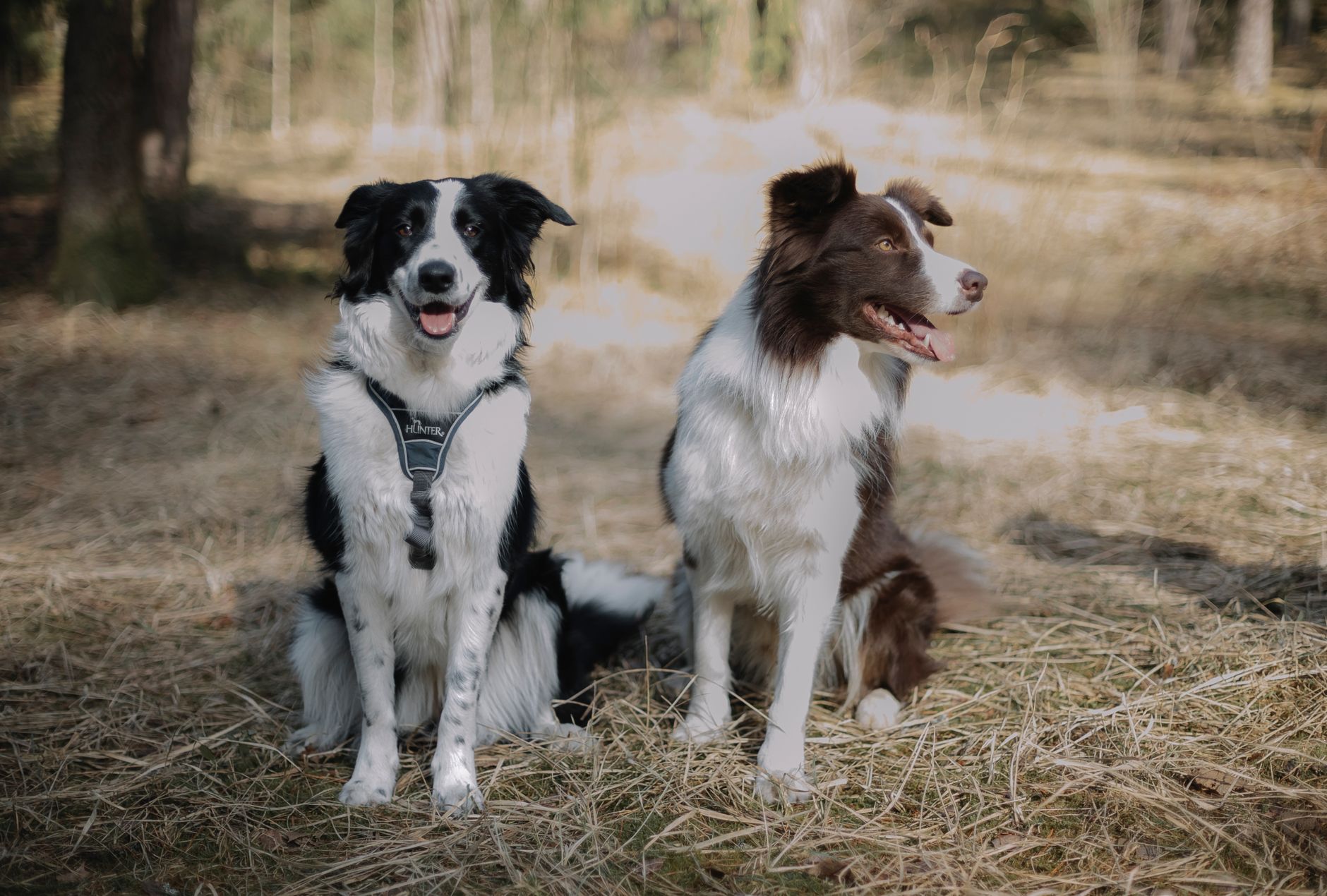
Herding sheep requires predicting what the flock will do, but Border Collies were also bred to predict the shepherd.
Border Collies were developed in the borderlands between Scotland and England to herd sheep across vast, unfenced pastures using only eye contact and body positioning. The dogs worked at distances too great for verbal commands, so they learned to read the shepherd’s posture, gait, and even breathing rhythm.
That sensitivity doesn’t disappear indoors. A Border Collie will notice when you shift your weight toward the door or glance at the leash, and it will respond before you’ve made a conscious decision to move.
Worth Knowing
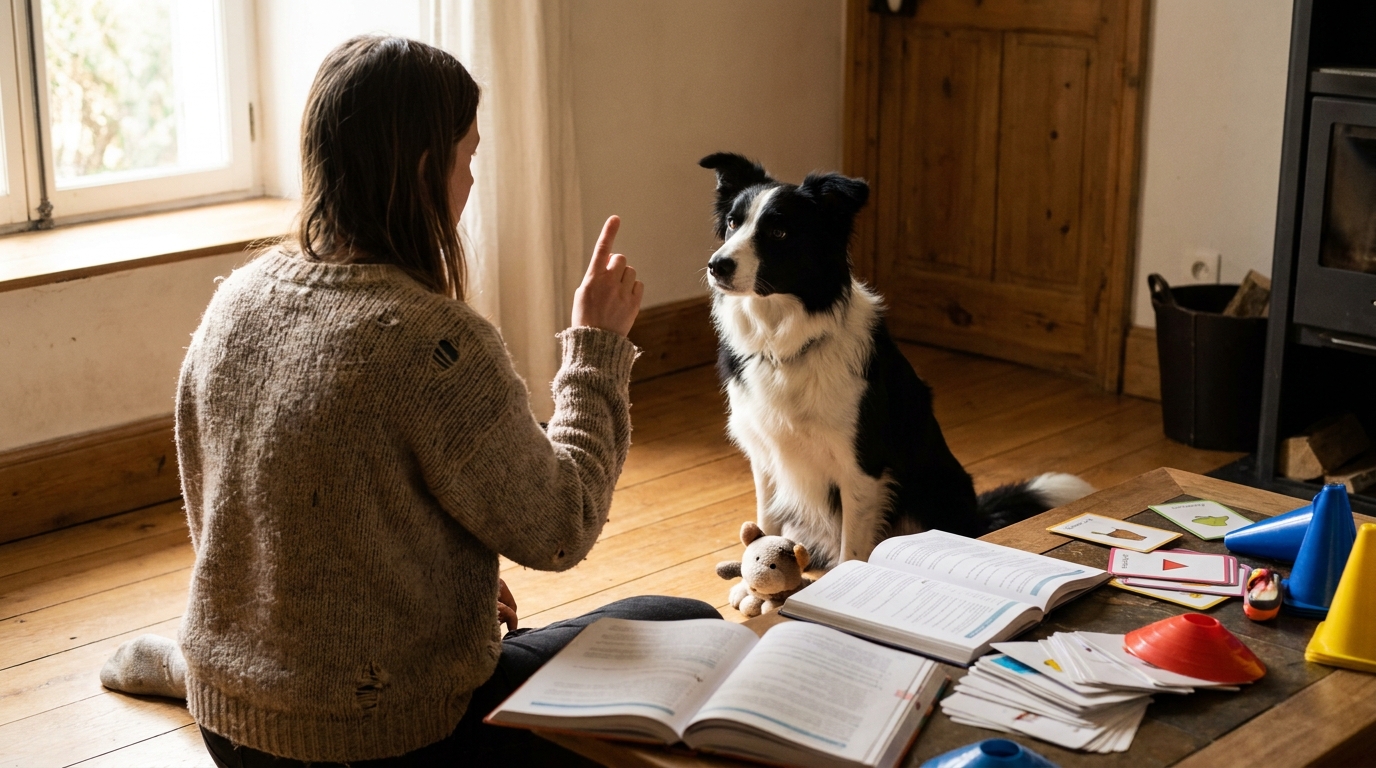
- Can learn to read over 1,000 words and gestures
- Often react to owner’s micro-expressions before a command is given
- Require mental engagement, not just proximity
Trainers report that Border Collies in competitive obedience sometimes execute commands before the judge finishes speaking because they’ve read the handler’s preparatory tension. It’s the same skill shepherds relied on two centuries ago, and it makes the breed almost uncomfortably attentive.
#3 — Doberman Pinscher Maintains Tactical Position
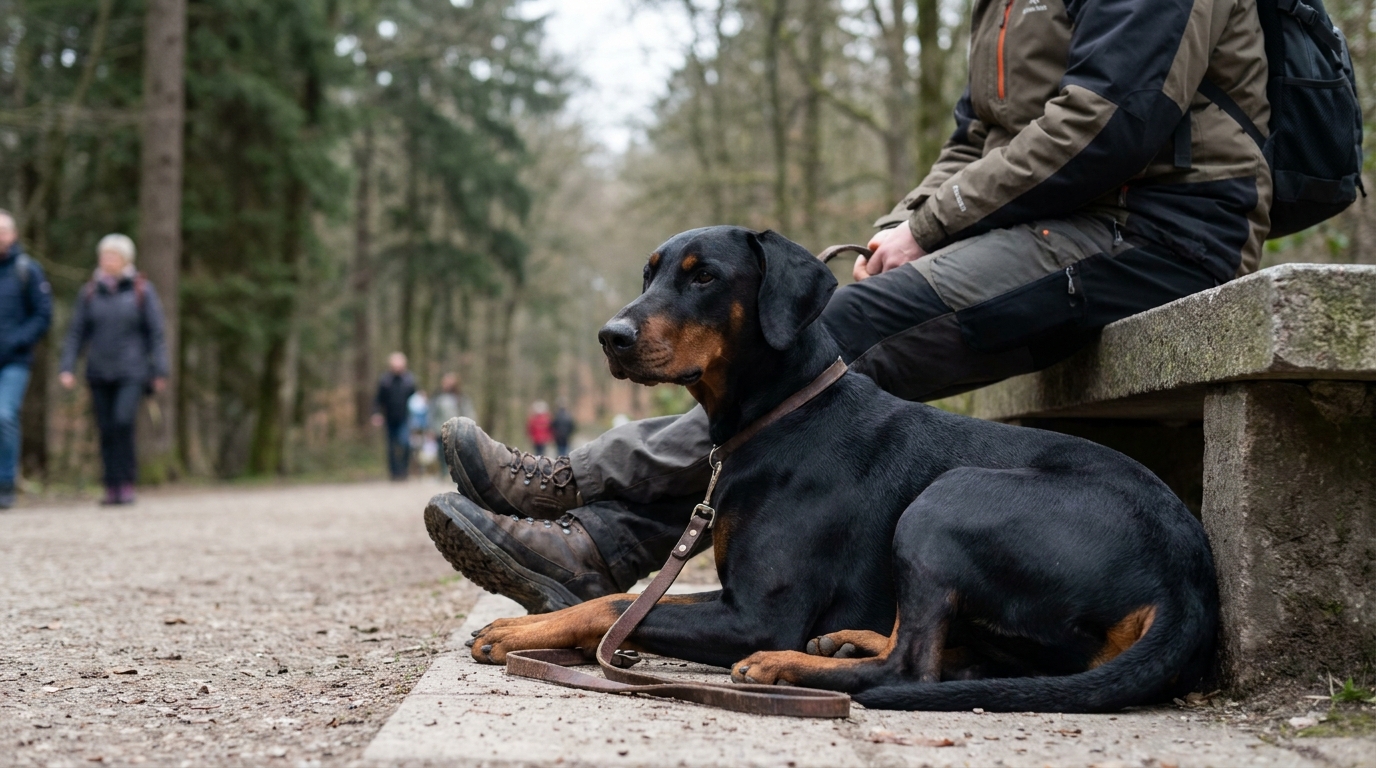
They were bred as personal protection dogs, and the job description was explicit: stay close.
Dobermans were developed in Germany in the 1890s by a tax collector named Louis Dobermann, who needed a dog that could accompany him on collections in dangerous neighborhoods. The breed had to be intimidating enough to deter threats but biddable enough to walk through crowds without incident. The only way to do both was to stay within a few feet of the handler at all times.
Modern Dobermans still position themselves between their owner and strangers, even in low-threat environments like living rooms when guests visit. It’s not aggression—it’s the spatial relationship the breed was optimized for.
Personal protection trainers note that Dobermans require less positional training than other guard breeds because the instinct to stay close is already present. A Doberman will follow its owner from room to room and typically rest where it can see both the owner and the entry point to the space.
#2 — Great Pyrenees Guards You Even Indoors
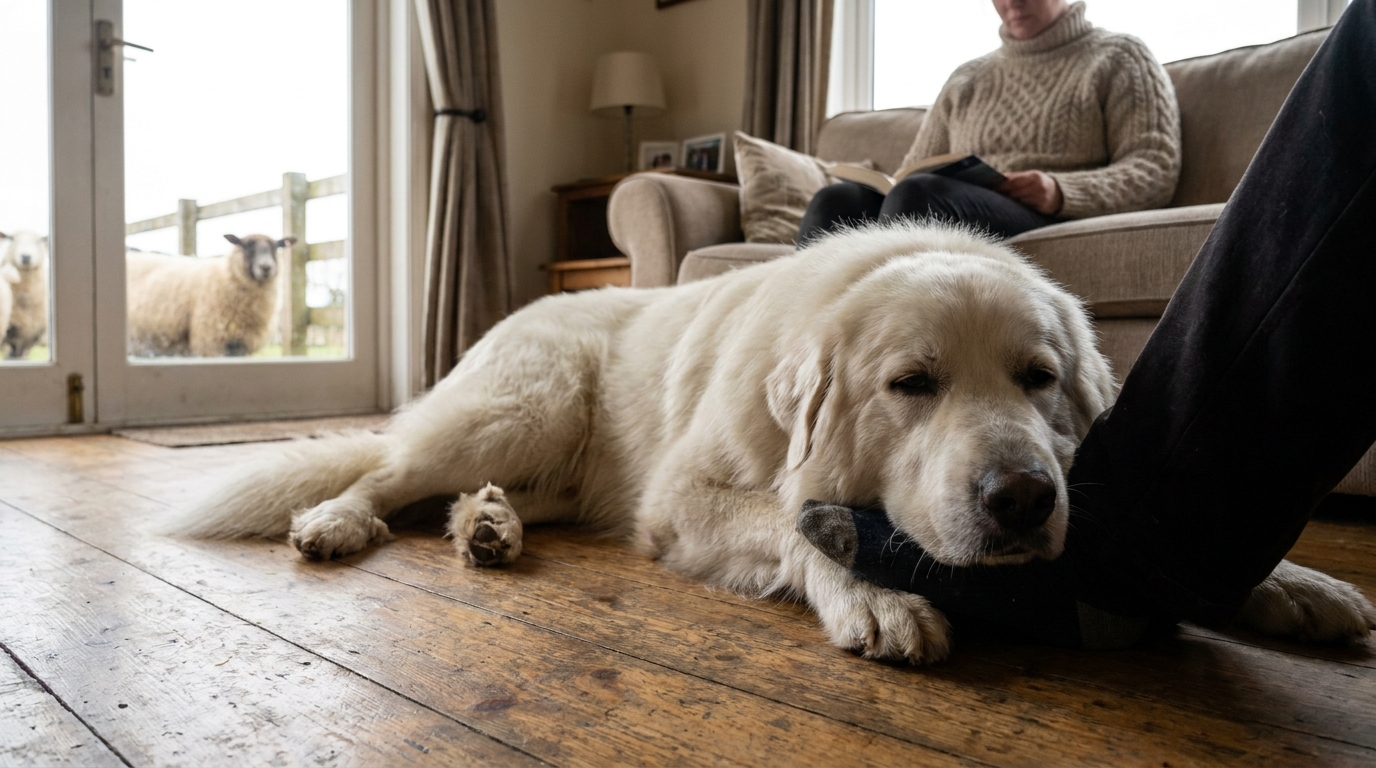
Livestock guardians are bred to work alone, but that doesn’t mean they work far from what they’re guarding.
Great Pyrenees were developed in the Pyrenees Mountains to guard flocks of sheep against wolves and bears, often without a shepherd present for days. But the job wasn’t to patrol a perimeter—it was to stay with the flock, close enough that predators would see the dog before they saw the sheep.
That same logic applies to families. A Great Pyrenees indoors will position itself near the most vulnerable family member—usually children or elderly adults—and it will relocate when that person moves to another room.
Breeders warn new owners that Great Pyrenees are not velcro dogs in the sense of seeking affection, but they are proximity dogs. They don’t need to be touching you, but they do need to be in the same room, and they become anxious when separated by closed doors. A Great Pyrenees left outside while the family is indoors will often bark or pace, not from boredom but from a frustrated guarding instinct.
But #1 reveals a breed whose attachment goes beyond instinct into something closer to identity…
#1 — Australian Shepherd Lives for Your Attention
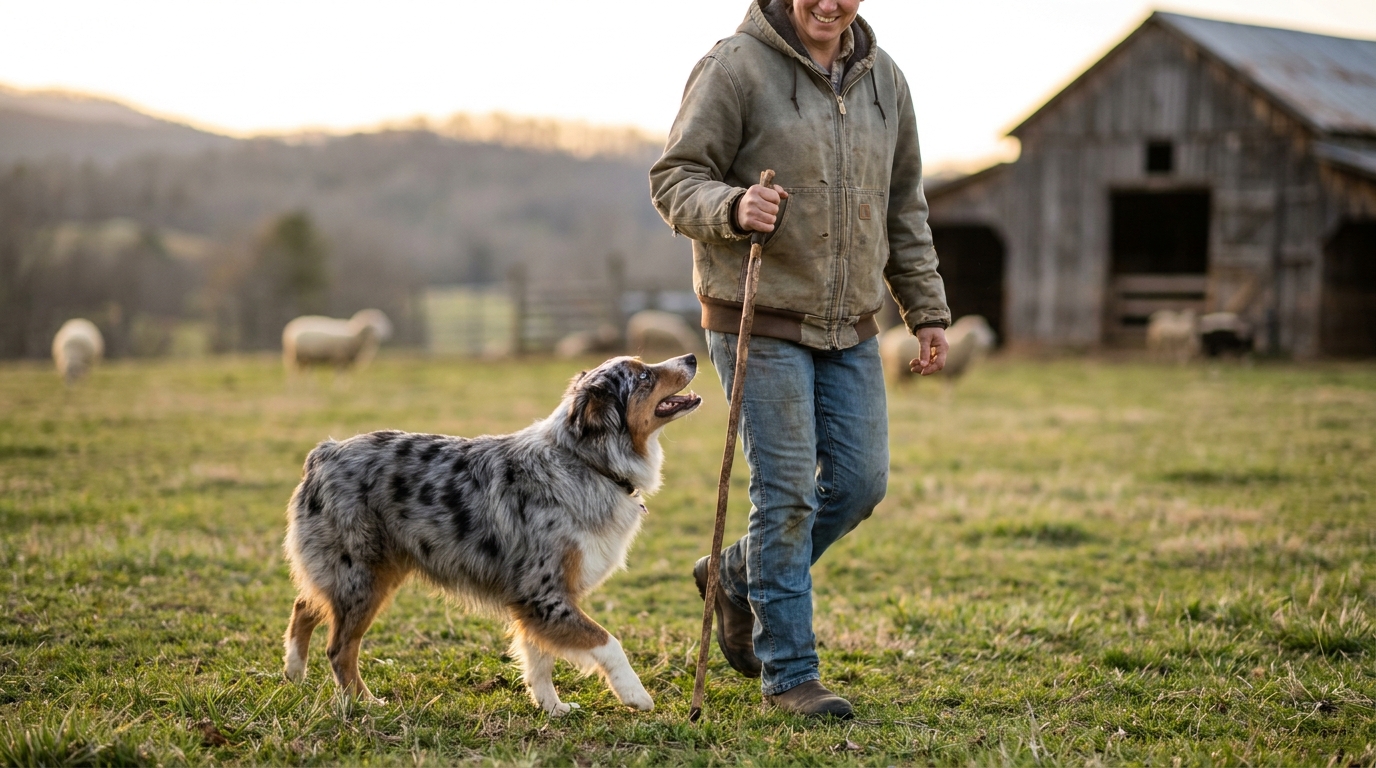
They weren’t bred to herd livestock as much as they were bred to herd with you.
Australian Shepherds were developed in the American West to work cattle and sheep on ranches, but unlike many herding breeds, they were expected to take direction continuously throughout the day. The work wasn’t autonomous decision-making—it was constant collaboration, with the dog checking in for cues every few minutes across long shifts.
That need for interaction is the breed’s defining trait. An Australian Shepherd doesn’t just follow you—it waits for you to acknowledge it, and it becomes anxious when ignored for more than a short period.
Why It Stands Out
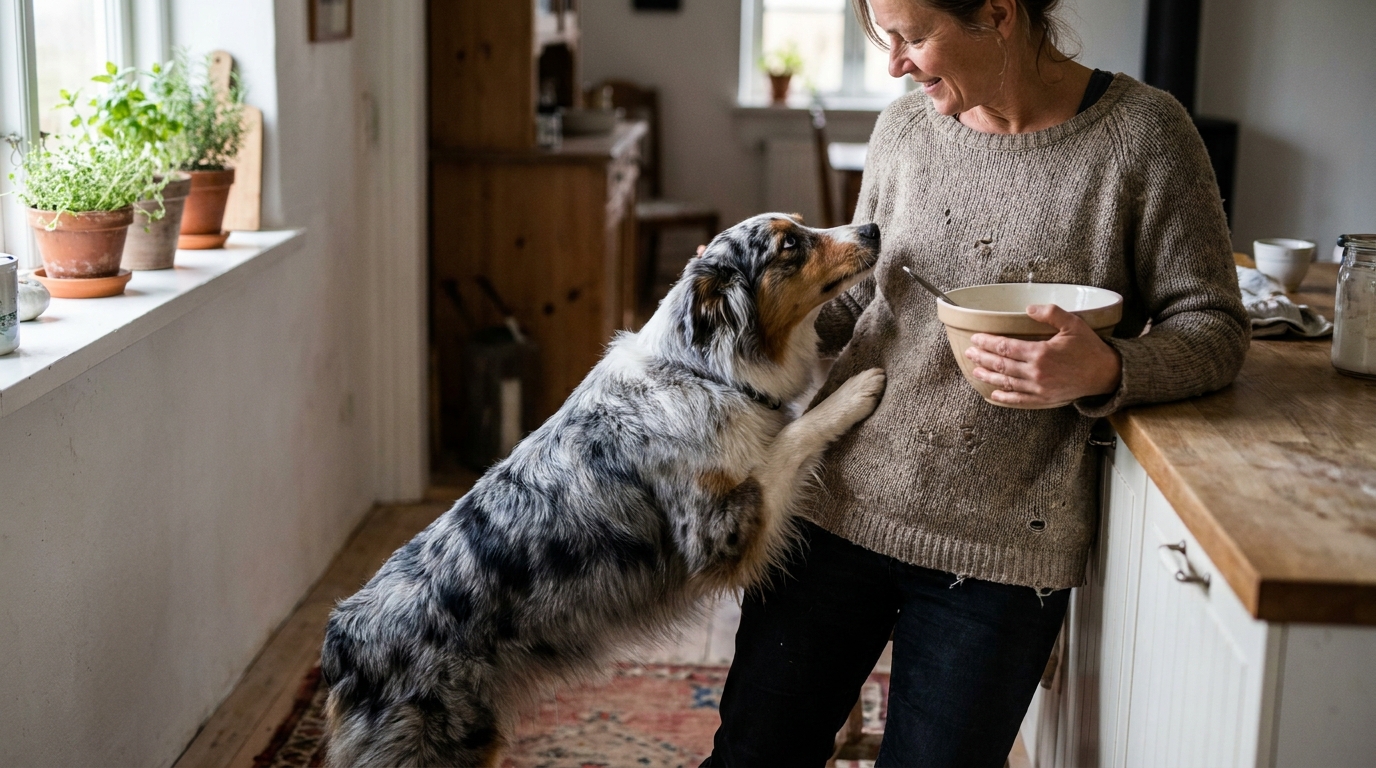
- Bred for continuous handler interaction, not independent work
- Often rated the most “needy” herding breed by trainers
- Require jobs or tasks to channel their focus productively
Behaviorists report that Australian Shepherds are overrepresented in destructive behavior cases, but the destruction usually starts only after the dog has tried and failed to get the owner’s attention. They’re not acting out—they’re seeking the interaction the breed was designed to expect. An Australian Shepherd left alone in a yard with toys will often ignore the enrichment and wait by the door, because the toy isn’t the reward. You are.
The Bottom Line
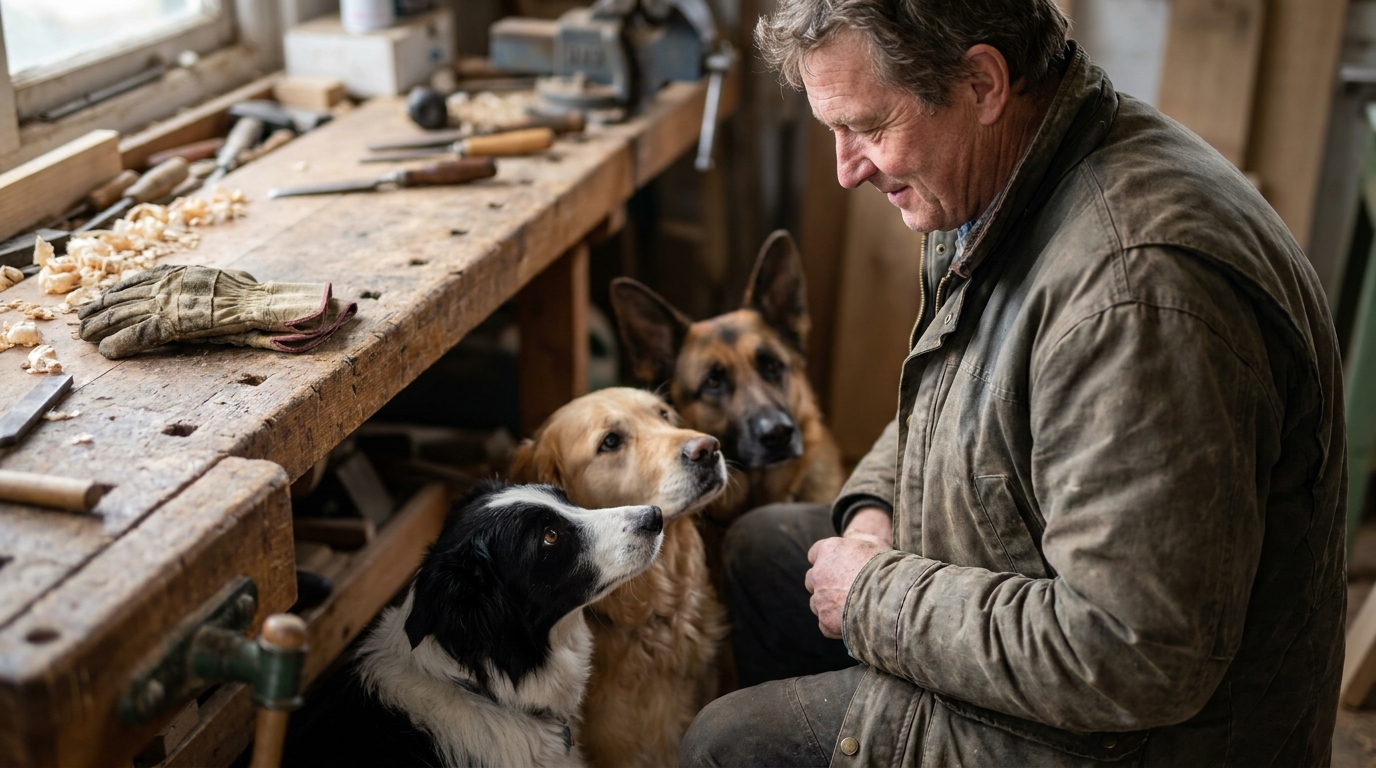
These eleven breeds weren’t accidents of temperament—they’re the result of generations of selection for jobs that required proximity, focus, and handler obsession. While most dogs bond with their families, these breeds were built to need you in the room.
A dog that follows you everywhere isn’t clingy—it’s doing the job it was bred for.
The surprise isn’t that some breeds stay close. It’s that we built them to behave this way and then acted startled when they did. The Velcro dog isn’t broken or insecure—it’s exactly what we asked for when we bred pointers to watch our hands, guardians to watch our flocks, and companions to watch our faces.
Which of these breeds matches your daily routine, and could you actually provide the interaction they were designed to expect?
Bonus — One Daily Habit That Deepens the Bond
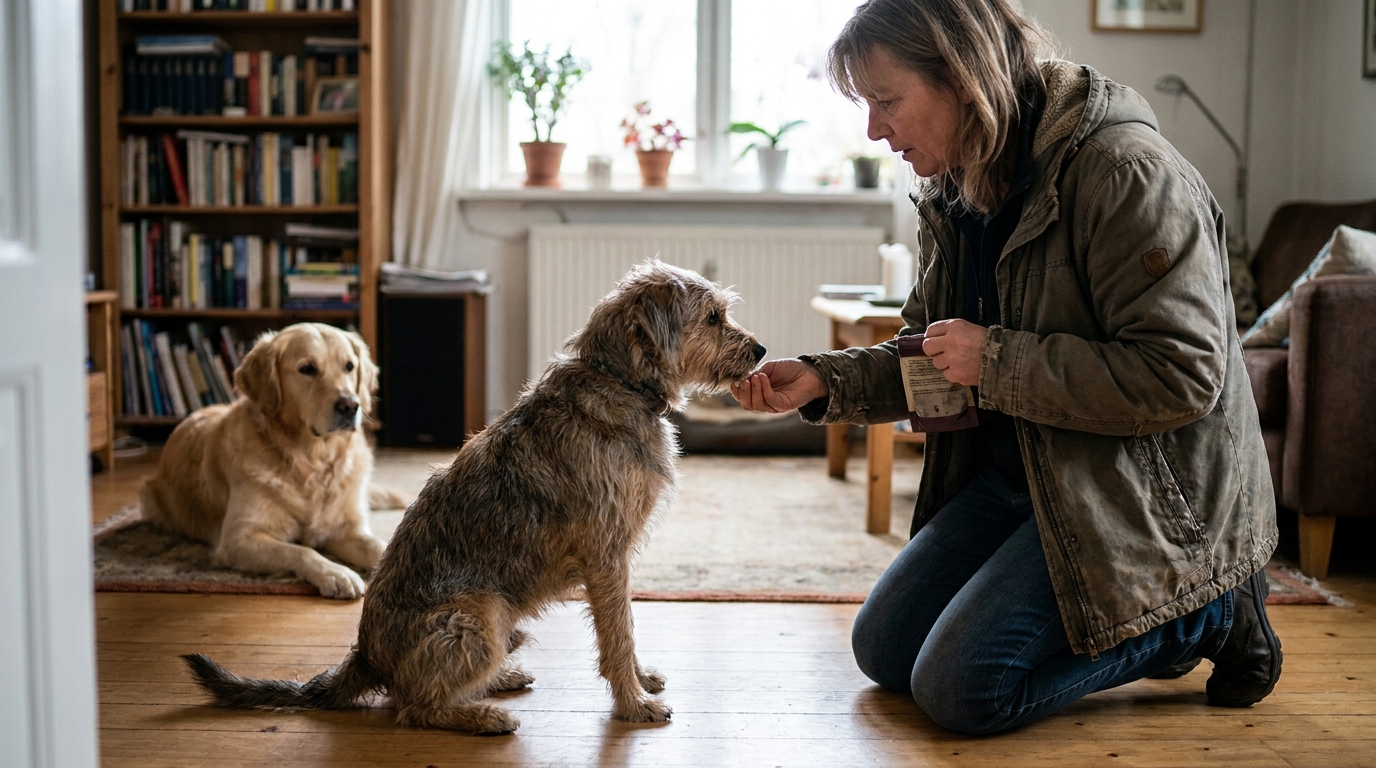
These breeds already want to watch you—the question is whether you’re giving them something worth watching.
The single most effective habit isn’t more time together. It’s structured attention: five minutes of deliberate interaction where the dog has to read you to succeed. That could be hand-signal training, hide-and-seek with treats, or even just a sit-stay-release sequence before meals.
Here’s what works:
- Practice one new hand signal daily, even if it’s just a variation on “sit”
- Hide treats in the house and release the dog to find them on your cue
- Use doorway thresholds as training moments: the dog waits for your release
- End every session before the dog loses focus, not after
The goal isn’t obedience for its own sake. It’s giving the dog’s hard-wired handler focus a productive outlet. A Border Collie that spends five minutes reading your gestures is calmer for the next two hours than one that just sat beside you on the couch. The interaction satisfies what the breed was built to need.
READER QUIZ
How Well Do You Know These Velcro Breeds?
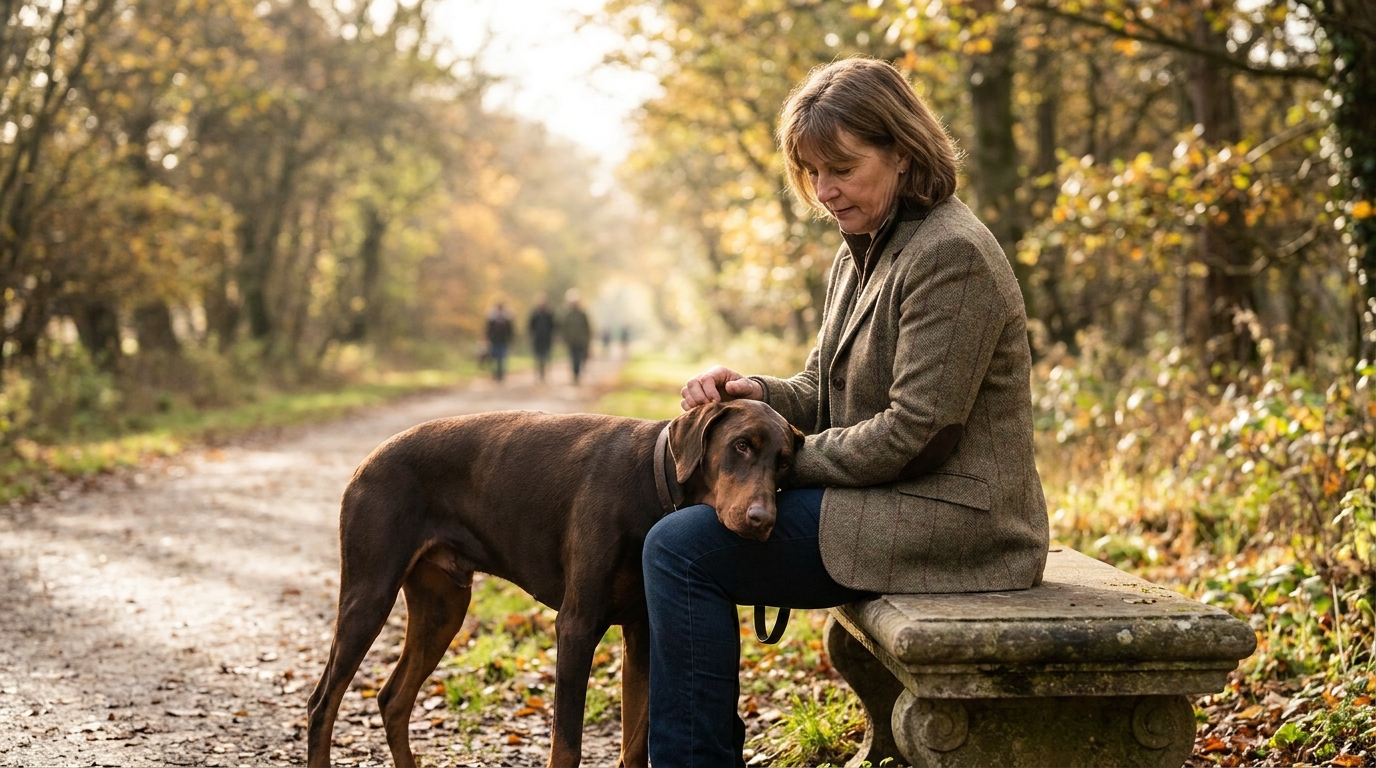
Which breed was developed by a German tax collector in the 1890s for personal protection?
- German Shepherd
- Doberman Pinscher
- Great Pyrenees
- Australian Shepherd
What job were Labrador Retrievers originally bred to perform?
- Herding sheep across mountains
- Guarding livestock from predators
- Retrieving waterfowl for hunters
- Companionship for European nobility
Which breed was nearly extinct after World War II and survived primarily through family-kept dogs?
- Vizsla
- Golden Retriever
- Papillon
- Cavalier King Charles Spaniel
What makes Border Collies react to commands before they’re fully spoken, according to trainers?
- Superior hearing ability
- Reading the handler’s preparatory body tension
- Memorizing command sequences
- Anticipating judge patterns in competition
Which breed positions itself near the most vulnerable family member rather than seeking constant physical contact?
- Australian Shepherd
- Shetland Sheepdog
- Great Pyrenees
- Vizsla
Which of these velcro breeds shares your home, or which would you consider?
- I already live with one of these eleven breeds
- I’m considering one but worried about the attention needs
- I prefer a more independent dog