
What Your Dog’s Ears Are Telling You Before It Makes a Sound
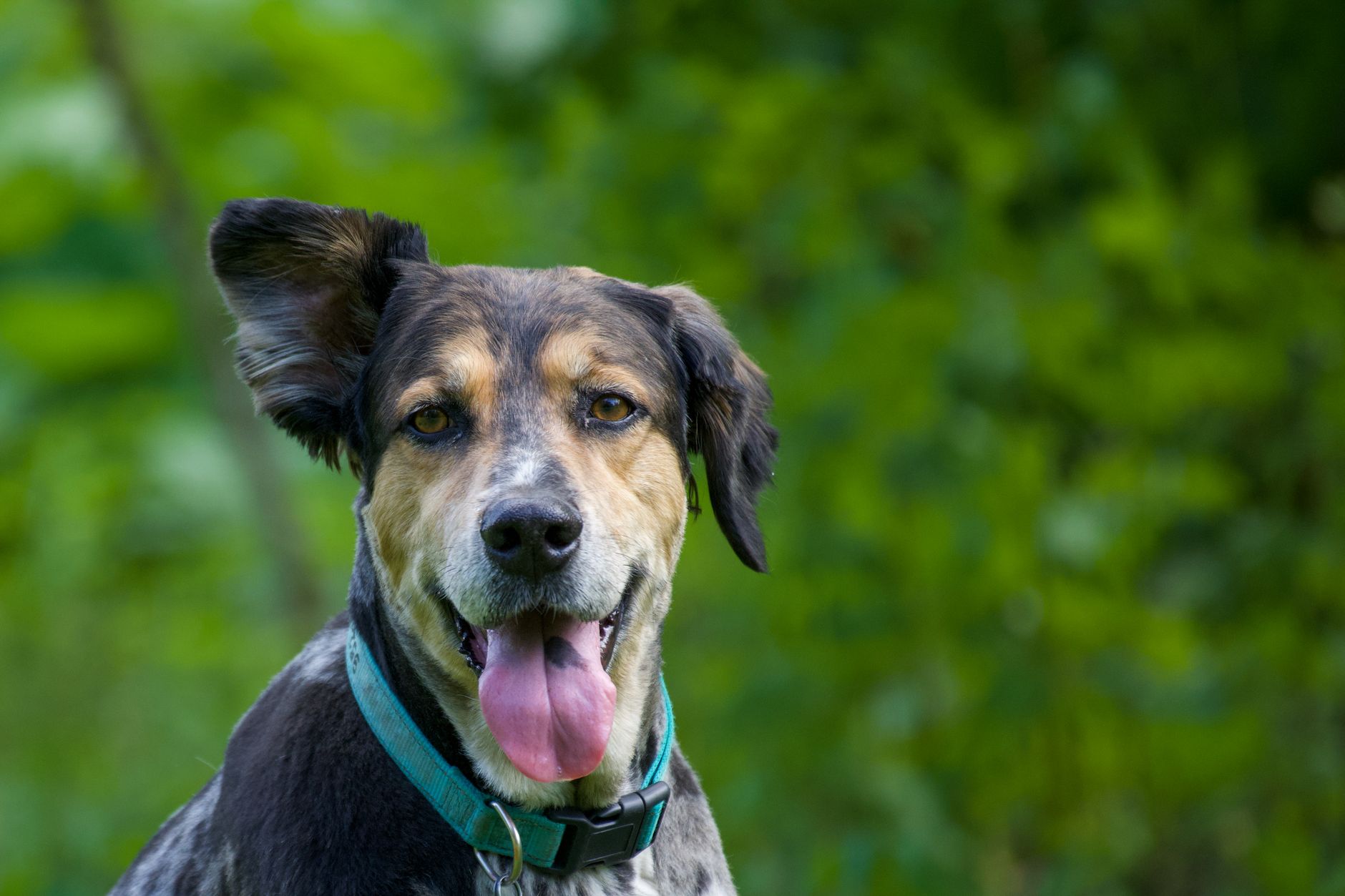
Stay with us to the end—one simple ear position reveals whether your dog is about to react or retreat, and knowing it keeps everyone safer.
Dogs broadcast their intentions long before they bark, growl, or lunge. Most owners wait for the sound, but by then the decision has already been made.
Your dog’s ears shift position dozens of times an hour, and each configuration signals a distinct emotional state. Learning to read them turns guesswork into genuine communication.
#15 — Ears Pinned Flat Against the Head
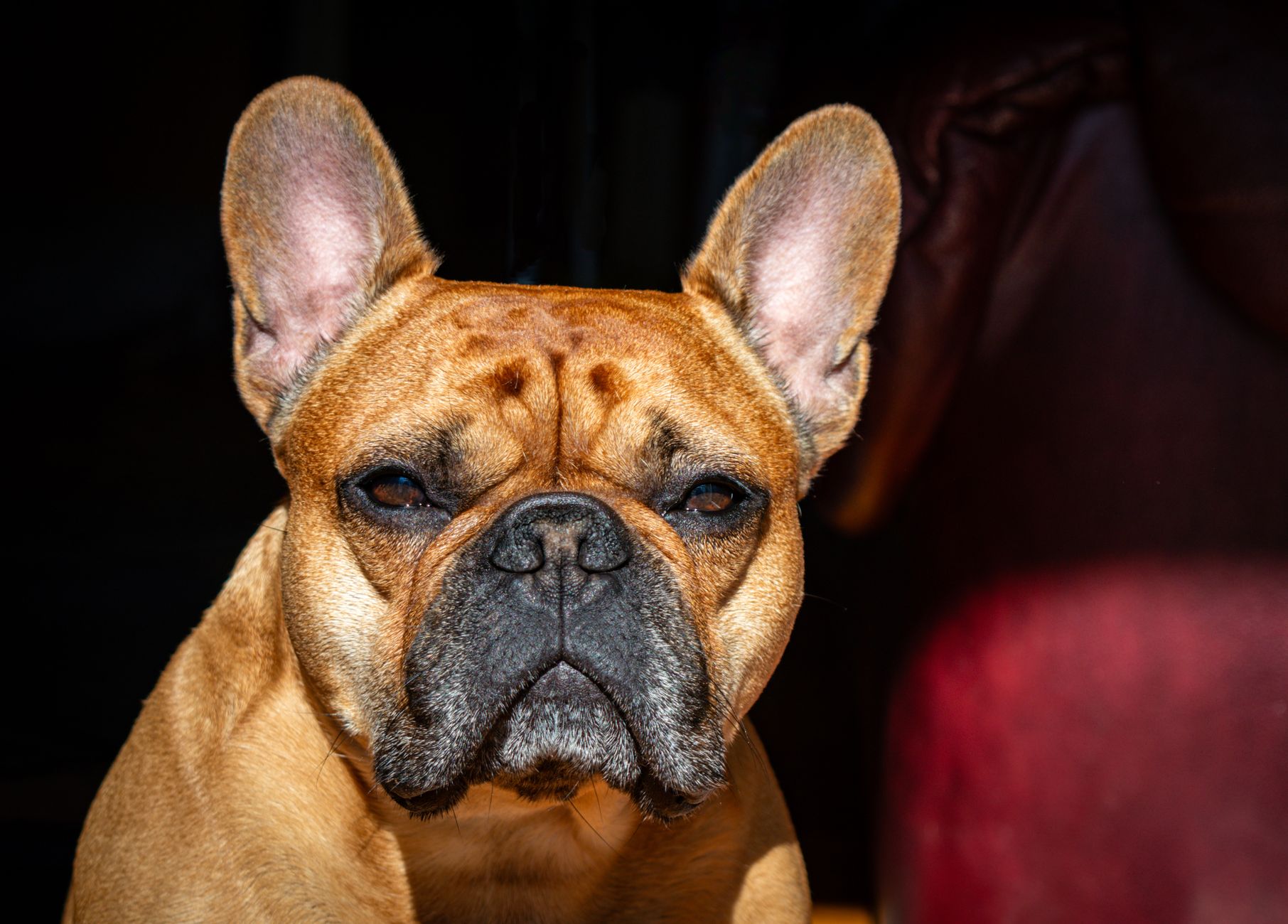
This is the clearest fear signal in the canine repertoire.
When ears press tight to the skull, your dog is trying to make itself smaller and less threatening. It’s a defensive posture that appears during vet visits, thunderstorms, or confrontations with unfamiliar dogs.
The flattened position protects the ear itself from injury. In a conflict, exposed ears are vulnerable, so the body pulls them back instinctively when a dog anticipates danger or pain.
Watch for this during introductions to new people or animals. If the ears stay pinned for more than a few seconds, your dog needs more distance or a slower approach, not reassurance that forces continued exposure.
#14 — One Ear Forward, One Ear Back
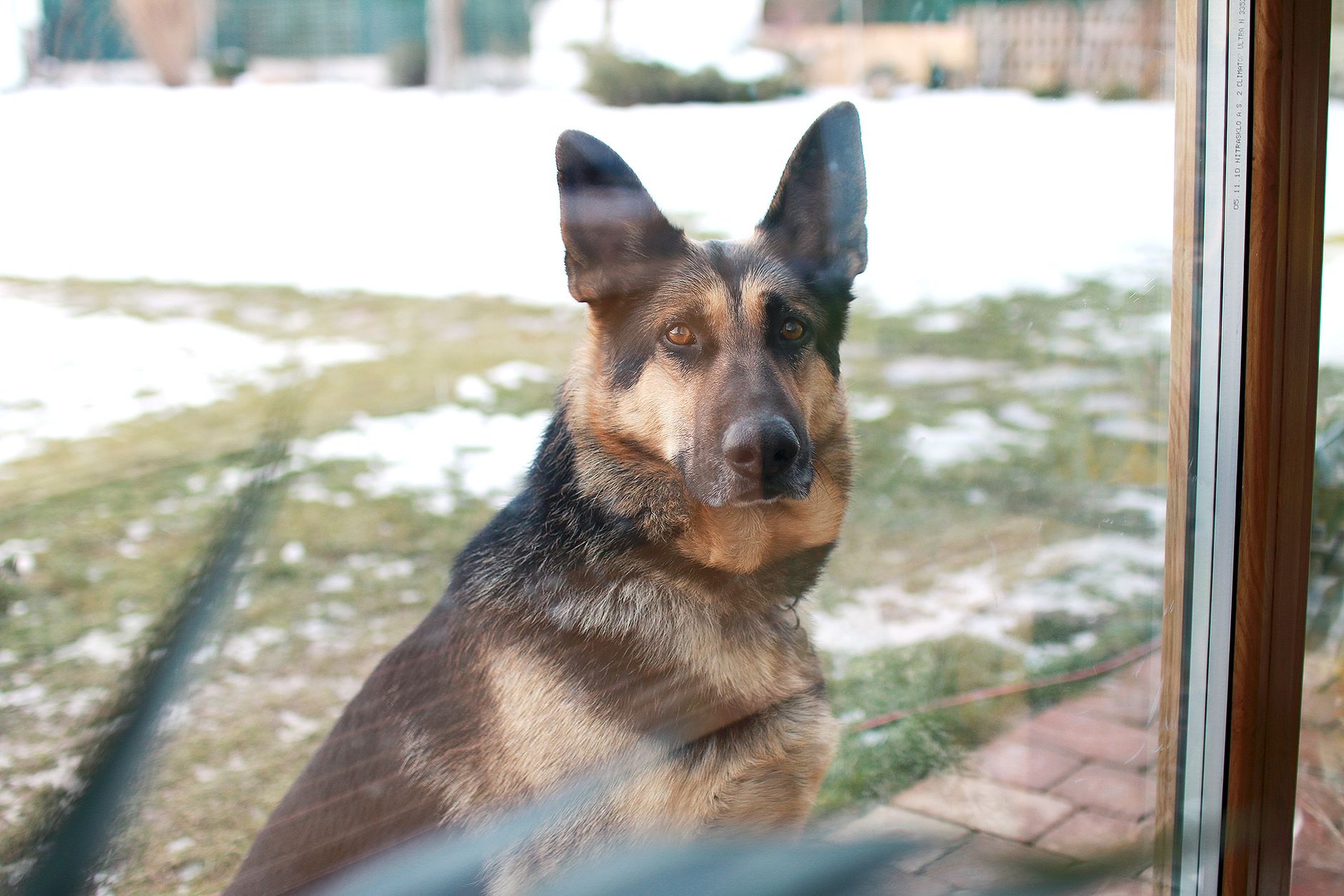
Split ear positions reveal divided attention.
Dogs can move each ear independently, and when one aims forward while the other swivels back, your dog is monitoring two separate sound sources at once. You’ll see this when your dog watches you prepare food while also tracking a delivery truck outside.
Each ear funnels sound into its own processing channel. The forward ear focuses on the priority stimulus, while the back ear stays on guard duty, sweeping the environment for threats or changes.
This configuration is common in working breeds and dogs with a history of needing to stay alert. If it happens constantly, even in calm environments, your dog may be chronically anxious and unable to fully relax at home.
#13 — Ears Pricked and Rotated Forward
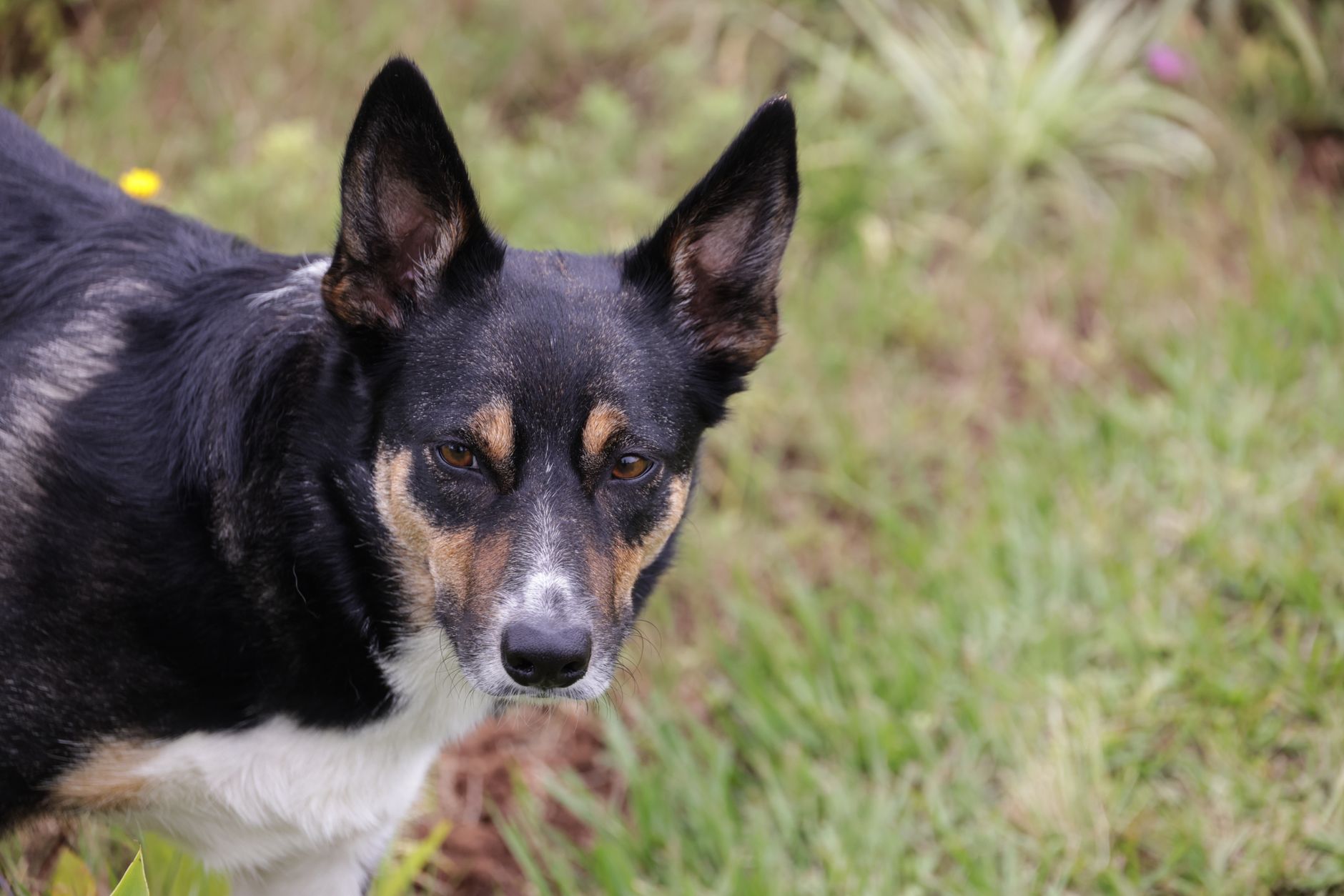
Maximum forward rotation means something has your dog’s full attention.
Both ears aimed directly ahead and held stiff indicate intense focus, whether on a squirrel across the yard or a noise down the hallway. The posture appears just before a dog lunges, chases, or investigates.
Forward-pricked ears create a narrow, directional listening cone that amplifies sound from a single source. It’s the auditory equivalent of a zoom lens, letting your dog gather maximum information before deciding how to respond.
If your dog freezes with ears forward and body tense, interrupt before the chase or bark begins. The decision to act is forming but hasn’t locked in yet, so distraction or redirection still works at this stage.
Quick Compare
- Relaxed ears: tilted slightly outward, tips soft
- Alert ears: upright and forward, held stiff
- Fearful ears: pulled back and flattened to the skull
#12 — Ears Drooping Lower Than Usual

A subtle drop in ear carriage signals discomfort or low mood.
Dogs with naturally upright ears show this most clearly, but even floppy-eared breeds will lower the base of the ear when they’re unwell. Ears that hang lower than their usual resting position often accompany pain, nausea, or fever.
The muscles at the base of the ear relax when a dog feels weak or unwell. Energy gets redirected to critical functions, and non-essential posture control slips, so ears that normally stand at half-mast might fully droop.
Veterinarians check ear carriage during physical exams for exactly this reason. If your dog’s ears stay low for more than a few hours without an obvious stressor like fireworks or travel, schedule a checkup to rule out infection or injury.
Most owners wait for a whimper or a limp, but the ears often signal pain first.
#11 — Rapid Ear Flicking and Twitching
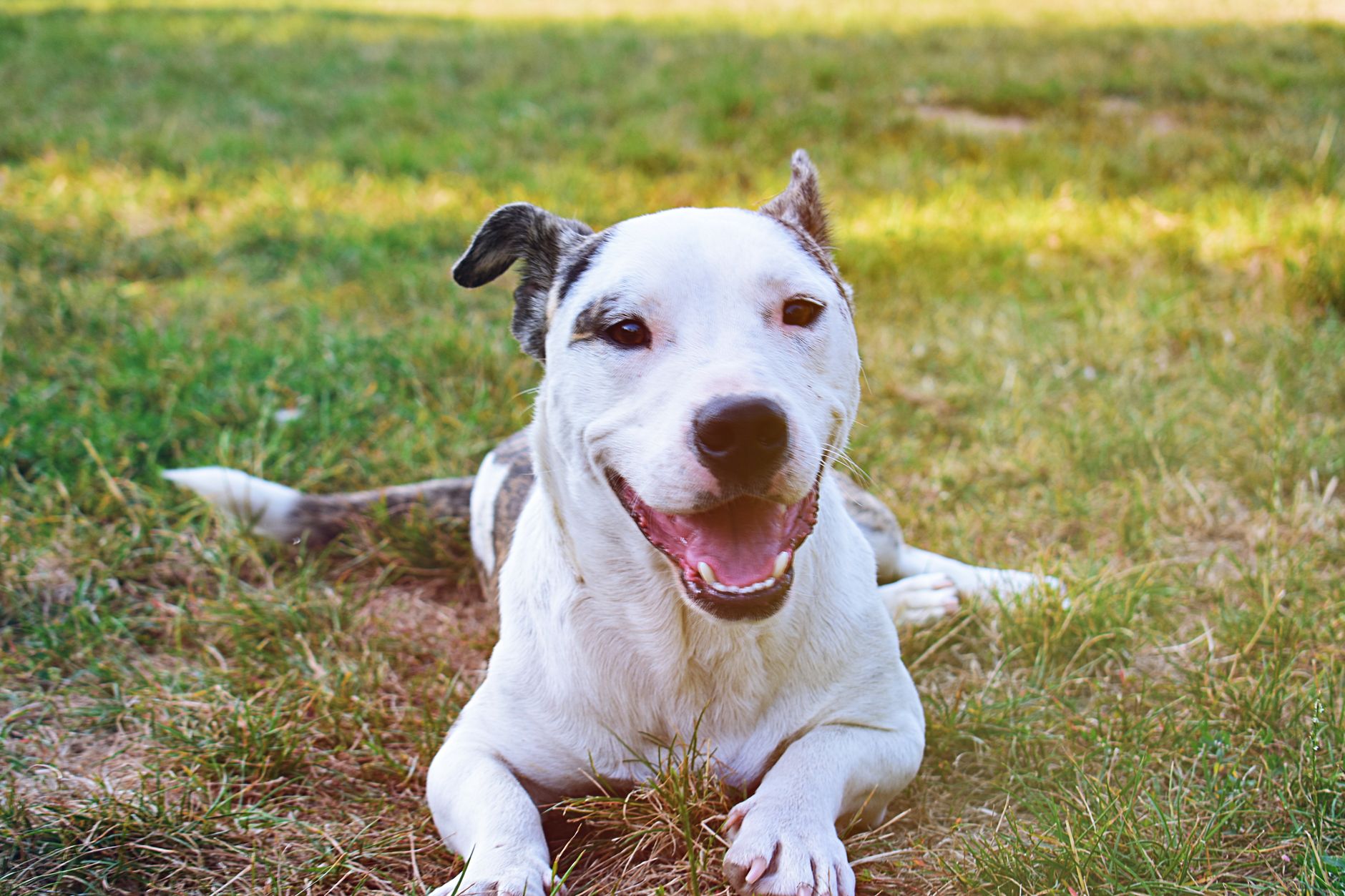
Constant micro-movements reveal either irritation or high alertness.
Ears that flick rapidly back and forth, never settling, indicate your dog is either bothered by something physical or overwhelmed by too many competing stimuli. You’ll see it during walks in busy areas or when flies are pestering your dog indoors.
Each flick reorients the ear canal toward a new sound. When the environment is chaotic, the brain struggles to prioritize, so the ears keep scanning without locking onto any single input.
Check for ear mites, foxtails, or trapped moisture if the flicking happens without an obvious environmental trigger. Dogs will shake their heads to clear debris, but persistent twitching without the full shake often means something is irritating the inner ear canal.
#10 — Ears Held Stiffly Upright and Back
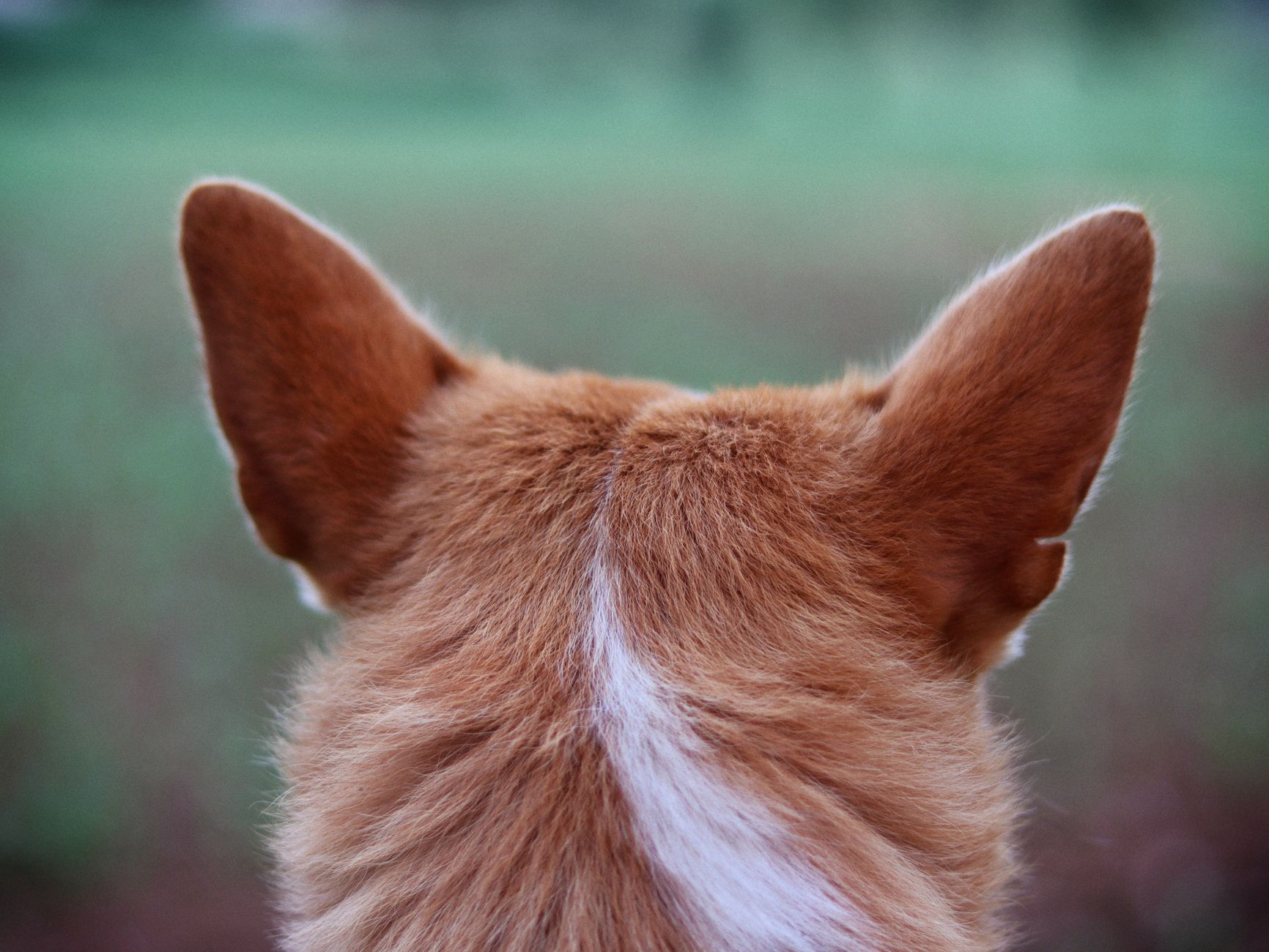
This rigid posture signals tension and potential aggression.
When ears stand fully erect but pull slightly back from neutral, your dog is on high alert and evaluating a threat. The position appears during standoffs with other dogs, when a stranger approaches the door, or when your dog perceives a challenge to territory or resources.
The backward tilt keeps the ears out of striking range while still maintaining directional hearing. It’s a compromise between the forward focus of curiosity and the flattened retreat of fear—your dog hasn’t decided yet whether to advance or withdraw.
This is the moment to create distance or redirect attention. If the ears stay locked in this position for more than a few seconds, the next move is usually a bark, a lunge, or a snap, depending on what the perceived threat does next.
#9 — Ears Relaxed and Tilted Slightly Out
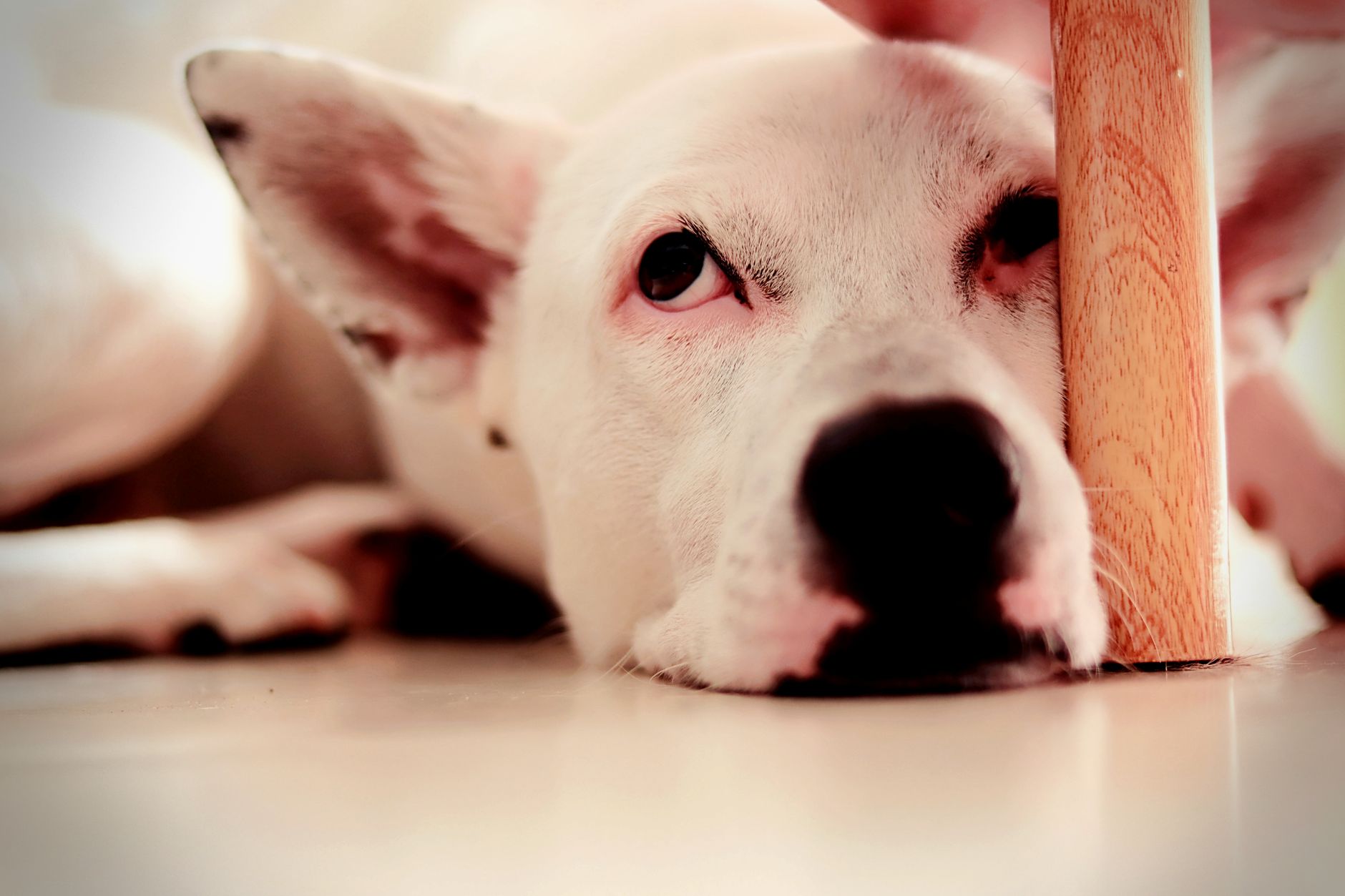
Soft, open ears are the gold standard of canine calm.
When the ears rest at a natural angle with tips pointing slightly away from the head, your dog is content and not monitoring for threats. This is the position you’ll see during naps, gentle petting, or quiet time on the couch.
The muscles controlling ear position require active tension to hold alert or defensive postures. When a dog feels safe, those muscles release, and the ears settle into their lowest-energy configuration.
If your dog never shows this position, even at home with familiar people, stress levels may be chronically elevated. Dogs need several hours of true relaxation daily, and ear carriage is one of the few reliable external signs that they’re getting it.
#8 — Ears Pulled Back While Tail Wags
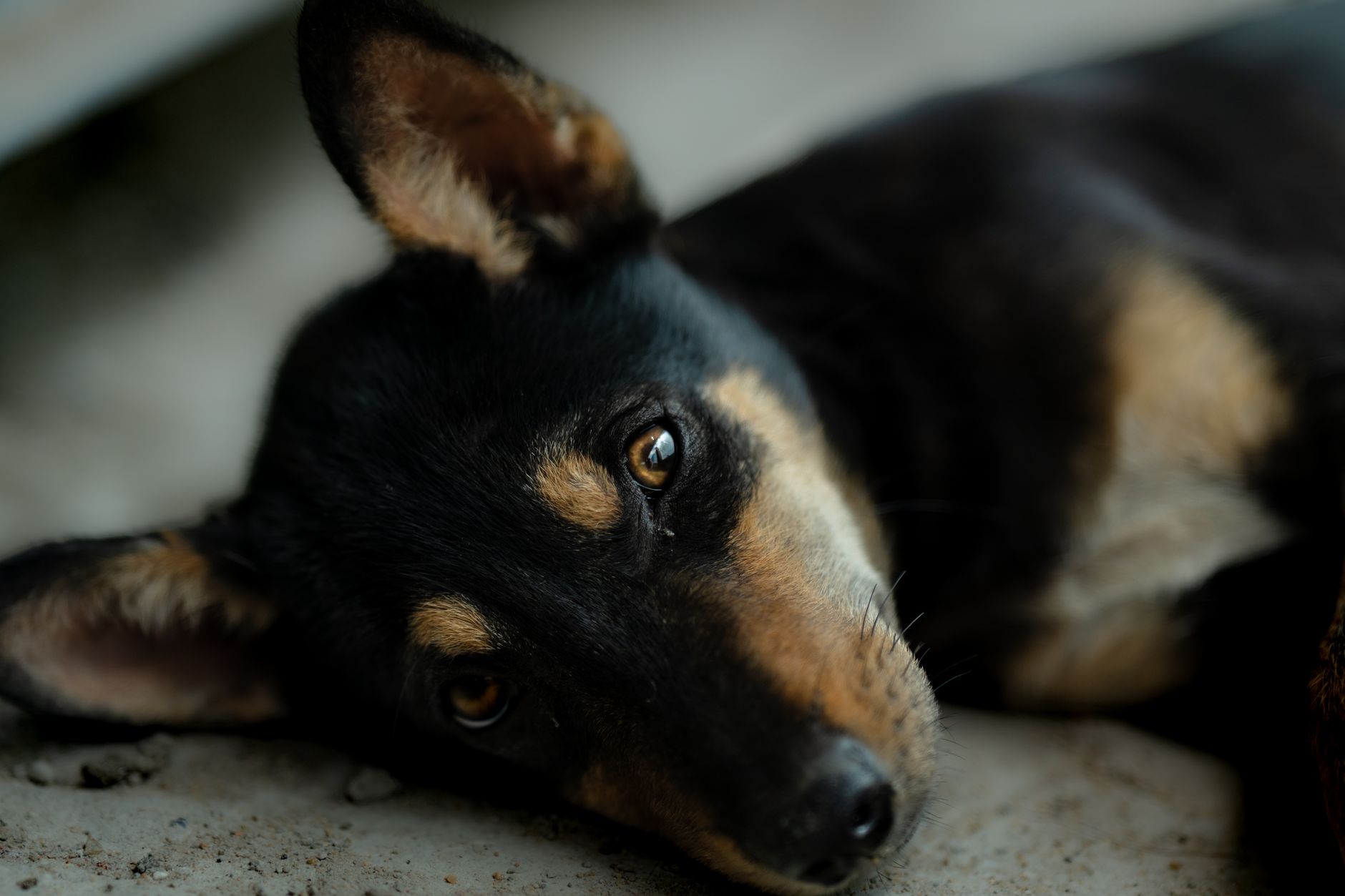
Conflicting signals reveal mixed emotions, usually submission or appeasement.
A wagging tail paired with ears pulled back looks confusing, but the combination signals that your dog wants to engage but feels uncertain or submissive. You’ll see it when your dog greets a higher-status dog, approaches someone who previously scolded them, or tries to initiate play with a person who seems tense.
The tail wag broadcasts friendly intent, while the pulled-back ears minimize threat and protect vulnerable anatomy. It’s the canine equivalent of a smile paired with a slight bow—an acknowledgment that the other party holds social power.
This posture is common in dogs with a history of harsh corrections or inconsistent handling. If your own dog does it around you frequently, review whether your body language or tone is reading as more intimidating than you intend.
Fast Facts
- Dogs have at least 18 muscles controlling each ear’s movement
- Ear position changes faster than any other body signal
- Puppies develop full ear control by 8–12 weeks of age
#7 — Ears Swiveling Independently and Constantly
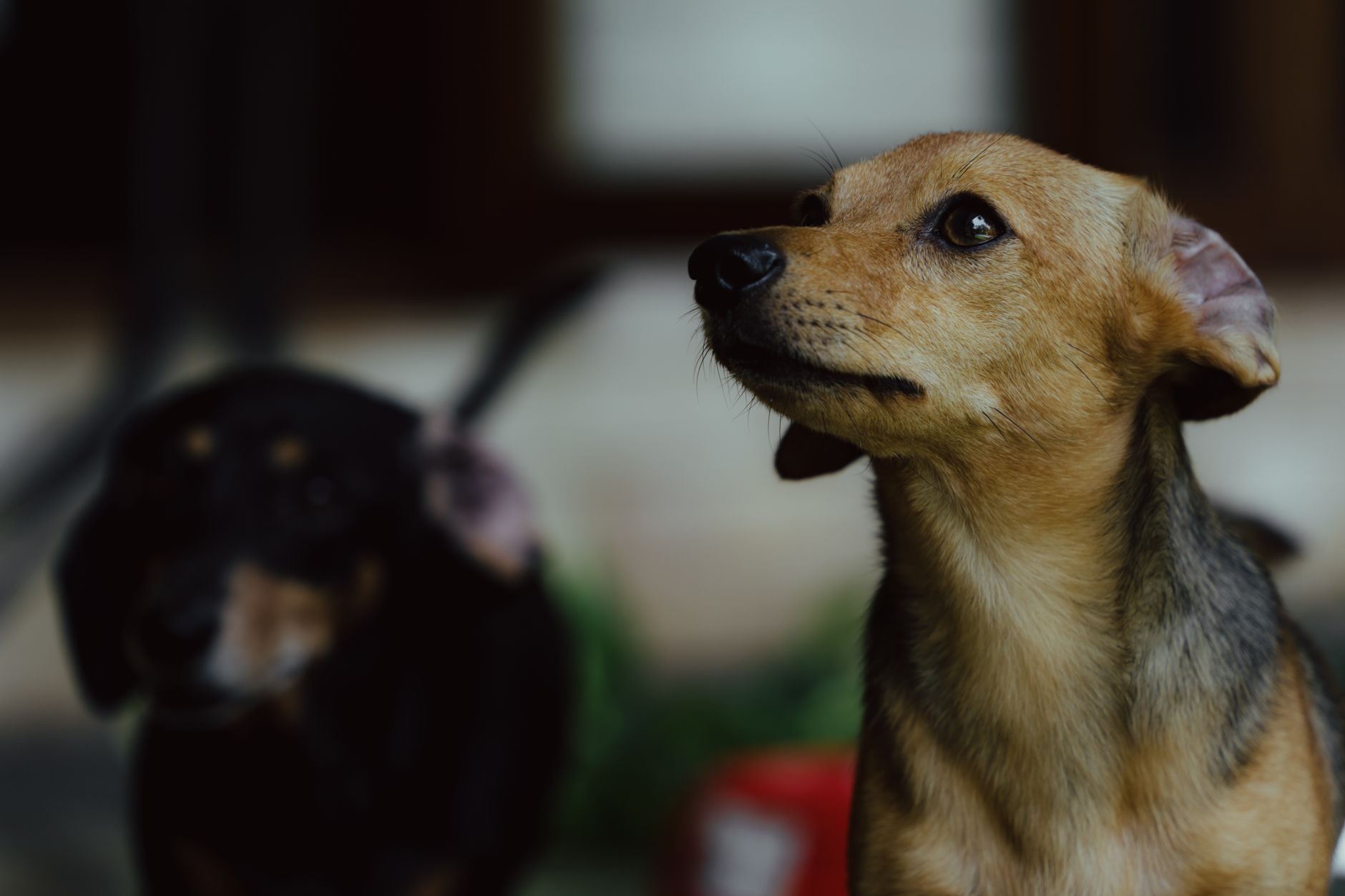
Non-stop scanning indicates either high alertness or breeding-specific behavior.
When both ears move independently in a continuous sweep, your dog is processing a complex auditory environment or has been bred for tasks requiring constant environmental monitoring. Herding breeds, livestock guardians, and hunting dogs show this behavior most often.
Independent movement lets the brain build a 360-degree sound map without moving the head. Each ear sends separate signals to the auditory cortex, where they’re assembled into a spatial picture of everything happening around the dog.
If your pet dog does this indoors with no obvious stimulus, anxiety or hypervigilance may be the cause. Dogs that can’t stop scanning struggle to settle, and the behavior often worsens without intervention like crate training, white noise, or structured down time.
#6 — Ears Forward With a Head Tilt
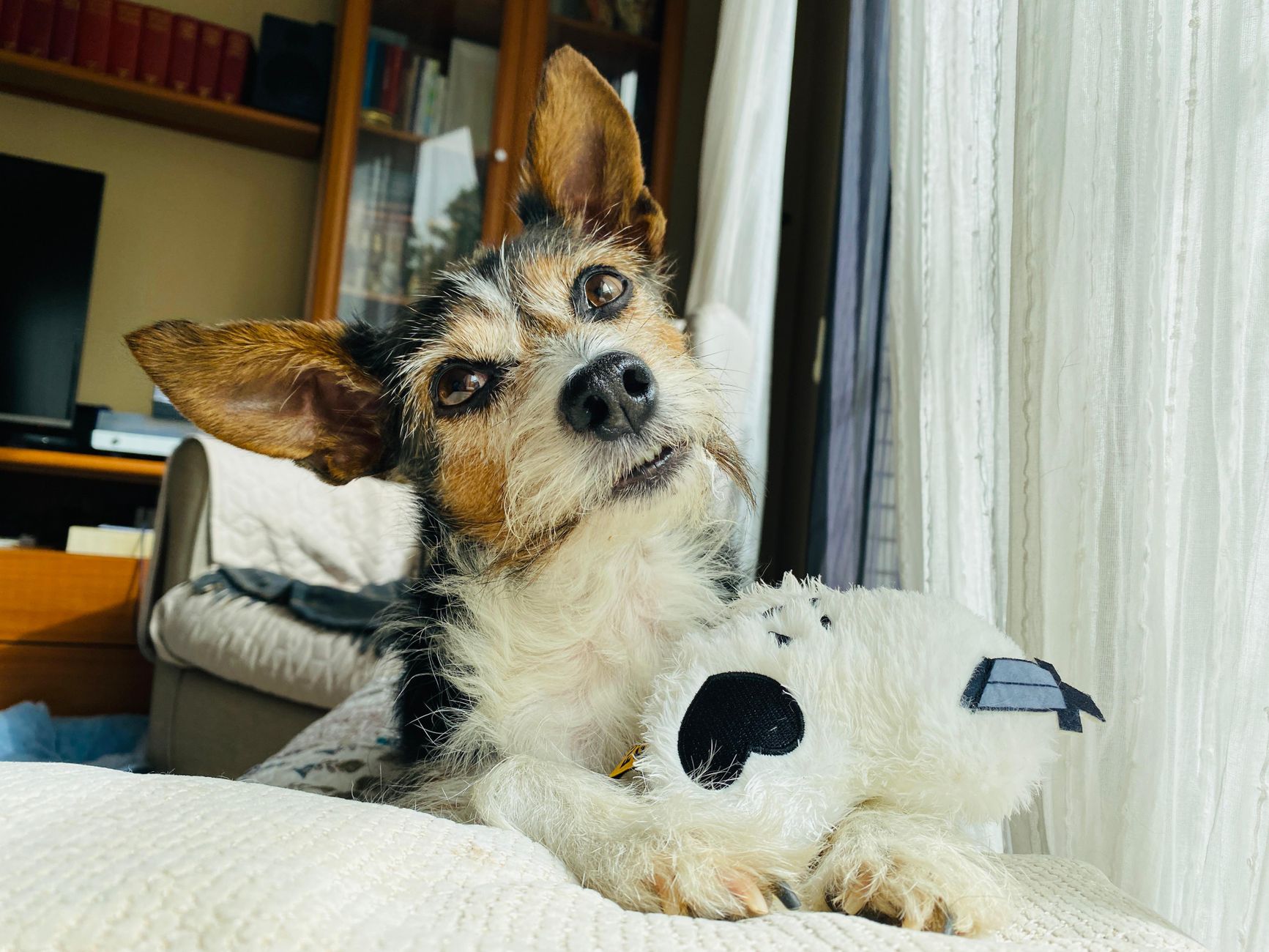
The classic “confused dog” look actually signals intense auditory problem-solving.
When your dog cocks their head to one side with ears aimed forward, they’re trying to locate the source of a sound or decode something unfamiliar. The tilt changes the angle of each ear canal, giving the brain slightly different information to triangulate position or meaning.
Dogs tilt toward high-pitched, irregular, or novel sounds—especially human speech with exaggerated intonation. The behavior appears most often when you use a questioning tone or when a sound doesn’t match your dog’s expectations.
Some breeds tilt more than others, but the underlying mechanism is universal. If your dog tilts frequently during normal conversation, they may have hearing loss in one ear and are compensating by repositioning the stronger side toward you.
#5 — Ears Pressed Forward During Play
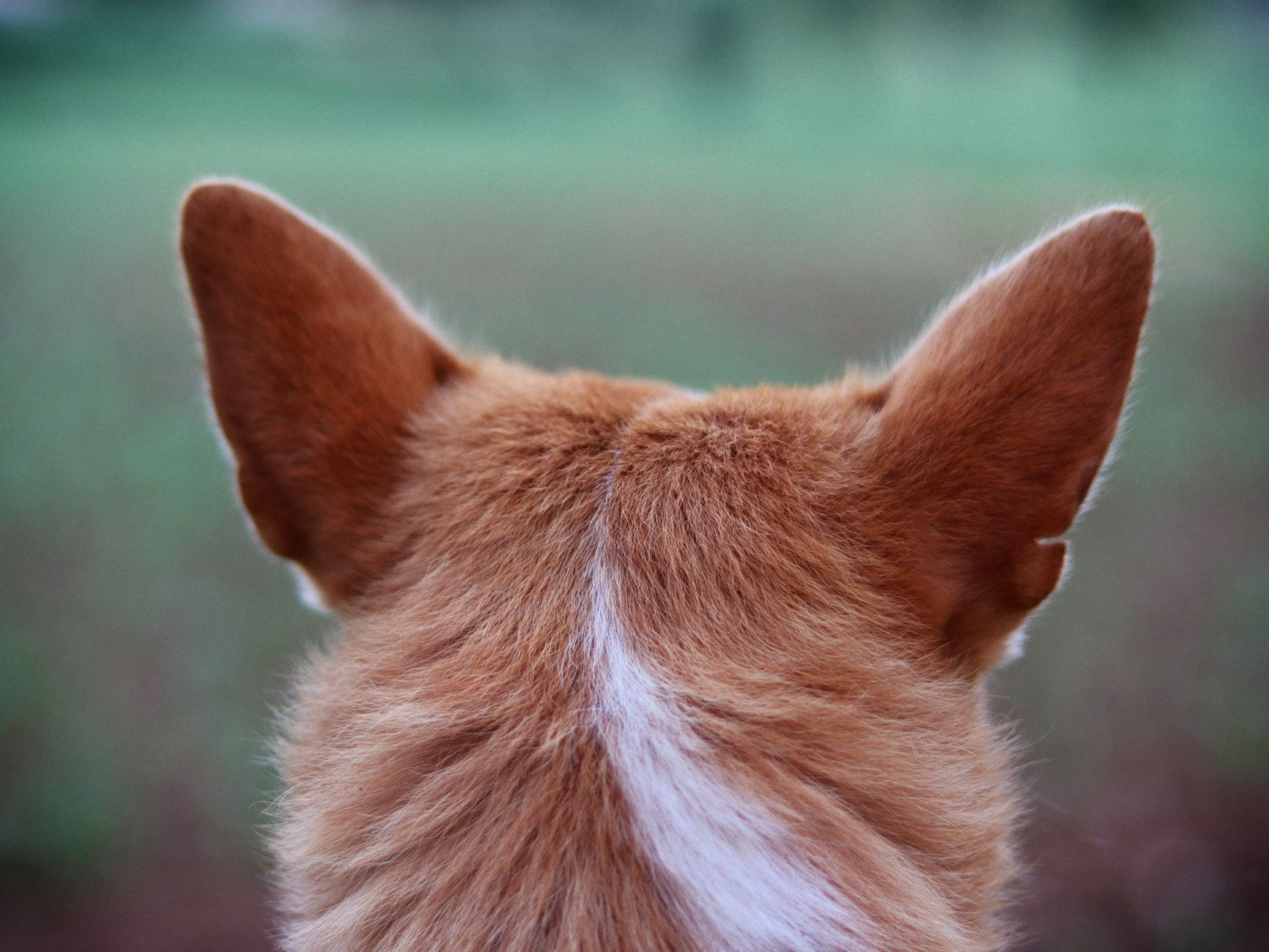
Playful ear positions look nearly identical to aggressive ones.
During play, ears often stay pricked forward and body posture stays loose, but the overall tension is lower than during true alert or threat responses. The difference is subtle and context-dependent—the same ear position with a stiff body and a hard stare means aggression, while the same ears with a bouncy gait and open mouth mean excitement.
Play requires constant monitoring of the other dog’s signals to avoid escalation. Forward ears keep your dog locked onto the playmate’s movements, letting them adjust intensity in real time and stop before things go too far.
If your dog’s play partner shows pulled-back ears or tries to disengage, your dog should respond by softening their own posture. Dogs that keep ears pinned forward and ignore cut-off signals often struggle with appropriate play and need more structured socialization.
#4 — Ears That Won’t Move at All
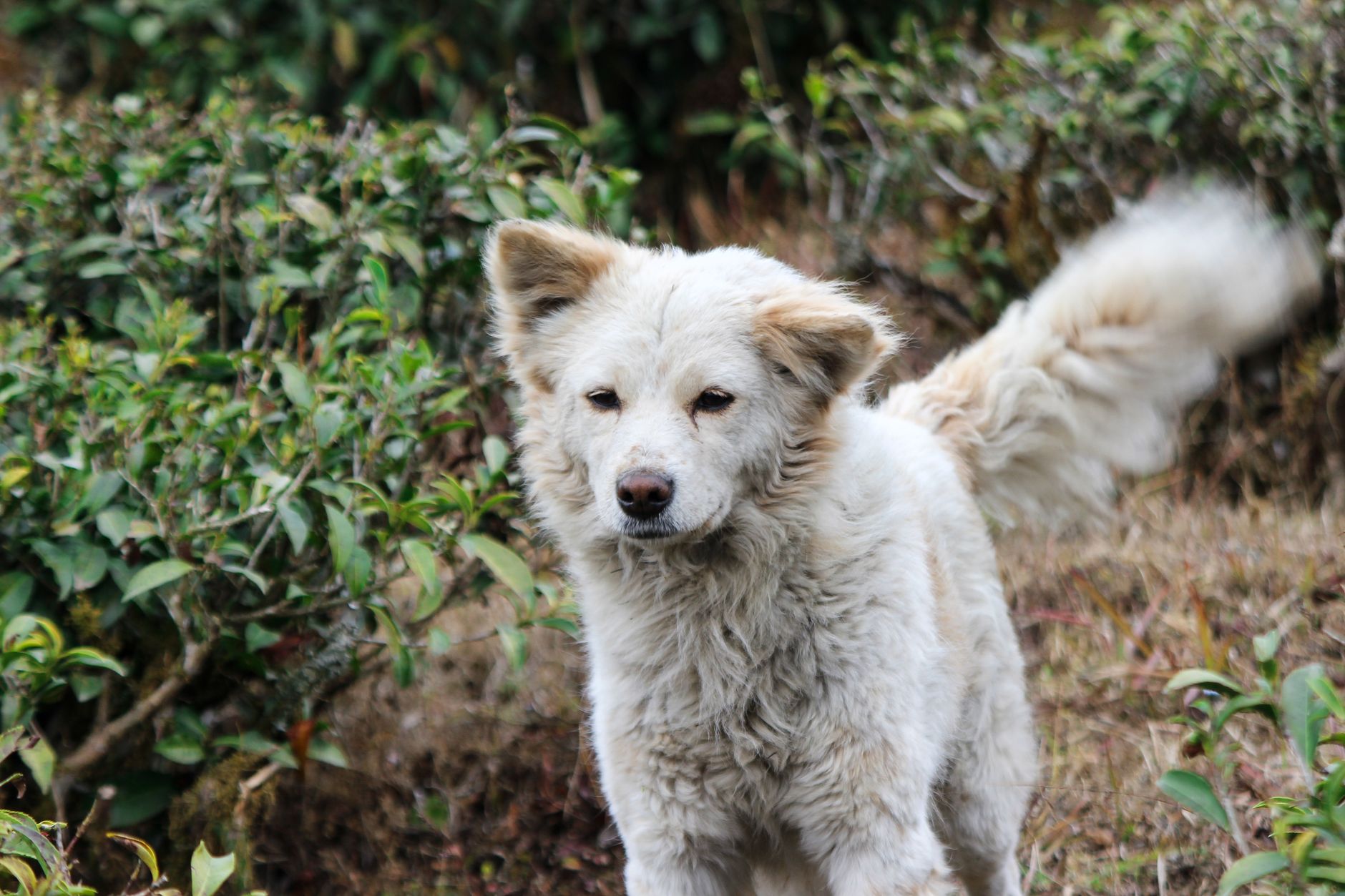
Frozen ears can indicate either extreme fear or a medical issue.
When the ears lock into one position and don’t respond to sounds or movement, your dog is either shutting down emotionally or has lost muscle control due to injury, infection, or neurological damage. Fear-frozen ears usually pair with a tucked tail and a crouched body.
Emotional shutdown happens when a dog feels overwhelmed and stops processing input. The ears stay put because the brain has stopped trying to orient toward threats—nothing the dog does will improve the situation, so they stop reacting entirely.
If the frozen position happens suddenly with no obvious stressor, check for head trauma, ear infection, or tick paralysis. Ear movement requires intact nerves and muscles, and any disruption to those systems will show up in ear carriage before other symptoms appear.
#3 — Ears Pinned Back With Teeth Showing
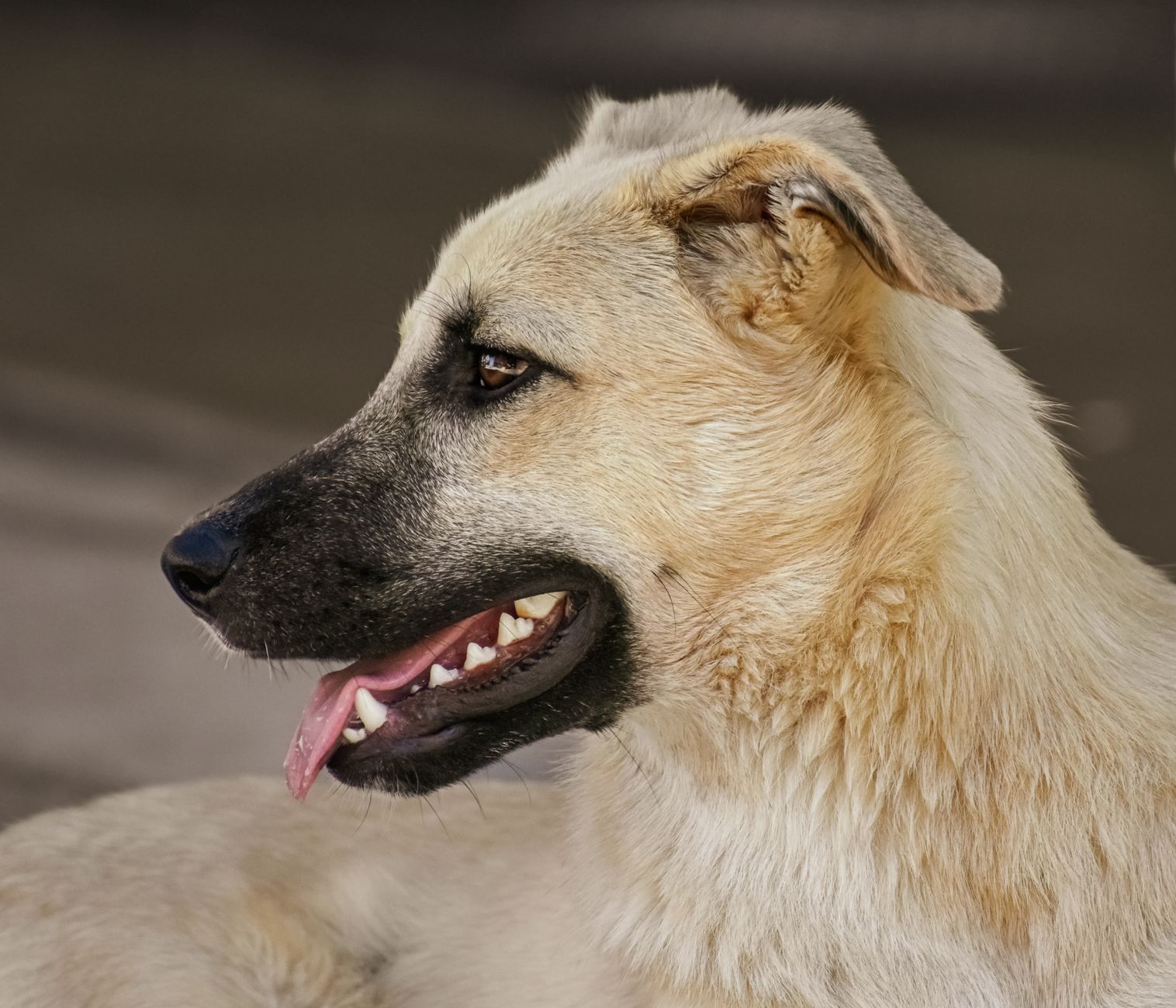
This is a clear warning that a bite is imminent.
When ears flatten against the skull and lips pull back to expose teeth, your dog has moved past warning signals and into active threat display. The posture appears when a dog feels cornered, when warnings have been ignored, or when pain makes them defensive.
Pinned ears protect the vulnerable ear tissue during a fight. Exposed teeth serve as both warning and weapon, and the combination tells you the dog has decided that appeasement and escape aren’t working.
Never approach a dog showing this signal, even your own. Create distance, remove the stressor if possible, and give the dog an escape route. Punishment or forced interaction at this stage will either trigger a bite or teach the dog to skip warnings entirely next time.
Worth Knowing
- Cropped ears limit emotional signaling and make dog-to-dog communication harder
- Ear infections change carriage before they cause head shaking
- Deaf dogs rely more on visual cues, so their ears move less overall
#2 — Ears Rotating Backward Toward You

Back-facing ears show your dog is monitoring you while focusing elsewhere.
When the ear tips swivel toward you even though your dog is watching something else, they’re keeping one channel of attention on your location and cues. You’ll see this during off-leash walks, when your dog is sniffing something interesting, or when they’re resting but you’re moving around the house.
Dogs with strong handler focus keep one ear on their person almost constantly. It’s a learned behavior in working dogs and a natural tendency in breeds developed for close human cooperation like retrievers and herding dogs.
If your dog never rotates an ear toward you, engagement and attention may need work. Dogs that tune out their owners entirely often do so because cues have become irrelevant or have been paired with punishment too often.
#1 — Ears Shifting Rapidly Between Forward and Flat
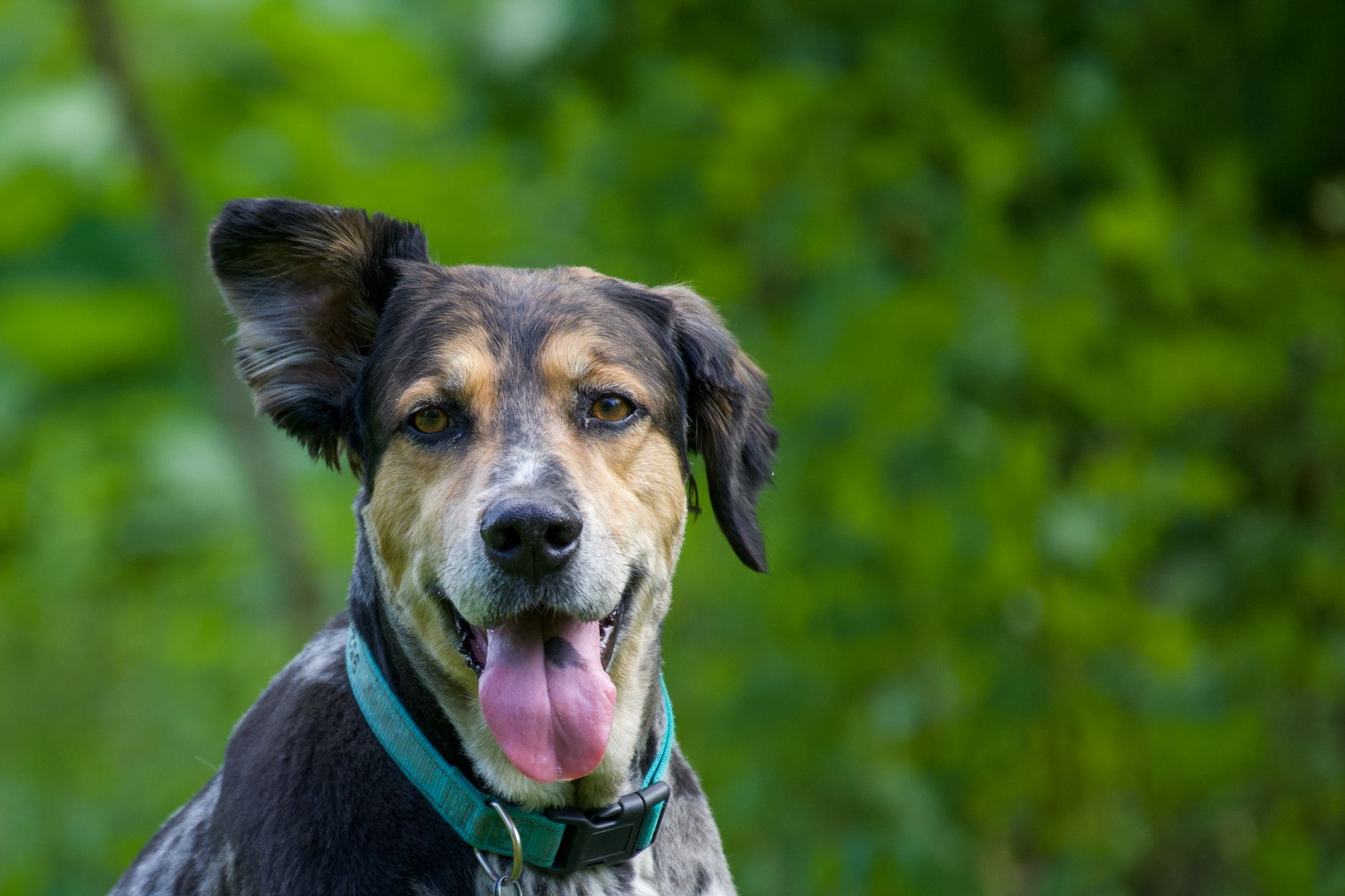
Fast position changes reveal a dog struggling to choose between fight and flight.
When the ears toggle quickly between pricked forward and pinned flat, your dog is caught between conflicting drives—usually curiosity or aggression pulling them forward and fear pushing them back. The position is unstable, and the dog will tip one direction or the other within seconds.
This indecision shows up most often in undersocialized dogs encountering something novel, or in dogs with a bite history who’ve learned that aggression sometimes makes scary things leave. The rapid shifts are visible proof that the brain hasn’t committed to a response yet.
Interrupt before the decision locks in. Increase distance, create a barrier, or redirect to a known behavior that’s incompatible with lunging or fleeing. Once the ears settle into a single position, the dog has made a choice, and stopping the resulting behavior becomes much harder.
Why It Stands Out
- This signal appears seconds before a bite or a bolt
- Training can’t change the ear movement itself, but it can shape what happens next
- Most bite incidents include this warning, but owners miss it
The Bottom Line
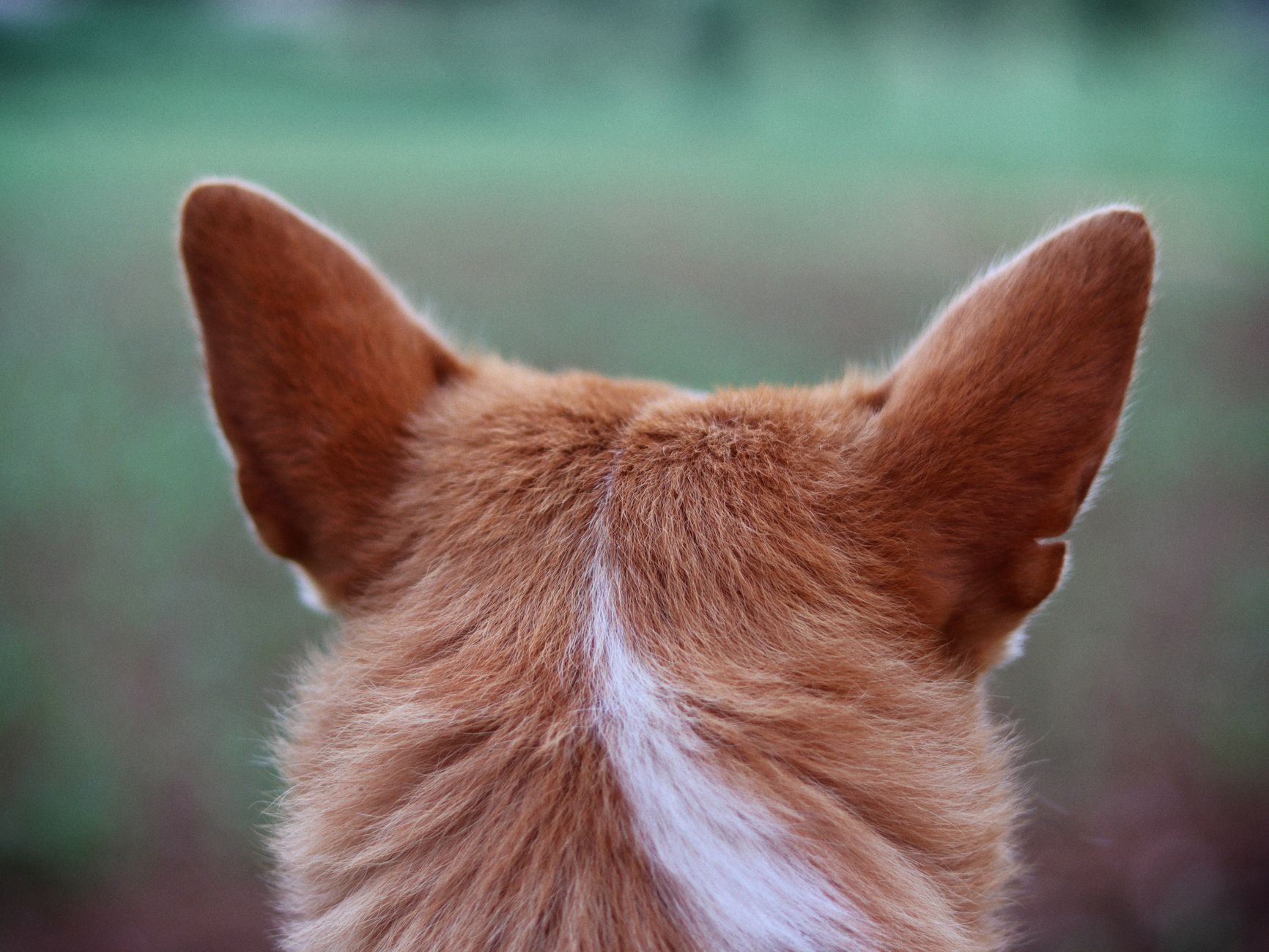
Your dog’s ears move through dozens of configurations daily, and each one reflects a specific internal state—fear, curiosity, pain, or readiness to act. Most owners focus on barking or growling, but those sounds arrive after the decision is made.
The ears are your earliest warning system, not your last one.
Learning to read ear position lets you intervene before behavior becomes a problem. You can create distance before a lunge, redirect before a chase, or check for illness before symptoms worsen. The information is always there; you just need to know where to look.
Which ear signal surprised you most, and have you caught your own dog showing it this week?
Bonus — The Five-Second Ear Check That Predicts Reactivity
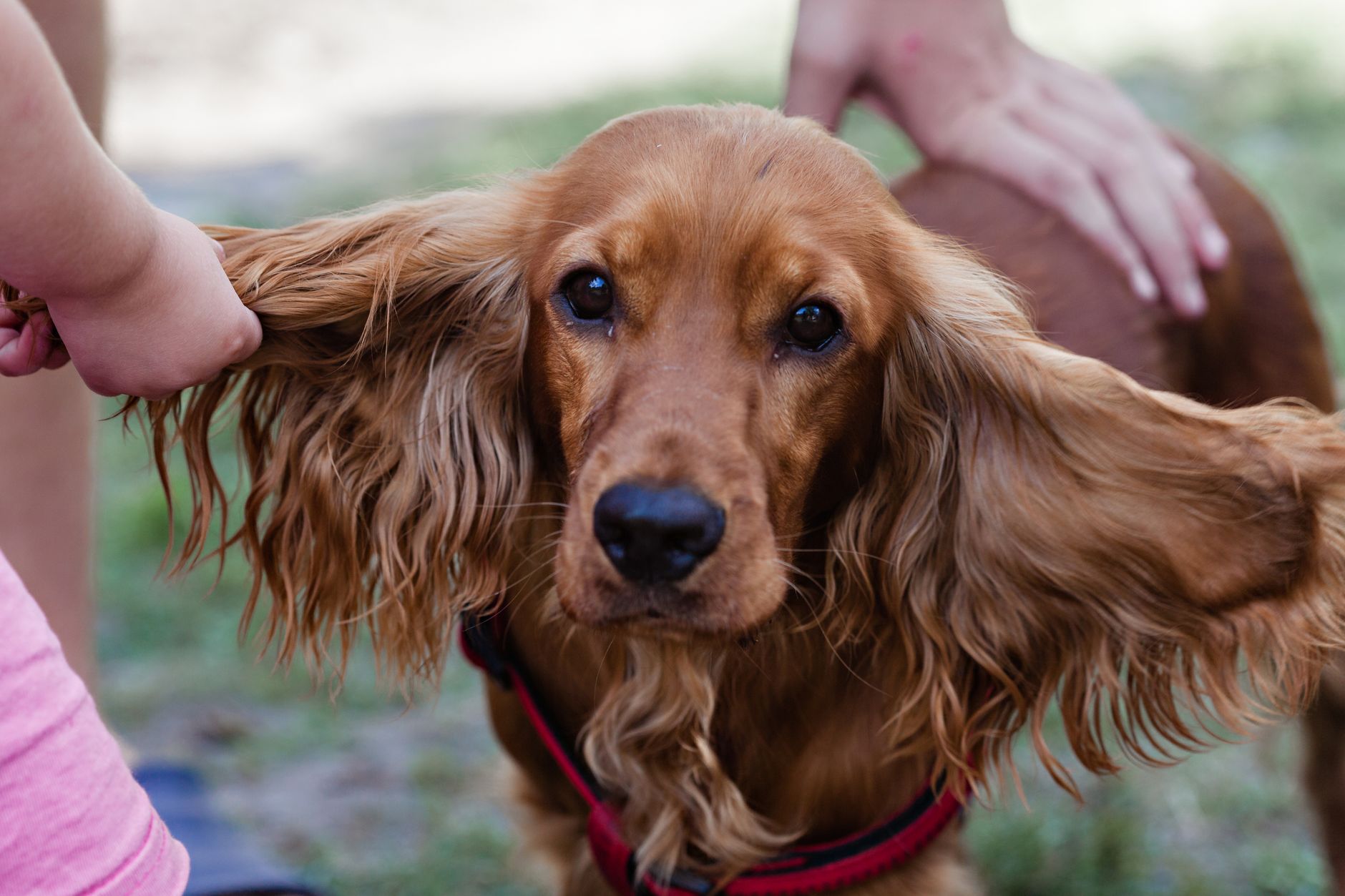
Before any high-risk situation—meeting a new dog, approaching a stranger, or walking past a trigger—watch your dog’s ears for five full seconds before proceeding.
If the ears are soft, mobile, and shifting naturally, your dog is processing information calmly. If they lock into a single position, start flicking rapidly, or flatten against the head, your dog is already dysregulated, and pushing forward will likely end in reactivity.
- Soft, shifting ears: safe to proceed with caution
- Locked forward and stiff: pause and assess the trigger
- Pinned flat or rapidly flicking: create distance immediately
- One ear back toward you: moderate stress, needs your support
This five-second pause turns guesswork into data. Most reactive incidents happen because the handler missed early signs and pushed into a situation the dog wasn’t ready for. Ears give you a clear read before things escalate.
READER QUIZ
[Can You Read What Your Dog’s Ears Are Saying?]
What does it mean when a dog’s ears are pinned flat against their head?
- The dog is curious about something
- The dog is feeling fearful or defensive
- The dog is ready to play
- The dog is experiencing hearing loss
When a dog has one ear forward and one ear back, what is happening?
- The dog has an ear infection
- The dog is confused about a command
- The dog is monitoring two separate sound sources
- The dog is about to bark
What does rapid ear flicking and twitching typically indicate?
- The dog is happy and content
- The dog is irritated or overwhelmed by stimuli
- The dog is preparing to sleep
- The dog has learned a new trick
What does the combination of pulled-back ears and a wagging tail usually signal?
- Pure happiness and confidence
- Aggression and dominance
- Submission or uncertain friendliness
- Pain or physical discomfort
What should you do if your dog’s ears shift rapidly between forward and flat?
- Encourage them to keep moving forward
- Interrupt and create distance before they react
- Give them a treat immediately
- Wait to see what they decide to do
[How often do you check your dog’s ear position before entering a potentially stressful situation?]
- Every time—it’s part of my routine now
- Sometimes, when I remember to look
- Rarely or never—I usually rely on other signals