
13 Abilities Rescue Dogs Keep From a Previous Home That Owners Never Manage to Explain
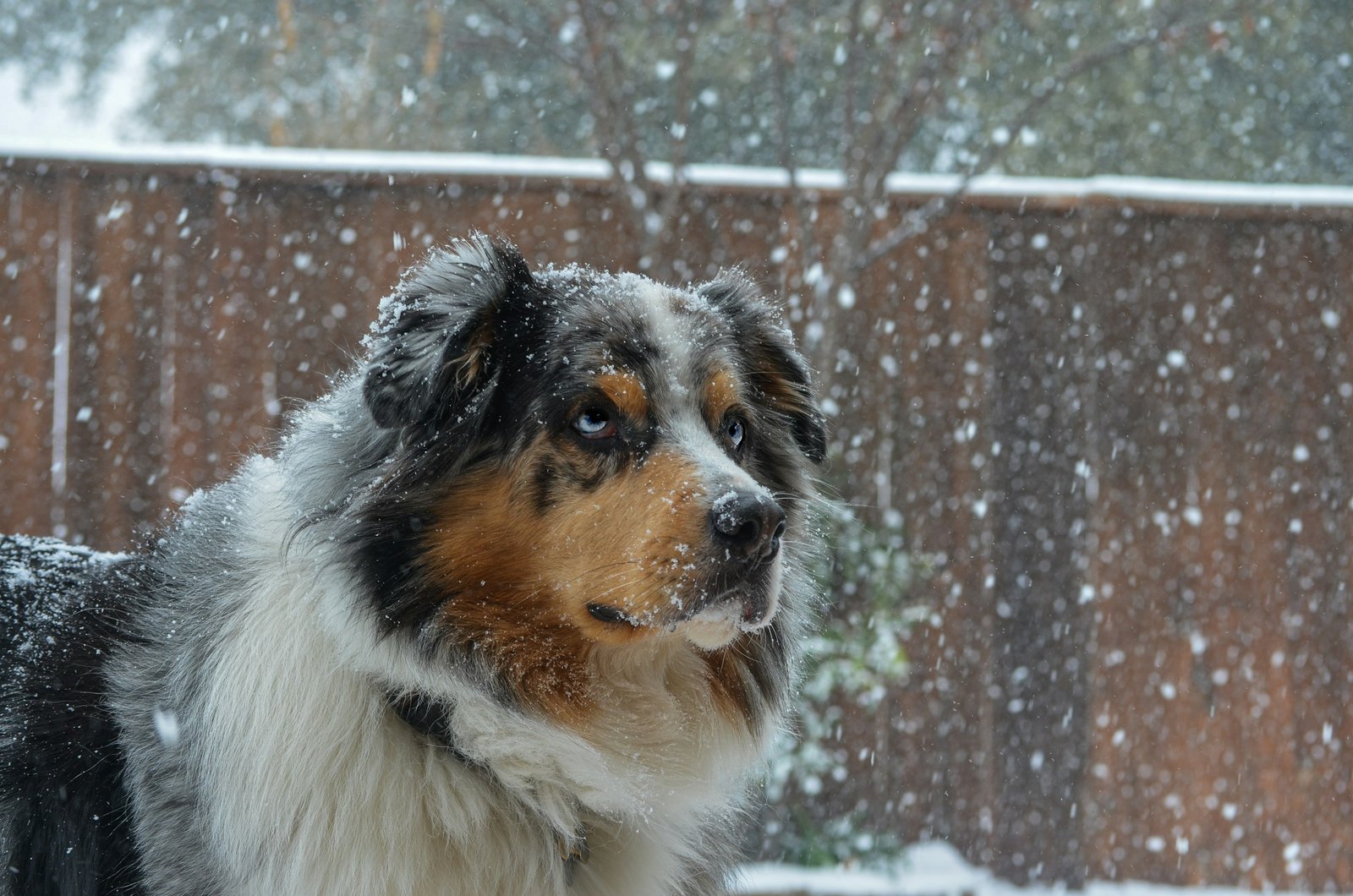
You bring a rescue dog home expecting a clean slate. New collar, new bed, new name if you want one. Everyone tells you the past is behind them now, that dogs live in the present, that a little love and consistency will erase whatever came before.
Then your dog starts pacing by the door at exactly 6:00 p.m. for a person who never shows up. Or refuses the plush bed you bought and sleeps on cold tile instead. Or flinches at a stranger’s laugh like it’s a threat. Something in them remembers – and it’s not nothing. Here are 13 abilities rescue dogs quietly carry over from a life you’ll never fully see, and why they show up in yours no matter how good you are to them.
#1 – Knowing Invisible Routines You Never Taught Them
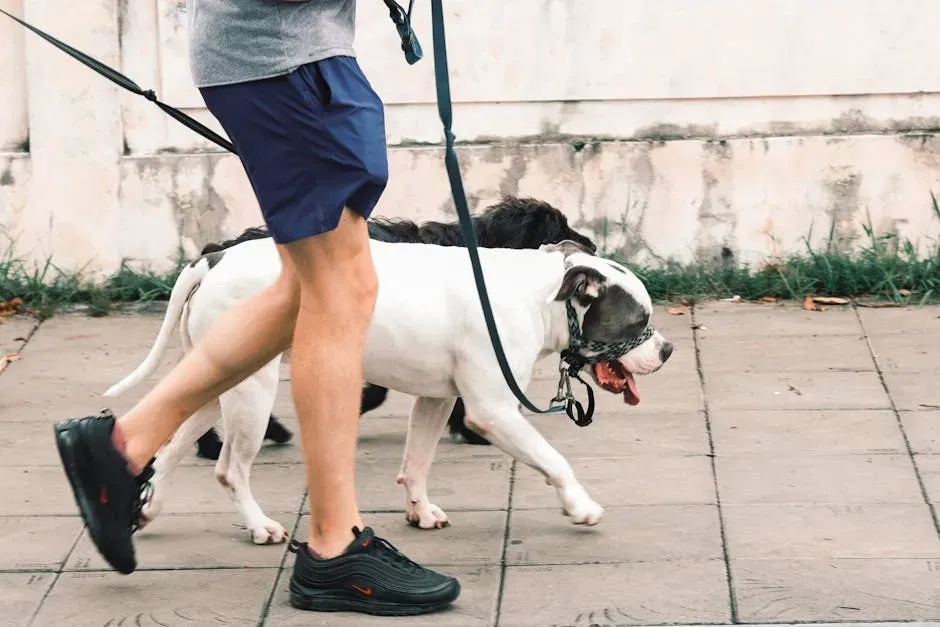
New owners swear their rescue “just somehow knew” the daily schedule. That isn’t magic, it’s memory. Dogs are wired for time-based routines, and many rescues arrive already synced to a clock from their last home. When your dog starts pacing near the back door around 6:00 p.m. or heads to the kitchen right before your alarm, they aren’t guessing. Their body learned, at this light level, at this hour, something used to happen.
What throws people is when the routine doesn’t match your life at all. Maybe they plant themselves by the window every day at 4:30, waiting for someone who never comes. Maybe they demand bedtime at 9 p.m. sharp no matter how late you’re up. Their previous home installed an invisible clock that keeps running in the background, and the first few weeks in your house can feel like your dog is answering to a schedule only they can see.
#2 – Navigating a New House Like They’ve Already Lived There
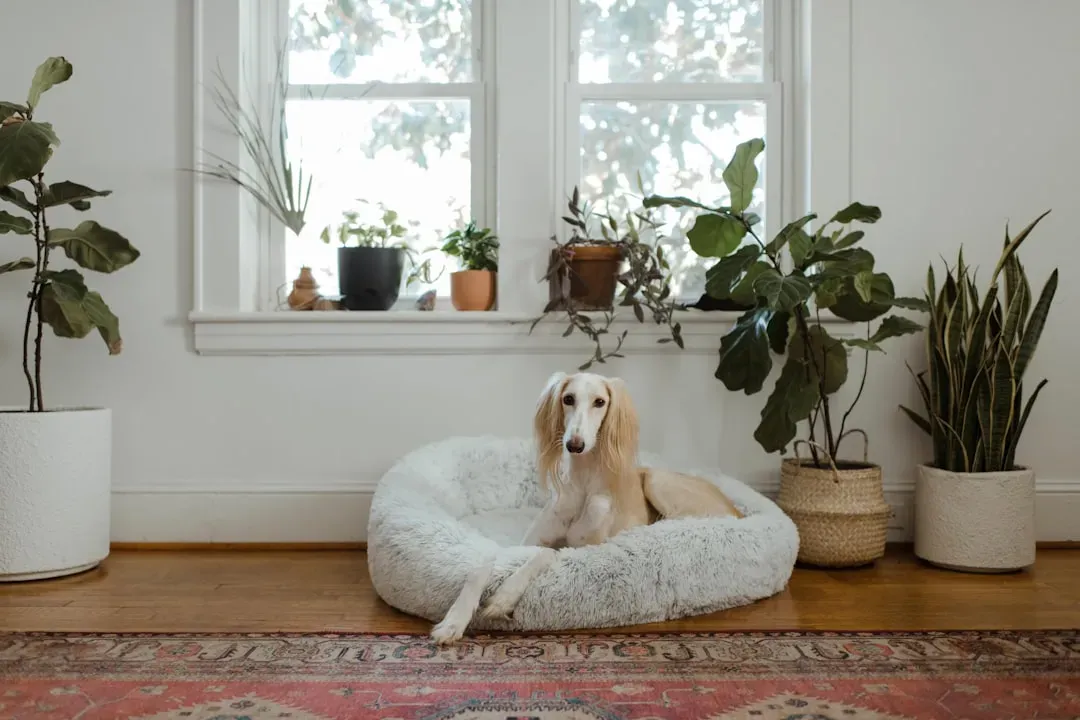
Some rescue dogs walk into a brand-new house and move like they’ve owned it for years. They guess where the kitchen is, where the door is, even where the “good sleeping spot” might be. That’s not luck. Dogs build mental templates of human spaces – doors usually here, soft things usually there, food smell equals kitchen – and if they lived in a typical family home before, they arrive pre-loaded with a rough floor plan of how houses work.
This is why your rescue might go straight to the sink when thirsty, the couch when they want comfort, or the entryway the second they hear keys. They aren’t just exploring, they’re testing an old internal map against your new layout. It’s also why dogs from chaotic or cramped homes can seem “lost” even in a small apartment, while dogs from stable houses slot right in like they never left.
At a Glance
- Dogs build cognitive maps of familiar spaces using scent, sound, and visual landmarks.
- A stable previous home often means a faster, calmer adjustment to a new one.
- Frequent moves or shelter stays can erase spatial confidence, making dogs seem lost indoors.
- Keeping furniture in consistent spots can speed up their sense of familiarity with your home.
#3 – Reading Your Mood Before You Say a Word

One of the most unsettling abilities people notice is a rescue that seems to know they’re upset before a single word is spoken. “She came over the second I started worrying about work.” “He hid the moment my voice got tight.” That sensitivity rarely started with you. It was forged in a previous home where misreading a human’s mood had real consequences.
Dogs from tense, unpredictable households often develop near-hypervigilance, tracking jaw tension, breathing rate, and even footstep intensity, then connecting those tiny cues to what came next – yelling, silence, affection, or danger. By the time they reach you, their emotional radar is already turned up to ten. So when you sigh a little louder than usual and they either slink away or rush in to comfort you, they’re not reacting to today. They’re reacting to a thousand repetitions you never witnessed.
#4 – Remembering Food Rules You Never Set
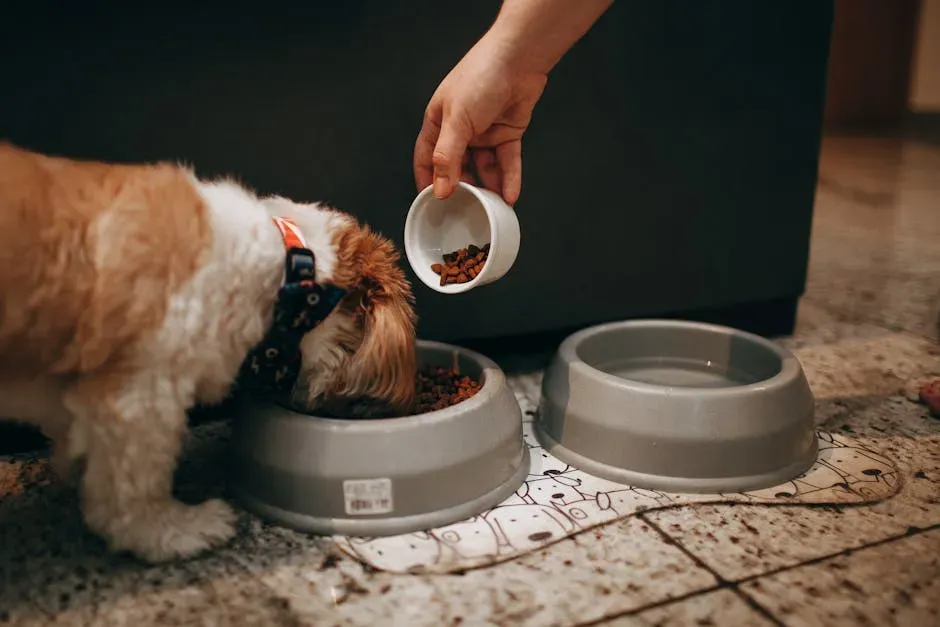
New owners get confused when a clearly hungry rescue refuses treats unless offered a specific way, or the opposite – a dog who raids the trash like a full-time job even on the best kibble money can buy. These aren’t quirks. They’re survival rules written by a previous home. A dog who won’t touch food left on a table, waits for permission before eating, or inhales meals so fast you barely see it happen is showing you a training history, not a personality flaw.
Maybe they were scolded hard for begging. Maybe they had to fight other animals for every bite. Their eating style today is basically a living fossil of yesterday’s feeding routine. This is also why “picky eating” is often not pickiness at all – a dog might avoid a bowl that resembles the one they were guarded away from, or refuse to eat in a busy kitchen because they once ate in a silent hallway. What looks like being weird about dinner is really a strict old law that once kept them alive.
#5 – Flinching at Names and Sounds You’ve Never Used

You can change a dog’s name in a day. What you can’t erase that fast is their emotional history with sound. Many owners report their rescue startling at a specific ringtone, a commercial jingle, or a man’s low laugh that means nothing in the new home. Even more haunting, some dogs perk up every time someone casually says a common name or the word “grandma,” as if summoned.
You’ll catch micro-reactions when someone says their old shelter name, when a TV character shares that name, or when a phrase like “let’s go for a ride” gets said out loud. Dogs are excellent at tying sound patterns to big emotional outcomes – walks, car trips, fights, kids bursting through a door. When that same sound shows up in your living room, their body surges with old expectations before their brain can catch up. To you it’s a weird reaction to a commercial. To them, that sound has meant something, over and over, for a long time.
Fast Facts
- Dogs link specific sounds to strong emotional outcomes through repeated exposure over time.
- A familiar ringtone, laugh, or phrase can trigger both memory and physical alertness.
- Shelter dogs often still respond to a previous name for weeks or months after being renamed.
- Sound-based memories tend to fade only once new, safer associations replace the old ones.
#6 – Guarding (or Ignoring) Things You Never Expected
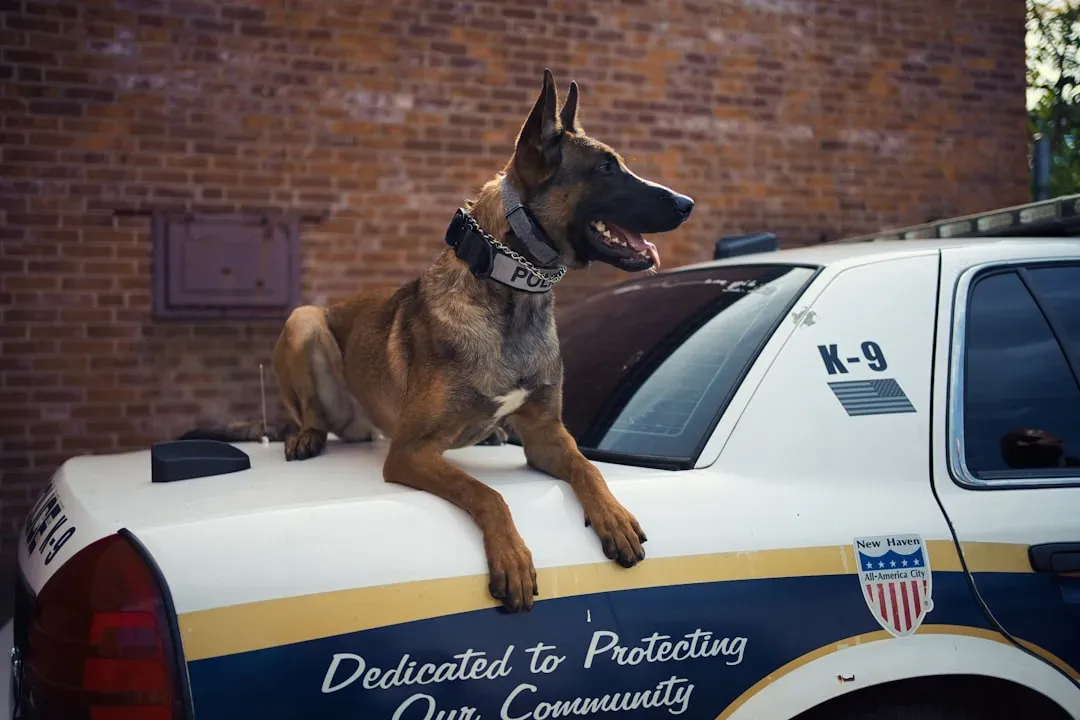
Some rescues fiercely guard oddly specific things – one corner of the couch, a random toy, a single family member – while staying totally relaxed about everything else. Others do the opposite and never guard anything at all, even in situations where most dogs would. Both extremes usually trace back to an old environment where the rules of “mine” and “yours” were carved in stone.
If your dog growls only when someone walks past one corner of the bed, panics when another dog approaches “their” person, or refuses to lie on furniture even when invited, they’re not being stubborn. They’re following a property law from a different life. Maybe that corner was the only safe sleeping spot they ever had. Maybe guarding a person was the only way they ever kept attention. On the flip side, dogs from calm, resource-rich homes often never guard anything, even when another dog steals from them – and that passivity is just as learned as the guarding is.
#7 – Loving or Fearing Strangers as If They Already Know Them
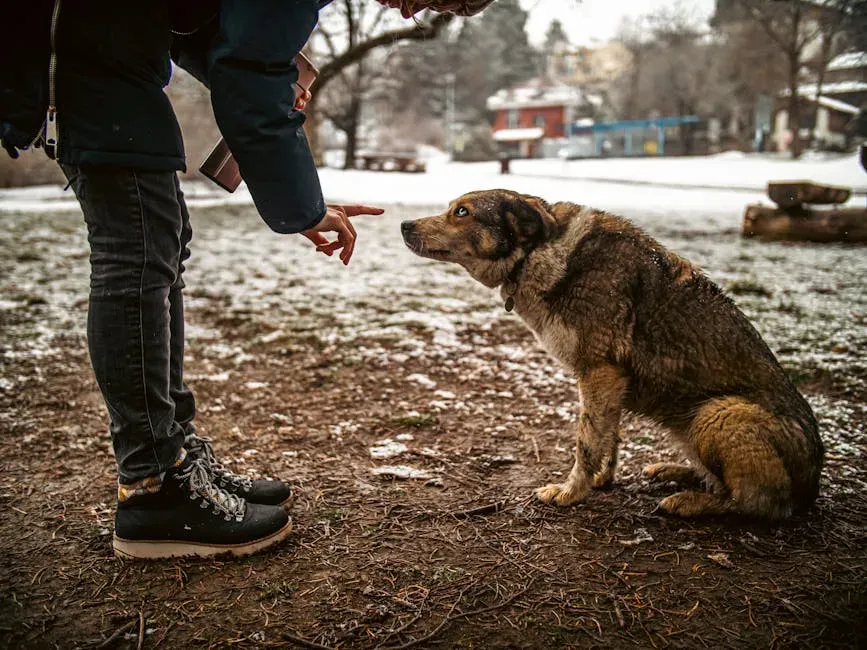
One of the hardest rescue behaviors to explain is instant love or instant fear of a stranger who hasn’t done anything yet. Your dog might melt into full-body wiggles for your quiet neighbor but shrink away from your outgoing friend, in the same room, at the same moment. Owners assume it’s random. It almost never is.
Dogs build mental files like “tall man with a beard equals safe” or “woman with strong perfume equals scary,” and those files were built in a home you never saw. So when a body type, a gait, a voice, or a smell matches something from their past, they react as if they already know the person – because in a sense, they do. You’re watching their past collide with your present in real time, and it’s why some rescues adore children they’ve never lived with, or fear baseball caps like the hat itself is dangerous.
#8 – Choosing Comfort Spots That Make No Sense in Your Home
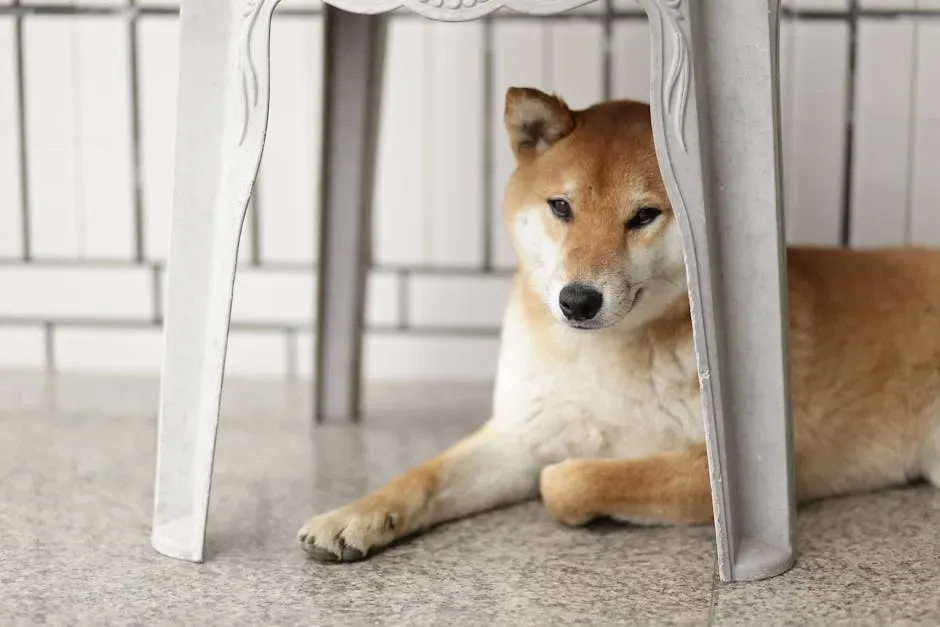
Many rescues immediately pick a strange safe spot – behind the toilet, under one specific chair, wedged between the sofa and the wall, or on cold tile instead of the plush bed you lovingly bought. People take it personally, as if the dog is rejecting their comfort. What’s really happening is environmental déjà vu. If a dog once hid between a washer and dryer whenever things got loud, any narrow, humming corner can feel like safety now.
If they slept on a garage floor or a balcony, hard surfaces feel like real sleeping spots and soft beds feel suspicious. Their body has filed certain textures, heights, and even noise levels under “safe,” long before they met you. A dark closet over a sunny window, the floor beside your bed instead of on it, a hallway instead of the living room – none of it is a rejection of you. It’s a continuation of an old survival strategy that hasn’t gotten the memo it’s no longer needed.
Worth Knowing
- Dogs pick sleeping spots based on temperature, enclosure, and past safety cues, not just softness.
- Tight, enclosed spaces can feel more secure to dogs with a history of stress or instability.
- Hard surfaces may feel safer than plush bedding if soft beds were never available before.
- A dog’s chosen “safe spot” often shifts gradually as trust in the new home grows.
#9 – Predicting Storms, Buses, and Chaos Before Any Obvious Cue
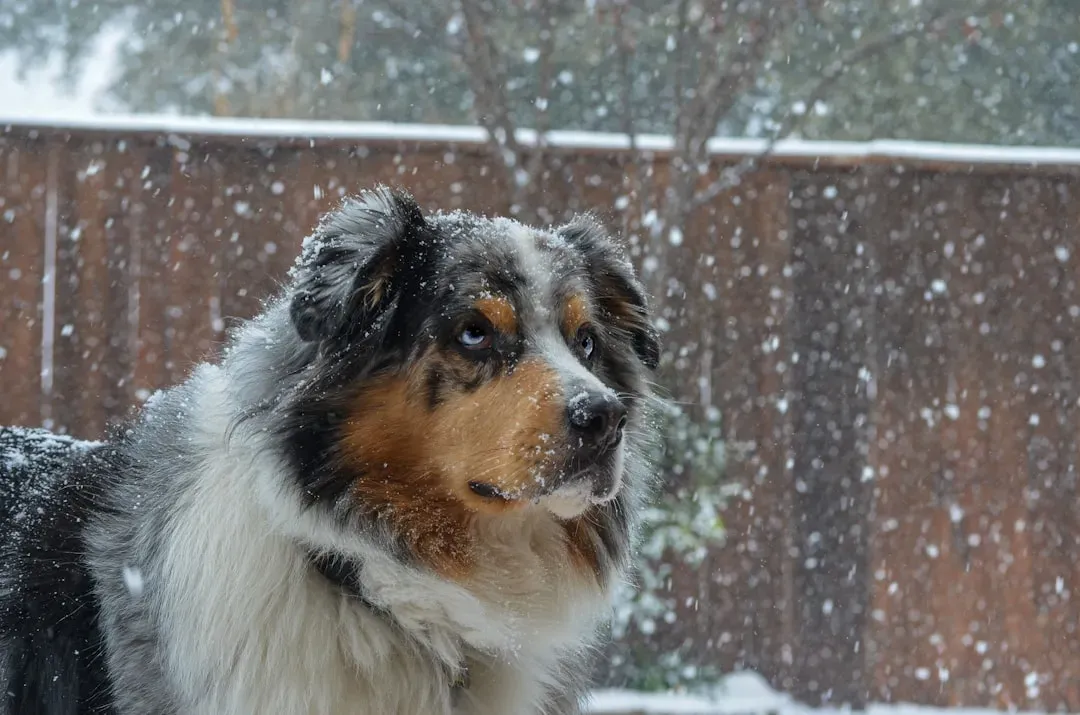
Some owners swear their dog knows a storm is coming or the school bus is about to arrive with no obvious signal. There’s almost always a signal – you just can’t perceive it. Dogs from structured homes develop an eerie ability to pre-load expectations from micro-patterns: a faint rumble long before thunder reaches human ears, the specific engine sound of a bus blocks away, or a shift in traffic noise before rush hour.
If their old life revolved around these patterns – panic before storms, excitement before kids came home from school – they learned to get ready early, every time. By the time you think, “huh, is it getting dark out?” your dog is already camped by the door. To you it looks psychic. To them it’s simple math: this sound plus this light plus this smell equals something is about to happen, and that predictive software came pre-installed from somewhere else.
#10 – Following Old Training Rules You Never Taught
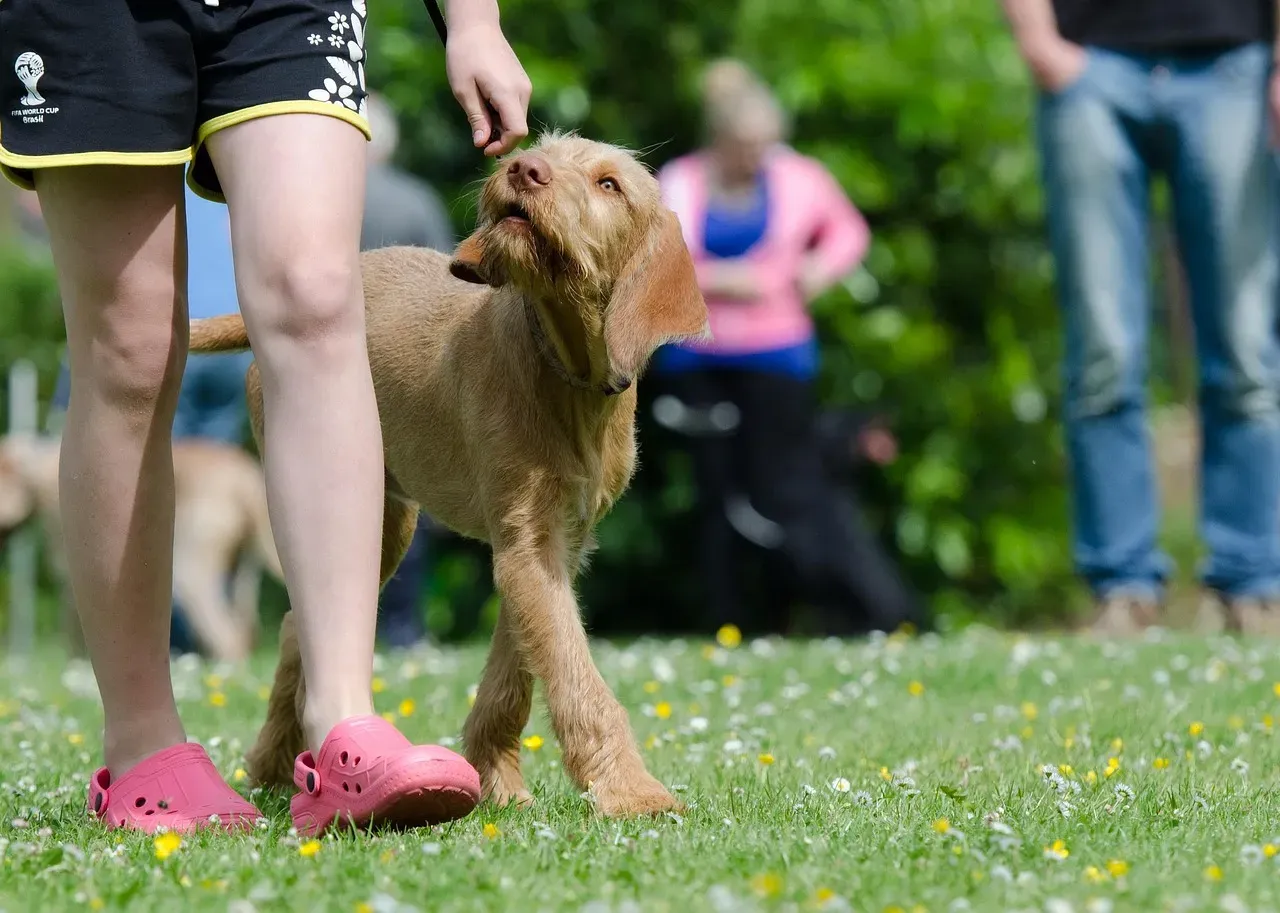
Every so often, someone adopts a rescue and discovers they accidentally scored a fully trained dog. Nobody taught “sit” or “down,” yet the dog performs like a professional. Other rescues seem immune to basic commands but flawlessly execute obscure ones like “place” or “crate.” That strange mix is the fingerprint of a training style you’ll never fully know.
They might know the cue in another language, respond only to hand signals instead of words, or follow a completely different rulebook – no furniture, doorways first, a specific heel side. It’s common for rescues to pause at thresholds, wait to be invited into a car, or automatically sit when you stop walking, and none of it was ever taught by you. The tragedy is that owners sometimes correct a dog for obeying rules they can’t see. Once you realize your dog is quietly following a forgotten manual, their “stubbornness” starts looking a lot more like loyalty to a life that no longer exists.
#11 – Grieving People You’ve Never Met

This is the one that hits hardest. Some rescues show clear signs of grief – searching the house, whining at doors, staring out windows – without having lost anyone in your home. The loss lives behind them, not with you. Maybe their person died. Maybe they were surrendered after a divorce. Maybe a child they adored went off to college and simply never came back.
You’ll see it when they perk up at a car that sounds like a familiar engine, get excited around anyone who resembles someone from before, or patrol the yard at the exact same time every evening. Dogs have far fewer words than we do, but they understand “someone who was always here is not here anymore” better than we give them credit for.
Until one has loved an animal, a part of one’s soul remains unawakened.
Anatole France
Your home becomes the stage where that unresolved grief keeps playing out in new ways, which is often why some rescues seem clingier than any puppy could be. They already know, from experience, that people can vanish.
#12 – Sensing a Fight Before the First Word Is Raised
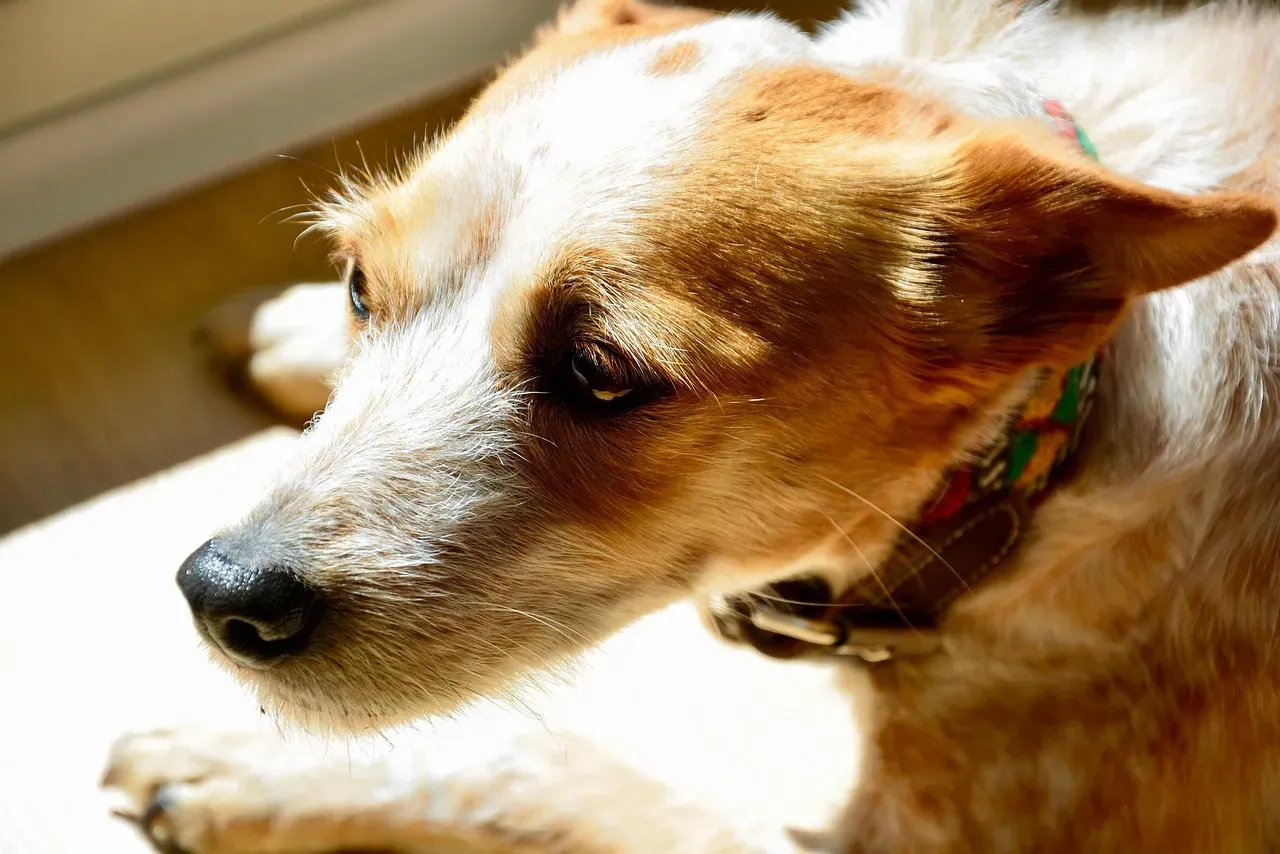
Plenty of owners notice their rescue turn anxious, hyper, or oddly “referee-like” the moment household tension rises, even before anyone is actually yelling. Two people start a sharp discussion in the kitchen, and the dog paces, whines, or physically wedges itself between them. It can look quirky or even sweet, but it’s usually a self-protection reflex built in a home where arguments never stayed verbal.
If raised voices once meant thrown objects, if tense silence once meant punishment, if a slammed door once meant real danger, a dog learns to intervene early or get out of the way fast. By the time you notice your own rising stress, your rescue has already made a survival decision. Some will clown around and bring toys to defuse the room, others will bolt straight under the table the second voices tighten. They aren’t judging your relationship. They’re protecting themselves using data you’ll never fully see.
Quick Compare
- Calm-home background: relaxed body language during disagreements, little to no pacing.
- Tense-home background: pacing, whining, or trying to physically separate the people arguing.
- Calm-home background: rarely tries to intervene in a heated moment.
- Tense-home background: may preemptively hide, bolt, or bring toys to defuse tension.
#13 – Loving You Fully While Still Obeying Ghosts
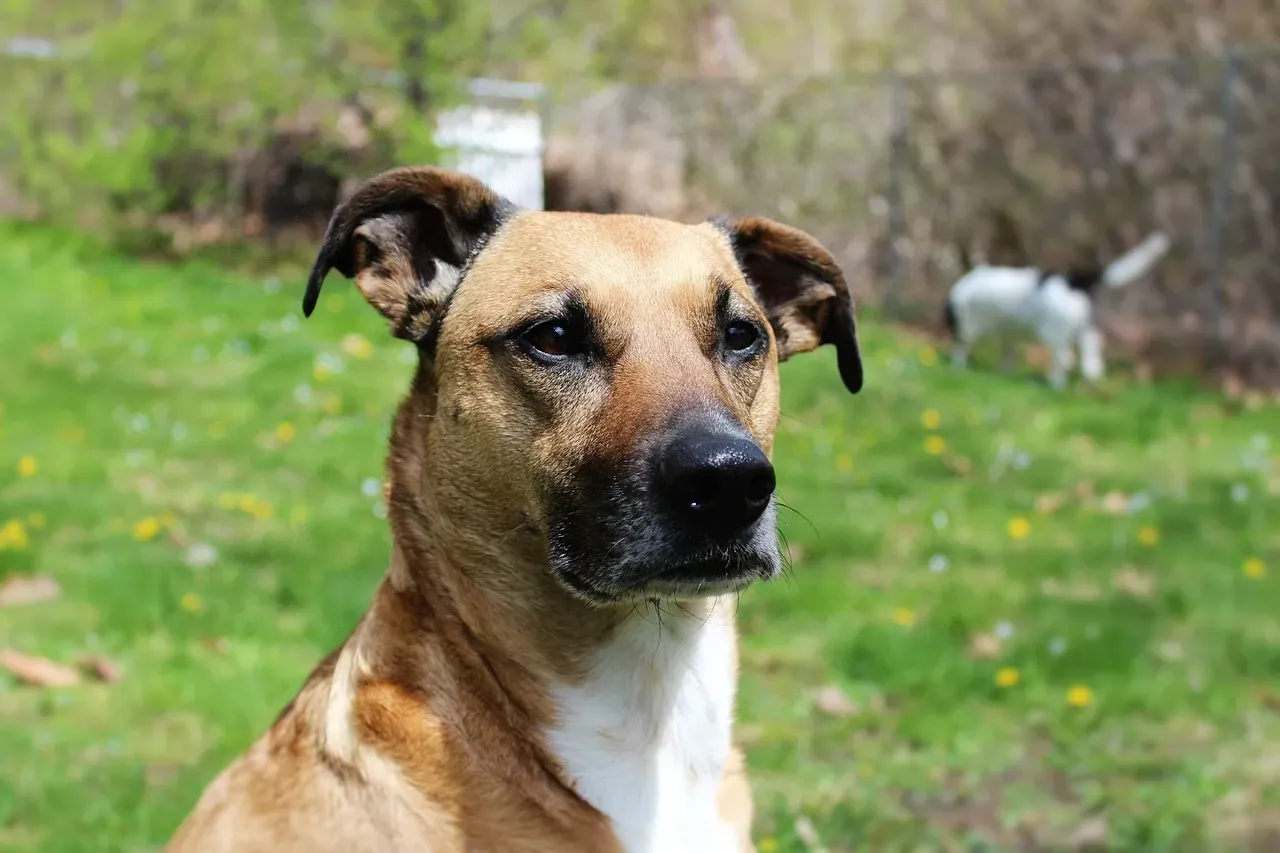
The strangest, most powerful ability rescue dogs keep is this: they can attach deeply to a new family while still living by the rules of an old one. You’ll see it in the contradictions. The dog who adores you but flinches when you lift your arm too fast. The dog who sleeps pressed against your chest but won’t touch a toy, because play was never safe before. The dog who sprints to you when called but still checks the door at 5 p.m. for someone else.
Rescues aren’t broken, they’re layered, running two systems at once – the new reality you’re building together, and the old operating system installed by someone who may not deserve that much influence anymore. What feels unexplainable, the random anxieties, the oddly specific preferences, the strange flashes of hidden skill, is often your dog trying to fit both worlds into one body. That double loyalty is exhausting for them and confusing for you, but it’s also where the real magic of rescue lives, in the slow moment they finally start choosing your rules over the ghosts.
Rescue dogs don’t arrive as clean slates. They arrive as living archives, and pretending otherwise does them a disservice. The unspoken routines, the odd fears, the eerily specific skills, none of it is something you invented in a few weeks of ownership. It’s a previous home, and sometimes a previous hurt, still speaking through a dog who is genuinely trying to start over.
Here’s the part most people don’t want to hear: some of that old programming never fully disappears, and honestly, it shouldn’t have to. Your job was never to erase the past. It’s to make the present so consistently safe that the old rules quietly retire on their own, one routine at a time. You don’t need to solve every mystery to love the dog in front of you, but you do owe them the respect of knowing that what looks like stubbornness is usually just memory, doing its best to keep them alive.