
13 Behaviours a Dog Saves for One Person and Shows to Nobody Visiting
Everyone loves saying dogs are unconditionally friendly, tail-wagging machines who adore every human they meet. That’s the myth. The reality is colder and, honestly, more flattering if you’re the right person: dogs are quietly, almost ruthlessly selective about who gets the real version of them.
Trainers have a term for it – a “primary attachment figure” – but you don’t need the jargon to recognize it. You’ve probably already seen flashes of it: a stare that lingers a beat too long, a sleeping position no guest ever earns, a reaction to your sadness that never shows up for anyone else’s. Keep reading, because once you know what to look for, you’ll never see your dog’s “friendliness” to strangers the same way again.
#1 – The Intense, Silent Stare Only You Get
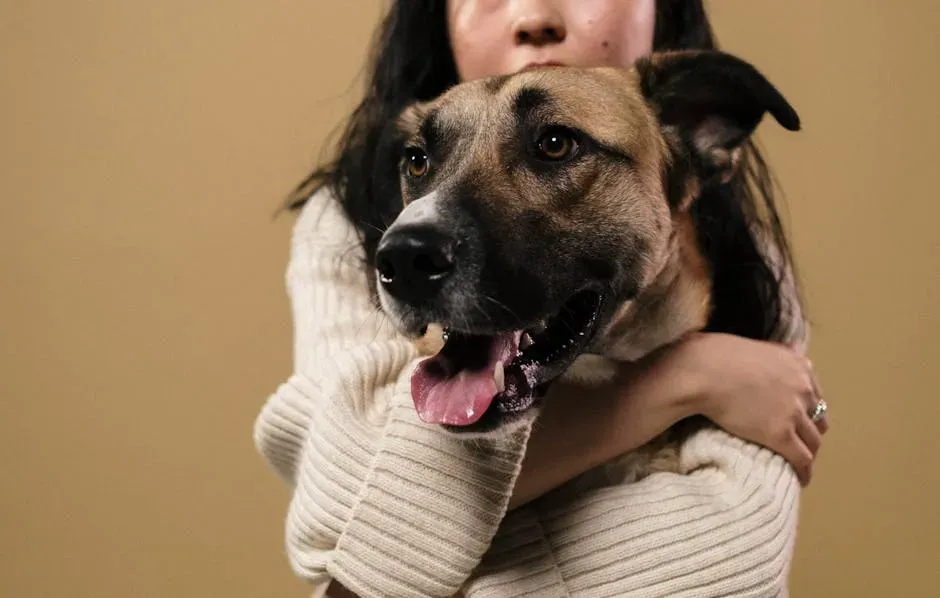
Your dog looks at visitors plenty. But the way they look at you is a completely different transaction. That long, soft, unblinking gaze from across the room isn’t boredom or begging – it’s bonding at a chemical level. Research on dog-owner eye contact has found that when a dog locks eyes with their favorite person, both of their brains release oxytocin, the same hormone that floods a parent staring at a newborn.
With strangers, eye contact is quick and transactional – basically “do you have food” or “are you safe.” With you, it lingers, the ears drop, the face goes soft, and sometimes the blink rate slows right down. They’re not just watching you; they’re checking in, quietly asking are we okay? If your dog tracks you across a crowded room with their eyes while barely registering anyone else, that’s not coincidence – that’s a private language nobody else has been taught.
Fast Facts
- A landmark 2015 study published in Science identified an “oxytocin-gaze positive loop” between dogs and their owners.
- Domestic dogs make noticeably more sustained eye contact with humans than wolves do, even hand-raised ones.
- A slowed blink rate and softened facial muscles are widely recognized signs of a relaxed, bonded dog.
- Strangers typically trigger quick, assessing glances – not the lingering gaze reserved for a chosen person.
#2 – The “Shadow” Behavior That Disappears the Second Guests Show Up
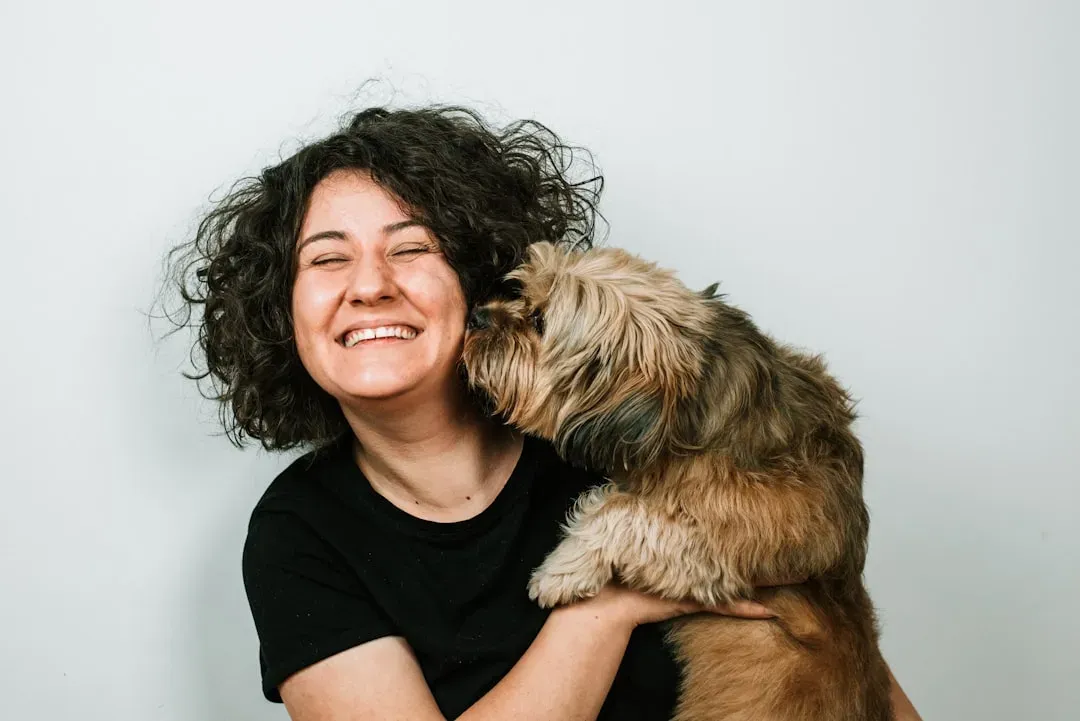
People assume a clingy dog follows everyone. It’s rarely true. Real attachment is selective, not indiscriminate. If your dog trails you to the bathroom, the laundry room, even the mailbox, yet doesn’t so much as glance up when someone else leaves the room, that’s not neediness – that’s your dog quietly tracking the one set of footsteps that actually matters to them.
Watch what happens when visitors are over. Your dog might greet them, take a pat, then drift right back to wherever you’re standing. They’re not monitoring the loudest guest or even the one holding treats – they’re mapping a single location, and it’s yours. Some dogs will lie down angled toward the exact door you just walked through, ignoring the rest of the room until you reappear. It can look almost obsessive to outsiders, but in your dog’s mind, they’re simply maintaining their safety radius, and they only fully settle once they know exactly where you are.
#3 – The Private Greeting Ritual Nobody Else Gets to See
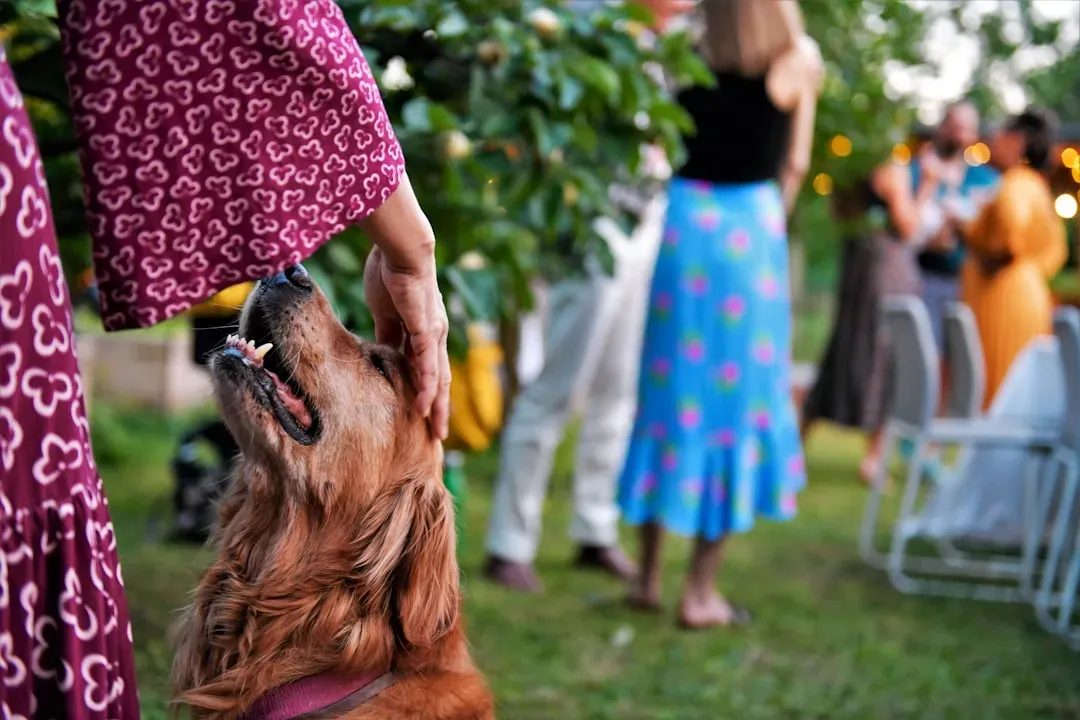
Sure, your dog might wiggle politely for anyone who walks in. But pay attention to whether they have one specific, slightly ridiculous greeting reserved only for you. That’s not generic excitement – it’s a custom-built ritual, years in the making, that exists nowhere else.
Maybe they grab the exact same toy every single time and slam it into your leg. Maybe they spin in a tight circle before leaping onto the couch “just so.” Maybe there’s a high-pitched whine-squeal you never hear in any other context. Compare that to how they greet a guest – friendly, generic, tail wag, quick sniff, done. When it’s you, the emotional thermostat spikes: they jump higher, vocalize differently, sometimes even drag over something absurd like a single sock. People misread this as “overexcited” or poorly trained, when really it’s your dog’s personal love language going off like fireworks.
#4 – The Skin-to-Fur Sleep They Won’t Risk With Anyone Else
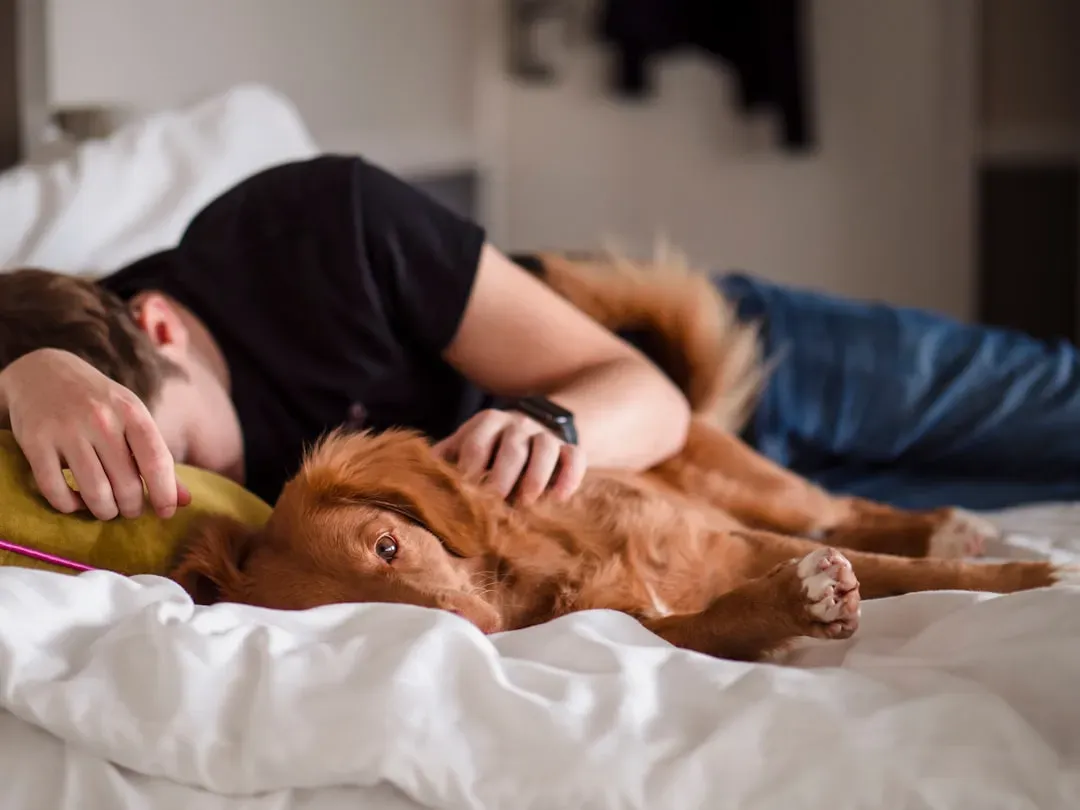
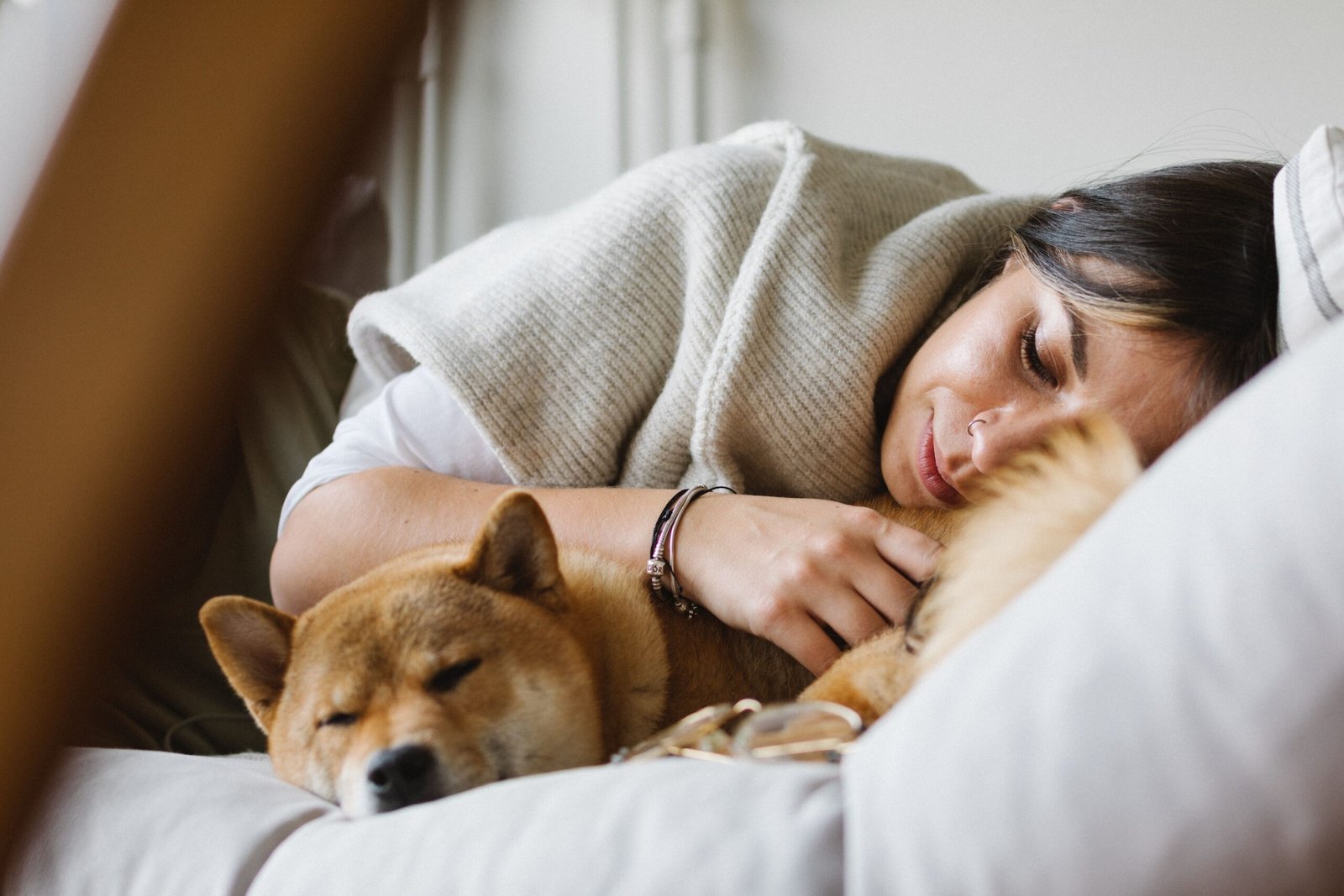
Here’s where it gets surprisingly intimate. How and where a dog sleeps says more about loyalty than almost any other behavior on this list. Plenty of dogs will nap near visitors, sure. But actual body contact – pressed against your legs, wedged behind your knees, nose tucked into your chest – tends to be reserved for exactly one human.
Deep sleep is when a dog is at their most physically vulnerable, so choosing to do it while touching you isn’t random; it’s ancient pack behavior, their nervous system syncing with the one “family unit” they trust completely. Maybe they sleep at your feet but never your partner’s. Maybe they crawl into your side of the bed the second you get up. Some dogs even adjust their sleep patterns when you’re sick or stressed, staying closer and waking easier at your smallest movement. A guest might get a polite nap nearby. You get the guard-down, full-contact cuddle they won’t risk with anyone else in the house.
#5 – The Room-Checking Panic That Only You Trigger
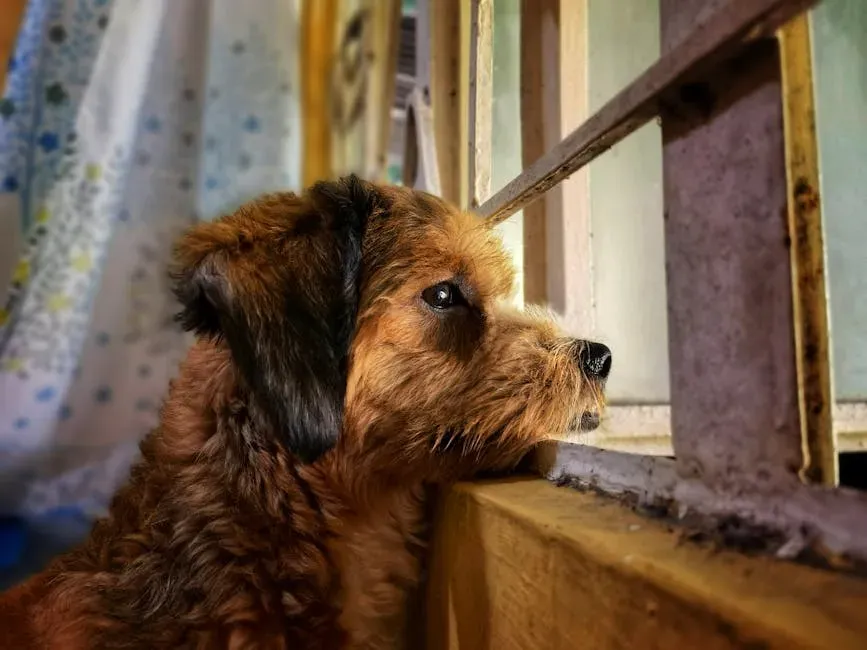
People often mislabel this as generic separation anxiety, but it’s usually far more targeted than that. Your dog might be completely relaxed when a friend heads out the door – and visibly unsettled the second you vanish, even for sixty seconds.
Watch what happens at a gathering. If another guest steps outside, your dog might glance over and move on with their afternoon. If you step away, they pace near the hallway, pop up to check the last spot they saw you, and stare hard at the door you disappeared through. They’re not panicking so much as replaying your exit, trying to resolve the uncertainty of where you went. Ironically, some of the calmest dogs in public turn into hyper-focused detectives at home the moment you’re out of sight – and almost no visitor ever witnesses it.
#6 – The Obedience They Mysteriously Reserve Just for You
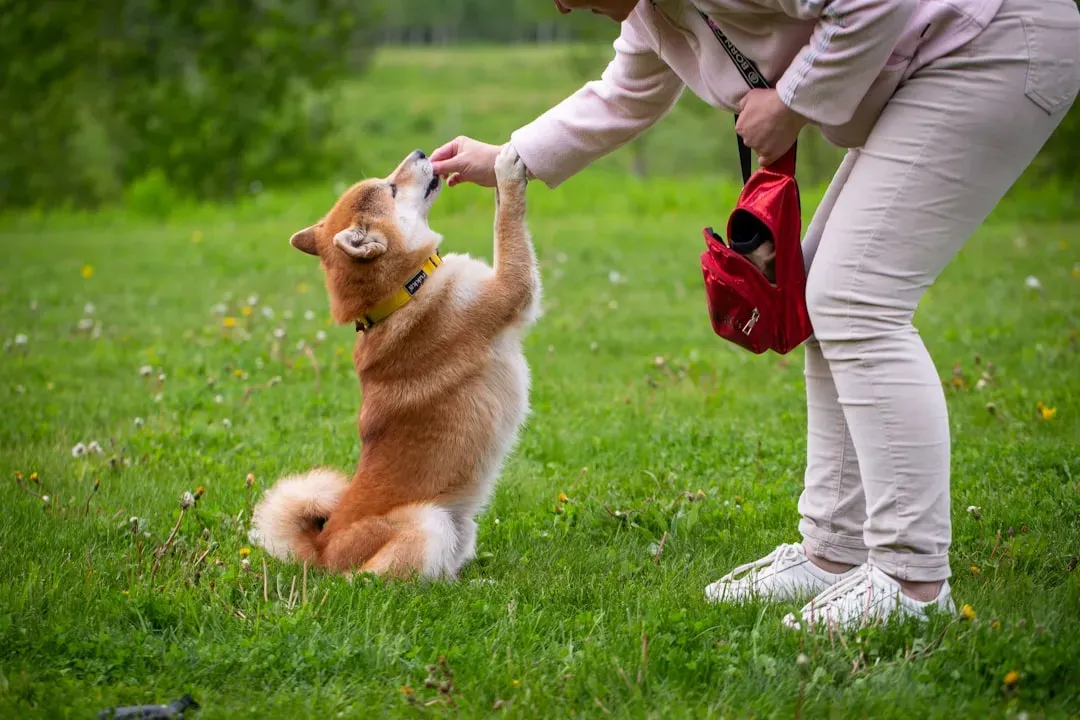
This one quietly insults a lot of dog owners: your dog isn’t “stubborn” with everyone equally. They’re selectively responsive. If your dog tunes out a guest’s “sit, sit, sit!” completely but snaps to attention the moment you say the exact same word, that’s not magic – that’s loyalty and respect fused together.
Visitors can call your dog’s name three times, wave a treat, offer a toy, and get nothing. Then you walk in and murmur “hey, over here,” and suddenly there’s laser focus. You’re the one whose cues have actually predicted something real over months or years – walks, meals, safety, fun. Dogs aren’t robots that obey any voice equally; behaviorists often compare it to having one real manager and a rotating cast of visiting consultants they’ve learned they can safely ignore.
Quick Compare
- With guests: repeated commands, waved treats, little to no response.
- With guests: obedience feels optional and easily ignored.
- With you: one quiet word gets instant, full focus.
- With you: obedience feels automatic, built on years of consistent, meaningful cues.
#7 – The Goofy, Vulnerable Play They Only Show One Person
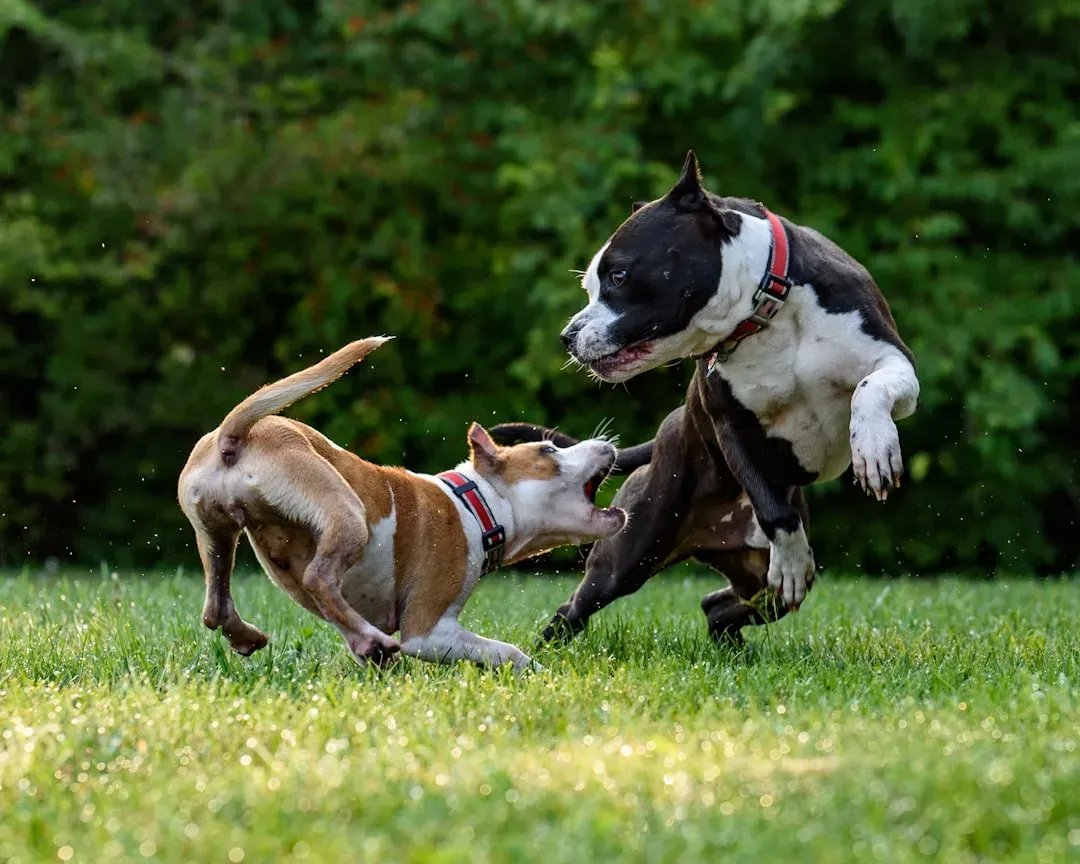
Most dogs perform a polished “party trick” version of play for guests – a quick fetch, one lap of zoomies, maybe a single bark. Their weirdest, most unguarded moves, the ones that look almost embarrassing, get saved for the one person they trust completely.
Maybe they belly-flop dramatically and wiggle like a fish, but only when you’re the one engaging. Maybe they run their full “zoomie circuit” in the yard and refuse to repeat it for anyone watching. With guests, dogs tend to play politely, almost formally, holding something back. With you, they regress into full puppy chaos – more rolling, more belly exposure, more of that loose-jawed, silly grin. If you’re the only one who’s ever seen your dog’s full repertoire of nonsense, that’s not luck. That’s a privilege very few people in their life get to have.
#8 – The Protective Positioning You Never Even Noticed
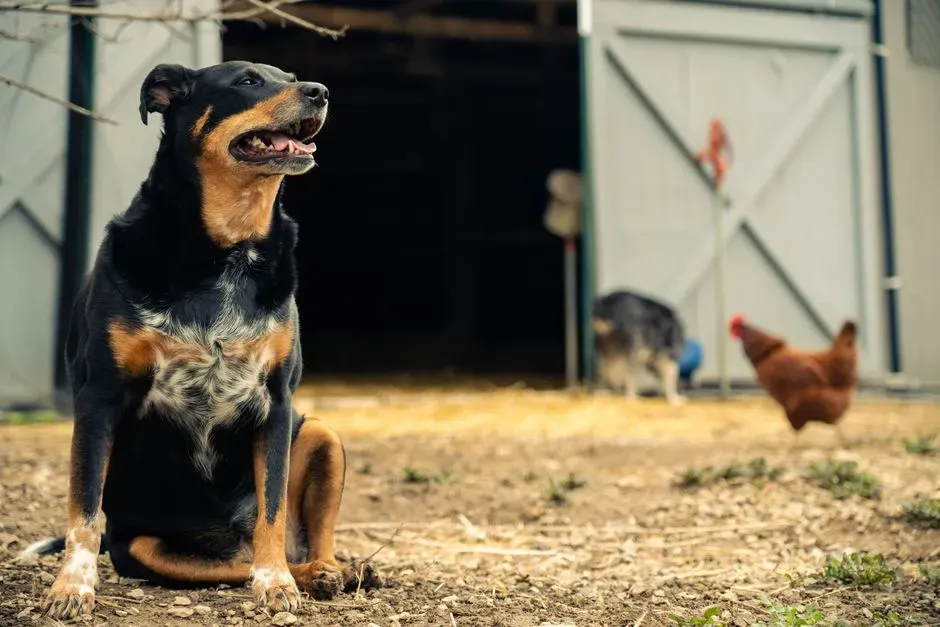
People overdramatize “guard dog” behavior, but real protection is usually quiet and strategic, not loud. Your dog might not bark at every stranger, yet they’ll subtly reposition themselves between you and anything unfamiliar without you ever consciously clocking it.
A repair person walks in, and your dog casually plants themselves between you and the stranger. You head down a dark hallway, and your dog drifts a half-step ahead, glancing back to check on you. In a crowded room, they sit facing outward while leaning against your leg. Some dogs will even switch loyalties mid-visit – starting near a guest offering treats, then relocating to your side the instant a voice rises or something crashes. Loud, empty bravado tends to show up for whoever’s closest. Genuine protective instinct almost always circles back to the one person who is truly “theirs.”
#9 – The Secret Signals Nobody Else Can Trigger
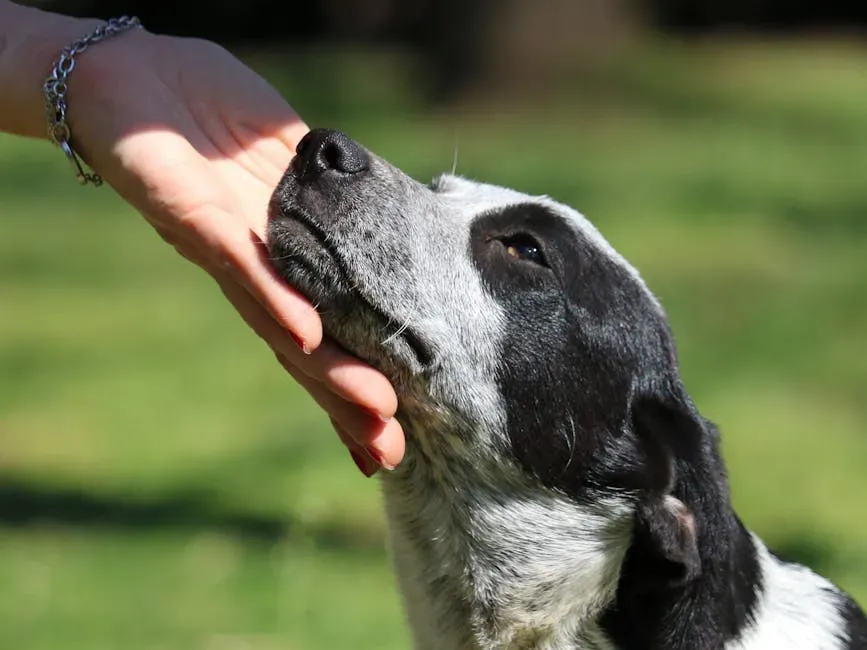
Every tight dog-human pair eventually builds a private shorthand that isn’t technically “training” anymore – it’s an inside joke only the two of you understand. A raised eyebrow, a specific click of your tongue, a half-gesture toward the door, and your dog is instantly moving while everyone else in the room is baffled.
Visitors could copy your exact words and gestures and get absolutely nothing back. That’s because the cue was never just the sound or the movement – it’s the years of history behind it. Dogs are experts at reading micro-patterns in your tone, posture, and expression, which is exactly why some dogs seem almost psychic with their favorite person, standing up before a walk is even announced or heading for the car the moment you pick up your keys a certain way. Nobody else in the house gets that same eerie telepathy, no matter how hard they try to imitate it.
Worth Knowing
- Dogs read human body language, tone, and micro-expressions often more fluently than they read spoken commands.
- A cue only becomes “loaded” with meaning after repeated, consistent pairing with a real outcome, like a walk or a meal.
- That’s why a stranger copying your exact words and gestures usually gets a blank stare in return.
- Anticipatory behaviors – like heading to the door before the leash comes out – show pattern recognition, not mind reading.
#10 – The Emotional Check-Ins That Only Happen for You
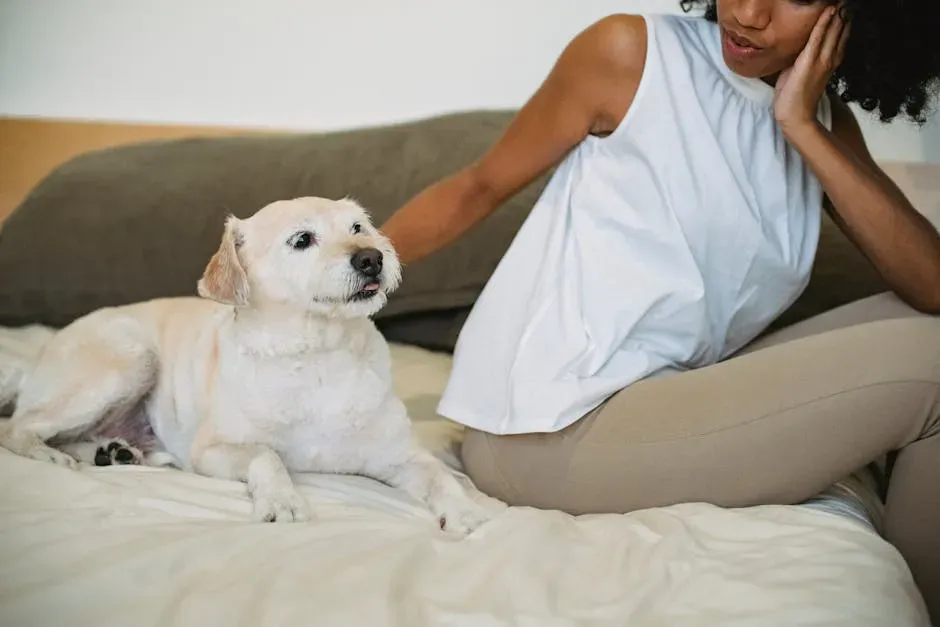
Here’s the uncomfortable truth: your dog isn’t equally empathetic to every human in the house. Plenty of dogs react strongly when their chosen person is upset, then stay strangely neutral when someone else is crying in the exact same room.
Think about the times you’ve cried alone and suddenly felt a nose push under your hand, or raised your voice in frustration and found your dog quietly leaning against your leg. Compare that to how they react when a guest is visibly upset – often just a glance, mild curiosity, sometimes nothing at all. For their chosen person, dogs will abandon a favorite sunny spot, quit a game mid-play, and cross the room specifically to check on you. Skeptics call this a reaction to noise or tension, but plenty of dogs ignore a loud TV argument completely and still bolt over the second their person so much as sniffs differently.
#11 – The Jealousy That Only Flares Up Around You
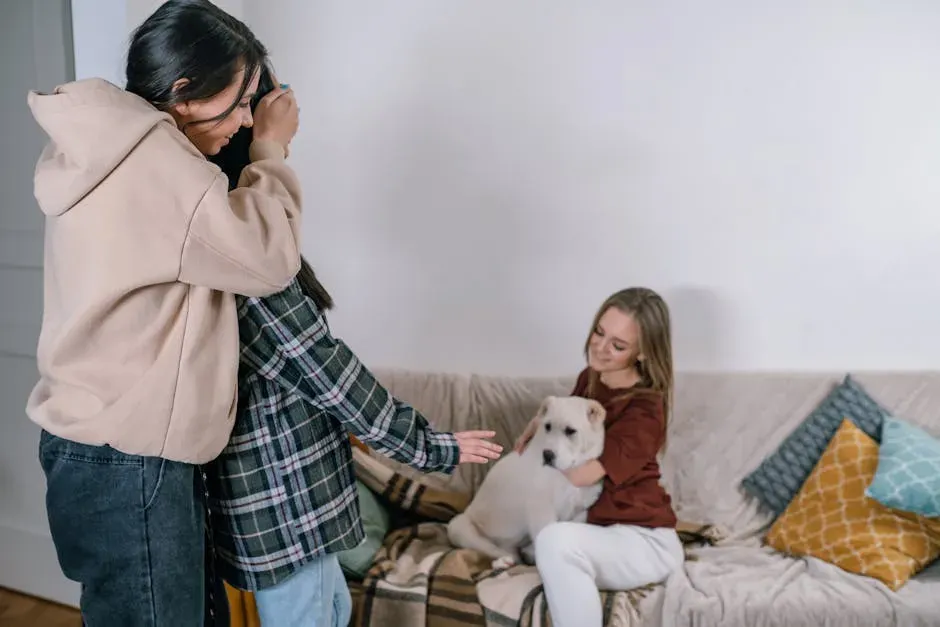
Dog jealousy gets waved off as people projecting human emotions onto pets, but what most people miss is how narrowly targeted it actually is. Your dog probably couldn’t care less if two guests hug each other. Your arms around someone else, though? That’s a different story entirely.
You hug your partner, and suddenly your dog is wedged between you, nudging your leg. You pet another dog, and yours appears at your side, leaning in hard. You sit next to a guest, and your dog hops up and plants themselves halfway on your lap. This doesn’t happen every time other people interact – only in the specific scenarios where “their” human’s attention is going somewhere else. It can even out a family’s real favorite: the dog might only get jealous around one member of the household, never the others, making that hidden hierarchy impossible to hide.
#12 – The “Safe Place” They Choose in Every New or Stressful Setting
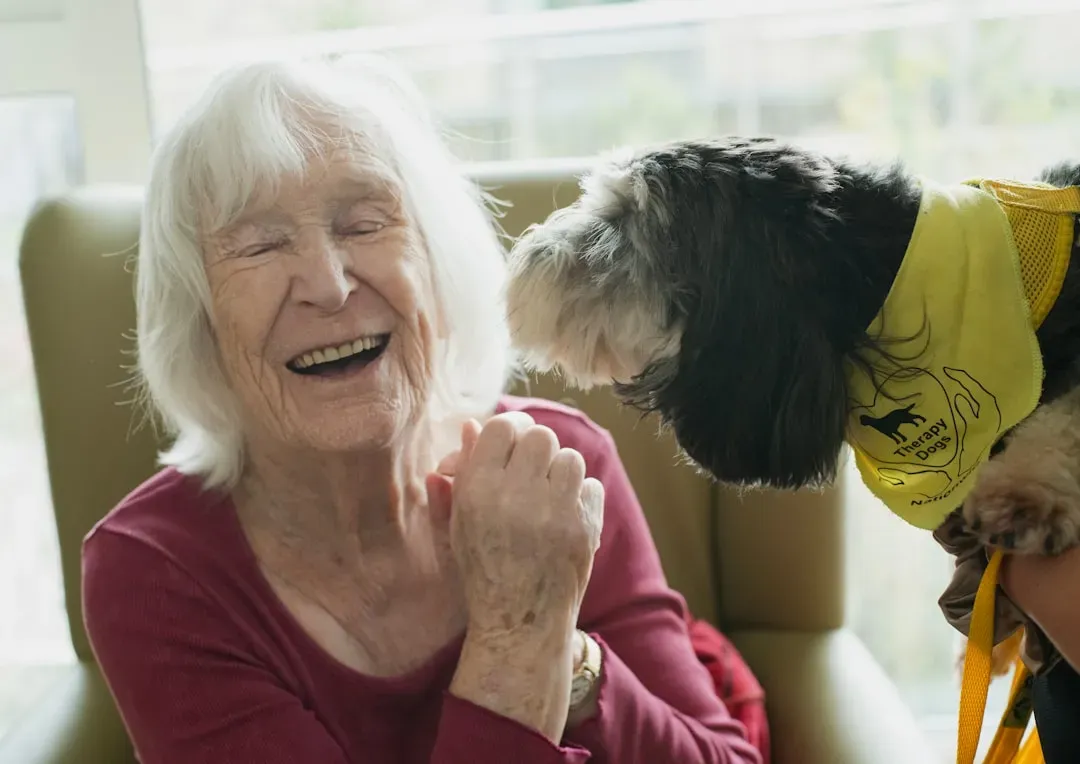
You learn who your dog has truly picked the moment you take them somewhere unfamiliar. A new vet clinic, an Airbnb, a friend’s backyard – who do they gravitate toward when the ground feels less certain? If your dog sniffs everyone in the room but consistently settles physically closest to you, that’s not a coincidence; it’s a real-time loyalty test playing out in front of you.
In a waiting room, they press their side against your shoe. At a party, they eventually retreat under your chair, never anyone else’s. In a new yard, they run fast exploration loops but keep resetting back at your legs. Treats, baby talk, and toys from other people can distract them briefly, but the second something clatters or a stranger gets too close, they boomerang straight back to you. That’s not surface-level preference. It’s a deep-seated safety anchor, and it’s why some dogs act more clingy in public than at home – not because they’re insecure, but because their entire stress-management plan is built around staying inside your orbit.
At a Glance
- Dogs regulate stress through proximity to a trusted figure, a pattern rooted in attachment behavior.
- Unfamiliar environments make “safe person” behavior far more obvious than it is at home.
- Repeated retreats back to one person, even amid distractions, signal a genuine safety anchor rather than simple friendliness.
- Some dogs seem clingier in public specifically because their coping strategy centers on staying close to their chosen person.
#13 – The Quiet Contentment That Only Exists Beside You
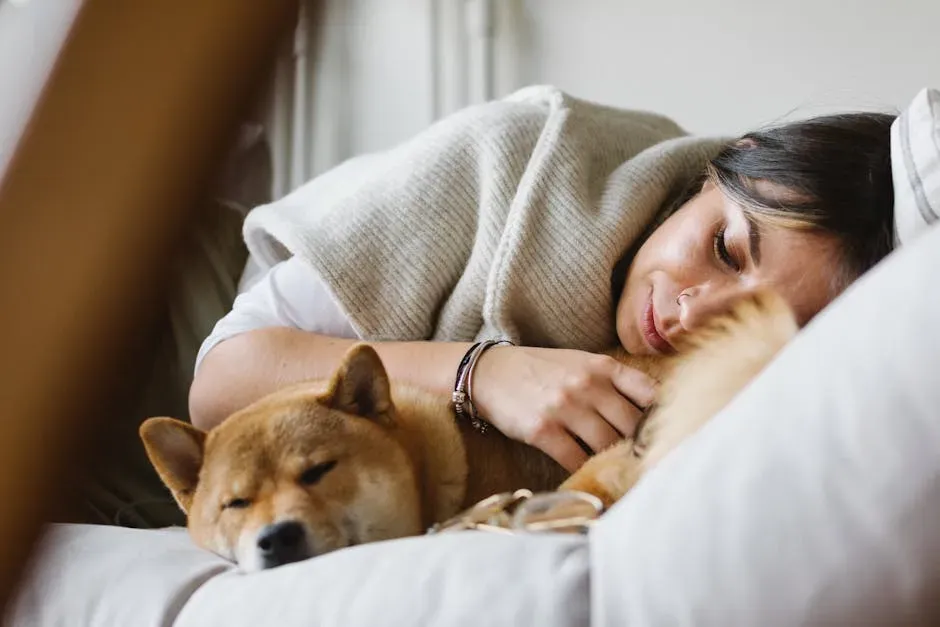
This last one is easy to miss because it isn’t flashy. It’s simply the way your dog settles the moment you’re around – not jumping, not performing, not demanding anything, just a deep, almost meditative calm they rarely offer anyone else. The ultimate proof your dog has chosen you isn’t excitement at all. It’s peace.
Watch their body change: muscles soften, breathing slows, ears drop into a neutral, unguarded position. Some dogs will even lie with their back to you, which is one of the biggest trust signals in the entire canine playbook. Guests only ever see your dog’s “on” modes – playful, curious, polite, alert. You get the off switch: the dog snoring at your feet while you work, the one who doesn’t need to perform because they already trust that you’ve got the world handled. Everyone chases the dramatic reunions and the Instagram-worthy cuddles, but a dog choosing to exist quietly next to you, doing absolutely nothing, might be the loudest declaration of loyalty they have.
The Bottom Line
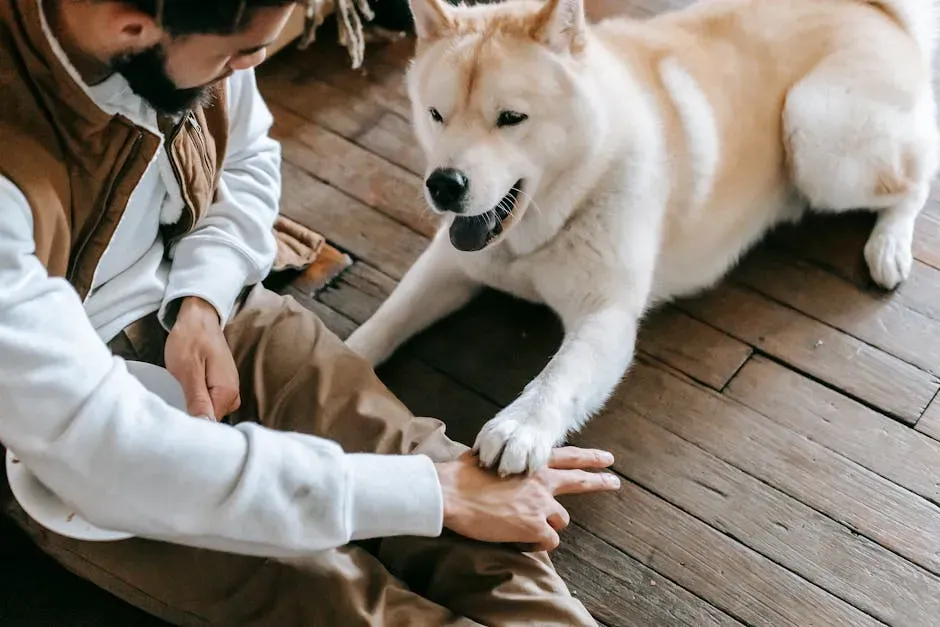
Strip away the memes and the “dogs love everyone equally” clichés, and the truth is sharper than most people want to admit: dogs are brutally selective about where they put their real attachment. The staring, the shadowing, the custom greetings, the sleep habits, the guarding, the jealousy, the sudden quiet calm – none of it is random. It’s a pattern, and it points at exactly one person.
Your dog can be friendly to a hundred strangers and still only build this strange, vulnerable, occasionally inconvenient language with one human. Some people will insist their dog loves everybody the same. The behavior simply doesn’t support that. If you recognized most of these signs in your own dog, you’re not imagining it – you’ve been quietly chosen, and your dog has been telling you the whole time. They’re just not loud about it.