
14 Things a Canine Physiotherapist Notices About a Dog Before It Reaches the Table
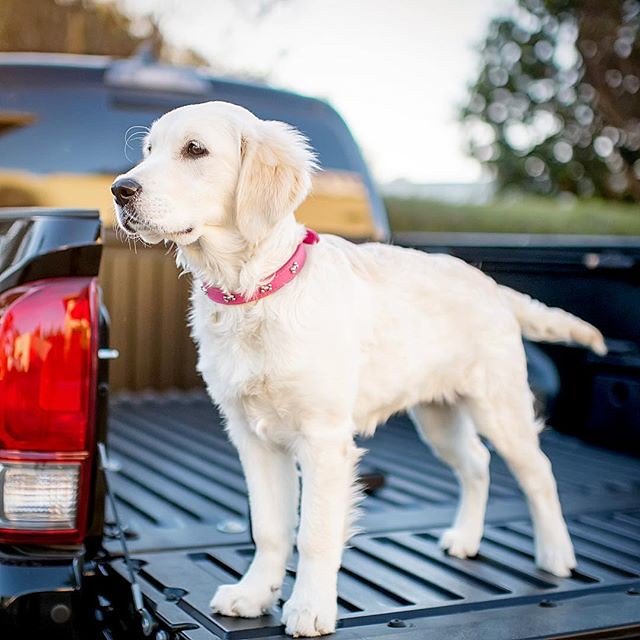
Most people assume a canine physiotherapist only starts “seeing” a dog once it’s up on the table, hands finally on fur. In reality, by the time your dog’s paws hit that mat, a good physio has already built a mental X-ray from the car park, the waiting room, and the first ten steps through the door.
The tiny things you’ve stopped noticing – how your dog leaps out of the car, how it turns its head when you say hello, that “quirky” sit it’s always done – are flashing neon signs to a trained eye. Here’s exactly what canine physiotherapists are quietly clocking before a single hand ever touches your dog.
#1 – The Moment Your Dog Jumps Out of the Car
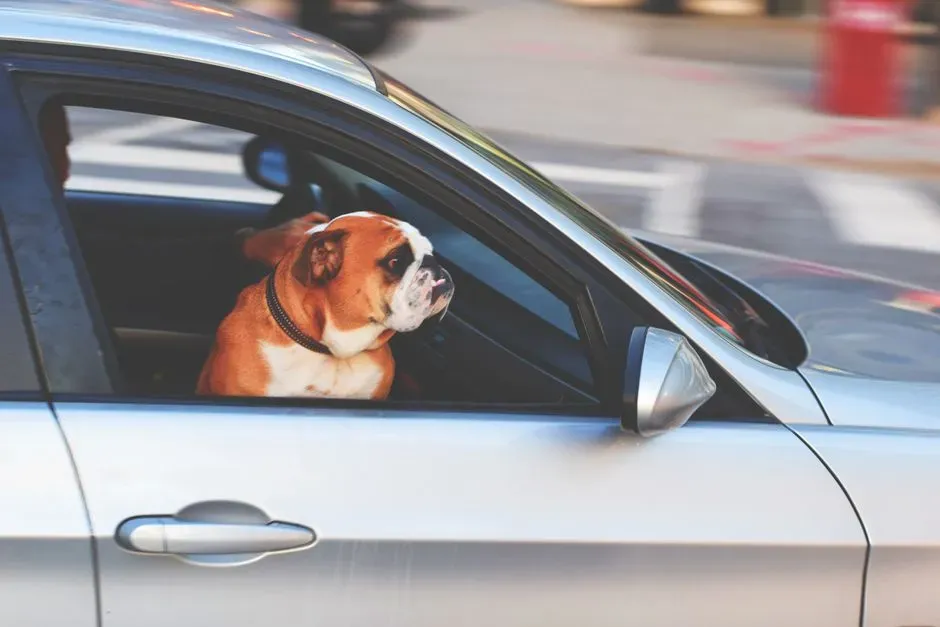
Before you’ve even shut the car door, a canine physio is already watching that exit. Do they launch out like a rocket, or creep down like the floor is lava? If a dog has always leapt out confidently and suddenly hesitates at the edge of the boot, that’s a red flag worth pausing on.
That tiny pause can mean hip discomfort, spinal sensitivity, or a growing fear of impact the dog can’t explain to you. Landing style matters just as much – a solid four-paw thud is a world away from a dog that lands front-heavy, skids, or instantly shifts weight off one leg. A dog that refuses to jump at all and needs lifting is often showing the first real-world sign of joint degeneration, one owners quietly miss for months because it happens so gradually. Physios are also watching whether the dog slips on the surface, scrambles, or moves with deliberate control – and if your dog uses the bumper like a step, dragging its back feet, that asymmetry is already telling a story. But that’s nothing compared to what they pick up from #2.
Fast Facts
- Hesitation before a jump is often one of the earliest visible signs of joint or spinal discomfort.
- Front-heavy landings can push extra strain onto the front limbs and neck over time.
- A dog that suddenly needs lifting has usually been compensating quietly for months, not days.
- Uneven paw drag on exit can flag hind-limb weakness before it shows up anywhere else.
#2 – How Your Dog Walks From the Parking Lot
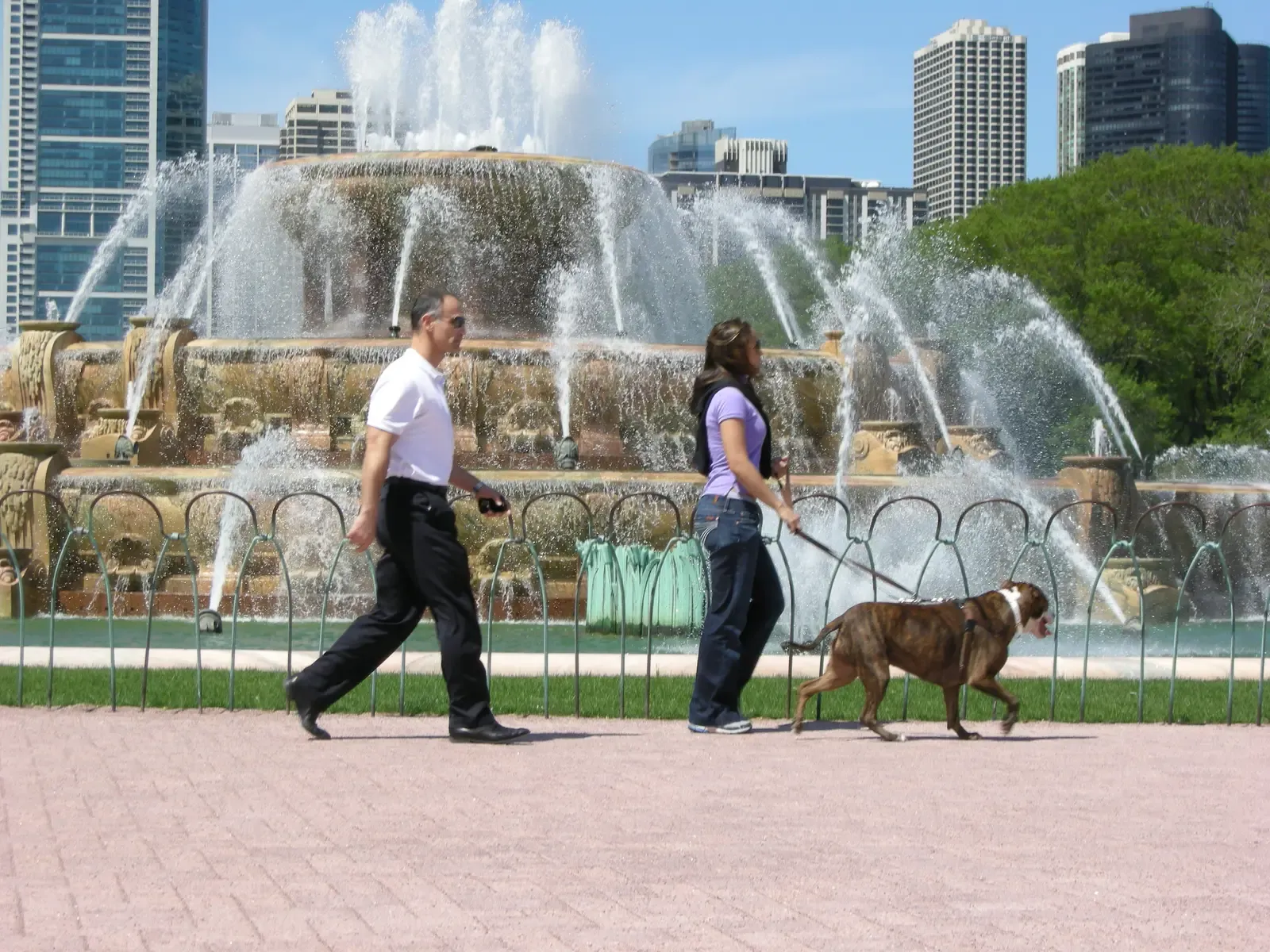
Most owners don’t realize the walk from the car to the clinic door is basically a moving diagnostic chart. Physios are silently tracking every single step, watching for rhythm – is the gait smooth and symmetrical, or does one leg take a shorter step every single time?
A dog with a mild hind-limb issue may still “walk fine” to you, but a physio sees the subtle hip hike, the tiny head bob, the tail that flicks off to one side on every stride. Even the sound of nails on concrete – one side tapping louder or sooner – can hint at uneven weight bearing. Confident, pain-free dogs stride forward with purpose. Dogs in discomfort tend to drift sideways instead of walking straight, keep their head low with eyes scanning the ground, and avoid turning tightly around obstacles. If your dog cuts corners or swings a leg around instead of flexing it, that’s another loud clue. But that’s nothing compared to what a physio learns just from #3.
#3 – The First Few Seconds of Standing Still
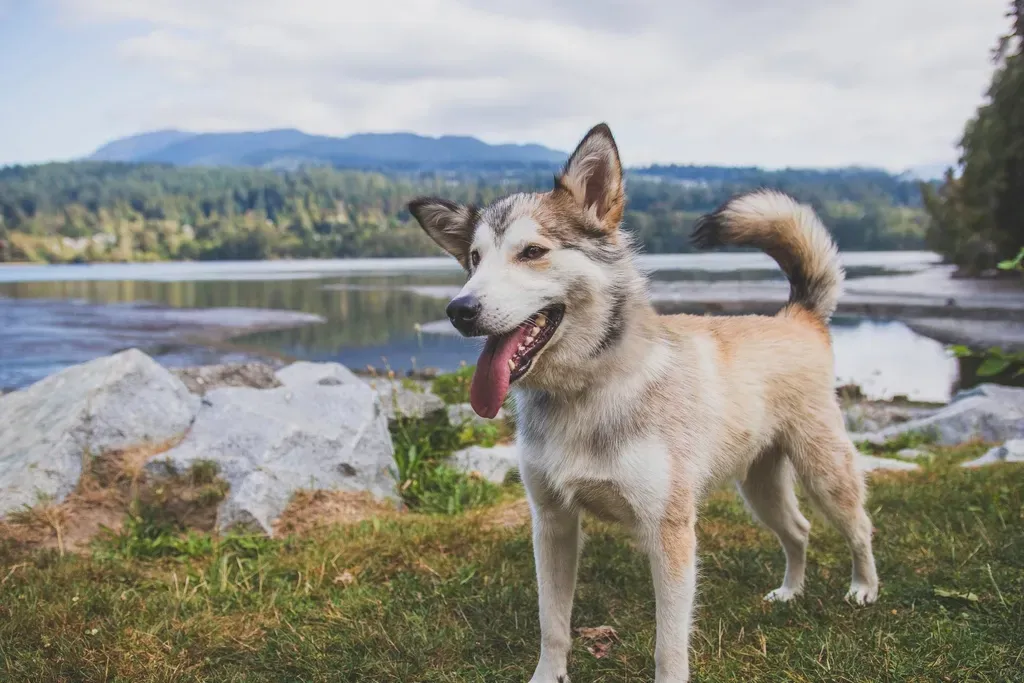
Ask a dog to stand, and most owners see a dog standing. A physio sees a loaded equation of angles, tension, and balance playing out in real time.
A square stance – front legs under the shoulders, hind legs under the hips – usually signals comfort. If instead the dog parks a back leg out to the side like a kickstand, that’s often a sign they’re offloading that limb or avoiding hip extension. Dogs with sore backs may widen their stance into a kind of mini-sumo pose to spread the load, and a tucked tail with a rounded lower back can scream lumbosacral discomfort before anyone even touches the dog. Physios also watch for constant weight-shifting from foot to foot, quickly sitting when asked to stand, or leaning into the owner for support. A dog that can’t hold still for more than a few seconds is rarely “just excited” – it’s often a quiet strategy to stop pain from building up in one spot. But that’s nothing compared to the truth hiding in #4.
#4 – Your Dog’s Overall Body Shape and Muscle Balance
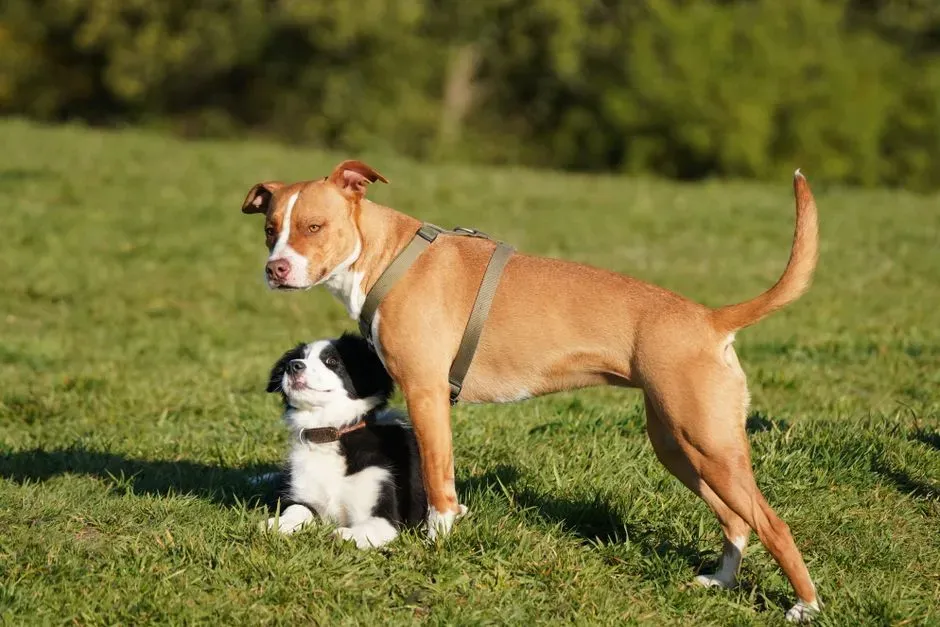
Most people see “chunky,” “lean,” or “fluffy.” Canine physios see muscle maps and slow-building warning signs written across the whole frame.
They scan for symmetry – is the left thigh the same bulk as the right, or is one side clearly more built up because it’s been doing the extra work for months? Big shoulders paired with skinny back legs can scream chronic hind-end pain, while a dipped-waist “sausage” body often points to core weakness and spinal loading. Even the curve of the neck matters, since dogs with constant low-level neck pain often develop subtle S-curves through the spine. Fat distribution tells its own story too – padding over the ribs versus the lower back means different things – and a dog that’s both overweight and under-muscled carries a much higher injury risk, even if it “seems fine” at home. Once you start seeing how a whole frame has quietly adapted, you genuinely can’t unsee it. But that’s nothing compared to what your physio is noticing about #5.
#5 – The Way Your Dog Sits and Lies Down

Ask for a sit, and a physiotherapist quietly holds their breath – not from suspense, but because this is exactly where compensations start shouting. The classic red flag is the “sloppy sit”: instead of tucking both hind legs neatly under, the dog sits with one leg flared out like a frog.
Owners often think it’s cute or just a quirk. Physios see hip, knee, or lower back issues hiding in plain sight. If your dog eases down slowly instead of dropping in one motion, or pauses halfway, that controlled descent might be avoiding sharp pain. Getting back up is just as revealing – pushing more with the front legs or shifting weight to one side means that limb has been working overtime. Lying down carries the same clues: lowering the front first then sliding the hind legs, flopping heavily on one hip, or avoiding full side-lying to curl up instead. A dog that never stretches out flat on hard floors may not simply “prefer soft things” – it may be guarding its spine or hips. But that’s nothing compared to what their feet reveal in #6.
#6 – Paw Placement, Nails, and Toes
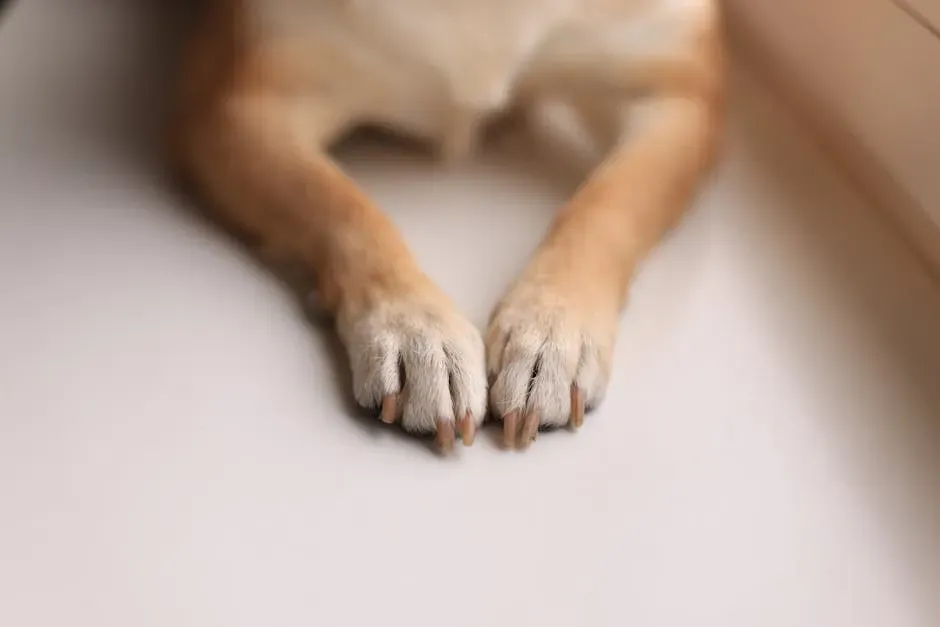
Most owners focus on fur and forget that paws are basically little billboards for movement problems. A canine physio never forgets. The first thing they clock is nail length and wear pattern – if one or two nails are worn down or chipped more than the rest, those toes are likely hitting the ground earlier or harder, a classic sign of subtle lameness or even neurological issues.
Dogs with weakening hind ends may drag the tips of their back paws, leaving telltale scuffs on specific nails. Even the direction the nails point matters, since twisted or rotated paws can signal long-term compensation happening higher up the limb. Physios also study how each paw plants – toes spread wide or clenched tight, turned in or out, weight sitting on the inner or outer edge. A dog that constantly stands with heels slightly lifted may be guarding painful hocks or stifles, while one leaning heavily on the inside edge of a paw might be protecting the opposite limb entirely. These tiny details are gold. But that’s nothing compared to what your physio picks up from #7.
Worth Knowing
- Uneven nail wear usually means uneven weight-bearing, not just careless trimming.
- Scuffed or dragged back-paw tips are a classic early sign of hind-end weakness.
- Twisted or rotated paws often reflect compensation happening higher up the leg.
- Lifted heels at rest can signal guarding around the hocks or stifles.
#7 – The Tail: Position, Movement, and the “Fake Happy” Wag
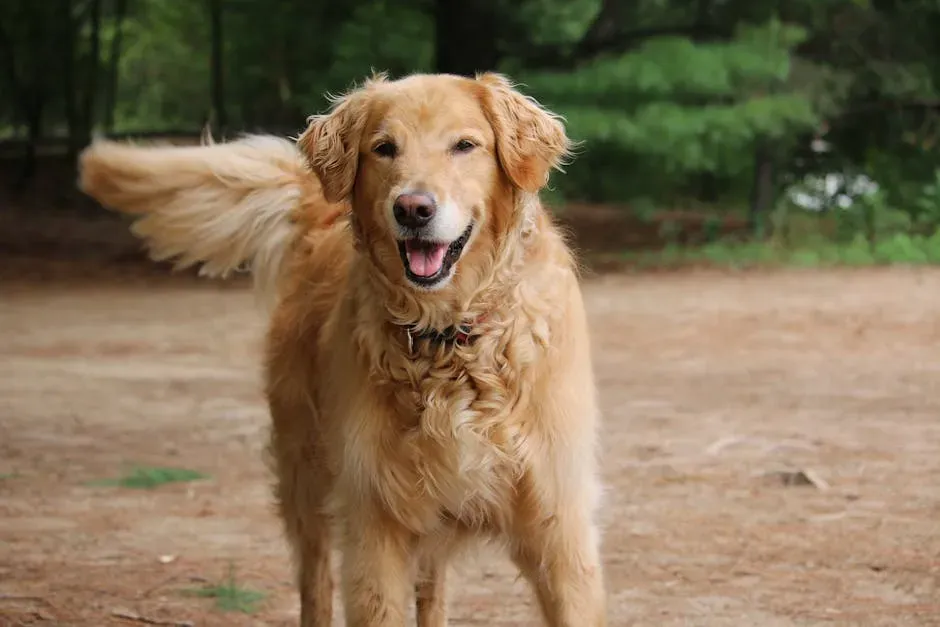
Most people only see wagging and think happy. Physios see the tail as a direct extension of the spine – a window straight into comfort or pain. They check how the tail is carried at rest first: a normally confident dog whose tail suddenly hangs lower or stays tucked, even in a friendly setting, might be guarding lower back or pelvic pain.
A tail that won’t lift above the topline, or one that only wags stiffly at the tip, often hints at discomfort along the spine or a previous limber tail episode. The base of the tail matters enormously, since that’s where a surprising amount of subtle pain and tension quietly hides. Physios also decode the wag itself – is it loose and full-body, or tight and choppy? Does the whole rear end move, or just the tip? Dogs can absolutely fake a happy wag when they’re stressed or sore, movement without any real relaxation behind it, and a trained physio catches that conflict almost instantly. But that’s nothing compared to what your dog’s face is giving away in #8.
#8 – Micro Facial Expressions and Pain Grimaces
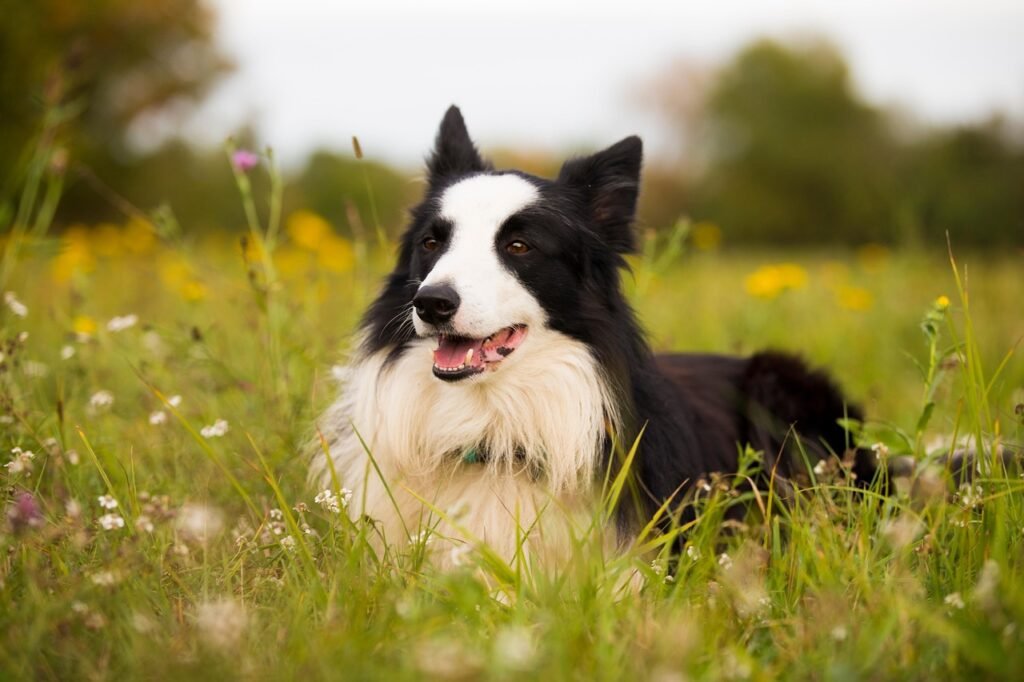
Before hands ever touch fur, a physiotherapist is reading the face like a book. You see “cute.” They see a tension map. They’re watching the eyes first – soft and blinking, or wide with the whites showing in little crescents, the classic “whale eye” look.
Dogs in pain often blink less, squint slightly, or hold a constant furrow above the eyes. The muzzle tells its own story too – tight lips, pulled-back corners, or wrinkles that shouldn’t be there can all signal pain, and some dogs lip-lick or yawn “out of nowhere” the moment a sore area is mentioned. Ears matter just as much, whether pinned back rigidly, flicking at every tiny sound, or moving differently from one another. A dog that looks away, freezes its face, then suddenly scratches or sniffs the floor may be showing displacement behavior – a polite way of saying “I don’t feel okay about this” long before a growl or snap ever happens. But that’s nothing compared to how they interpret #9.
#9 – Your Dog’s Breathing and Vocal Sounds
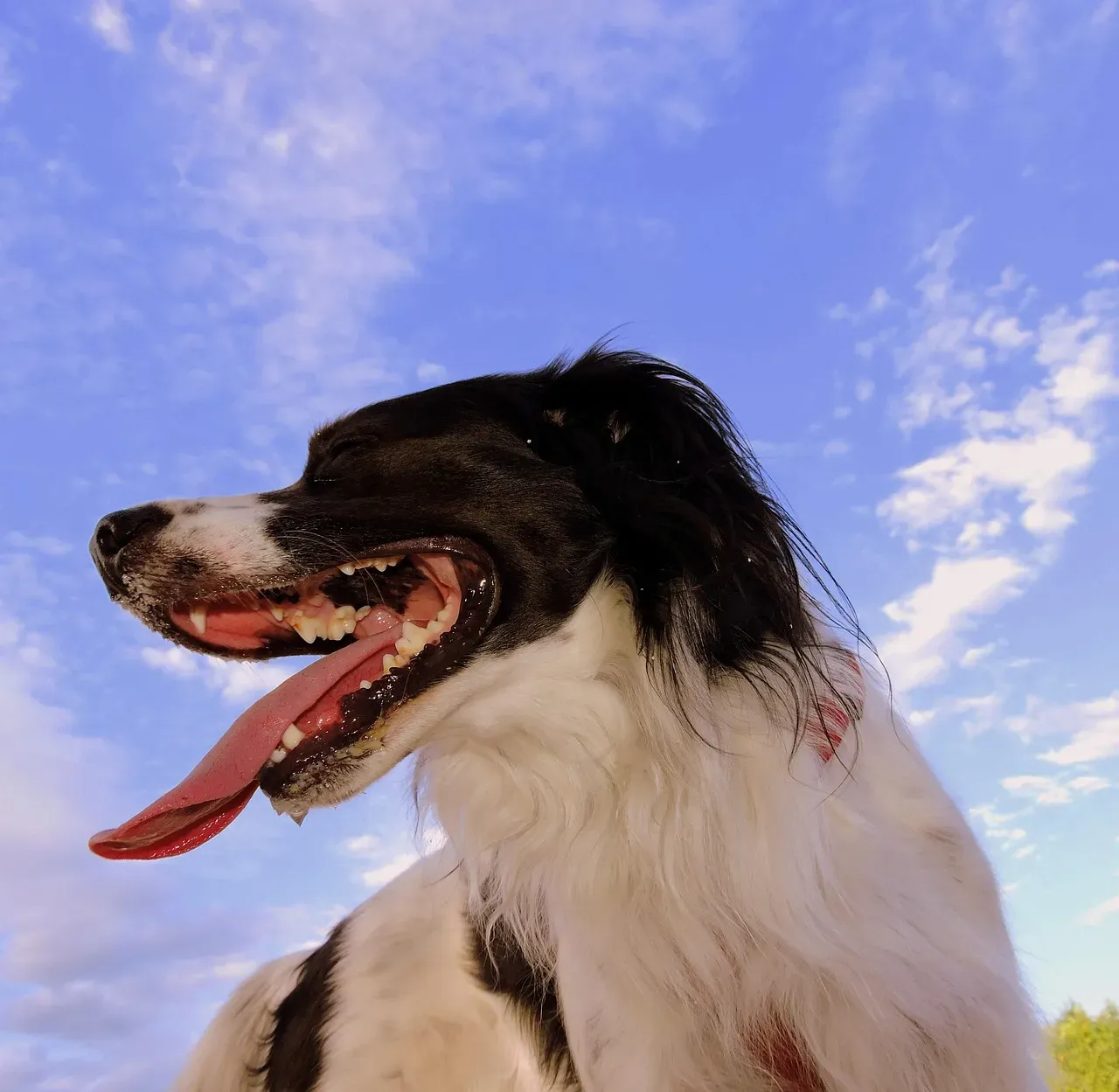
Most owners only react when a dog pants loudly or cries out. A canine physio is tuned into the quiet stuff you’ve long since stopped hearing. A relaxed dog breathes with a smooth, even rise and fall through the chest and abdomen.
A dog panting hard in a cool, calm room isn’t necessarily “just excited” – it might be masking discomfort, anxiety, or trying to offload pain through faster breathing. Shallow breaths with minimal rib movement can hint at thoracic stiffness or spinal issues, while heavy abdominal breathing can be a way of guarding sore intercostal muscles or the upper back. Then there are the small sounds most owners tune out entirely: a soft “oof” when sitting down, a whine when turning a certain way, a grunt when weight loads a specific limb. Even the timing is telling – a dog that only starts panting when you approach one particular side is giving away more than it ever could in a bark. But that’s nothing compared to what they learn from #10.
#10 – The Dog’s Reaction to Touch Before the Session Even Starts
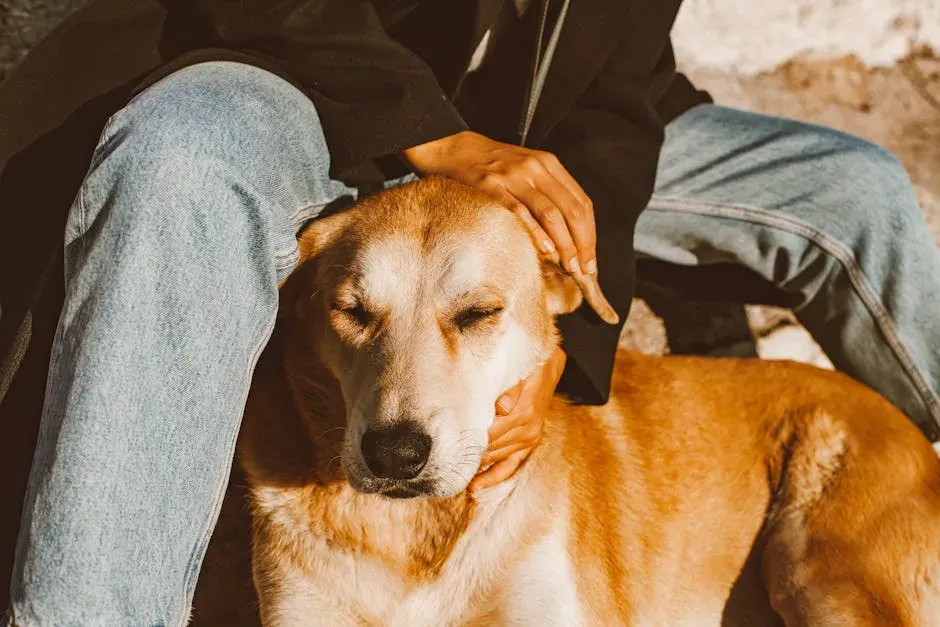
You might be busy filling out intake forms. The physio is quietly watching the first casual pat you give your dog. Plenty of dogs labeled as hating being brushed “there” or disliking hugs are actually guarding a genuinely painful zone.
If your dog flinches ever so slightly, licks your hand, then turns its head away when you stroke its lower back or hips, that’s a pain script – not attitude. A physiotherapist notices whether the dog leans into touch or subtly shifts away, and whether it tolerates firm pressure on one side but stiffens under the exact same pressure on the other. They’re also watching for skin twitching under light touch, sudden scratching or licking exactly where you just touched, or a quick burst of panting followed by freezing. These early reactions tell the physio precisely where to be gentle and where to dig deeper, because they know the real difference between “I’m ticklish” and “that actually hurts.” But that’s nothing compared to the story hiding in #11.
#11 – Behavior in the Waiting Room and Around Other Dogs
While you’re scrolling your phone in the waiting room, your physio is quietly running a full behavioral assessment in real time. They’re noticing whether your dog chooses to sit, stand, or lie down – and how often it changes position.
A dog that refuses to lie on a hard floor when it normally flops anywhere may be protecting sore joints, while one that lies down and pops back up every thirty seconds might simply be unable to stay comfortable in any single position. They also notice whether your dog leans against a wall, tucks itself under a chair, or presses against your legs for support. Interaction with other dogs is another huge clue – turning the whole body away to avoid them, suddenly growling if bumped near the hips or back, or becoming hyper-reactive in tight spaces. Many so-called “reactive” dogs are actually living with chronic pain and are simply terrified of being knocked or jostled, and a good physio will suspect this long before it’s ever labeled a behavior problem. But that’s nothing compared to what your own story reveals in #12.
Quick Compare
- Behavioral reactivity: shows up consistently, regardless of body contact.
- Pain-driven reactivity: flares specifically when bumped, jostled, or touched near a sore area.
- Behavioral avoidance: steers clear of other dogs no matter the distance.
- Pain-based avoidance: tolerates distance fine but reacts sharply to sudden contact.
#12 – What You Say (and Don’t Say) About Your Dog at Home
One of the most underrated tools a canine physiotherapist has isn’t a gadget – it’s your casual storytelling. The details you gloss over without a second thought are usually exactly where the gold is hiding.
When you offhandedly mention your dog “doesn’t do stairs anymore” or “takes a while to get going in the morning,” that’s huge information, and the physio is quietly matching it against everything they’ve already seen outside the clinic. Phrases like “he bunny-hops when he runs” or “she’s suddenly not jumping on the couch” aren’t cute personality quirks – they’re everyday adaptations to discomfort. They’re also listening for patterns: only stiff after long naps, worse after play but “fine” the next day, suddenly grumpy with kids or other dogs. What you don’t mention matters just as much – if you proudly say your ten-year-old is “still playing fetch for an hour every day,” a physio may quietly flag that as too much repetitive strain for an aging or compromised body. They’re not judging you. They’re decoding the whole life that built the dog standing in front of them. But that’s nothing compared to what they see in #13.
#13 – The Way Your Dog Uses Its Eyes and Head in the Room
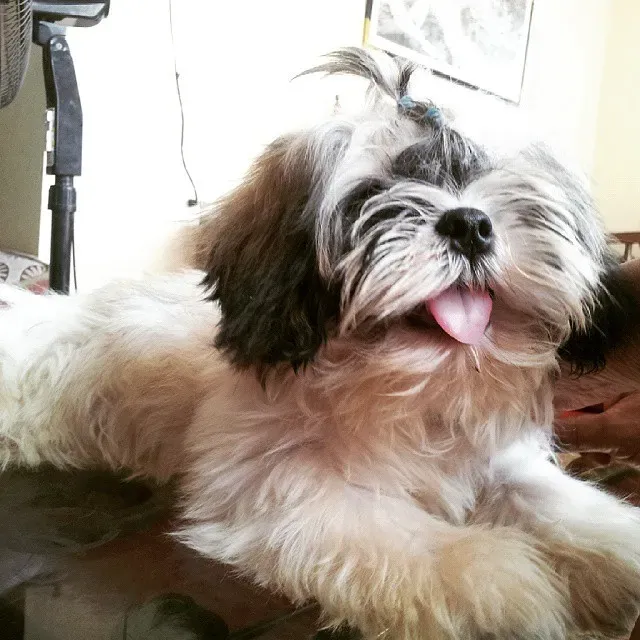
Eyes and head position aren’t just personality quirks – they’re a live readout of how comfortable the neck, back, and nervous system actually feel. A physio notices if your dog avoids turning its head fully to one side, instead rotating the whole body to look at something, which often hints at neck or upper back discomfort.
A dog constantly scanning the room and hyper-vigilant about every movement might just be anxious – but chronic pain can make any dog jumpier and less tolerant of surprise. If the eyes follow a treat but the head lags or turns in stiff, robotic segments, that’s another red flag worth noting. Physios also watch whether a dog tilts its head a lot or never at all, whether the eyes track smoothly or in short jerky bursts, and whether it prefers keeping one side of its body angled toward the room while protecting the other. Even how quickly a dog notices something drop on the floor says something about vision, neck mobility, and overall body awareness. But that’s nothing compared to the final piece they check in #14.
#14 – Overall “Body Confidence” and How Your Dog Handles the Space
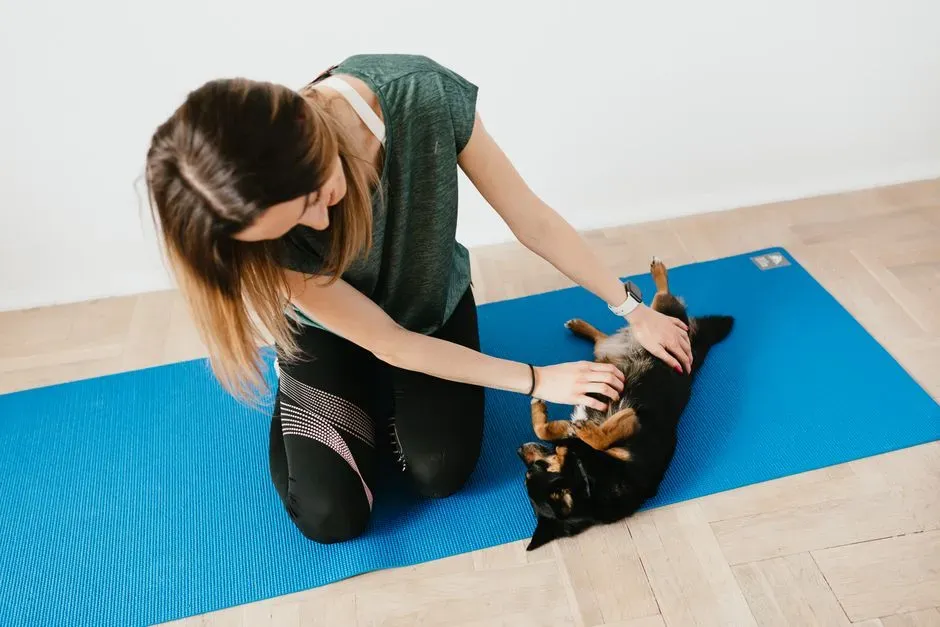
Before your dog is anywhere near the table, a good physio has already silently asked: how confident is this body in the world? It isn’t about bravery – it’s about physical competence, and it shows in how a dog navigates doorways, corners, and changes in flooring.
A dog that slams on the brakes at a shiny surface or tight doorway might not simply be “weird about floors” – poor proprioception and joint pain can make certain surfaces feel genuinely unsafe underfoot. Dogs that cut wide around corners may be avoiding tight turns that twist sore joints or strain a stiff spine, and clumsy dogs that bump into furniture or misjudge small steps are often dealing with more than just “goofy energy.” Physios also watch how quickly a dog adjusts to new obstacles, whether it confidently steps onto a mat or needs coaxing, and whether it moves low and crouched or tall and relaxed. This overall movement confidence tells the physio exactly how hard your dog’s nervous system is working just to do the “simple” things. By the time the table comes into play, they’re not guessing anymore – they’re confirming what they already suspected.
At a Glance
- Confident dogs step onto new or shiny surfaces without hesitation.
- Balking at doorways or floors can point to joint pain or poor proprioception.
- Wide cornering often reflects an instinct to protect a stiff spine or sore joints.
- Bumping into furniture or misjudging steps is sometimes a mobility clue, not just clumsiness.
The Bottom Line
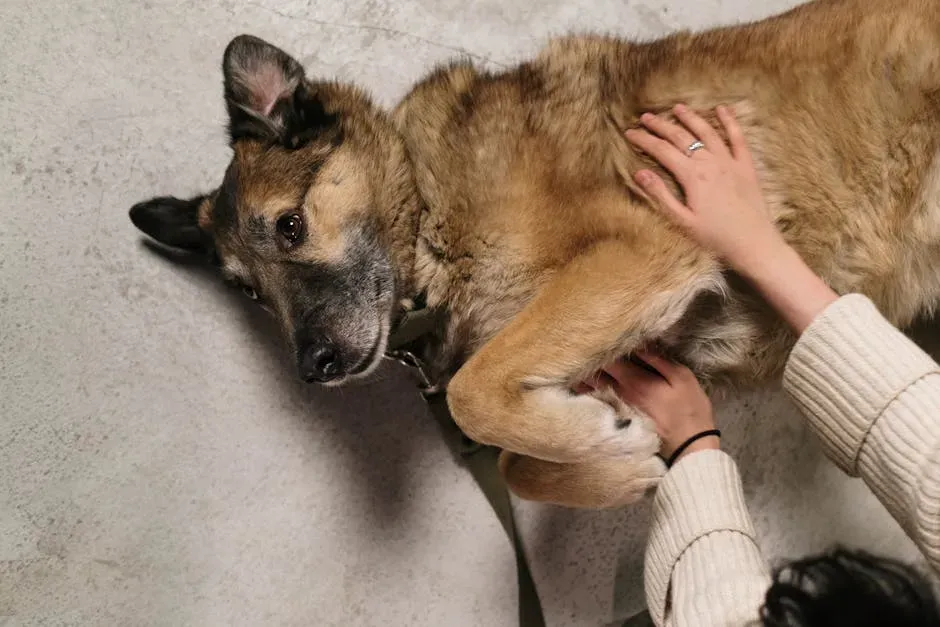
By the time your dog reaches the table, a switched-on canine physiotherapist has already built a layered, evidence-based picture from dozens of tiny details you barely registered. The jump out of the car, the sloppy sit you thought was just cute, the fake-happy tail wag that never quite reaches the spine – it all stacks up into a story of compensation, comfort, or quiet suffering.
Here’s the uncomfortable opinion: most “sudden” mobility problems aren’t sudden at all. The body has usually been whispering for months, and most of us simply weren’t trained to listen. Once you know what a physio is noticing, though, you can start catching those whispers yourself – and act while it still matters.
So here’s the real question worth sitting with: what’s the one thing your dog does that you’ve always written off as “just them” – and now you’re wondering if it was never a quirk at all.