
13 Things a Dog Remembers About a Car Journey It Took Only Once
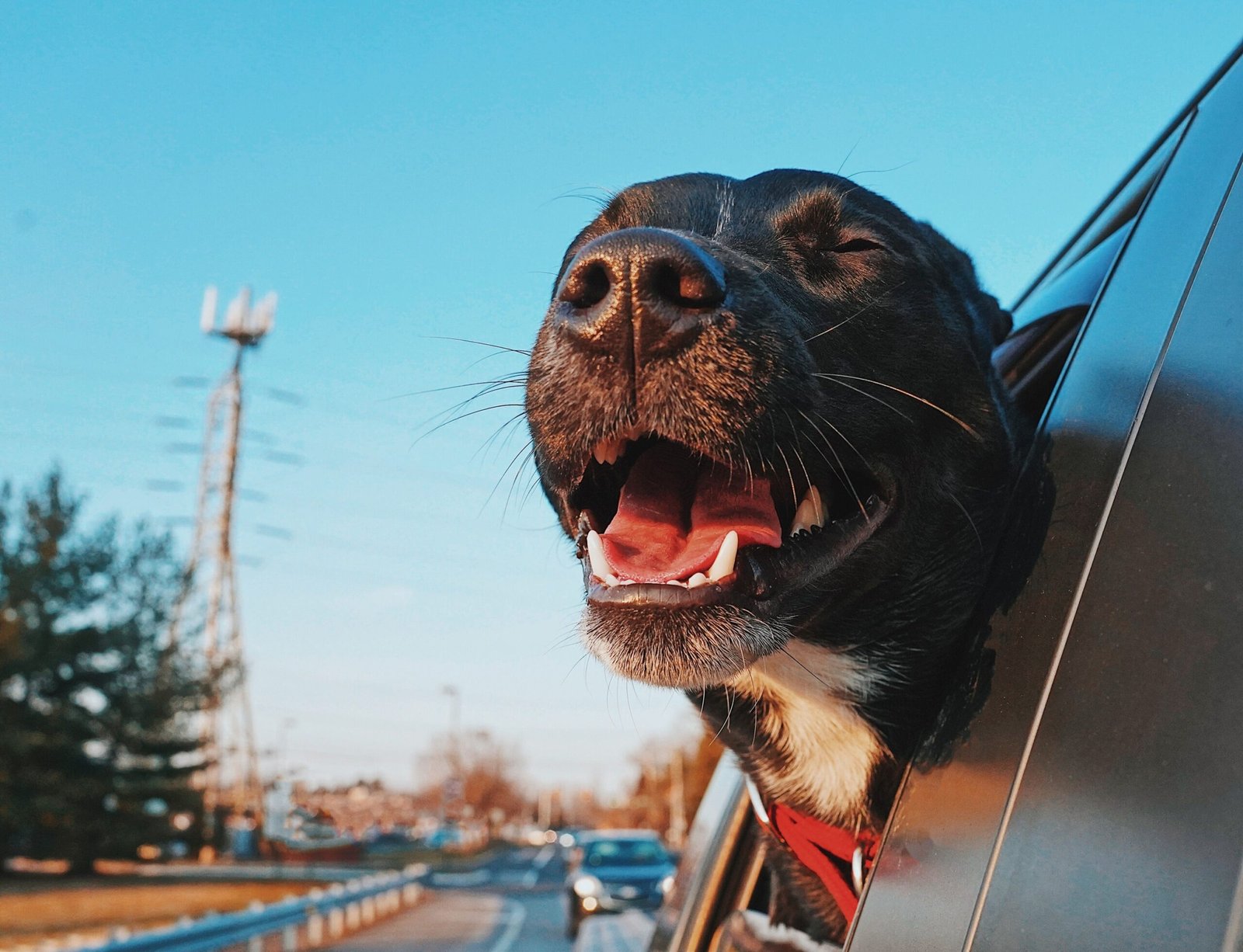
You’d assume a single car ride disappears from your dog’s mind by dinnertime – filed away with yesterday’s squirrel sighting and forgotten just as fast. That assumption is wrong, and the science behind why is stranger than most owners expect.
Neuroscientists studying canine cognition have found that dogs encode single, emotionally-charged events into what researchers call “episodic-like memory.” A five-minute drive to an unfamiliar place can leave a mental imprint that lingers for months, sometimes years. The nose, the inner ear, the nervous system – they’re all quietly filing away data points most owners never notice. Here’s what actually happens inside a dog’s brain during that “one-time” car trip, and why it matters more than you’d think.
#1 – The Exact Smell of the Car’s Interior
A dog doesn’t just notice a car – it inhales an entire chemical fingerprint of it in seconds. Dogs carry between 220 and 300 million olfactory receptors, compared to a human’s roughly 5 to 6 million. That gap means the vinyl, the last passenger’s shoes, and the faint trace of fast food wrappers all become permanently catalogued information.
Because a dog’s brain devotes a far greater share of its processing power to smell than ours does, the car’s interior odor profile gets logged with a level of precision most owners would find unsettling. That smell memory doesn’t fade the way a visual memory might. It sits ready to be triggered the next time the dog catches even a faint trace of it.
While most owners think a rental car or a friend’s SUV is a “neutral” space, many behaviorists now argue there’s no such thing as a neutral car to a dog. Every vehicle gets tagged with an emotional and sensory label the moment paws touch the seat. But that’s nothing compared to what we found about #2.
Fast Facts
- Dogs have 220 to 300 million scent receptors versus a human’s 5 to 6 million.
- A disproportionate share of the canine brain is dedicated to processing smell alone.
- Odor memories tend to stay sharp far longer than visual ones.
- There’s no such thing as a truly “neutral” vehicle from a dog’s perspective.
#2 – The Specific Scent Left Behind by the Destination
It’s not just the car – it’s what came home in the car with the dog. A single trip to a groomer, vet, or kennel leaves behind trace scent markers that get filed alongside the ride itself.
Because scent and memory formation are neurologically intertwined, a dog doesn’t need repetition to build the association. Researchers point to a three-part circuit – the amygdala, olfactory bulb, and hippocampus – that fires together during a single novel car trip. The amygdala handles the emotional charge, the olfactory bulb processes the odor, and the hippocampus locks the memory in place.
This is why a dog can walk past a groomer’s van a year later and suddenly tuck its tail, even if it’s never physically been inside that specific vehicle. Scent connects directly with memory and visual processing in a dog’s brain, meaning smells can trigger recall of entire past experiences. The destination’s scent essentially rides shotgun in the dog’s memory long after the trip ends.
Most owners never realize that a single unpleasant smell – antiseptic, another animal’s fear pheromones, or cleaning chemicals – can become the entire emotional label for that car ride. That single-exposure tagging is far more powerful than most training guides admit. But #3 gets even stranger.
#3 – Your Own Stress Chemistry During the Ride
Dogs don’t just watch their owners – they smell them, continuously, and that includes the biochemical signature of anxiety. A single tense drive to a new destination can imprint the owner’s own nervous energy as part of the memory.
This isn’t speculation dressed up as science. Studies on the amygdala’s role in canine scent discrimination suggest there’s a real emotional component to how dogs sense their environment. If an owner is gripping the wheel anxiously because it’s the dog’s first ride to an unfamiliar vet or a new home, that tension becomes part of the sensory package the dog stores.
Here’s the part that surprises most people: the dog may not even remember the destination as clearly as it remembers how nervous its person smelled and sounded getting there. That single data point can shape whether future car rides trigger calm or unease, regardless of how the actual destination turns out.
Many trainers now argue that owners cause more one-trip car anxiety than bad vet visits ever do. It’s a controversial claim, but one backed by how tightly scent and emotional state are wired together in canine cognition. Wait until you see what #4 reveals about something as simple as jingling keys.
#4 – The Predictive Sound That Started It All
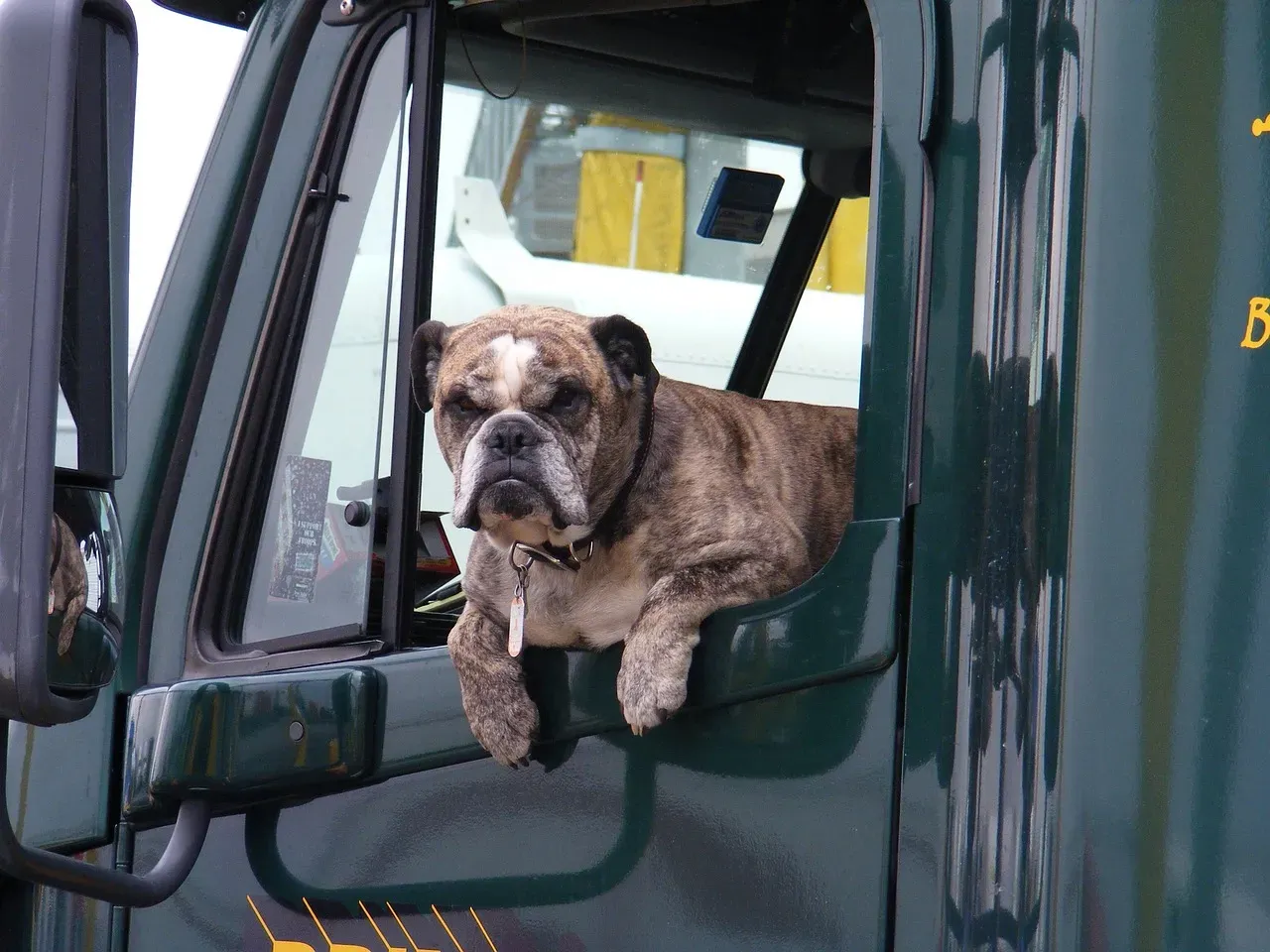
Long before the engine turns over, a dog has already begun building a memory chain – and it often starts with a sound as small as keys hitting a countertop. A single ride is enough to plant that auditory cue as a forecasting tool.
Anxiety can start the moment a dog sees the car door open, or even earlier, when it sees its owner pick up the keys. Dogs don’t wait for the car ride to begin forming memory – they start predicting the outcome the instant a precursor sound occurs.
This is classical conditioning at work, a Pavlovian process where one stimulus becomes linked to another. A single trip with a strong emotional outcome, good or bad, is often all it takes to wire the key jingle to a specific expectation.
Most people assume it takes weeks of repetition to condition a dog’s response, but one emotionally loaded event can be enough. That’s a controversial point among casual pet owners who think “it was just one trip” – behaviorists disagree entirely. Next, the actual physical sensation of the ride tells an even bigger story.
#5 – The Motion Pattern of That Specific Drive
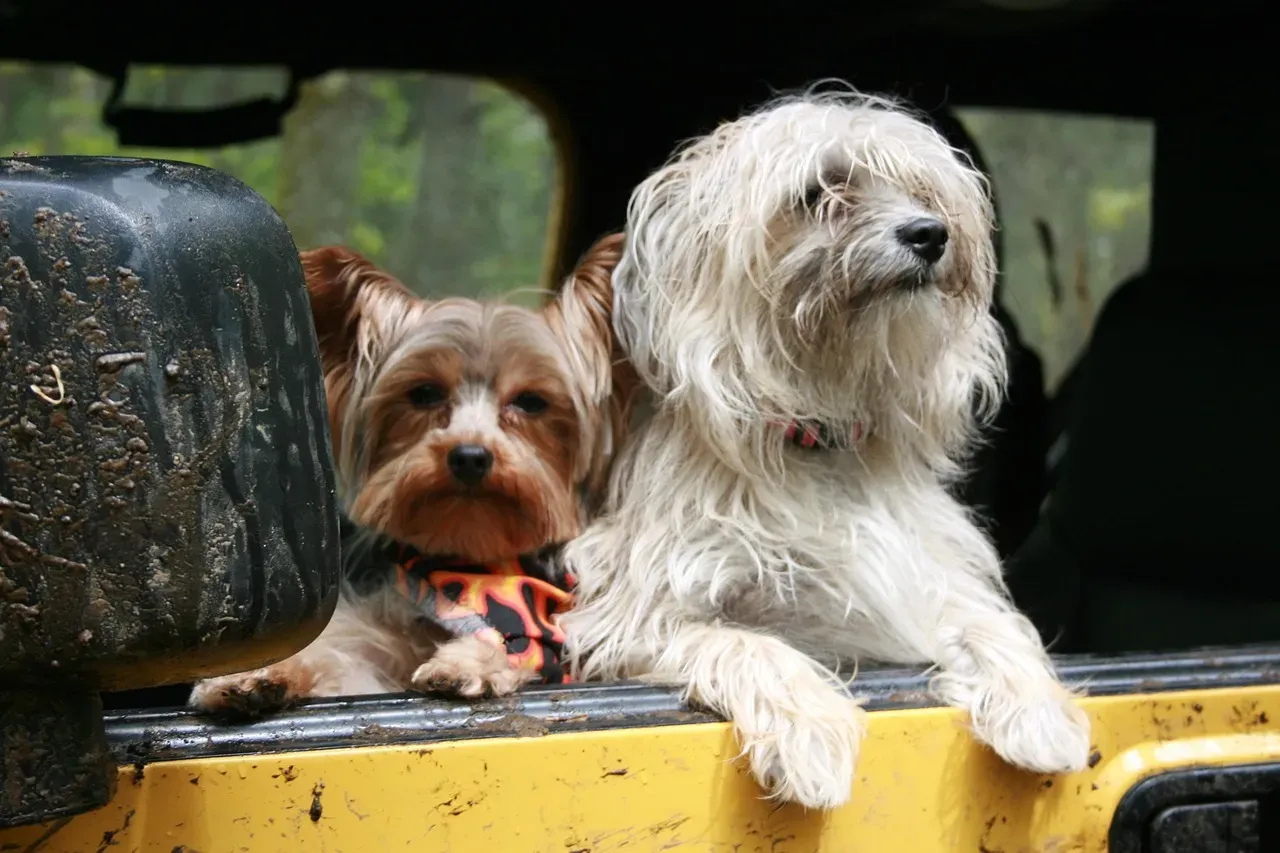
Every car has its own rhythm – the way it takes corners, brakes at lights, or accelerates onto a highway – and a dog’s inner ear logs every bit of it. This isn’t abstract; it’s rooted in basic vestibular biology.
Physical motion sickness stems from the vestibular apparatus in the inner ear, the area responsible for controlling balance. That same portion of the inner ear also feeds the brain region responsible for nausea and vomiting. A single rough or unusually long ride can create a lasting negative association tied specifically to that motion pattern, not just the car itself.
The wildest part: puppies are especially vulnerable to this because their balance systems aren’t finished developing yet. The vestibular apparatus consists of three fluid-filled semicircular canals that, in young dogs, simply aren’t calibrated for the sensory chaos of highway speeds and sharp turns.
So while adults often shrug off one bumpy ride, a puppy’s very first car trip can become the template for how it feels about every ride afterward. That single physical experience – not training, not repetition – quietly shapes years of future behavior. But #6 shows how even the view outside contributes to that same memory.
#6 – The Conflicting Visual Signals Outside the Window
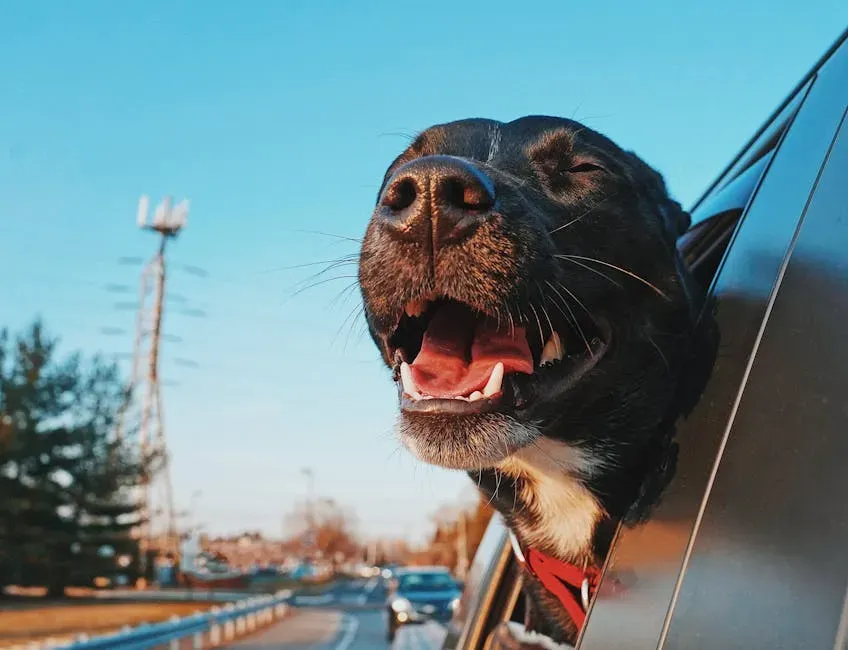
A dog’s eyes and inner ear don’t always agree, and that disagreement gets stored as part of the memory of the ride. This mismatch is the literal mechanical cause of motion sickness.
When the sensory signals reaching the brain from the eyes don’t match the signals reaching the brain from the vestibular system, that mismatch triggers nausea and discomfort. A dog watching a blur of trees and guardrails zip past while its body feels stationary in the seat experiences a genuine internal conflict, one its brain doesn’t forget quickly.
A dog’s sense of balance can get disrupted simply because it sees scenery whizzing by while sitting still, and the inner ear’s sensory organ signals distress straight to the brain. That single conflicting sensory event, especially on a first trip, becomes a powerful negative marker.
This is why some dogs seem “fine” in a stationary car but panic the moment it starts moving. The memory isn’t of the vehicle – it’s of that specific mismatch sensation. Owners often misread this as fear of the car itself, when it’s really a physiological memory of confusion. Here’s where things get emotionally complicated at #7.
Worth Knowing
- Motion sickness comes from a mismatch between what the eyes see and what the inner ear feels.
- Puppies are more susceptible because their vestibular systems are still developing.
- A dog can be perfectly relaxed parked and still panic once the car starts moving.
- This reaction is often mistaken for fear of the vehicle rather than sensory confusion.
#7 – Whether the Trip Ended Well or Badly
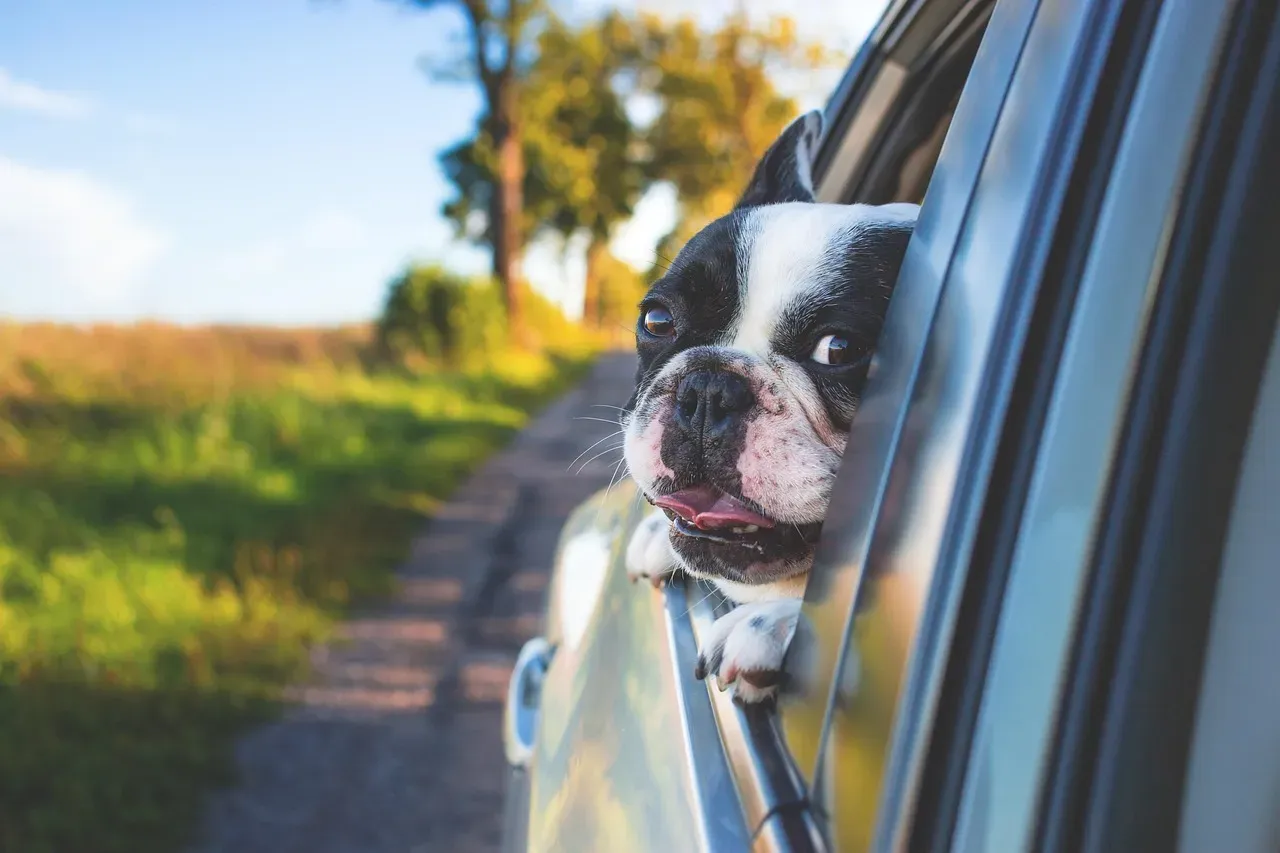
This is arguably the single most important variable on this entire list, and it’s not close. A car ride that ends at the vet versus one that ends at a park creates two completely different emotional templates from just one exposure.
If the only time a dog gets in the car is to go to the vet, it has learned exactly one thing about car rides: nothing good happens next. The trembling, drooling, and desperate attempts to escape aren’t the dog being difficult – they’re a perfectly logical prediction based on the data it’s been given.
The car doesn’t scare a dog. What the car has always led to – that’s what scares a dog.
Common refrain among veterinary behaviorists
For many dogs the pattern is brutally simple: car means vet, and vet means needles, thermometers, and being handled by strangers. After just a few repetitions the dog doesn’t need to arrive at the clinic to feel anxious – and behaviorists increasingly acknowledge that even a single traumatic outcome can start that chain.
A slightly controversial take gaining traction among trainers: taking a puppy’s very first car ride straight to the vet may be one of the worst mistakes new owners make, because that single trip sets the emotional tone for years of future rides. But even destinations aside, the actual noises along the way matter more than most people think – that’s #8.
#8 – The Ambient Noise Along the Route
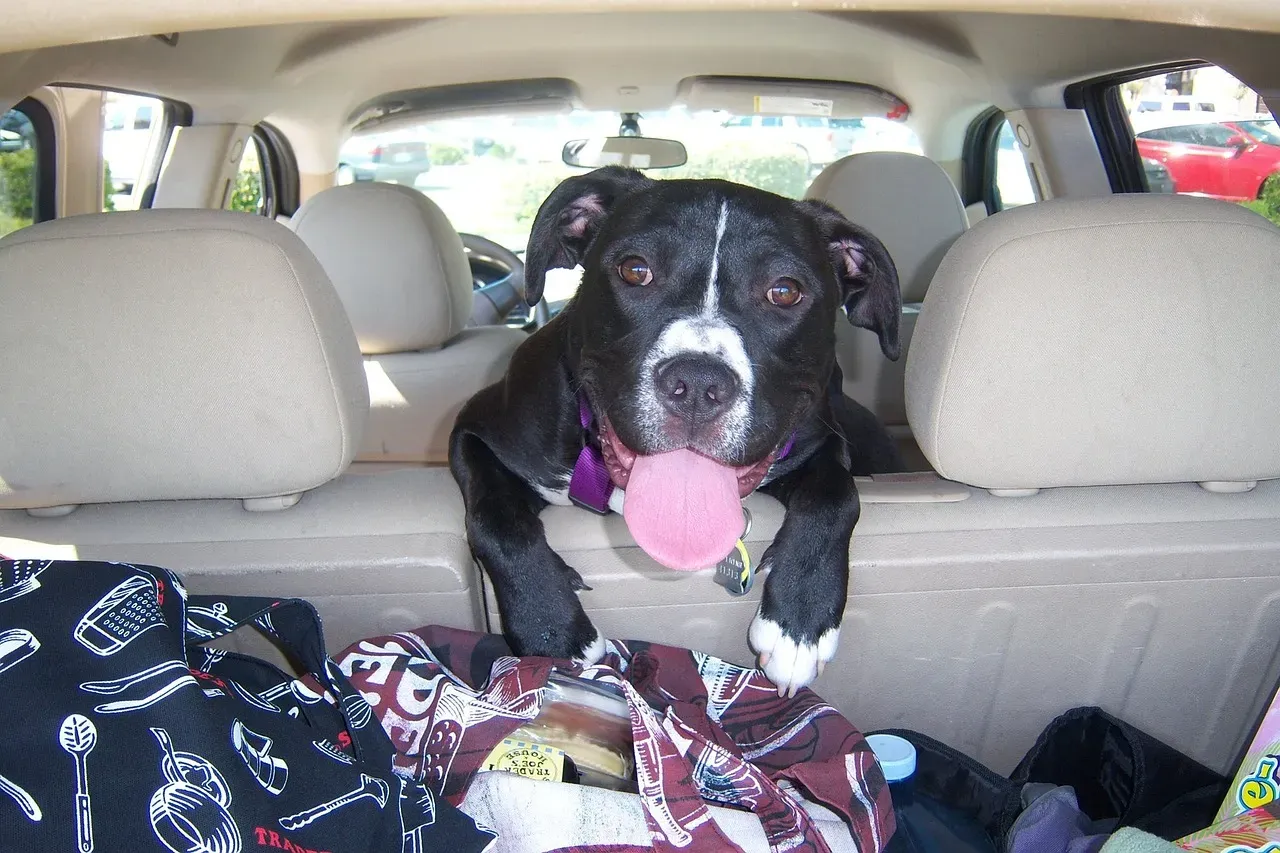
Sirens, honking, other dogs barking from passing cars, the specific hum of highway versus side-street driving – a dog’s memory of a single trip includes an entire soundtrack, not just a destination. These background sounds become woven into the overall emotional impression of that specific journey.
A ride through a noisy urban route with sudden braking and honking horns creates a fundamentally different memory than a quiet country road, even if the destination is identical. Dogs don’t compartmentalize “the drive” separately from “the noise” – it’s all one continuous sensory experience logged together.
This matters because a single loud, chaotic ride can make a dog anxious about car travel in general, even if the specific destination was pleasant. Owners frequently misattribute this anxiety to the car itself, missing that it was actually the unpredictable auditory chaos of that one trip that got encoded as the stressful part.
Many trainers now recommend that the first several rides a puppy takes should be on quiet, low-traffic routes specifically because that early noise memory is so persistent. It’s a small detail most new owners never consider before that first drive. Next up, the tone of every voice in the car plays its own surprising role.
#9 – The Tone of Voice Used During the Ride
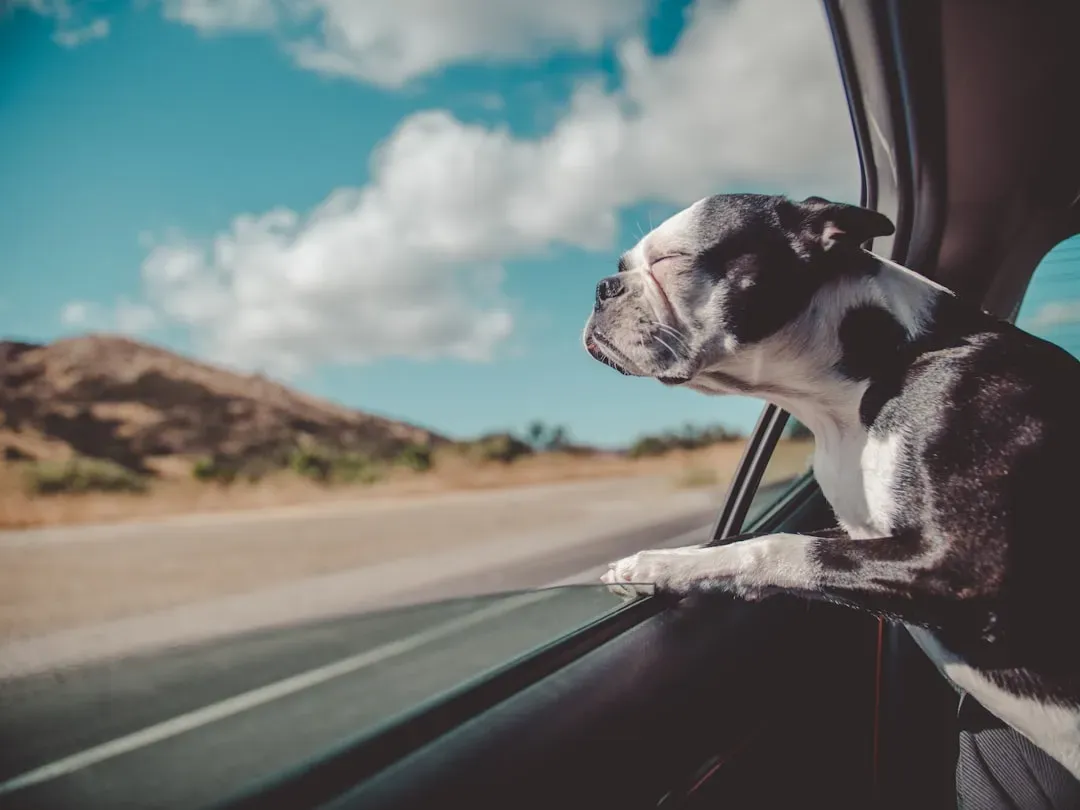
Dogs are extraordinarily tuned to vocal tone, and a single car ride filled with tense, sharp, or frustrated voices leaves an imprint separate from anything visual or scent-based. A calm voice during a first trip can meaningfully shift how the entire experience gets filed away.
This lines up with what desensitization training emphasizes. Desensitization exposes a dog to the car gradually at a level it can comfortably handle, while counter-conditioning changes the dog’s emotional response by pairing the car with things it loves. Voice tone functions as one of those pairing tools, whether intentionally used or not.
If an owner raises their voice out of frustration during a single chaotic first drive – say, a puppy having an accident in the back seat – that emotional spike becomes part of the permanent record of “what car rides sound like.” This is one of the most overlooked variables in early car training, and it’s entirely avoidable.
A genuinely controversial opinion here: scolding a dog during or immediately after a car ride, even for a legitimate mess, may do more long-term damage to that dog’s relationship with vehicles than the mess itself ever could. Most owners have no idea they’re doing this. But the physical restraint used during that ride tells its own story too.
Quick Compare
- Calm, steady voice: filed as “safe,” reinforces relaxed future trips.
- Tense or raised voice: filed as a stress marker tied to the whole ride.
- Scolding after a mess: risks lasting resistance to travel, not just the behavior.
#10 – The Feel of the Harness, Crate, or Seatbelt Used
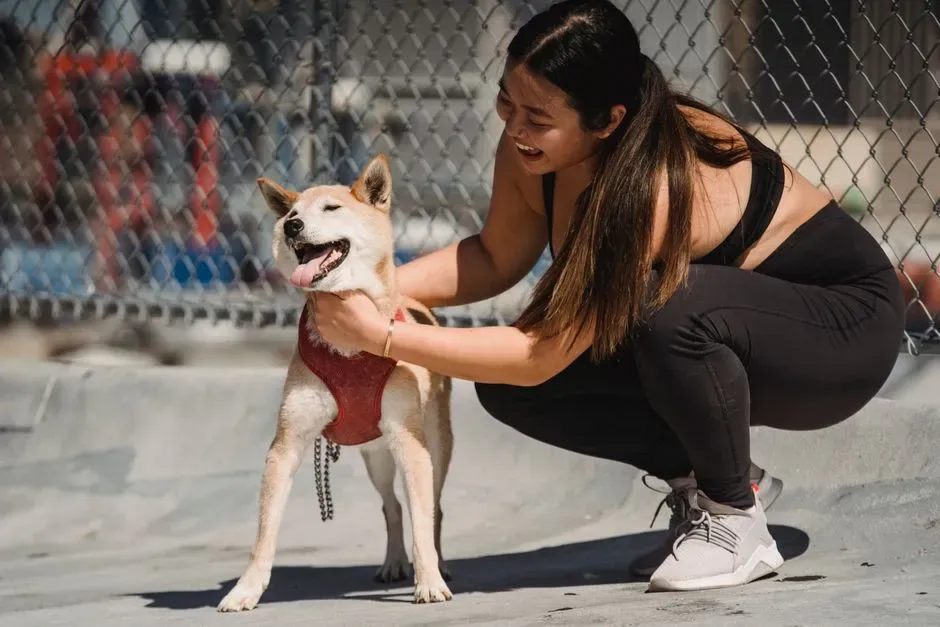
Physical restraint sensations get logged just as thoroughly as sounds and smells. A single uncomfortable experience with a harness or crate can create lasting resistance to that specific piece of gear, or to car travel altogether.
Behaviorists working with anxious dogs consistently point to gradual, positive exposure as the antidote, precisely because negative first exposure is so sticky. The main strategies used to get a dog comfortable with the car are desensitization and counter-conditioning, both healthy techniques that avoid punishment and help a dog feel safe. That guidance exists specifically because a single poorly-managed restraint experience can undo months of otherwise positive car exposure.
A dog that struggles against an ill-fitting harness during its very first ride may generalize that discomfort to car travel as a whole, not just to that specific piece of equipment. This is a subtle but significant memory component many owners overlook entirely, assuming the dog’s resistance is about the car when it’s actually about the gear.
Getting harness fit right before that first trip isn’t a minor detail. It may be one of the most consequential five-minute preparations an owner can make. From here, something as simple as temperature inside the cabin plays a bigger role than most expect.
#11 – The Temperature and Airflow Inside the Cabin
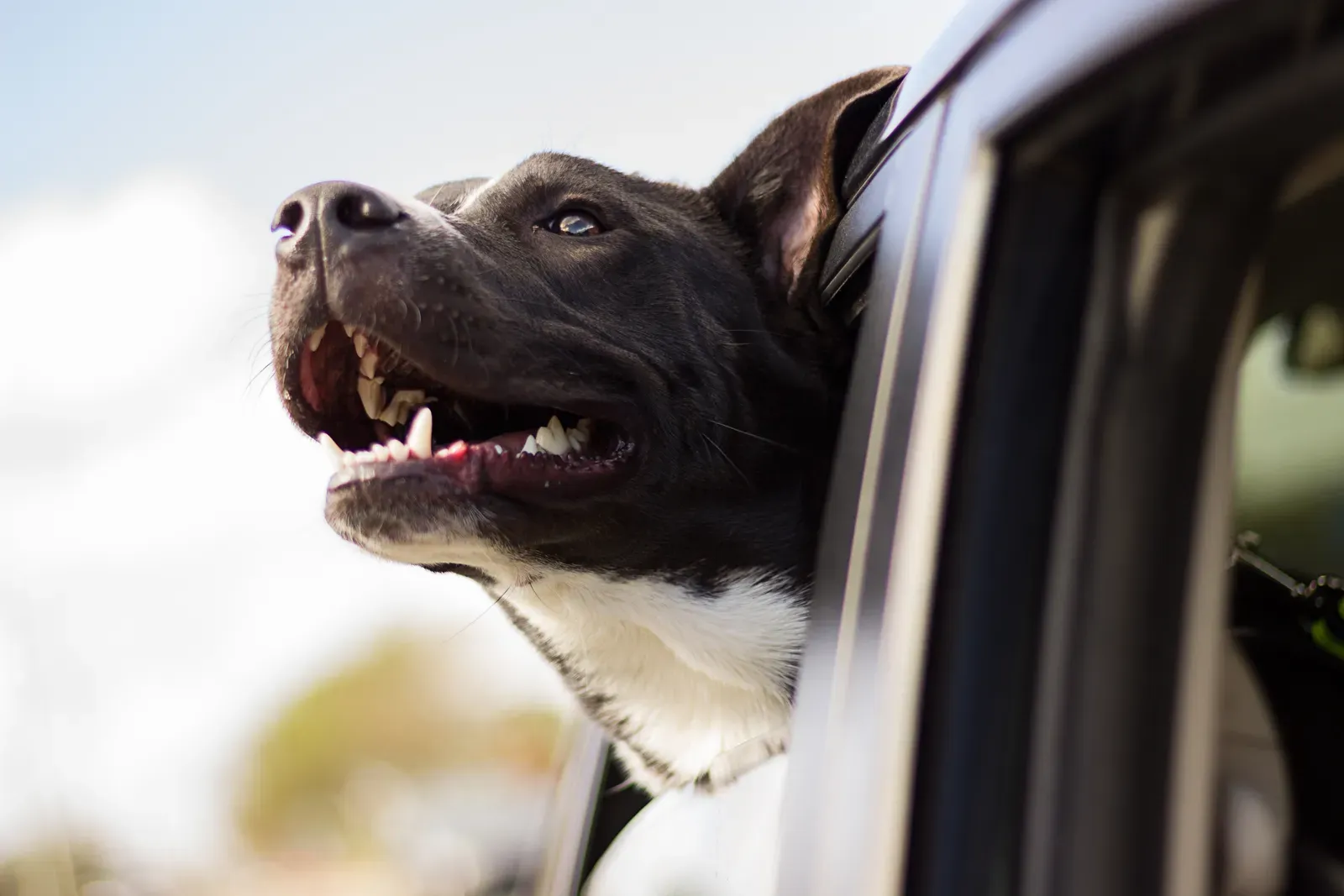
A stuffy, overheated cabin or a blast of cold air conditioning during a single ride becomes part of the sensory memory tied to that trip. Dogs are remarkably sensitive to these environmental shifts given their limited ability to regulate temperature through panting alone.
A single overly warm ride, even a short one, can create genuine physiological stress that gets bundled into the dog’s overall impression of car travel. Because thermal discomfort activates the same general stress response system as fear, the brain doesn’t always distinguish cleanly between “I was scared” and “I was uncomfortably hot” when filing the memory.
This is especially relevant for short-nosed breeds and older dogs, who struggle more with temperature regulation. For them, a single poorly-ventilated ride can become disproportionately memorable compared to a healthy adult dog’s experience of the same conditions.
Most owners obsess over safety restraints and destination but rarely think about cabin temperature as a memory-shaping factor – yet it may matter just as much as anything else on this list. A cracked window and a few minutes of pre-cooling the car before a first trip costs nothing and prevents an entirely avoidable negative imprint. Up next, something dogs actually look forward to changes the entire equation.
#12 – Whether Treats or Rewards Were Part of the Ride
A single car ride paired with high-value treats creates one of the fastest and most durable positive associations a dog can form. Trainers rely on this precisely because it works so reliably from minimal repetition.
Counter-conditioning changes a dog’s emotional response by pairing the car with things it loves, such as food, toys, games, or training sessions. The operative detail here is how little it takes – a single well-timed treat sequence during a first ride can meaningfully offset an otherwise neutral or mildly uncomfortable experience.
Short drives to enjoyable destinations help build confidence and enthusiasm for travel, and that enthusiasm often traces back to a single formative trip rather than dozens of repeated ones. This is why professional trainers almost universally recommend treats during a dog’s very first few rides. It’s not a nicety, it’s active memory engineering.
A mildly controversial but increasingly common trainer opinion: skipping treats on a dog’s first car ride is a wasted opportunity that many owners regret only after anxiety has already taken root. That single missed chance to build a positive association can be far harder to correct later than to prevent early. Now, the single most powerful memory of all ties every other item on this list together.
#13 – The Entire Destination as One Complete Memory
This is the big one, and it’s backed by genuinely striking research. Dogs don’t just remember fragments of a car ride – they can recall the entire complex event as a unified episode, even when they had no reason to expect they’d need to remember it later.
The existence of episodic memory in non-human animals is still debated, but a fundamental feature of it is recalling information after incidental encoding, tested when the recall itself is unexpected. Researchers testing this in dogs found something remarkable: dogs recall past events as complex as human actions even when they don’t expect a memory test, offering real evidence for episodic-like memory and making dogs an ideal model for studying memory of complex, context-rich experiences.
This isn’t limited to lab settings either. The vast majority of dogs, according to owner reports, remember past events, including single-occurrence events that happened years earlier, often diverse moments involving interaction with an animal or person. These memories tend to resurface when current external stimuli overlap with the original experience.
In other words, a single car ride to somewhere unfamiliar isn’t a forgettable blip. It’s a complete, retrievable episode sitting in the dog’s memory, waiting for the right smell, sound, or route to bring it rushing back months or years later. That’s a genuinely humbling thought the next time you assume your dog “won’t remember” a one-off trip.
Why It Stands Out
- Episodic-like memory is tested precisely when a dog doesn’t expect to be quizzed on it.
- Most owner-reported memories involve single, unrepeated events, not routines.
- A matching smell, sound, or scene can bring a years-old memory rushing back.
- Dogs are considered a strong model species for studying complex, real-world memory.
The Bottom Line
Dogs are not passive passengers logging nothing. A single car ride bundles scent, sound, motion, temperature, restraint, and emotional tone into one retrievable memory that can shape behavior for years afterward.
The most surprising takeaway from all of this is that dogs don’t need repetition to learn. One emotionally loaded trip is often enough, whether that trip ends at a park or on a vet’s exam table. I’d argue that’s the part most owners get wrong – we treat the car as a neutral box on wheels, when to a dog it’s a five-senses event that gets written down in permanent ink.
Owners who treat “just one ride” as inconsequential are, according to the science, making a costly assumption. The good news is that the same mechanism cuts both ways – one great first ride, done right, can build a lifetime of relaxed car trips just as easily as one bad ride can wreck it. What’s your dog’s strangest one-time car memory? Drop it in the comments – we want to hear the story.