
13 Tiny Daily Routines a Dog Builds Around One Person Without Anybody in the House Noticing
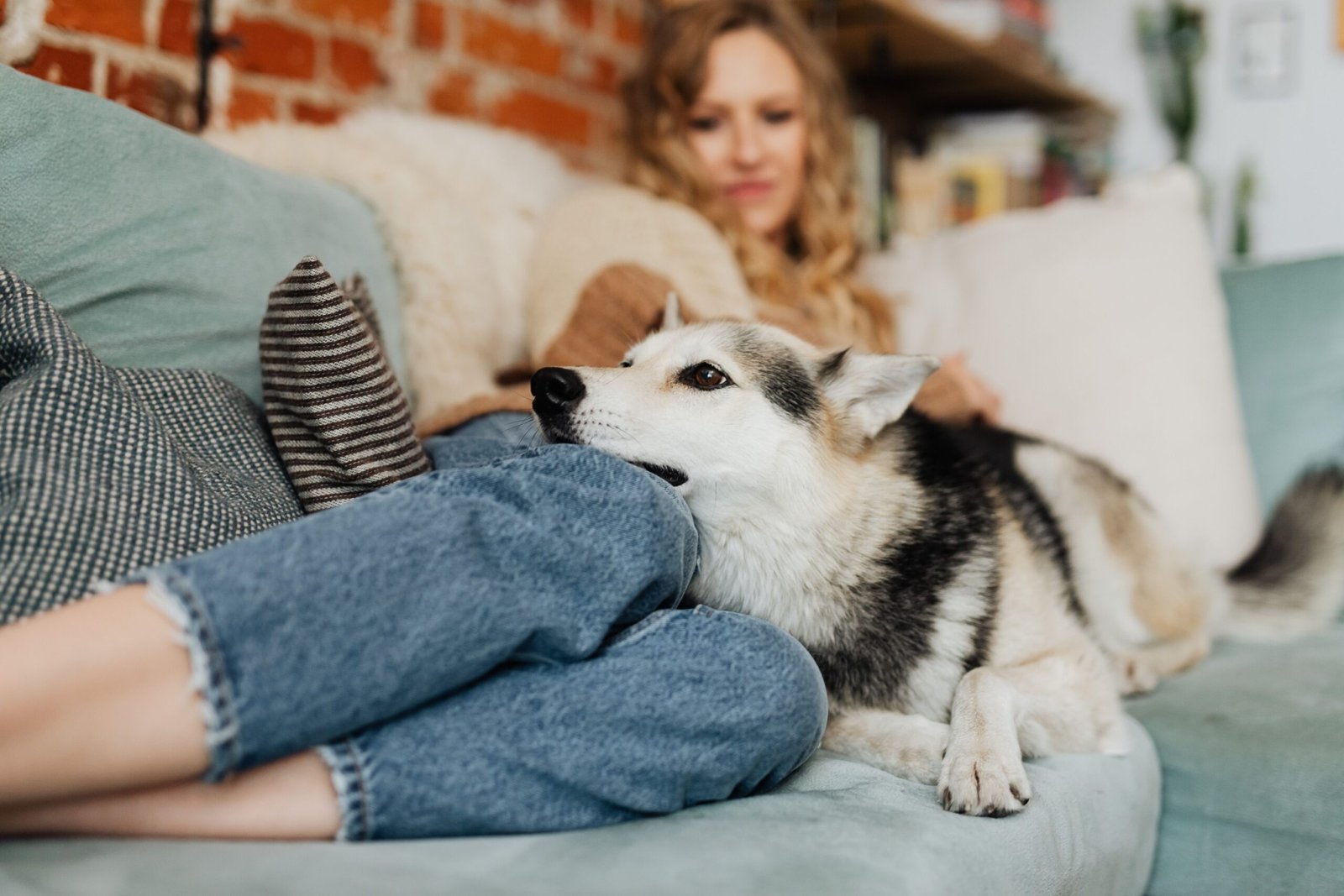
Most people swear their dog loves the whole family equally. Dog behaviorists who actually study attachment will tell you that’s mostly a comforting myth. In reality, most dogs quietly pick one favorite human and build an entire secret schedule around them – the wake time, the walking path, the exact smell of your hoodie, the sigh you make right before standing up.
Nobody else in the house ever clocks it, because each ritual is too small and too “normal-looking” to register as anything but a dog just being a dog. But once you know what to look for, you’ll never watch your dog the same way again – and by the time you reach #13, you’ll probably wonder how you missed it for years.
#1 – The Silent Morning Check-In at Your Door
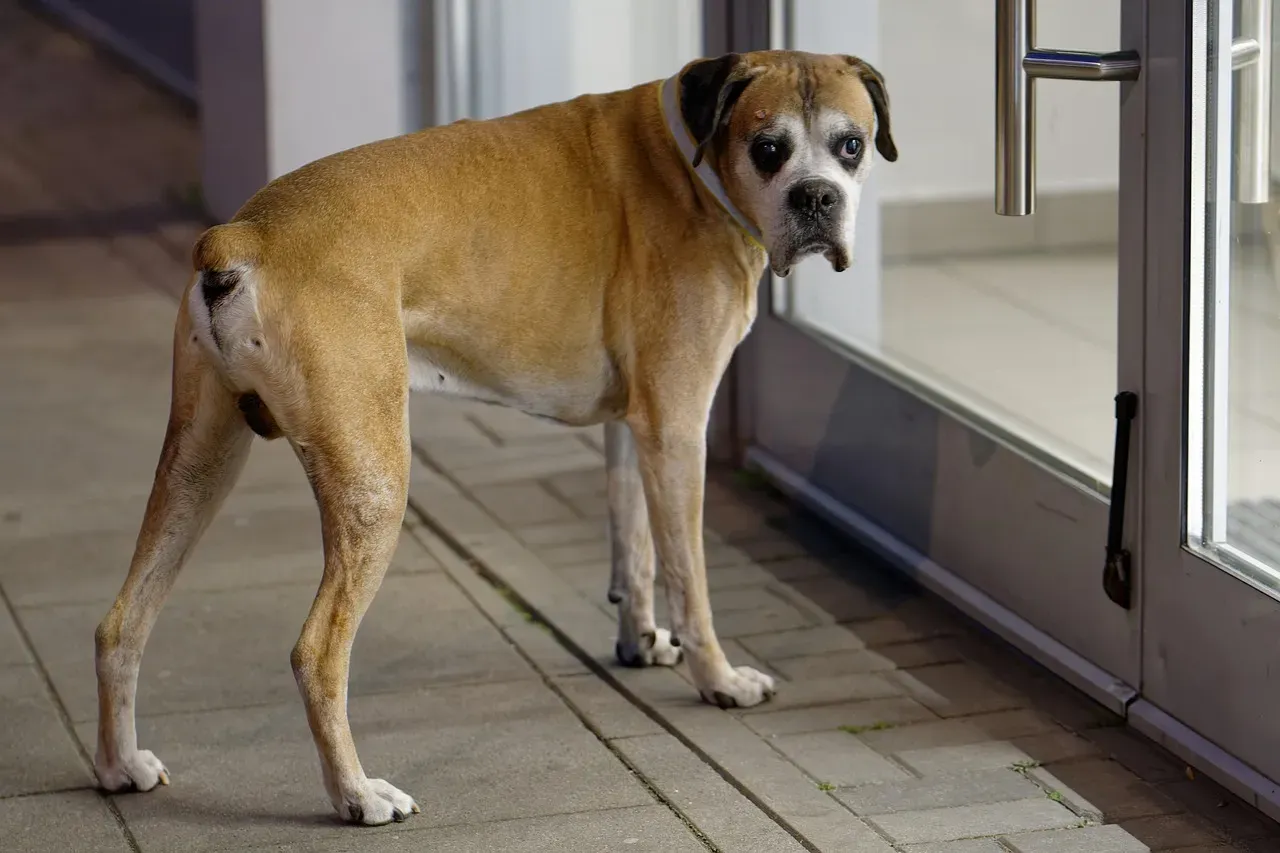
Your dog’s day usually starts with you, long before you’re fully awake. While most people assume their dog is just wandering the hallway, a lot of dogs actually begin each morning with a quiet patrol straight to their chosen human’s bedroom door. They’ll sniff under the crack, listen for your breathing, and sometimes just sit there for a moment like they’re taking attendance.
Some dogs even shift their internal clock to match when you personally stir, not when the sun comes up. If the rest of the house is already moving but you’re still asleep, they’ll hover in the hallway, pacing between your door and the kitchen. It’s rarely about food at that point – it’s a private safety check: are you here, are you okay, is the world still normal today. If your dog waits outside your door instead of jumping straight on the bed, that’s not random. It’s a daily roll call that sets the emotional tone for everything else that follows.
Fast Facts
- Adult dogs typically sleep 12 to 14 hours a day, but many stay in a lighter “watch mode” near their favorite person.
- Dogs’ internal clocks respond strongly to routine, which is why a household’s rhythm can quietly reset around one person.
- Sharp hearing and smell mean a bonded dog often senses you waking up before you’ve even opened your eyes.
#2 – Shadowing Your Exact Path Through the House
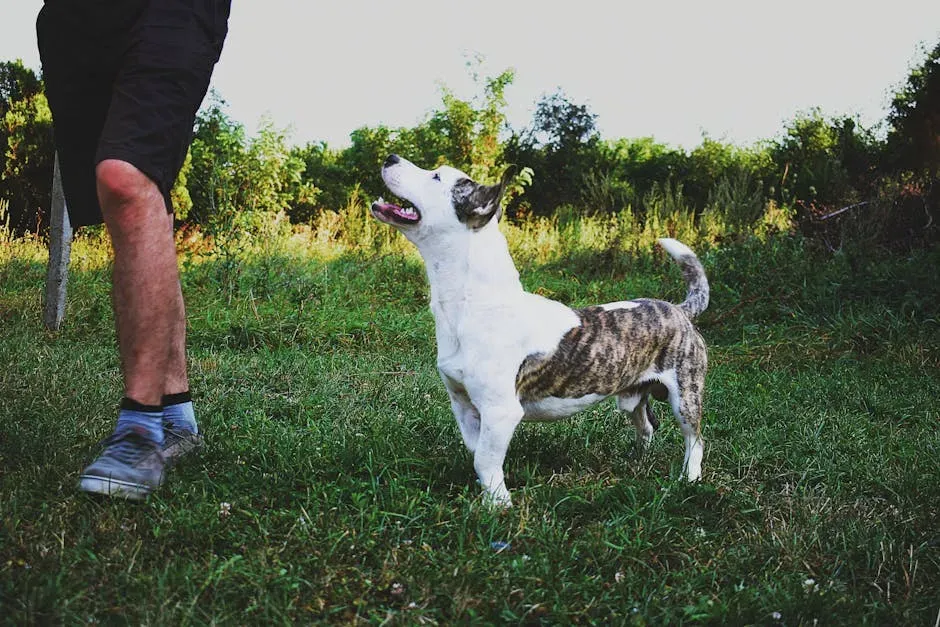
Once you’re up, the real routine kicks in. Most people assume their dog just follows “whoever happens to be moving,” but a dog who’s chosen you tracks your specific path, not just your presence. Bedroom to bathroom, bathroom to kitchen, kitchen to couch – your dog quietly memorizes that route and repeats it with you almost every single morning.
Dogs are surprisingly good at anticipating the timing and layout of a favorite person’s habits, which is why they’re often already waiting by the coffee machine before you’ve even left the bedroom. Your partner might assume the dog just “likes hanging out in the kitchen.” In reality, your dog is positioning itself to stay within a few steps of you at all times. Change one tiny thing – check your phone on the couch before making coffee – and suddenly your dog seems clingy or confused. They’re not being needy. You just skipped a line in the script they quietly wrote about your mornings together.
#3 – Claiming “Your” Exact Spot in Every Room
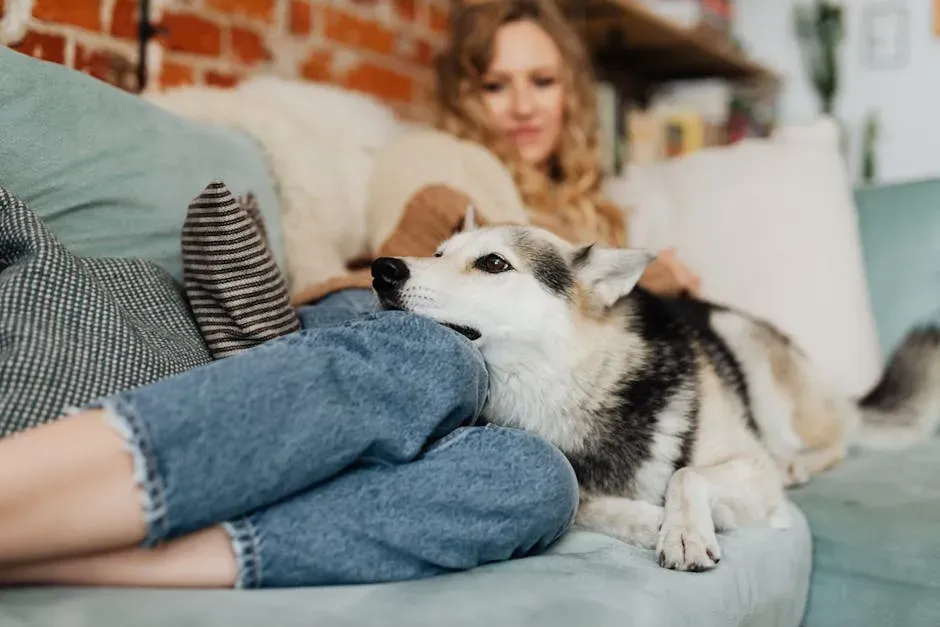
Your dog doesn’t just love the couch. They love your side of the couch. Look closely and you’ll notice a pattern: wherever you tend to sit, stand, or work, your dog has staked out a matching position nearby – often at a diagonal, where they can rest and keep watch at the same time.
Trainers sometimes call this companion positioning, and it’s one of the clearest signs a dog has organized their day around a specific person. They might camp by your chair at the dinner table, curl under your desk while you work, or lie in the doorway facing the direction you usually walk in from. To everyone else in the house, it just looks like “the dog likes that spot.” The truth is more emotional – it’s a compromise between comfort and vigilance, a place to relax while still tracking your every move. Rearrange the furniture, and you’ll often catch your dog awkwardly hovering near the old spot for days, like your outline is still standing there.
#4 – Quietly Syncing Their Naps to Your Energy
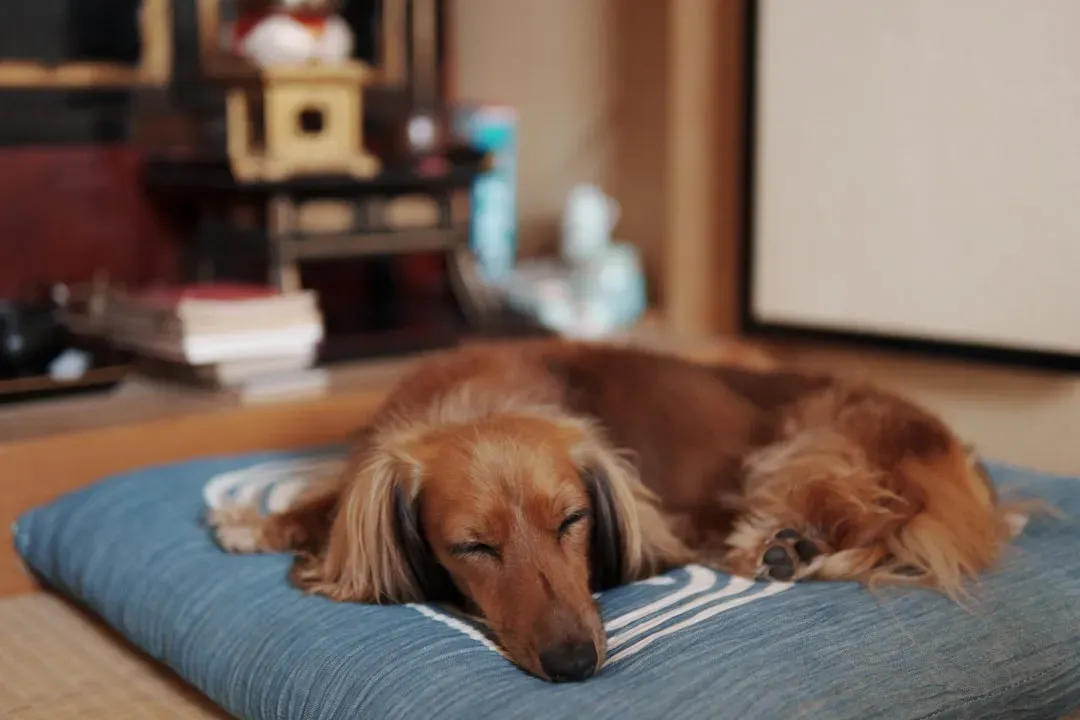
Dogs don’t just sleep a lot. They sleep around you. If you’re the chosen human, your dog will unconsciously match parts of their rest cycle to your day. You sit down to work, they settle in. You slump onto the couch with your phone, they exhale, circle twice, and flop like a sandbag.
Many dogs use their person’s activity level as a signal for when it’s safe to fully relax versus when to stay half-alert – which is why some dogs seem wired while you’re pacing around the kitchen, then dead asleep the second you finally sit still. Even in a deep nap, a bonded dog will crack an eye or flick an ear the moment you leave the room. It looks like nothing from the outside, but it’s a constant tiny recalibration running in the background: where are you, are you still here. It’s most obvious on lazy weekends, when your dog sleeps noticeably longer and deeper simply because you’re not rushing around.
#5 – Guarding an Invisible Perimeter Around You
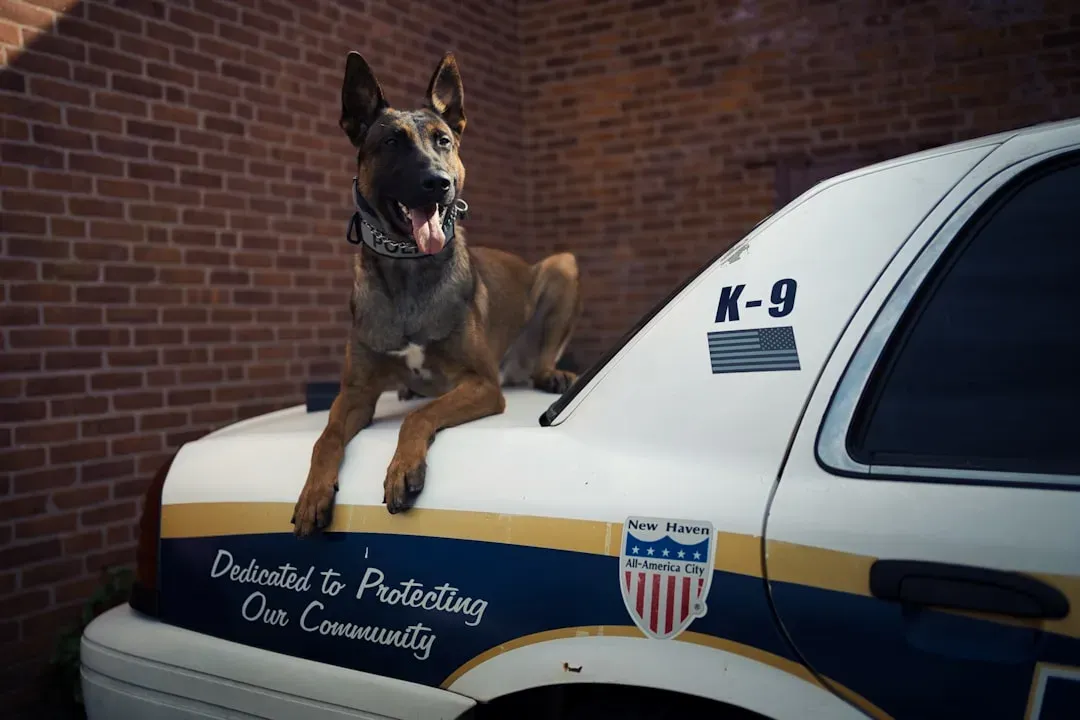
A lot of people mistake this for jealousy or bad manners. If your dog has picked you, there’s a good chance they’ve drawn an invisible circle around your body that they quietly patrol. When someone sits too close, they might wedge themselves between you, lean their full weight on your legs, or nudge your hand back toward them.
This isn’t just attention-seeking – it’s protective, almost like a job they’ve assigned themselves. They’re not always guarding you from a threat. Often they’re guarding the connection itself. You’ll notice it most when you hug someone else, when kids pile onto your lap, or when a stranger leans in too fast and too friendly. To the rest of the house, it looks like your dog is simply obsessed with you. In reality, they’ve made a quiet decision that your emotional state is their responsibility, and they intend to stay close enough to step in if needed.
#6 – Reading Your Micro-Habits Like a Secret Language
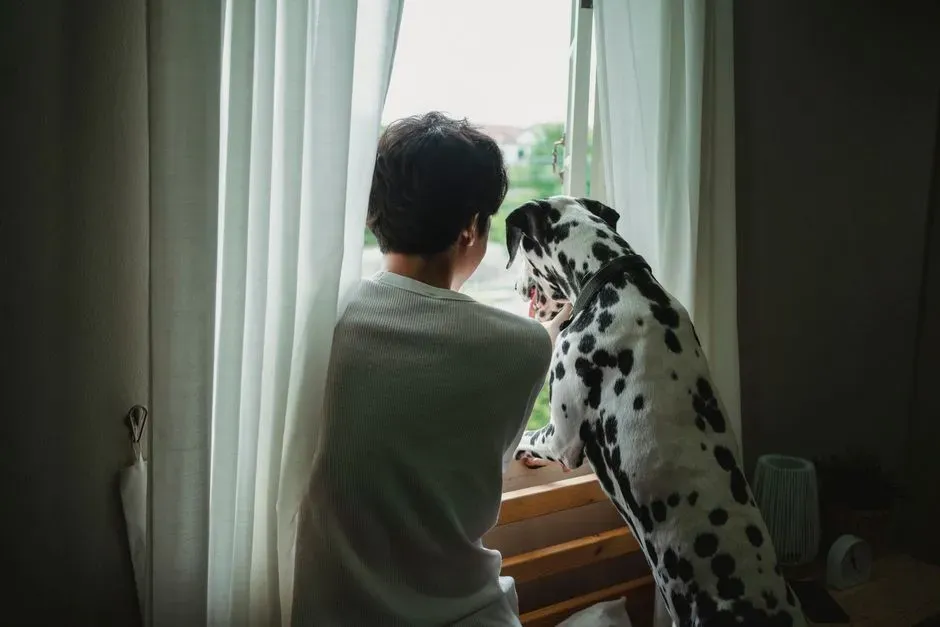
Your dog notices things about you that you don’t even notice about yourself. Maybe you always sigh right before standing up. Maybe you tap your phone twice before walking to the kitchen. Maybe you stretch your neck a certain way just before heading to bed.
Dogs are strangely good at picking up these tiny patterns and turning them into predictions: sigh means we’re leaving the room, stretch means bedtime is close, keys jingling a certain way means she’s actually leaving the house. This is exactly why your dog sometimes seems almost psychic, hopping off the couch or trotting to the door before you’ve consciously decided to move. Nobody else in the house catches this because nobody else lives inside your micro-movements the way your dog does. To them, it’s coincidence. To your dog, it’s simply the language of daily life.
#7 – Running a Countdown Timer for Your Return
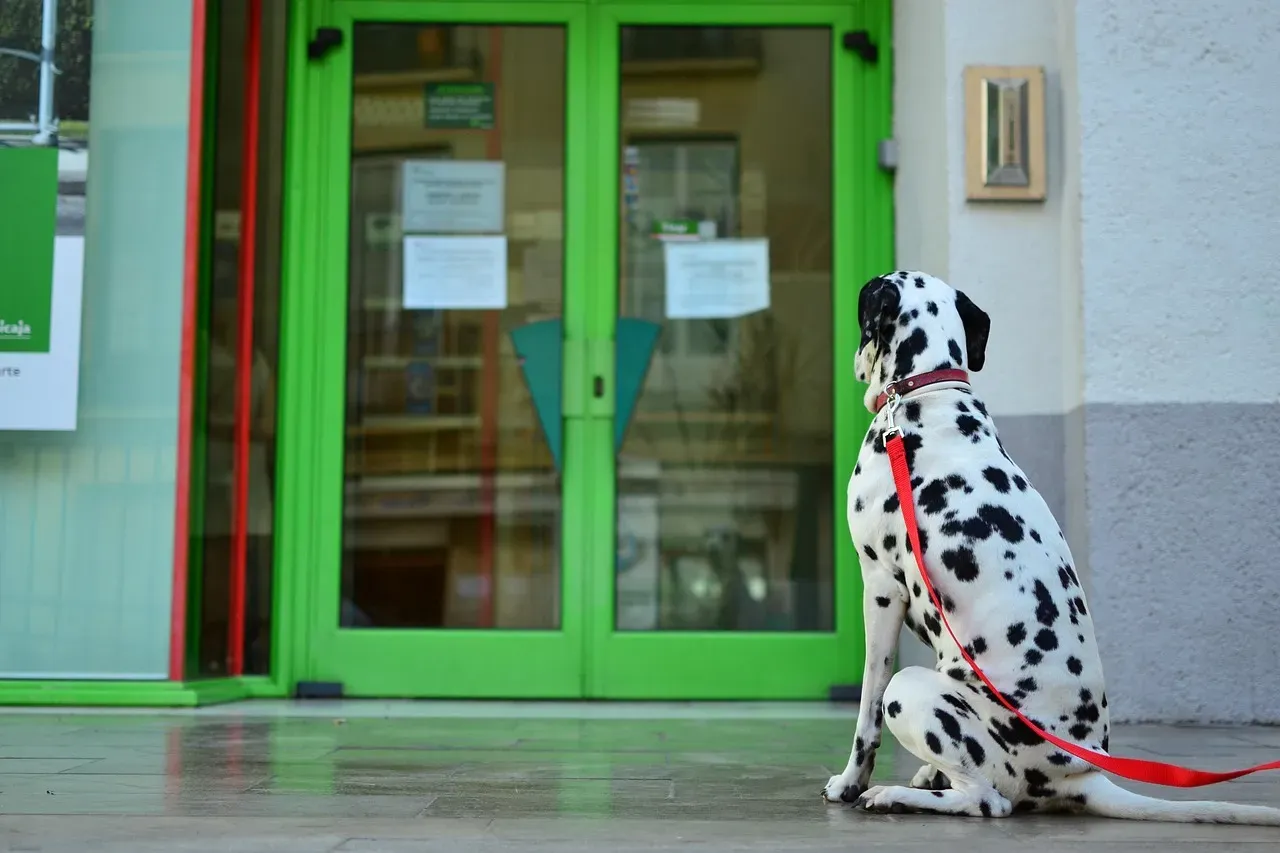
Everyone jokes that dogs can tell time, and honestly, they kind of can – as long as it’s about you. Dogs build elaborate “you’ll be back soon” routines by layering the angle of sunlight in the house, the rhythm of neighborhood sounds like the school bus or the garbage truck, and the specific sound of your car, your footsteps, even the way your key hits the lock.
Many dogs start a pre-return ritual fifteen to thirty minutes before you’re usually due home – pacing, stretching, staring at the door or window. They’re not reacting to a clock; they’re reacting to a pattern stitched together entirely around your schedule. People who work from home often shrug it off as “he just heard something outside.” But watch closely – the dog doesn’t do this for anyone else’s arrival. When it’s specifically your time, their energy shifts from background hum to laser focus: ears up, body angled toward the door, the occasional impatient whine. That’s not random. It’s the climax of a countdown only they can feel.
At a Glance: Cues Your Dog Uses to Predict You
- Shifts in daylight angle throughout the house
- Familiar neighborhood sounds like a bus or mail truck
- The specific engine sound of your car
- Your unique footstep pattern and key-in-lock rhythm
#8 – Quietly Matching Your Emotional Weather
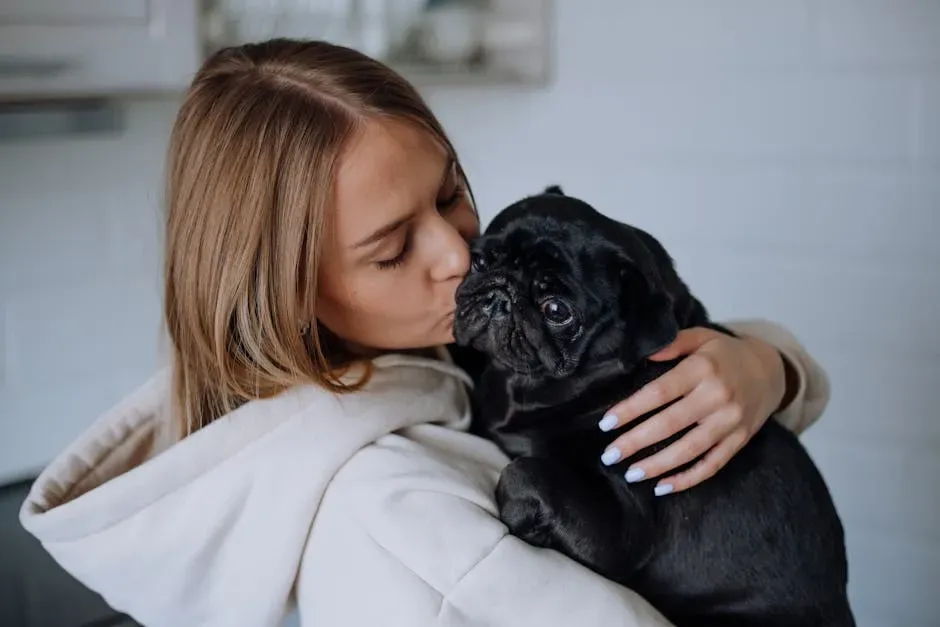
This is the part people tend to underestimate, and it’s where things get uncomfortably real. If your dog has built their world around you, they’re not just tracking your physical routine – they’re tracking your mood like a walking barometer. Dogs can pick up on emotional expressions and even shifts in human scent linked to stress, which is a big part of why your bad week quietly becomes their bad week too.
So when you drag yourself home after a brutal day, your dog might skip the usual wiggling entrance and instead approach slowly, offer you a single toy, or just lean their full body against your leg. Over time they build a patterned response: laughing and loud gets them zoomies and play bows, quiet and tense gets them soft eyes and closer resting spots. The rest of the family might say “he’s calmer with you” or “she only acts wild when you’re home,” without realizing it’s not preference at all. It’s fine-tuned emotional alignment, running quietly in the background where only the dog – and if you’re paying attention, you – can actually see the whole pattern.
Dogs are the only animals that will look to a human face for information, comfort, and connection the way they do.
Dr. Brian Hare, Duke University canine cognition researcher
#9 – Setting Up Secret Checkpoints Just to Track You
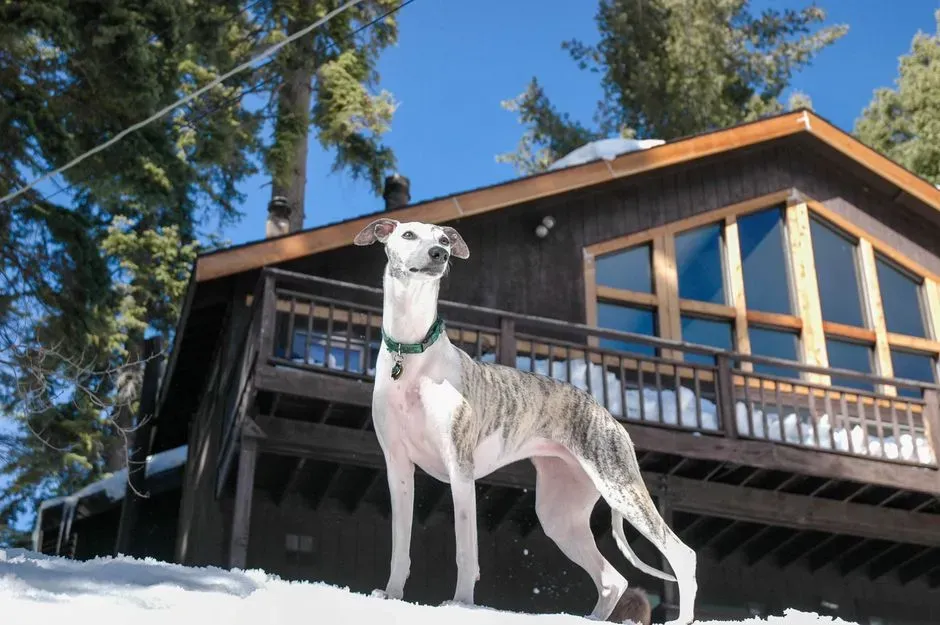
Your dog likely keeps a private map of your usual route through the house. If you cycle between a few key spots – the home office, the kitchen, the couch, the bathroom – your dog quietly establishes checkpoints where they pause, wait, or peek around a corner to keep tabs on you.
These aren’t random pit stops. They’re rehearsed positions on their own personal “where’s my person” tour, and you’ll notice it clearly if you move around more than usual. Common checkpoints include the hallway corner that lets them see both the office and the living room, the top or bottom of the stairs where every door is audible, or a rug halfway between two rooms you use constantly. To everyone else, it just looks like the dog is hanging out. In reality, they’re running a silent loop to make sure you haven’t vanished into some dangerous dimension – also known as the garage. This is exactly why dogs sometimes seem restless when you’re home but stuck behind a closed door, caught between checkpoints with no clear line of sight.
#10 – Wrecking Their Own Sleep Schedule Just to Match Yours
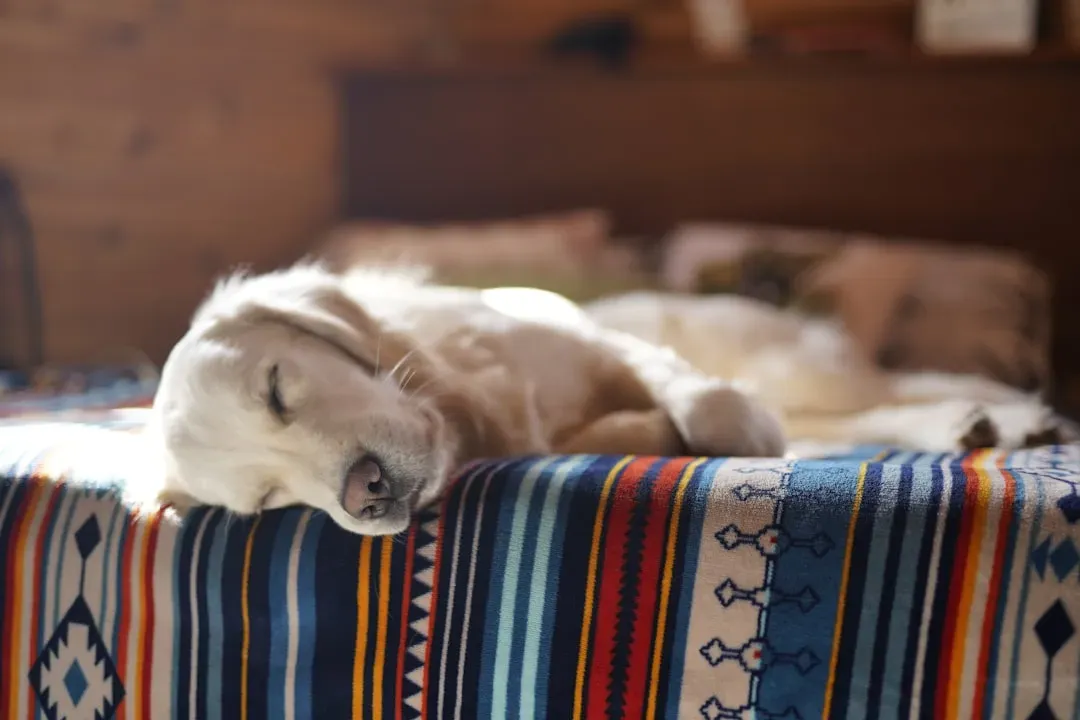
Most people have no idea how much rest their dog sacrifices just to stay in sync with them. Dogs are naturally flexible sleepers who could nap whenever they want. Bonded dogs override that instinct completely to match their person’s often ridiculous schedule instead.
Night-shift workers, chronic insomniacs, and late-night gamers frequently notice their dog staying awake far later than any sane mammal should, purely to stay close by. Your dog might doze lightly, but the second you stand up at 2 a.m., their head lifts like it’s noon. It’s not always healthy, and some trainers argue dogs should be encouraged to keep their own solid rhythm – a fair point. But the reality is that many dogs won’t fully let go of alertness until you do. They wait for your last bathroom trip, the click of the bedside lamp, the change in your breathing once you’re finally settled. To the rest of the family, the dog just seems “lazy in the mornings” or “always up too late.” They’re not lazy. They’re jet-lagged by you.
Worth Knowing
- Dogs are naturally polyphasic sleepers, built to nap in short bursts throughout the day.
- Overriding that instinct to match a human’s schedule can leave a bonded dog mildly sleep-deprived.
- Many trainers recommend a consistent bedtime cue to help dogs fully power down at night.
- Encouraging some independent rest supports long-term health without weakening the bond.
#11 – Timing Their Meals Entirely Around Your Presence
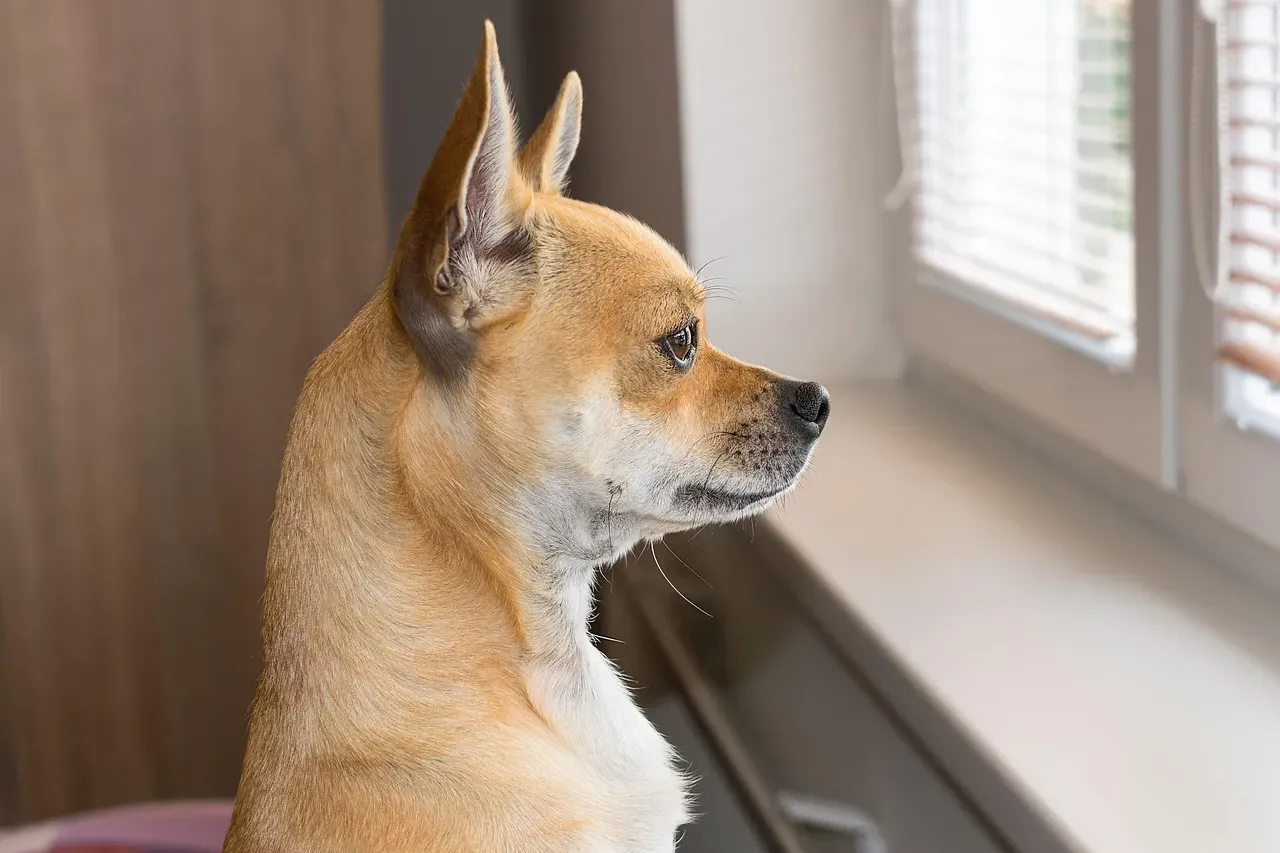
Food stops being just food when you’re the center of a dog’s world. Most people assume a dog eats whenever the bowl hits the floor, but a lot of one-person dogs quietly time their eating and drinking to a specific human’s comings and goings.
Some dogs won’t fully commit to their bowl until you walk into the room, or they’ll wait to drink water until you’ve come back from work or a walk, almost like your presence is the permission slip they need to finally relax. Watch the pattern: they nibble when someone else feeds them but eat properly once you’re nearby, they stall on water until you head toward the kitchen, and they take treats more gently from your hand, almost ceremonially. To everyone else, this reads as “she only eats when you’re home,” which can genuinely be frustrating. But from the dog’s side, mealtime is part of the attachment ritual – eating with you feels safe, eating without you feels optional. Their whole nervous system, appetite included, calibrates around you.
#12 – Treating Your Scent Like a Daily Emotional Anchor
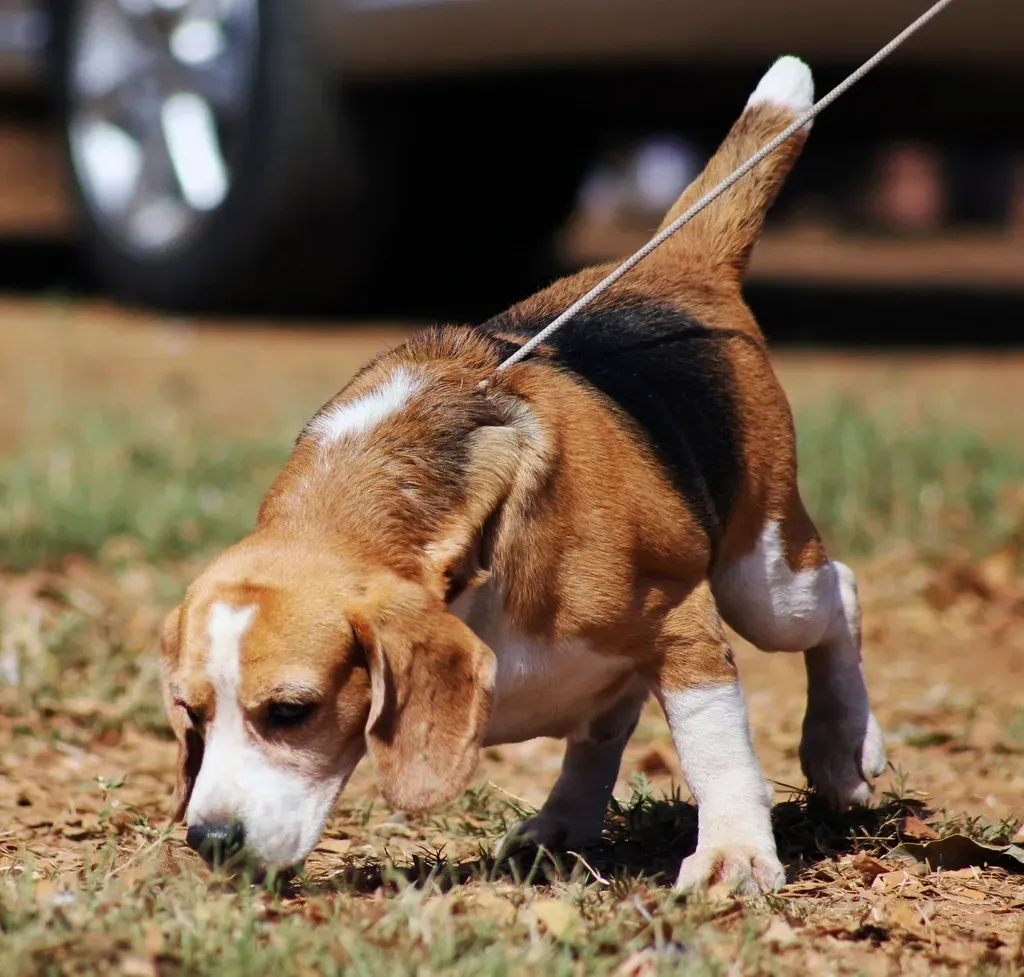
Humans wildly underestimate how much of their life gets written into smell. You leave invisible scent trails on chairs, blankets, doorframes, and clothes, and your dog knows every single one of them by heart.
When you’re out of the room, dogs often run quiet scent check-ins – visiting your pillow, sniffing the hoodie draped over a chair, curling up in your exact dent on the couch. It’s not random coziness; it’s topping up on you. On high-stress days, or if you’ve been gone longer than usual, you might catch your dog burying their face in the laundry basket, stealing one item that smells intensely like you, or sleeping directly on your side of an empty bed. To the rest of the house, that’s just “gross sock stealing” or a weird blanket obsession. In reality, your scent is their emotional anchor, the thing that keeps their world predictable when everything else feels uncertain – which is exactly why they’ll ignore the fancy dog bed to sleep on your unwashed laundry pile instead.
Fast Facts
- Dogs have up to 300 million scent receptors, compared to roughly 6 million in humans.
- The brain region devoted to analyzing smell is proportionally far larger in dogs than in humans.
- Scent memory can last for years, which is why one worn T-shirt can calm an anxious dog almost instantly.
#13 – Closing the Day With a Ritual Only You Ever See
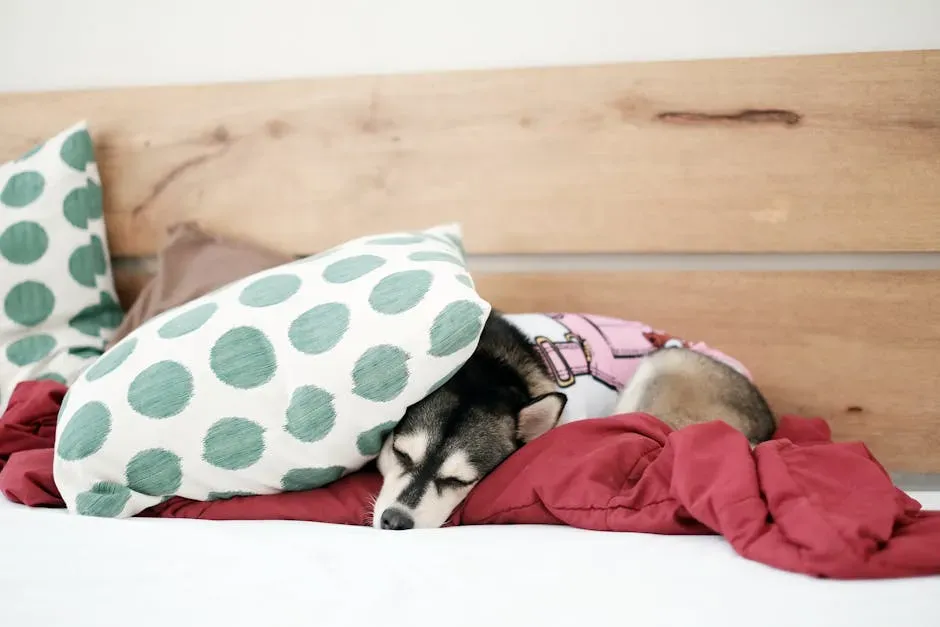
The most powerful routine is usually the quietest one. For a lot of dogs, the day isn’t officially over until they complete a very specific closing ritual with their person – the last stretch and sigh at your feet, the exact second they hop onto the bed after you’ve settled in, the small nose-nudge against your hand right before the lights go out.
It’s rarely dramatic, which is exactly why nobody else in the house thinks it matters. But to the dog, that ritual is everything – final confirmation that you’re here, the day is safe, and it can finally end. Skip it, whether you fall asleep on the couch, work too late, or travel unexpectedly, and your dog may seem noticeably unsettled: pacing more at night, licking or scratching restlessly, checking doors and bedrooms over and over. People write this off as weird behavior. It’s not weird. It’s grief for a routine that never got to finish.
The Bottom Line
Once you start noticing these micro-routines, it’s genuinely a little unsettling. Your dog isn’t just living in your house – they’re living in your shadow, memorizing your routes, your moods, your smells, even the tiny habits you’ve never noticed about yourself. The rest of the family just sees a “clingy” or “chill” dog. What they’re actually watching is a full-time emotional surveillance system quietly orbiting one person.
Here’s my honest take: we don’t take that responsibility seriously enough. When your schedule falls apart, so does theirs, and that’s not dramatic – it’s just how deeply they’ve wired themselves to you. You don’t need to be perfect. But you owe that dog a little consistency, a little awareness, and some genuine respect for the invisible routines they’ve built entirely around you. Did you recognize your dog in any of these, or do you think we’re giving dogs too much credit? Say it straight in the comments.