
16 Details a Dog Notices in an Evening That Tell It the Day Is Winding Down

Your dog has never owned a watch, never checked a calendar, and yet somehow always seems to know exactly when the day is about to end. Most people chalk this up to some mysterious sixth sense, like dogs are secretly wired with an internal clock humans will never understand.
Here’s the twist: it’s not magic at all. It’s something far more fascinating – your dog has been quietly studying you, your house, and your habits like a detective building a case file, and by evening, the evidence is overwhelming. Once you see the list of clues they’re actually picking up on, you’ll never look at your quiet evenings the same way again.
#1 – The Light in the Room Quietly Changes

Your dog doesn’t need a watch; it has sunlight. As evening approaches, the color and intensity of light in your home shift, even if you barely register it yourself. Dogs process contrast and brightness differently than we do, and they’re remarkably sharp at catching those subtle shadow changes.
That cozy golden glow you love is actually a hard-coded signal to them: daytime is over, slow mode is starting. If you flip on the same lamps at the same time every night, you’ve basically built your dog a visual bedtime alarm. It’s also why dogs get a little restless on gloomy or overcast days – the light patterns get scrambled, and their internal map briefly stops making sense.
#2 – The Neighborhood Soundtrack Shifts

You tune out background noise. Your dog never does. As evening rolls in, the entire soundscape of your street changes – fewer delivery trucks, more car doors slamming, TVs flickering to life, neighbors chatting outside. Dogs are experts at linking these repeating sound patterns to time-of-day routines.
The squeak of bus brakes at 6 p.m. might mean nothing to you, but your dog has quietly filed it under “people coming home soon.” Some dogs relax as outdoor noise fades; others perk up at very specific cues, like the garage door or the click of a gate. If your dog gets sleepy right when the house goes quiet, that’s not a coincidence – it’s the world outside going still, giving them permission to do the same.
Fast Facts
- Dogs can hear far higher frequencies than people, picking up sounds well beyond the range of the human ear.
- Each ear has close to 18 muscles, letting dogs swivel and angle them independently to zero in on a single sound.
- A quieter evening backdrop makes it easier for dogs to isolate one meaningful noise, like a gate latch or garage door, from everything else.
#3 – Your End-of-Day Voice and Body Language Give You Away
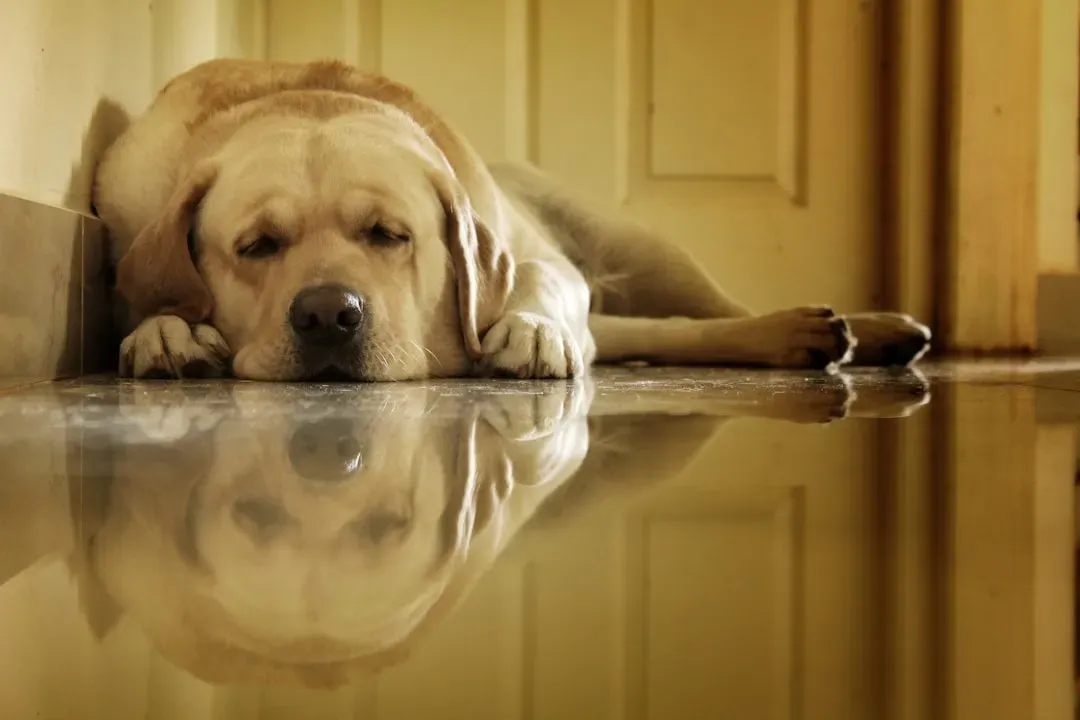
You don’t talk the same at 8 p.m. as you do at 10 a.m., and your dog catches every bit of it. By evening, your posture drops, your pace slows, your voice softens. Dogs are almost unfair at reading micro-changes in human energy – you feel “tired,” but your dog hears a loud, clear announcement: the active part of the day is done.
Even your movement patterns shift. Mornings are purposeful – coffee, keys, emails. Evenings get zigzaggy – check the door, grab a snack, scroll your phone, wander toward the bedroom. Your dog memorizes this choreography so well that some start heading to their bed the moment they see you change into pajamas, even earlier than usual. Your body is telling on you.
#4 – The “Last Walk” Ritual Feels Different
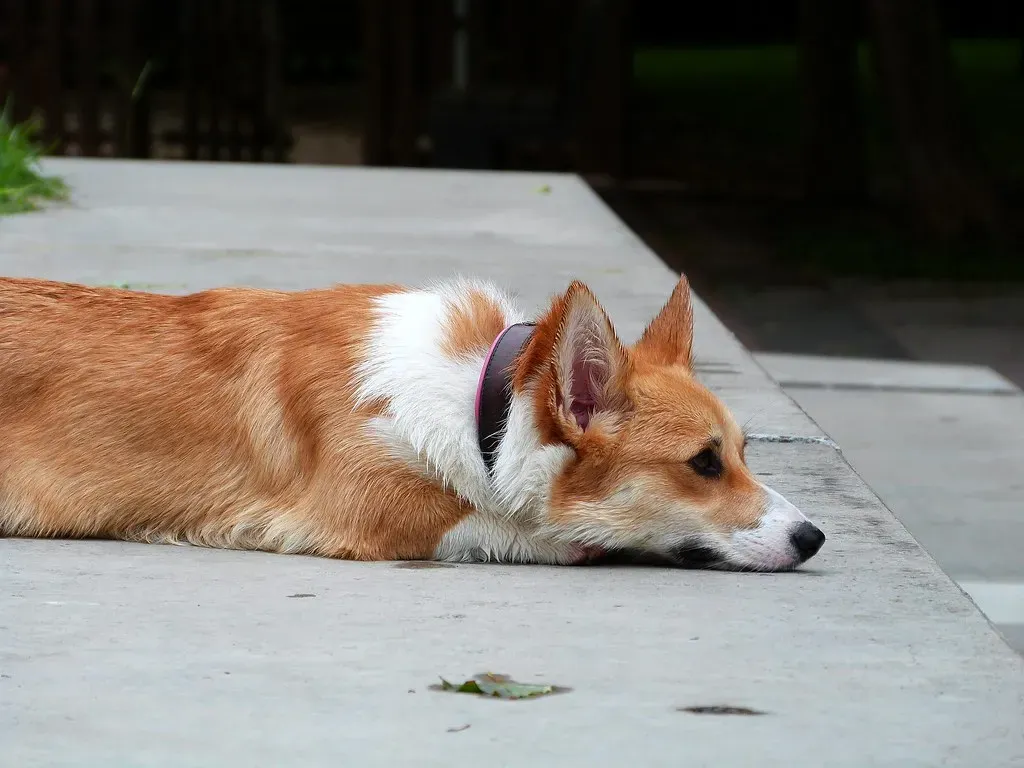
For millions of dogs, the final walk of the day is the clearest closing bell there is. Unlike afternoon potty breaks, last walks carry their own mood – cooler air, quieter sidewalks, a slower pace without the morning rush. Dogs notice how differently this walk “feels” compared to every other one, even with the same leash and the same route.
Timing matters too. If your dog’s last walk usually lands between 9 and 10 p.m., their internal system starts predicting that exact window, and you’ll catch them pacing or staring at you right on schedule. They know this walk means no visitors, no car rides, no chaos afterward – just water, maybe a snack, and sleep.
#5 – The Final Snack or Dinner Cue Starts the Countdown
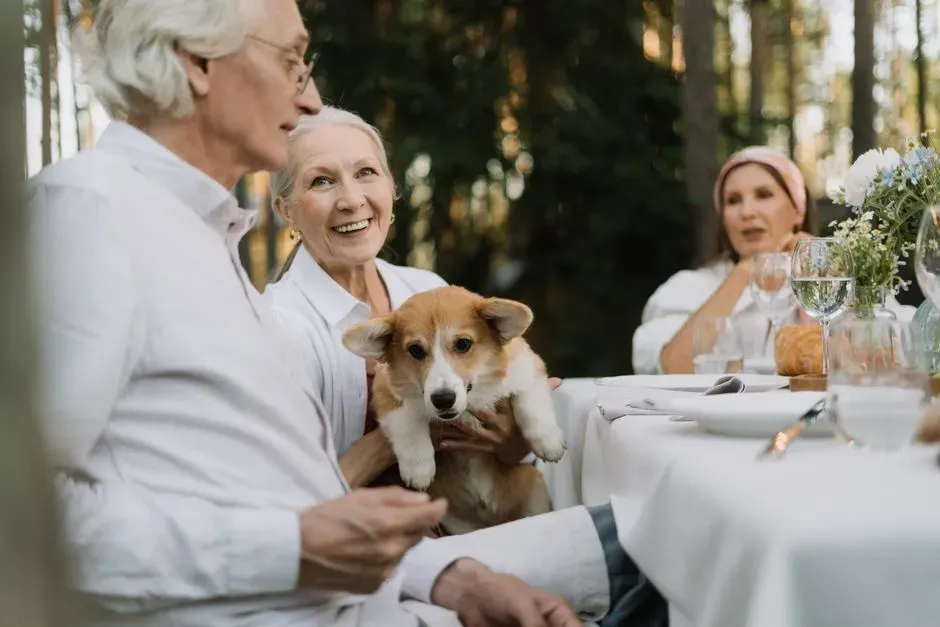
Feeding schedules are one of the most powerful anchors in a dog’s internal calendar. If dinner or the last snack lands in the same general window every night, your dog uses it like a timestamp marking the end of the active day. Many dogs visibly start winding down within an hour of that last predictable meal.
Watch the chain reaction: bowl hits the floor, dog eats, drinks water, flops in the same spot almost every single night. That little script tells them nothing exciting is coming until tomorrow. Owners often mistake the post-dinner zoomies for random energy, but it’s usually the last spike before the shutdown begins.
#6 – The Glow of a Screen Signals “Nothing Left to Do”
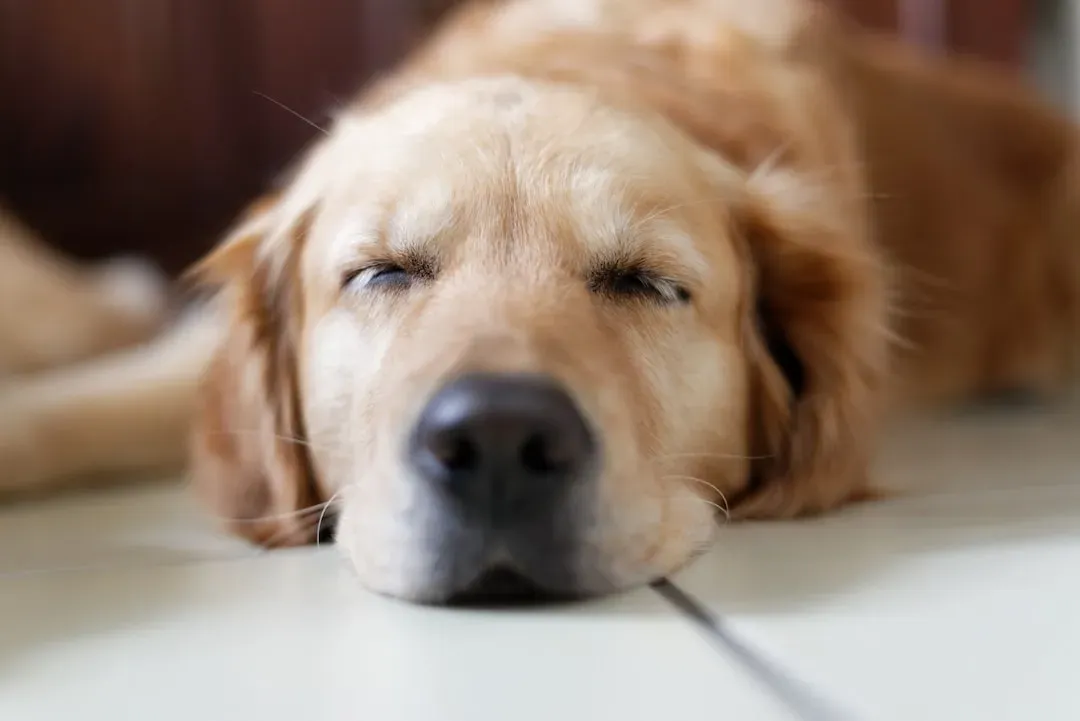
These days, a lot of dogs basically know what your nightly show means. They don’t care about the plot, but they absolutely notice what the ritual predicts. If you sit in the same spot at the same time with the same glow lighting up your face, your dog treats that as the pre-sleep signal it is.
Some dogs read this as a cuddle invitation, hopping up to half-doze against your legs through the whole episode. Others use it as their green light to fully crash, because they’ve learned you’re not going anywhere for a while. They’re not being lazy – they’re being efficient. Why stay alert if the pack has gone stationary?
#7 – The House Actually Smells Like Evening

Here’s the part almost nobody thinks about: evening has a smell. Cooking, dishwashing, a lit candle, even your own scent shifting after a day of movement – it all creates a distinct evening profile. Dogs live in a scent-driven world, and that unique smell becomes a reliable marker that the day is wrapping up.
After meals, cleaning spray, dish soap, and maybe a hint of laundry detergent take over the air. To a dog, that’s not random chaos – it’s a pattern they’ve catalogued for years. This is likely why so many dogs seem noticeably calmer once the kitchen is cleaned up: they know the house has just shifted from “busy” to “closed.”
Worth Knowing
- A dog’s nose holds vastly more scent receptors than a human’s, giving them a level of smell detail we can barely imagine.
- The brain region devoted to analyzing odor is proportionally much larger in dogs than in people.
- Cooking smells, cleaning products, and shifting human scent combine into a recognizable “evening profile” dogs can sort within moments.
#8 – Doors and Windows Sealing Shut for the Night
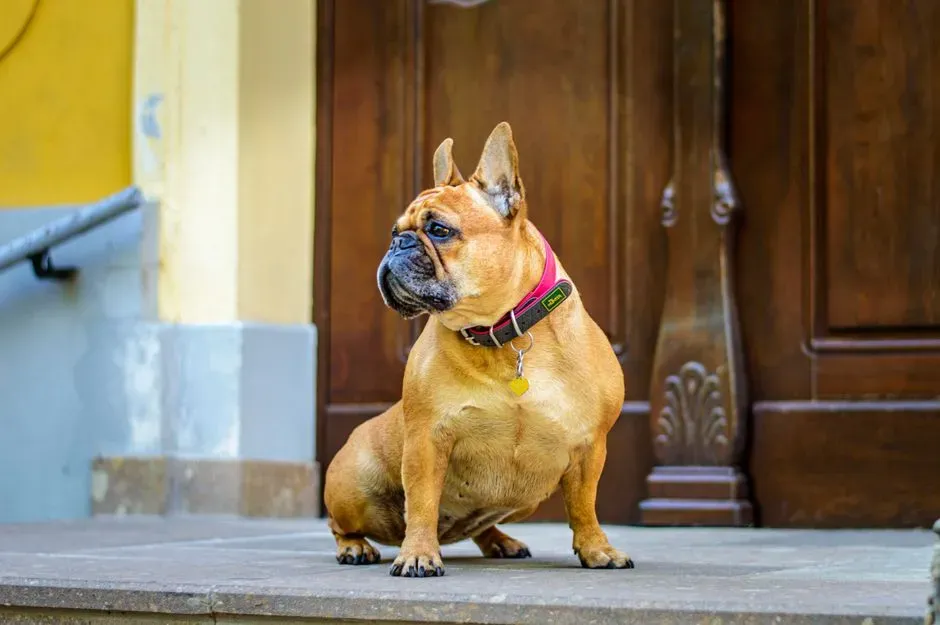
Dogs pay close attention to thresholds – doors, windows, gates. As evening sets in, we humans start sealing up the house: locking doors, shutting windows, pulling curtains. These aren’t just practical chores to your dog; they’re visible, audible proof that the territory has officially been secured for the night.
For many dogs, this is the exact moment their job quietly shifts from “social partner” to “nighttime guardian.” Once the access points are closed, fewer strangers or surprises can enter their space, and that drop in novelty brings a drop in energy too. Ironically, some anxious dogs get more alert here – they know the pack is locked in for the night, and they take guarding it seriously.
#9 – The Hallways Stop Buzzing With Foot Traffic

Think about how many times you cross your hallway between 7 a.m. and 5 p.m. versus 8 p.m. and midnight. The difference is massive, and your dog tracks it without even trying. They’re finely tuned to movement in shared spaces, and when the footsteps drop off, it tells them the day’s tasks are officially finished.
This is why many dogs choose a resting spot with a clear view of multiple doors – once the bouncing around stops, they finally feel safe sinking into deep rest. On chaotic nights with visitors or parties, you’ll notice dogs refusing to fully relax, because they’re reading the room correctly: too much movement still means too much possibility.
#10 – Your Bedroom Routine Is a Map They’ve Memorized

If there’s one part of your life your dog could probably act out from memory, it’s your pre-bed routine. They track the sequence perfectly: bathroom, running water, lights flipping, drawers opening, soft pajamas coming out. Those recurring sounds are some of the clearest “night is coming” signals a dog will ever get.
Some dogs shadow you room to room through the whole routine, clocking each stage like a checklist. Others just wait for the final anchor – the moment you actually commit to the bedroom for good. Once they see that commitment, they head to their own bed too. It’s not obedience, it’s synchronization: you go to your den, they go to theirs.
#11 – The Air in the House Gets Cooler and Stiller
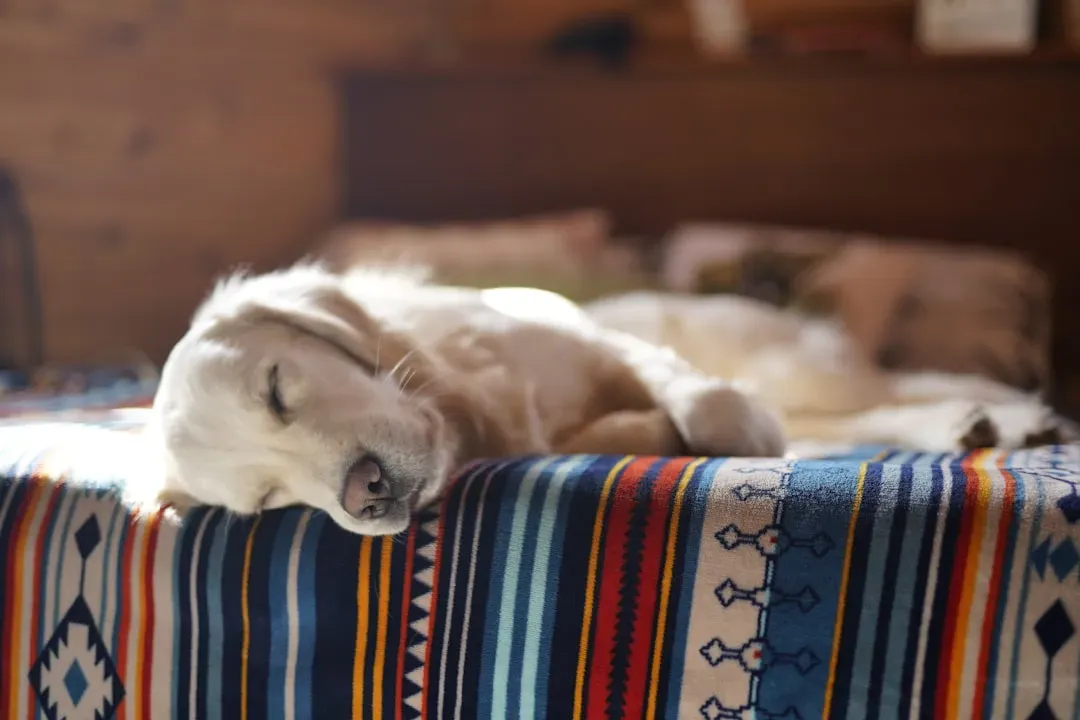
As the sun goes down and activity slows, the temperature in your home often quietly drops. Heating or AC kicks in differently, windows get shut, blankets come out. Dogs feel these micro-changes directly through their skin and paws, and a cooler, stiller room practically hands them an invitation to curl up.
Notice how many dogs shift from sprawling out during the day to tight, curled “donut” shapes at night – that’s not just cute, it’s thermoregulation working exactly as the evening environment supports it. Some dogs even have a favorite nighttime spot purely because the floor there runs cooler or the draft is gentler.
#12 – Everyone in the House Finally Stops Moving Around
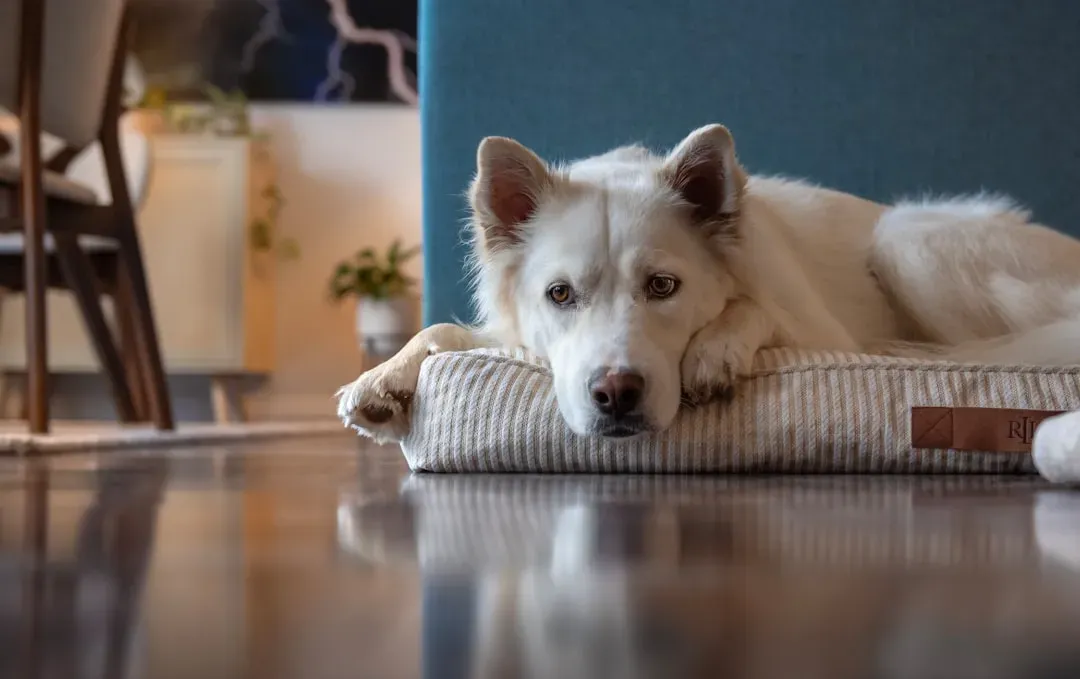
To a dog, the most important part of any environment isn’t the furniture or the TV – it’s the pack. Where is everyone? As evening winds down, humans settle into fixed spots: someone always in that chair, someone always on that side of the couch. Dogs use this final “arrangement” of bodies as proof the day’s chaos is finally over.
In multi-person homes, dogs often do a quiet last headcount, wandering room to room before settling for good. They’re confirming that everyone is in, everyone is still, and no one’s about to leave again. This is also why a dog stays restless if a usual family member is out late – the puzzle isn’t complete yet, so their brain refuses to call it a night.
At a Glance
- Multi-person households often show a clear “settling order,” with the same family member’s spot checked last every night.
- A missing family member can delay a dog’s whole bedtime routine, even when every other cue is right on schedule.
- Dogs in single-person homes typically settle faster, since there’s only one “headcount” to complete before rest feels safe.
#13 – The Way You Say Their Name Changes Completely
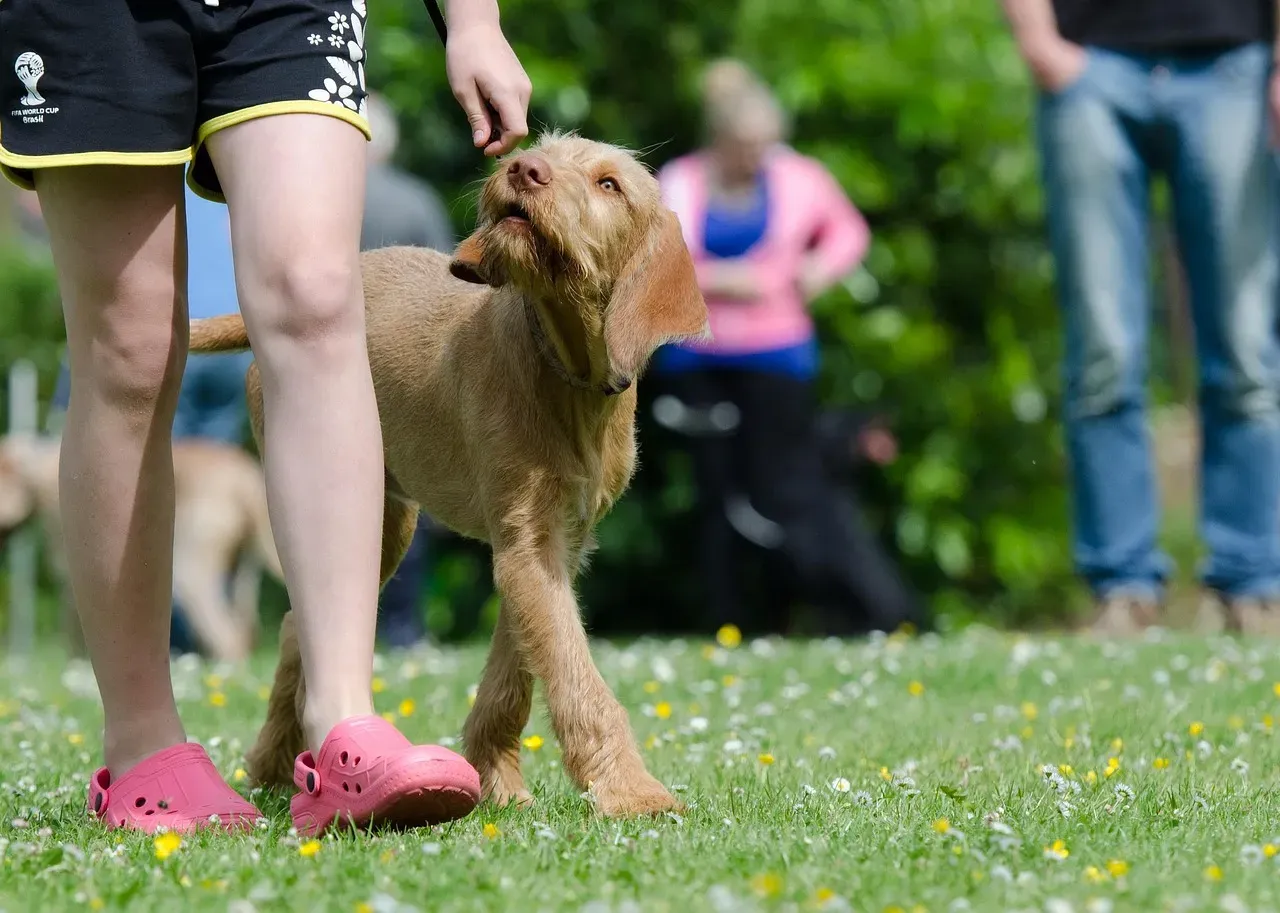
Here’s the part people get wrong: many assume their dog just “knows” words like bedtime or night-night. Some dogs do pick up specific words, sure, but it’s less about vocabulary and more about tone, timing, and emotional energy. The way you say your dog’s name in the evening – softer, slower, almost sing-song – is a completely different sound than your brisk daytime version.
Dogs are exceptionally tuned to emotional inflection, and when that gentle tone gets paired with predictable actions – dimming lights, walking toward the bedroom, patting their bed – a powerful association forms. Change the word entirely and the dog will likely still respond to the pattern underneath it. That’s how strong the association becomes over time.
#14 – The Toys Go Quiet and Play Invitations Disappear
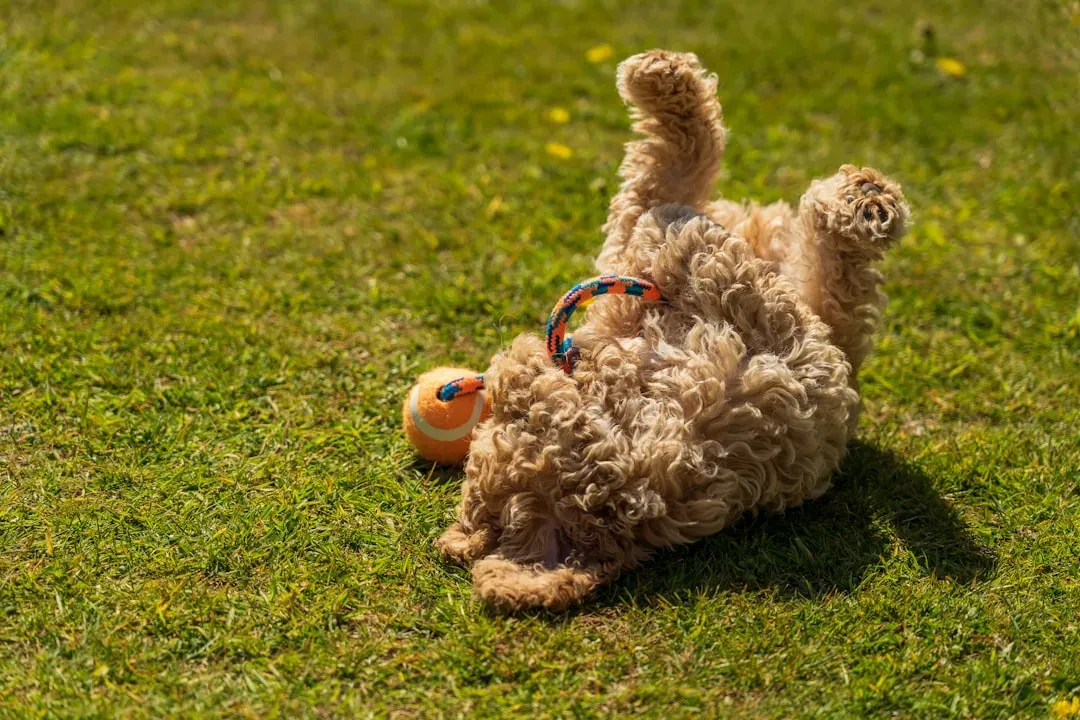
All day long, toys appear and vanish – balls roll, squeakers shriek, tug ropes fly across the room. But at some point every evening, the humans simply stop initiating play, and that absence is its own loud signal. Fewer thrown toys, fewer excited “wanna play?” gestures – the play energy drains right out of the room, and dogs feel it instantly.
Many dogs offer one last half-hearted play attempt, then quietly give up when you don’t match their enthusiasm. It’s not that they’re hurt – they’re reading the shift correctly. You’ll even see some dogs nudge a toy into a corner or abandon it by the couch, almost like putting the tools of fun away before bed.
#15 – Your Breathing and Stillness Give the Final Green Light

Once you’ve actually landed – couch, bed, favorite chair – another subtle pattern kicks in: your breathing and micro-movements change completely. Dogs are exquisitely sensitive to how your body shifts and relaxes, and awake-you moves in an irregular, dynamic way that pre-sleep-you simply doesn’t.
This is why some dogs won’t fully relax until you do. If you’re doomscrolling, fidgeting, and hopping up every ten minutes, they stay on partial alert right along with you. But once your breathing deepens and your body sinks into stillness, many dogs finally exhale too, treating your physical state as the final verdict that the day is closed.
“Dogs don’t understand time the way we do, but they are extraordinary students of routine.”
Dr. Ian Dunbar, veterinarian and animal behaviorist
#16 – True Darkness and Total Silence Seal the Night
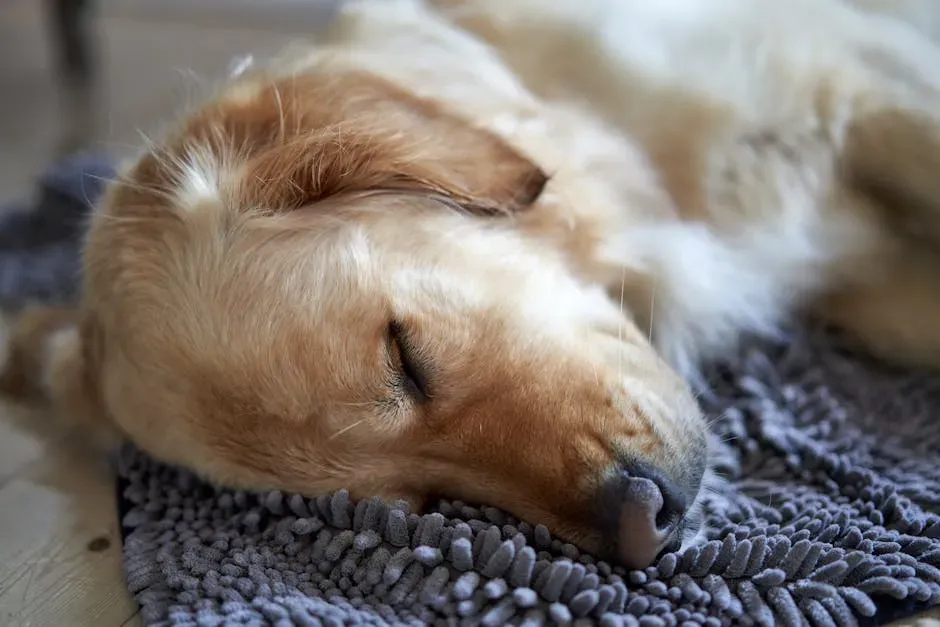
For dogs, the ultimate, non-negotiable sign that the day is over is a combination of two things: real darkness and true silence. Lights off, TV off, no more talking, no more footsteps in the hallway. That deep, sustained quiet tells your dog that nothing else is going to happen until morning, and their brain finally grants permission to drop into the deepest sleep cycles.
At this point, every earlier clue – the walk, the dinner, the routine – is old news. What matters now is that the environment has fully shut down. Even city dogs, surrounded by noise around the clock, learn their own version of night silence: the building’s hum, the elevator’s timing, the dip in distant traffic. Once those markers hit their usual pattern, the nervous system stops scanning for possibility and finally prioritizes rest.
Why It Stands Out
- Unlike every earlier cue on this list, darkness and silence need no interpretation – they’re the simplest, hardest-to-misread signal of the night.
- It’s the one nightly marker that doesn’t depend on your behavior at all – it happens whether you’re paying attention or not.
- For dogs, sustained darkness paired with silence is what finally clears the way for the deepest, most restorative stages of sleep.
- Small disruptions, like a hallway light or a late phone call, can quietly reset a dog’s countdown to true rest.
The Bottom Line
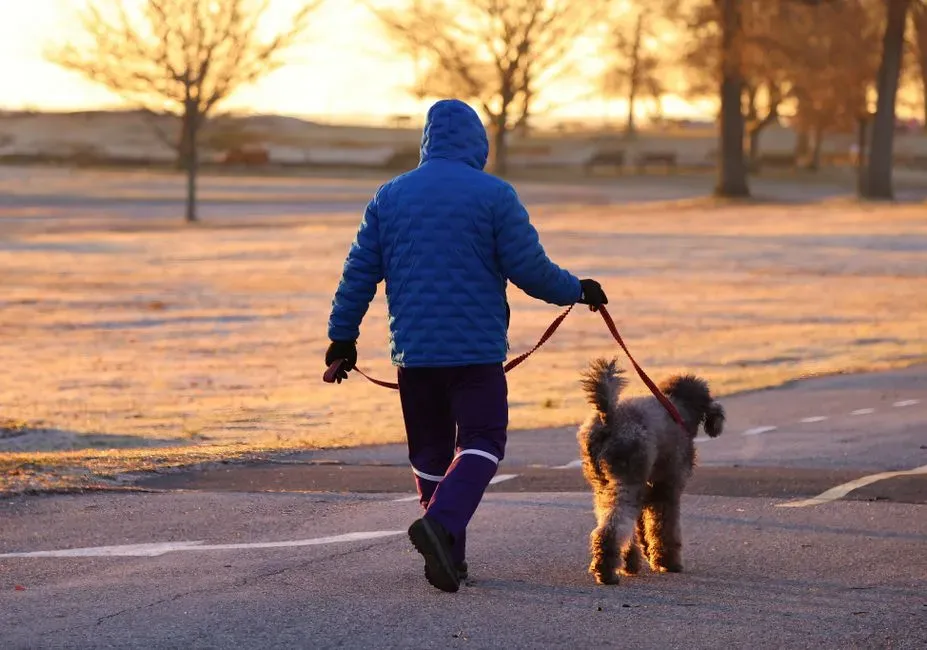
Your dog isn’t a mystical time wizard. It’s a pattern-reading machine, quietly watching your evenings with almost embarrassing accuracy. From the fading light to the last dish you wash to the softness creeping into your voice, your micro-habits are literally your dog’s clock.
Here’s the part that stings a little: when your evenings are chaotic, inconsistent, or stressed, your dog’s “day is over” signal gets scrambled too, and their behavior shows it. Calm, predictable nights build calmer, more confident dogs – which means you have far more influence over your dog’s peace of mind than you probably realized.
So which of these sixteen signals does your dog respond to first? Watch closely tonight – you might catch them reading your evening before you’ve even admitted to yourself that the day is done.