
What a Kennel Sees on a First Night Will Surprise You 12 Tells Owners Never Hear
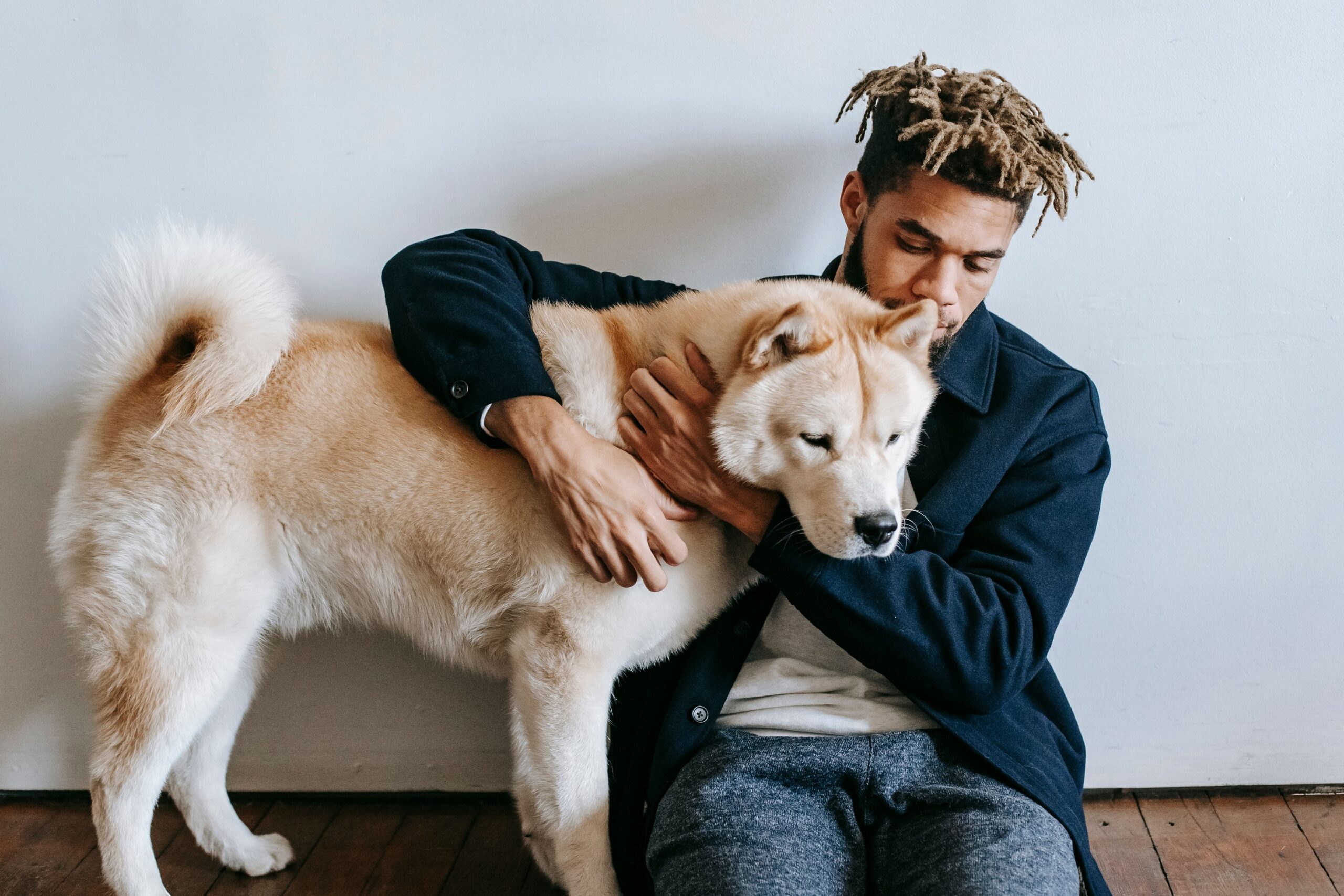
Most dog owners drop their pup off at a boarding kennel with the same throwaway line: “They’ll be fine, they love other dogs.” Insiders know better. The first night in a kennel is almost never “fine” – it’s a quiet storm of stress, adrenaline, and confusion that most owners never get to witness.
Here’s the part that should unsettle you: staff say the first 12 hours reveal more about your dog’s true temperament than a year of vet visits ever could. Yet none of it makes it into the pickup conversation. You get a cheerful “She did great!” and drive home with zero idea what actually happened overnight. Below are the 12 quiet tells kennel workers watch for – the signs they see, and the ones they almost never say out loud.
#1 – The Doorway Freeze That Predicts Everything
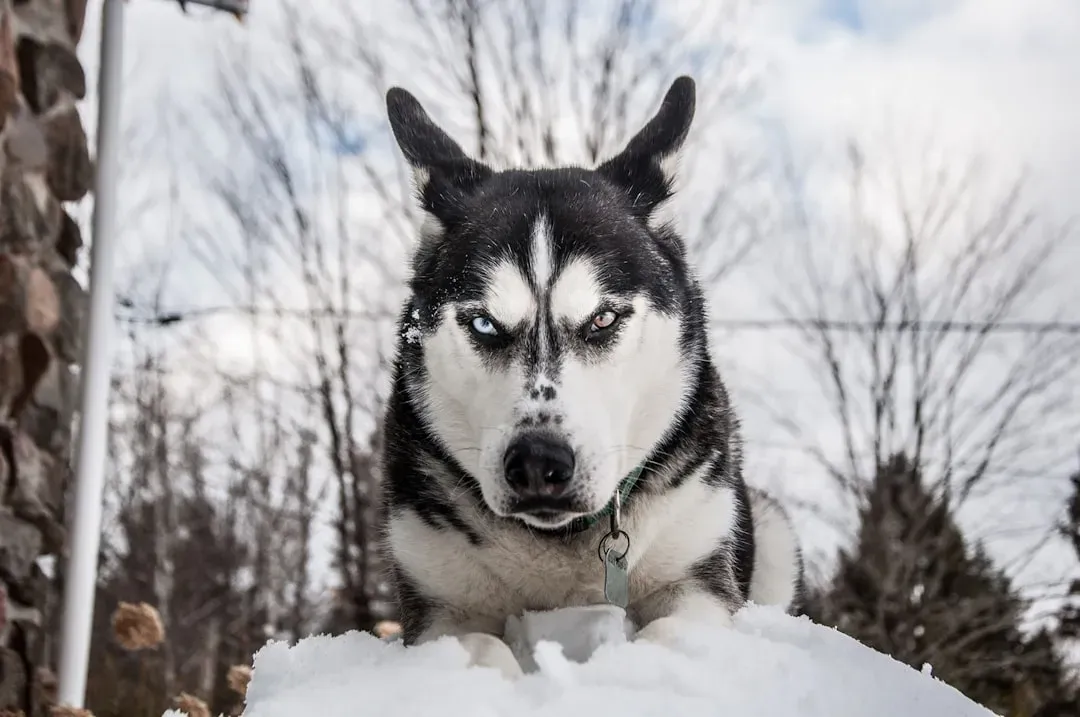
The first thing a good kennel watches isn’t barking or tail-wagging – it’s the doorway. Many dogs hit that threshold, then suddenly freeze, lean back, and pancake to the floor. Staff know this isn’t “stubborn.” It’s a fear flag, and a big one.
A dog that shuts down at the door often struggles with everything that follows that night: new sounds, new smells, new routines. They’re not being dramatic – their nervous system is slamming the brakes. Insiders quietly test that moment, watching for a fast recovery with soft coaxing versus a dog that stays glued to the floor, pupils blown wide, refusing food.
A quick bounce-back suggests a dog who’ll likely adapt by morning. A dog who has to be carried in? That’s the one they’ll be checking on all night. Owners almost never hear about any of this – they just get told, “She was a little nervous at first.” But that doorway freeze is the very first tell, and it’s rarely small.
#2 – Silent Shaking vs. Loud Barking (And Which Is More Serious)
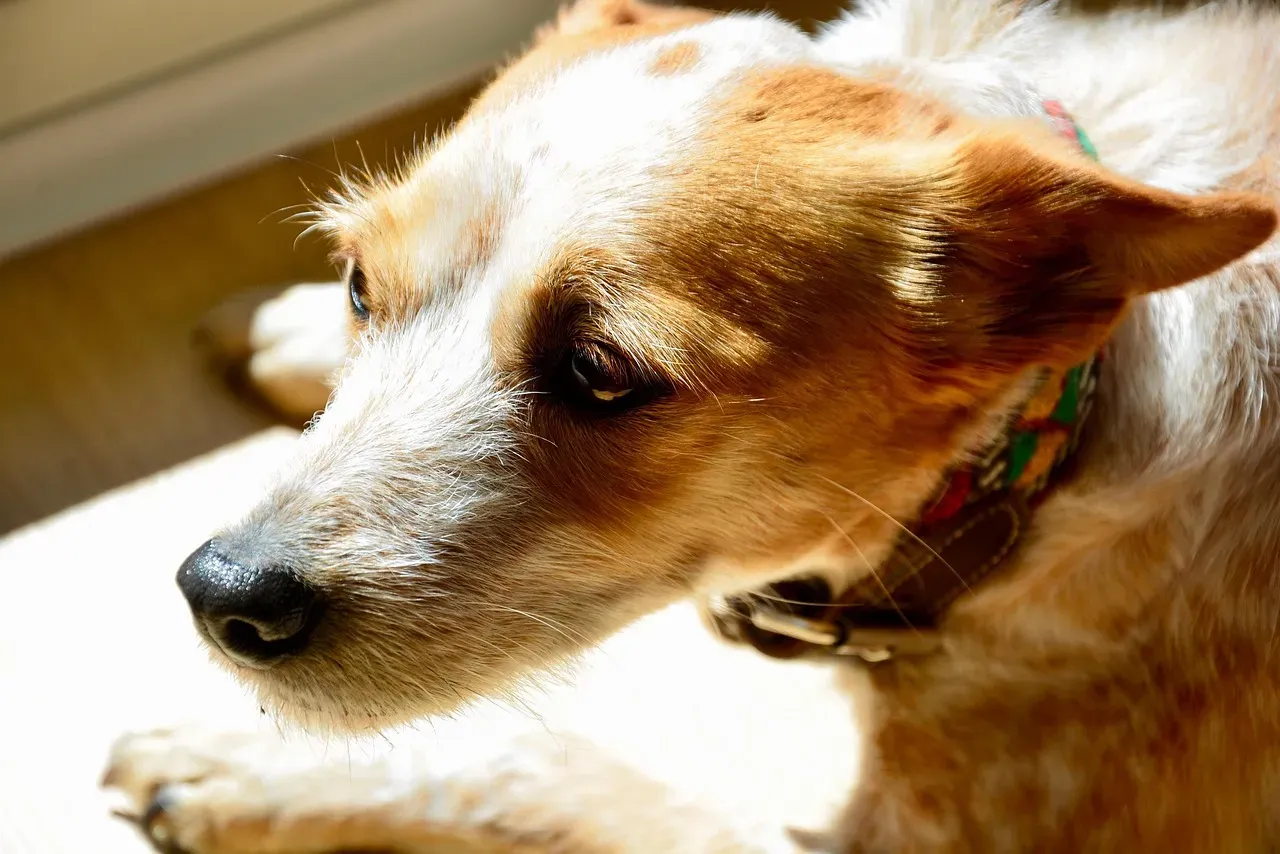
Most owners assume the loudest dog is the most stressed. Kennel staff secretly worry about the opposite: the quiet dog in the corner, trembling so hard the bed rustles. Barkers are easy – they’re venting. It’s the silent shakers that keep workers up at night.
These dogs often won’t take treats, won’t drink, and barely move. From the outside, they look “well-behaved.” Inside, their stress is through the roof. Staff will often:
- Offer high-value treats to test appetite.
- Sit sideways, not staring, to see if the dog will approach.
If the dog still won’t eat by late evening, that’s a red flag. Constant barking is frustrating, but it usually fades as the dog tires out. Constant shaking with a refusal to engage can mean full-blown panic or a history of rough handling. Owners are frequently told their dog was “a bit quiet, but fine” because no one wants to start a hard conversation – yet this first-night silence is one of the clearest tells of true distress.
#3 – The Water Bowl Test: Who’s Too Stressed to Drink
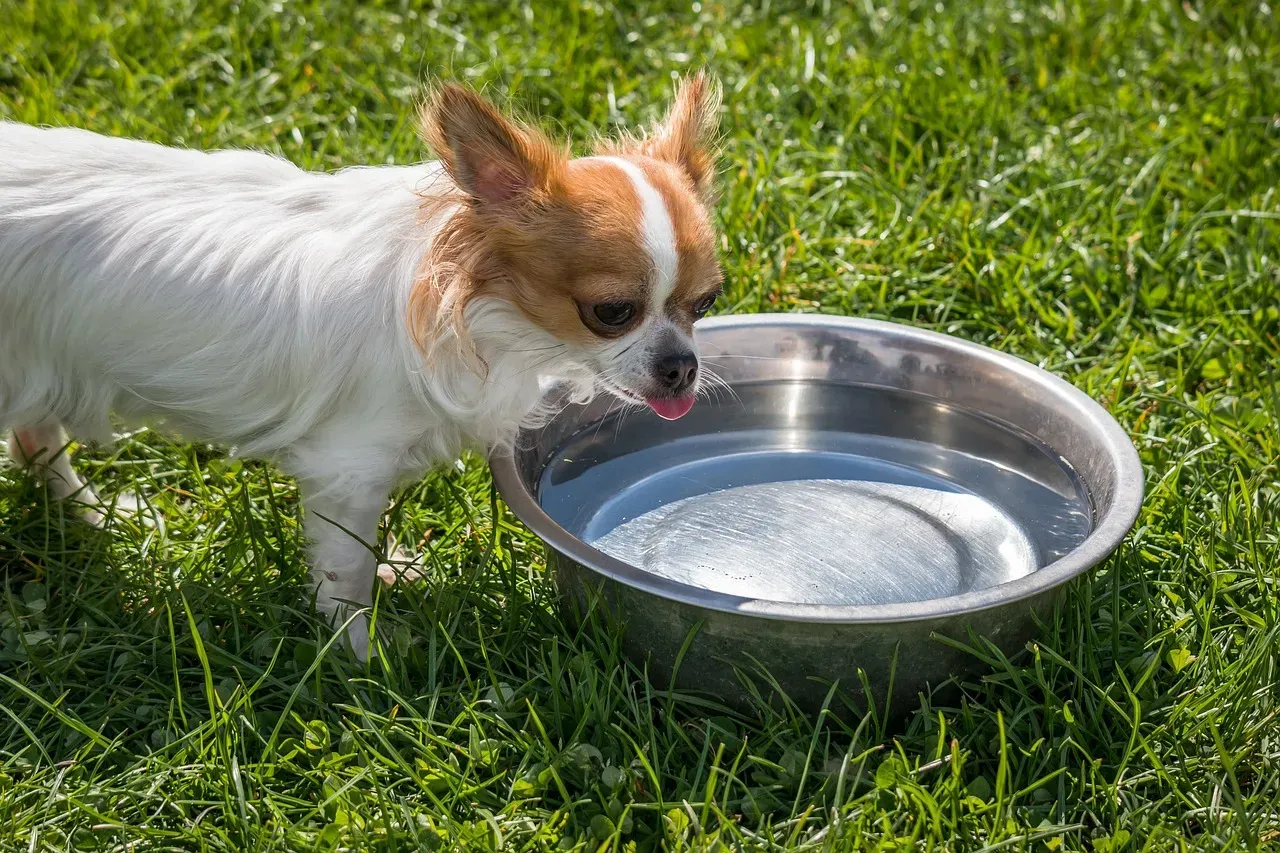
Most people obsess over whether their dog ate dinner at the kennel. Insiders pay more attention to the water bowl. A stressed dog may happily gobble food but refuse to drink for the first 8–12 hours, which is far more concerning long-term.
Dehydration can sneak up over a long weekend stay, especially in anxious dogs who pant heavily but don’t compensate by drinking more. On the first night, good kennels quietly track whether your dog drank even once after check-in, and whether they’re only drinking when no one’s watching. Some dogs will only approach the bowl after lights-out, when they finally feel safe enough. Staff may intentionally fake leaving, then peek from a distance to confirm it.
Fast Facts
- Healthy dogs generally need roughly one ounce of water per pound of body weight each day.
- Early dehydration often shows up as tacky gums or low energy, not obvious symptoms.
- Anxious dogs frequently pant more but drink less, which speeds up dehydration risk.
- Skipping water for a full day can affect digestion and energy well into the next visit.
If the water level hasn’t moved by morning, they know this isn’t just nerves – it’s a coping problem. Owners almost never get told, “Your dog didn’t drink for 12 hours,” even though it’s one of the most important health tells from that first night. You get a cheery “He’s eating and doing great!” instead.
#4 – The Bed Ritual: Circles, Scratching, or Zero Interest
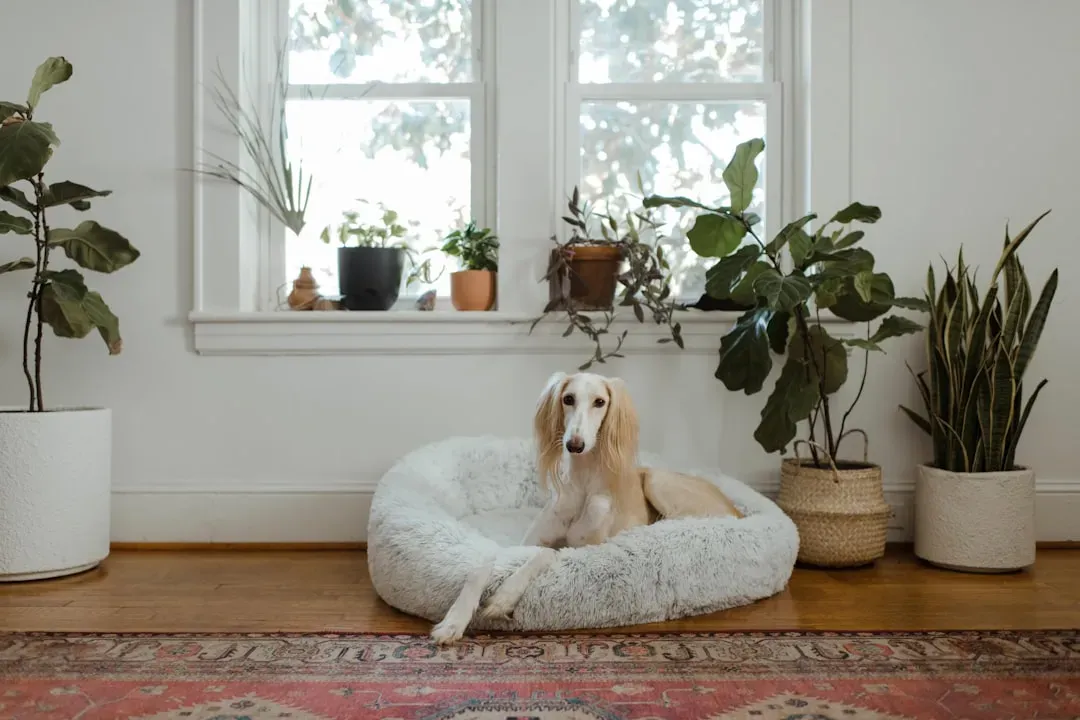
You probably assume your dog just lies down and sleeps. Kennel workers know the truth: how your dog approaches the bed is a psychological x-ray. A confident, coping dog will sniff, maybe circle once or twice, and settle. A stressed dog will circle obsessively, scratch for several minutes, or ignore the bed completely and stand glued to the door.
That last one is a huge sign they’re not mentally “in” the room yet. Staff watch the first bed ritual like a behavioral exam. Dogs that dig, scratch, and rearrange bedding excessively are trying to control something in a world that suddenly feels out of control. Dogs that stand and stare at the door, refusing to lie down, are often the ones who never quite switch off all night.
Here’s the uncomfortable part: many of these dogs go home exhausted, and owners think, “Wow, they had such a fun time!” In reality, some were too wired to really sleep, pacing or startling awake at every sound. That first attempt to lie down tells staff exactly which dog is which.
#5 – The First Potty Break: Information in Every Sniff
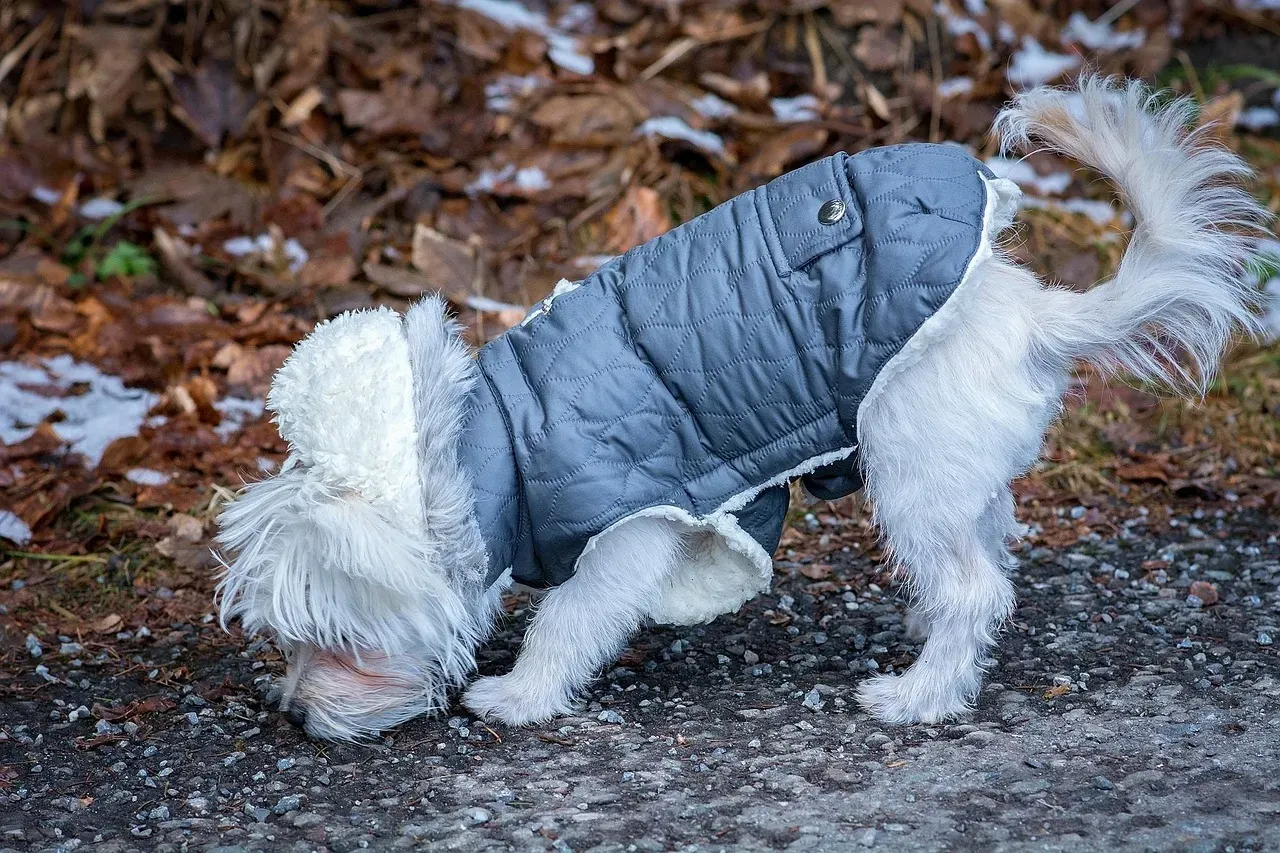
Most owners only ask, “Did they go potty?” Kennel staff are looking at how. On that first evening yard trip, a well-adjusted dog sniffs, explores a bit, and eliminates within a few minutes. The dog that pings around frantically, pulls to every fence, and refuses to pee for 20 minutes isn’t “excited” – they’re overloaded.
Even more telling is the dog who won’t go at all in front of staff, holding it the entire evening. Dogs who refuse to eliminate on the first night often come from homes where they’ve only ever gone in one very specific spot. Dogs that mark everything, over and over, may be using urine more as a stress signal than confidence.
Some kennels won’t admit how stressed they get about the dog who still hasn’t gone by the second morning. It means the first night was mentally rough, even if your dog “looked fine” on camera. You hear, “He was a little slow to go at first,” but no one explains that potty habits are one of the clearest maps of your dog’s anxiety level in a strange place.
#6 – The Food Bowl Standoff: Hunger vs. Fear
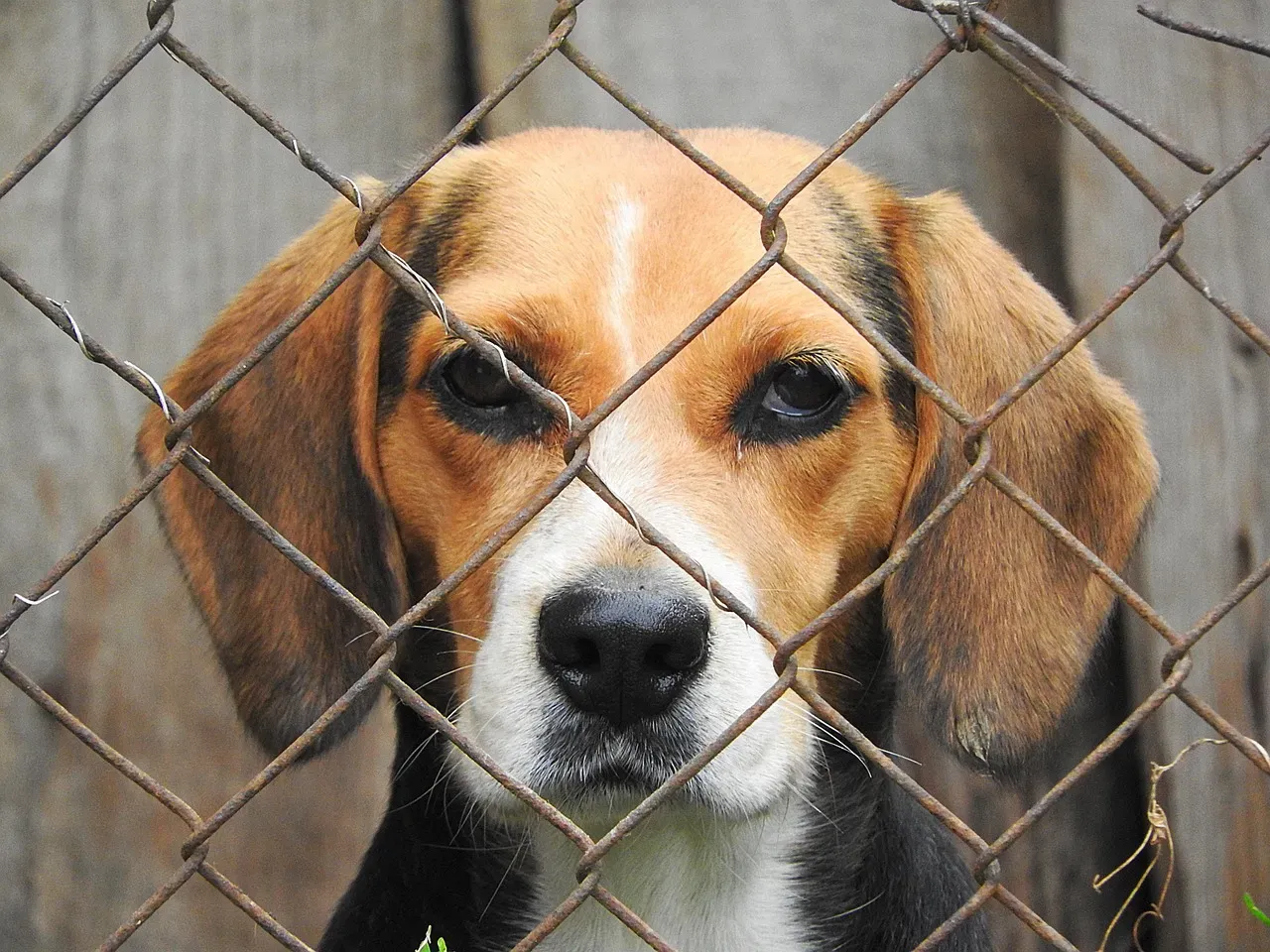
Everyone asks the same pickup question: “Did they eat?” What they don’t know is how often that answer is technically true but deeply misleading. A dog might skip dinner, skip breakfast, then finally choke down food out of sheer hunger, not comfort.
Kennel staff know that how long it takes a dog to eat that first meal, and under what conditions, is one of the sharpest tells of emotional state. On night one, workers notice whether your dog eats with them in the room or only after they leave, whether they inhale the food in seconds or pick nervously and leave half, and whether they’ll eat high-value treats but ignore their normal kibble.
A dog who eats only when no human is watching might have a history of food being guarded, taken away, or associated with conflict at home. A dog who ignores even chicken or cheese isn’t “picky” – they’re in survival mode. Many kennels soft-pedal this and say, “She was a bit off her food at first,” instead of telling you the truth: your dog was too stressed to eat for hours.
#7 – The “Velcro or Vapor” Test When Staff Walk Away
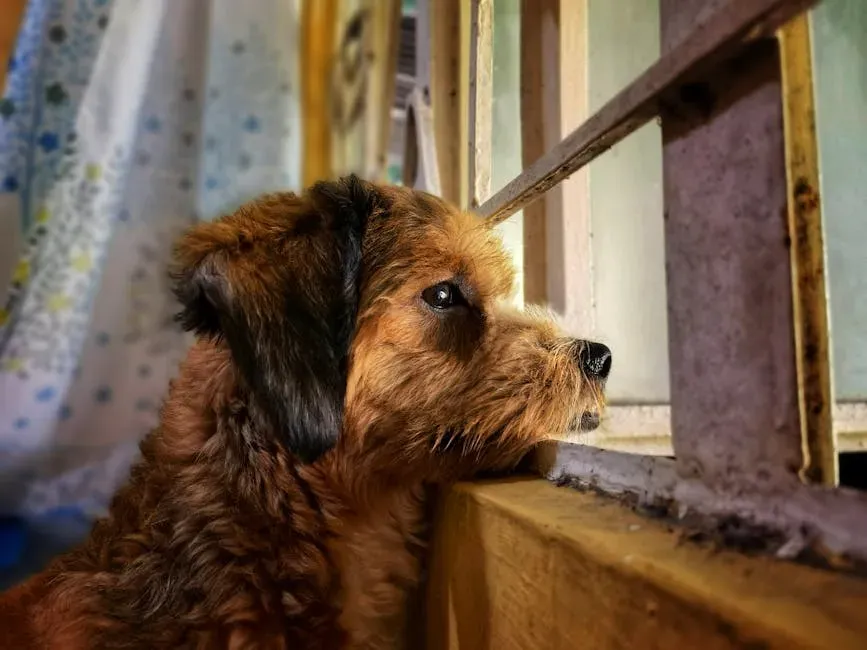
Most owners assume their dog either cries for them or bonds instantly with staff. Reality is subtler. Kennel workers quietly run what you could call the Velcro or Vapor test: what happens the moment they step away from the kennel door?
Some dogs become immediate Velcro, pushing against the gate, following every move. Others go vapor – they flatten, slink to the back, or disappear into the crate the second a human leaves. Velcro dogs can be sweet but also at risk for intense separation distress later in the stay. Vapor dogs may have learned that staying invisible keeps them safe, which can hint at past rough handling or chronic anxiety.
Quick Compare
- Velcro dogs: Press against the gate, track every movement, crave contact – but risk intense separation distress overnight.
- Vapor dogs: Flatten, slink back, or vanish into the crate – often a sign of learned invisibility or past rough handling.
- Balanced dogs: Watch calmly, maybe whine once, then redirect to a toy or bed – the easiest first nights to manage.
Staff won’t usually say, “Your dog panicked every time we moved away,” even though that first-night reaction predicts how they’ll handle being left overnight. Instead, you hear, “She really liked attention!” – which might be true, but only half the story.
#8 – How They React to the Night Sounds No One Warns You About

Kennels at night do not sound like your living room. There are metal gates, industrial fans, doors slamming, dogs coughing, and an occasional bark chain reaction at 2 a.m. The way your dog handles that first barrage of noise is something you’ll never see, but your kennel absolutely does.
Many dogs who seem fine at check-in startle violently at the first clank, bark, or cart rolling past, then spiral into hyper-vigilance. Staff quietly categorize startle-and-recover dogs, who jump and settle back down within seconds, versus startle-and-scan dogs, who stay on high alert with their head whipping at every creak.
Those startle-and-scan dogs may never truly sleep deep that first night. On camera, they’re lying down with their head up, eyes open, not actually resting. Chronic lack of real sleep is why some dogs come home “tired” but look hollow-eyed and irritable. Many owners call this a good kind of tired. Insiders often disagree.
#9 – The Neighbor Test: Who Your Dog Becomes Next to Other Dogs
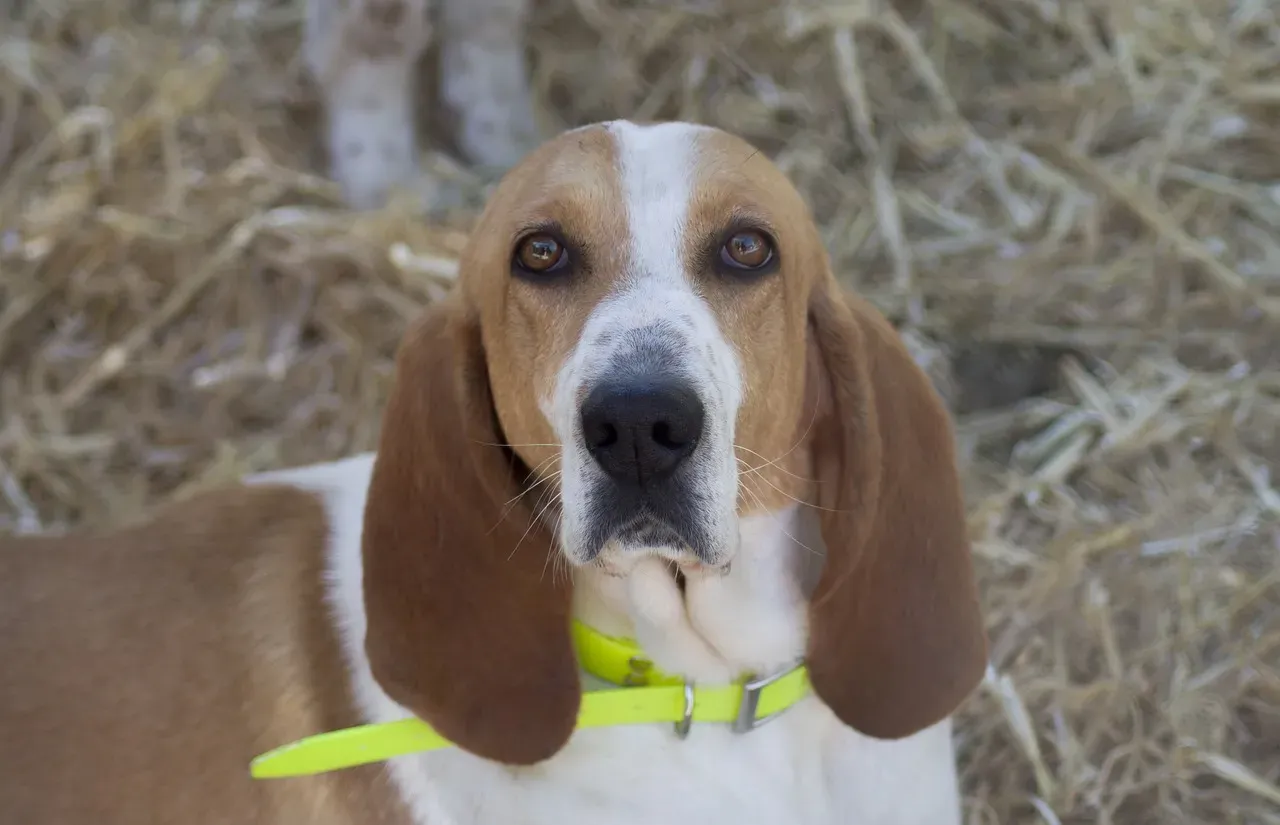
Most owners think their dog “loves other dogs” because the dog park looks fine. Kennels see a different side when your dog spends hours inches away from strangers, separated only by metal and air. The first night, staff pay close attention when new neighbors arrive or bark.
Does your dog rush the gate, hackles up? Do they cringe back, tail tucked, avoiding all eye contact? Or do they calmly glance over and go back to their own business? Many so-called “social” dogs become bully-barkers in kennels, slamming fences and rehearsing aggression they’ve never tried at home. Some “shy” dogs become quietly reactive, growling under their breath at any movement next door.
At a Glance
- Rushing the gate with hackles up usually signals overstimulation, not real confidence.
- Cringing back with a tucked tail points to uncertainty or fear of confrontation.
- A calm glance-then-look-away is the most emotionally stable response staff see.
- Kennels often reassign runs after a rough first night to pair calmer neighbors.
Good kennels will, on future stays, deliberately place your dog next to calmer neighbors if that first night goes sideways. But they almost never tell you, “Your dog cannot handle being next to a pushy dog,” even though that’s vital information. This test is one of the rawest looks at your dog’s true social skills under pressure, far more honest than any off-leash park.
#10 – The Camera Illusion vs. What Staff Actually See
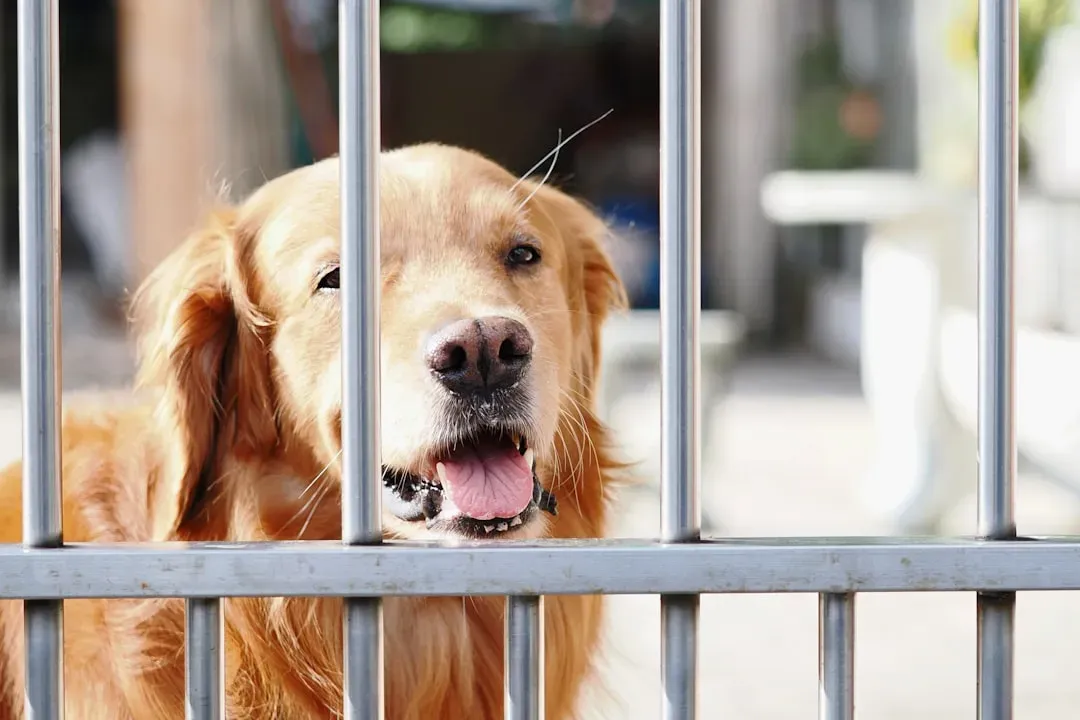
Lots of modern kennels advertise cameras, and owners scroll them like baby monitors. But here’s the uncomfortable truth insiders won’t post on their Instagram: what you see on that little screen is often a sanitized, partial version of the night.
You see your dog lying down. You don’t hear the constant background barking, smell the bleach, or feel the vibration of metal doors. A dog that looks “quiet” on camera might actually be frozen with stress. Staff see the lip-licking every few seconds, the micro-flinches at every clang, and the pacing that stops just out of camera range, then resumes when they think no one’s looking.
Owners love posting, “Look, she’s so calm at the kennel!” while workers know that same dog refused water, didn’t poop, and shook for the first three hours. The camera isn’t a lie, it’s just incomplete. The first night often looks much worse off-screen than on, but no one wants to tell a paying client, “Your dog did not cope well,” so the hard truths stay in staff conversations, not in your pickup report.
#11 – The Late-Night Check: Who Pretends to Sleep
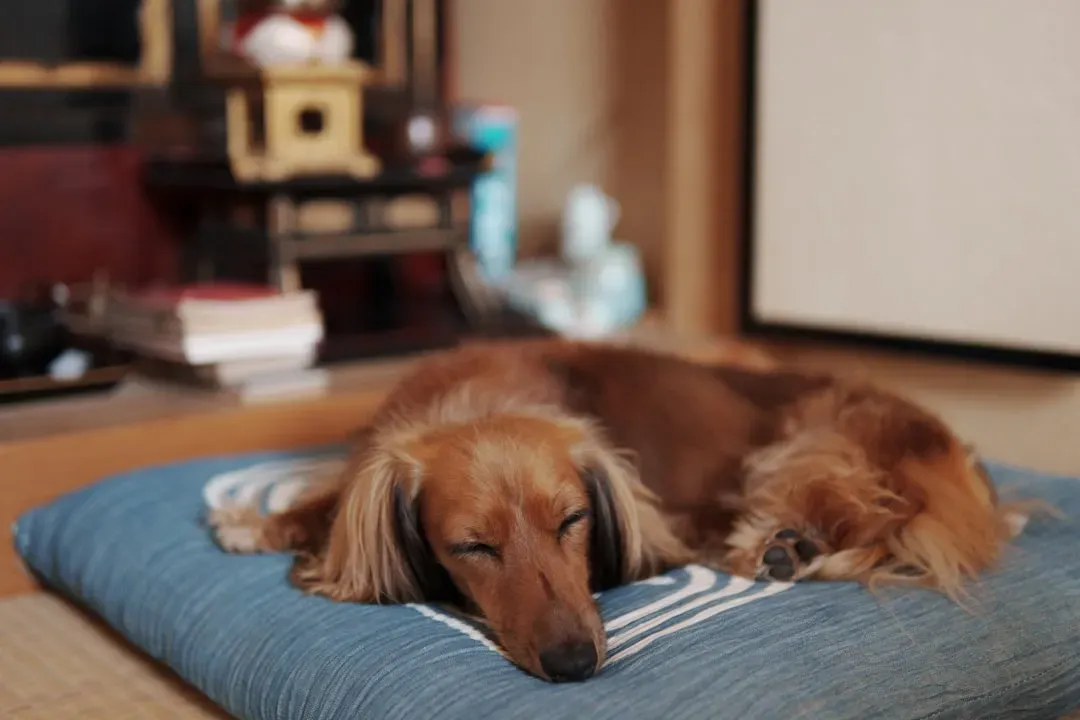
Around closing or during the last walk-through, kennel workers do a quiet circuit. This is when they see the truth owners never will. Some dogs are out cold, sprawled sideways, truly resting. Others are lying down but snap their eyes open the second anyone passes, clearly faking relaxation.
A few are still pacing whisper-quietly, turning circles on a worn patch of floor, too anxious to shut off. Dogs that can self-soothe might have been nervous at drop-off, but by midnight their breathing is slow and deep, body loose. Dogs that are “performing calm” for humans flatten when watched, then pop back up as soon as footsteps fade.
This is one of the most damning tells of all: if a dog can’t truly sleep on night one, they’re not just missing you, they’re overwhelmed by the entire setup. Yet kennels rarely report, “He never really slept that first night.” Instead, you’re told, “He settled down eventually.” Technically true, emotionally incomplete.
#12 – Morning-After Greeting: Relief, Resentment, or Pure Indifference
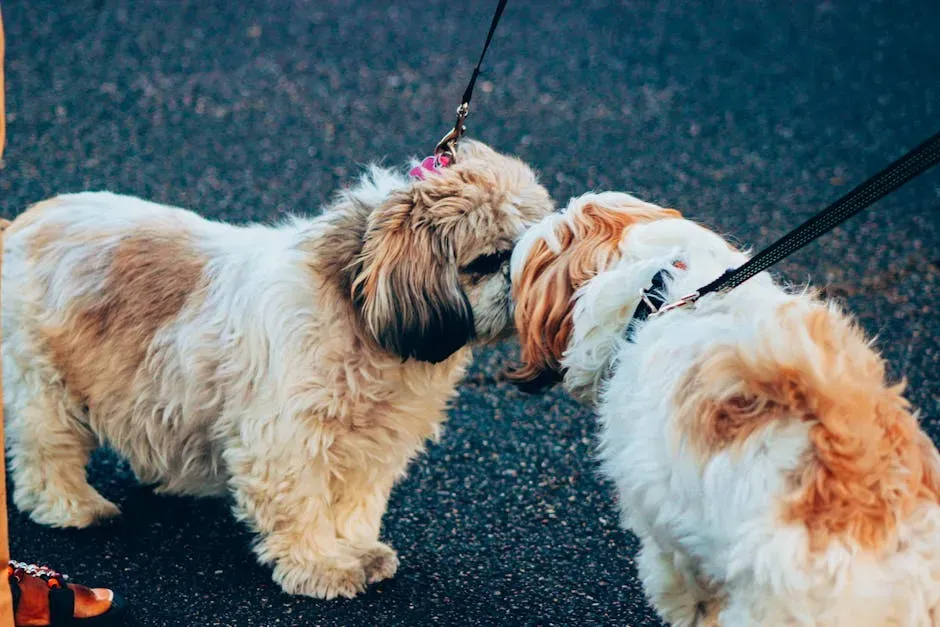
The most brutally honest moment isn’t drop-off, it’s the first morning greeting. As staff approach on day two, they see who your dog has decided to become in this new world. Some dogs rush the door with loose bodies and full-body wiggles, clearly thinking, “Oh good, you again, this is my person now.”
Others hover in the back, suspicious, tolerating handling but not thrilled. A few greet staff with a conflicted cocktail of relief and resentment. That morning tells kennel workers whether your dog has emotionally checked in, or is still waiting for you at the door – and whether they’ve filed staff under “safe” or just “less scary than being alone.”
Here’s the part that might sting: a dog who is wildly over-the-top affectionate with staff by morning may not be “happy” – they may be clinging to the only stable figure in a terrifying environment. Meanwhile, a dog who’s quieter but eating, drinking, and sleeping might actually be coping better long-term. Owners never get this nuance; they just hear, “He warmed up to us!” That morning-after greeting is the final, crucial tell from the first night that almost no one translates honestly for you.
The Bottom Line
The first night in a kennel is not a cute sleepover. It’s an x-ray of your dog’s mental health under real stress. Doorway freezes, silent shaking, skipped water, fake sleep – none of that is a minor quirk. Those are loud signals that your dog is either adapting, barely coping, or quietly drowning in anxiety.
Worth Knowing
- Ask if your dog drank water in the first few hours, not just whether they ate.
- Ask how quickly they settled at bedtime, not just if they “did great.”
- Ask whether they reacted calmly to neighboring dogs or went on the defensive.
- Ask if staff actually saw real sleep, not just a resting posture, during night checks.
Most owners walk away with a generic “She did great!” and a tired dog, and assume that means everything’s fine. Sometimes it does. Often it doesn’t. Boarding exposes gaps you’ll never see at home – in social skills, resilience, and basic coping. Some dogs handle it beautifully. Some don’t. Owners deserve to hear that honestly, not a rehearsed pickup line.
So here’s the real question: do you actually want the honest first-night report, even when it’s hard to hear? Or is “She did great!” just easier on us than the truth is on them? If you’ve caught your own dog doing one of these 12 tells, we want to hear it in the comments.