
19 Tiny Daily Routines a Dog Starts on Its Own That Owners Slowly Organise Their Mornings Around
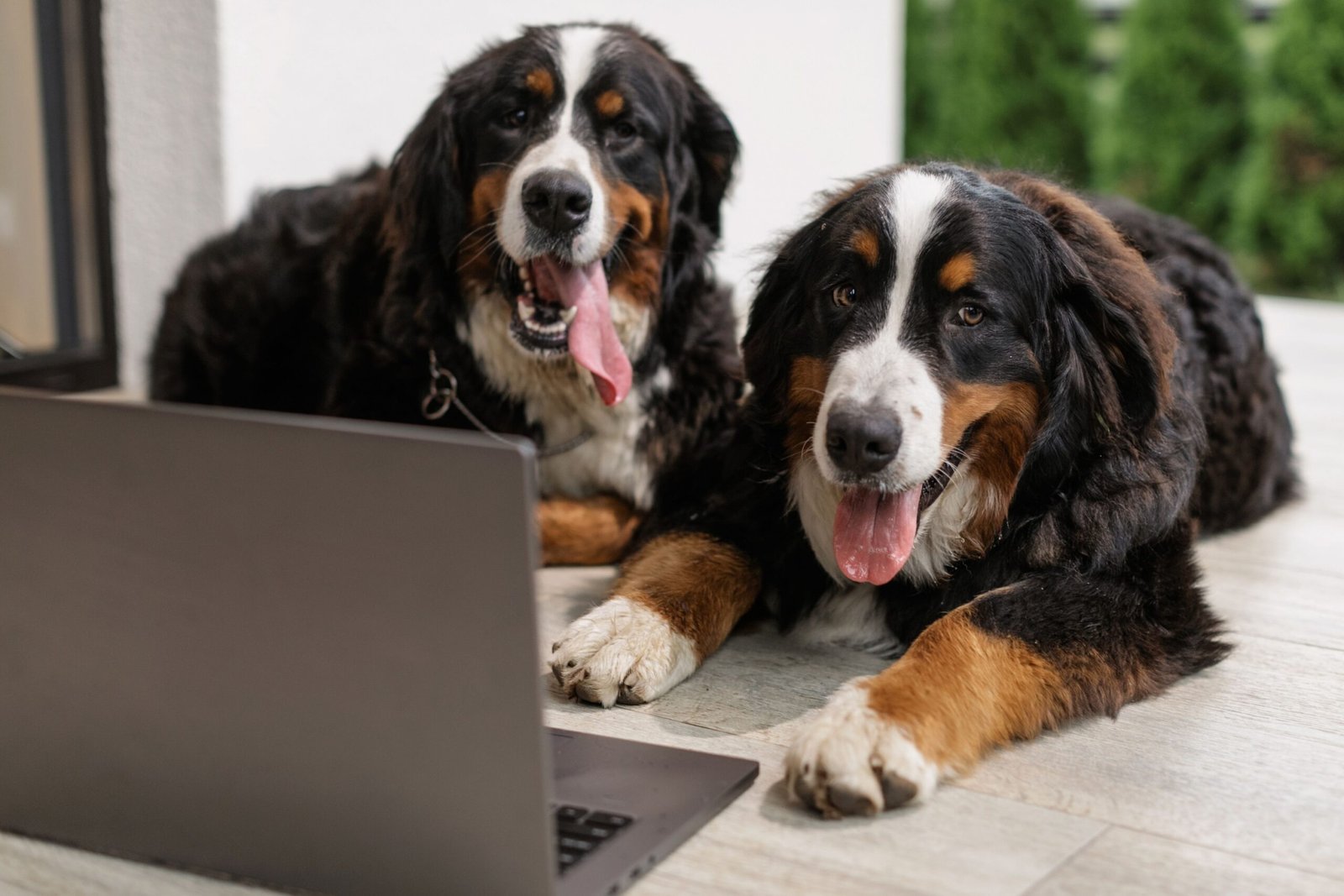
Most people think they trained their dog. The truth is a lot less flattering: somewhere between the 6:30 a.m. nose-nudge and the frantic sprint to the door, the dog trained you. Quietly, one habit at a time, without a single training session or treat pouch in sight, they’ve been rewriting your morning while you assumed you were the one in charge.
It starts small. A whine here, a paw there, a toy dropped on your keyboard at the exact wrong moment. But stack enough of these tiny, self-installed routines together and you get something bigger: an entire morning schedule that belongs to your dog, not your alarm clock. Here are 19 of them – and by the end, you’ll probably recognize your own living room.
#1 – The “Living Alarm Clock” Wake-Up Call
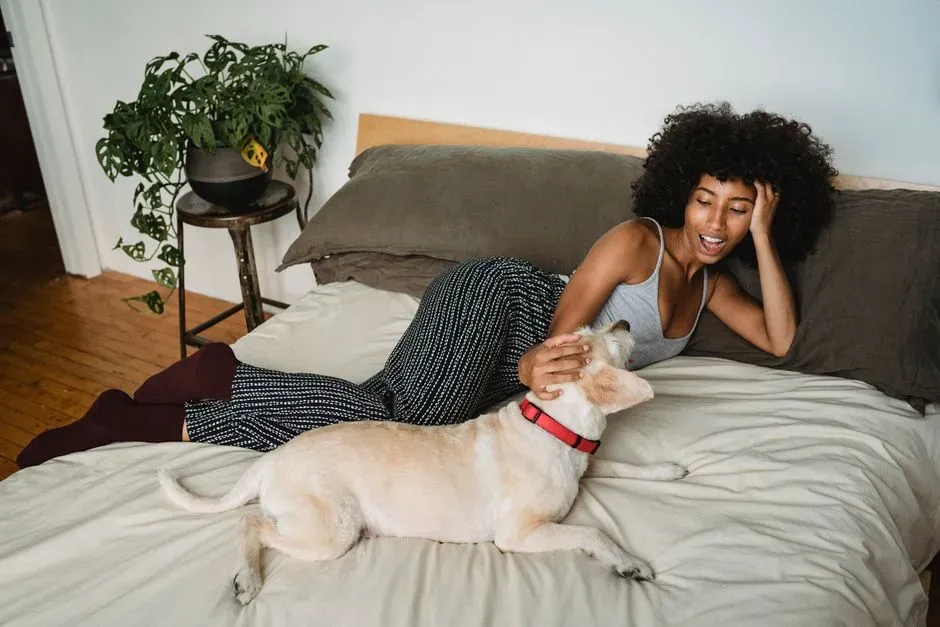
Your dog doesn’t care about your smartphone alarm – their internal clock is more persistent and, frankly, harder to ignore. Many owners notice their dog wakes them up at almost the exact same time every single morning, often within a 10-15 minute window, weekday or weekend, holiday or not. That’s not random. Dogs pick up on light changes, household noises, and past feeding times, and they quietly link all of it to “time to get my human moving.”
At first it’s subtle: a soft whine, a paw on your arm, a cold nose against your cheek. You groan, roll over, and eventually get up. After a few repeats, your dog has learned the equation – pester at 6:45 a.m., human gets up – and just like that, you’re building your wake-up time around your dog’s chosen schedule instead of your own. Most owners never notice the exact moment they handed over that power.
#2 – The Mandatory Morning Potty Patrol
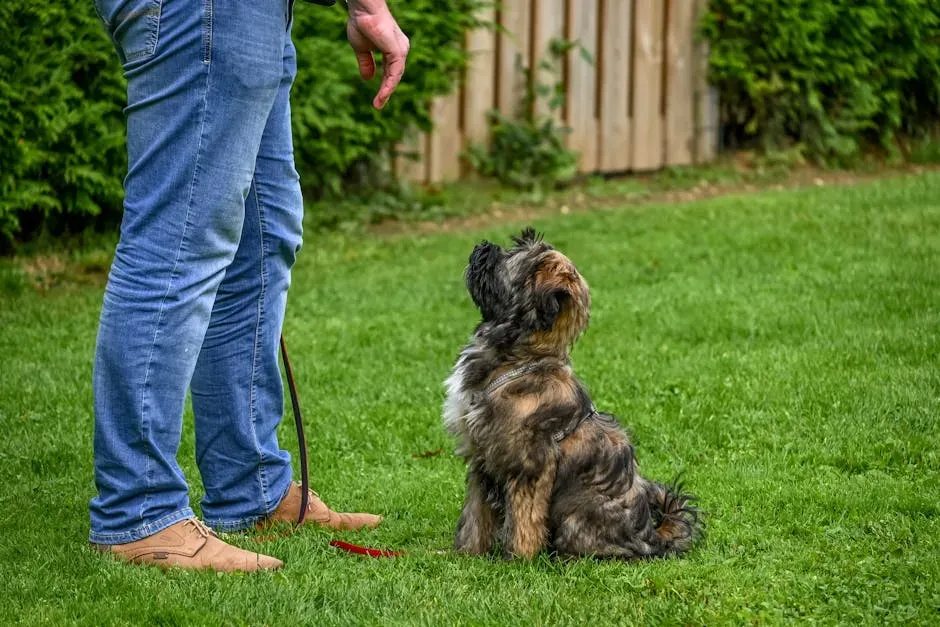
Once your dog has decided when morning officially starts, they install rule number two almost instantly: we go outside next, no negotiations. This becomes non-optional fast, especially with younger dogs or small breeds with smaller bladders running the show. The pattern is simple – wake human, sprint to door, stare or pace until it opens – and you cannot exactly “snooze” a bladder.
So you cave, every time. Coffee, your phone, brushing your teeth – all of it gets rearranged around this outdoor sprint. What’s funny is that this accidental ritual actually lines up with real science: early natural light helps regulate human circadian rhythms and mood. You think you’re just avoiding a mess on the floor. Your dog is quietly forcing you into a healthier morning than you’d have chosen on your own.
#3 – The Exact-Order Breakfast Ritual
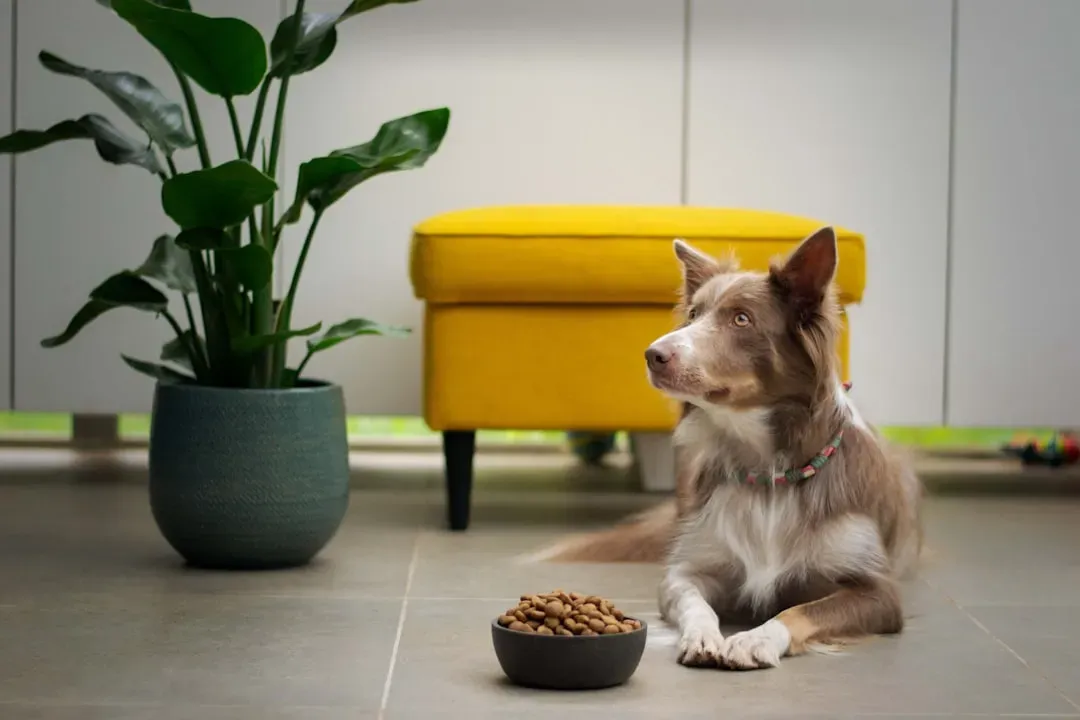
If you think your dog only cares that breakfast happens, try changing the order it happens in. Many dogs obsess over sequence – outside, then water, then kibble, then one specific treat, always in that pattern. Try pouring your coffee before scooping their food and you’ll get the stare: the unmistakable “that’s not how we do things here” glare.
Eventually you stop improvising entirely. You walk in from the yard, go straight to the food bin, fill the bowl, maybe add a splash of warm water because you did it once out of guilt and now it’s law. Dogs are relentless pattern detectors, and once an action reliably leads to food, they’ll insist on it forever. You end up organizing your first fifteen minutes around their expectations – right down to exactly where the bowl lands on the floor.
Worth Knowing
- Dogs can lock a behavior chain into place after just a handful of repetitions
- Food-linked routines are especially “sticky” because they combine scent, timing, and location cues
- Changing even one step in a familiar sequence can trigger visible confusion or mild protest
- It’s the same associative learning behind formal obedience training – just self-taught
#4 – The “Coffee Buddy” Positioning
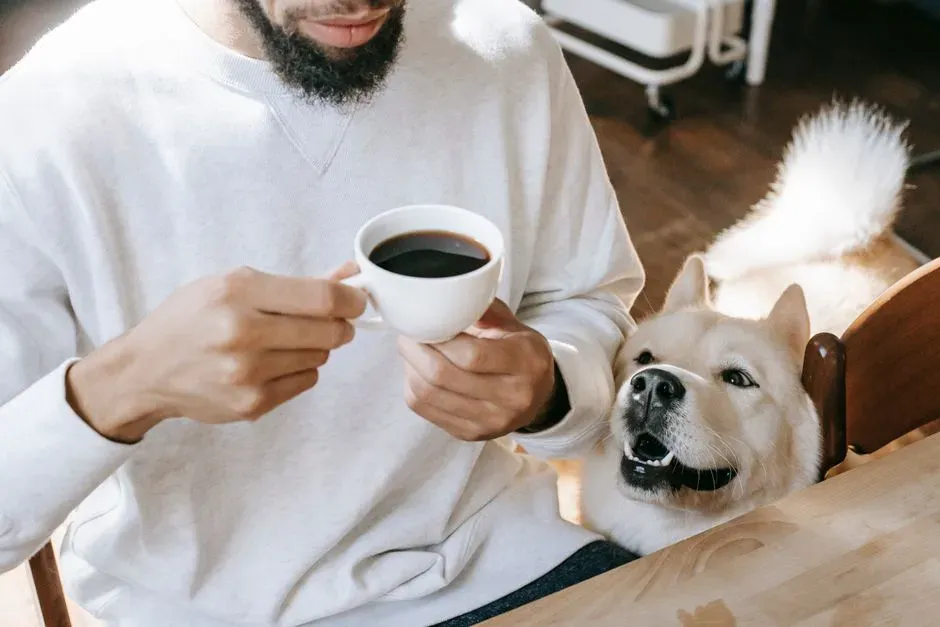
Coffee time feels like your choice – until you notice your dog has already blocked out the scene. Many dogs pick one specific spot to lie or sit while you make your coffee and repeat it every single morning: between you and the cabinet, under the table for stray crumbs, or planted right at your feet like a furry traffic cone.
You adjust without realizing it. You swing your leg a little wider, reach for the mug a certain way, maybe start narrating: “Okay, coffee time, buddy.” Dogs are known to use body placement and steady gaze to shape human behavior, and this is the quiet, everyday version of it. Before long, “coffee” and “dog at my feet in this exact corner” are fused in your brain, and your kitchen choreography is entirely dog-directed.
#5 – The Scheduled Toy Presentation
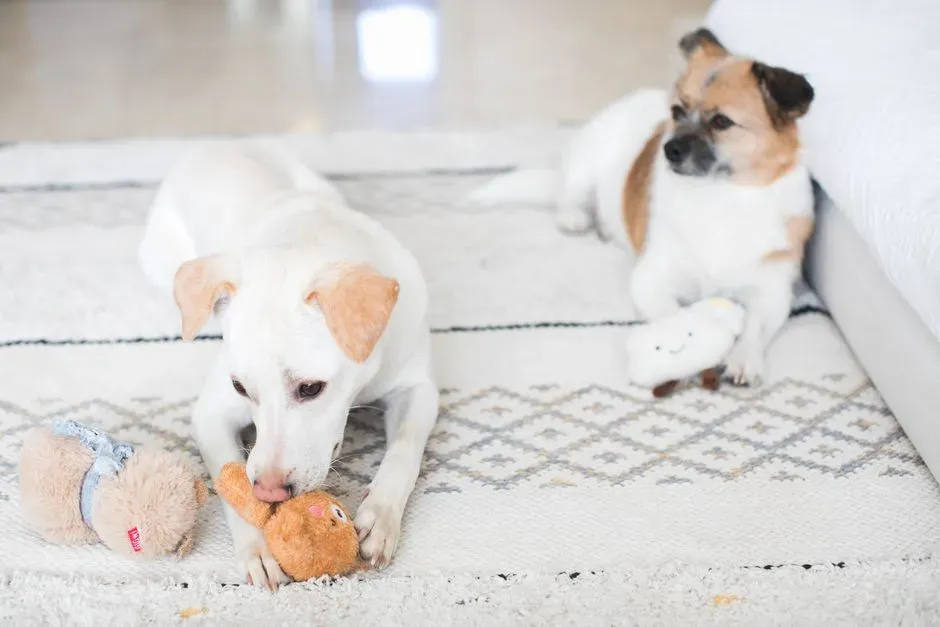
Many dogs slot an unofficial “play now” block into your morning without asking permission. Right after breakfast – occasionally right before it – they arrive with the same slobbery tennis ball or squeaky duck and don’t just carry it, they present it: dropped at your feet, on your lap, on your keyboard if you dared open your laptop too early.
The first time you toss it absentmindedly while scrolling your phone, your dog files it away: toy plus human equals fun. Within days it’s non-negotiable, and you’ve added five to ten unplanned minutes of play to your routine without ever deciding to. Some owners delay showers or emails because “he hasn’t had his ball time yet” – proof that your dog isn’t just playing, they’re managing your calendar.
#6 – The “Bathroom Bodyguard” Escort
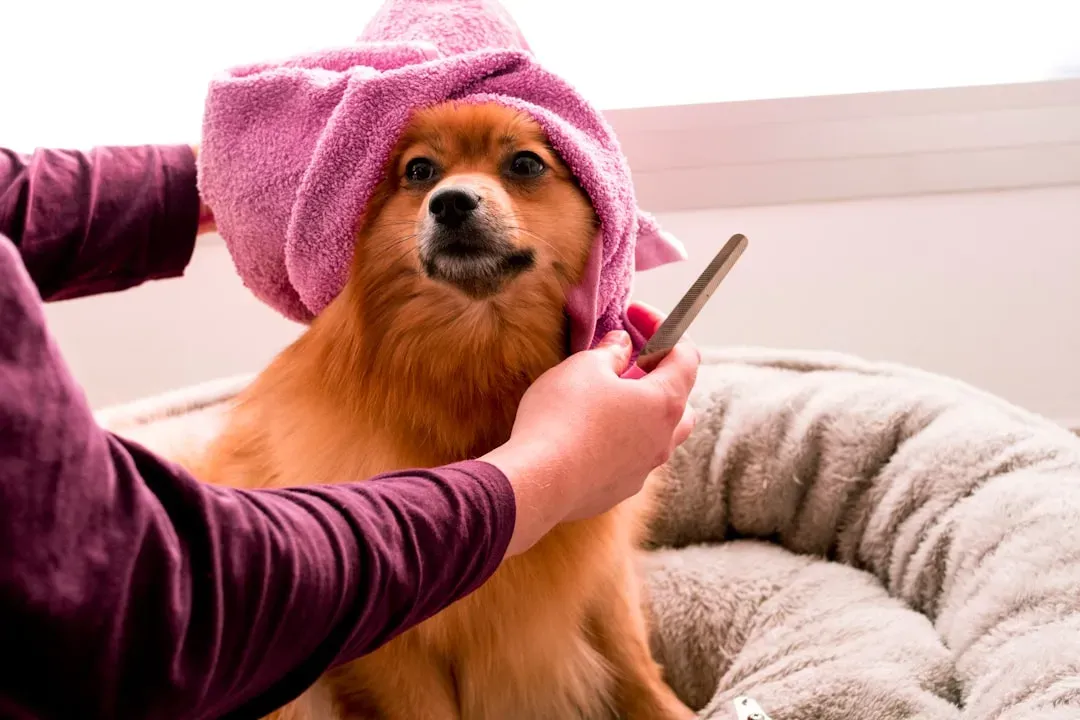
If you have a dog, you already know privacy in the bathroom is a myth. One of the strangest, most universal tiny routines is the daily escort: the second you move toward that door, they follow. Some lie on the mat, some lean against your legs while you brush your teeth, some simply stare like unpaid security staff clocking in for their shift.
Part of it is attachment, part of it is old pack instinct – no one wanders off alone during vulnerable moments. But practically, you start accounting for it: leaving the door cracked, shifting the trash can, moving the bathmat so they have their spot. Some people even brush their teeth faster because their dog gets restless at a certain minute mark. Your grooming routine has a co-author, and it has four legs.
#7 – The Window Watch Patrol (and Your Weather Check)
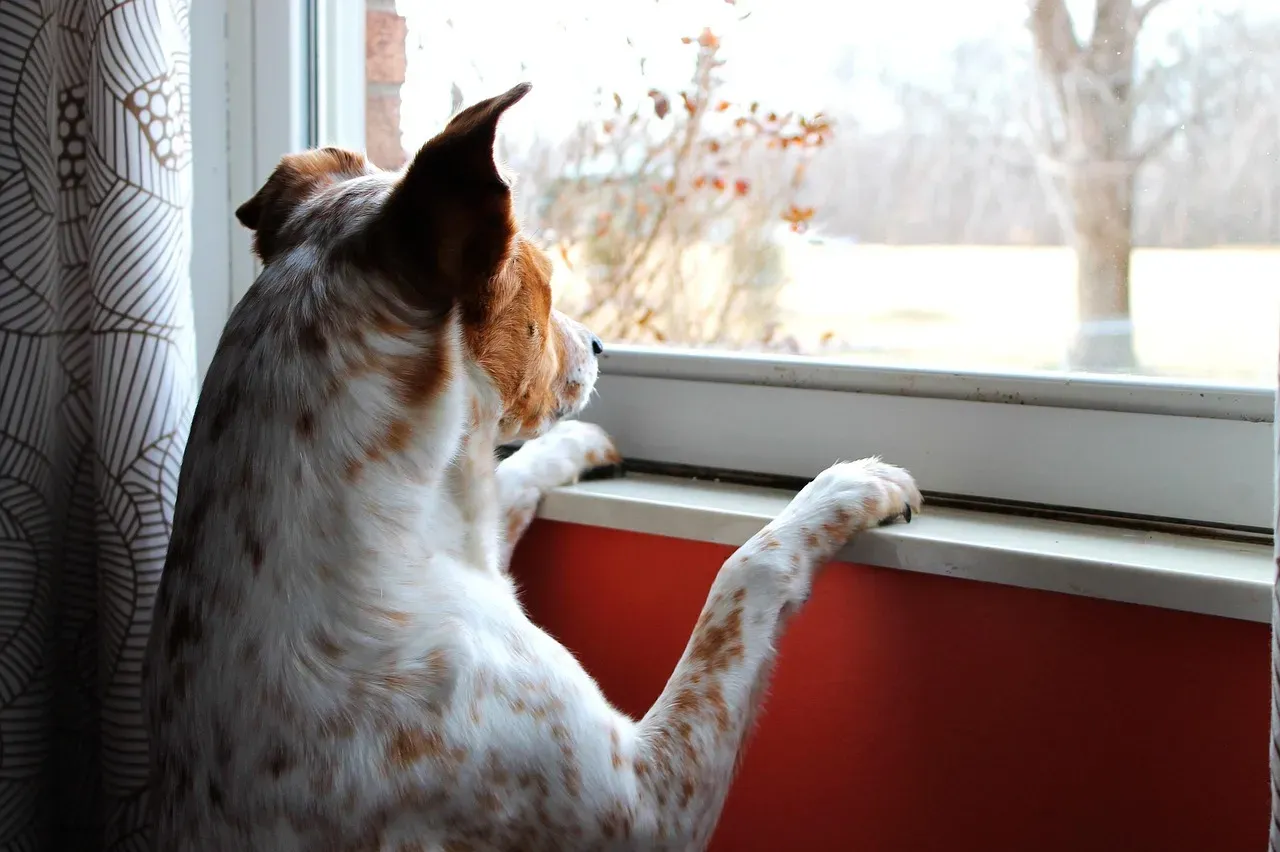
Many dogs self-assign to window duty every single morning. After eating or going out, they head straight for their favorite lookout – a couch back, a low window, a glass door – and monitor squirrels, mail trucks, and invisible threats only they can sense.
You start building your own habits around this patrol. You glance outside when they do, checking the sky, the street, the traffic, timing your shower by whether they’re already at the window. “If he’s already at the window, I’m running late” becomes an actual internal clock. The dog’s patrol quietly turns into your unofficial weather forecast and neighborhood news check – a routine you never scheduled, but somehow always keep.
#8 – The “Walk Wardrobe” Reminder
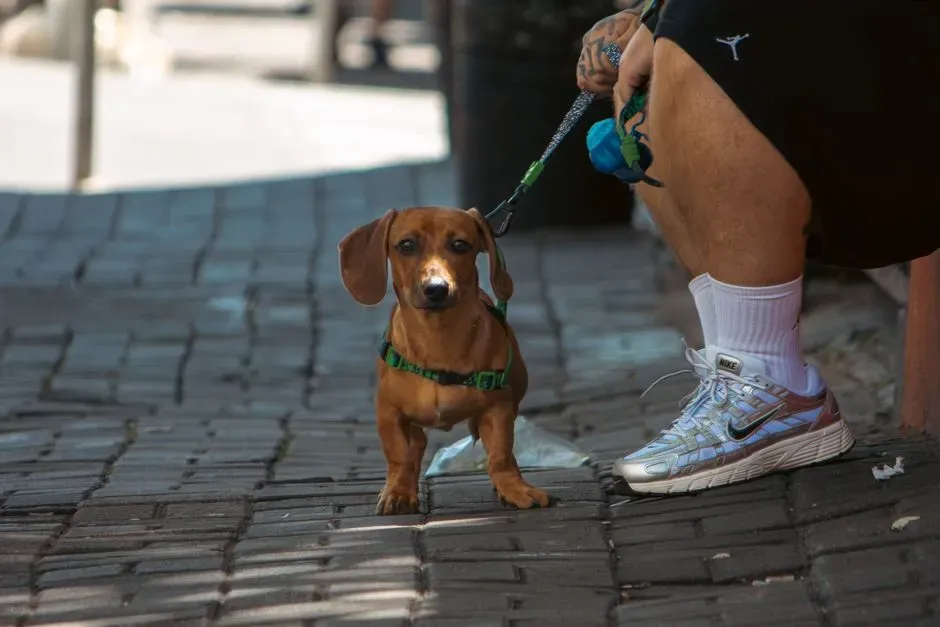
You’d think you decide when to walk the dog. In reality, many dogs declare it’s “walk o’clock” and your closet obeys. Every morning, often right after breakfast, they zero in on the symbols of “walk”: sneakers, leash, a certain jacket, maybe even your sunglasses, watching you like a hawk for the first hint you’re suiting up.
So you stop reaching for those items casually. You don’t put on running shoes unless you actually mean to leave, because doing so triggers a furry tornado of excitement. Many owners even keep “walk clothes” in one specific spot because the dog has permanently linked that location to their favorite part of the day. Your very first outfit choice ends up planned around a schedule your dog invented.
#9 – The Route Loyalty (Even When You’re Bored)
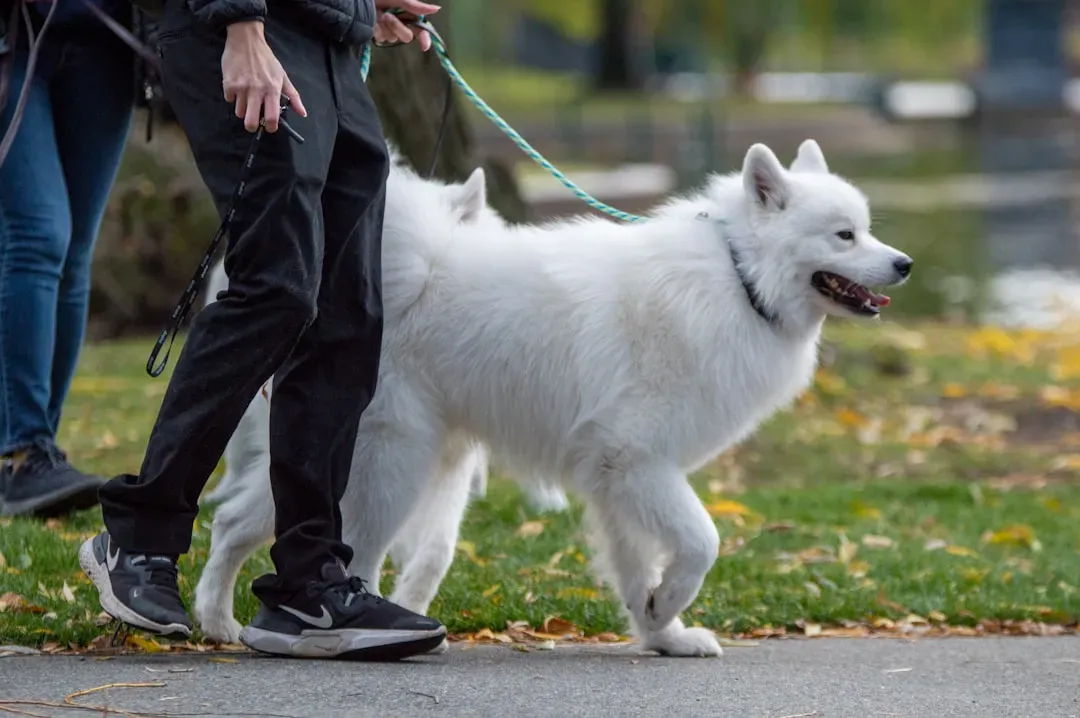
Once a dog decides a morning walking route is “ours,” good luck changing it. They remember every turn, every bush, every mailbox where something interesting once happened, and trying to alter the path earns you real leash tension – pure, four-legged protest.
You might crave variety, but the same loop wins every day, and eventually you start planning your time around exactly how long it takes: twelve minutes without stopping, eighteen if the neighbor’s outside, twenty-five if their favorite dog friend shows up. Your sense of “how much time do I have before work” quietly calibrates to a route your dog picked, not you. You even start hitting play on your podcast at the same porch step, every single day.
#10 – The Post-Walk Cool-Down Claim
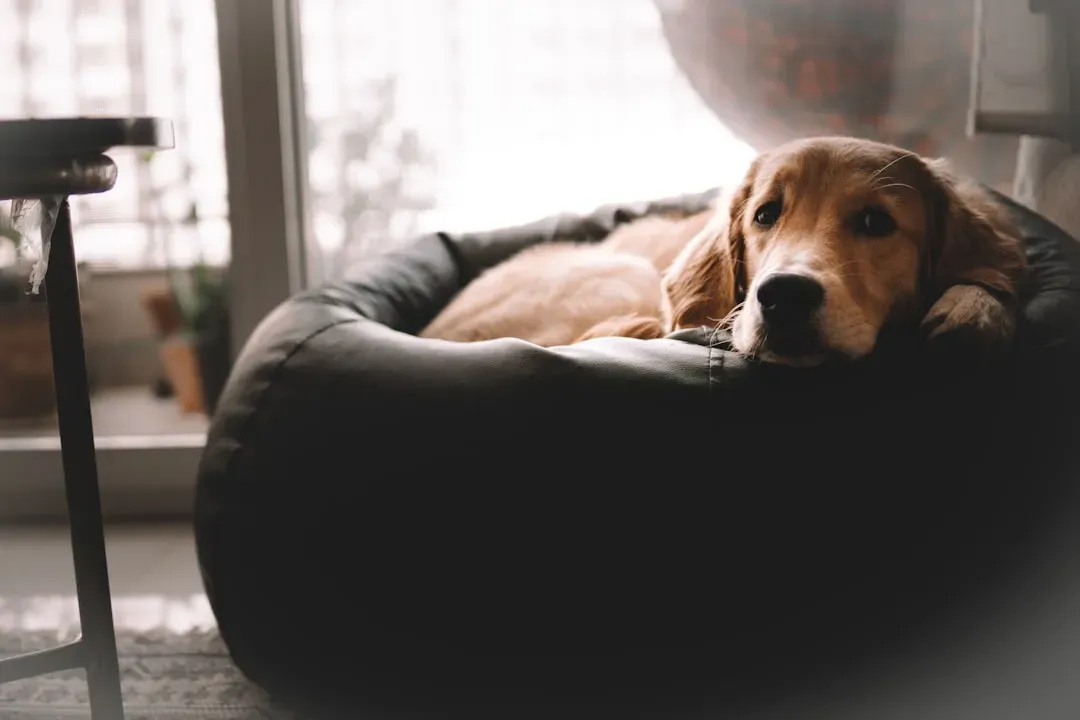
You might assume the routine ends when the walk does. Your dog disagrees. Many develop a very specific cool-down ritual – flopping on a particular rug, sprawling in the one sun patch on the floor – and they repeat it so consistently that you start organizing your own movement around it.
You avoid that carpet with your shoes still on. You set your bag down somewhere else because “that’s where she crashes after the walk.” Some owners even delay vacuuming because it would mess up her spot. Your “I’m finally home” moment ends up tied to your dog’s need to decompress, not the other way around – a small surrender most people never notice they’ve made.
#11 – The Water Bowl Refill Schedule
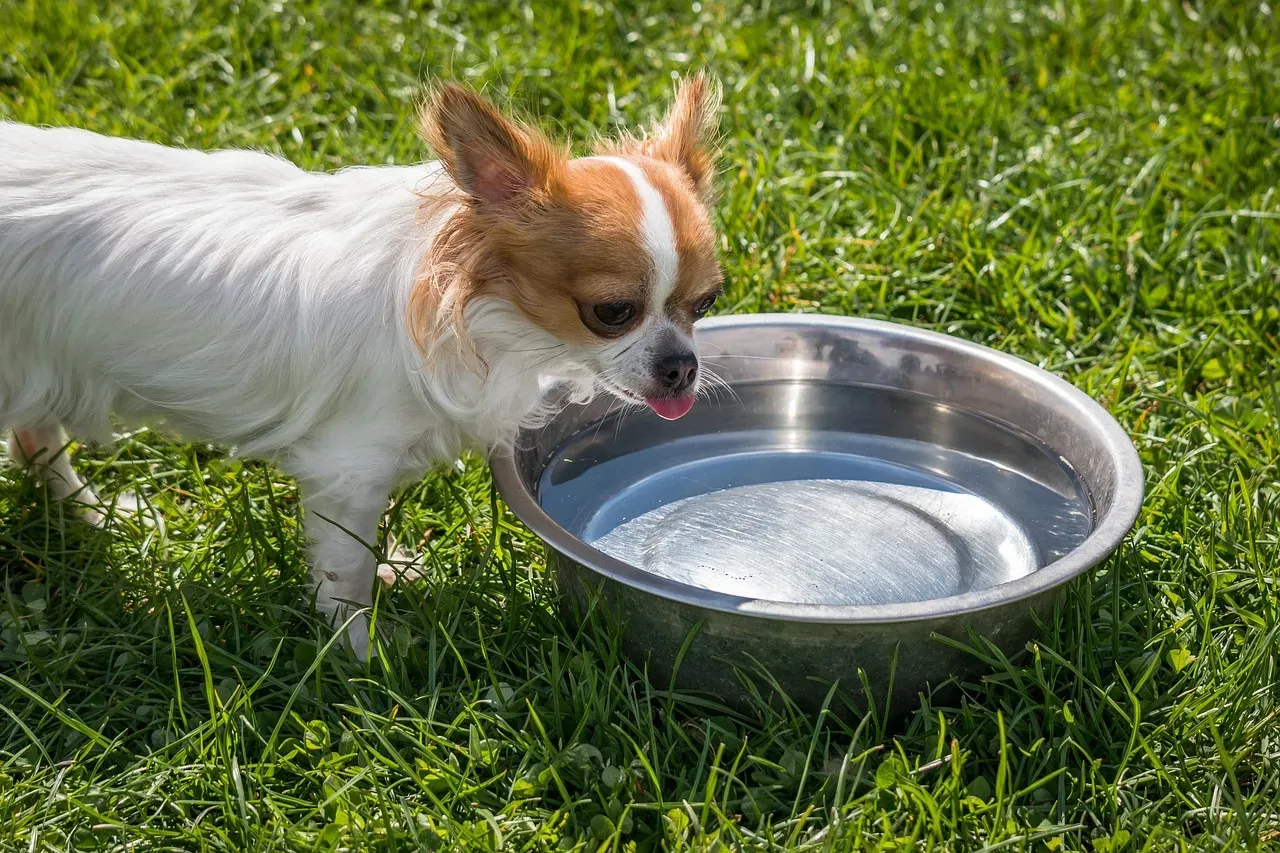
Here’s a tiny routine most people don’t even clock: you refill the water bowl at almost the exact same point in your morning, every time. Dogs often prompt this with a stare, a paw at the bowl, or dramatically loud lapping as you walk by. Respond consistently a few times and the timing sticks for good.
Soon your brain pairs “refill water” with a specific task transition – dishes then bowl, email then bowl, teeth then bowl – and you might top it off while it’s still half full just because of *that look*. Hydration matters for dogs, especially after walks and meals, so in fairness they’re not wrong to ask. But your micro-breaks, your natural pauses between tasks, now line up with your dog’s internal “water o’clock,” whether you planned it or not.
At a Glance
- Adult dogs typically need roughly 1 ounce of water per pound of body weight each day
- Water needs climb after exercise, walks, or warm weather
- A stare or paw-tap at the bowl is a common, low-key thirst signal
- Refilling at consistent times can help prevent gulping or overdrinking
#12 – The “Laptop Guilt Trip” Blocker
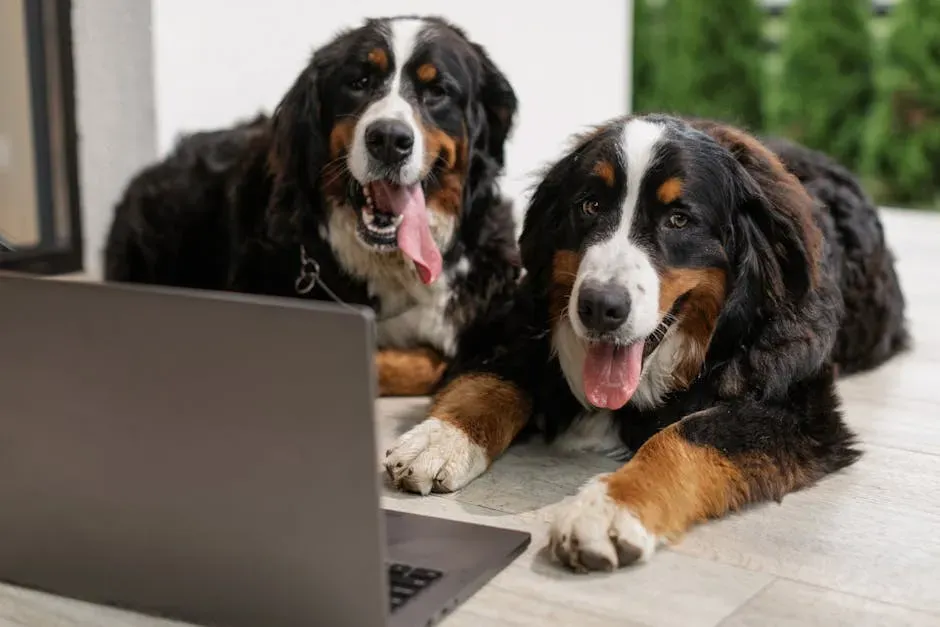
Open a laptop too early and many dogs deploy their most powerful weapon: strategic interruption. A nose off the trackpad, a head wedged between your wrists, a full-body flop across your lap so typing becomes physically impossible. You laugh, push them gently aside, and give in – “okay, five more minutes of pets” – and just like that, the script is locked in.
Very quickly you start adjusting on your own: no laptop until after the walk, sit at the table instead of the couch, because otherwise she’s on the keyboard. Your dog has enforced a hard boundary between “morning dog time” and “screen time,” and you comply without a fight. Ironically, it often makes your morning healthier – fewer doom-scroll minutes, more actual presence – even though it was never your idea.
#13 – The “One Specific Spot” Morning Cuddle Window
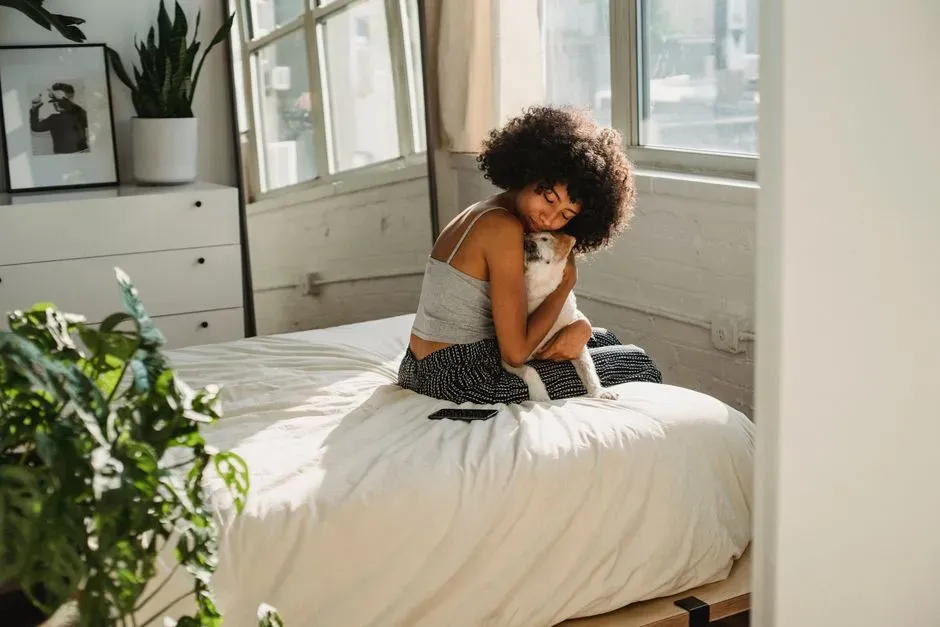
Plenty of owners think they chose their cuddle time. The truth is most dogs pick a narrow, specific window and location for morning affection and enforce it relentlessly – right after your alarm but before you sit up, or the second you land on the couch with your coffee. Miss it, and they sulk, or escalate fast.
You respond, because who says no to that face, and over time you start protecting the slot – waking ten minutes earlier, delaying your email check to “give him his morning love.” Predictable, positive contact early in the day genuinely does help lower stress for both dogs and their people.
We give dogs time we can spare, space we can spare and love we can spare. And in return, dogs give us their all.
Roger Caras
Your dog has never read a word of research. They’ve simply designed a tiny daily therapy session and quietly forced you to schedule it.
#14 – The “House Perimeter” Inspection You Now Assist
Some dogs run a quick patrol every morning – living room, kitchen, hallway, back door – like they’re doing a security sweep. At first you ignore it. Eventually you start responding: opening certain doors, lifting blinds, picking up last night’s clutter right as they pass through.
Whether you notice or not, you’ve joined the patrol. You straighten the throw blanket because you know they’ll jump on that couch next, or scoop up the shoe they always chew when they reach that room. People love to say “I like a quick morning reset,” but in dog households, that reset often just follows the dog’s exact walking pattern through the house. Your “assistant” role was never advertised – it just happened.
#15 – The “Human Breakfast” Begging Shift
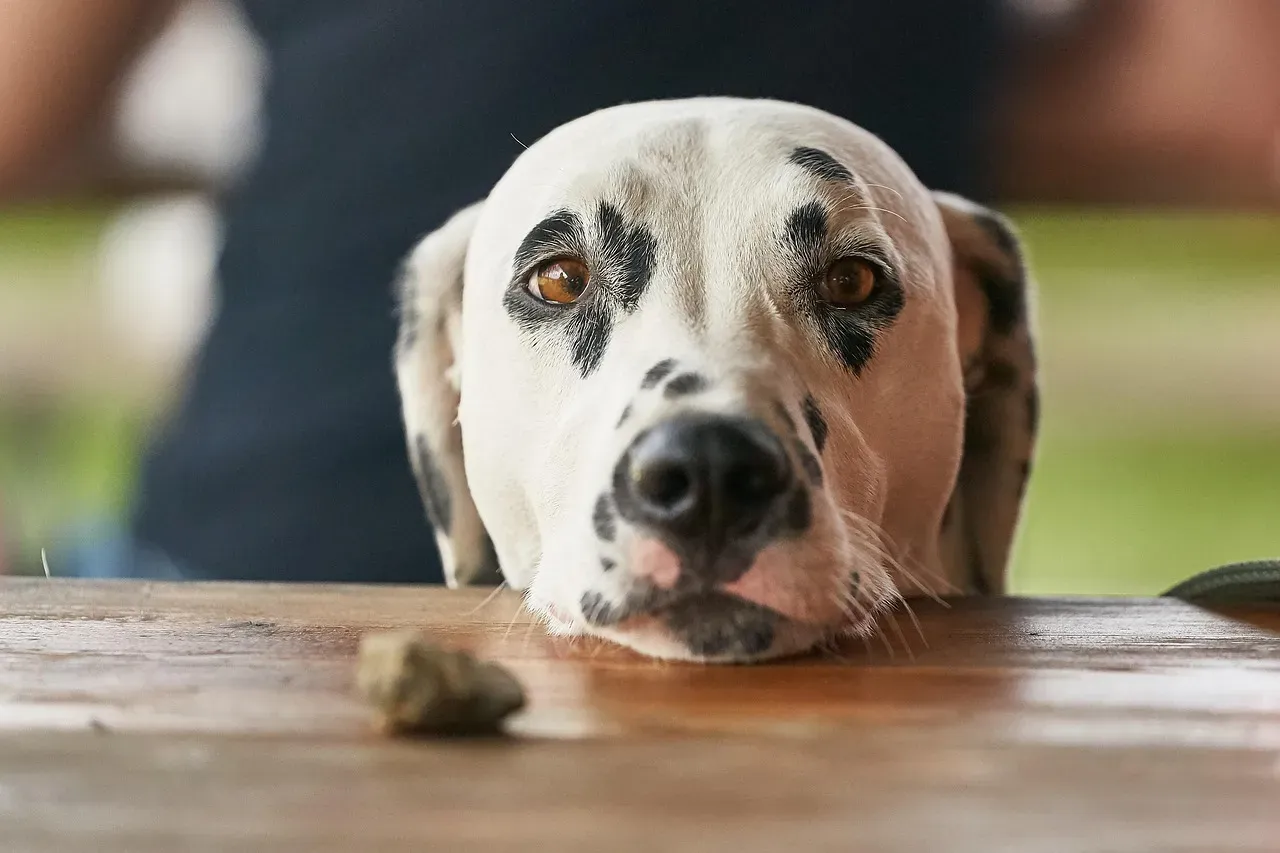
Even if you swear your dog never gets table scraps, they’re not fooled. Many quietly install a “human breakfast watch”: the instant you sit down to eat, they take up a fixed position at your feet, beside your chair, or just far enough away to pretend they’re not begging – staring, sighing, occasionally dropping a perfectly timed paw.
Over weeks, you start timing your own meal around when the dog seems settled. You delay cooking until after the walk because otherwise they’re wild under the table, or you switch to standing breakfasts – toast in hand – just to dodge the guilt. A crumb only sometimes is enough to convince a dog this time block is worth defending, and you end up scheduling “eat breakfast” around their unofficial “monitor human breakfast” shift.
#16 – The “One Last Outside” Checkpoint
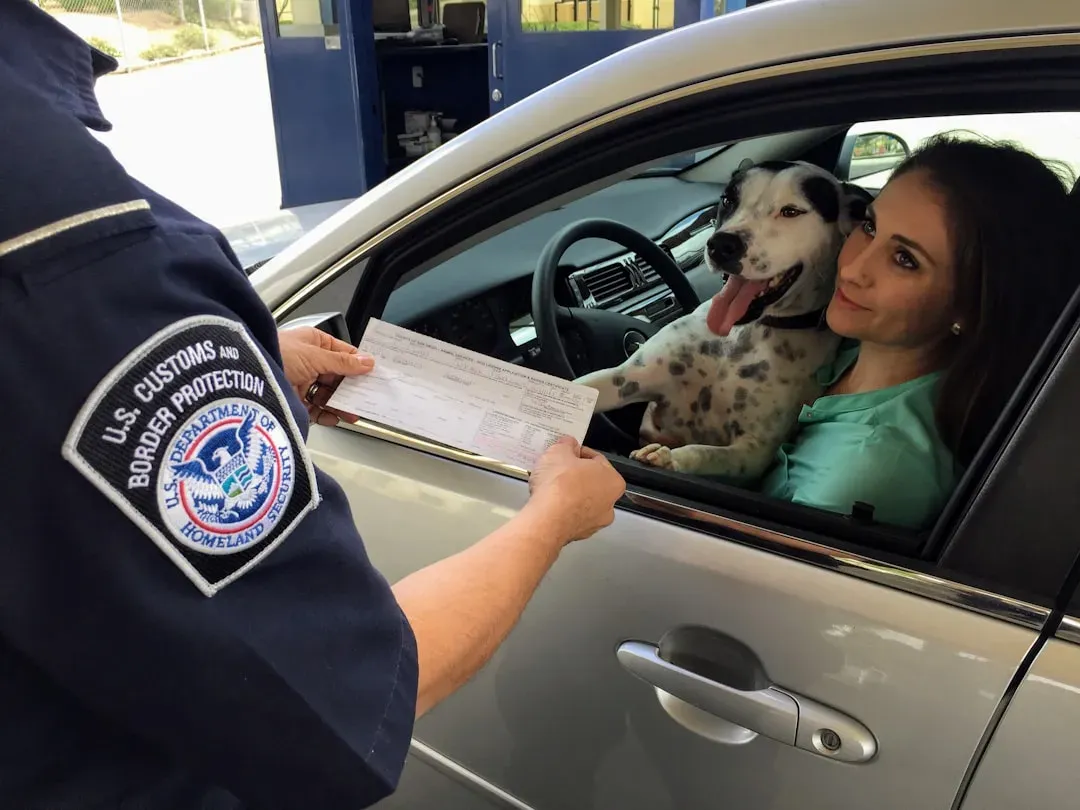
Right before you leave for work or start remote calls, many dogs insist on one final trip outside – even if they went an hour ago. In their minds it’s a completely different event: a last sniff, a last pee, a final perimeter check before the house “shuts down” for the day. The second they sense keys jingling and a bag by the door, some start pacing or whining softly.
Ignore this ritual and you risk stress, accidents, or destroyed cushions, so most owners fold it in for good – a five to ten minute buffer built permanently into departure time. That small addition shapes your alarm, your shower time, even when the coffee starts brewing. Rain, heat, or a blizzard, this closure lap happens regardless.
Fast Facts
- Jingling keys, grabbing a bag, or putting on shoes are classic “leaving” cues dogs learn to read
- Mild pre-departure pacing or whining is common and usually not a medical concern
- A short, calm outside break before leaving can ease stress for both dog and owner
- Trainers often recommend a consistent goodbye routine to smooth the separation transition
#17 – The Pre-Departure Shadowing (and Your Packing Routine)
As departure time nears, some dogs start shadowing you from room to room, watching what you pick up, which shoes you grab, whether the bag comes with you. They quickly learn which combinations mean “long goodbye” versus “quick trash run,” and their anxiety or excitement ramps up accordingly.
Many owners unconsciously change the order they pack, where they set their keys, even which door they use, just to manage that reaction. Shoes go on last instead of first because shoes mean “they’re leaving” in your dog’s brain. Some people quietly gather items earlier while the dog’s distracted, just to dodge a meltdown. Your dog’s emotional radar has fully rewritten your checklist.
#18 – The Chosen Goodbye Spot
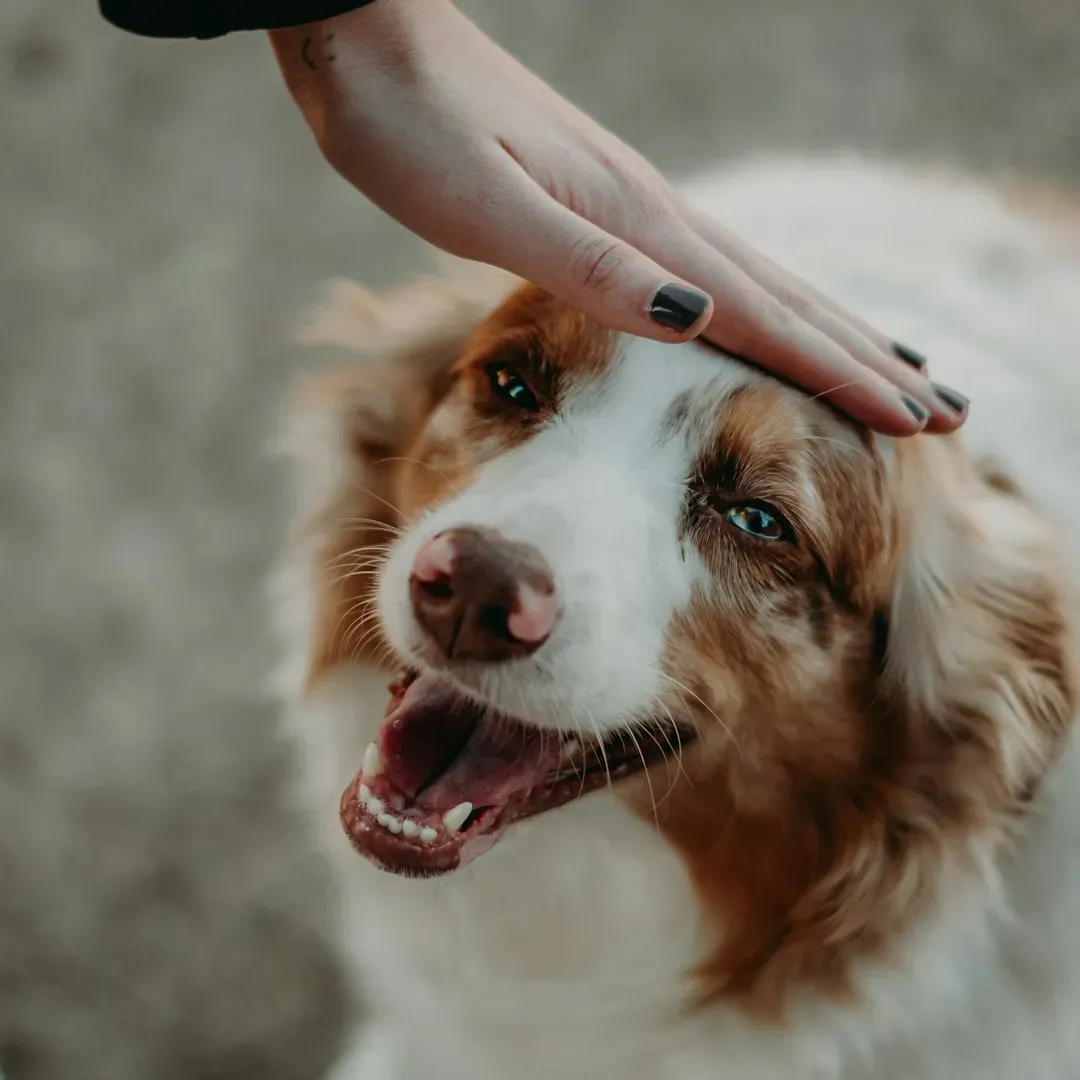
Almost every dog picks one specific spot in the house where goodbyes are “supposed” to happen – by the front door, at the baby gate, on a particular rug, or the couch armrest for one last head scratch. Try to leave without stopping there and they’ll reposition themselves in that exact spot and wait, staring like you’ve skipped an obvious step.
Owners adapt fast, walking that route automatically even when it isn’t the shortest path to the door – same lean-down, same goodbye phrase, same treat from the same pocket. Your dog has staged and scripted the emotional finale of your morning, and even running late, you still squeeze it in, because skipping it feels wrong. That’s not a human routine with a dog added. That’s a dog routine with a human attached.
#19 – The Post-Departure Watch (That Shapes When You Actually Leave)
Here’s the part almost no one admits out loud: many people adjust the exact minute they walk out the door based on how their dog reacts to being left alone. If your dog barks or cries, you stall – futzing with your bag, checking a window, pretending to forget something – until they settle onto the couch or bed.
Some dogs cue this themselves, trotting to a window, crate, or favorite chair at a certain point, signaling they’re finally “ready” for you to go. Your true departure time ends up synced to their internal readiness, not your calendar. This is where the illusion fully collapses: you were never the one managing the morning. You’ve been negotiating, step by step, with a silent, furry project manager since the second you opened your eyes.
The Bottom Line
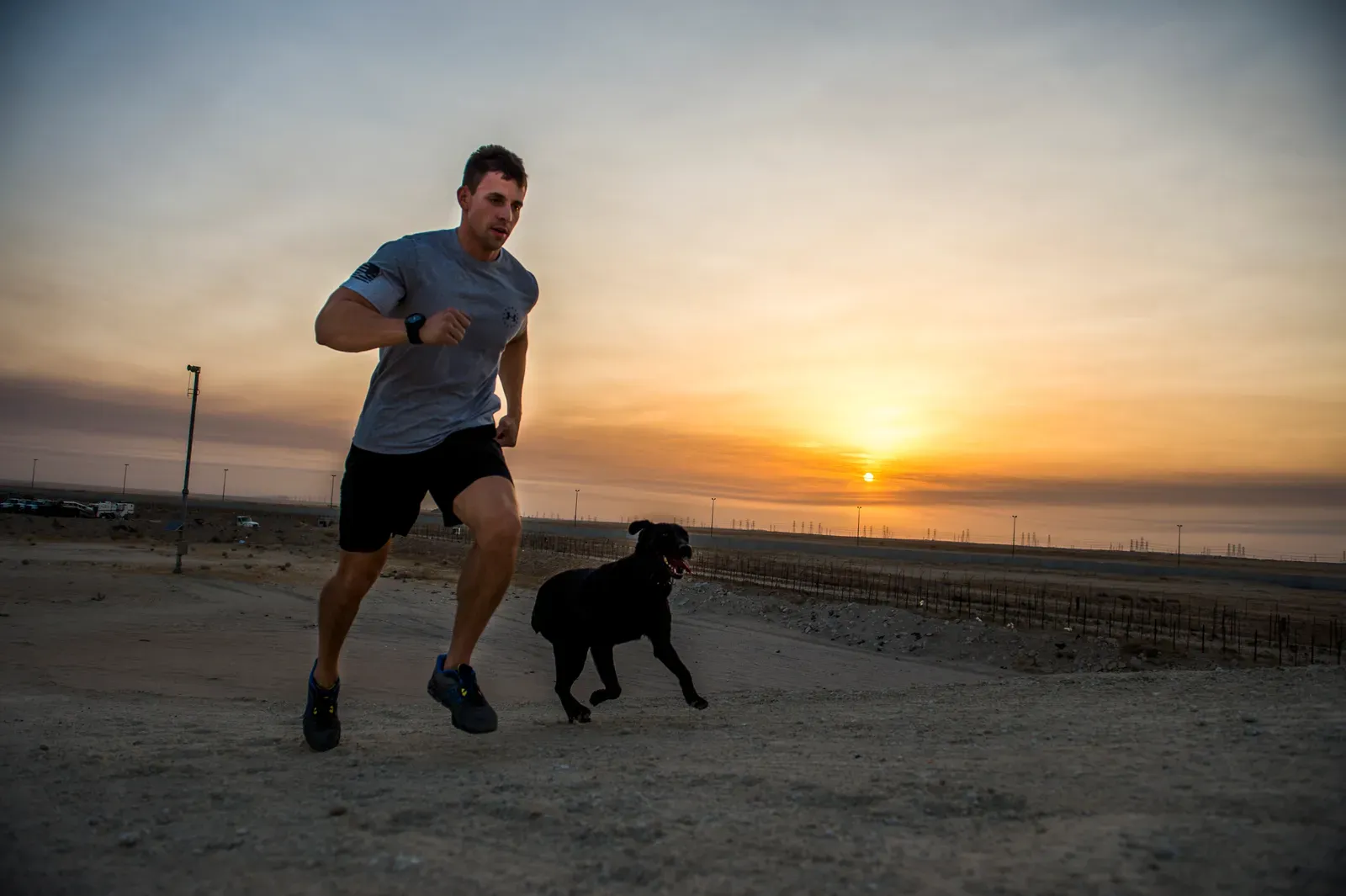
Zoom out and it’s almost embarrassing: we think we’re the organized ones, but our dogs are quietly running the show. They install tiny routines – wake-up times, walk windows, cuddle slots, goodbye rituals – and we adapt, day after day, until the whole morning is built around their expectations.
Is that a bad thing? Honestly, not always. A lot of these dog-driven structures accidentally make our mornings better – more light, more movement, more affection, fewer screens. But let’s be honest about what’s actually happening here: dogs aren’t just companions riding along in our schedules. They’re co-authors of them.
Personally, I don’t buy the idea that we’re training them more than they’re training us. It looks a lot more like a negotiation the dog usually wins – and most of us hand over the morning without ever noticing we agreed to the terms. Did your dog invent any of these rituals, or a strange one of their own? Drop the ones that hijacked your mornings in the comments. You won’t be the only one nodding along.