
7 Dog Breeds That Need Less Exercise Than Their Size Would Suggest
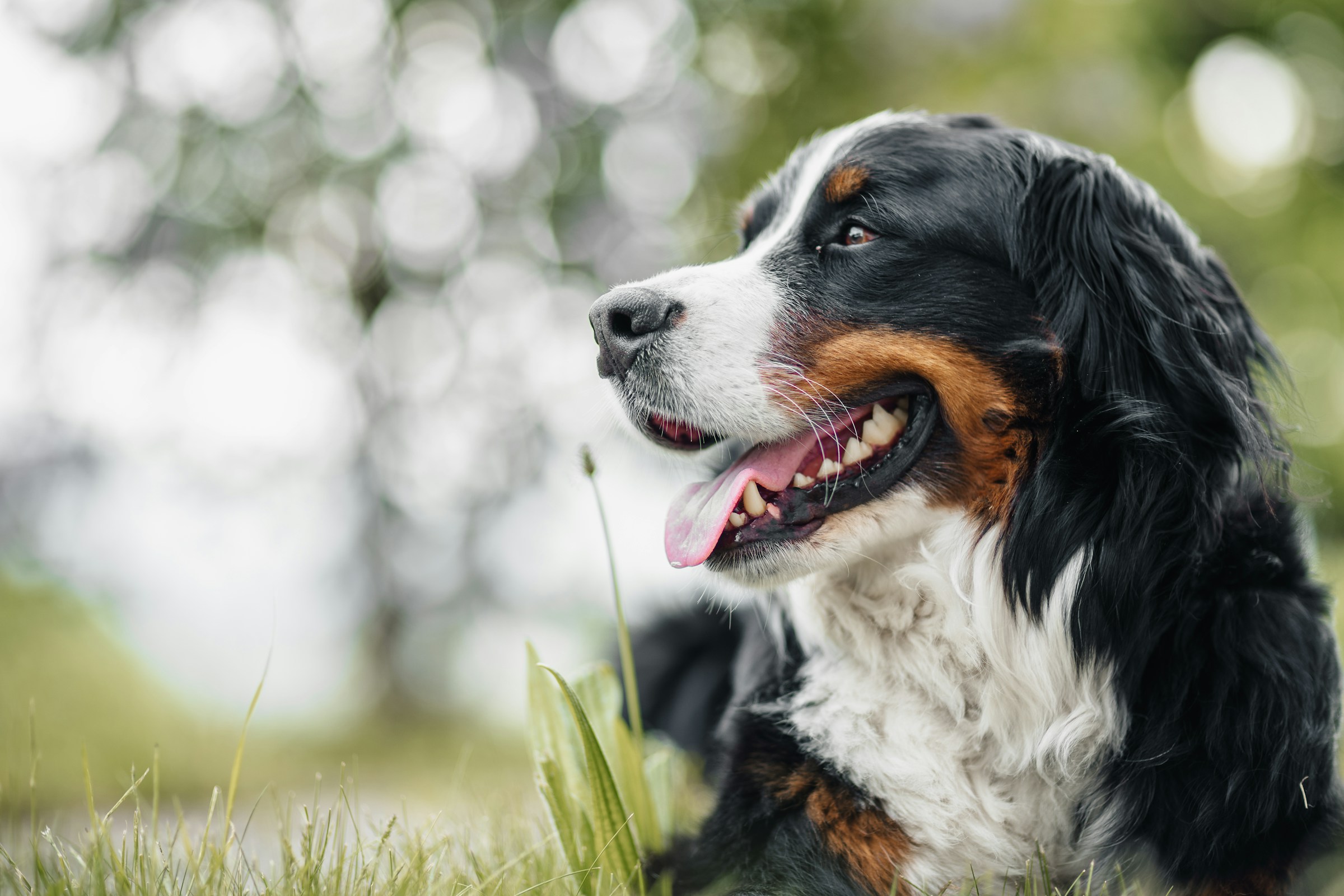
Most people assume big dog equals big workout. If a dog looks like a small bear, surely it needs to run marathons every day, right? The funny truth is that some of the chunkiest or tallest breeds are total couch potatoes at heart, and they’re quietly perfect for people who want a large dog without the daily 10‑mile hike.
This does not mean these breeds never need walks or playtime, or that they can be ignored in the backyard. It simply means their real exercise needs are often lower than their impressive size suggests. If you love the idea of a larger dog but your lifestyle is more slow brunch than ultra-marathon, these seven breeds might surprise you.
1. Great Dane: The Gentle Giant Who Loves Being a Sofa Ornament
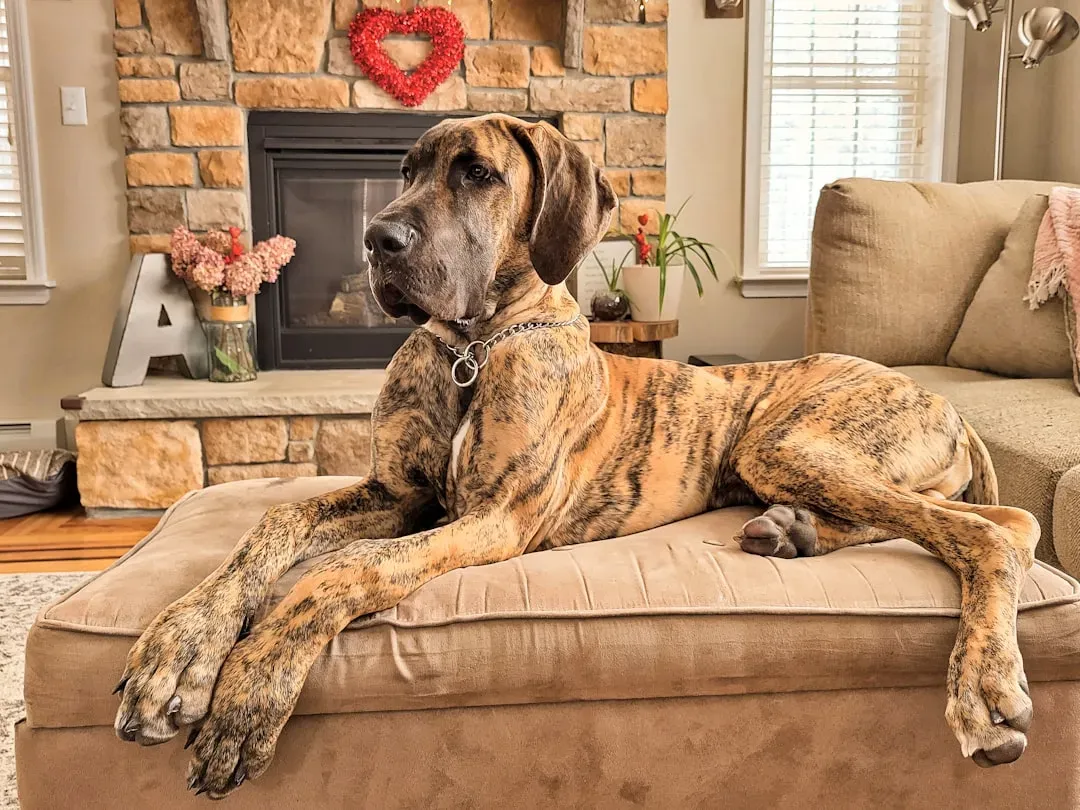
When you first see a Great Dane thundering down the street, it’s easy to imagine they need hours of exercise to stay sane. In reality, many Danes are famously laid back, often happy with a couple of moderate walks and some brief zoomies before collapsing into a snoring heap. They grow fast and are prone to joint issues, so overdoing exercise during puppyhood can actually be harmful rather than helpful.
As adults, they typically prefer a comfortable couch to a constant workout schedule, and they can adapt surprisingly well to calmer households as long as they get daily outings and mental enrichment. They do best with short play sessions, regular but not intense walks, and plenty of time to lounge near their favorite humans. Think of a Great Dane less like a marathon runner and more like a very large roommate who politely insists on sharing your bed.
2. Newfoundlands: Huge Bodies, Surprisingly Low-Energy Indoors
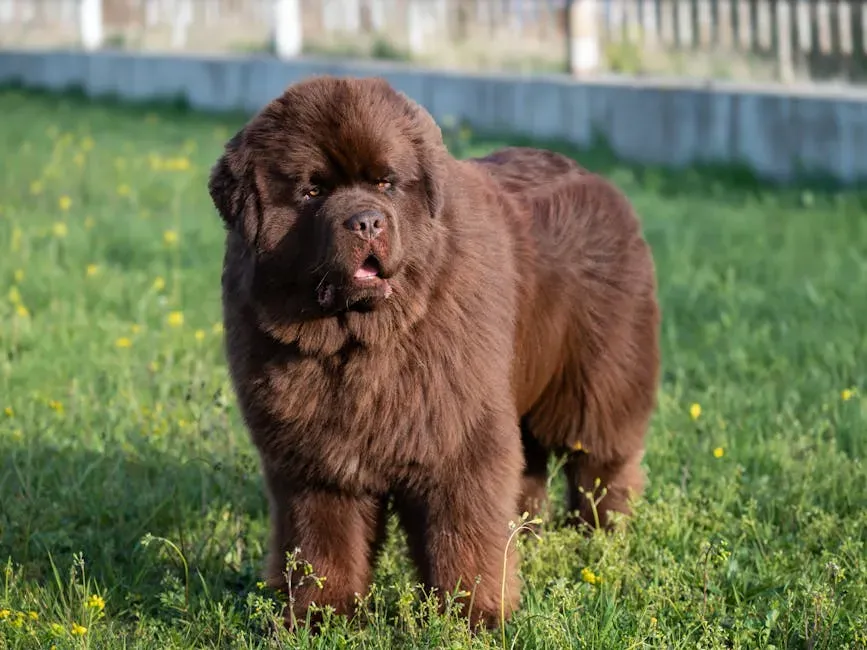
Newfoundlands look like walking bears and were bred for heavy-duty work like water rescue, so it is natural to assume they’re tireless athletes. The reality is that, in most modern homes, Newfies are calm and often downright lazy indoors, happy to nap for long stretches as long as they get a couple of solid walks and chances to explore. Their massive frames and dense coats mean they can overheat easily, so high-intensity exercise for long periods is rarely a good idea.
These dogs often prefer gentle, steady activities to sprinting or repetitive jumping that strains their joints. A peaceful walk near water, a quiet game of fetch on soft ground, or a little swimming time can meet their needs without extreme mileage. Many Newfie owners joke that their dog’s main sport is “strategic floor sprawl,” rearranging themselves like furry furniture from one cool spot to another throughout the day.
3. Greyhounds: Built for Speed, Not For Hours of Running
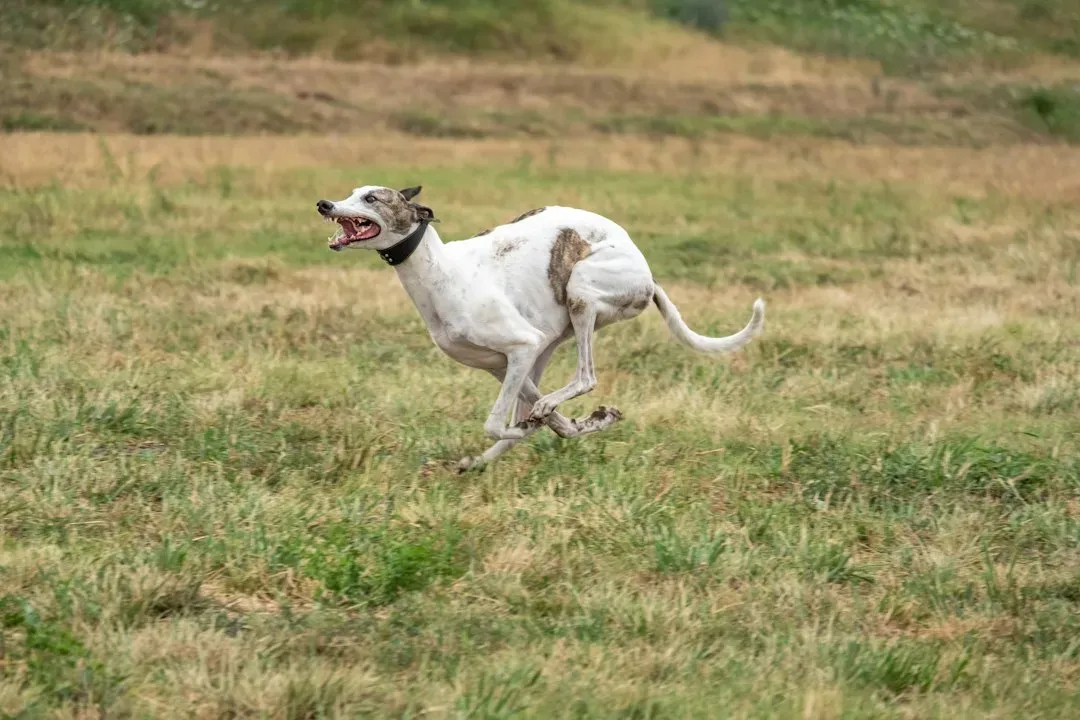
Greyhounds are the classic example of a dog whose looks totally mislead people about exercise needs. They are sleek, muscle-packed sprinters who can reach incredible speeds over short distances, but once the race is over, they are famously mellow. Retired racing greyhounds, in particular, are known for being content with a couple of decent walks a day and a chance to run in a safe area once in a while.
Most greyhounds would rather stretch out on a soft bed and watch the world go by than drag you on epic jogs. They are often described as “couch potatoes in tracksuits,” happy to burst into quick zoomies then promptly return to loaf mode. If you enjoy regular but not extreme activity, a greyhound’s sprint‑and‑sleep lifestyle can be a surprisingly easy fit, even in smaller homes, provided their safety and leash needs are respected.
4. Mastiffs: Massive Guardians With Modest Exercise Needs
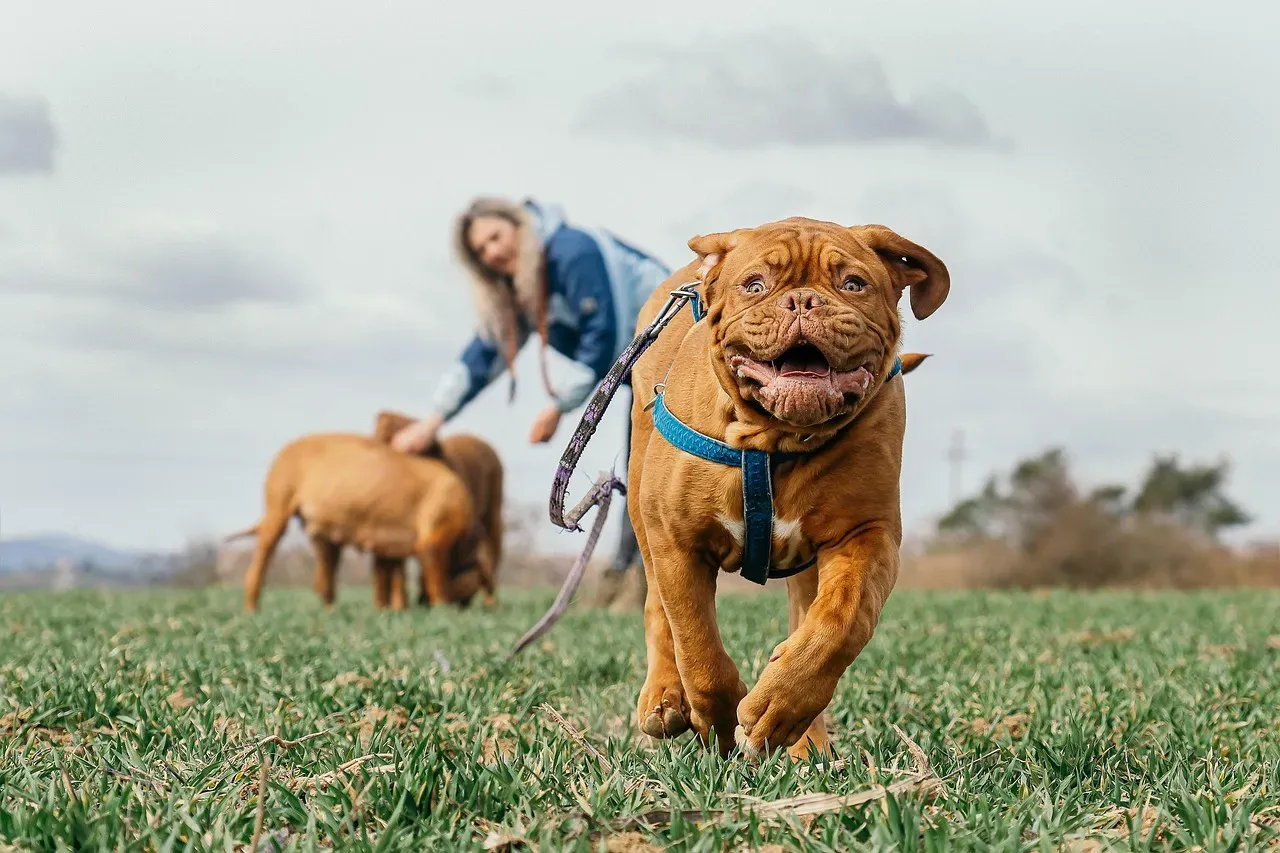
Mastiff breeds, such as the English Mastiff, look like they were built to pull trucks and crush gym records. Instead, many are famously low-key, preferring a slow plod around the block to any kind of intense workout. Their size puts a lot of stress on joints and bones, so pounding the pavement for hours or forcing them into long runs is neither necessary nor kind.
A typical healthy mastiff is satisfied with a couple of shorter, steady walks, some low-impact play, and lots of mental stimulation through training or puzzle toys. They like being near their people more than they like logging miles. In my experience, living with a mastiff feels less like living with a fitness buddy and more like sharing space with an oversized, slightly drooly beanbag that gets up for snacks and gentle strolls.
5. Bernese Mountain Dogs: Big, Soft, and Happiest at a Moderate Pace
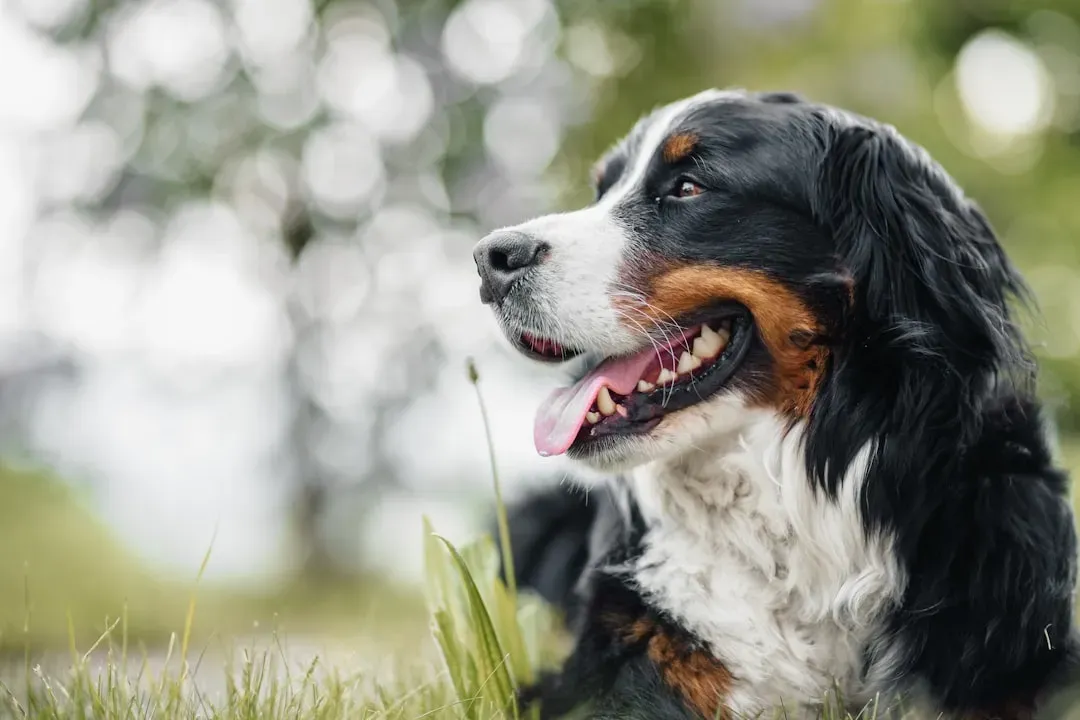
Bernese Mountain Dogs have working roots as farm helpers, but in modern life they are often surprisingly easygoing. They do need daily activity to stay healthy, yet most are happy with moderate-length walks and light adventures rather than intense, hours-long workouts. Their thick coats and heavier build make endless running or hard-impact sports less ideal, especially in warmer weather.
They tend to thrive with a couple of good walks, some off-leash exploration in safe areas, and plenty of family time. Berner owners often describe them as shadows that follow you around rather than relentless fetch machines. If you enjoy weekend hikes at a friendly pace and slower evenings during the week, a Bernese Mountain Dog’s exercise needs can line up beautifully with that rhythm.
6. Saint Bernards: Legendary Rescuers, Everyday Homebodies
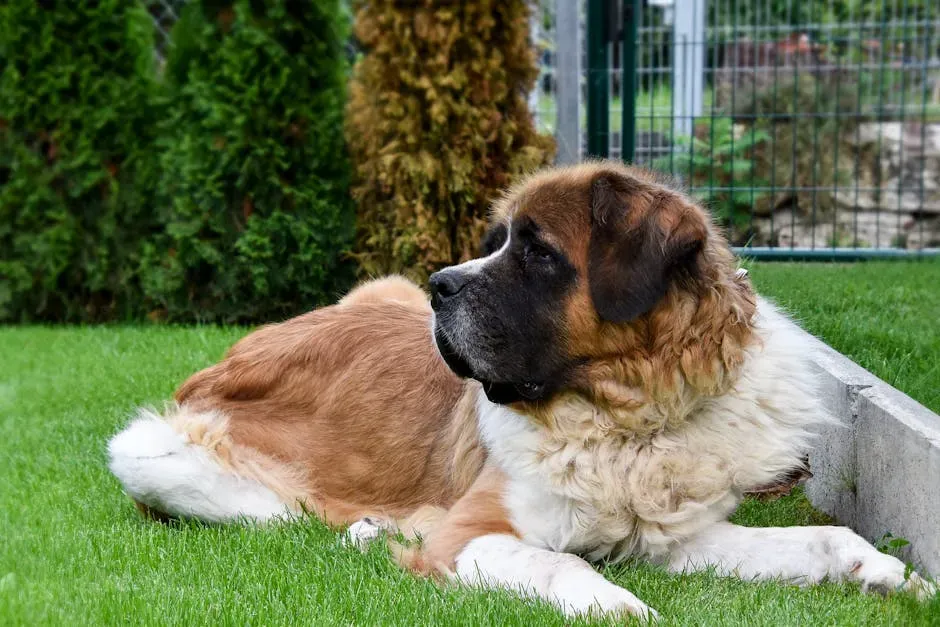
Saint Bernards are iconic for mountain rescues, so people often imagine them barreling through snowdrifts for hours on end. In real life, most Saints are calm, even a bit lazy, particularly once they reach adulthood. Their large frames and potential for joint issues mean low- to moderate-intensity exercise is safer and more comfortable than pushing them into high-impact sports.
A few decent walks each day, some sniffing time, and gentle play sessions usually meet their physical needs. Because they are heavy and can overheat, especially in warm climates, short, cooler-time outings are far better than forcing them into long midday treks. Living with a Saint Bernard often feels like living with a friendly, drooling rug that occasionally rises for a stroll, then returns to its preferred post as a cuddly floor decoration.
7. Basset Hounds: Long Bodies, Short Walks, Big Personalities
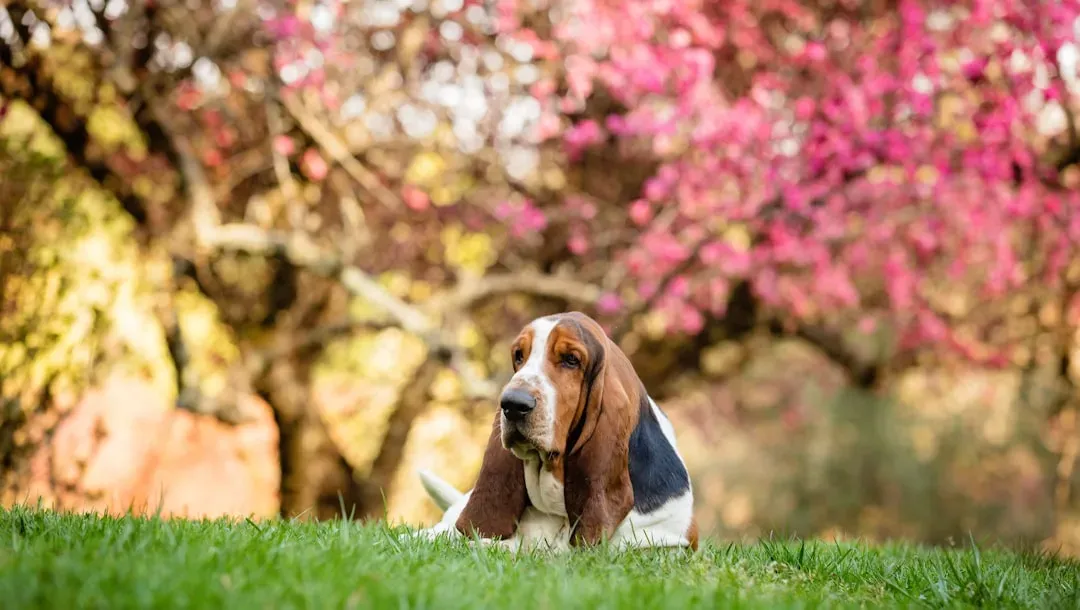
Basset Hounds are not as huge as some of the other breeds on this list, but they are heavier and sturdier than many people expect. With their long backs, short legs, and strong sense of smell, they are better suited to steady, sniff-filled walks than intense running or jumping. They enjoy getting out to track scents, yet their actual exercise requirement is often moderate rather than extreme.
Most Bassets are perfectly content with a couple of leisurely walks and some sniffing games or gentle playtime at home. Left to their own devices, many will happily nap for impressive chunks of the day, especially after a good sniffing session. If you want a dog that is entertaining, expressive, and stubborn in the funniest ways, but not demanding in terms of miles logged, a Basset’s low-to-mid exercise needs can be a perfect match.
Conclusion: Big Dogs, Smaller Workouts – But Never Zero Effort
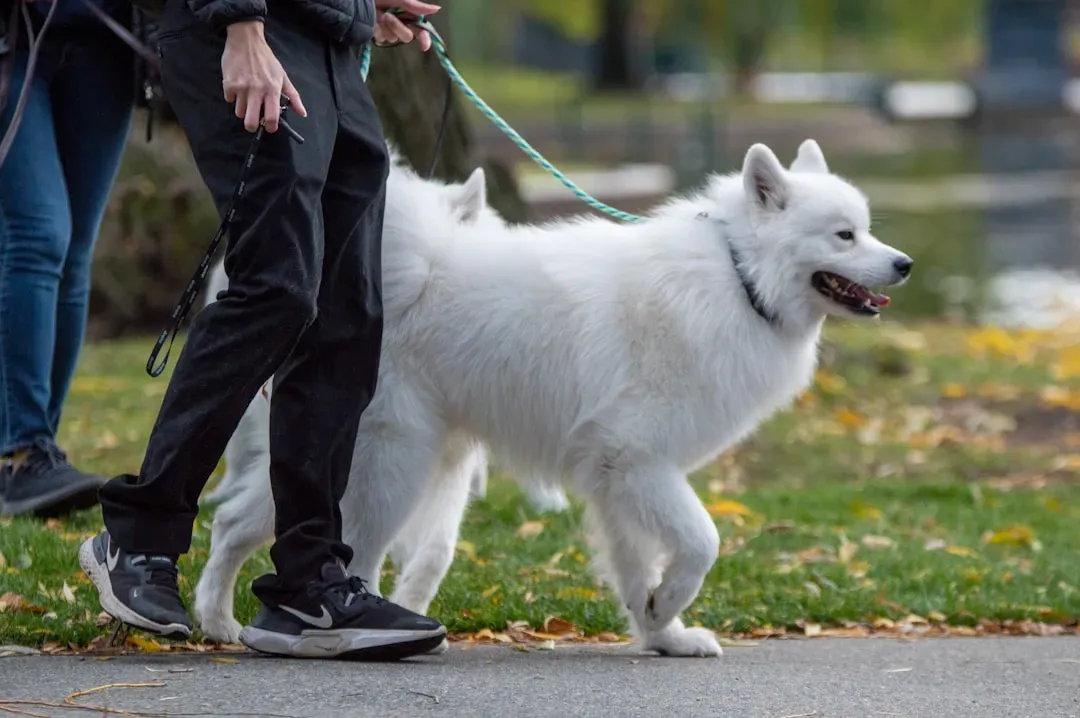
All of these breeds challenge the simple idea that bigger dog always means bigger exercise bill. Great Danes, Newfoundlands, greyhounds, mastiffs, Berners, Saints, and Bassets can all live happily on moderate, thoughtful activity rather than intense daily training sessions. In my view, that makes them incredible companions for people who love large or sturdy dogs but live a more measured, everyday lifestyle.
That said, “less exercise” is not the same as “no exercise” or “low responsibility.” These dogs still need daily walks, mental stimulation, vet care, and time with you to stay healthy and happy. If you go into ownership expecting a relaxed partner rather than a built-in personal trainer, you can build a life that suits both your energy levels. Looking at this list, which of these secretly low-key breeds surprises you the most?