
8 Fall Walking Mistakes Dog Owners Should Avoid as Days Become Shorter
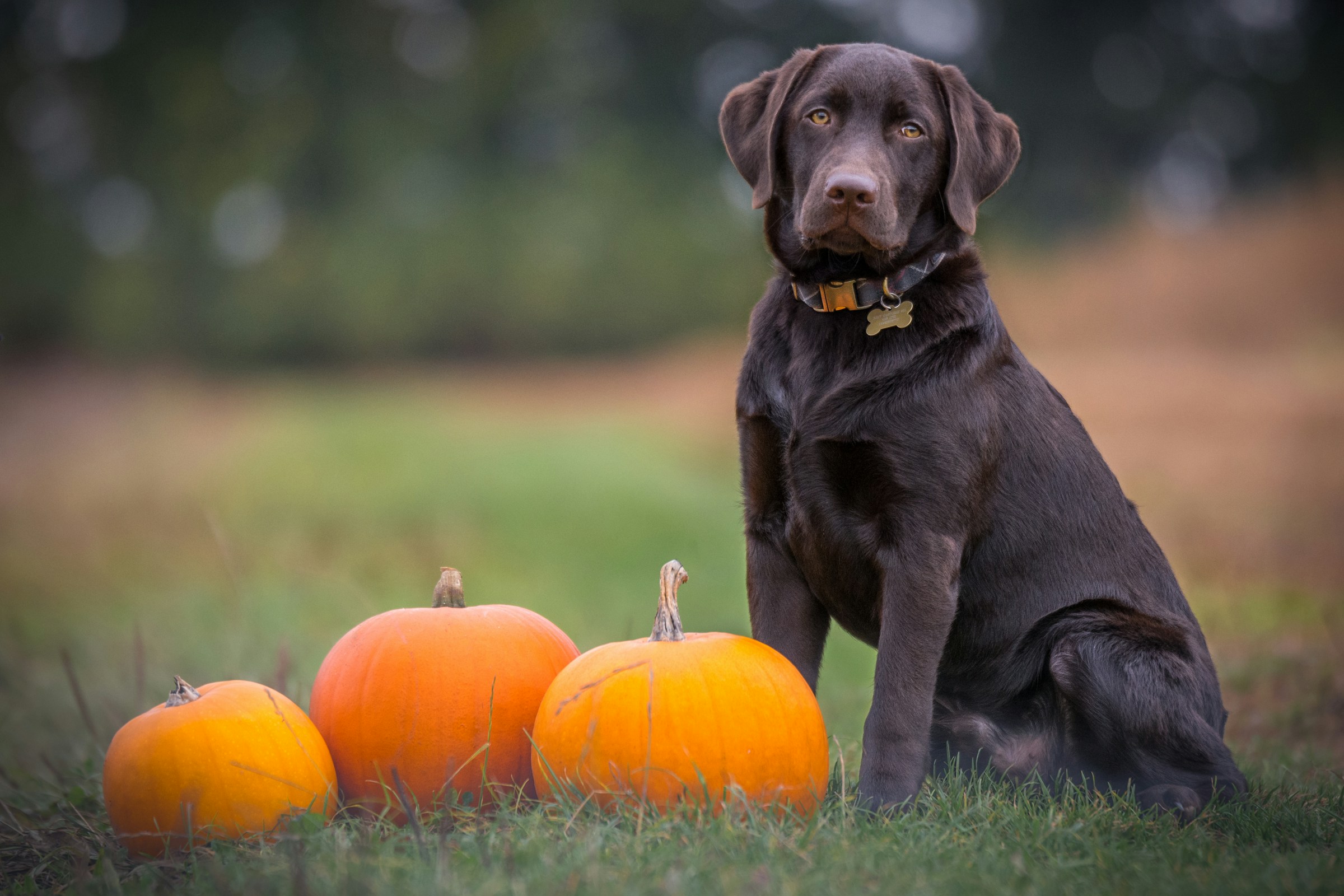
The first chilly evening of fall always feels kind of magical… until you realize you’ve misjudged the light, you can’t see your dog, and a cyclist nearly clips you on the sidewalk. As the days shrink almost overnight, the same walk you did all summer suddenly comes with new risks that are really easy to underestimate. A lot of owners think, “We’ve walked this route a hundred times, we’re fine,” right up until the moment something goes wrong.
Fall walks can actually be the best walks of the year: crunchy leaves, cooler air, a calmer dog who isn’t overheating. But those cozy vibes can lull you into ignoring some very real changes in visibility, wildlife behavior, temperatures, and traffic patterns. Once you start noticing how different your routine feels in September compared to July, it’s hard to unsee it – and that’s exactly when you can turn a risky habit into a smarter one. Let’s break down the most common mistakes and what to do instead, so your fall strolls are calm, safe, and still a little bit magical.
1. Underestimating How Fast Daylight Disappears
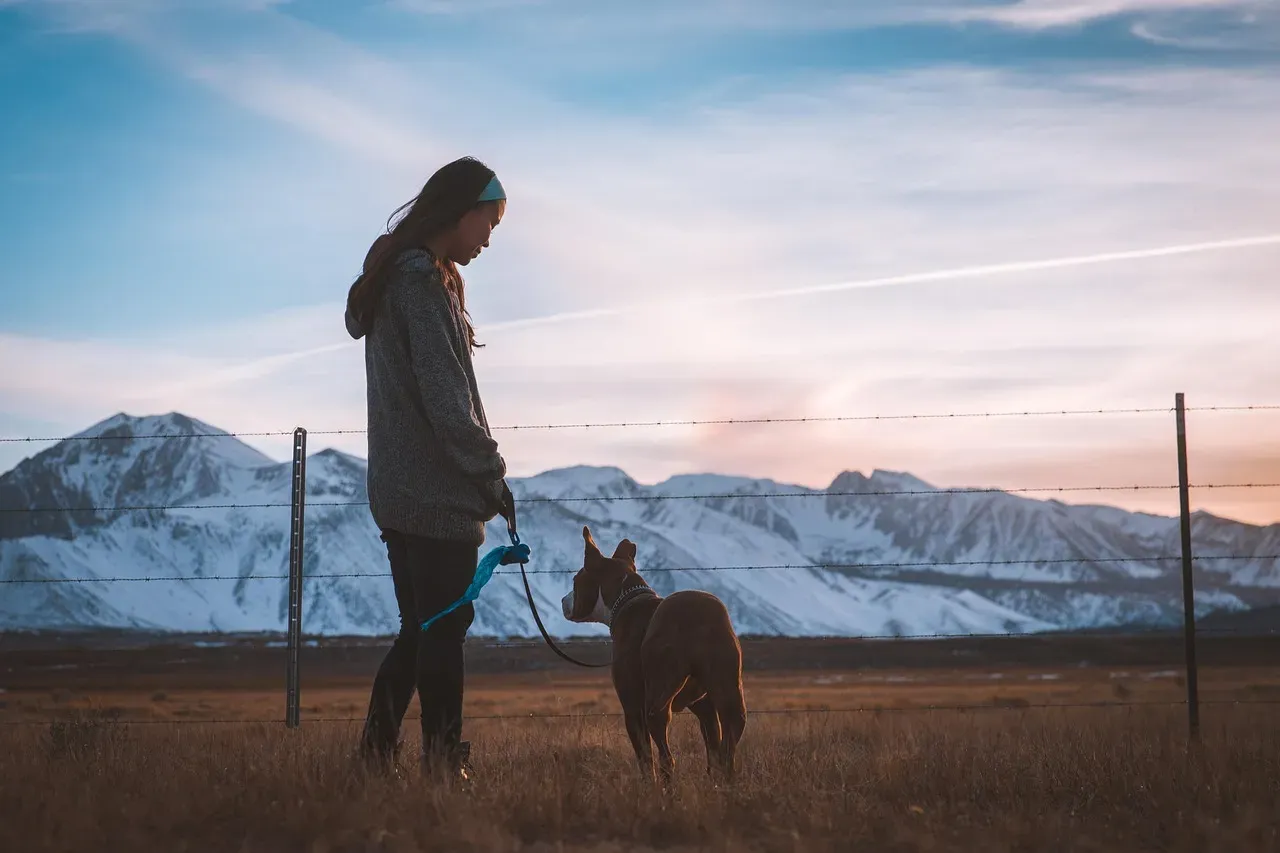
It’s kind of shocking how one week you’re enjoying a golden 7 p.m. walk, and the next week you’re squinting into near-darkness at the same time. Many owners keep their “summer mindset” and head out without planning for that rapid shift in sunset, assuming there’s more light left than there really is. That’s when you end up on a dim trail, your dog off leash, and you suddenly realize you can’t clearly see them – or anyone else – around you.
As fall moves toward winter, those twilight hours creep earlier and earlier, and even late afternoon can turn gloomy with overcast skies. A simple mental adjustment helps: plan walks around the light, not the clock. I’ve personally started treating fall like a mini time-zone change – if I used to walk at 7 p.m. in July, I’ll shift to closer to 5 p.m. by October. It feels a bit fussy at first, but it’s a lot better than fumbling in the dark hoping your dog’s just rustling leaves and not something you really don’t want them rolling in.
2. Skipping Visibility Gear for You and Your Dog
One of the biggest fall mistakes is assuming “the streetlights are enough.” They usually aren’t. Drivers, cyclists, and even runners have a harder time spotting dark-coated dogs at dusk, especially if your leash and collar are plain black or brown. Without reflective or light-up gear, your dog can simply blend into the background, particularly on roads lined with fallen leaves and shadows.
Adding visibility gear seems like overkill until you see the difference. A reflective harness or collar, a clip-on LED light, and even a bright bandana can turn your dog into a moving beacon instead of a moving shadow. I also like wearing something with reflective strips myself – if a driver can see me sooner, they’re more likely to notice the dog I’m attached to. Think of it like putting headlights on both ends of the leash; it’s a small investment that can genuinely save a life.
3. Ignoring Temperature Swings and Overlooking Hypothermia Risks
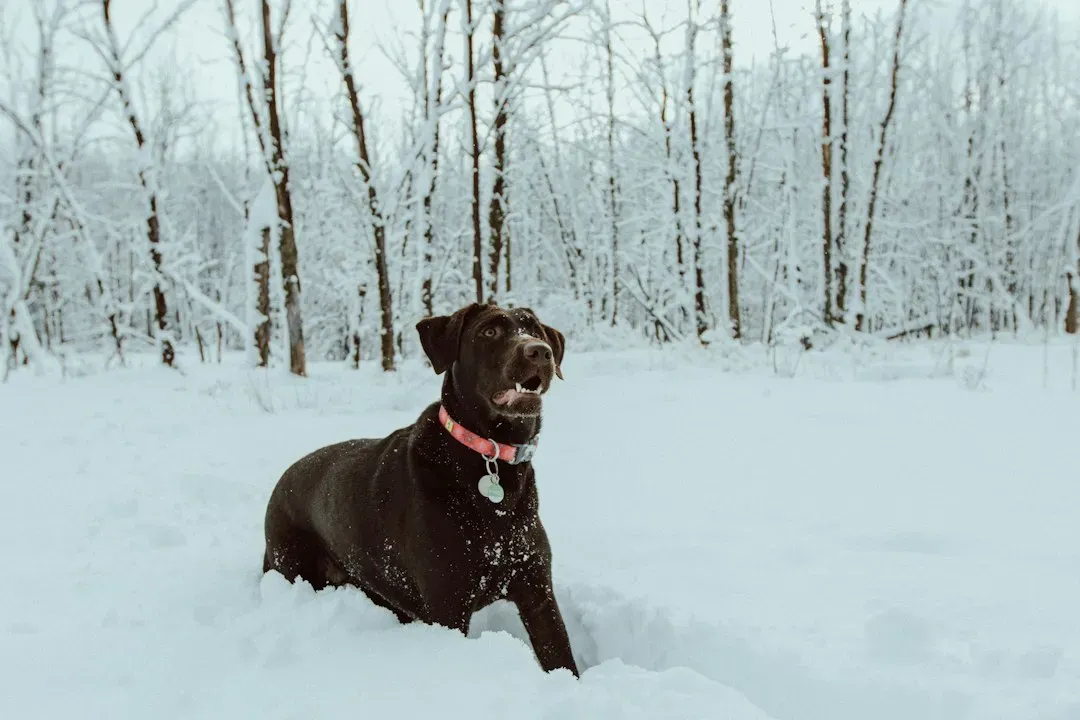
Fall can fool you. The afternoon might feel mild and pleasant, but by the time you’re heading home, the temperature has dropped sharply. Short-haired dogs, seniors, and small breeds can get chilled more quickly than many owners realize, especially in damp, windy conditions. We tend to associate cold-weather risk with deep winter, but those raw, wet fall evenings can be just as uncomfortable and sometimes more sneaky.
If your dog starts shivering, slowing down, or seeming reluctant to keep walking, that is your sign they’re too cold, not that they’re being dramatic. A well-fitted dog coat or sweater for vulnerable breeds, plus keeping walks a bit shorter on raw, miserable days, makes a big difference. I used to think coats were only for tiny fashion dogs until I watched a sturdy-looking senior shiver through an October drizzle; once his owner started using a waterproof jacket, his whole posture and energy changed. Comfort is not vanity – it is basic welfare.
4. Letting Your Guard Down Around Traffic at Dusk
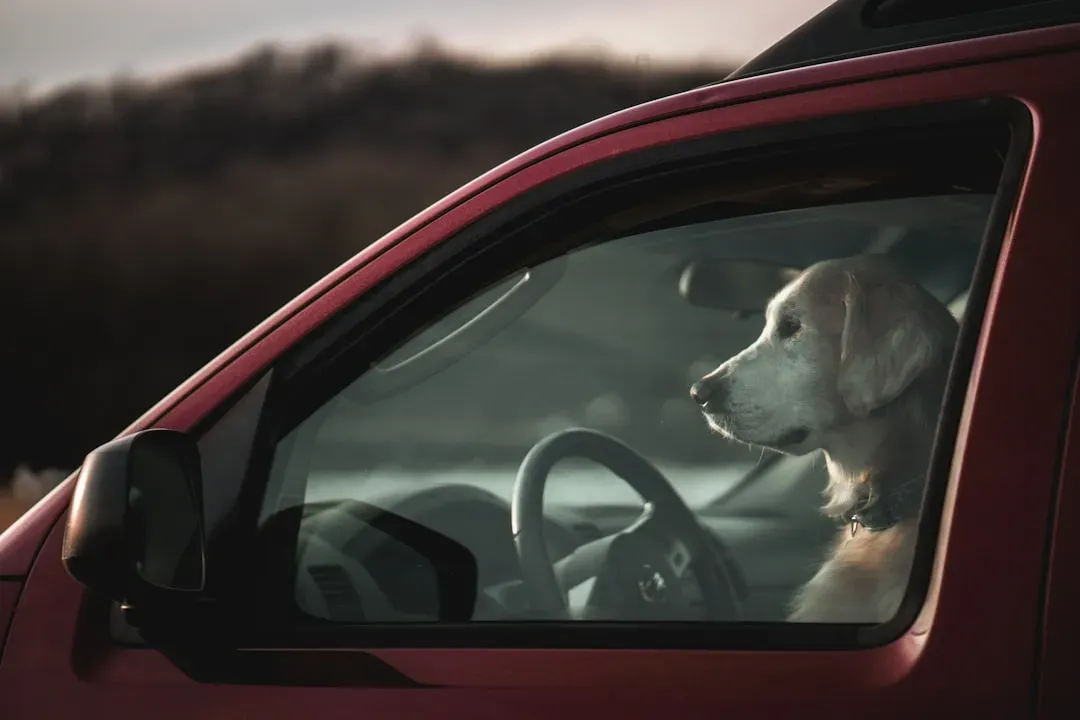
Dusk is one of the most dangerous times to be near roads with a dog, and fall multiplies that risk. Drivers are often tired after work, dealing with glare from low sun or rain-streaked windshields, and adjusting poorly to earlier darkness. At the same time, many owners are squeezing in a quick walk right after work, crowding sidewalks and crossings at exactly the most chaotic hour.
It’s a recipe for close calls when combined with retractable leashes, sudden street crossings, or dogs allowed to drift off the curb. A safer fall habit is to treat dusk walks like you’re walking next to a busy construction site: stay alert, shorten the leash near roads, and use marked crosswalks even if it adds a minute or two. I’ve seen more scary near-misses in that gray, just-before-dark window than at any other time of day, and almost all could have been prevented by just tightening the leash and waiting for a clearer crossing.
5. Overlooking Hidden Hazards in Fallen Leaves
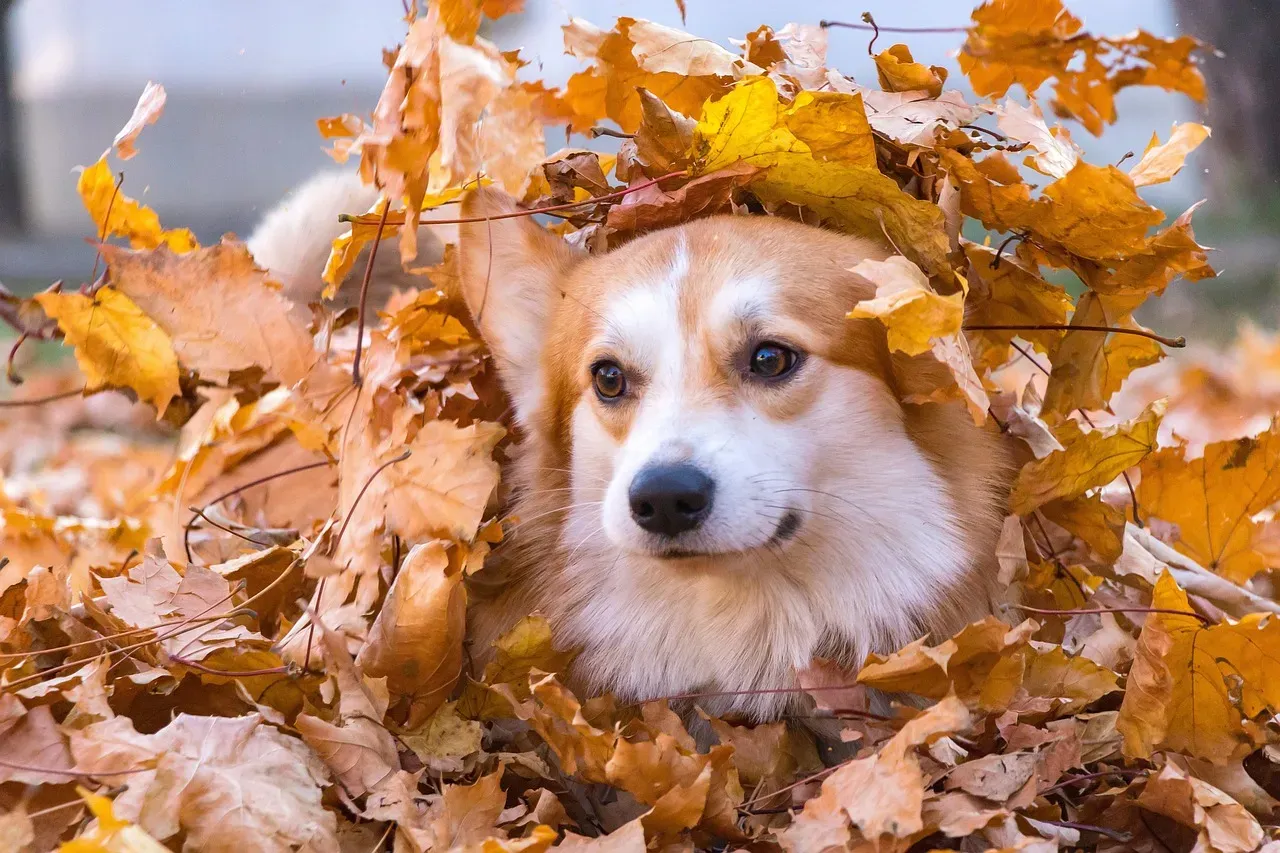
Leaf piles look adorable in photos, but in real life they can hide all sorts of problems. Broken glass, discarded food, sharp sticks, and even dog waste can sit under those crunchy layers, just waiting for curious noses and paws. Wet leaves are also slippery, not just for you but for your dog, and can increase the risk of twisted joints or slips, especially in older pets or dogs with existing joint issues.
On top of that, mold can grow quickly in damp leaf piles, and for dogs with allergies or sensitive airways, sniffing deeply in that environment can trigger coughing, sneezing, or skin flare-ups. I used to let my dog bulldoze straight into every leaf pile because it looked joyful and harmless; I’m more selective now. A quick scan, keeping the leash short around roadside piles, and gently redirecting them to safer sniffing spots is a small trade-off for fewer scratched paws and fewer panicked “what did you just eat?” moments.
6. Sticking to Summer Hydration Habits
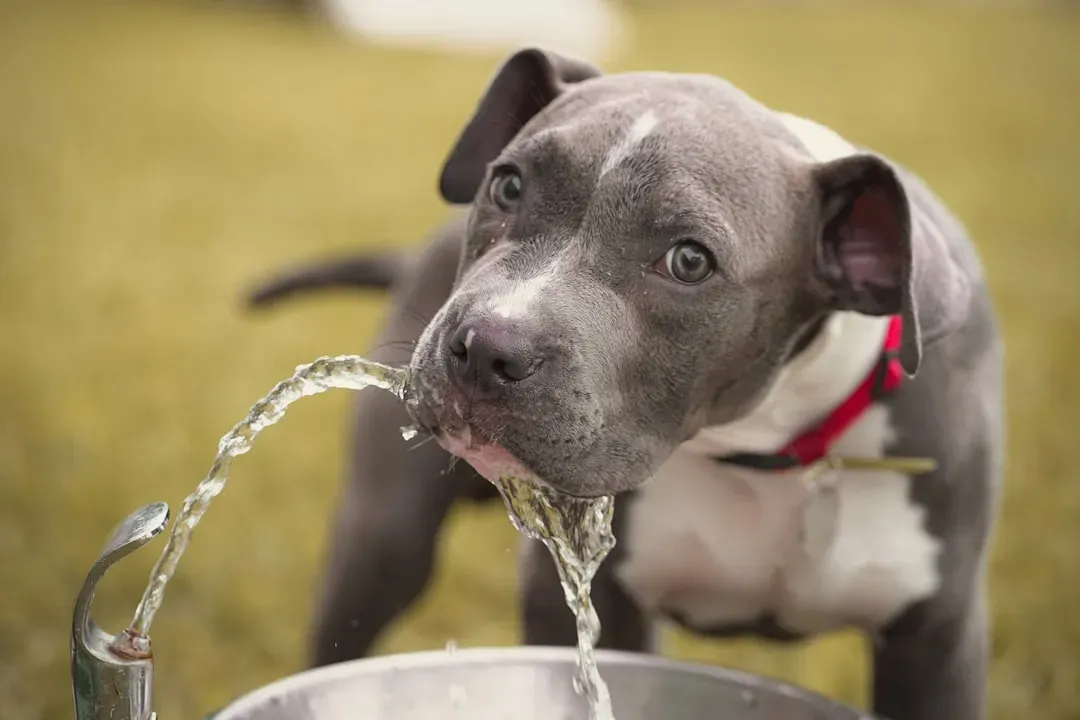
When the air feels cooler, people tend to assume their dog does not need as much water or as many breaks. But fall walks can still be surprisingly demanding, especially on windy or sunny days where your dog is running, sniffing, and playing just as hard as in summer. Dehydration is not only a hot-weather issue; dogs lose fluids through panting year-round, and some will drink less on their own when it is cooler, even though their body still needs it.
Bringing a collapsible water bowl and offering a drink halfway through the walk is an easy win, especially for active or larger dogs. I’ve noticed my own dog drinks less automatically in autumn, so I offer water more deliberately instead of just waiting for them to ask. Think of it like you would for yourself: just because you are not dripping with sweat does not mean you do not need a sip. The goal is to finish the walk with a happy, comfortably tired dog, not one who is quietly running on empty.
7. Forgetting That Wildlife Behavior Changes in Fall
Fall is a busy season for wildlife. Squirrels are frantic, birds are migrating, deer are more active, and many animals are stocking up for winter. All that extra movement and noise can drive even normally calm dogs absolutely wild with excitement. If your recall is a bit shaky or your dog has a strong prey drive, fall is not the season to casually let them roam off leash near wooded areas, fields, or parks with lots of critter activity.
Beyond the risk of your dog bolting after wildlife and getting lost or hurt, encounters with wild animals can lead to bites, scratches, or disease exposure. I used to roll my eyes at “no off leash” signs on trails until I watched a dog vanish into the brush after a deer, ignoring every shout from their owner. Using a long line instead of fully off leash, reinforcing recall practice, and giving a little extra space near brushy areas is not being paranoid – it is just respecting that nature is running its own frantic fall agenda, whether your dog is ready or not.
8. Not Adjusting Your Dog’s Routine as Your Schedule Changes
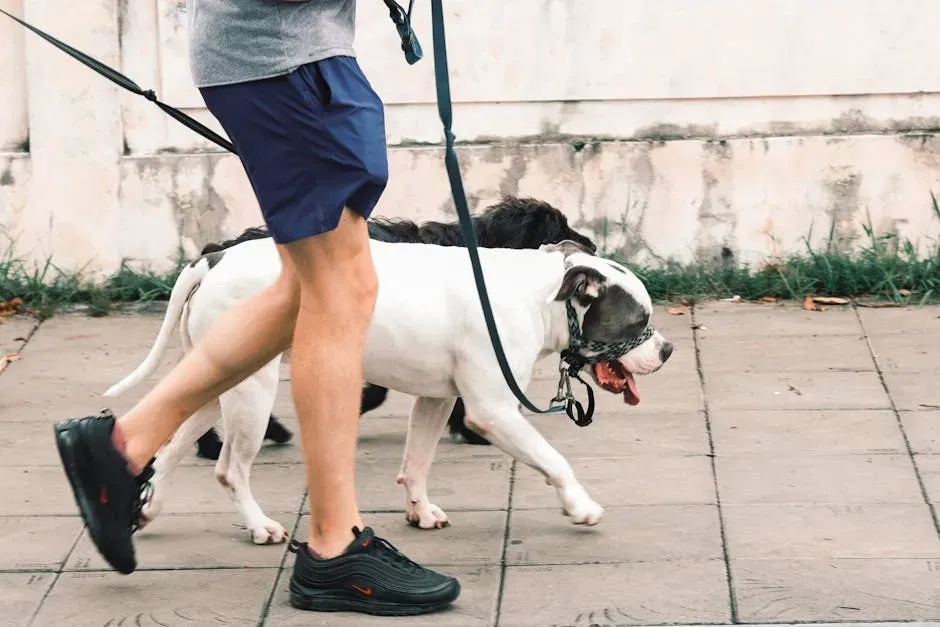
Fall often brings big routine shifts for humans: kids go back to school, work schedules change, evenings fill up with activities. Meanwhile, the dog’s needs stay pretty much the same, and they are often the ones squeezed into whatever leftover time there is. This can mean rushed, shorter walks at awkward times, or long boring gaps between outings, which can fuel pent-up energy and problem behaviors.
Instead of just hoping it all works out, it is worth intentionally redesigning your dog’s routine for fall. Maybe that means a slightly earlier morning walk to beat the dark, a dog walker a couple of days a week, or scheduling one longer weekend adventure to make up for shorter weekday strolls. In my experience, a dog who gets their physical and mental needs met on a predictable schedule is calmer, quieter, and easier to live with – which suddenly matters a lot when you are cooped up indoors together more as the seasons shift.
Conclusion: Fall Walks Should Feel Cozy, Not Risky
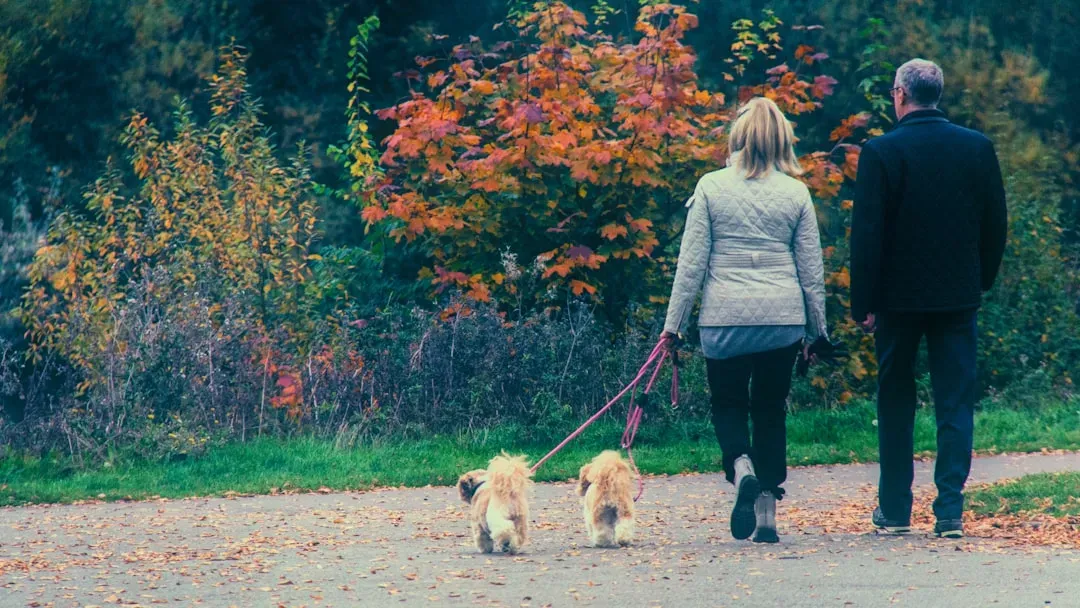
Fall should not be the season when your daily walk quietly turns more dangerous – yet that is exactly what happens when we pretend nothing has changed except the temperature. Shorter days, colder nights, frantic wildlife, and busier roads all add up, and brushing those shifts off as “no big deal” is, in my opinion, one of the more common forms of accidental neglect. Caring for a dog is not just about love and treats; it is about noticing the environment they move through and adapting before something goes wrong.
The good news is that every mistake on this list is fixable with small, practical tweaks: a light on the collar, a warmer coat, a better-planned route, a bit more structure in your schedule. You do not need to become a paranoid night hiker to keep your dog safe – you just need to walk like you understand that fall is its own season, with its own rules. When you respect those changes, your walks become calmer, safer, and honestly even more enjoyable. The real question is: now that you see how different fall walks really are, what will you do differently on your next one?