
12 Signs a Rescue Can Tell a Foster Home Has Done It Properly

Rescues see thousands of animals cycle through foster homes every year, and here’s the uncomfortable truth nobody says out loud: most coordinators know within five minutes of an intake appointment whether a foster actually did the job right. It’s not a gut feeling. It’s pattern recognition – body language, weight, coat condition, even how an animal reacts to the click of a leash all tell a story before anyone says a word.
Foster coordinators are constantly grading volunteers, whether those volunteers realize it or not, and the checklist is far more specific than “did you feed it and love it.” Some signs are obvious. Others are so subtle that even well-meaning fosters miss them completely – and those are exactly the details that decide whether an animal gets adopted quickly or gets returned within a month. Here’s what rescue insiders are actually looking for.
#1 – The Animal Doesn’t Flinch at the Leash or Crate

The very first test happens before the animal even leaves the car.
A properly fostered dog or cat walks toward equipment instead of away from it. Rescues say flinching at a leash, harness, or crate door is one of the fastest tells that a foster skipped basic desensitization work. It sounds small, but it’s actually a huge signal about the quality of daily handling in that home.
Good fosters click the leash on for short, low-pressure sessions daily, not just for vet visits. They leave the crate door open with treats inside so it becomes a safe zone, not a punishment box. When a rescue coordinator reaches for a leash and the dog sits calmly instead of backing into a corner, that’s weeks of quiet, consistent work paying off.
Some rescues even track this informally – a “leash confidence” score jotted on intake sheets. It’s unofficial, but it shapes future foster assignments. Fosters who nail this detail often get trusted with the harder cases next time. But that’s nothing compared to what we found about #2…
#2 – Weight and Body Condition Match What Was Promised

Numbers don’t lie, and rescues weigh every single intake.
If a foster reported feeding twice daily on a specific diet, the scale should confirm it. A mismatch between reported feeding logs and actual body condition score is one of the biggest red flags rescue medical teams watch for, and it happens more often than people admit.
Underweight animals suggest food insecurity, resource guarding from other pets in the home, or simple neglect of feeding schedules. Overweight animals suggest free-feeding without portion control, which sounds harmless but actually complicates anesthesia risk for spay/neuter surgeries and masks other health issues.
Fast Facts
- Most shelters and vets score body condition on a 9-point scale, where 4-5 is considered ideal for most breeds.
- A score of 1-3 signals malnutrition, with ribs, spine, and hip bones easily visible.
- A score of 6-9 signals overweight to obese, where ribs are difficult or impossible to feel.
- Sudden weight shifts during a foster stay are one of the first things a rescue’s medical team flags at return.
Rescues that do this well request weekly weigh-ins from fosters using a simple bathroom scale and math (foster’s weight holding pet minus foster’s weight alone). It’s low-tech, but it’s accurate. When those numbers align with a healthy body condition score at return, it confirms the foster wasn’t just guessing about calorie intake. Here’s why #3 matters even more than most people assume…
#3 – The Coat, Skin, and Nails Show Active Maintenance
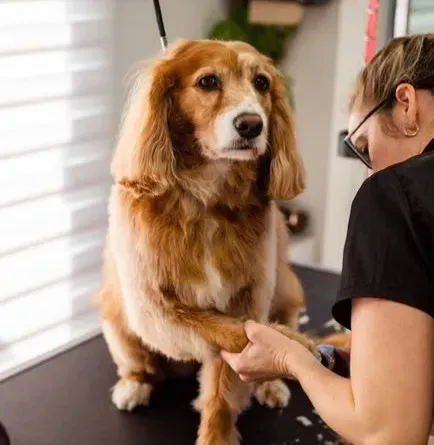
A rescue can spot a properly maintained coat from across the intake room, no touching required.
Matting, overgrown nails clicking on tile floors, and flaky skin are the calling cards of a foster who meant well but didn’t prioritize grooming. Nail length alone is often used informally by rescues as a shorthand for overall care quality, because it requires consistent, hands-on effort every two to three weeks.
Properly fostered animals typically arrive with nails trimmed short enough that they don’t touch the ground when standing, a coat free of mats behind the ears and under the legs, and skin without the dry, flaky patches that signal an unbalanced diet or lack of brushing.
This is a controversial point among volunteers: some argue grooming is cosmetic and shouldn’t matter as much as behavior work. Rescue vets disagree – they see coat and skin condition as an early warning system for nutritional gaps, parasites, or stress-related over-grooming that fosters might otherwise miss. Wait until you see what #4 reveals about socialization…
#4 – The Animal Handles Novel People Without Panic

Rescues almost always introduce a stranger into the intake process on purpose, and it’s not small talk.
A foster who’s done their job exposes their animal to a rotating cast of visitors – mail carriers, neighbors, grandkids, delivery drivers – so the animal learns that new humans aren’t automatically threats. Rescues report that animals who’ve never met anyone besides their single foster caregiver often show sudden, unpredictable fear responses at intake, even if they were calm at home.
This matters enormously for adoption success. A dog who only knows one person in one house is a completely different animal in a shelter lobby or a new family’s living room.
Good fosters keep a simple guest log: who visited, how the animal reacted, and what worked to ease tension. That documentation lets rescues match the animal with adopters who have similar households – busy families versus quiet retirees, for example. Coming up in #5, the sign most new fosters completely overlook…
#5 – Consistent, Detailed Behavioral Notes Are Provided

Paperwork isn’t glamorous, but rescues treat it like gold.
A properly done foster placement almost always comes with a written or digital log noting triggers, favorite toys, sleep patterns, and specific quirks – not a vague “he’s a good boy” summary. This level of detail massively speeds up adoption matching because staff aren’t starting from zero.
Fosters who track this well often note things like resource guarding around specific toys, reactions to thunderstorms, or preferences for certain textures of bedding. Even small details – like a cat who only drinks from running water – save adopters weeks of trial and error.
Worth Knowing
- Strong foster logs note feeding times, portion sizes, and any food refusals, not just “ate fine.”
- Excessive daytime sleeping is often logged as a possible stress or illness signal, not just laziness.
- Specific triggers – nail clippers, men in hats, other dogs – help staff match the right adopter fast.
- Small comfort preferences, like a favorite blanket texture, can shorten the adjustment period in a new home.
Rescues that have seen both extremes will tell you: detailed notes correlate almost perfectly with attentive daily care overall. A foster who’s paying close enough attention to notice these patterns is also the foster who caught the early signs of an ear infection or noticed a limp before it became serious. Slide #6 gets into something even sneakier that trained eyes look for…
#6 – No Sudden Onset of Resource Guarding

This one is uncomfortable, but rescues are trained to spot it immediately.
If an animal arrives snapping, stiffening, or hovering protectively over food bowls, toys, or a specific person, and that behavior wasn’t present at intake into foster care, something happened in that home. Rescue behaviorists consider new resource guarding one of the clearest signs of inconsistent or competitive multi-pet households where the foster animal wasn’t properly separated during meals.
It’s not always the foster’s fault directly – sometimes a resident pet in the home was the aggressor – but a well-run foster home manages this by feeding animals separately, supervising toy time, and intervening early at the first stiff posture or hard stare.
Fosters who understand this actively create calm feeding zones using baby gates or crates, and they document any tension between animals immediately rather than hoping it resolves itself. Rescues genuinely appreciate this kind of proactive honesty over a foster who hides problems to avoid seeming like they failed. Number #7 might be the most underrated sign on this entire list…
#7 – Everyday Household Noises Don’t Trigger Panic
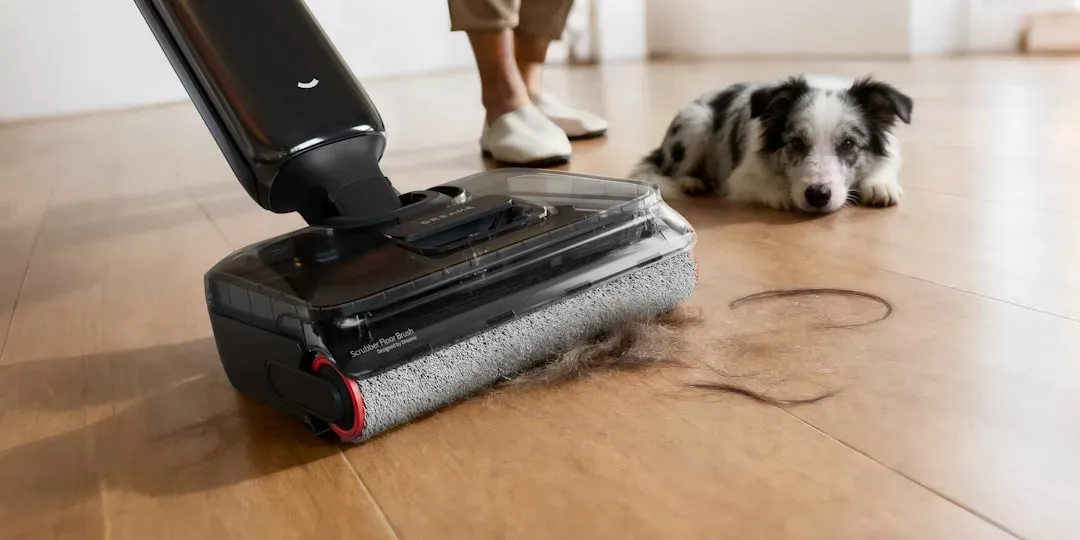
Vacuums, blenders, slamming doors, garbage trucks rumbling by outside – this is the background noise of ordinary life, and it’s a test most fosters don’t even realize they’re running.
Rescues say an animal that bolts, freezes, or tries to squeeze behind furniture at the sound of a vacuum cleaner or doorbell almost always spent its foster time in an unusually hushed, overly sheltered environment. It’s a well-meaning mistake – quiet feels kind – but it actually leaves the animal completely unprepared for a real home.
Good fosters don’t mute their lives around a nervous new arrival. They run the dishwasher, vacuum the living room, let the TV play, and answer the doorbell during normal daily routines, giving the animal repeated, low-stakes exposure until those sounds stop meaning “danger” and start meaning “nothing happening here.”
This is exactly why an animal that seemed perfectly relaxed in a quiet foster living room can completely fall apart the moment it lands in a bustling shelter lobby, a home with young kids, or an apartment near a busy street. Rescues test for this deliberately at intake, sometimes running a vacuum nearby just to watch how the animal responds. Sign #8 is where things get less about instinct and more about paperwork – and rescues take it just as seriously.
#8 – Vet Records Are Complete, Organized, and On Time
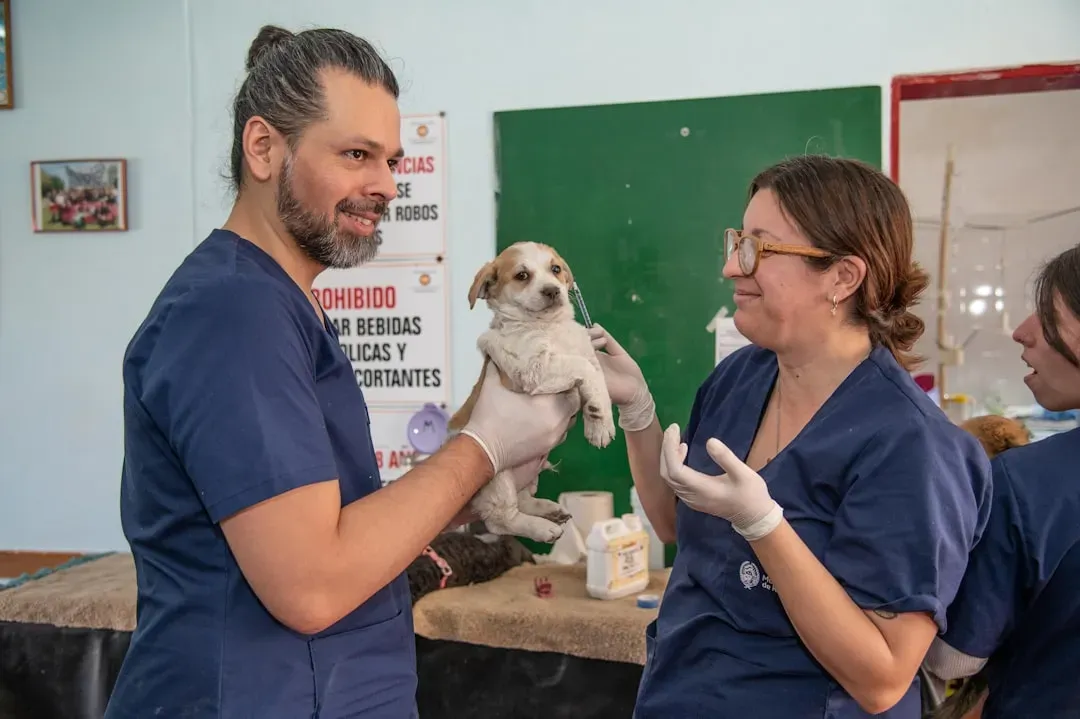
This one is purely administrative, but rescues will tell you it’s a massive quality signal.
A foster home that’s done things properly hands over a complete folder – vaccination dates, deworming schedules, any medication given, and notes on appetite or stool changes – instead of a shrugged “I think the vet said it was fine.”
This matters because gaps in medical documentation create real liability and health risks. If a foster forgot whether flea prevention was given on schedule, that’s not a paperwork issue – that’s a potential infestation risk for the next home, including any resident pets there.
At a Glance: What a Complete Vet Folder Includes
- Vaccination dates and booster schedule
- Deworming and flea/tick prevention timeline
- Any medications given, with dosages and reactions noted
- Appetite, stool quality, and energy-level changes over time
Organized fosters typically keep a simple folder or phone app tracking every dose, every symptom, and every vet visit date. When rescues receive that kind of complete record, it tells them the foster treated this responsibility with the same seriousness as caring for their own pet. Here’s a sign in #9 that surprises almost every new volunteer…
#9 – The Animal Seeks Out Human Contact, Not Avoids It

Rescues watch body language the second an animal enters a room, and approach behavior tells them almost everything.
An animal that voluntarily approaches a stranger for affection, rather than retreating to a corner, has almost always experienced consistent positive handling in foster care. This single behavior separates animals that are “adoption ready” from those that need more decompression time before meeting the public.
Properly fostered animals typically show relaxed body posture – soft eyes, a loose tail, ears in a neutral position – when approached slowly by someone new. They may not run over immediately, but they don’t shrink away either.
This is where opinions get heated among volunteers: some argue any hesitation at all means the foster failed. Experienced rescue staff push back on that idea, pointing out that breed temperament and past trauma play a role too. What can’t be faked, though, is genuine improvement from intake to return. Slide #10 covers a detail most people wouldn’t even think to check…
#10 – House Manners Reflect Actual Training, Not Luck

Anyone can get lucky with a calm animal for a weekend. Rescues are looking for something more durable.
A properly fostered dog typically knows how to walk without dragging the handler, wait at doors instead of bolting, and settle on a mat or bed on command – skills that take weeks of repetition, not luck or natural temperament alone.
Cats show this differently: consistent litter box use without accidents, appropriate scratching post use instead of destroyed furniture, and calm behavior during nail trims or brushing sessions.
Quick Compare: Trained Calm vs. Lucky Calm
- Trained behavior holds up in a noisy shelter lobby; lucky calm often crumbles the moment the environment changes.
- Trained cues like “wait” or “settle” stay consistent under mild stress; luck-based manners don’t respond to cues at all.
- Trained animals adjust to a new routine within days; naturally easygoing animals can unravel without the original schedule.
Rescues can tell the difference between an animal that happened to be naturally easygoing and one that was actively trained, because trained behaviors hold up under mild stress – like a busy shelter lobby – while luck-based calmness tends to fall apart the moment the environment changes. This consistency under pressure is exactly what adoption counselors test for during intake evaluations.
#11 – The Foster Gives Honest, Sometimes Uncomfortable Feedback

This might be the most controversial sign on the entire list, and rescues genuinely respect it.
A foster who says “she’s wonderful but she barks at bicycles and doesn’t love men with hats” is doing a far better job than one who insists everything was perfect. No animal is flawless, and rescues know that instantly when a foster claims otherwise.
Overly positive, vague feedback often signals a foster who either didn’t pay close attention or is rushing through the return process to avoid awkward conversations. Detailed, specific, even slightly negative feedback signals genuine investment in getting that animal the right forever home.
Rescue staff have learned to gently push fosters for specifics: What surprised you? What was hardest? What would the next owner need to know in week one? Fosters who answer these questions thoroughly, without sugarcoating, consistently produce the most successful long-term adoption matches. Number #12 is the sign that ties every previous point together…
#12 – The Animal Shows Measurable Improvement From Intake to Return

Every other sign on this list ultimately feeds into this final, bigger-picture indicator.
Rescues compare intake photos and notes against return-day observations, and a properly done foster placement shows clear, documented progress – not just maintenance of the status quo. Weight normalized, coat improved, fear responses reduced, house manners established – the trajectory matters more than any single data point.
This is where the emotional weight of fostering becomes obvious to staff. An animal that arrived shut down and left confident represents real transformation, and it’s the clearest possible evidence that a foster home did everything right during that window of time.
Rescues that formally track this – through before-and-after notes, weight charts, and behavior scores – often use top-performing fosters as mentors for newer volunteers, because this kind of measurable growth simply doesn’t happen by accident.
The Bottom Line

Foster care isn’t about giving an animal a temporary bed – it’s about measurable, documented transformation, and rescues can spot the difference in minutes. The animals that thrive after fostering share one thing in common: a caregiver who tracked details most people would never think to notice, from nail length to feeding logs to honest, uncomfortable feedback.
Frankly, any foster program that doesn’t require this level of documentation is setting animals up to fail in their next home. The fosters who do it right deserve far more recognition than they get. What sign on this list surprised you the most? Tell us in the comments.