
9 Details a Groomer Reads in a Coat About How the Household Has Been
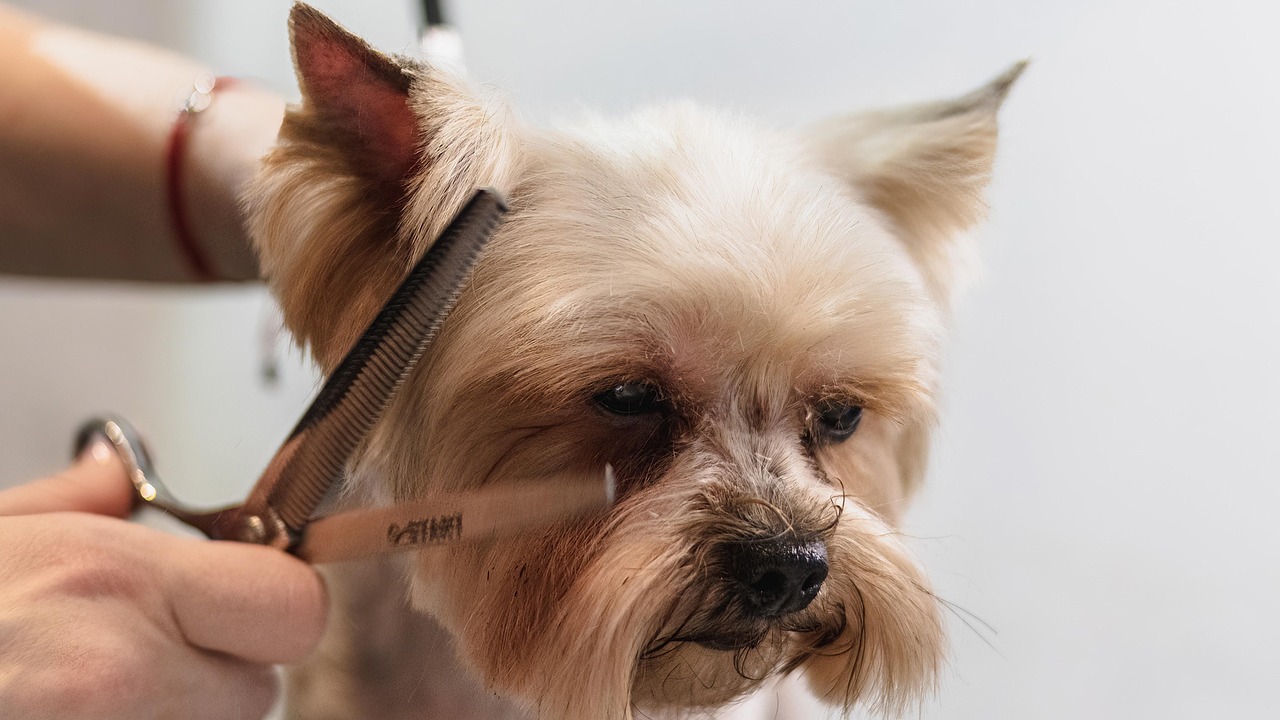
You probably think the groomer’s job ends with clippers, shampoo, and a cute bandana. It doesn’t. The second your dog hops on that table, an experienced groomer is already reading something you never meant to show anyone – the real rhythm of your home, written in fur.
Every mat, smell, and stray burr is a clue. Groomers rarely say what they’re actually noticing, because it’s not their place to diagnose your marriage or your morning routine. But they see it anyway. Here are nine things a groomer quietly picks up about your household, just from what’s tangled in your dog’s coat.
#1 – The Frequency of Mats Reveals Your Real Daily Routine
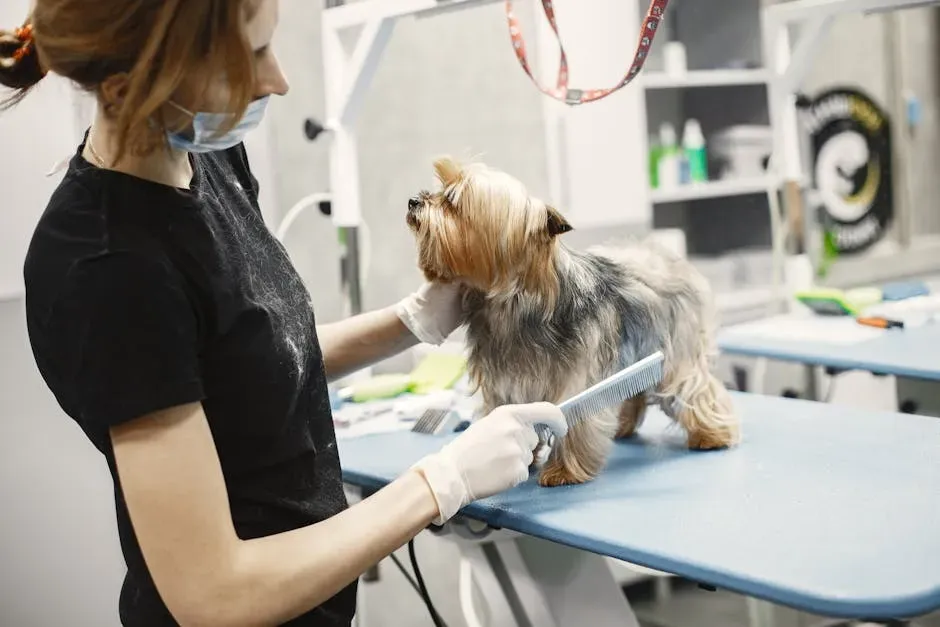
When a groomer runs a comb through your dog and it stops every inch, they’re not thinking “tangles.” They’re reading your calendar. Heavy matting almost never happens overnight – it’s usually weeks of rushed mornings, skipped brushing, and “we’ll get to it tomorrow.” That doesn’t make you a bad owner, but it does tell the groomer the house is busy, stretched thin, or both.
They also notice the pattern behind the pattern. A dog that shows up every eight weeks in a full pelt of mats lives somewhere grooming is reactive, not proactive – the same energy that shows up as laundry piling up or late vet visits. A coat with just a few small tangles says something gentler: life is hectic, but somebody’s still trying. And almost always, groomers can spot the invisible labor – one person doing all the brushing while everyone else insists they “help.”
#2 – Coat Odor Exposes Cleaning Habits (and Sometimes Household Stress)
Most people assume “doggy smell” just means the dog needs a bath. Groomers know better. A sour, musty odor often points past the dog entirely – to damp bedding, infrequent vacuuming, or a house where fabric surfaces never really get cleaned. A dog sleeping on the same unwashed blanket for months smells nothing like one on a routine.
Then there’s the emotional layer. Some anxious dogs release a sharp, almost metallic “stress smell” that clings to the coat, and groomers who see the same dog every few weeks notice when it suddenly spikes. It usually lines up with something big happening at home – a move, a new baby, a new partner, more arguments than usual. While owners blame “bad coat genetics,” groomers are quietly clocking a household rhythm that’s gone off balance.
Fast Facts
- Dogs release scent through glands concentrated in the paw pads, which can intensify under stress.
- A musty smell often traces back to yeast buildup on the skin or ears, not just surface dirt.
- Unwashed bedding can reintroduce a full-strength odor within days of a fresh bath.
- A sharp, fishy smell is usually an anal gland issue, unrelated to how clean the coat looks.
#3 – Stains and Debris Tell the Truth About Where Your Dog Actually Lives
Owners love to say, “Oh, he’s mostly indoors,” but the coat usually tells a different story. Embedded mud, tiny plant seeds, burrs, or dust packed deep near the skin means serious outdoor time or rough surfaces. Sand in the coat screams beach or yard life; black, sooty dust suggests a garage, workshop, or city balcony as the dog’s real home base.
Staining is its own confession. Rusty tear stains, yellow paws, or brown fur around the mouth can hint at allergies, water quality, or a diet heavier on certain ingredients than the label suggests. Bright green stains on the belly? That’s the unofficial sign of a chemically treated lawn – or at least enthusiastic grass rolling. And when paint, glue, or mystery sticky residue shows up, groomers assume the dog is spending unsupervised time around DIY projects nobody thought to mention.
#4 – Coat Condition Reflects Diet, Budget Priorities, and Vet Follow-Through
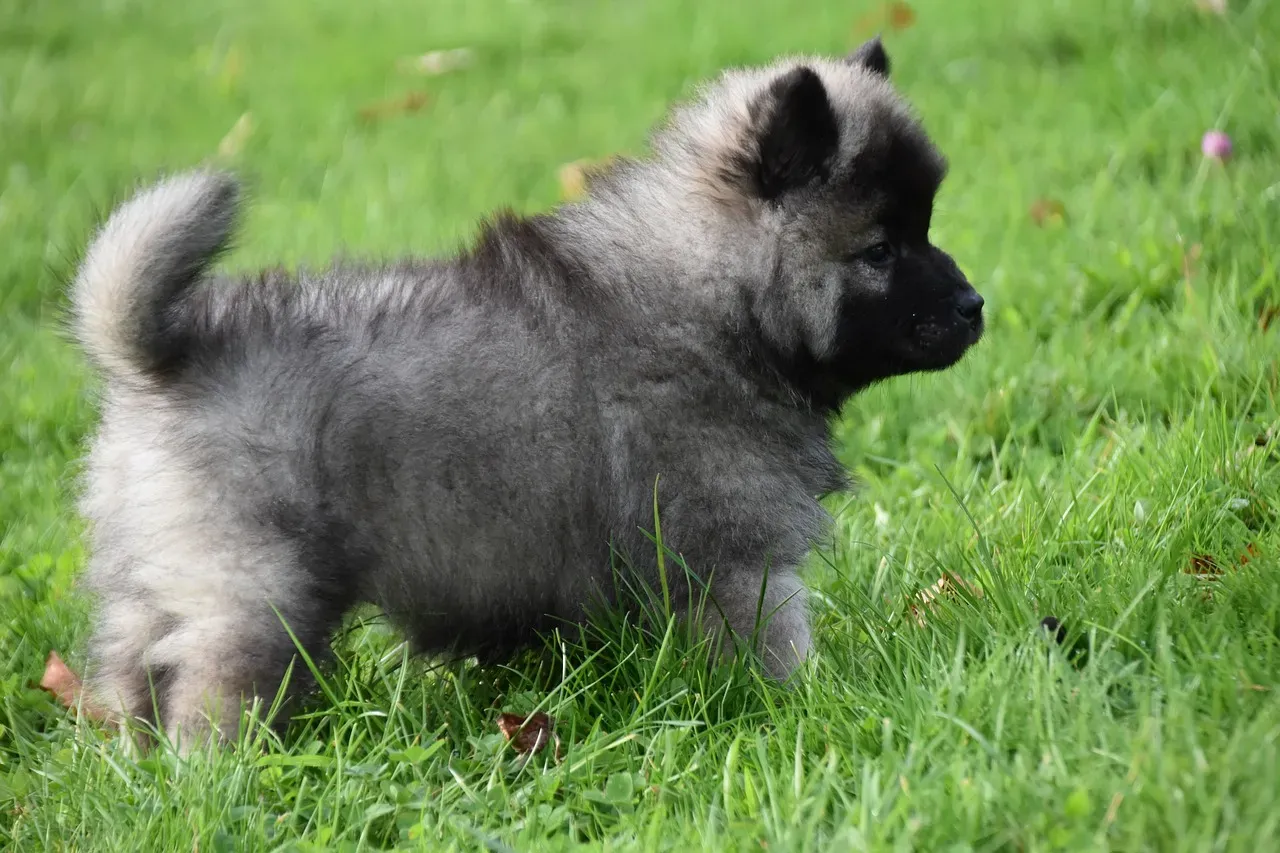
A dull, brittle coat isn’t just cosmetic – groomers read it like a receipt for what’s actually going into the bowl. Greasy, flaky fur with heavy shedding can point to low-quality food or skipped supplements, even when the bag says “premium.” And when a dog shows up months later with noticeably shinier, denser fur, groomers know something changed at home: better food, added omega-3s, or a more consistent feeding schedule.
They also quietly clock budget choices. The household that splurges on a designer collar but balks at better food or regular vet visits? It shows in the coat. Recurring hotspots, dandruff, and dullness often mean allergies or medical issues are being postponed until there’s a crisis. Groomers aren’t vets, but they’re frequently the first ones to notice that health care has been put on the back burner.
Worth Knowing
- Coat improvements from a diet or supplement change typically take a full hair growth cycle – several weeks – to actually show.
- Omega-3 additions are one of the most common fixes groomers see behind a suddenly shinier coat.
- Recurring hot spots are a top reason groomers gently suggest a vet visit instead of another trim.
- Constant licking or chewing at the paws often signals allergies long before an owner notices anything.
#5 – Shedding Patterns Reveal Stress Levels and Household Energy
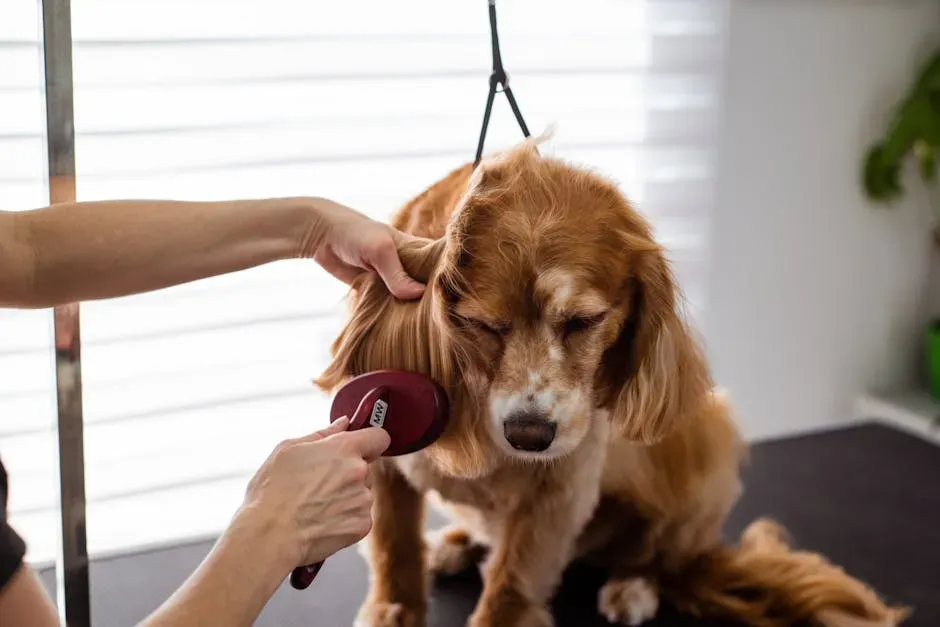
Everyone expects some shedding. What groomers watch is when and how much of it shows up out of nowhere. Excessive, out-of-season shedding can be a quiet red flag for chronic stress – more noise, more tension, more instability in the home than the owner even realizes. Dogs absorb the emotional temperature of a room, and their coats often respond weeks before the humans connect the dots.
When a previously stable dog suddenly starts blowing coat outside the normal cycle, groomers will gently ask, “Any changes at home lately?” The answers repeat themselves: new baby, divorce, a move, someone working nights now. Hair coming out in handfuls can signal a dog who never fully relaxes – which usually mirrors a home where the humans aren’t relaxing either.
#6 – Fleas, Ticks, and Parasites Quietly Expose Gaps in Household Management

Nobody enjoys being told their dog has fleas, and groomers know it can land like an accusation. But parasites are rarely just an outdoor problem – they’re a household systems problem. A dog that keeps arriving with live fleas, flea dirt, or ticks usually means prevention is inconsistent, forgotten, or slapped on the night before the appointment instead of applied on schedule.
What tells the real story is what happens next. If a groomer finds fleas and the dog comes back completely clear next time, that family sprang into organized action – treated the house, washed bedding hot, called the vet. If the same dog returns with fleas again and again, it usually signals a home running on “we meant to” instead of follow-through, or multiple adults quietly assuming someone else handled it.
Quick Compare
| Scenario | What It Usually Means |
|---|---|
| One flea find, then clear next visit | Isolated exposure, quick correction |
| Fleas at multiple visits in a row | Prevention gaps or a home infestation |
| Ticks buried in heavy mats | Reduced brushing, more unsupervised outdoor time |
#7 – Handling Tolerance Reveals Relationship Dynamics at Home
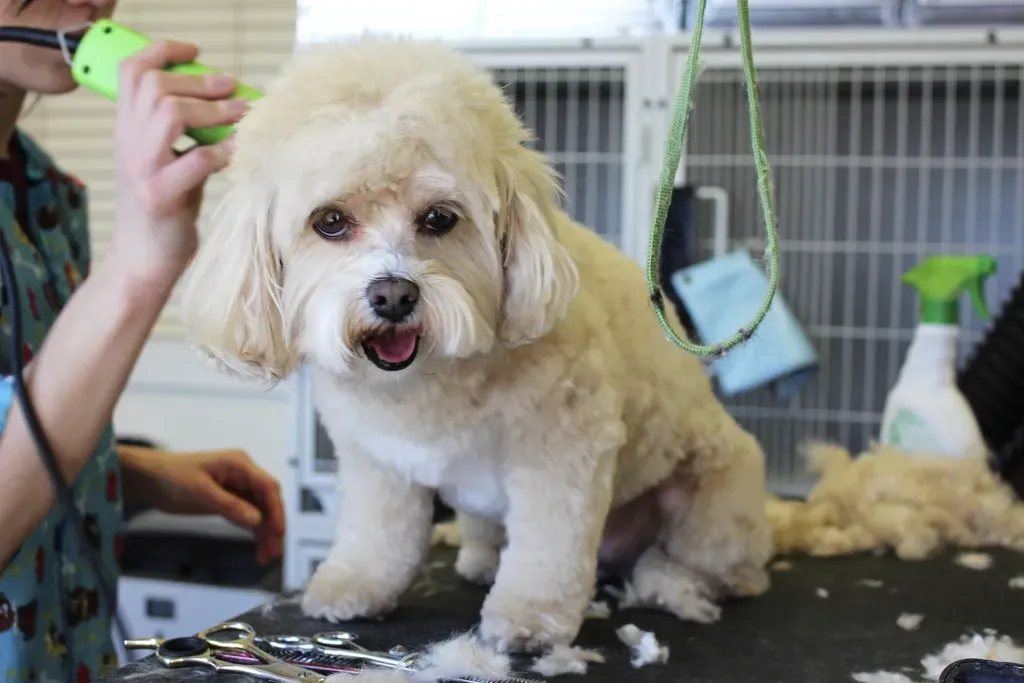
By the time a dog is on the table, its body language is already telling a story. A dog that flinches at every touch, panics when a paw is lifted, or thrashes during brushing usually hasn’t just “always been like that.” It often points to rough handling, impatient brushing, or a generally tense energy at home. Groomers can feel the difference between a dog that’s simply nervous and one that has learned human hands mean discomfort or yelling.
On the flip side, a dog that calmly lets a total stranger handle its ears, tail, and paws isn’t just “good breeding.” That usually comes from someone putting in real time – patient desensitization, positive associations, regular gentle brushing at home. Groomers notice fast when owners call their own dog “dramatic” while the dog just looks confused and defensive. In that moment, they’re reading something far bigger than a haircut.
Dogs are ridiculously honest creatures. We always give them reasons not to trust us and yet they always give us reasons to trust them.
Cesar Millan
#8 – Consistency of Style and Length Shows Who Actually Makes Decisions
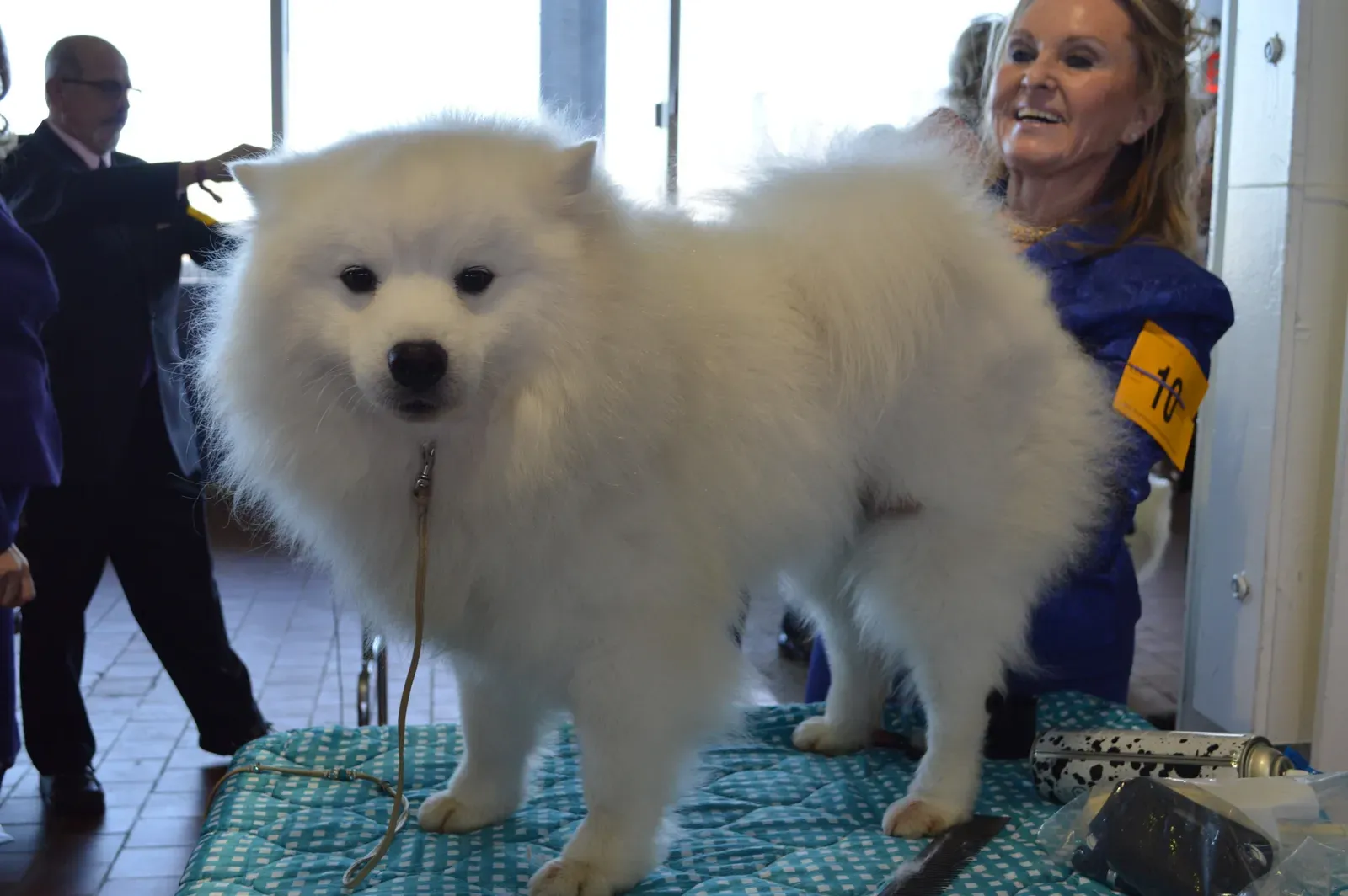
Most people think a haircut is just an aesthetic choice. Groomers know it also reveals who’s actually running the household. When a dog’s style swings wildly every visit – buzzed short, then “leave it long,” then somewhere confused in between – it usually means different family members are competing over the dog’s look, or nobody’s really in charge of the decision at all.
A dog that shows up with a clear, consistent, lifestyle-appropriate cut tells a calmer story. Someone weighed the real variables: how often the dog swims, the climate, how much time there is to brush, what the budget allows. Groomers quietly roll their eyes at “we want it fluffy like the show dogs online” from owners who brush once a month – while the boring, sensible teddy trim usually belongs to the dog whose family nails the daily basics without needing an audience.
#9 – The In-Between Condition Says More Than the Appointment Day Ever Will
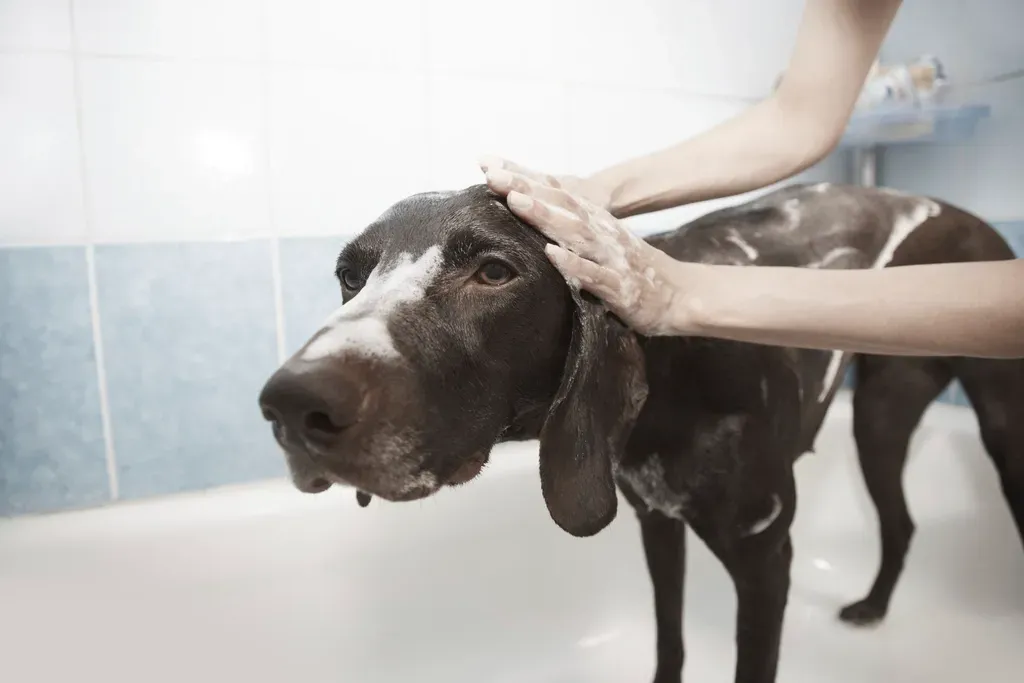
Here’s the part almost nobody realizes: the most revealing detail isn’t how the dog looks on grooming day. It’s what the coat shows about the six or eight weeks in between. A dog that arrives reasonably tidy, with light matting and manageable nails, tells the groomer that care is actually happening at home – not just outsourced every few months and forgotten in between.
A dog that only looks acceptable right after a professional groom, then returns next time in near-emergency condition, is living a different story entirely. That household treats grooming like a car inspection – ignore everything until the warning lights start screaming. The coat becomes a cycle of extremes, polished to neglected and back again, and it usually mirrors how other responsibilities get handled at home too.
At a Glance
- Light matting and trimmed nails between visits usually mean daily care is genuinely happening.
- Near-emergency mats every single time points to a reactive, crisis-only routine.
- Clean ears between grooms often signal an attentive, hands-on owner.
- A coat that looks similar before and after each visit reflects a steady maintenance habit, not a rescue mission.
The Bottom Line
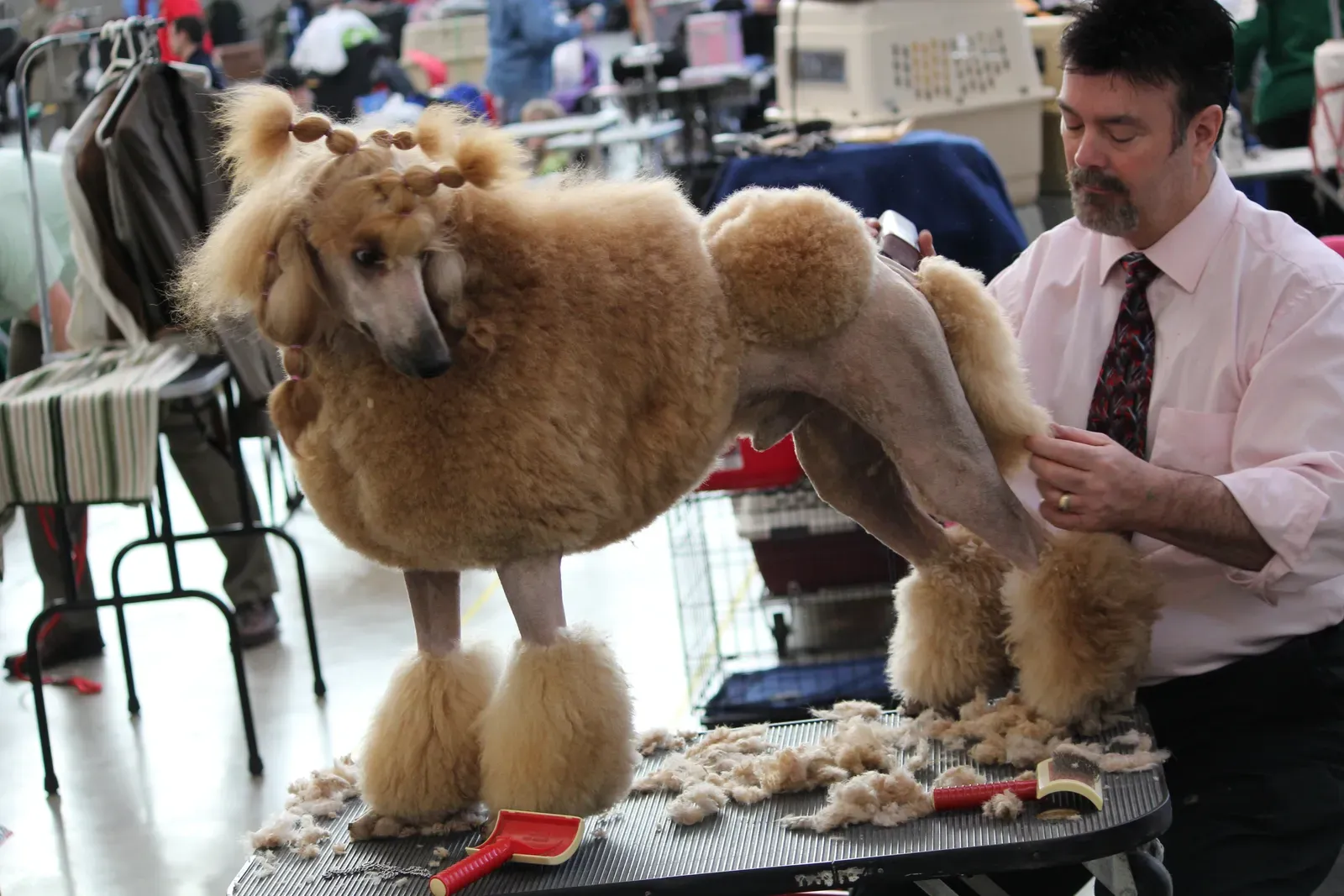
A groomer doesn’t just see a dirty dog. They see a snapshot of how a household actually functions – the routines, the stress, the half-finished good intentions everyone swears they’re working on. Matting, odor, parasites, even haircut choices quietly expose whether a family lives in prevention or reaction, and whether someone is truly showing up for daily care or just relieving guilt every few months.
I’ll say the part groomers usually won’t: your dog’s coat is more honest about your home than you are, and pretending otherwise doesn’t change what’s tangled in the fur. That’s not an insult – it’s useful. The habits are fixable, and the coat will prove it faster than any excuse will. So which of these nine showed up in your dog’s last groom, and what is it quietly saying about your household right now?