
The Benefits of Teaching Your Dog Boundaries

Owning a dog is a bit like having a perpetual toddler; they’re curious, energetic, and sometimes a little unpredictable. Just as we teach children the difference between right and wrong, teaching your furry friend boundaries is essential for a harmonious relationship. Establishing rules for your dog is not just about discipline; it’s about ensuring their safety and happiness. Clear boundaries help your dog feel secure, reduce anxiety, and strengthen the bond between you. Plus, a well-behaved pup is more welcome in social settings and can enjoy more freedom. In this article, we will explore the myriad benefits of teaching your dog boundaries and why it’s a vital part of dog ownership.
Enhances Safety for Your Dog

One of the primary reasons to teach your dog boundaries is to keep them safe. Dogs are naturally inquisitive creatures. Without boundaries, they might wander into dangerous areas like busy roads or consume harmful substances. By setting clear limits, you can prevent your dog from engaging in risky behaviors. For example, teaching them not to bolt out the front door can prevent accidents or getting lost. Just like how a fence keeps a child from running into traffic, boundaries act as invisible barriers that guide your dog’s actions.
Promotes a Peaceful Household

A dog that understands its limits is a joy to have at home. By teaching boundaries, you can reduce unwanted behaviors like excessive barking, jumping on guests, or chewing furniture. This leads to a more peaceful and harmonious home environment. Imagine coming home to a well-behaved pet that respects your space and belongings – it’s the dream of every dog owner. With consistent training, your dog will learn what is acceptable, making your living situation more pleasant for everyone.
Strengthens the Bond Between You and Your Dog
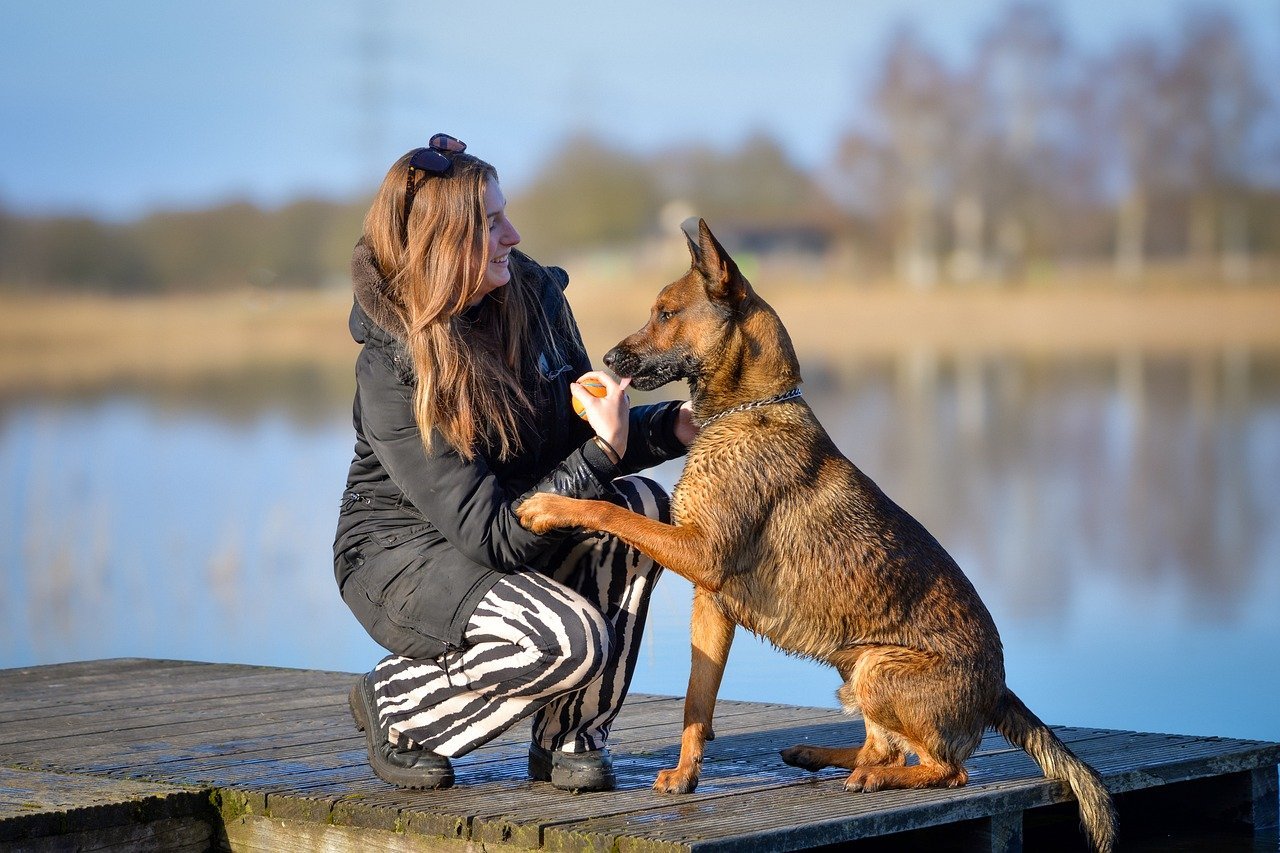
Boundary training is a wonderful opportunity to build trust and strengthen the connection between you and your dog. When you teach your dog boundaries, you communicate with them, creating a shared language. This mutual understanding fosters respect and deepens the bond. It’s similar to how two people grow closer by understanding each other’s needs and limits. As your dog learns to respect your rules, they also begin to appreciate your role as their guide and protector.
Encourages Positive Social Interactions

A well-trained dog is a social dog. Teaching boundaries helps your pet understand how to behave around other people and animals. This is crucial for positive social interactions, whether at the dog park, vet, or on walks. A dog that knows not to jump on strangers or bark aggressively is more likely to be welcomed in various social settings. Think of it as teaching your dog good manners, making them more enjoyable to be around and reducing stress during social engagements.
Reduces Anxiety and Stress

Believe it or not, dogs thrive on structure and consistency. When they know what’s expected of them, it reduces uncertainty, which in turn minimizes anxiety and stress. Boundary training provides your dog with a clear structure, helping them understand their role in the family. It’s like having a map in a foreign city; knowing where you can and cannot go makes the experience far less daunting. This sense of security makes for a happier, more relaxed pet.
Facilitates Easier Training Sessions

Teaching boundaries lays the groundwork for other forms of training. Once your dog understands basic limits, they are more receptive to learning new commands and tricks. It’s like building a house; you need a strong foundation before you can add anything else. With boundaries in place, future training sessions become more effective and enjoyable for both you and your dog. This foundation is invaluable for more advanced training and can make the process smoother and more rewarding.
Prevents Resource Guarding

Resource guarding is a common issue where dogs become possessive over food, toys, or even people. Teaching boundaries can help mitigate this behavior by instilling a sense of trust and security. When your dog understands that they don’t need to guard resources, they become more relaxed and less aggressive. It’s akin to teaching a child to share; once they realize there’s enough to go around, the need to hoard diminishes. This leads to a more peaceful coexistence and reduces potential conflicts.
Fosters Independence
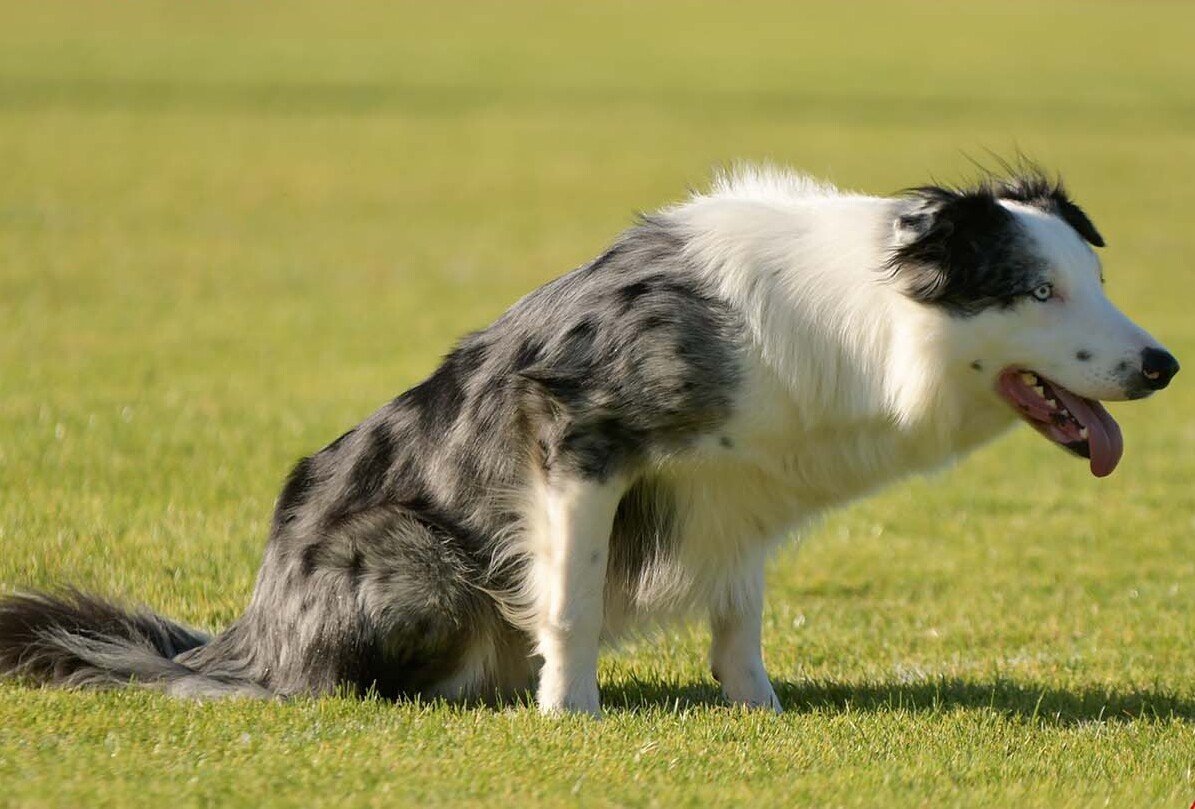
While it may seem counterintuitive, teaching your dog boundaries can actually promote independence. By understanding their limits, dogs gain confidence in navigating their environment without constant guidance. It’s like teaching a teenager to drive; once they have the tools and knowledge, they can explore the world safely on their own. This newfound independence allows your dog to explore their surroundings while still adhering to the rules, leading to a more balanced and self-assured pet.
Improves Overall Behavior

Teaching boundaries is not just about curbing bad behavior; it’s about encouraging good behavior. Dogs that understand their limits are more likely to behave appropriately in various situations. This improved behavior is a testament to effective boundary training, making your dog a model citizen in the canine world. It’s similar to how students excel when they understand the rules of the classroom. With clear boundaries, your dog can navigate life confidently and comfortably.
Creates a Safer Community

Finally, a well-trained dog contributes to a safer community. When dogs understand boundaries, they are less likely to pose a threat or nuisance to neighbors and other animals. Imagine a neighborhood where every dog knows not to chase cars or bark all night – it’s a more peaceful, pleasant place for everyone. By teaching your dog boundaries, you’re not just improving your own life but also contributing to the well-being of your community.
In conclusion, teaching your dog boundaries is a multifaceted process that offers numerous benefits. From enhancing safety to fostering independence, the positive impacts are far-reaching. By investing time and effort into boundary training, you are setting the stage for a harmonious and fulfilling relationship with your four-legged friend.