
8 Tips To Handle Dog Boogers and Keep Your Dog’s Eyes Clean

Ever noticed your pup gazing up at you with those soulful eyes, only to spot a little gunk in the corners? You’re not alone! Dog boogers (or eye discharge, if we’re being fancy) are something every loving dog parent faces. It’s a small detail, but keeping your dog’s eyes clean can make a huge difference in their comfort and health. Let’s dive in together—because every dog deserves to see the world clearly, and every dog lover deserves to feel confident caring for their furry friend’s eyes.
Understand What’s Normal (and What’s Not)
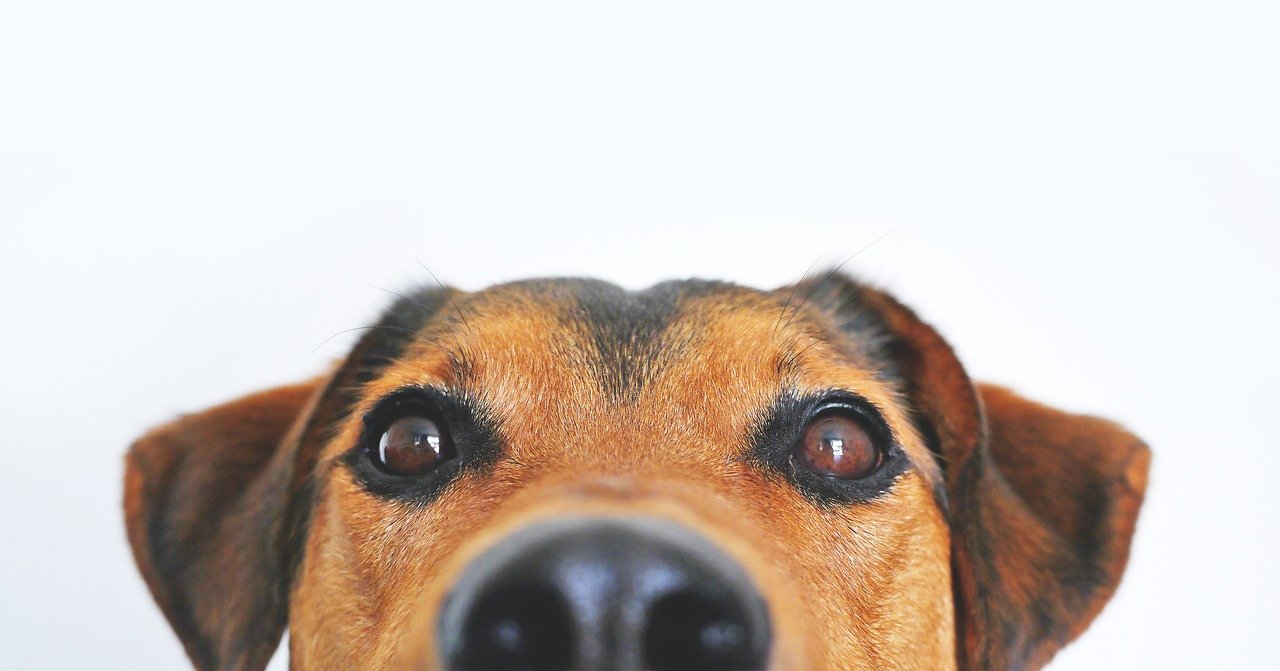
A little crust or clear discharge in the morning is usually nothing to worry about. Just like us, dogs get sleepy dust, especially after a good snooze. It’s generally harmless as long as it’s not excessive or colored oddly.
But if you notice yellow, green, or thick mucus, or if your dog’s eyes look red or swollen, that’s a red flag. These signs could mean infection or allergies. Trust your gut—if something looks off, it’s always better to check with your vet.
Learn the Art of Gentle Cleaning

Cleaning your dog’s eyes shouldn’t feel like a wrestling match. Use a soft, damp cloth or pet-safe wipe to gently wipe away boogers. Start from the inner corner and swipe outward, using a separate spot for each eye.
Avoid cotton swabs or anything pointy—those can accidentally poke your pup. If your dog squirms, try distracting them with a treat or some soft words. Making it a calm, positive experience helps both of you.
Watch for Behavioral Cues

Dogs are masters at hiding discomfort, but their eyes give away clues. If your dog’s rubbing their face on the carpet, pawing at their eyes, or squinting, they might be trying to tell you something’s up.
Frequent blinking, watery eyes, or keeping one eye shut can signal irritation or pain. Pay attention to these little behaviors—they’re your dog’s way of asking for help, even if they can’t say it out loud.
Choose the Right Tools for the Job

Not all wipes and cloths are created equal. Go for hypoallergenic, fragrance-free pet wipes, or use a clean, soft washcloth dampened with warm water. Some pet parents keep a special cloth just for eye cleaning, which helps prevent spreading germs.
Never use human makeup wipes or harsh chemicals. Your dog’s eyes are sensitive, and what’s safe for people can sting or harm your furry pal. Think gentle, always.
Know When to Clean (and When to Leave It)
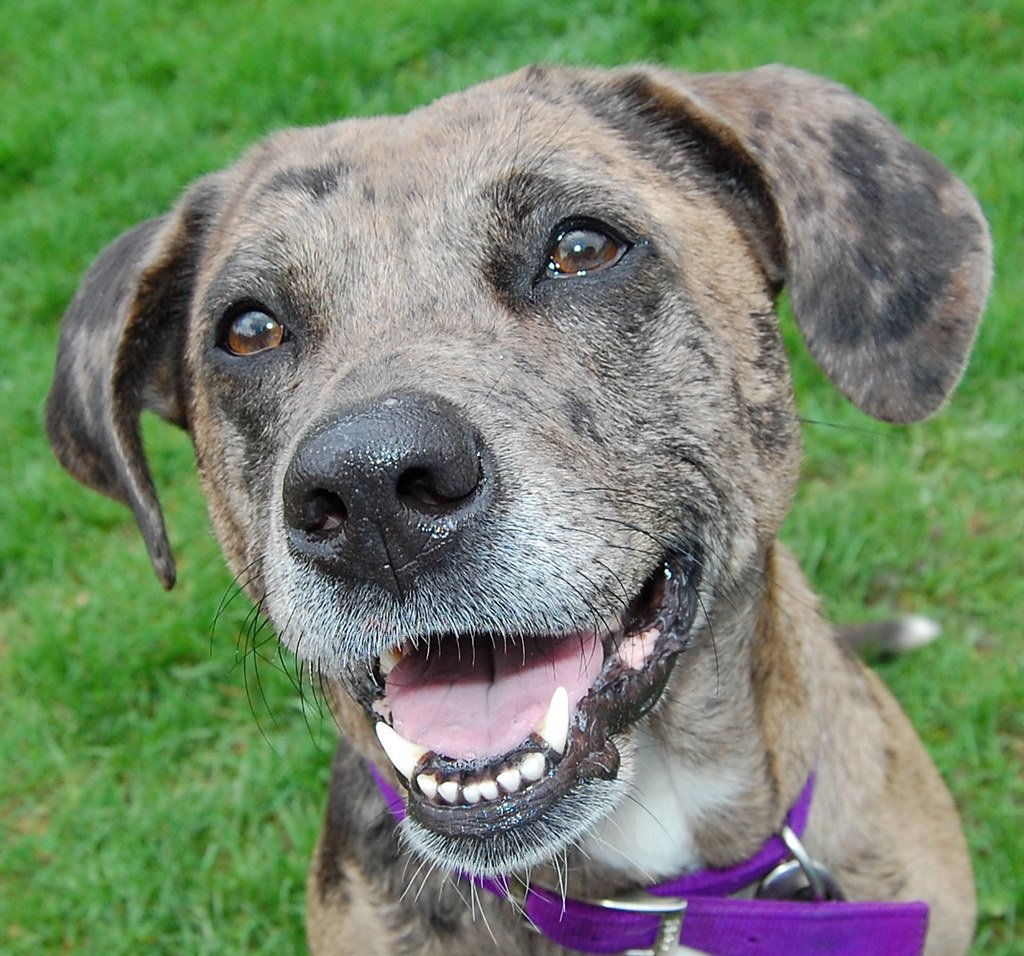
A quick eye wipe can be part of your daily routine, but don’t overdo it. Too much cleaning can actually cause irritation. Once a day or every other day is plenty for most dogs, especially if they tend to get crusties.
If your dog’s eyes are usually clear, just keep an eye out (pun intended!) for changes. Let your dog’s eyes guide you—if they look clean, let them be.
Prevent Problems Before They Start

Prevention is easier than treating a problem later. Keep hair trimmed around your dog’s eyes, especially if they’re a long-haired breed like Shih Tzus or Poodles. This reduces irritation and keeps boogers from sticking.
Limit your dog’s exposure to dust and pollen, especially during allergy season. Regularly wash their bedding and keep their face clean after meals or outdoor play to prevent buildup and irritation.
Recognize When It’s Time for the Vet

Sometimes, eye gunk is more than just a little dirt. If the discharge is yellow, green, or really thick, or if your dog’s eyes look red, swollen, or painful, reach out to your vet. Persistent tearing, cloudiness, or a sudden change in appearance also deserve a professional look.
Eye issues can escalate quickly, so don’t wait it out if you’re worried. Your vet can diagnose anything from an infection to a blocked tear duct, and help your dog feel better fast.
Make Eye Care a Bonding Moment
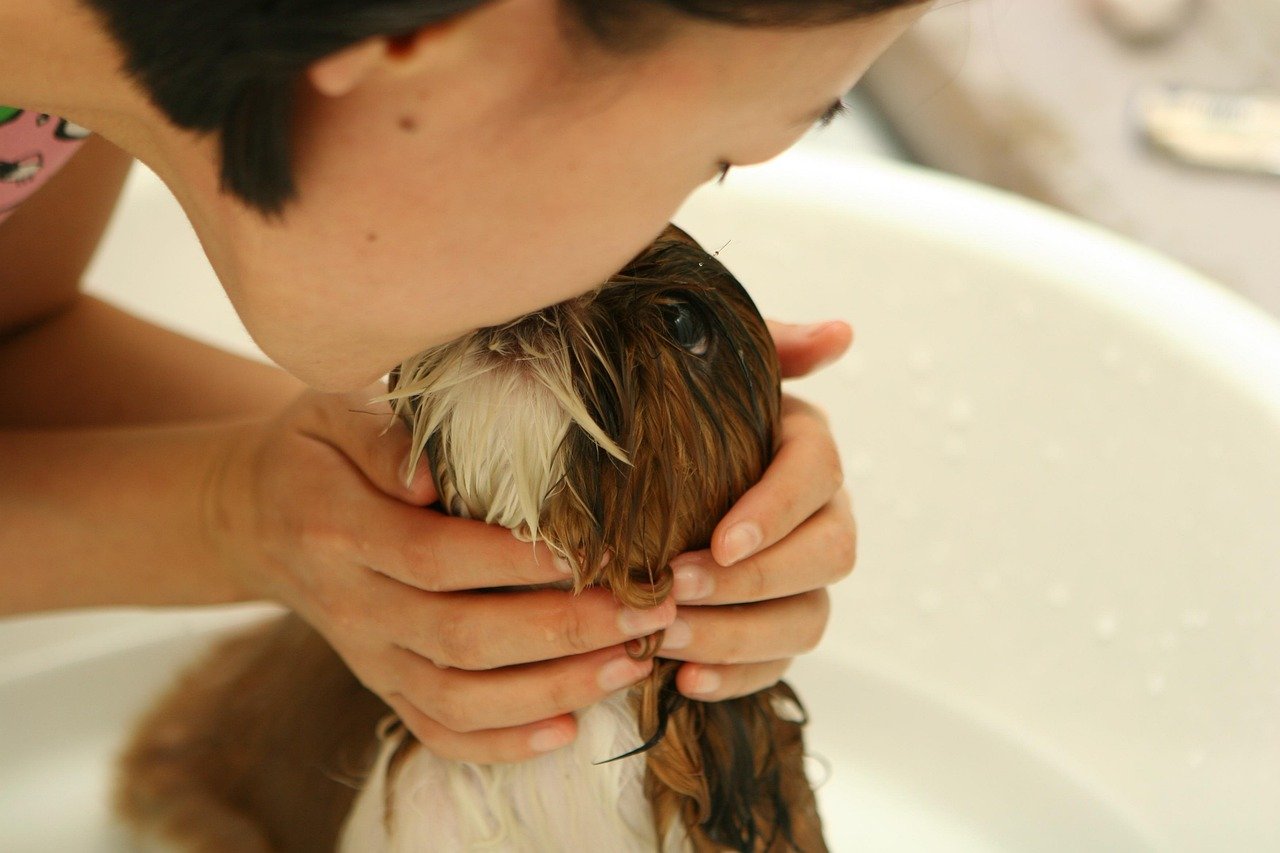
Caring for your dog’s eyes doesn’t have to be a chore. Use this time to connect, give gentle pets, and maybe share a treat or two. Most dogs learn to enjoy these mini spa moments, especially if you stay calm and gentle.
Over time, you’ll learn what’s normal for your dog and spot changes faster. Plus, these little rituals remind your dog that you’re always there to look out for them—literally and figuratively.