
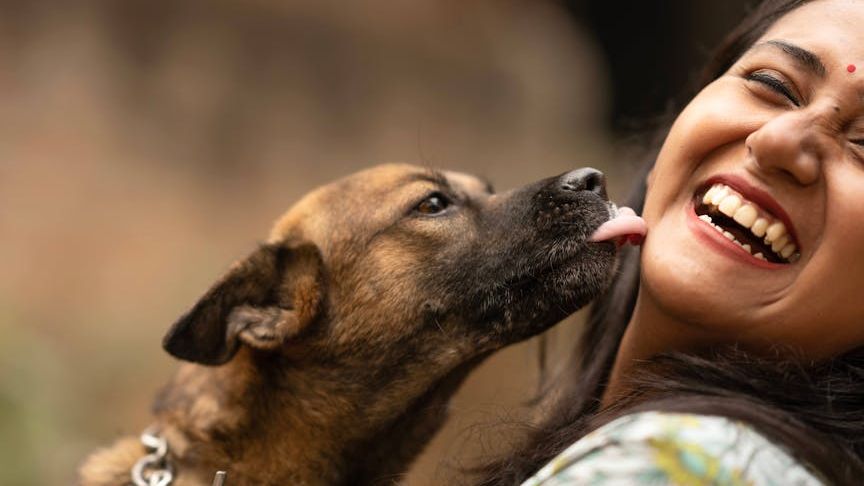
#1. Spinning in Circles Before Lying Down
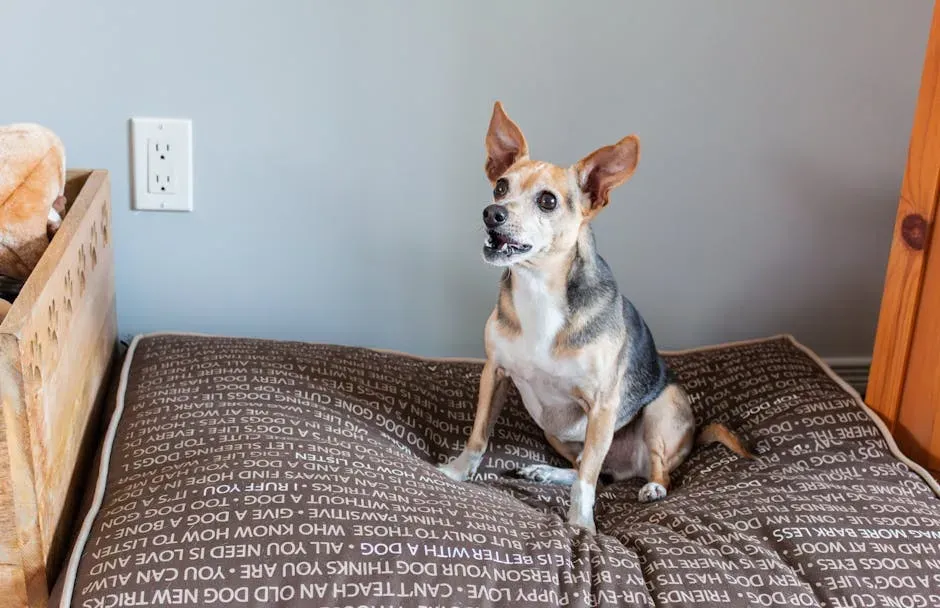
You’ve probably watched your dog do a few neat rotations on their bed before finally settling into the exact same spot they started. It looks pointless, even slightly theatrical. Dog behaviorists believe this bedtime ritual of turning in circles is inherited – canine ancestors like wild wolves did the same thing, and domestic dogs retained this genetic predisposition.
A basic reason for the circling is that dogs in the wild didn’t have the luxury of manufactured beds. They made their own sleeping spots in nature, patting down tall grass and moving prickly underbrush before lying down. Turning in circles was also an act of self-preservation, in that a dog may have innately needed to position itself in a certain way to ward off potential attacks.
Some wildlife biologists believe wolves slept with their noses to the wind so they could quickly detect a threatening scent. Circling allowed them to determine the direction of the wind and position themselves accordingly. Your living room isn’t exactly a savanna, but your dog’s DNA hasn’t quite gotten that memo.
Excessive spinning, though, may point to anxiety, arthritis, cognitive decline, or a compulsive disorder. Dogs that are in pain will circle excessively as they struggle to find a more comfortable position, and may also crouch and rise several times before completely reclining. So while a couple of circles at bedtime is perfectly normal, a dog who genuinely can’t settle after many rotations deserves a vet visit.
#2. The Adorable Head Tilt
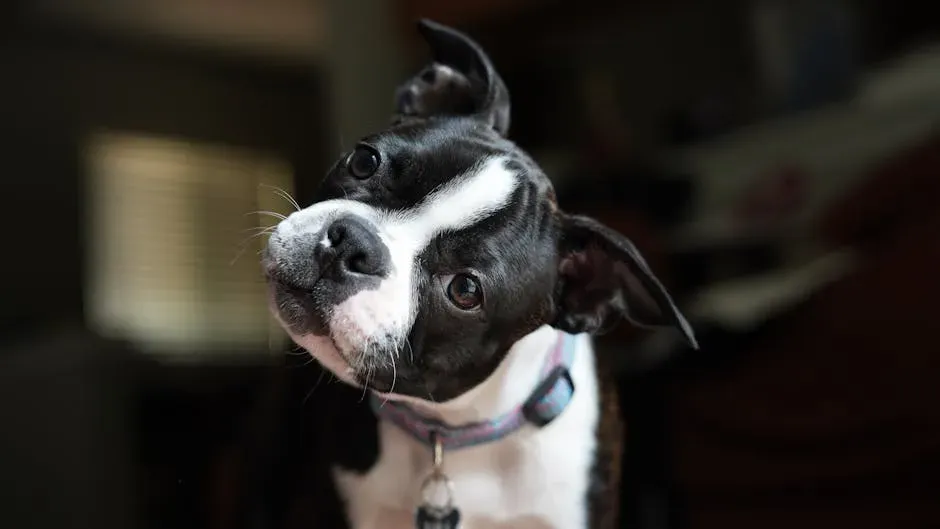
You say a word your dog recognizes – “walk,” “treat,” “dinner” – and their head swings sideways on cue. It’s one of those moments that makes dog ownership absurdly satisfying. When a dog tilts their head to the side, they are trying to hear your words, understand what you are saying, and let you know they are concentrating on you – much as a human would nod during a conversation to indicate they are listening.
Dogs tilt their heads to work around their interfering muzzles and improve their visual perspective. That cute head tilt broadens their range of vision and allows them to more clearly see a person’s face, and seeing our facial expressions improves communication. It turns out your dog may actually be trying to lip-read.
Research found that dogs considered “gifted word learners” – those who recognize more objects – tilted their heads in response to their owners naming objects roughly 43% of the time, while other dogs only did so about 2% of the time. Another reason dogs tilt their heads is simply because we teach them to – our positive response to the head tilt encourages repetition, so the more we gush over it, the more we get to enjoy it.
A persistent head tilt or tilting on a regular basis without an obvious trigger could indicate a health issue, such as vestibular disease or an ear infection. If it comes with a loss of balance or unusual walking, a vet check is warranted.
#3. Eating Grass
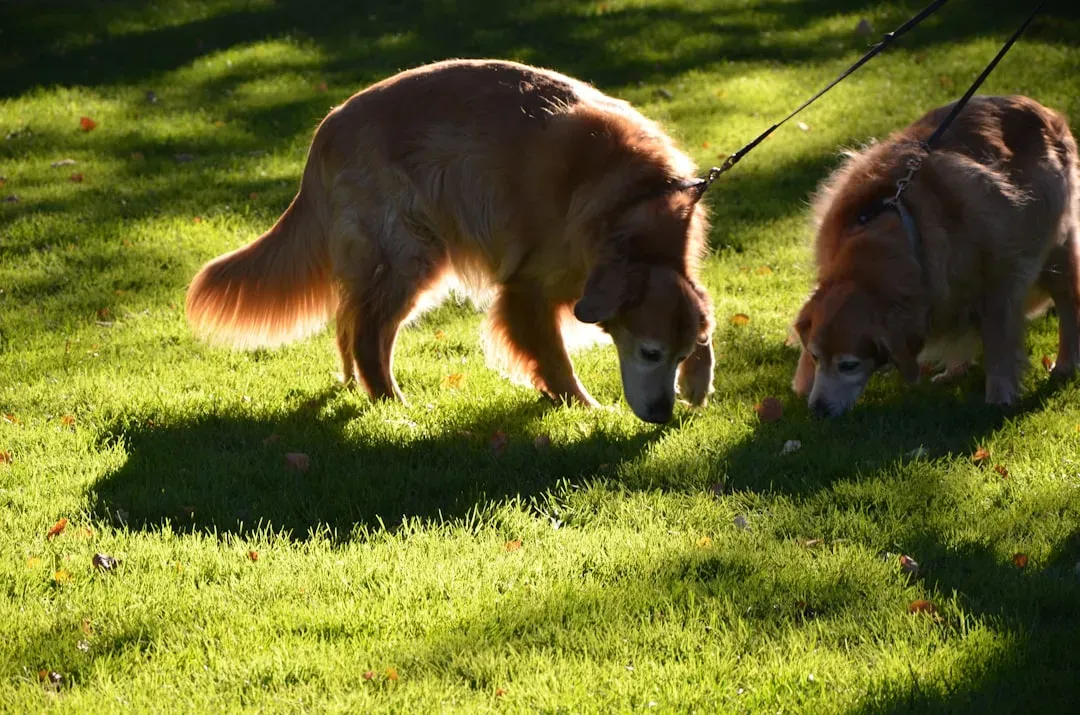
Your dog has a full bowl of premium kibble at home, and yet the moment you step outside, they’re grazing the lawn like a small, confused sheep. Many dogs eat grass, and in most cases it’s normal behavior – not a sign that something is wrong. While the exact reason isn’t fully understood, research suggests it may be instinctive, related to hunger, curiosity, or learned behavior.
One key explanation lies in dogs’ evolutionary past. Wild canines such as wolves often consumed plants indirectly by eating the stomach contents of herbivores, and this ancestral dietary habit may still influence modern dogs. A common belief is that dogs eat grass to soothe an upset stomach, and some do vomit after grass consumption – but scientific studies reveal that the majority of dogs do not vomit after eating grass.
In fact, only about one in ten dogs show signs of illness prior to eating grass, and most grass-eating dogs are not sick beforehand and do not vomit afterward. Grass contains an abundant source of fiber and, since it’s a living green food, contains phytonutrients, is high in potassium, and also contains chlorophyll.
In one documented case, an eleven-year-old Miniature Poodle had a seven-year history of eating plants and grass and vomiting afterward. The problem resolved after the dog was placed on a high-fiber diet, suggesting the dog had been supplementing a dietary deficiency. Once provided with adequate fiber, the grass-eating behavior stopped completely.
#4. Sniffing Other Dogs’ Rear Ends
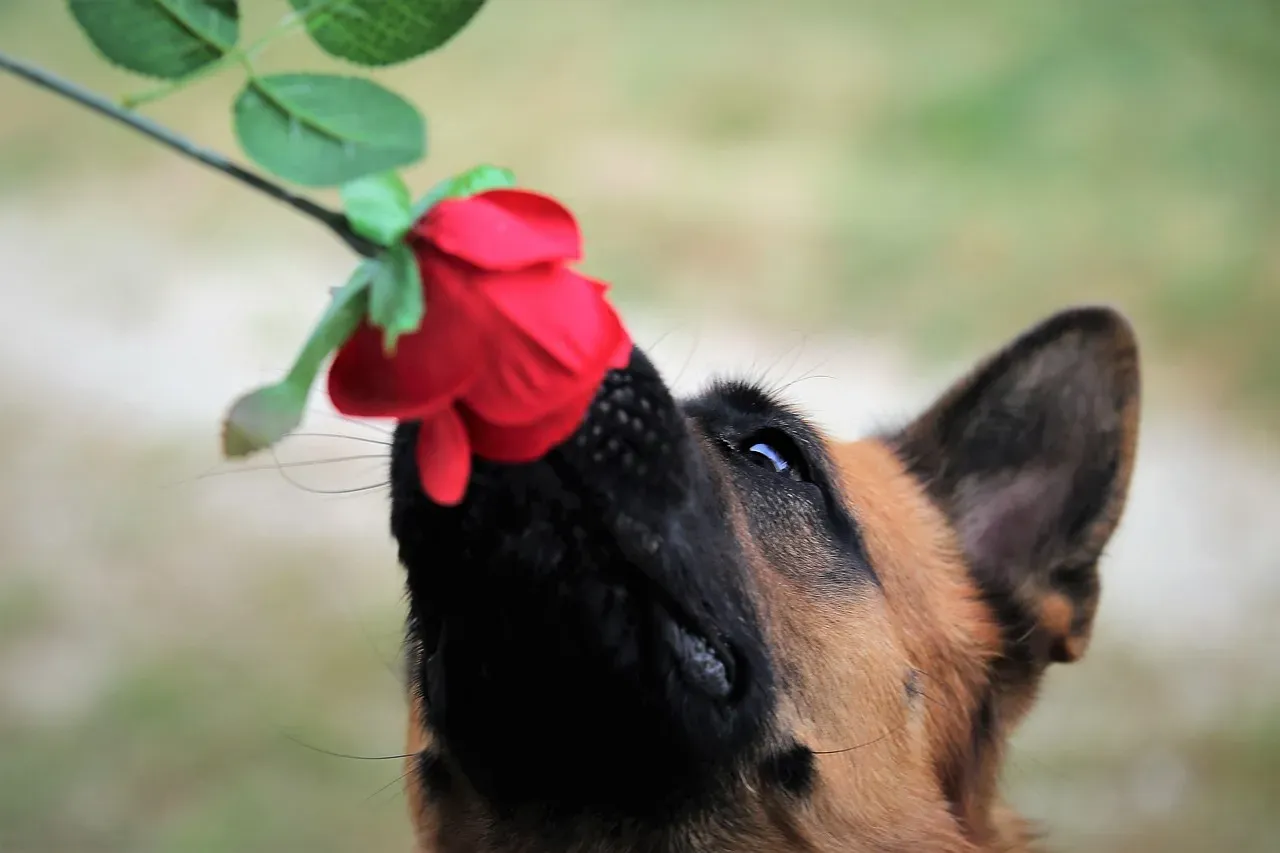
Few things are as socially mortifying – for the owner, anyway – as watching your dog go nose-first into a stranger’s backside at the dog park. When dogs meet each other, they sniff as a way of gathering information. While the nose-to-tail sniffing behavior may seem odd to us, it’s one of the most important ways dogs communicate.
Dogs’ sense of smell is estimated to be 10,000 to 100,000 times better than humans’. They also have a special part of their noses called the Jacobson’s organ that lets them bypass the smell of poop and instead detect something more important: the chemical glands on the sides of a dog’s anus that release compounds conveying how the body grows and functions.
When your dog sniffs a butt, they can learn about another dog’s identity, gender, health, mood, diet, whether they’ve met before, and more. A dog’s genetics, diet, and the current state of their immune system can all influence this aroma through chemical changes in the secretions. It’s essentially a complete social profile delivered in a single sniff.
Dogs rely much more heavily on their sense of smell to interact with the world, and much of their communication occurs through the scents they detect and leave behind. Strange as it looks, this is one of the most sophisticated forms of social greeting in the animal kingdom.
#5. The Zoomies
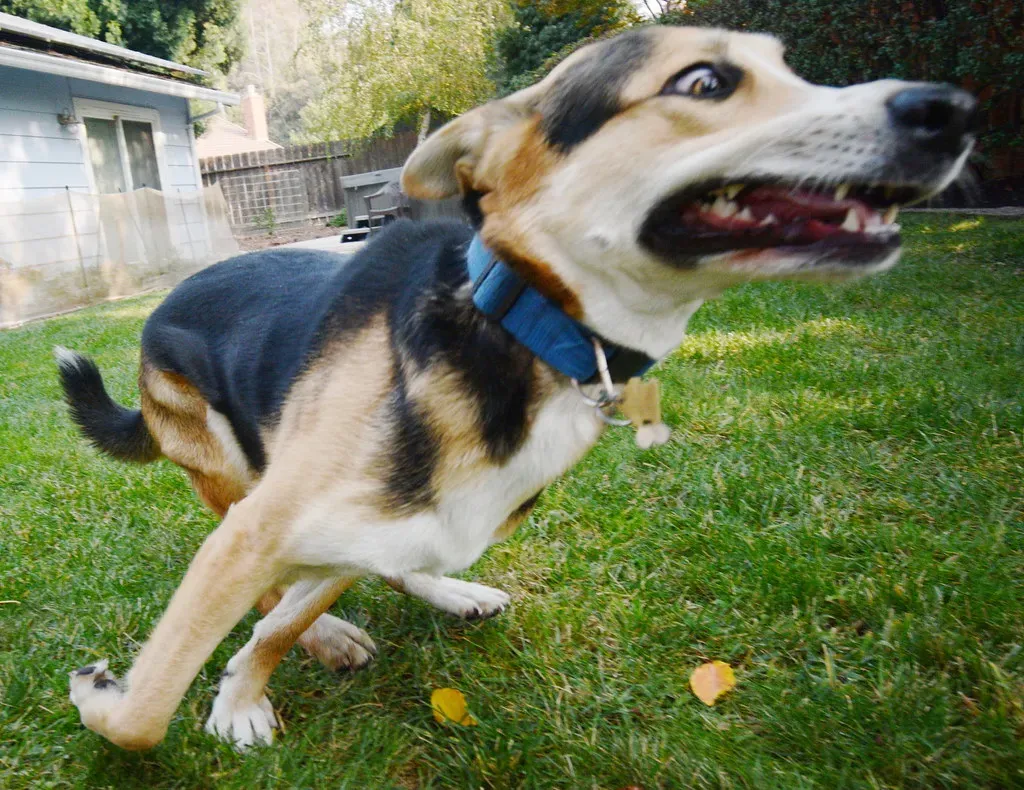
It strikes without warning. Your dog launches into a frantic, full-speed loop around the backyard or living room, ears flat, tail tucked, expression wild. Then, just as suddenly, it’s over. They trot back to you looking extremely pleased with themselves. The zoomies are known as FRAP in the veterinary community – frenetic random activity period – and a release of pent-up energy is the main reason for a FRAP.
If your pup has been home alone all day or has just woken up from a long nap, they may get a case of the zoomies. An excited “welcome home” can also take the form of a tornado spinning in front of you. Think of it as your dog’s version of finally getting to stretch their legs after being stuck in a meeting all day.
Zoomies are more common in younger dogs and puppies, but older dogs get them too, especially after baths. There’s a particular post-bath FRAP that seems almost universal, where dogs bolt around the house as if the towel was a starting pistol. It’s normal, it’s healthy, and honestly, it’s one of the more joyful things a dog does. The main concern is making sure fragile items or slippery floors aren’t in the path of a seventy-pound Labrador in full sprint mode.
#6. Rolling in Smelly Things
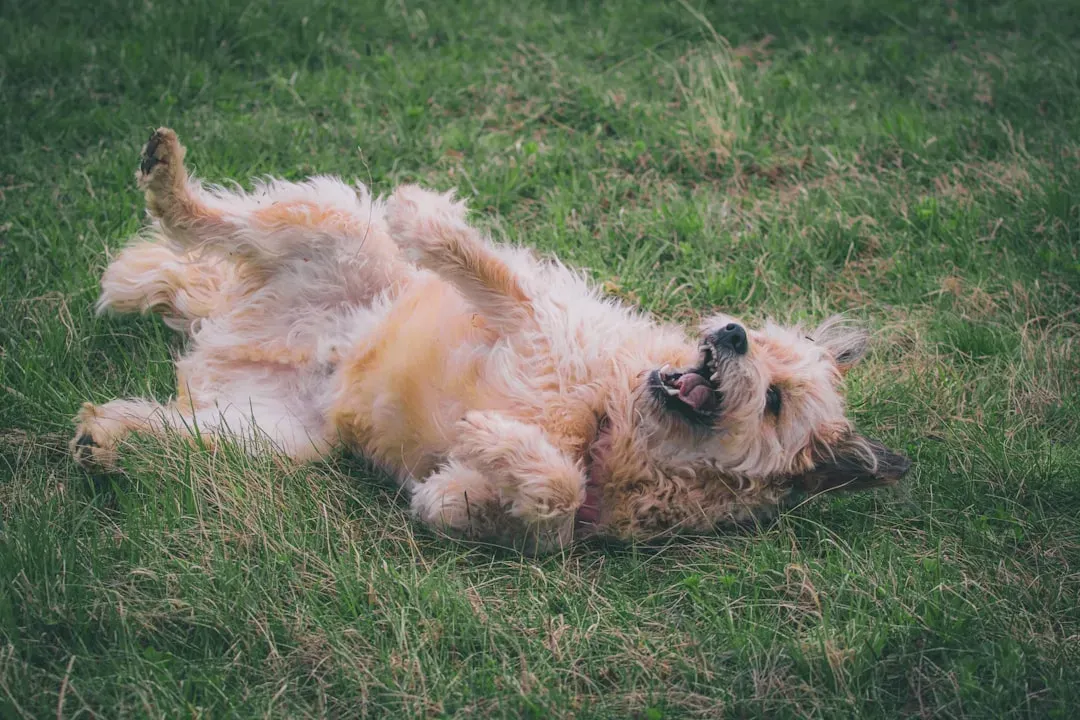
You’ve just given your dog a glorious bath. They smell wonderful. You let them outside for five minutes. They find the most objectionable thing in the yard and roll in it with visible glee. This behavior confounds dog owners more than almost anything else. The leading explanation ties back to predatory instinct – by masking their own scent with something else, wild canines could get closer to prey without being detected.
There’s also a social dimension to this behavior. Some animal behaviorists suggest that rolling in a strong scent and carrying it back to the pack was a way of sharing information – essentially reporting back: “I found something interesting over here.” Your dog might be doing the same thing, trying to show you what they discovered, even if what they discovered is a patch of fox droppings of questionable vintage.
It also may simply feel good. Dogs experience the world primarily through scent, and overwhelming their own familiar smell with something pungent could be stimulating in a way we’re not equipped to fully appreciate. The behavior is deeply ingrained, frustrating, and probably not going away anytime soon. A strong recall command and a watchful eye are your best defenses.
#7. Chasing Their Own Tail
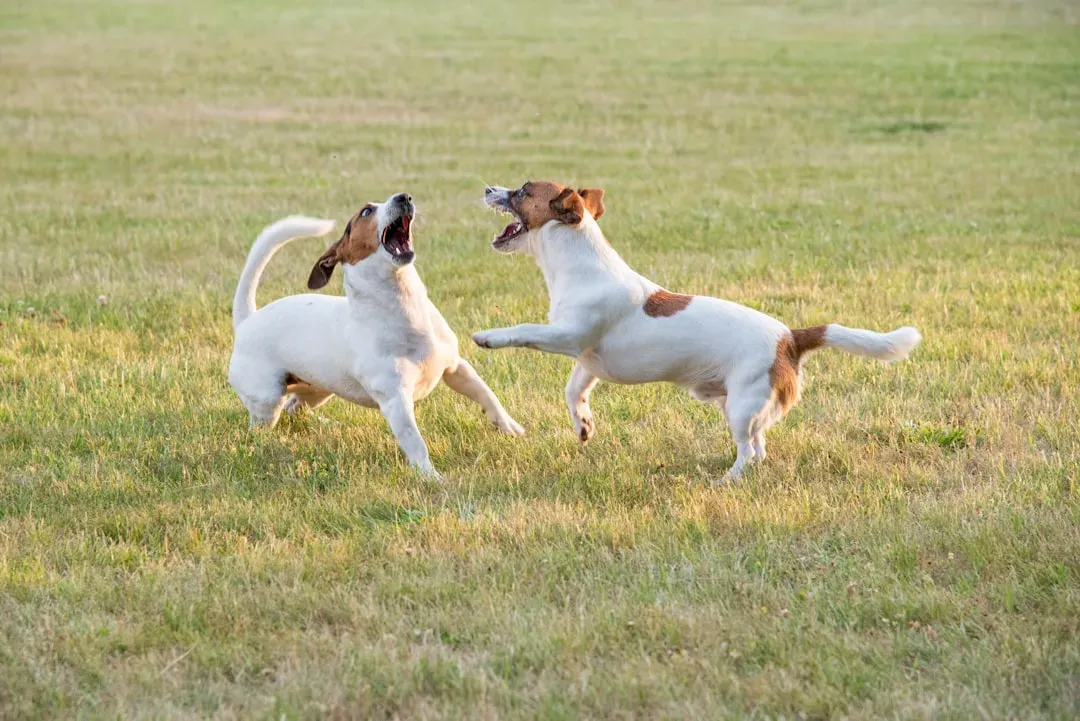
Puppies do this constantly, and it’s undeniably entertaining to watch. A dog spinning in pursuit of its own tail has the pure, baffled energy of someone who forgot what they walked into a room for. In puppies, this is largely a matter of discovering their own body – the tail is a moving thing attached to them, and they haven’t quite figured that out yet. It’s playful, exploratory behavior, not a sign of confusion.
In adult dogs, occasional tail chasing is usually harmless. It can be triggered by boredom, a surplus of energy, or an attempt to get attention – especially if past tail-chasing episodes earned a laugh from their owner. Dogs are quick to learn which behaviors get a reaction, and some will happily perform a little spin if it means the humans pay attention.
The behavior warrants attention when it becomes compulsive or frequent. Repetitive tail chasing in adult dogs can be a sign of anxiety, obsessive-compulsive tendencies, or even a physical irritation around the tail area such as fleas or impacted anal glands. A dog that can’t seem to stop, or that spins itself into distress, should be evaluated by a vet or a veterinary behaviorist rather than just filmed for social media.
#8. Licking You Constantly
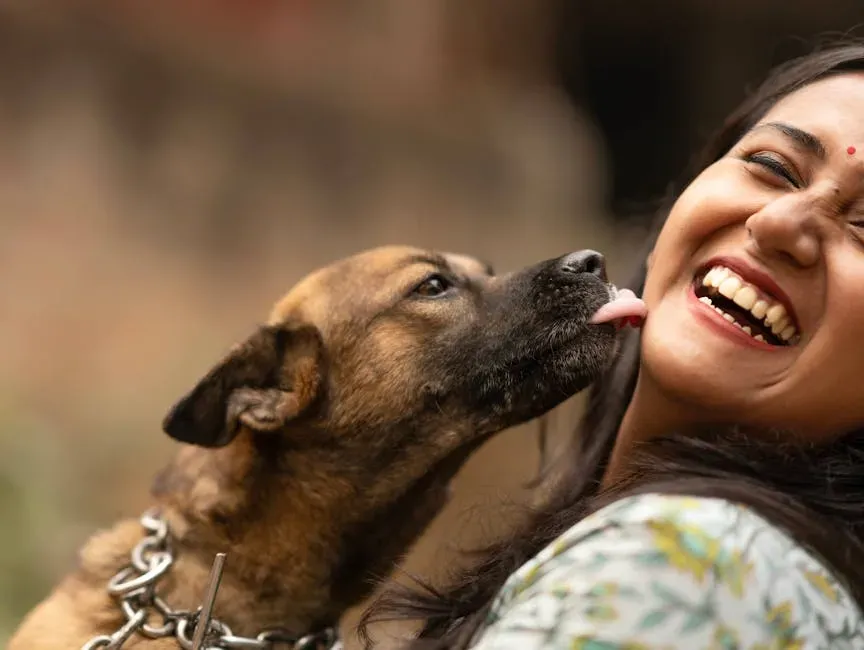
Your dog licks your face, your hands, your ankles, whatever skin is available. It’s affectionate, sometimes excessive, and occasionally happens at the least convenient moments. Licking is one of the earliest bonding behaviors dogs experience – mother dogs lick their puppies from birth to stimulate them and keep them clean. That early association between licking and security and comfort stays with dogs their whole lives.
Licking is also a form of social communication. Dogs lick to show submission, to signal affection, and to gather information – human skin carries traces of salt, scent, and residue from whatever you’ve touched recently, all of which are interesting to a dog with a powerful nose. Some dogs lick as a stress-relief behavior, a self-soothing mechanism when they feel anxious or overstimulated.
When licking becomes truly compulsive – constant, frantic, or focused obsessively on one specific part of the body – it can indicate an underlying issue like allergies, pain, or anxiety. Occasional licking, though, is mostly just your dog saying hello in the only language they’ve got. It’s warm, it’s direct, and it means they feel safe enough with you to bother.
#9. Scooting Across the Floor

The scoot. Every dog owner has seen it. Your dog sits down, lifts their back legs slightly, and drags themselves forward along the floor with a look of intense focus. It’s one of those behaviors that makes you wince and laugh simultaneously. The most common cause is anal gland discomfort. Dogs have two small anal glands that naturally express when they defecate, but when those glands become impacted, irritated, or overfull, they cause itching and discomfort that the dog tries to relieve by scooting.
It can also be caused by intestinal parasites, allergies, or general irritation around the rear area. Dogs with allergies sometimes experience skin inflammation in that region and will scoot in response. What looks absurd is actually your dog attempting to deal with genuine physical discomfort – it’s worth taking seriously rather than just laughing off.
A one-time scoot after going to the bathroom isn’t alarming. Repeated or frantic scooting, however, is a signal to check in with your vet. Anal gland expression is a routine procedure, and catching an impaction early prevents it from progressing to an infection. It’s one of those slightly unglamorous parts of dog ownership that matters more than it looks.
#10. Sleeping Against You or On Top of You
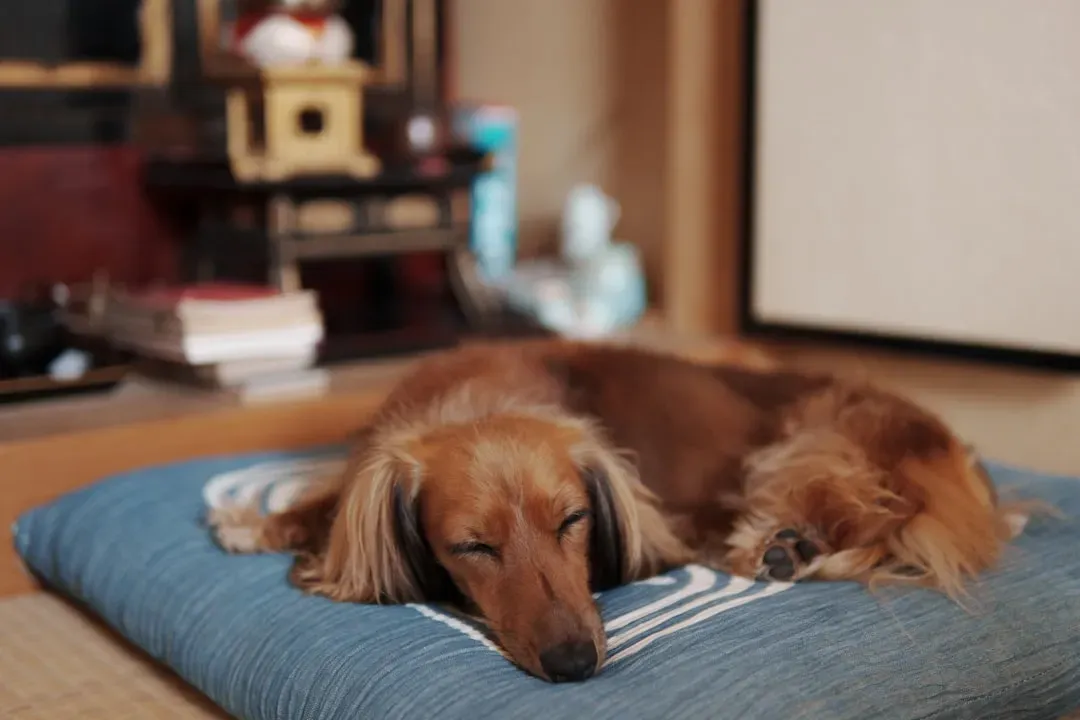
Your dog has a perfectly good dog bed. A plush, orthopedic, properly sized bed. They choose to sleep pressed against your legs, across your feet, or draped halfway onto your lap despite being forty pounds. This isn’t stubbornness – it’s deeply social behavior rooted in pack instinct. Dogs are naturally pack animals, and in the wild, sleeping in physical contact with their group provided warmth, protection, and social bonding.
There’s also a strong element of trust and attachment in this behavior. A dog that gravitates toward you during sleep is displaying vulnerability – sleep is when animals are most exposed, and choosing to do it close to you is a genuine expression of security and affection. Dogs that have bonded closely with their owners often prefer proximity even when they don’t need warmth or protection.
Some dogs take it further and physically lean against you or rest their entire body weight on yours. This is also a contact-seeking behavior, not a dominance display as was once commonly believed. It’s comfort-seeking, plain and simple. The slightly less romantic consideration is that dogs who sleep in the bed can disrupt human sleep quality, so if your back pays the price, a bed placed right beside yours can offer the same closeness without quite as much compromise.
What Your Dog’s Weirdness Is Actually Telling You
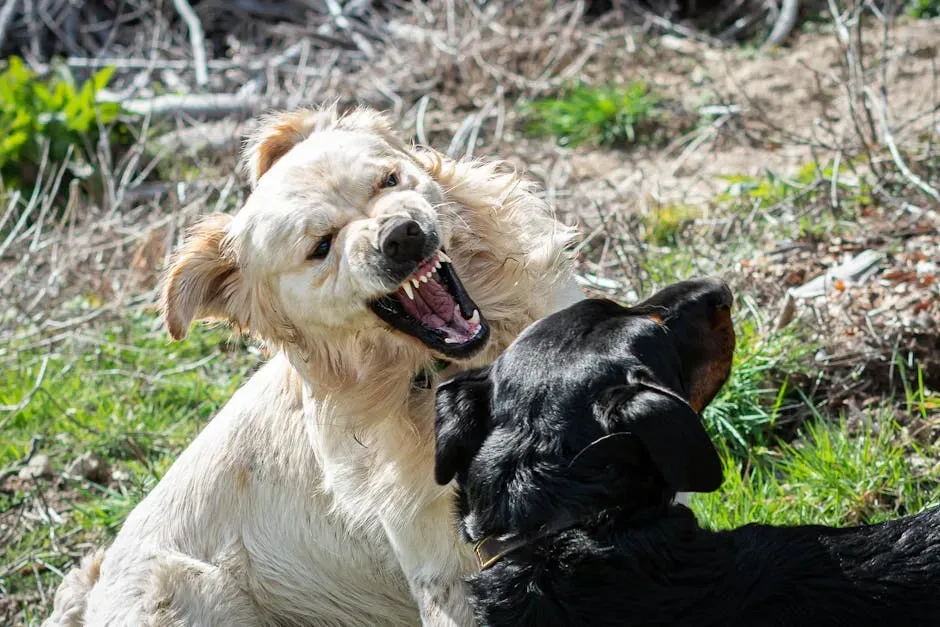
Most of the behaviors we find strange, baffling, or embarrassing in our dogs make complete sense through their lens. These are animals with a different sensory world, a different evolutionary history, and different social rules. The spinning before sleep, the obsessive sniffing, the grass-grazing, the zoomies – none of it is random. It all has a logic rooted in survival, communication, or emotional need.
The more you understand the “why” behind the behavior, the better equipped you are to respond appropriately. Some quirks are harmless and deserve to be enjoyed. Others – the compulsive ones, the sudden ones, the ones accompanied by discomfort – are your dog’s way of flagging that something needs attention.
Dogs can’t tell you what they need in words. They show you in behavior. Learning to read that behavior is really just learning to listen in a different way – and that’s probably the most worthwhile thing about sharing your life with one of them.


