
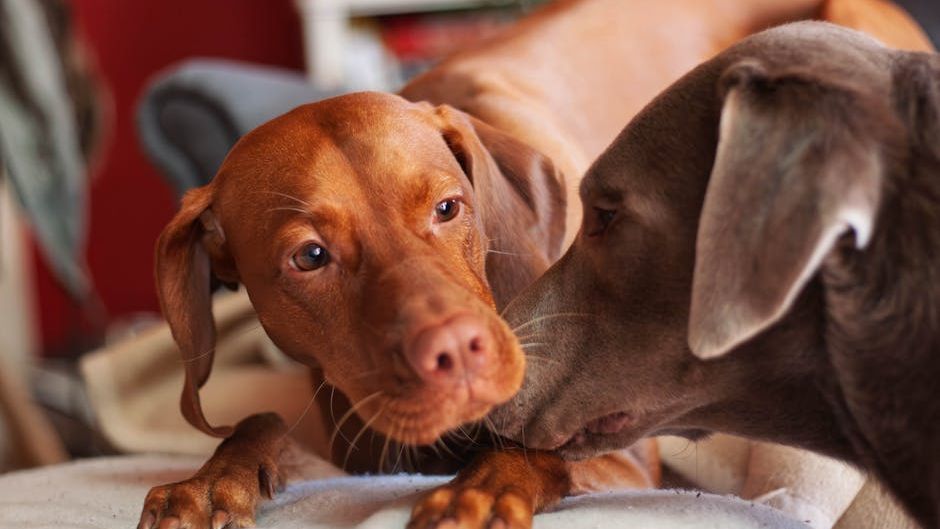
There’s a particular kind of loyalty that doesn’t just live in the good times. It runs so deep, so completely through a dog’s daily existence, that the loss of their person doesn’t just cause sadness – it reorganizes their entire world. Most of us know that dogs feel things. What fewer people realize is that for certain breeds, the bond formed with a single human is so total, so absolute, that grief can become a physical condition, not just an emotional one.
Following the acute loss of a closely bonded owner, dogs can suffer the pangs of separation anxiety or depression just as people do. While dogs might not understand the full extent of human absence, they do understand the feeling of missing a human who’s no longer part of their daily lives. What unfolds across the seven breeds below is something far more specific than general canine sadness. These are dogs for whom love and routine are inseparable, and when both disappear at once, the consequences can be profound.
#1: Akita – The One Who Waits Forever
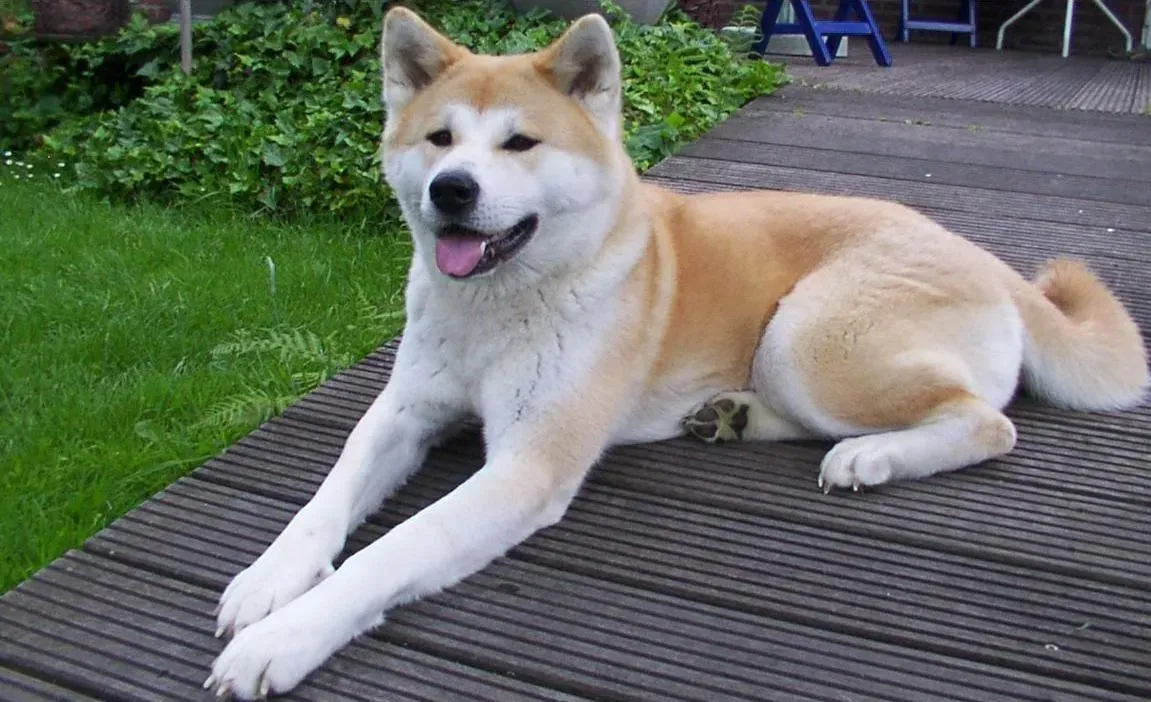
Known for their loyalty and quiet strength, Akitas establish powerful attachments to one special person. Bred in Japan for protection and hunting, their devotion is unwavering once trust is earned. These dignified dogs are not outwardly affectionate with strangers but form a sacred, intense bond with the person they choose. That selectivity is precisely what makes the grief so severe. An Akita doesn’t divide their heart – they give all of it, to one person, completely.
When that person is gone, an Akita doesn’t simply grieve – it shuts down. Refusal to eat, withdrawal from all interaction, and a quiet collapse of the will to live have been observed in Akitas after owner loss, making them arguably the most famous grieving breed in human history. Akitas are intelligent Spitz-type dogs that take their connection to their human family members seriously. Despite being independent dogs with a stubborn streak, these wolf-like pups are full of love for their owners. That love, when suddenly severed, leaves a silence that this breed often struggles to survive.
#2: German Shepherd – The Guardian Without a Purpose
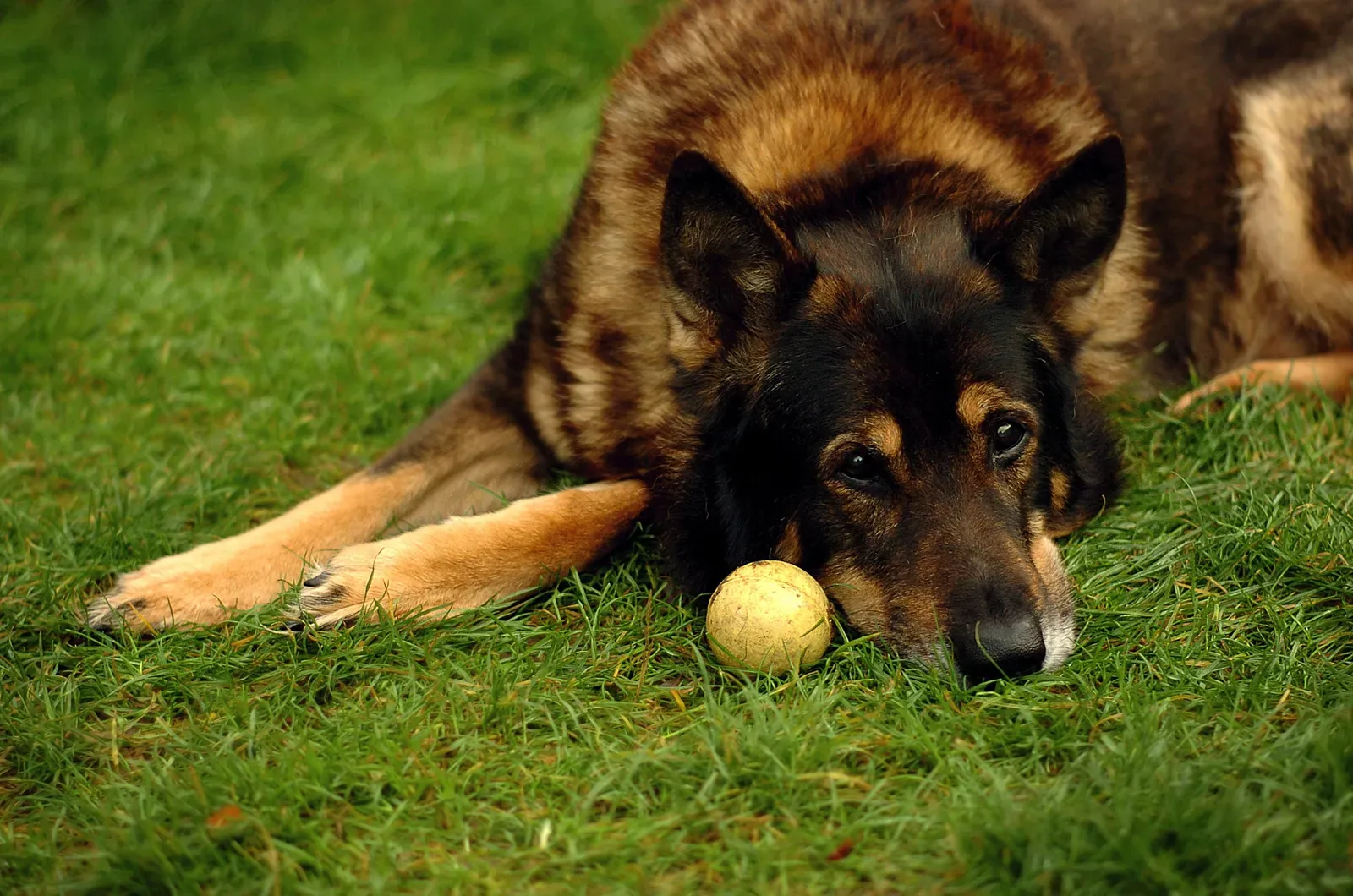
German Shepherds are not just intelligent and hardworking – they are fiercely loyal to their owners. This breed is known for forming intense bonds with their families, often becoming protective guardians. German Shepherds thrive on having a “person” or family to look after, and their devotion is second to none. Their entire behavioral identity is built around service to and protection of their human. Remove that human, and the dog’s sense of purpose evaporates with them.
A German Shepherd’s grief isn’t always loud or obvious. In June 2014, Constable Dave Ross, a Canadian general duty officer and police dog handler, lost his life in the line of duty. His service dog, a German Shepherd named Danny, stood alongside him during his time on the force. Throughout Ross’ funeral, the loyal canine whimpered next to his owner’s casket – just one example of the way a dog may express their feelings after losing an owner. Signs of depression in dogs include a loss of appetite, lack of interest, excessive sleeping, licking paws, and hiding from owners – and German Shepherds, so emotionally attuned to their bonded person, are especially vulnerable to every one of those symptoms.
#3: Golden Retriever – All Heart, Nowhere to Put It
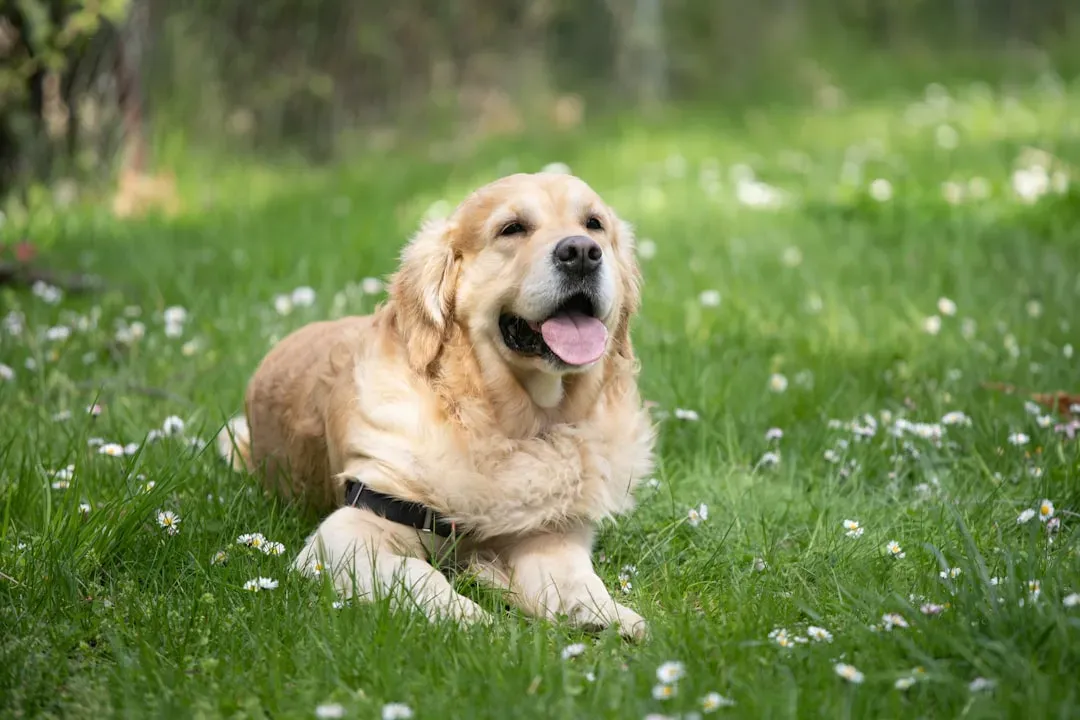
Golden Retrievers are deeply loyal companions that crave closeness and emotional connection. They enjoy being near their owners and rarely like feeling left out. Their affectionate nature makes them natural Velcro dogs. They form strong emotional bonds that grow deeper over time. This is a breed that has never learned the art of loving lightly. Every day spent with their person deepens the attachment, which means every day without them deepens the loss.
Golden Retrievers are incredibly loyal and affectionate dogs who are bred to be part of the family. This makes them more prone to separation anxiety than most large dog breeds. A significant number of dogs display grief-like behaviors such as reduced appetite, increased lethargy, and seeking comfort from other family members. Some dogs even exhibit signs of depression, including withdrawal from social interactions and a lack of interest in previously enjoyed activities. For a Golden Retriever, a dog whose joy has always been tied to the presence of their favorite person, this kind of withdrawal can be heartbreaking to witness.
#4: Labrador Retriever – When Easygoing Becomes a Disguise
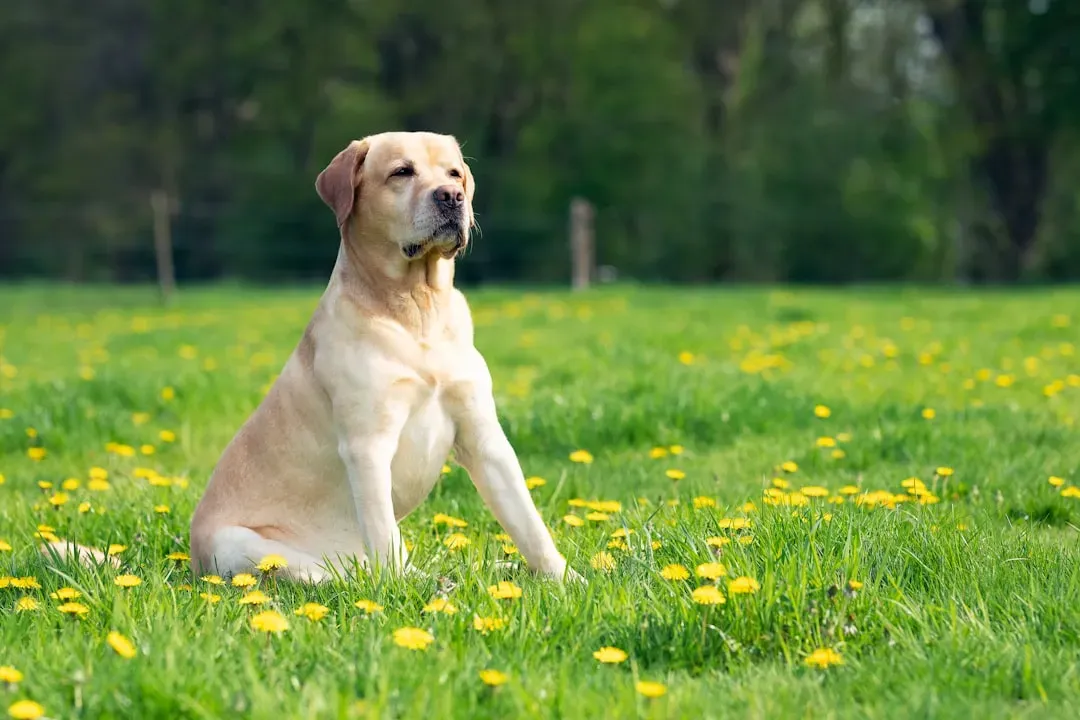
Labs have a reputation for being easygoing, and in many ways they are. That reputation, though, can mask just how deeply they attach. Labradors are famously affectionate dogs that love staying close to their families. They enjoy constant interaction and often follow their owners everywhere around the house. Their social personality makes them highly connected companions. They thrive when included in daily routines and activities. That routine-dependence is important to understand – it means a Lab’s grief isn’t just emotional, it’s also structural.
Labrador Retrievers are known for being outgoing and friendly, but beneath that cheerful exterior is a dog that forms deep, emotional bonds with their humans. Labs thrive on companionship and often experience separation anxiety when left alone for too long. They may eat less or refuse to eat altogether, especially if their mealtime routine was closely tied to their owner. The absence of the person who fed them can make food seem unimportant, and in severe cases, this can lead to weight loss and serious health concerns. This physical deterioration, when combined with prolonged psychological distress, creates a feedback loop that is genuinely difficult to interrupt.
#5: Cavalier King Charles Spaniel – Born to Belong to Someone

Cavalier King Charles Spaniels have historically been bred to be companion dogs. This means breeders have selectively chosen the most social and affectionate dogs to continue the lineage. When selective breeding loses the balance, it results in needy and fragile dogs that suffer from being alone. The downside of being a highly social dog breed is that Cavaliers have gradually lost most of their independent traits. In short, centuries of selective breeding have created a dog that emotionally cannot function without human presence.
Cavalier King Charles Spaniels are known for their emotional sensitivity and strong desire to please their human companions. They thrive on love, attention, and positive reinforcement. Emotionally sensitive dogs like Cavaliers require gentle, patient, and consistent handling to prevent behavioral problems from arising. Placed in a new home without warning, a Cavalier can withdraw, stop engaging, and fall into a kind of quiet grief that is hard to watch and harder still to reverse. The permanence of an owner’s death – not just an absence but a complete and final disappearance – presents this breed with an emotional reality they have no natural tools to process.
#6: Vizsla – The Breed That Cannot Be Alone
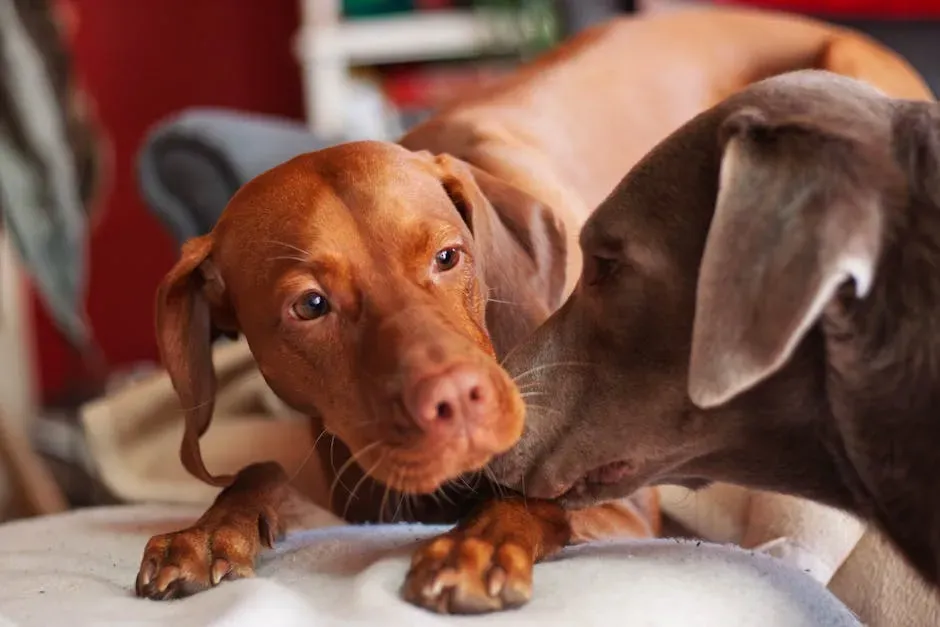
There’s a reason Vizslas are called “Velcro dogs,” and it isn’t a casual nickname. Vizslas were originally bred for falconry and love working closely with humans, a trait that has translated into a desire for constant companionship. Vizslas are often considered one of the clingiest dog breeds because of their intense attachment to people. They constantly seek closeness and physical affection from their owners. Their emotional sensitivity makes them highly connected companions. They are happiest when included in every part of daily life. This isn’t a dog that tolerates alone time. It’s a dog whose entire sense of self is wrapped up in shared existence with its person.
Sever that heartbeat through loss, and the Vizsla can fall into a prolonged depression that affects eating, sleeping, and basic engagement with life in ways that genuinely threaten their health. What separates Vizsla separation anxiety from other breeds is the intensity and the speed at which it develops. A Cavalier may whimper when you leave. A Vizsla may destroy a door frame, break out of a crate, or injure themselves trying to follow you. The distress is not proportional – it is extreme, it is physical, and it starts the moment your car pulls out of the driveway, sometimes before. Grief, for a Vizsla, isn’t quiet. It’s a full-body emergency.
#7: Doberman Pinscher – The Velcro Dog Who Can’t Let Go
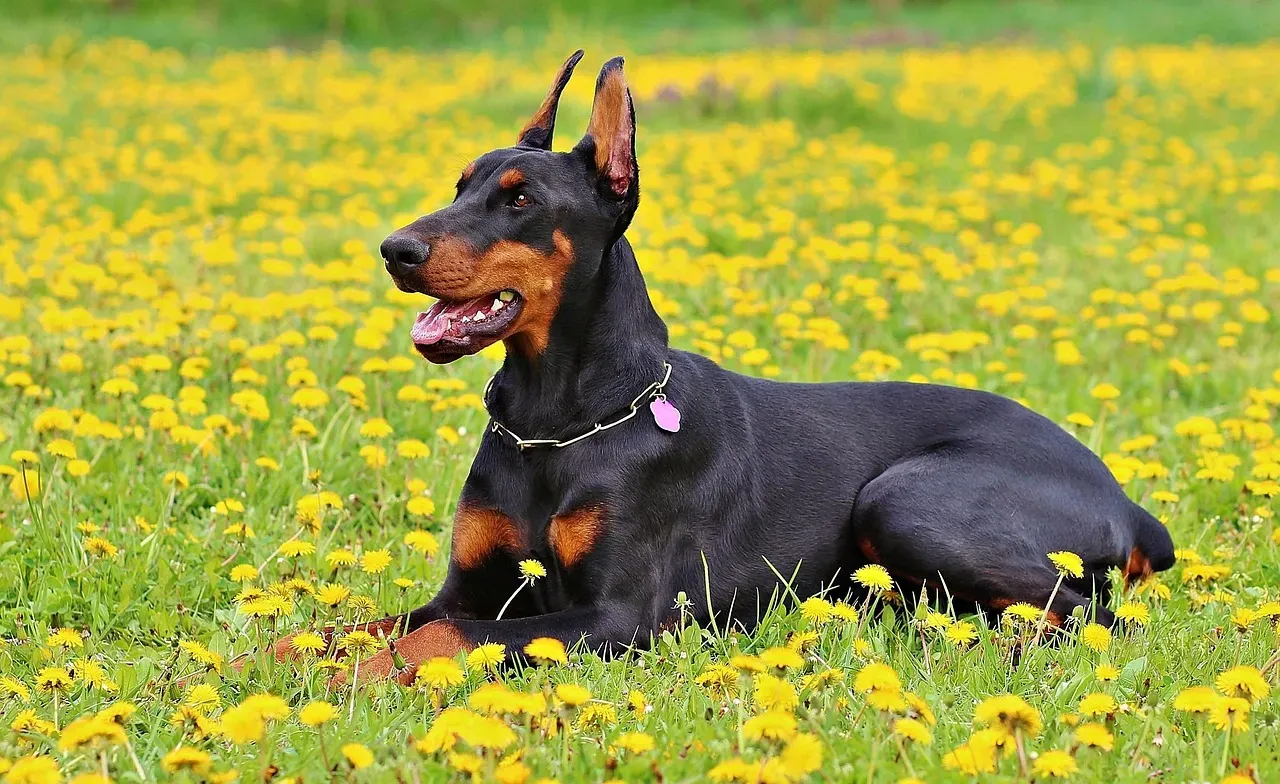
Doberman Pinschers were specifically developed to be personal protection dogs, and this heritage manifests in their tendency toward singular attachment. These elegant, powerful dogs form deep emotional connections with their primary caretaker while maintaining polite distance from others. Trainers describe Dobermans as Velcro dogs with their chosen person, following them constantly and displaying sensitivity to their emotional states. They are dogs that track mood, mirror energy, and build an entire behavioral identity around one human presence.
They’re sensitive, fast learners, and more emotionally tuned than their intimidating silhouette suggests. This extreme emotional attunement is precisely what makes loss so catastrophic for them. A Doberman that has tracked their owner’s mood, followed their footsteps, and built an identity around constant proximity has almost no emotional framework for an absence that never ends. The emotional pain dogs feel on their owner’s death is an extension of, and an extreme, protracted version of separation anxiety. For a Doberman, that version plays out with an intensity that matches the depth of their devotion – completely and without restraint.
A Final Thought Worth Sitting With

Dogs don’t understand death the way humans do, but they absolutely recognize that something important has changed. They are responding to the loss of routine, familiarity, and companionship – not to the idea of death itself. The extent of that suffering is directly proportional to the strength of the bond with the owner and the dog’s perceived dependence on that person. For certain breeds, that dependence runs so deep that the resulting grief can push them toward a physical and emotional decline so severe it becomes life-threatening.
What strikes me most about all seven of these breeds is that their capacity to grieve so deeply is the same quality that makes them so extraordinary to live with. You can’t have one without the other. The dog that loves you most completely is also the dog that will feel your absence most completely. Studies have found that roughly a third of surviving dogs eat less following a significant loss, and a similar proportion sleep more and become more fearful. These aren’t abstract statistics. They are the cost of a love that asks for nothing and gives everything.
If you share your life with one of these breeds, the most generous thing you can do is plan ahead. Arrange for someone who knows your dog. Maintain routines as much as possible. Understand that the grief they carry in losing you is real, measurable, and deserving of care. That kind of loyalty deserves more than being left to figure it out alone – and every one of these dogs would agree, if only they could tell you so.


