
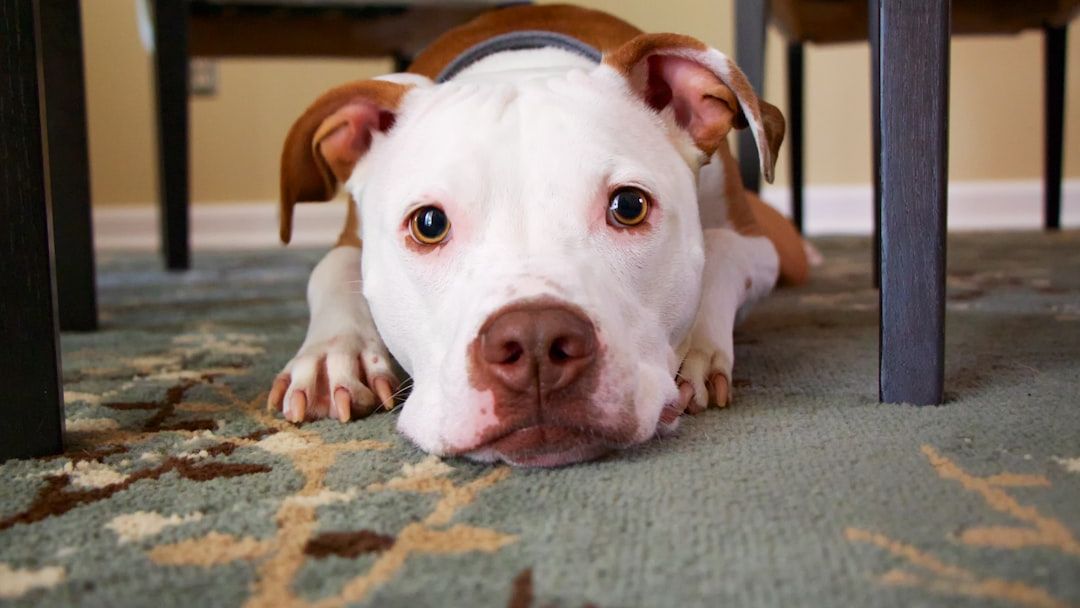
#1. They Follow You From Room to Room
The shadow behavior. You go to the kitchen, they’re there. You walk to the bathroom, they’re in the hallway. It feels sweet, maybe even flattering. But when it ramps up noticeably in the moments before you leave, it’s worth paying attention to.
Dogs that are overly attached or dependent on family members become extremely anxious and show distress behaviors when separated from their owners. Most dogs with separation anxiety try to remain close to their owners, following them from room to room and rarely spending time outdoors alone. This velcro-like behavior, especially when it intensifies as you start reaching for your bag or coat, is one of the clearest early signals your dog is bracing for your departure.
If you are preparing to leave, a dog might follow you from room to room. Other signs that accompany this are pacing, excessive salivating, vomiting, barking, howling, or whining. The following-around isn’t clinginess for its own sake. It’s your dog trying to stay as close as possible for as long as possible, because somewhere in their understanding of the world, they sense what’s coming.
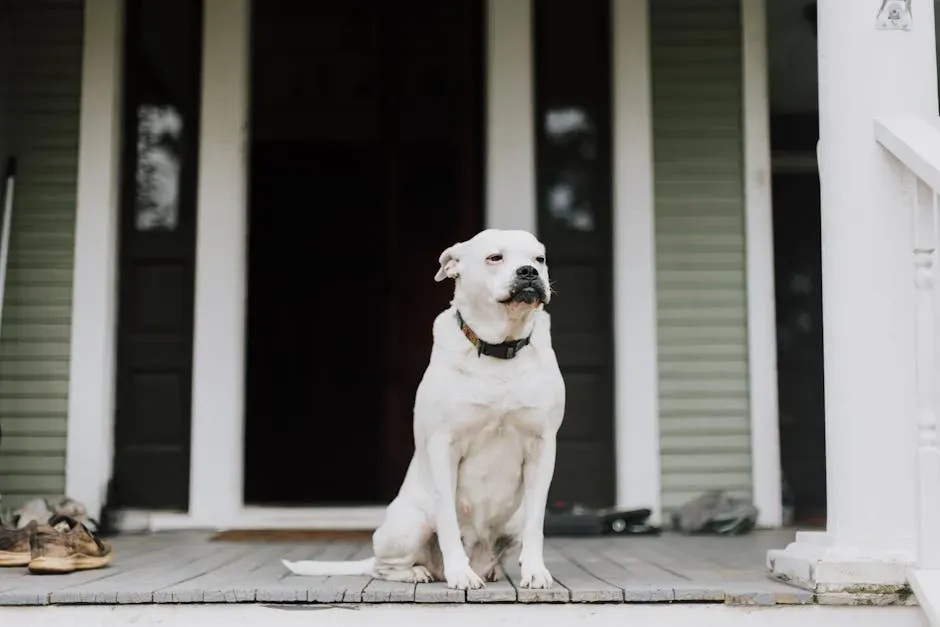
#2. They Start Pacing or Can’t Seem to Settle
A dog who was perfectly calm twenty minutes ago, now restlessly circling the living room, moving from spot to spot without ever truly lying down, is showing you something important. This is one of the more physical, visible signs of pre-departure anxiety, and it often starts well before you’ve even reached the door.
Some dogs suffering from separation anxiety become agitated when their guardians prepare to leave. Others seem anxious or depressed prior to their guardians’ departure or when their guardians aren’t present. The pacing isn’t random energy. It’s a stress response, and the restlessness tends to build the more departure cues appear in the environment.
Pacing obsessively is a recognized symptom of separation anxiety, though it isn’t always an obvious one, as many dogs won’t start pacing until after their owner leaves. Some may walk in circles, while others may pace back and forth in straight lines. If you see your dog moving anxiously around the house while you’re still getting ready, that’s the message being sent loud and clear, just without the words.
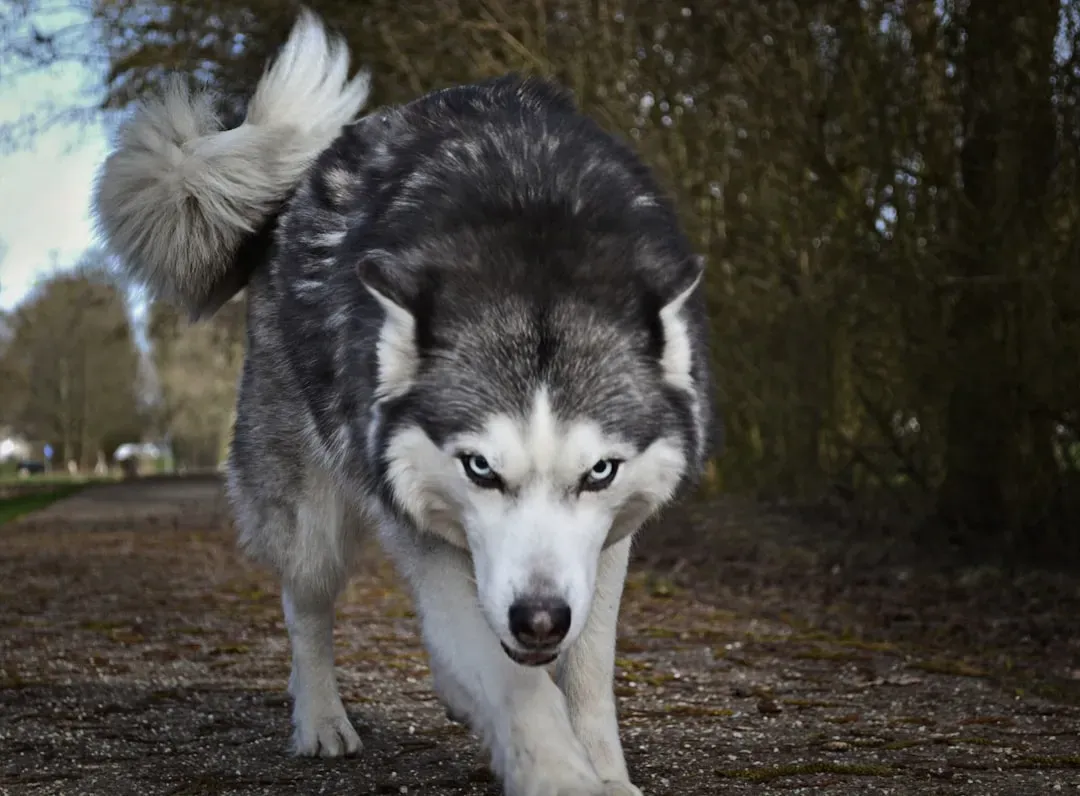
#3. They React to Your Departure Cues
This one is fascinating and a little humbling. Dogs are incredibly observant of human routines, and they learn exactly which actions signal that you’re about to leave. The sound of keys. A specific pair of shoes. The way you pick up your work bag. These seemingly minor actions can trigger an anxiety response before you’ve even said goodbye.
Some dogs begin to feel anxious while their guardians get ready to leave. A dog might start to pace, pant and whine when they notice their guardian applying makeup, putting on shoes and a coat, and then picking up a bag or car keys. The connection between these cues and your dog’s distress is not coincidence. It’s learned association, and it runs deep.
What you probably miss are the signs your dog has started to exhibit even before you left the house. Triggers like the sound of keys or grabbing your scarf can alert your dog that you’re leaving, which means they’re well on their way to full-blown panic by the time you’re out the door. Your dog essentially starts grieving your departure before it actually happens, and those signals are real distress, not performance.
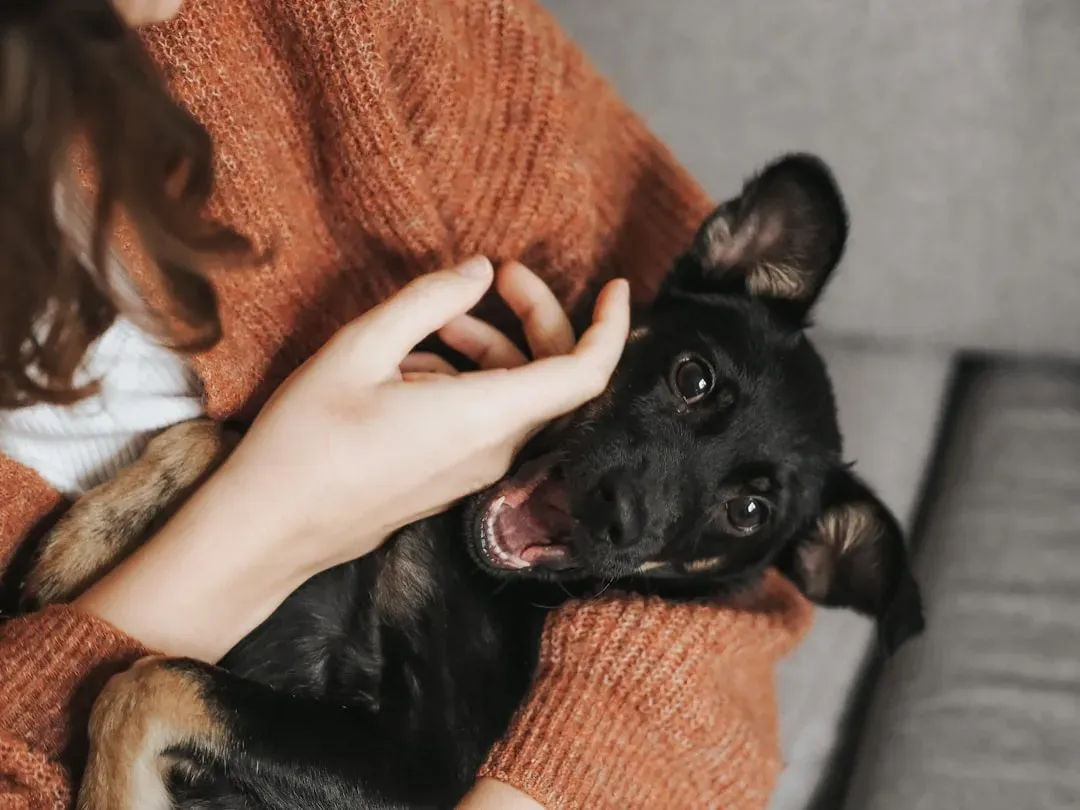
#4. They Whine, Whimper, or Vocalize Softly
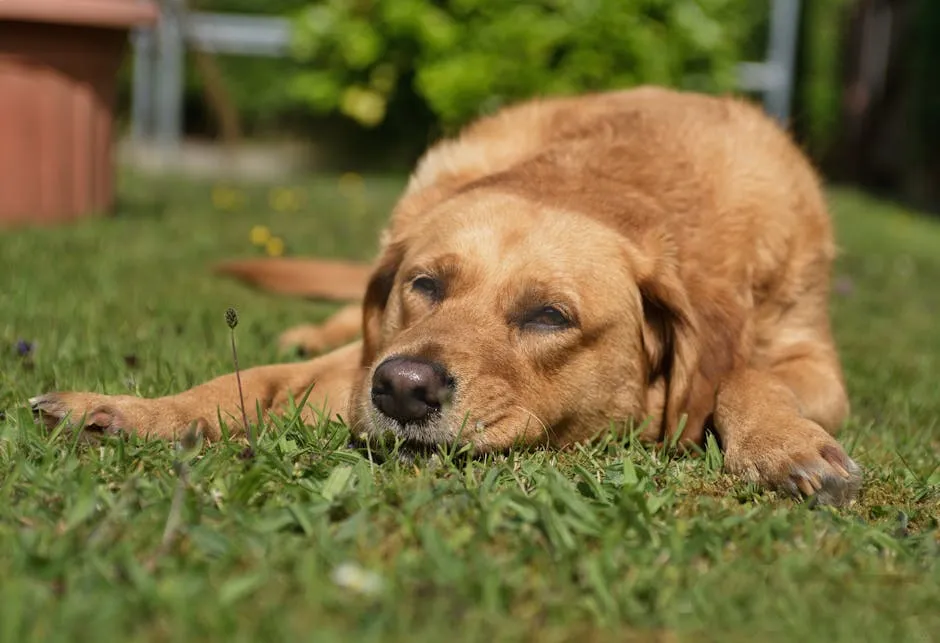
There’s a difference between a dog who barks at the mailman and a dog who emits low, quiet whines as you put on your jacket. That soft vocalization, sometimes barely audible, is one of the more tender signals your dog can send. It’s not aggression or excitement. It’s something closer to a plea.
Dogs pay close attention to what you do, and signs of stress can begin while you’re still at home. They recognize the actions you take when getting ready to leave. They may show their unease by whining, pacing, refusing to eat or drink, gluing themselves to your side, or seeking your attention. The whining isn’t manipulation in any calculated sense. It’s a genuine emotional response to anticipating your absence.
Signs of separation anxiety include barking, whining, and howling. Your dog may start vocalizing as soon as they see you gathering your keys and putting on your shoes, and it will likely get worse once you leave. So that quiet little whimper as you head for the door isn’t a coincidence. It’s communication. And it’s asking you to reconsider.
#5. They Refuse to Eat or Drink
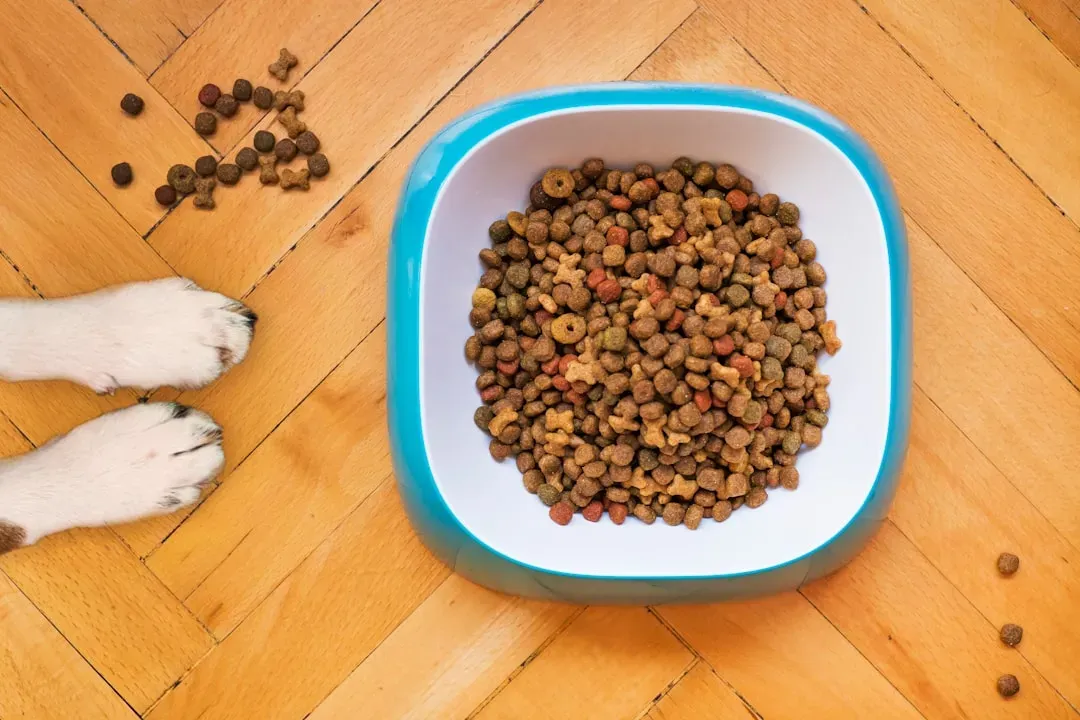
Food is usually a dog’s greatest motivator. So when a dog turns away from their bowl, ignores a treat they’d normally snap up in seconds, or shows no interest in water on a warm morning, it deserves your attention. A loss of appetite tied directly to your pre-departure routine is a meaningful signal.
Many dogs crave a great deal of physical contact and attention from their owners. During departures or separations, they may be restless, shake, shiver, salivate, refuse to eat, or become quiet and withdrawn. A dog who won’t touch their food as you prepare to leave is a dog whose anxiety is already running high enough to override one of their most basic instincts.
This refusal to eat is worth distinguishing from general pickiness. If the behavior appears specifically around your departure routine and resolves when you stay home, the pattern tells its own story. Separation anxiety is when a dog that’s very attached to its owner gets highly stressed when left alone. Signs include excessive barking or howling, indoor accidents, chewing or scratching, pacing, drooling, and trying to escape, and it can be triggered by big life changes, a change in routine, or medical issues.
#6. They Yawn, Lip-Lick, or Show Subtle Stress Signals
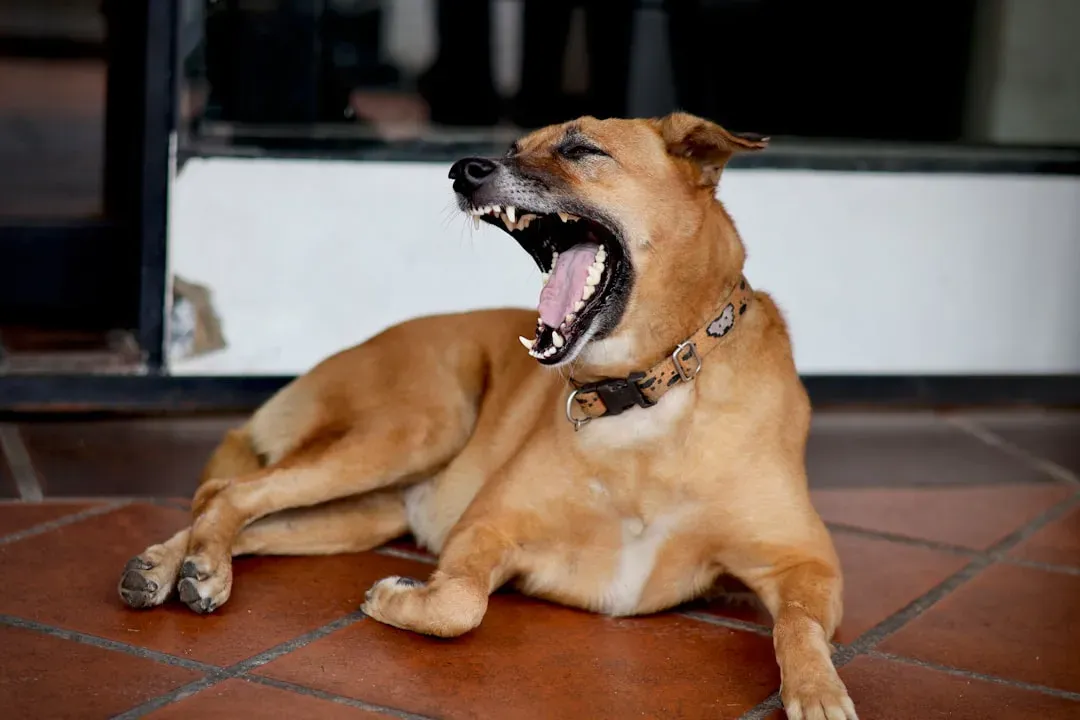
These are easy to miss, and that’s exactly why they matter. A yawn when there’s nothing particularly tiring happening. A quick, repetitive lick of the lips when there’s no food around. These are what behaviorists call calming signals, and they’re your dog trying to self-soothe under rising stress.
Dogs yawn when they’re stressed, and according to Turid Rugaas, author of “On Talking Terms With Dogs: Calming Signals,” dogs use yawning to calm themselves in tense situations and to calm others, including their owners. That pre-departure yawn your dog throws at you might actually be them trying to calm the emotional temperature of the whole room.
A wide-awake dog who yawns may be experiencing stress, and it’s a common signal that they’re feeling nervous or worried. Lip-licking is another bit of dog body language that people often misinterpret. Just like people, dogs will lick their lips after a delicious meal, but they’ll also do it when they feel anxious. Sometimes the tongue flick is so quick it’s tricky to notice. These small signals are easily dismissed, but they’re among the earliest honest expressions of your dog’s inner state.
#7. They Sit or Lie Directly in Front of the Door
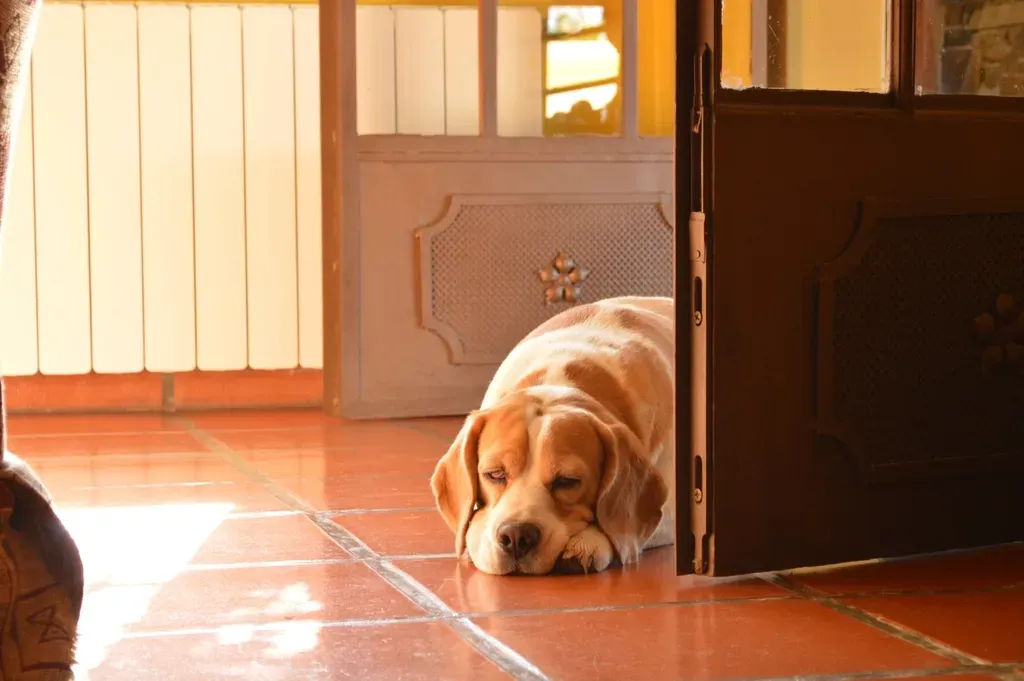
It’s almost hard not to laugh the first time your dog does this. You’re heading for the exit, and there they are, sprawled out directly in front of it like a small furry protest. The thing is, it isn’t entirely accidental. For some dogs, positioning themselves at the exit point is a very literal form of asking you not to go.
Escape attempts by dogs with separation anxiety are often extreme and can result in self-injury and household destruction, especially around exit points like windows and doors. The fixation on doorways and exits, whether it’s blocking them before you leave or destroying them after you’re gone, reveals just how central the departure point is in your dog’s anxious mind.
During your absence, your dog might engage in destructive behavior, often directed at the exits like windows and doors, or clothing or other items that have your scent. Sitting by the door before you leave is actually one of the more restrained versions of this behavior. It’s your dog making one last quiet appeal, with their body, for you to stay just a little longer.
#8. They Tremble, Shake, or Drool Without an Obvious Cause
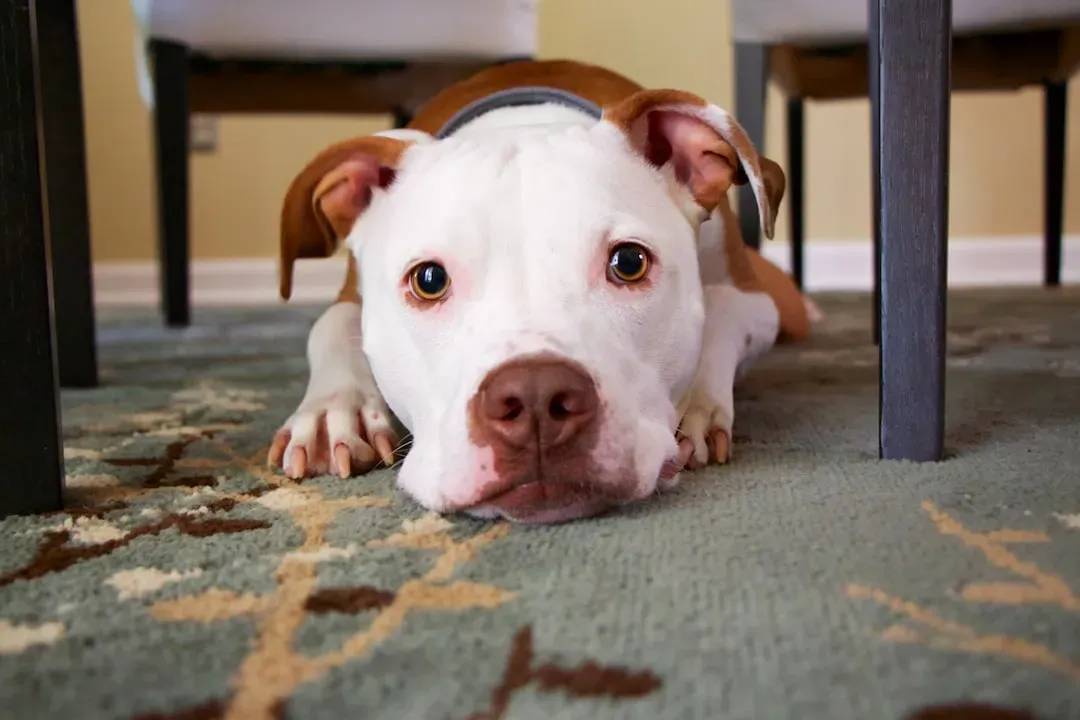
Physical symptoms of emotional distress are real, and dogs experience them just as humans do. A dog who begins trembling as you gather your things isn’t cold or unwell in the typical sense. The shaking is a physiological stress response, the body expressing what the mind is feeling in the only language available to it.
Canine separation anxiety is a disorder that can develop when a pet is away from the human or other animal to whom they’re most bonded. It results in a spectrum of behaviors that can include trembling, salivating, excessive vocalization, overgrooming, loss of bladder control despite successful potty training, or even minor to major destruction of your home. These aren’t exaggerated reactions. They’re genuine indicators of emotional pain that deserve to be taken seriously.
Even before you leave the house, dogs with separation anxiety may pace, whine, and show physical signs of stress. If your dog’s body is already showing signs like drooling or shaking while you’re still in the room with them, that’s about as direct a message as a dog is capable of sending. They’re not asking you to feel guilty. They’re just asking you not to go.
What You Can Do: This Matters More Than You Think
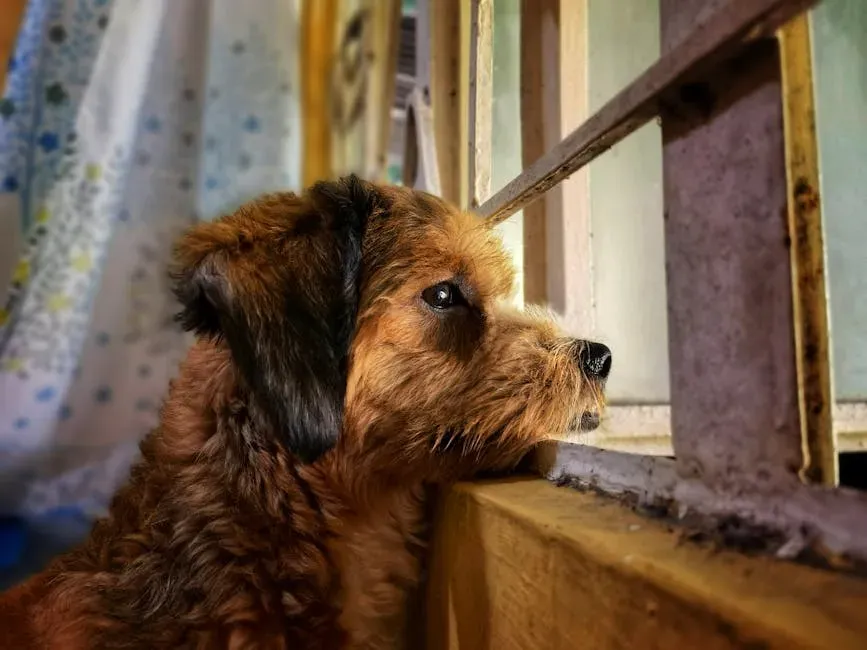
Recognizing these signals is the first step, but what you do next genuinely shapes your dog’s quality of life. Never scold or punish your dog for exhibiting signs of separation anxiety, even if those signs include destructive behaviors. Anxious behaviors are not the result of disobedience or spite. They are distress responses. Treating them as such changes everything about how you approach the problem.
Exercise can’t cure separation anxiety, but it certainly can help treat and prevent it. Making sure your dog gets plenty of age-appropriate physical exercise is especially important for large, high-energy dogs with a lot to burn off. A tired, contented dog who’s had a brisk walk and playtime is more likely to settle down when you leave. Small, consistent routines around departure can also reduce the emotional charge those moments carry for your dog.
Patience, compassion, and consistency are key. Treating separation anxiety can take months, and although many dogs with separation anxiety can go on to live stress-free lives, the behaviors may resurface during other times of transition. If things feel stuck or the signs are severe, working with a veterinarian or certified animal behaviorist is well worth it.
A Final Thought
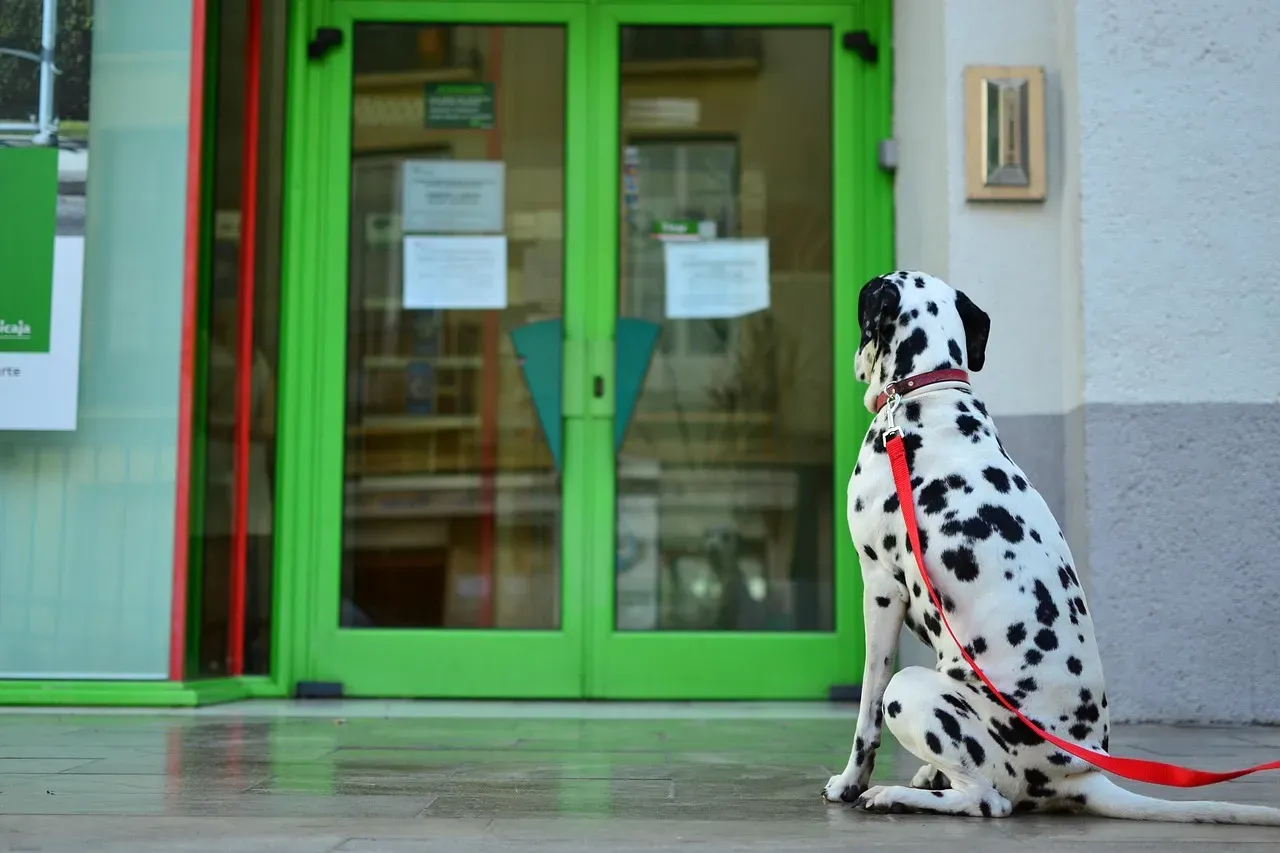
There’s something worth sitting with here. Your dog isn’t manipulating you when they stand at the door or tremble as you reach for your keys. In simple terms, separation anxiety is just the fear of being left alone and the unknown that follows. Animals live in the here and now, so when you leave, as far as they know, you could be gone forever. That’s a lot of weight for a small creature to carry.
The signals in this article aren’t guilt trips. They’re a vocabulary, and your dog has been speaking it all along. Learning to read it doesn’t mean you can never leave your house again. It just means you’ll leave it with a little more awareness, and maybe return with a little more intention.
Our dogs give us so much without asking for anything elaborate in return. Sometimes the most meaningful thing we can offer back is simply the willingness to notice.


