
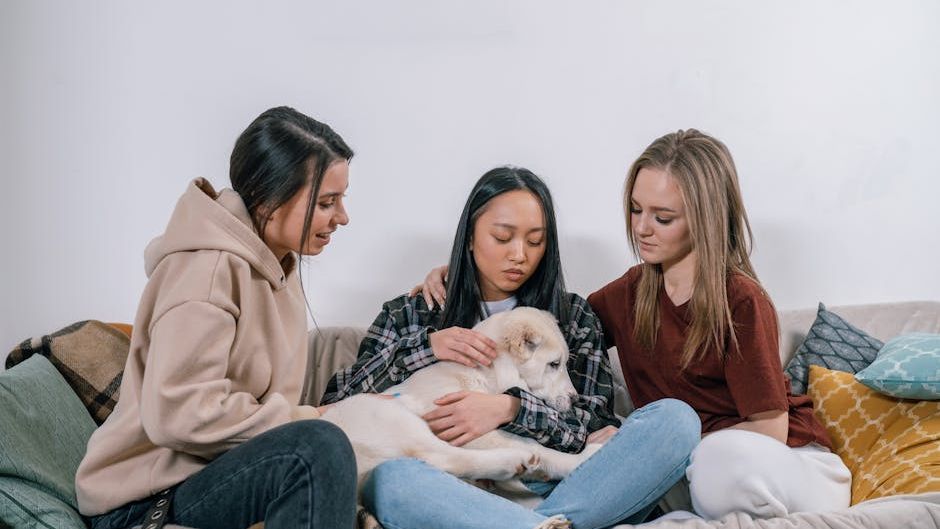
Most relationships involve some give and take, a quiet calculation of what each side gets in return. Dogs operate on an entirely different plane. Their attachment runs so deep that it often overrides their own comfort or safety, creating a kind of devotion that feels almost impossible to match in the human world.
This bond shows up in small daily moments and in dramatic acts of protection alike. It raises a natural question about what makes one species capable of such one sided affection while others, including our own, rarely reach that level.
The Biological Roots of Canine Devotion
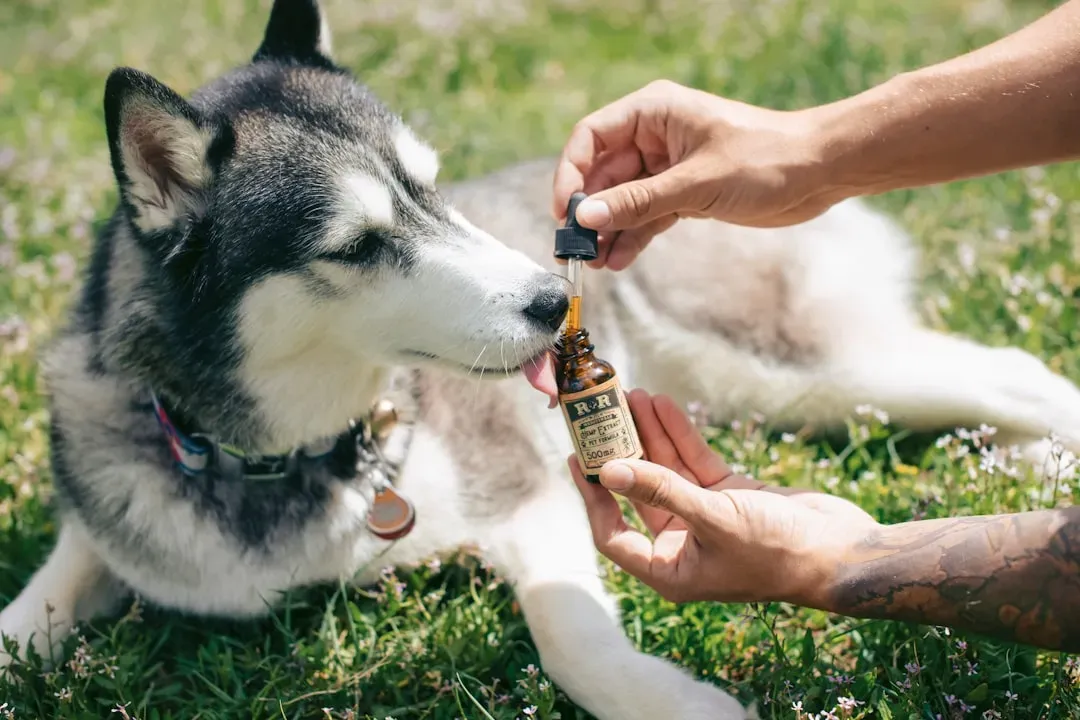
Research into the dog human relationship reveals elevated oxytocin levels in both species during moments of eye contact and touch. This hormone, often linked to bonding in mammals, appears especially pronounced when dogs interact with their people. The effect creates a feedback loop that strengthens attachment over time.
Unlike many wild animals that prioritize survival above all else, domesticated dogs have evolved alongside humans for thousands of years. Their brains respond to human cues in ways that favor connection over self preservation in certain situations. This wiring helps explain why a dog might ignore its own hunger or rest to stay close during an owner’s difficult time.
Daily Sacrifices That Reveal True Priorities
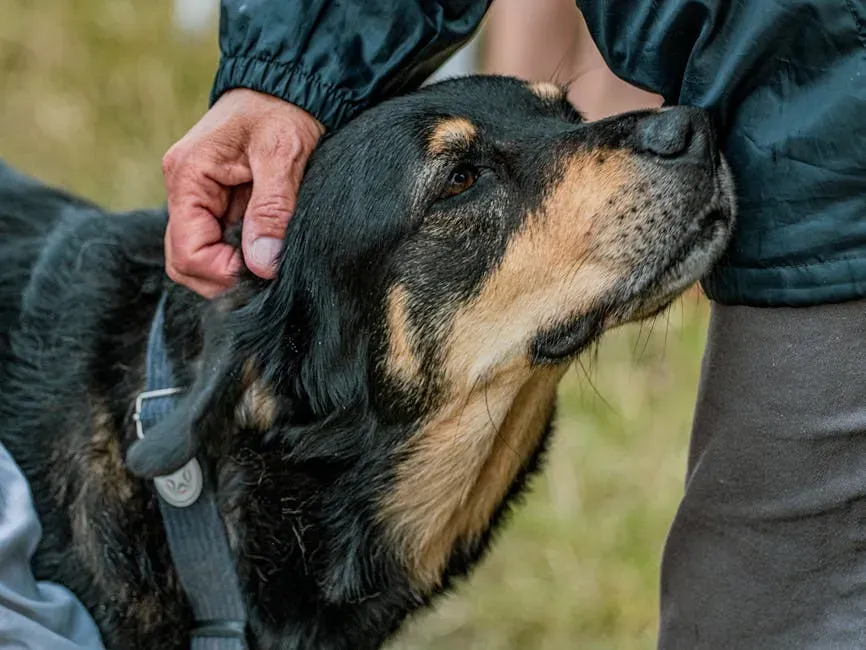
A dog will often forgo a comfortable spot on the bed if it means staying nearer to its person on the floor. They skip meals or playtime when sensing distress, choosing instead to offer quiet company. These choices accumulate into a pattern where the dog’s own needs take second place.
Even basic activities like walks become opportunities for the dog to monitor its owner’s mood rather than simply seeking exercise. The animal adjusts its pace or energy to match what the human seems to require. Such adjustments happen without any expectation of reward beyond continued closeness.
Protection That Puts the Dog at Risk
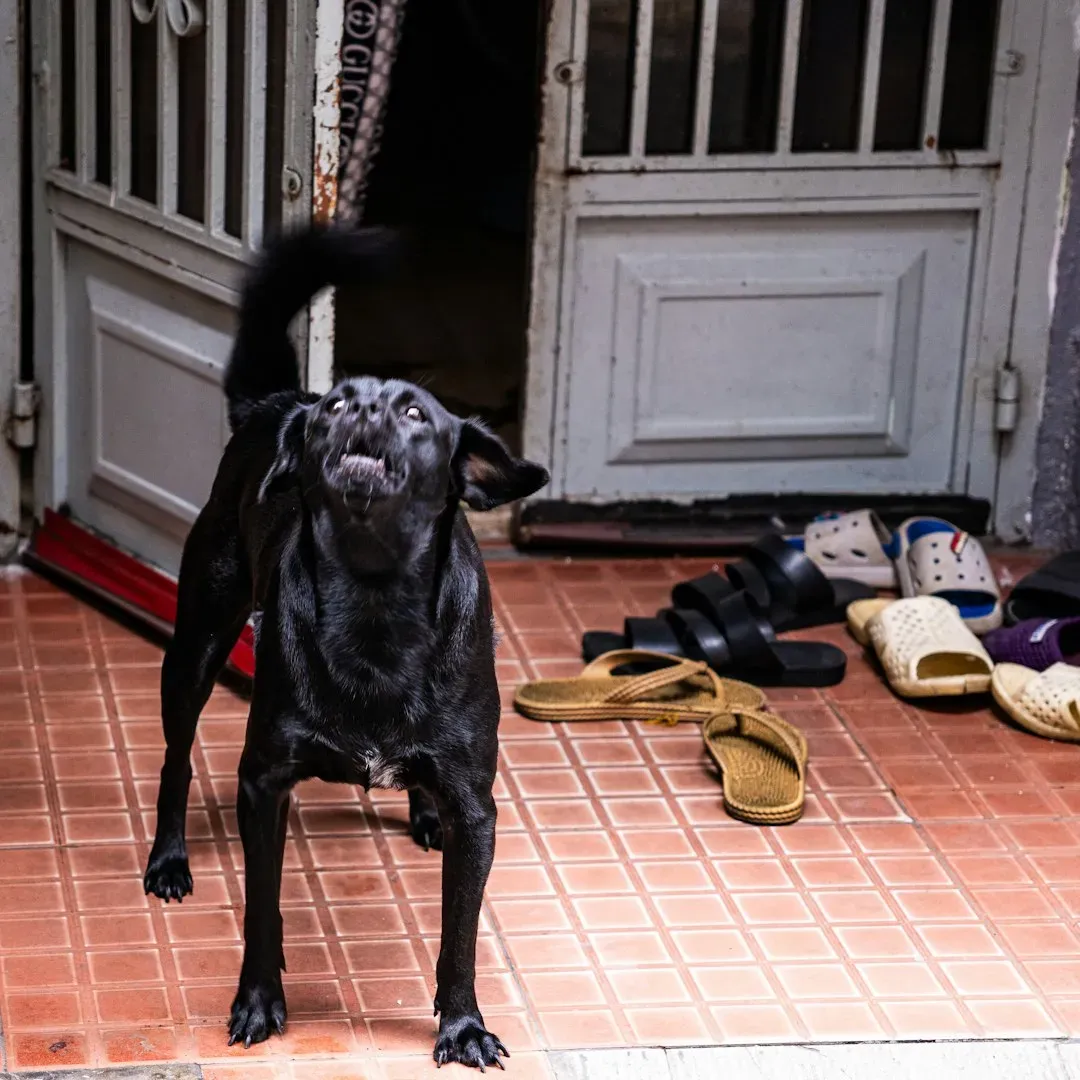
Stories of dogs intervening in dangerous situations for their families appear regularly in news reports and personal accounts. A dog may charge toward a perceived threat even when retreat would be safer for itself. This instinct stems from a protective drive that places the owner’s well being above its own survival.
Service dogs and search and rescue animals demonstrate this trait in structured ways, working long hours in harsh conditions. Their focus remains on the task tied to human needs rather than personal comfort. The willingness to endure discomfort or danger underscores a loyalty that consistently favors the other.
Emotional Support Without Conditions
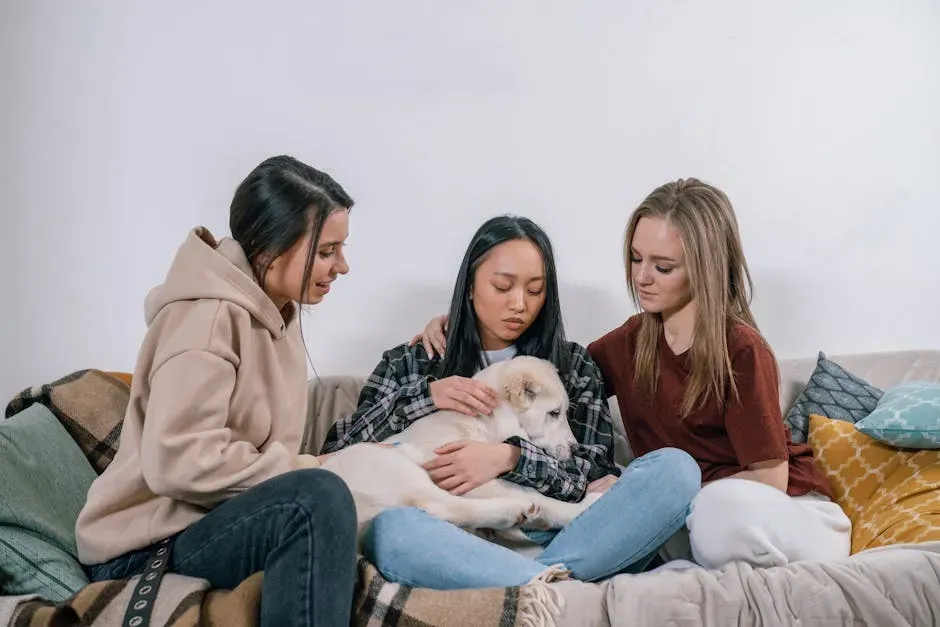
Dogs detect subtle shifts in human tone and body language, responding with calm presence during anxiety or sadness. They do not withdraw when the interaction offers no immediate benefit to them. Instead they remain available, offering physical contact or simply staying nearby.
This support continues even when the dog itself feels unwell or tired. The animal seems to derive its own sense of security from the relationship, yet it rarely demands reciprocity in the moment. The result is a steady emotional anchor that exists primarily for the human’s benefit.
Comparisons to Other Animal Bonds
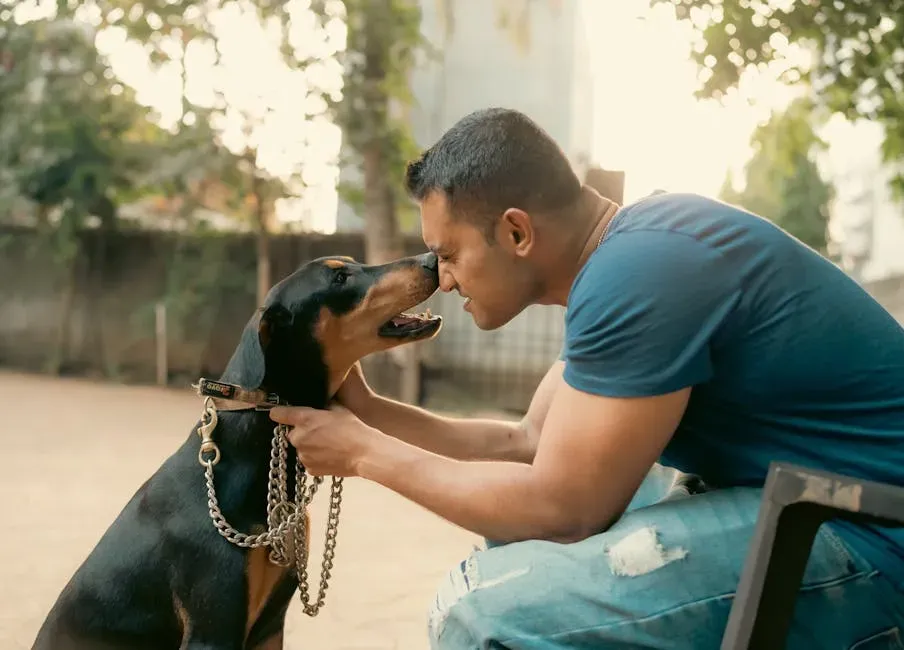
While cats and other pets form attachments, their expressions of affection tend to remain more independent and conditional. Horses or birds may bond strongly yet still maintain clear boundaries around their own space and routines. Dogs stand apart in their consistent willingness to subordinate personal preferences.
Wild pack animals show loyalty within their groups, but that loyalty rarely extends to another species with the same intensity. Domestication has amplified the dog’s capacity to treat humans as primary family members. This cross species devotion appears unique in its depth and consistency.
How This Love Shapes Daily Life
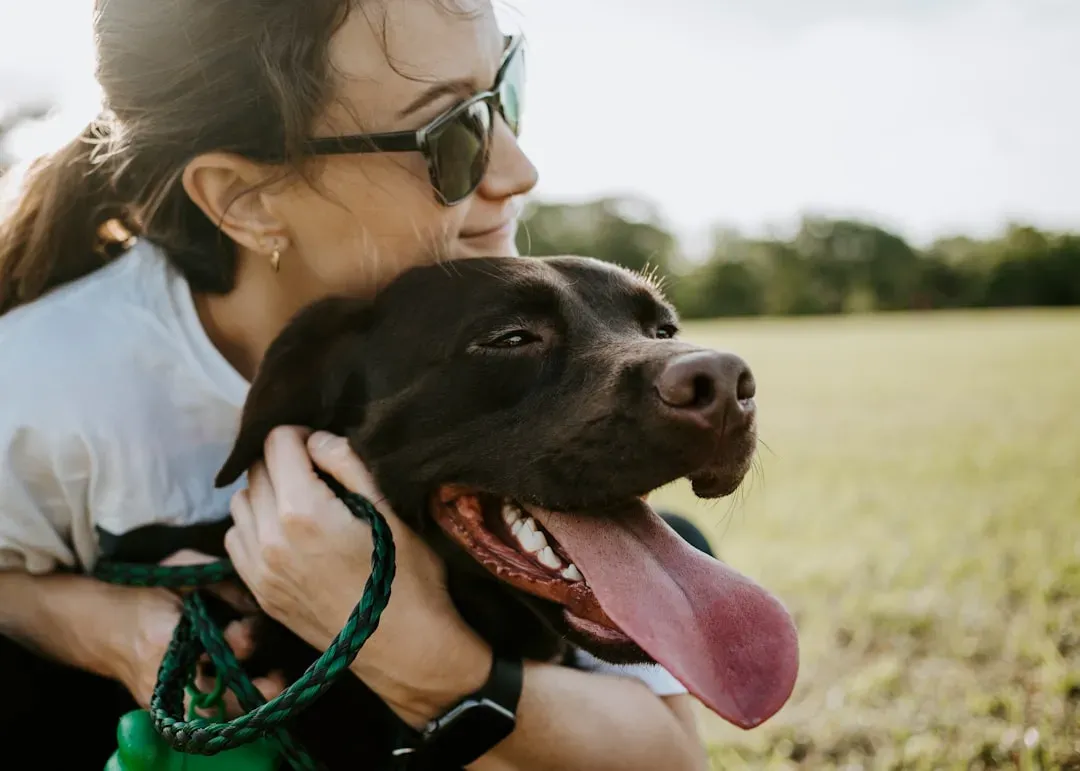
Living with a dog often encourages people to slow down and notice small moments of connection. The animal’s presence can reduce stress and promote routines centered on shared activity. Over time these patterns reinforce the sense that the relationship operates on terms set largely by the dog’s giving nature.
Owners frequently report feeling seen and valued in ways that other relationships do not always provide. The dog’s enthusiasm upon reunion after a short separation highlights a joy tied directly to the person’s return. Such responses accumulate into a lived experience of being prioritized above all else.
Carrying This Bond Forward
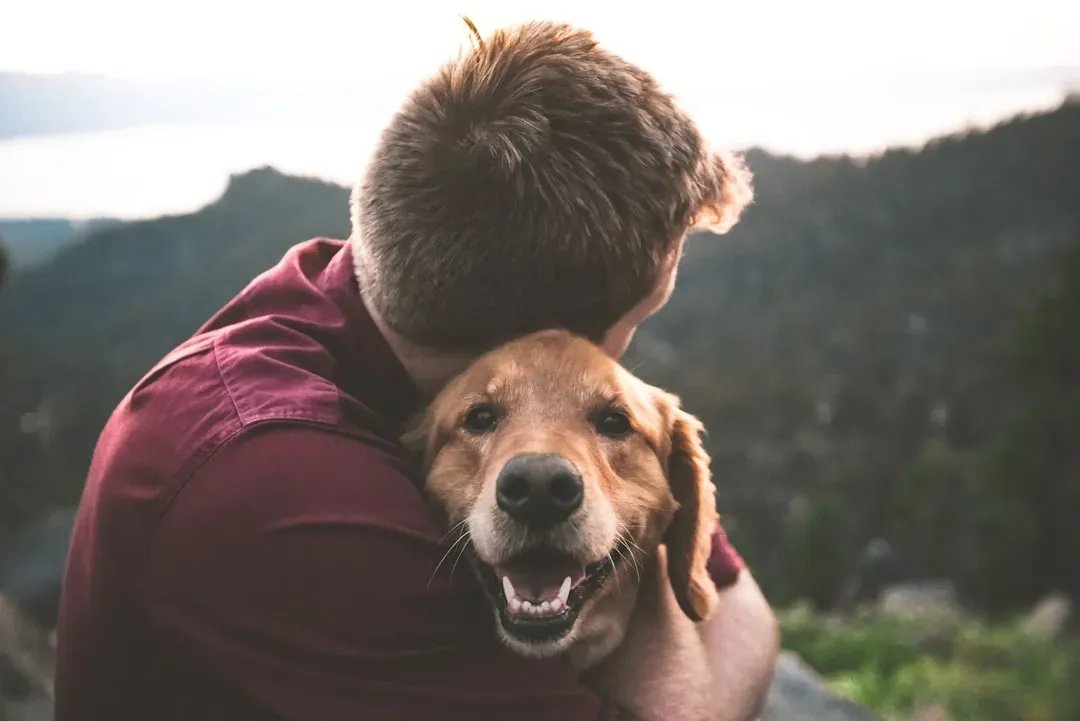
Recognizing the depth of a dog’s affection invites a reciprocal responsibility to meet its needs with care. The relationship thrives when both sides experience security, even though the balance of giving leans heavily one way. This awareness can deepen appreciation for the quiet constancy dogs bring to a home.
In a world where most connections involve negotiation, the dog’s approach offers a rare model of steadfast presence. It reminds us that some forms of love exist without ledgers or expectations. That realization lingers long after the tail stops wagging.


