
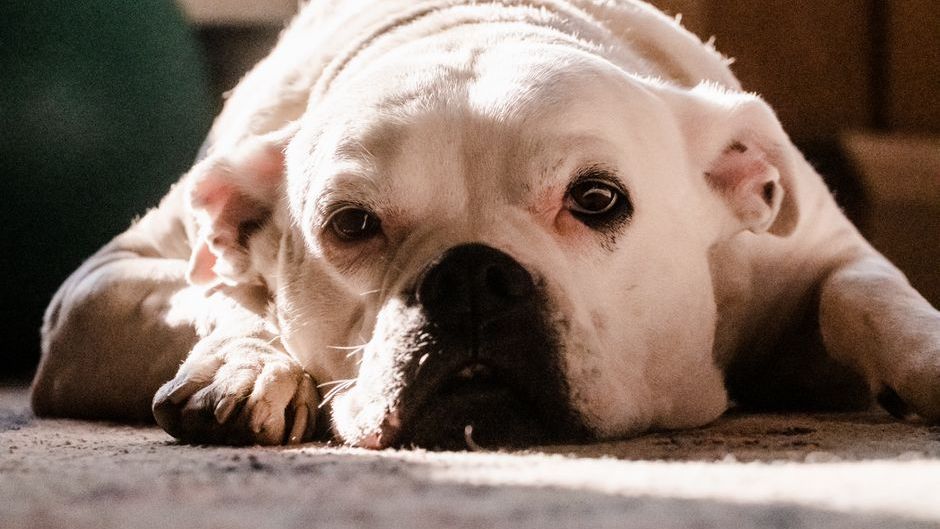
Most of us imagine we’ll know. We picture something obvious – a sudden collapse, a dramatic change, a moment that announces itself clearly. But that’s not how it usually happens. Vets who specialize in end-of-life care will tell you the same thing: dogs almost never make a loud announcement. They whisper. And the whispers start weeks, sometimes months, before the end arrives.
The twelve signs below are the ones families wish they’d recognized sooner. Not because knowing earlier would have changed the outcome, but because it would have changed how they spent that time. Some of these will surprise you. A few might stop you mid-scroll and make you look across the room at your dog differently than you did five minutes ago.
#12 – Subtle Pickiness at Mealtime
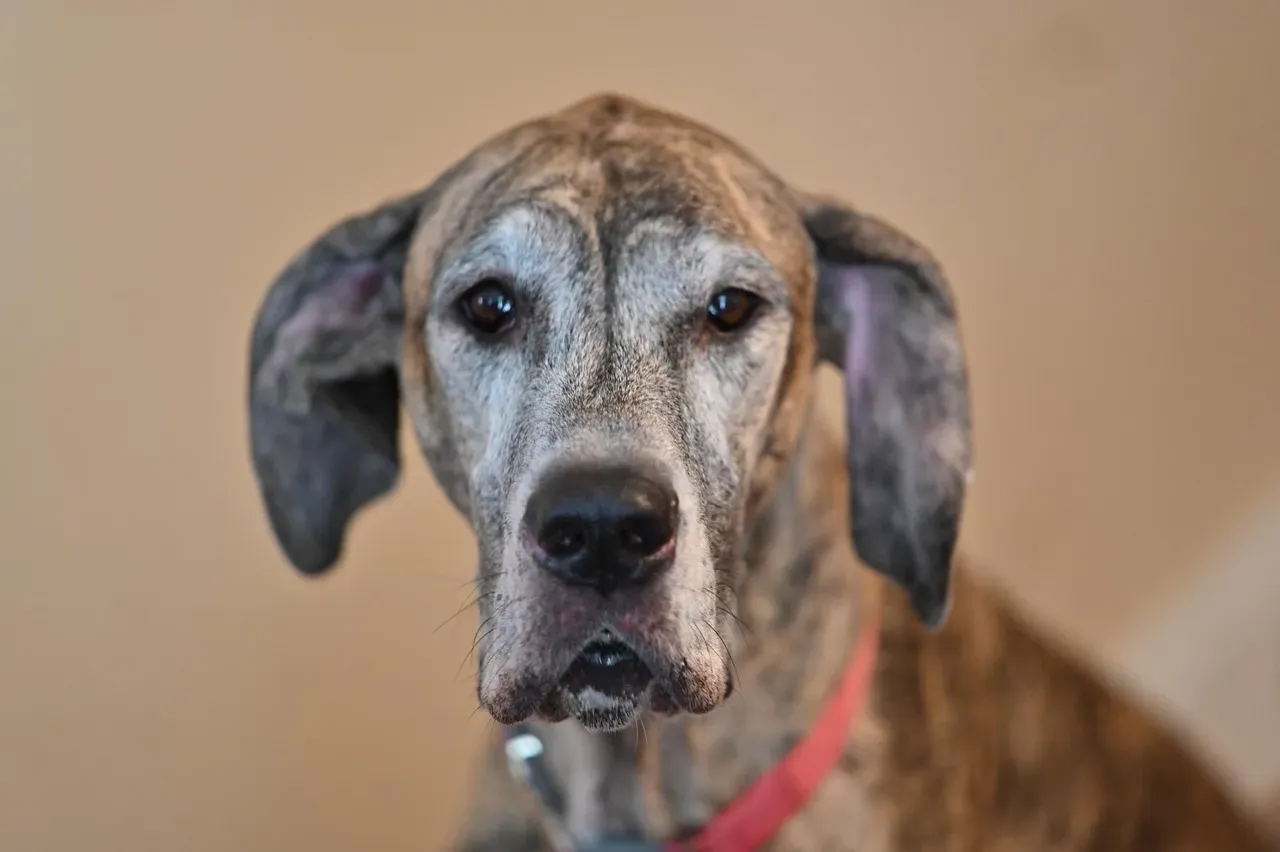
Nobody expects the first sign to show up at the food bowl. Most people brace for the day their dog refuses to eat entirely – but that day rarely comes without warning. The real early signal is quieter: a dog who sniffs the bowl longer than usual, takes a few bites, then walks away. Still eating. Just not finishing. Still accepting a treat from your hand. Just not excited about dinner.
Vets connect this to slowing digestion and early organ fatigue – the body simply doesn’t demand fuel the way it once did. What makes this sign so easy to dismiss is that it can look exactly like a picky phase or a mild stomach off-day. Many families cycle through different foods trying to find something appetizing, not realizing the disinterest isn’t about flavor. This selective eating can persist for weeks before appetite fades more noticeably, and by then, other signs have usually joined it.
Fast Facts
- Research suggests roughly 70% of dogs approaching end-of-life experience significant weight loss tied to decreased appetite and metabolic changes.
- A dog may still accept hand-fed treats long after losing interest in meals – this distinction matters to vets assessing quality of life.
- Warming food slightly or offering soft, easy-to-smell options can temporarily help – but if disinterest persists more than a few days, a vet visit is warranted.
- Appetite loss can begin weeks before other visible signs appear, making it one of the earliest and most overlooked signals.
#11 – Sleeping Through Moments They Never Used to Miss
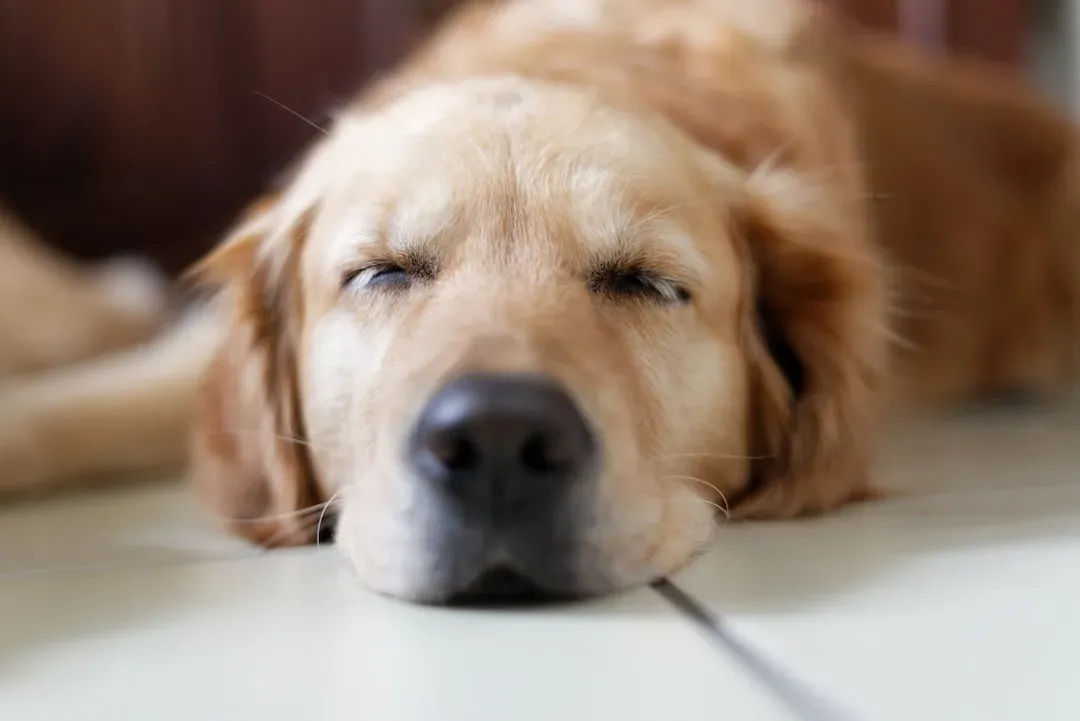
Old dogs sleep more – everyone knows that. So when naps stretch longer, it’s tempting to file it under “senior dog behavior” and move on. But there’s a specific kind of sleep change that matters here, and it’s not about duration. It’s about what your dog stops waking up for. The mail carrier arrives and there’s silence. You come through the front door and no one meets you. Events that once launched them off the couch like a spring now barely register.
This isn’t laziness or age-related indifference. It reflects declining energy reserves – a body quietly rationing what it has left. Dogs are also remarkably good at masking pain and discomfort, so an increase in rest is sometimes the only outward sign that moving hurts. Families often connect this to the cold, or to an old injury, and wait for it to pass. It doesn’t pass. It deepens. And usually, a few more signs from this list have already begun stacking up quietly underneath it.
#10 – Drifting Away From the Family’s Spaces
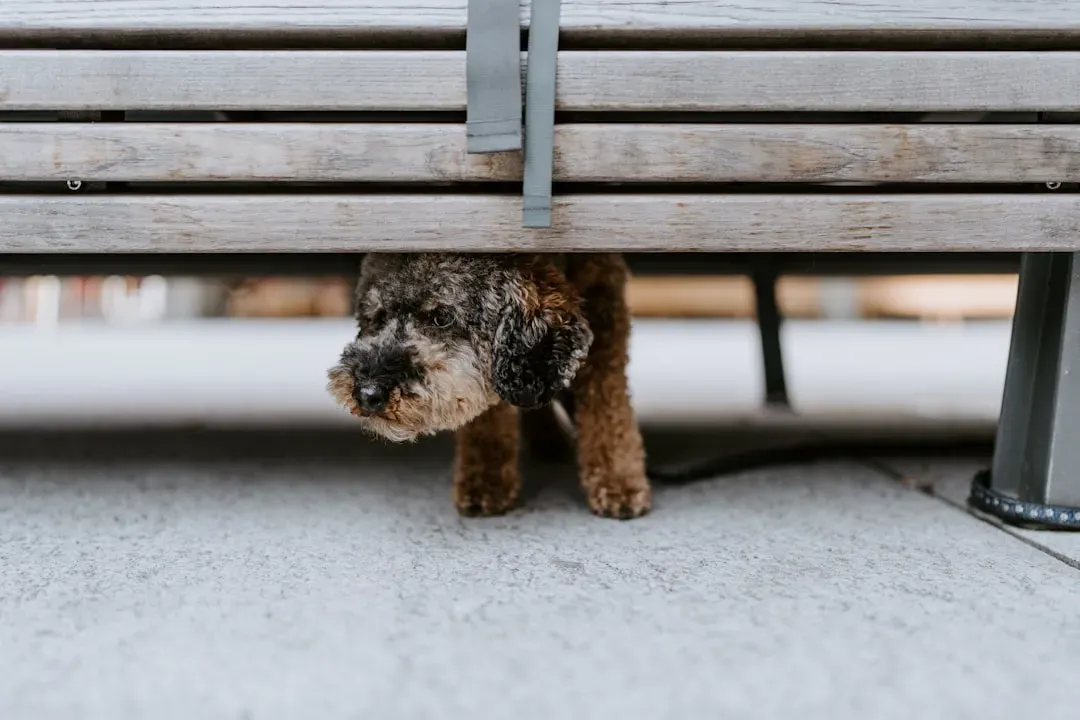
For years, your dog followed the household’s gravitational pull – wherever people gathered, they gathered too. Then, gradually, they start choosing the corner of a back bedroom. The space behind the couch. The cool tile under a bathroom vanity. Not every time, at first. Just occasionally. Then more consistently. Then almost always.
This quiet withdrawal pulls from something deep and instinctive. In the wild, a vulnerable animal seeks shelter and solitude – not out of depression, but out of a biological drive toward safety. Domestic dogs carry that same impulse. It doesn’t mean your dog no longer wants your presence. It means their body is pulling them inward, and familiar spaces feel less like comfort and more like effort. Most owners notice this only in retrospect, once the dog has fully stopped returning to the living room. Catching it early means you can bring yourself to them instead of waiting for them to come to you.
#9 – Swinging Between Clinginess and Distance
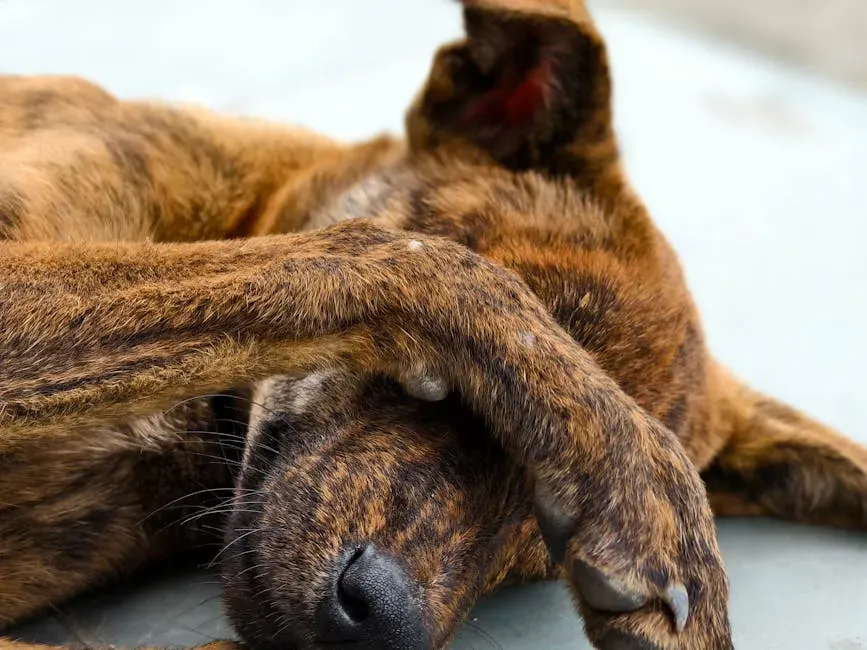
The pattern that confuses families most is this one: some days, the dog won’t leave your side. They press into your legs, follow you from room to room, rest their chin on your knee for long stretches. Then, the next day, they’re fine alone in another room and don’t seem to want company. The inconsistency reads as moodiness. It’s actually a progression.
Clinginess tends to come first – it’s the dog seeking comfort and reassurance as discomfort builds. The distance comes later, once energy reserves drop low enough that even seeking closeness feels like too much. What looks like back-and-forth is actually a one-way arc. Families who recognize this often describe it later as the period when they felt something was off but couldn’t name it. That instinct was right. The naming just comes later than it should.
Worth Knowing
- The shift from clinginess to withdrawal is a one-way progression, not mood swings – it tends to move in one direction over time.
- Some dogs seek extra companionship near the end while others increasingly withdraw – both are recognized end-of-life behaviors.
- Trust your instincts: veterinary end-of-life specialists consistently note that pet owners are often the first to sense something is off, even before they can articulate it.
- If your dog alternates between the two within a single week, that pattern itself is worth logging and discussing with your vet.
#8 – Pacing Slowly or Switching Positions Without Settling
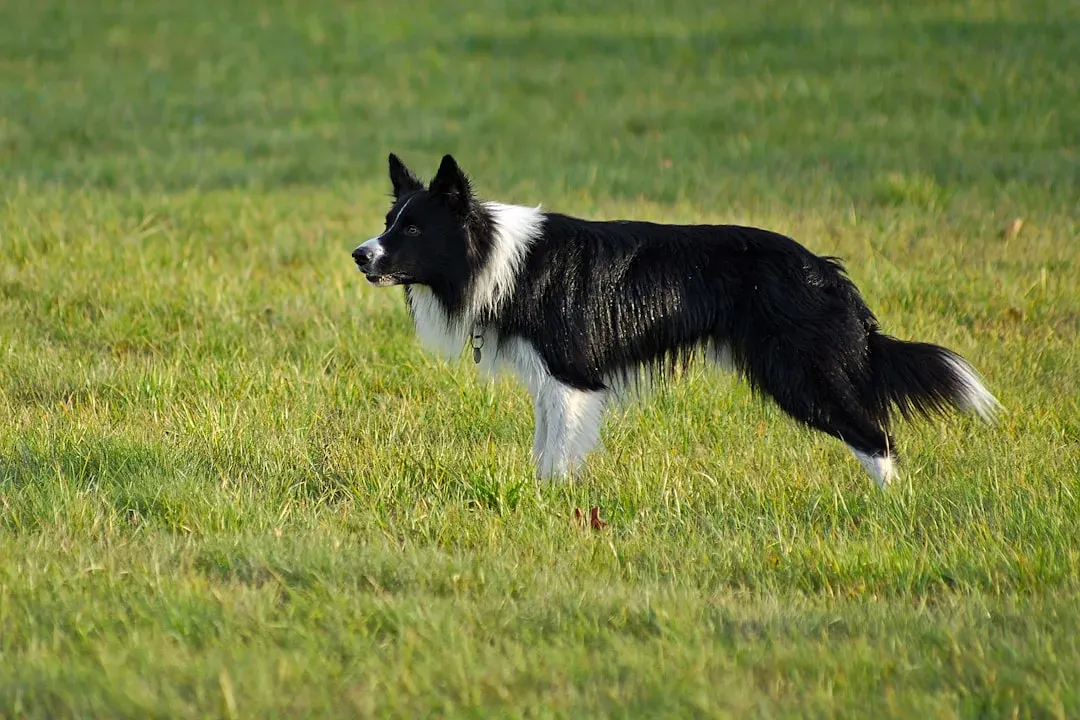
This one tends to appear during the quietest parts of the evening, when the house is winding down and your dog should be settled. Instead, they stand up, walk a slow circle, lie down, stand up again. Or they shift from side to side, rearranging themselves repeatedly without ever looking comfortable. It’s not excited pacing – it doesn’t have that energy. It’s something slower and more searching.
Low-level, persistent discomfort often looks exactly like this. Dogs who aren’t in acute pain but aren’t comfortable either will move through this restless loop without vocalizing. It doesn’t look like suffering to a human eye, which is precisely why it gets attributed to needing to go outside or being bored. This behavior can continue for days or even weeks before more recognizable pain signs emerge. If it’s happening consistently in a senior dog, it deserves a closer look.
#7 – Eyes That Have Lost Their Usual Light
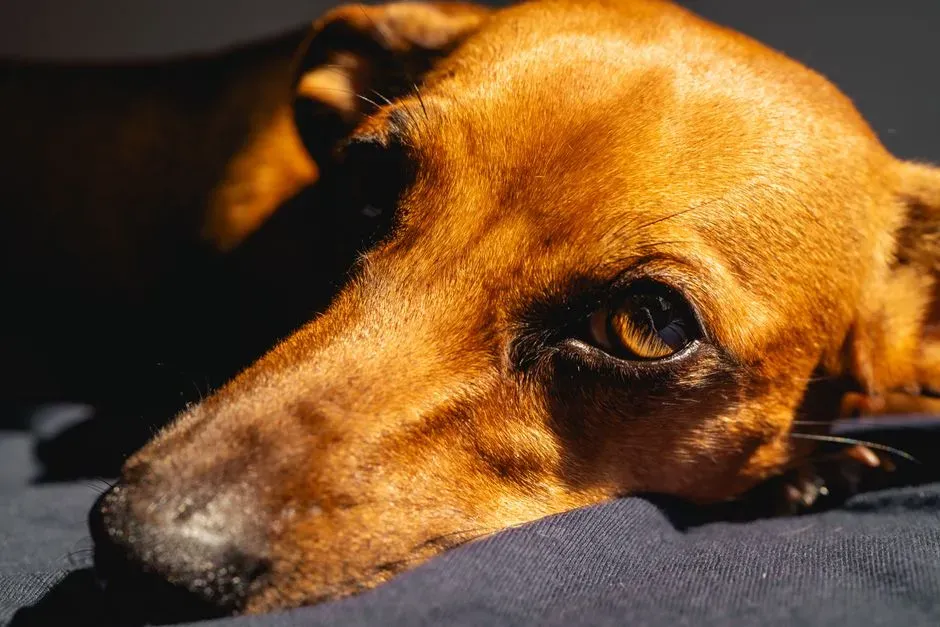
There’s a particular shine that a healthy dog’s eyes carry – a brightness that’s hard to define but unmistakable when it’s there. When it starts to fade, the change is subtle enough that you might sense it before you can describe it. The eyes look slightly duller. A little more still. A toy tossed nearby doesn’t pull the gaze the way it once did. The dog stares at a middle distance that doesn’t seem to hold anything.
Vets note that this ocular change often appears before visible weight loss becomes apparent – which makes it one of the earlier physical signals available, if you know to look for it. Reduced circulation and shifts in hydration affect the eyes noticeably. Most owners don’t register it consciously in the moment; they just feel, later, that something in their dog’s face had changed and they couldn’t quite put their finger on when it started. It starts here.
#6 – A Coat That Starts to Look a Little Neglected
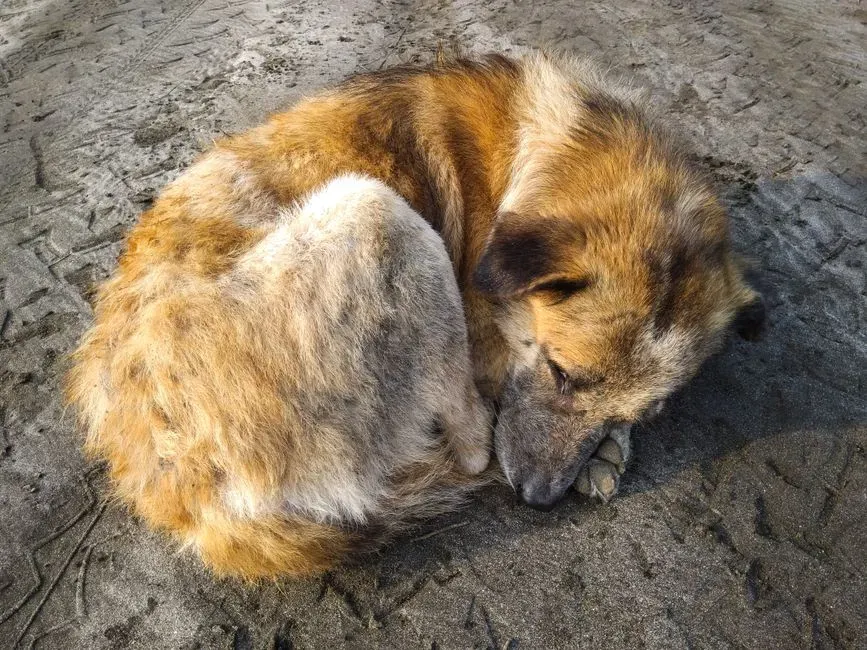
Dogs who once kept themselves tidy – licking their paws, smoothing their coat after lying in odd positions – start to skip those sessions. A small mat forms behind an ear. The fur loses a little of its sheen. Nothing dramatic, especially if you’re brushing them regularly, because regular grooming masks the early stages almost completely. The change is in the dog’s own investment, not just the appearance.
Reduced self-grooming is an early physical marker of systemic slowdown. The body is redirecting energy toward more critical functions, and maintenance behaviors quietly drop off first. What makes this sign genuinely surprising is the timing: it can begin while the dog is still eating reasonably well, still going on short walks, still engaging with the household on most days. The coat change arrives early and gets explained away easily. Looking back, families often recognize it as one of the first things that shifted.
At a Glance: Early vs. Late Signs
- Early (weeks to months out): Subtle meal pickiness, coat dullness, reduced self-grooming, eyes losing brightness
- Middle stage: Withdrawal from family spaces, inconsistent clinginess, slow restless pacing, hesitation before movement
- Later stage: Indoor accidents without distress, shallow resting breath, brief confusion in familiar spaces
- Final stage: Complete stillness, no response to favorite people, toys, or routines
#5 – Brief Moments of Confusion in Familiar Places

Your dog pauses in the middle of a hallway they’ve walked a thousand times. Stares at a wall. Stands at the hinge side of the door instead of the handle side, waiting. Then, a few seconds later, shakes it off and moves on like nothing happened. These micro-episodes are easy to dismiss because they resolve so quickly. They don’t look like a crisis. They look like a momentary glitch.
They stem from reduced blood flow and early cognitive changes that accompany end-stage illness – not full disorientation, but brief lapses where the brain’s map of the familiar world goes momentarily static. The quick recovery is exactly what makes this sign so deceptive. Owners file it away as “weird” or “one of those things” and genuinely forget it happened until they’re looking back, connecting dots they wish they’d connected sooner. If it happens more than once, it’s worth noting the frequency.
#4 – That Small Hesitation Before Jumping or Climbing
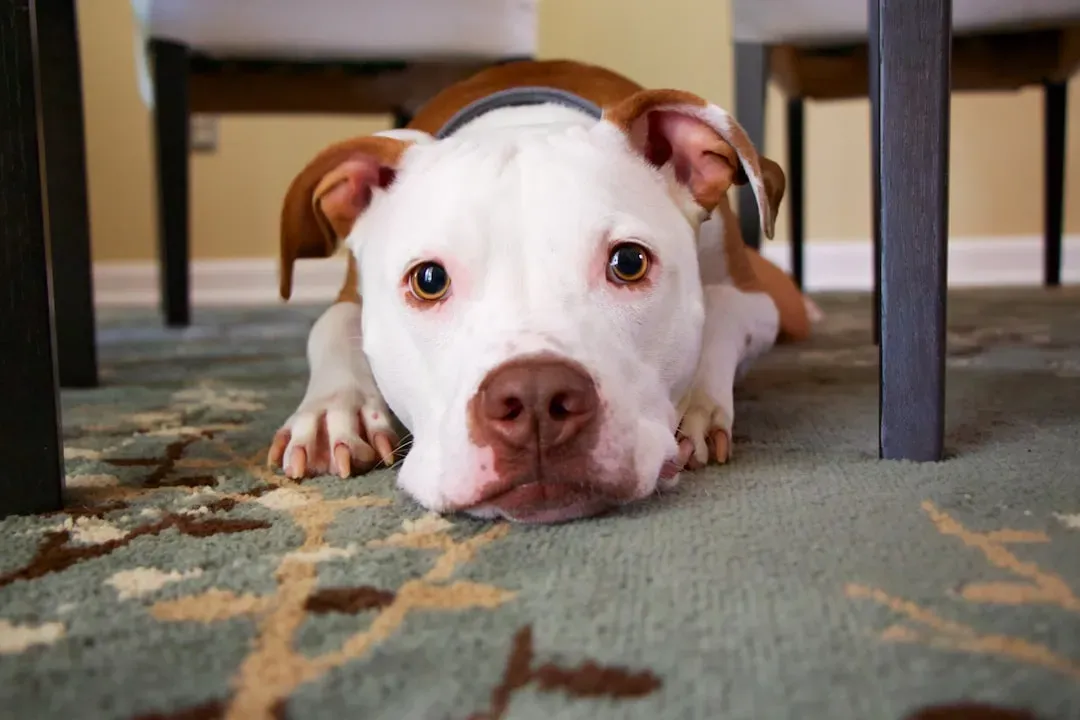
Your dog walks to the couch, stops at the edge, and just… pauses. A beat longer than they used to. Then they make the jump and seem fine. Or they reach the bottom of the stairs and stand there for a moment before climbing. They still do it. They just don’t launch into it the way they once did. Most people don’t register this as a sign – they register it as a quirk, or old age, or caution.
That hesitation is the body telegraphing muscle loss and joint discomfort that hasn’t yet become outright refusal. It’s the early edge of a decline in mobility that will eventually make these movements impossible. The reason it gets missed is that the dog completes the action – they jump, they climb, they manage. Owners tend to track what their dog can’t do, not the microsecond of doubt before they do it. By the time a dog needs to be lifted onto the furniture, this hesitation has usually been present for weeks.
#3 – Breathing That Gets Quieter and Shallower at Rest
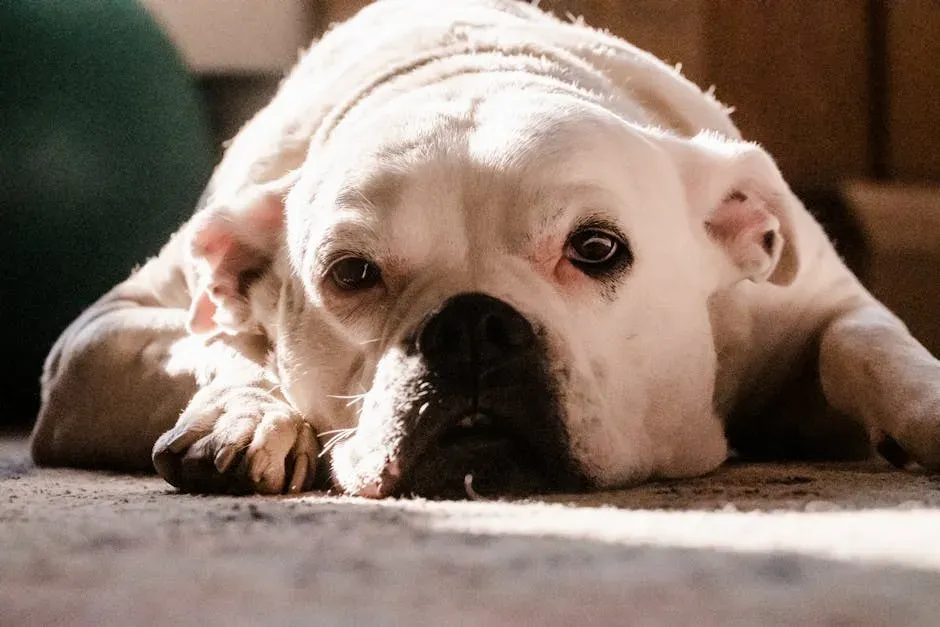
This one is nearly impossible to notice unless you’re already paying close attention, and that’s what makes it one of the most significant entries on this list. It’s not labored breathing. It’s not panting. It’s the opposite – breaths that become quieter, shallower, less full while the dog lies still. You might notice it during a nap, or in the evening when they’re settled beside you. The rise and fall of their chest looks smaller somehow.
This pattern reflects organs working harder with diminishing efficiency – the respiratory system compensating quietly before the compensation becomes audible. Families who catch this describe it as something they noticed but couldn’t explain, a feeling that their dog’s breathing had changed texture. Labored, noisy breathing tends to arrive later and is obvious when it does. This earlier, quieter version can appear days before that happens. If something about your dog’s resting breath feels different to you, that perception is probably accurate.
Quick Compare: Breathing Changes by Stage
- Early signal: Quieter, shallower breaths at rest – easy to miss, often felt before it’s seen
- Middle signal: Slightly faster resting respiratory rate; chest movement looks smaller than usual
- Late signal: Labored, audible breathing; visible effort in the chest and belly
- Final hours: Irregular gasping pattern (agonal breaths) – this is a clear sign the end is very near
#2 – Indoor Accidents Without Any Sign of Distress
A housebroken dog has an accident. Then another, a few days later. What’s striking – and what makes this sign so easy to misread – is the absence of shame or urgency that would normally accompany it. No anxious circling, no obvious discomfort, no guilty body language. The dog simply didn’t make it, and doesn’t seem particularly troubled by that fact. Owners often assume a urinary tract infection, or a regression, or that the dog just didn’t signal in time.
What’s actually happening is gradual muscle weakening around the bladder and bowels – control that erodes quietly and without pain. The lack of distress isn’t the dog being indifferent; it’s the body losing a function it can no longer maintain. These incidents start infrequently, which is why they don’t trigger alarm. But the frequency tends to increase over time, and by then, most of the other signs on this list have been present for a while. The accident is visible. The pattern behind it is what takes longer to see.
#1 – Complete Stillness Where There Was Once Pure Joy
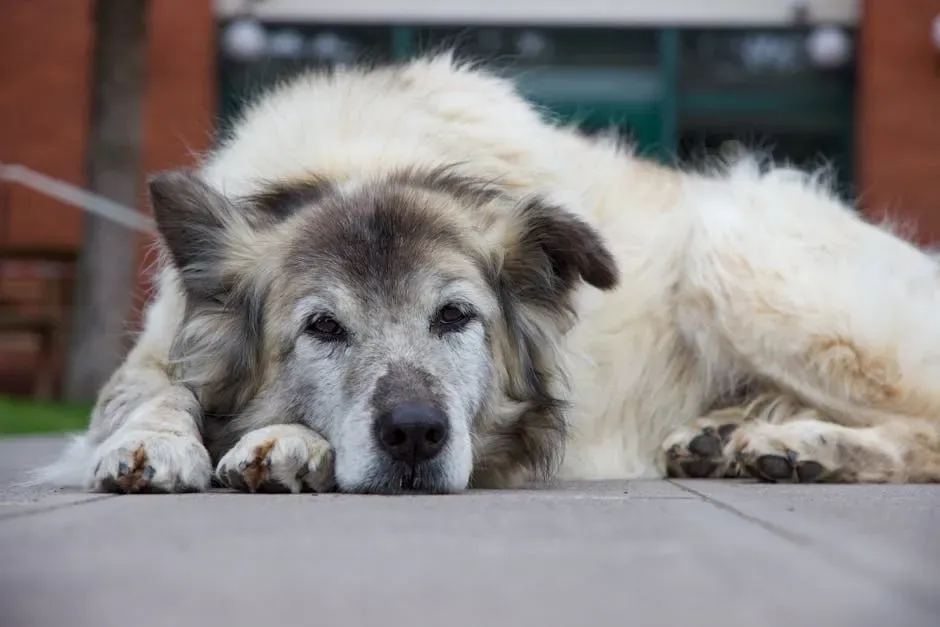
You pick up the leash. Nothing. You roll a favorite toy across the floor. They watch it come to a stop, then look away. A family member they adore walks into the room and they lift their head briefly, then rest it back down. It’s not sadness in any human sense – it’s deeper than that. It’s the lights staying on but the energy behind them, finally, going quiet.
Vets who work in end-of-life care describe this as the point where the body has turned its remaining resources entirely inward. Joy, play, and social connection require energy that simply isn’t available anymore. What’s most heartbreaking about this sign is that it usually arrives after all the subtler signals have come and gone unnoticed. For most families, this is the moment they finally understand what they’ve been watching. Not because the other signs weren’t there – but because this one can’t be explained away. If you’re seeing this now, the most important thing you can do is be present. Your dog already knows you’re there.
Worth Knowing: How to Help Right Now
- Sit or lie on the floor with your dog – your physical closeness at their level matters more than any gesture.
- Keep their environment calm and predictable; avoid rearranging furniture or introducing new sounds.
- Use washable bedding and keep their body clean and dry if accidents are occurring – dignity matters.
- Ask your vet about a quality-of-life assessment; tools like the HHHHHMM Scale evaluate pain, appetite, mobility, and happiness in a structured way.
- Consider an in-home euthanasia consultation – many families find that a familiar, peaceful setting makes an immeasurable difference.
What These Signs Are Really Telling You
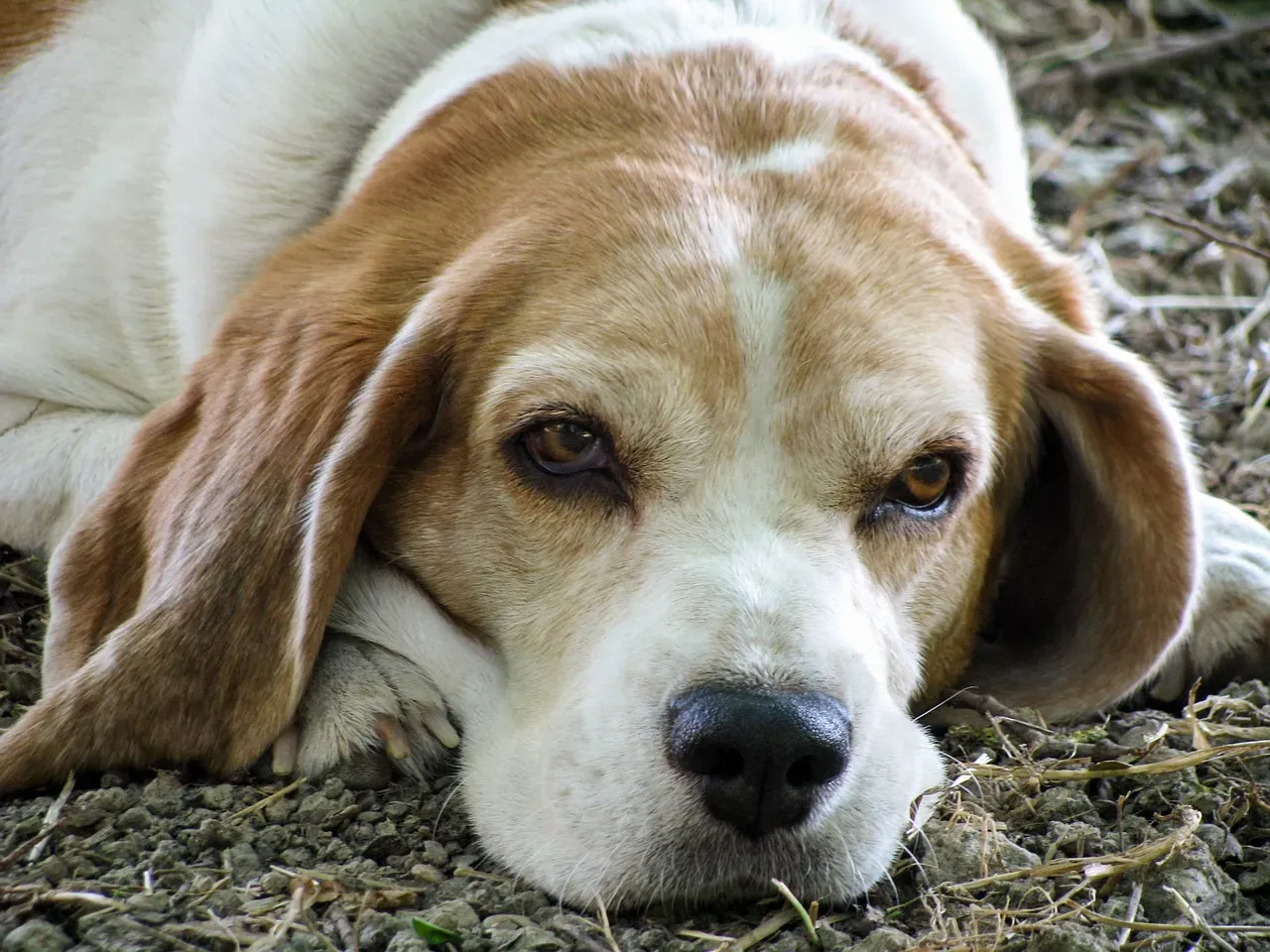
Here’s the honest truth: most owners don’t fail to notice these signs because they don’t love their dog enough. They miss them because love makes us hopeful interpreters. A dog sleeping more becomes “he’s just relaxing.” A dog eating less becomes “she’s being picky.” A dog choosing the back room becomes “he found a cooler spot.” We reach for the benign explanation every time, because the alternative is unbearable to sit with.
But these twelve signs, taken together, are a gift if you’re willing to receive them. They don’t change the outcome. Nothing does. What they change is the quality of the time that remains – whether you spend it distracted and hoping the signs mean nothing, or present and deliberate, giving your dog the softest possible ending. The dogs who are loved through this quietly, with attention and closeness and without panic, seem to feel the difference. Anyone who has been in that room will tell you the same thing: you always wish you’d had a little more time, but what you did with the time you had matters more than you know.
“Knowing the signs can help you prepare in advance to help ensure that your dog’s last days are full of love and light.”
CareCredit Veterinary Wellness


