
The People Who Once Cared for Them
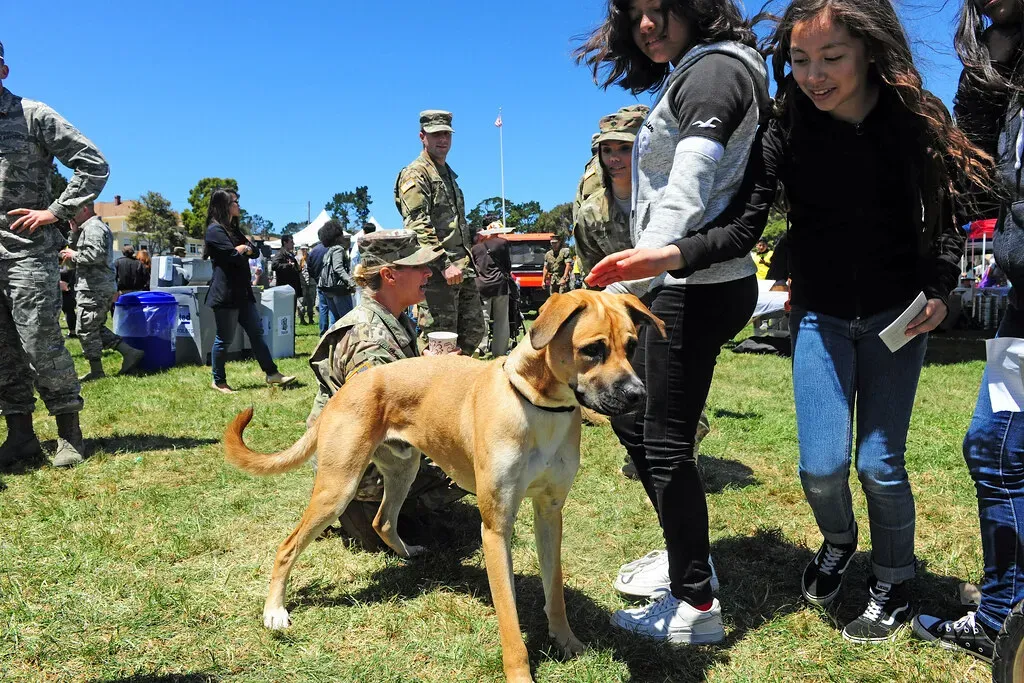
Dogs form strong attachments to the humans who raised them or spent significant time in their lives. These bonds rely on repeated positive interactions that create lasting emotional associations. Even after years apart, many dogs show clear recognition through excited body language or focused attention when they encounter those individuals again.
Studies of canine cognition suggest that dogs process human faces and voices in ways that support long term recall. This ability helps them navigate social environments and maintain connections that matter for their well being. Owners frequently report that their dogs remember family members who moved away or passed on, responding with the same affection they showed in the past.
Painful or Frightening Experiences

Negative events leave a particularly deep imprint because they tie directly to survival instincts. A single harsh encounter at a vet clinic or with an aggressive stranger can shape how a dog approaches similar situations later. These memories serve as protective mechanisms that influence behavior long after the original incident.
Rescue organizations note that dogs adopted from difficult backgrounds often carry specific fears for years. Gradual, patient exposure helps many overcome these responses, yet the underlying memory rarely disappears entirely. Trainers emphasize consistency and positive reinforcement to build new associations without erasing the old ones.
Daily Routines and Schedules

Dogs thrive on predictable patterns because they reduce uncertainty in their environment. Feeding times, walk schedules, and bedtime rituals become anchored in their expectations. When those patterns shift, dogs often display signs of confusion or anticipation that reveal how closely they track the sequence of events.
Even after major life changes such as a move or a new job for their owner, dogs frequently revert to old habits when the original cues return. This reliability makes them excellent companions for people who value structure. It also explains why disruptions during travel or illness can unsettle them more than expected.
Familiar Places and Locations
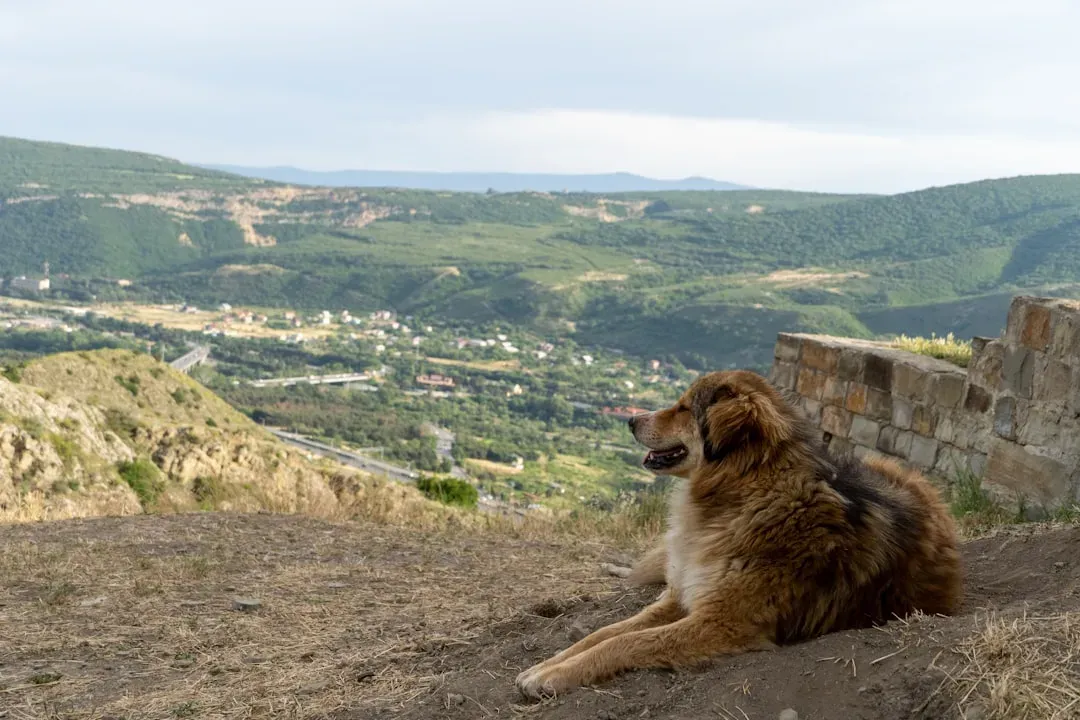
Physical spaces carry strong associations for dogs through a combination of sight, sound, and scent. A childhood home or a favorite park can trigger immediate excitement or calm upon return. These location based memories help dogs orient themselves and feel secure in known surroundings.
Traveling dogs sometimes recognize rest stops or trails from previous trips, adjusting their pace or posture accordingly. Shelter staff observe that dogs returned to familiar neighborhoods after long absences often head straight to remembered spots. Such spatial recall supports their ability to navigate complex environments over extended periods.
Other Animals They Bonded With
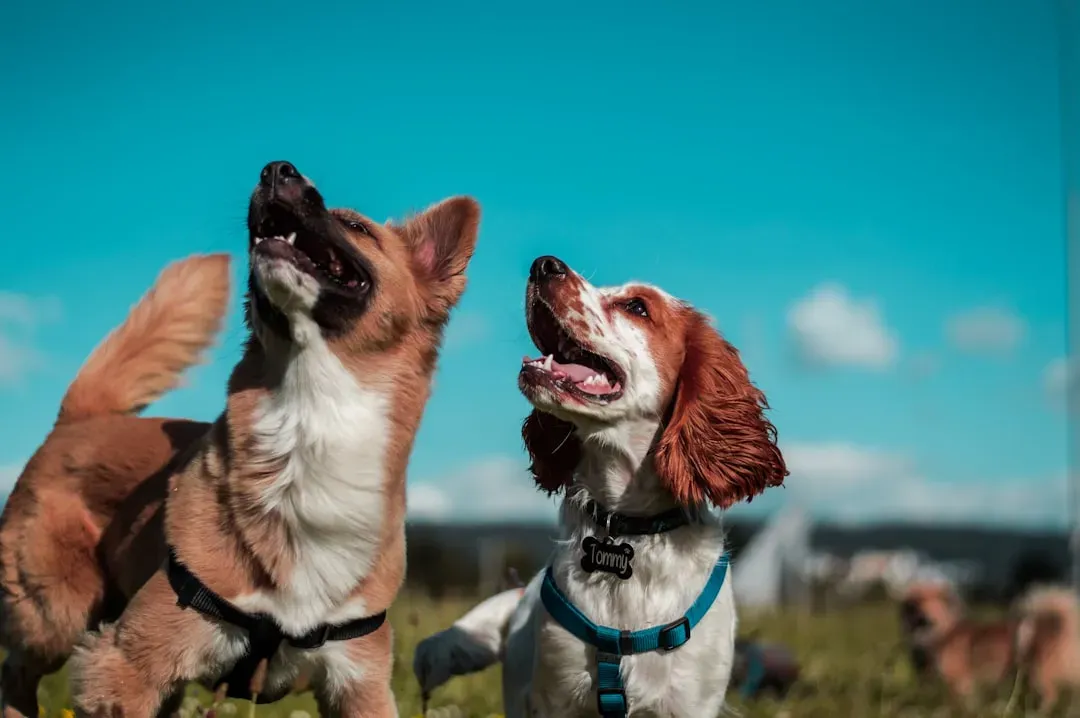
Canine relationships with fellow dogs or household pets create social memories that endure separations. Littermates or longtime companions often receive special greetings even after years apart. These connections influence how dogs interact with similar animals in new settings.
Multi pet households demonstrate that dogs adjust their behavior based on past dynamics with specific individuals. When one animal returns after an absence, the others frequently resume earlier play styles or hierarchies. This social continuity contributes to stable group living arrangements.
Learned Commands and Training
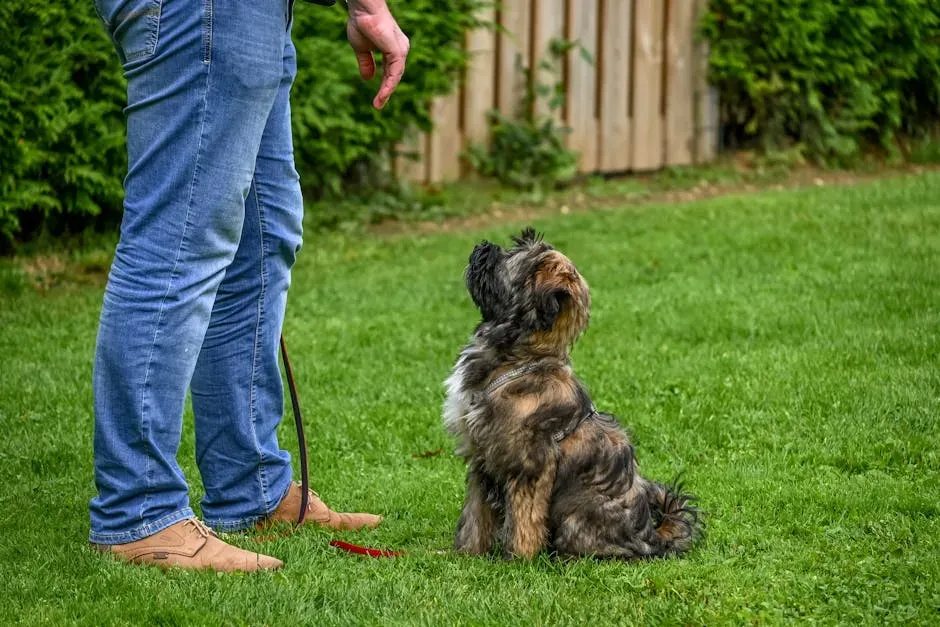
Basic obedience cues and more complex tricks remain accessible long after formal lessons end. Dogs retrieve these skills when the original handler or context reappears. The retention reflects both repetition during training and the emotional context in which the lessons occurred.
Working dogs such as service animals demonstrate this retention through consistent performance despite career changes or retirements. Owners who resume training after a break often find their dogs pick up where they left off with minimal review. This capacity makes ongoing practice valuable for maintaining mental sharpness.
Distinctive Scents Tied to Events
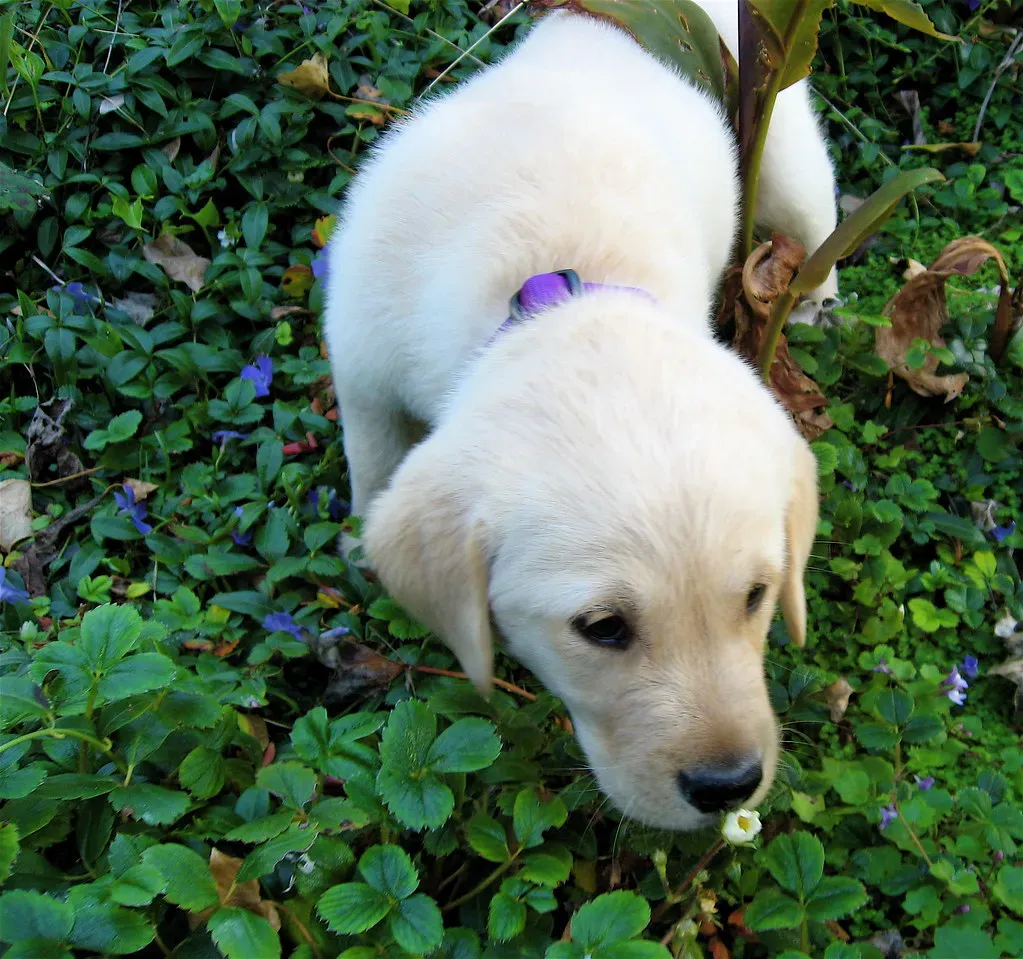
A dog’s sense of smell provides a powerful channel for memory that humans can only imagine. Particular odors linked to food, people, or places activate detailed recollections. These scent memories often surface during walks or visits to new locations that share similar notes.
Search and rescue teams rely on this trait when dogs identify individuals or objects from past encounters. Household dogs may react to clothing or items carrying old scents with curiosity or recognition. The olfactory system thus acts as a durable archive that supports navigation and social awareness across time.
Dogs remember selectively, yet the things they hold onto shape their daily comfort and trust in lasting ways. Paying attention to these patterns encourages more thoughtful care that respects their emotional history. In the end, the depth of their recall underscores how much our consistent presence matters to them.


