
Dogs pick up on shifts in their home long before people notice the details. A new person crossing the threshold brings fresh scents, different energy, and altered routines that register immediately in a dog’s world. The adjustments start right away, sometimes in ways that surprise even attentive owners.
Heightened Investigation of New Scents
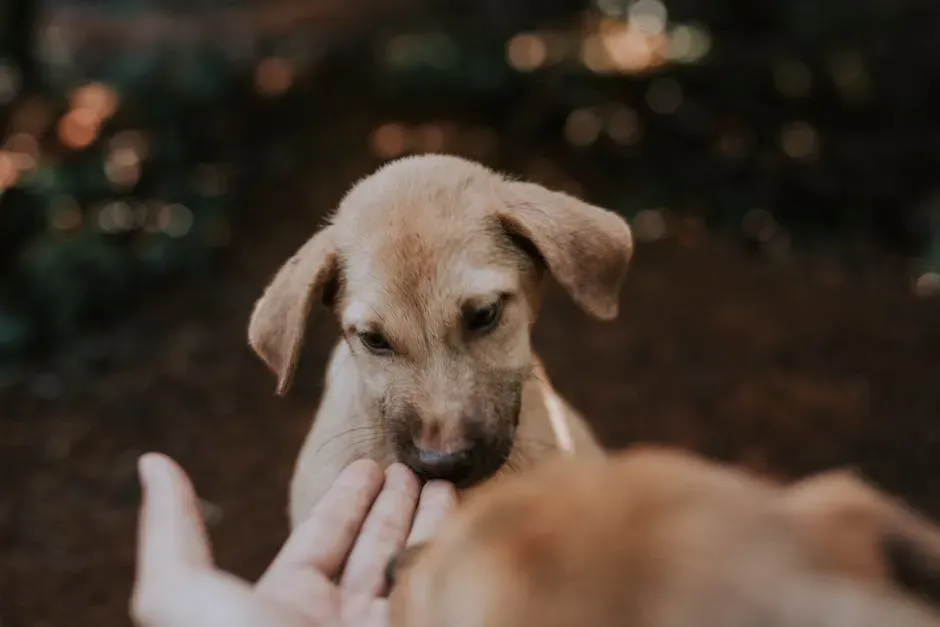
Dogs rely heavily on their noses to map their surroundings. When a new partner arrives, the familiar smells of home mix with unfamiliar ones from clothing, skin, and belongings. This prompts longer sniffing sessions around the person and their items as the dog sorts through the new information.
The process can last several minutes or repeat throughout the first day. Owners often notice their dog circling or pausing at doorways and furniture where the new scent lingers. Such focused investigation helps the dog build a mental picture of the change.
Subtle Shifts in Body Language
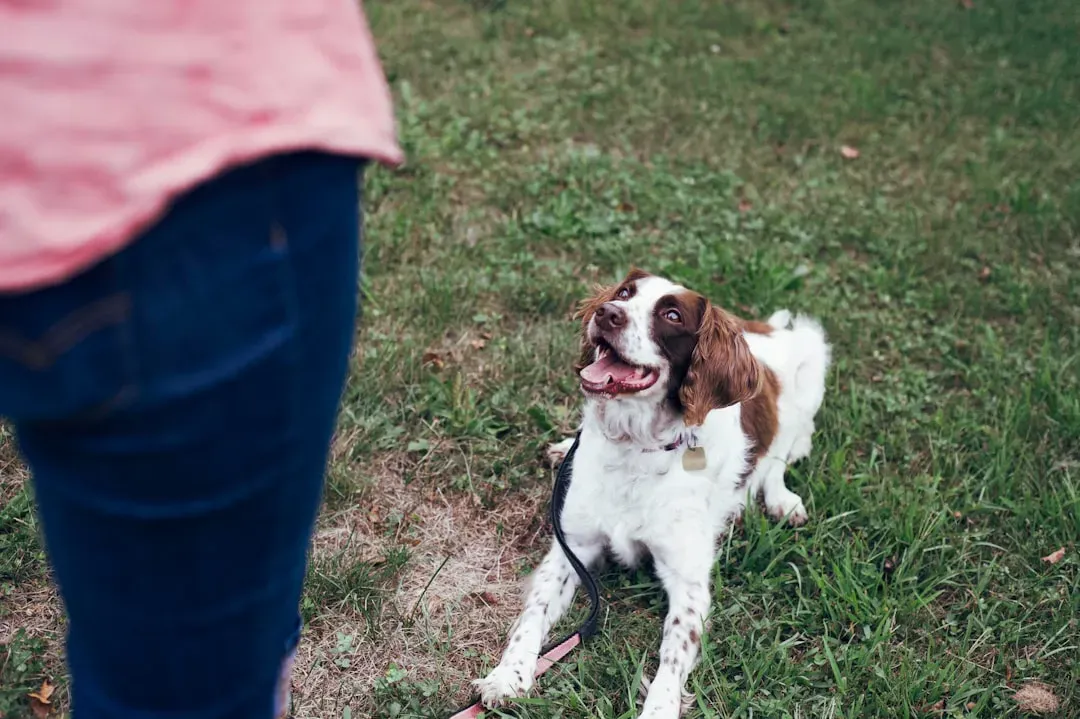
A dog’s posture often tightens or loosens depending on how comfortable the new presence feels. Ears might flick back and forth more frequently, or the tail could wag at half speed while the body stays slightly angled away. These small signals reflect the dog’s effort to read the situation without committing fully yet.
Some dogs stand taller or move with extra caution around shared spaces. Others relax their shoulders once they catch a calm tone from their owner. The body language serves as an early indicator of how the day will unfold.
Changes in Affection Seeking
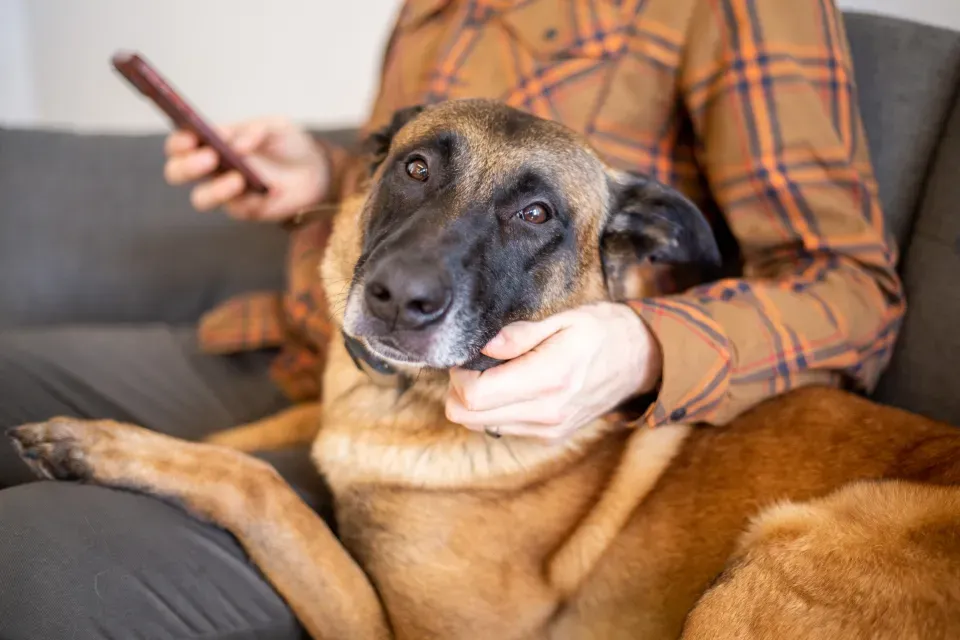
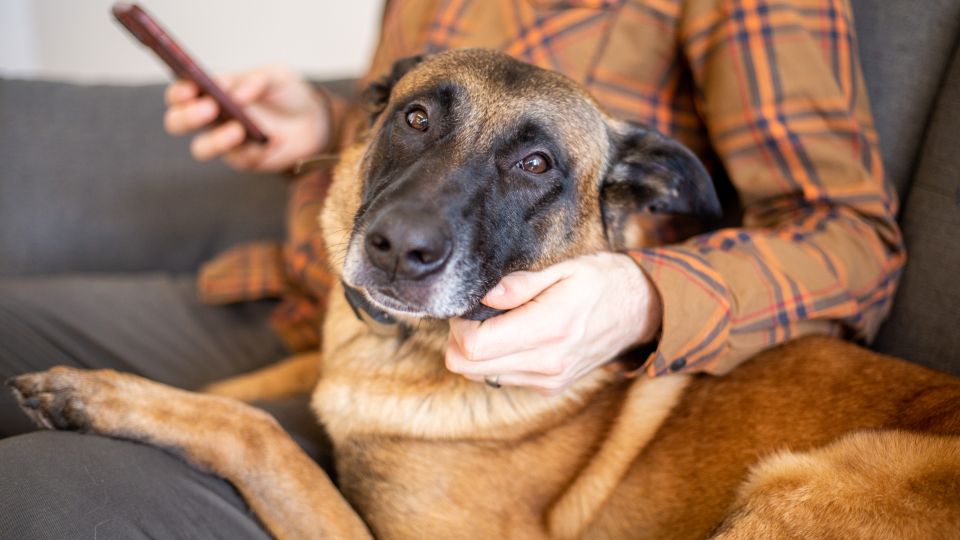
Many dogs increase their bids for attention from the original owner on that first day. They might lean harder against legs or rest a head on a lap more often than usual. This behavior stems from a desire to confirm the bond remains steady amid the new arrival.
At the same time, some dogs show brief hesitation before accepting pets from the partner. The shift appears as a pause or a quick glance toward the owner for reassurance. Over the course of the day these patterns settle into a new rhythm.
Possible Rise in Protective Behaviors
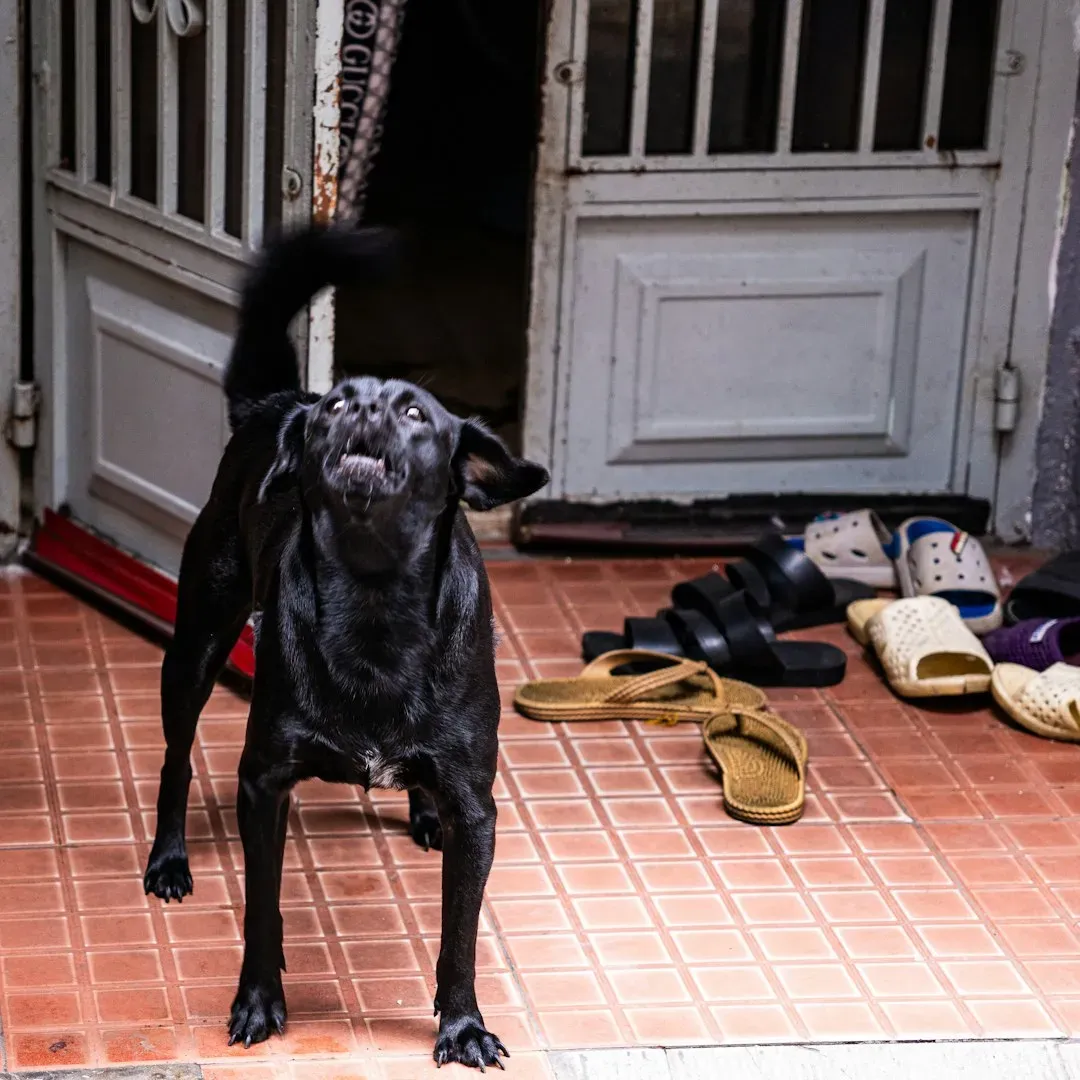
Protective instincts can surface quickly when a stranger enters the inner circle. A dog may position itself between the owner and the new person during initial interactions. Barking at the door or following the partner more closely through rooms becomes noticeable.
These actions usually stay mild and short lived if the owner remains relaxed. The dog tests boundaries while watching for consistent signals that everything stays safe. Gradual exposure helps the behavior ease into normal coexistence.
Adjustments to Daily Routines
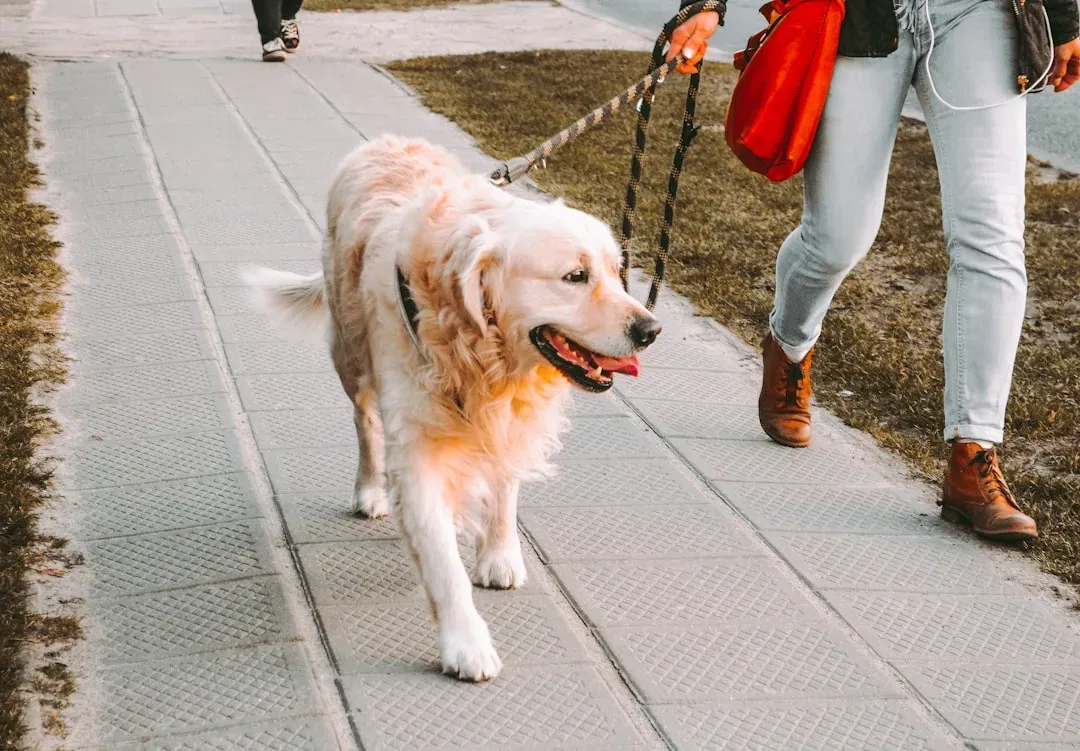
Feeding times or walk schedules sometimes receive extra scrutiny from the dog. A new person in the house can delay or alter the usual sequence of events. The dog might wait longer before eating or show interest in joining walks that now include an extra participant.
Even small changes like different voices during commands register right away. The dog learns to split attention between two people instead of one. These routine tweaks mark the beginning of a broader adaptation process.
Variations in Play Style
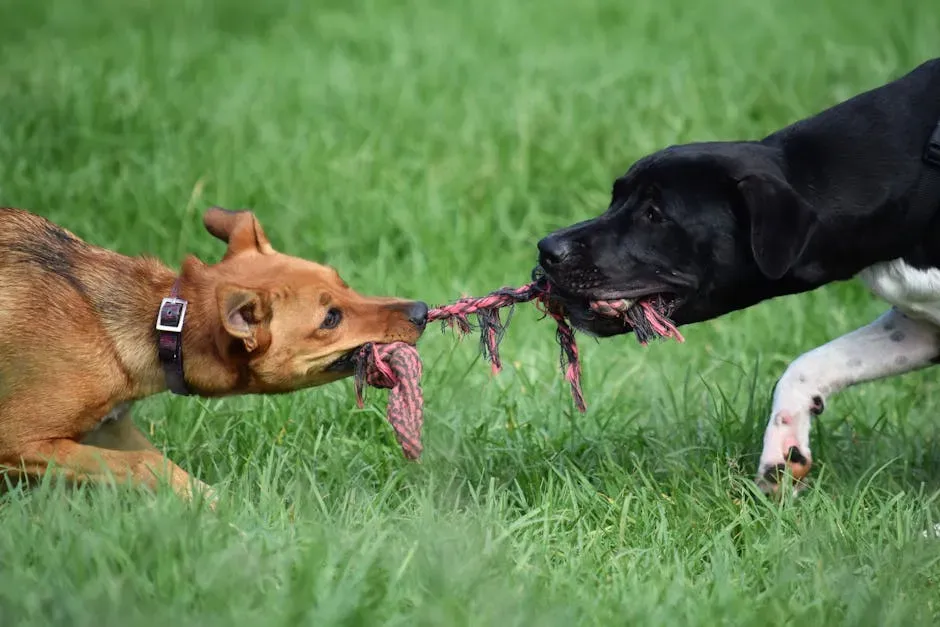
Play invitations may increase or decrease depending on the dog’s initial read of the new partner. Some dogs bring toys more frequently to test the waters and invite engagement. Others hold back and observe from a distance before joining in.
The energy level during play can feel more cautious at first. A dog might chase a ball with less enthusiasm until it senses the partner poses no threat. By evening the play patterns often start to blend old habits with new possibilities.
Shifts in Vocalization Patterns
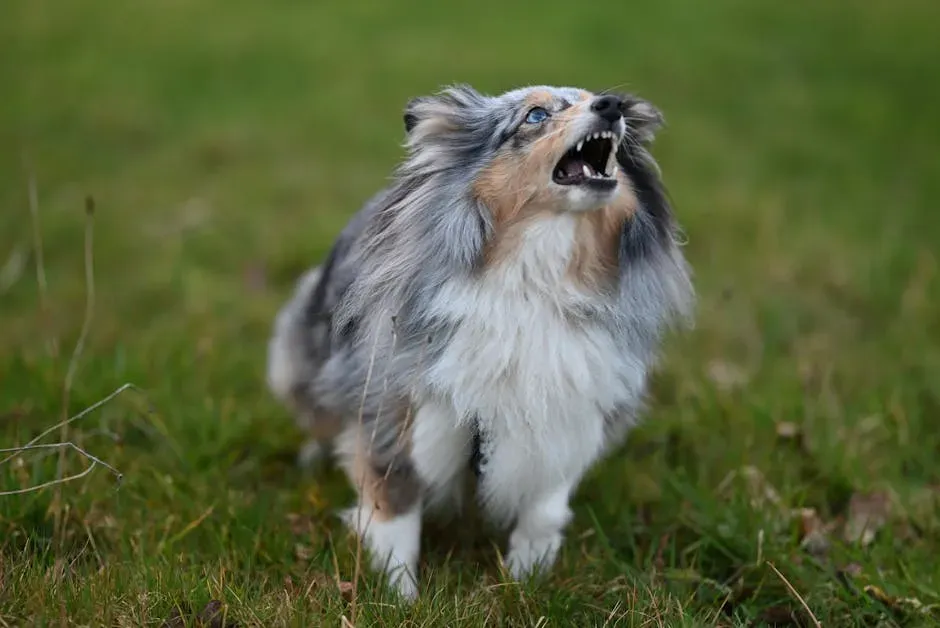
Whines or soft grumbles appear more often as the dog processes the change. These sounds usually occur when the new person moves around the house or speaks to the owner. They serve as low level commentary rather than outright alarm.
Some dogs become quieter overall while they gather information. Others add short barks at unexpected moments. The vocal shifts tend to normalize once the dog associates the new voice with positive outcomes.
Alterations in Resting Spots

Dogs frequently change where they choose to settle during the day. A favorite spot near the owner might get shared or temporarily abandoned in favor of a vantage point that allows better monitoring. The new arrangement reflects the dog’s need to keep track of everyone.
Naps can become lighter or shorter as the dog stays alert to movement. By the end of the first day many dogs return to familiar resting places once the initial novelty wears off. The choice of spot offers a quiet window into their comfort level.
Responses to Commands and Cues
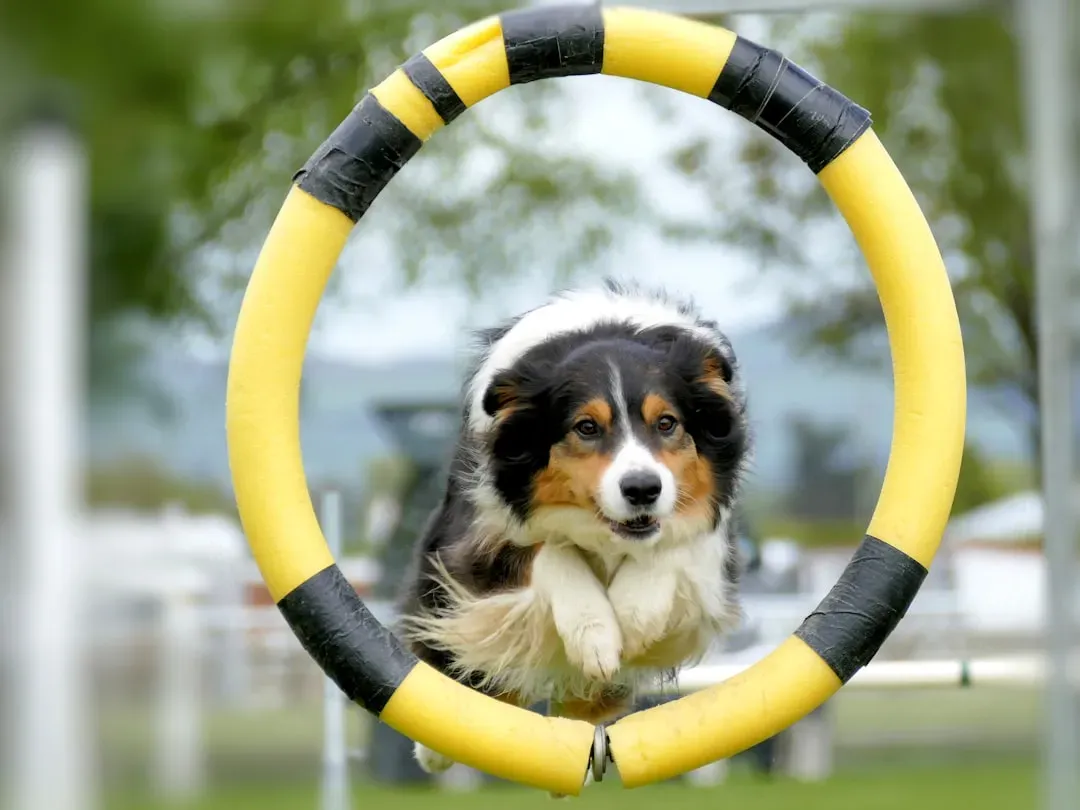
Obedience to familiar commands sometimes slows as the dog divides focus. A simple sit or stay might require an extra repetition while the new person stands nearby. The delay comes from the mental effort of tracking two sets of signals.
Positive reinforcement from both people helps restore quick responses. Dogs often test whether the new partner follows the same rules the owner has established. Consistency on that first day builds trust faster than anything else.
Overall Mood and Energy Balance

The day’s emotional tone in the dog can swing between curiosity and mild uncertainty. Energy levels may spike during introductions and then dip as the dog processes everything. Owners notice a mix of tail wags and thoughtful pauses throughout the hours.
By evening the mood usually leans toward calm observation. The dog has gathered enough data to begin forming new associations. This balance sets the stage for smoother days ahead.
Bringing a new partner into a dog’s life works best when everyone moves at the dog’s pace rather than rushing the process. Small adjustments on day one often lead to stronger bonds over time. The real measure of success shows up in the weeks that follow, when the dog treats the expanded household as simply home.


