
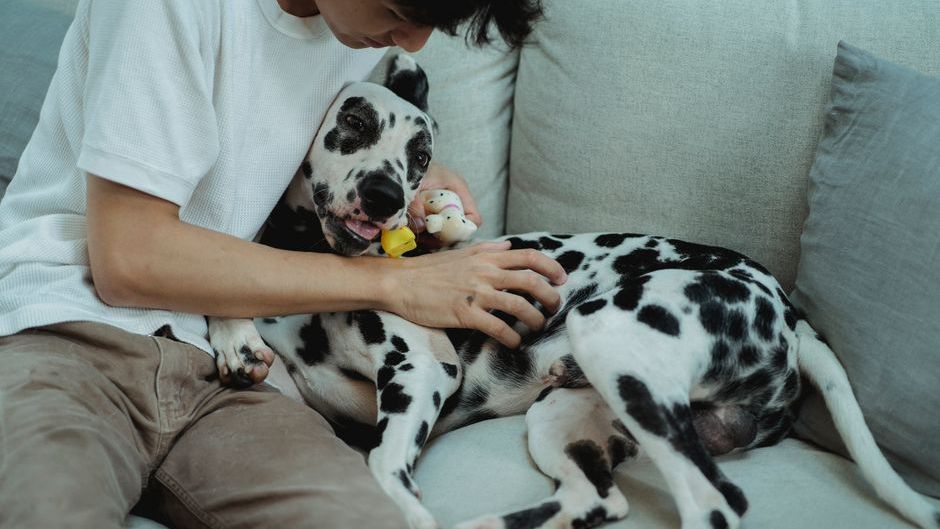
Losing a pet can leave the house quieter than expected and the hours strangely empty. That sudden absence of direction often surprises people who assumed grief would look more like tears and less like a missing compass. The feeling points to something deeper about the everyday role these animals played.
The Unique Connection Pets Create In Our Lives
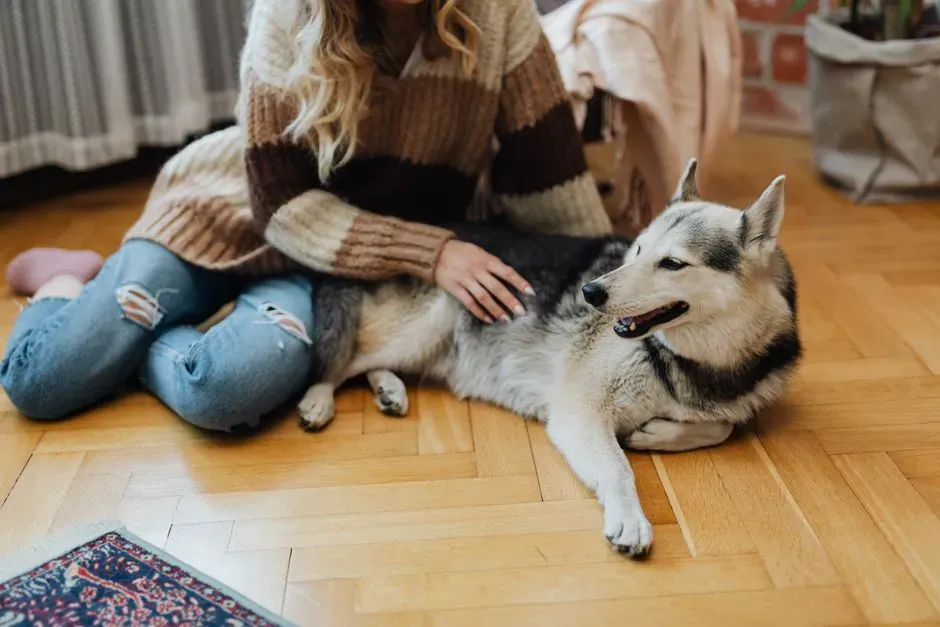
Pets slip into the small spaces of daily life without much fanfare. They greet us at the door, demand walks at set times, and settle beside us during quiet evenings. Over months and years those repeated interactions build a steady rhythm that feels ordinary until it stops.
Many owners notice how their pet became the reason certain tasks happened at all. Feeding schedules, play sessions, and even simple observation of their habits filled parts of the day that otherwise might have felt aimless. When that structure disappears the calendar can look oddly blank.
How Routines Shape Our Sense Of Purpose

Daily routines with a pet often operate below conscious notice. The morning walk or the evening check in becomes automatic, yet those actions anchor larger parts of the schedule. Removing them can make other plans feel less urgent or meaningful.
Psychological views on habit and meaning suggest that repeated caregiving creates a quiet sense of contribution. The pet depends on us, and that dependence gives shape to hours that might otherwise drift. The loss therefore removes both the companion and the built in reasons to move through the day in familiar ways.
The Psychology Of Attachment To Animals
Attachment forms through consistent presence and responsive care rather than dramatic events. Pets offer reliable company without the complications that sometimes accompany human relationships. That steady availability encourages a bond that feels safe and uncomplicated.
Research on human animal bonds shows that these connections can activate similar emotional systems as close family ties. The brain registers the pet as a source of comfort and security. When the relationship ends the attachment system registers the absence in ways that affect motivation and outlook.
Why The Void Feels So Personal

The emptiness after a pet dies often centers on identity as much as sadness. People describe themselves as the person who took care of that particular animal. Without the role the sense of self can feel slightly untethered for a while.
This reaction makes sense because the devotion was expressed through countless small choices rather than grand gestures. The pet became part of how the person organized time and attention. Losing that external focus leaves an internal gap that is hard to name at first.
Recognizing Devotion Through Everyday Moments
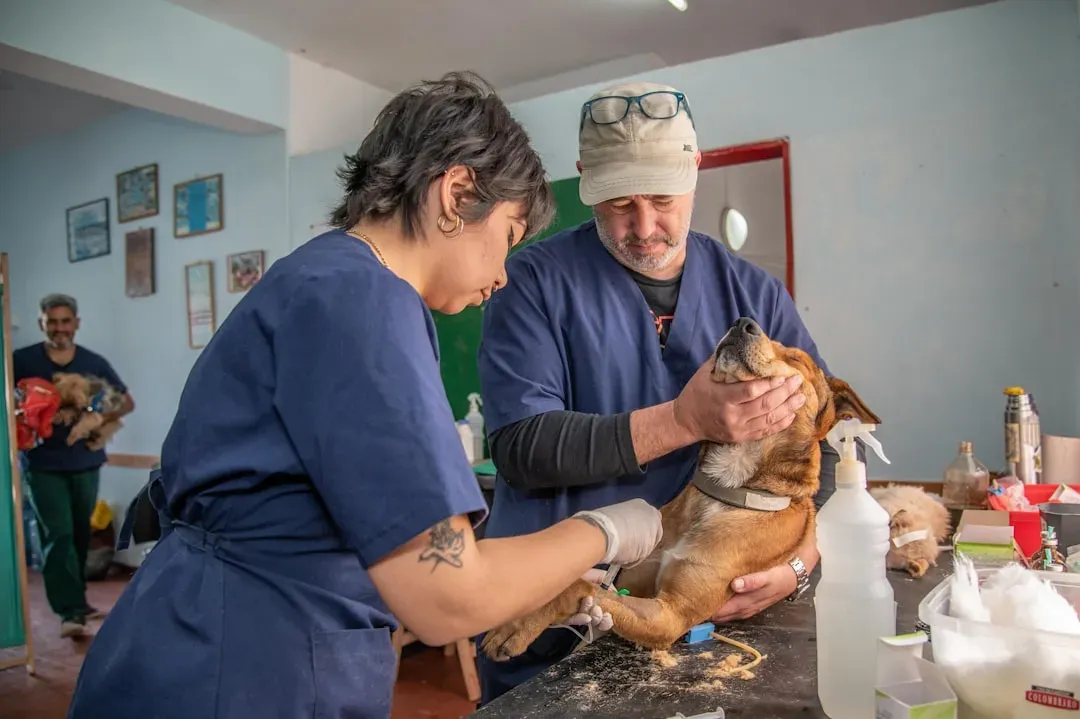
Devotion shows up in the willingness to rearrange plans around a pet needs. It appears in the patience during illness or the extra effort to provide comfort in later years. Those choices accumulate into a life shaped around another being.
Observers sometimes underestimate how much energy goes into that care because it looks simple from the outside. Yet the consistency required to maintain it reveals a steady commitment. The resulting loss of purpose simply reflects how fully that commitment once filled the days.
Allowing Space For This Particular Kind Of Grief

Grief for a pet does not always follow the same timeline as other losses. Some days feel manageable while others bring unexpected reminders of the missing routine. Giving permission for that uneven process helps the emptiness feel less alarming.
Support from others who have experienced similar loss can normalize the sense that purpose has temporarily gone missing. Conversations with friends or professionals familiar with pet bereavement often highlight that the feeling stems from real attachment rather than overreaction. Time and gentle acknowledgment usually soften the sharpness of the void.
Rebuilding Purpose With The Memory As Guide
Eventually new rhythms emerge that still carry traces of the old bond. Some people adopt another pet when ready while others channel the same care into different activities. The original devotion does not disappear but finds fresh outlets.
The period without clear purpose serves as evidence of how much was given during the pet lifetime. It marks a chapter of genuine investment rather than a flaw to fix quickly. In that light the emptiness becomes a quiet tribute to a life shared with intention and steady affection.


