
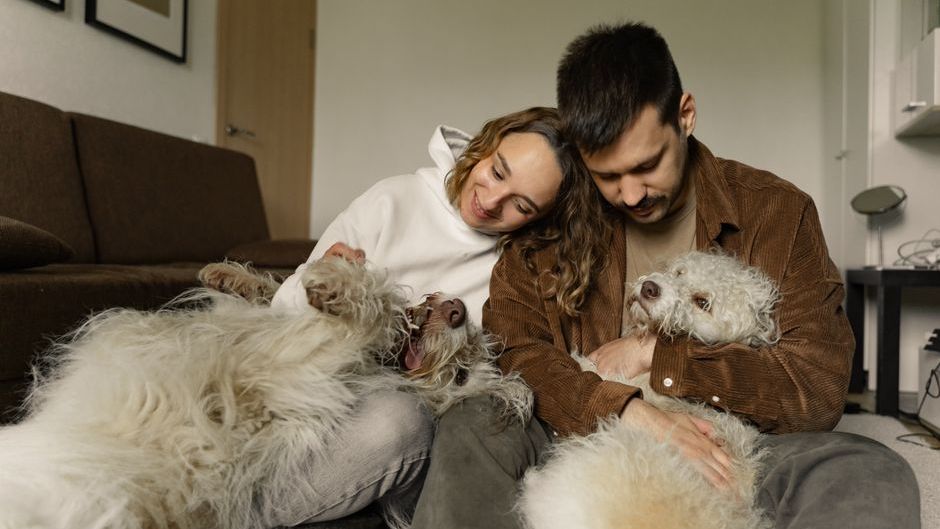
Most dog owners have their own bedtime rituals, from stacking pillows just so to dimming the lights at a precise hour. Yet a smaller group welcomes their pet right up against their face, fur brushing skin and warm breath mingling with their own through the night.
This choice often sparks curiosity about what it reveals underneath the surface. It points toward something less common in how people navigate closeness and care.
The Quiet Comfort of Shared Space
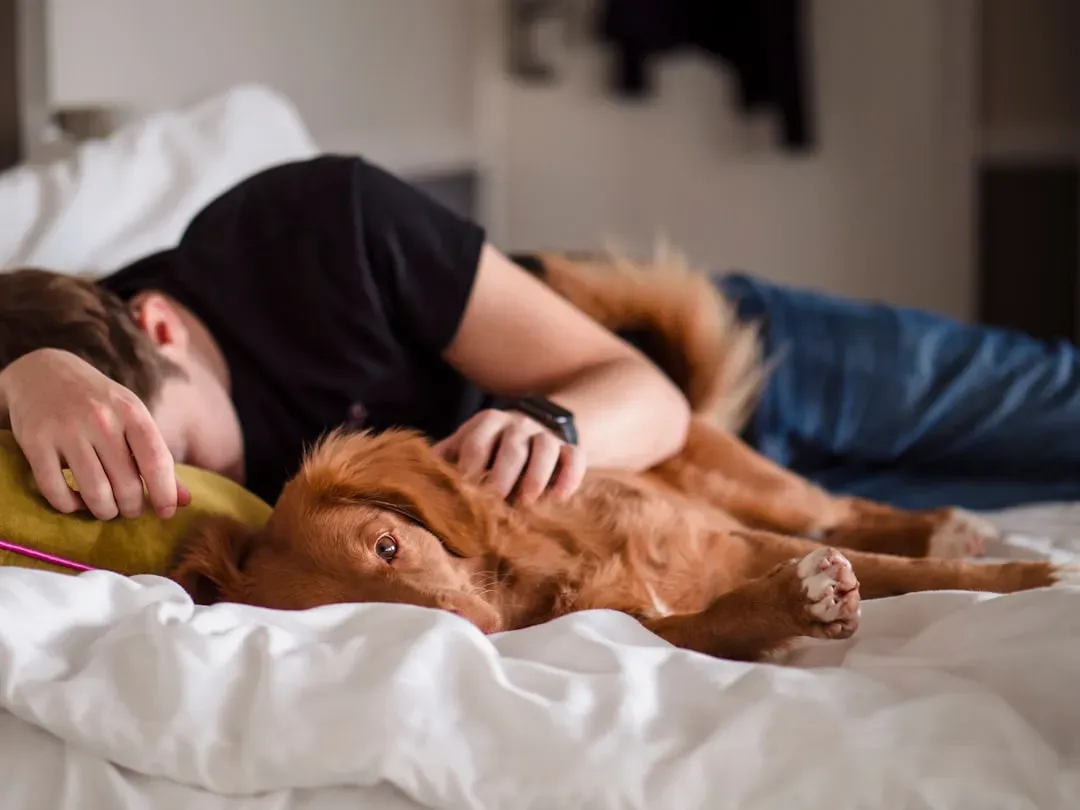
Dogs seek out their favorite humans at night for warmth, security, and simple affection. When they press close to the face, they are following instinct to stay near the strongest source of familiar scent and steady heartbeat.
Owners who allow this level of contact tend to view the bed as shared territory rather than a strictly personal zone. They accept the occasional paw on the cheek or tail flick across the nose without irritation.
Trust as a Two Way Street
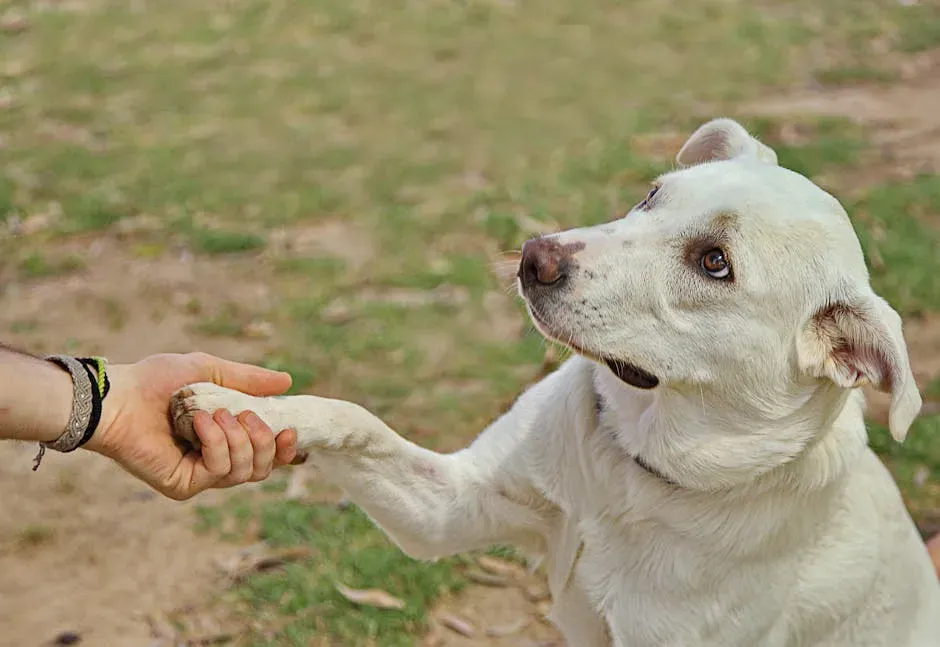
Allowing a dog such intimate access requires a baseline of mutual confidence. The animal feels safe enough to expose its vulnerable belly or muzzle area, while the person remains relaxed despite the proximity.
This arrangement builds over time through consistent routines and gentle handling. It reflects a household where boundaries are soft and presence matters more than perfect order.
Empathy That Extends Beyond Words

The rare personality trait at play here is a pronounced capacity for empathy that includes nonhuman companions. These individuals notice subtle shifts in their dog’s breathing or restlessness and adjust without complaint.
They read the animal’s need for contact as valid rather than inconvenient. Over months and years this attentiveness creates a feedback loop where both parties feel understood on a nonverbal level.
Embracing Physical Closeness Without Reservation
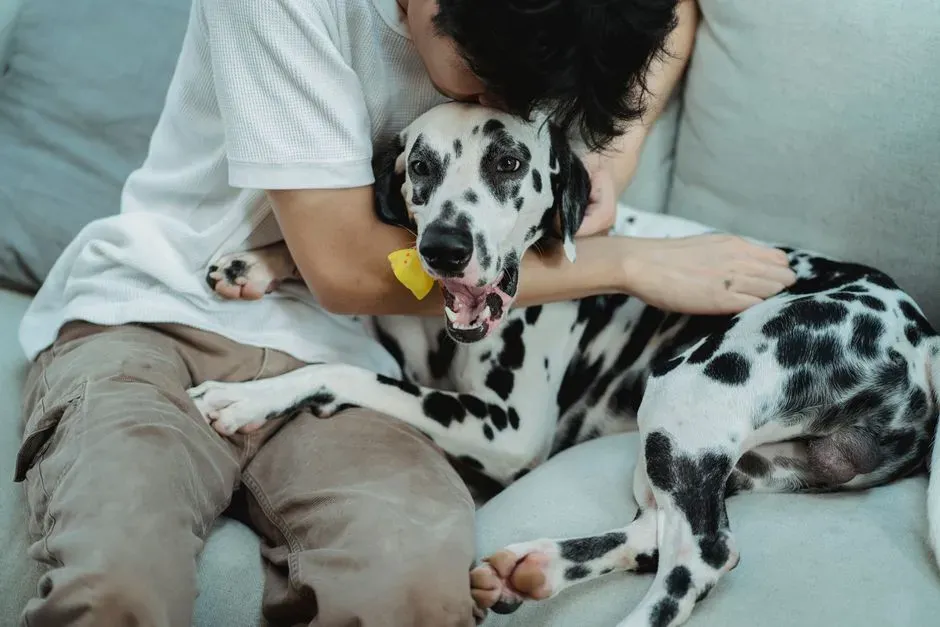
Many people maintain strict personal space even with loved ones, yet this group extends that space generously to their pets. They tolerate and even welcome the weight and warmth of another body through the night.
Such tolerance often pairs with a broader ease around touch in daily life. It shows up in casual petting sessions or quick cuddles on the couch that never feel like an intrusion.
How This Habit Shapes Household Rhythms
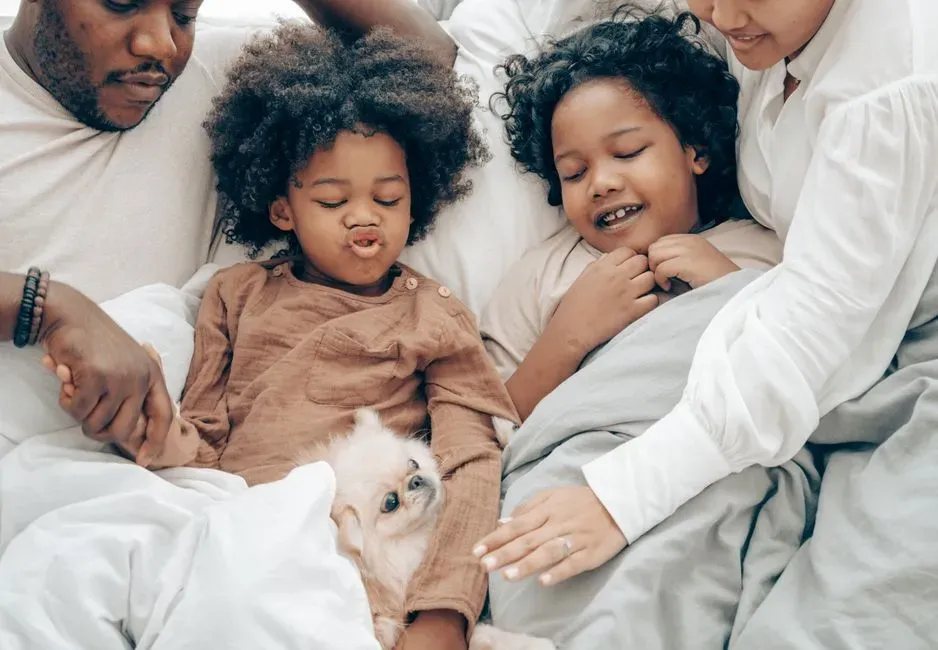
Bedtime becomes a joint wind down rather than a solitary one. The dog’s settling signals help cue the owner to slow their own breathing and release the day’s tension.
Morning routines adjust around the shared nest, with gentle disentangling instead of abrupt separation. These small patterns reinforce a sense of steady companionship that carries into other parts of the day.
Navigating the Practical Side
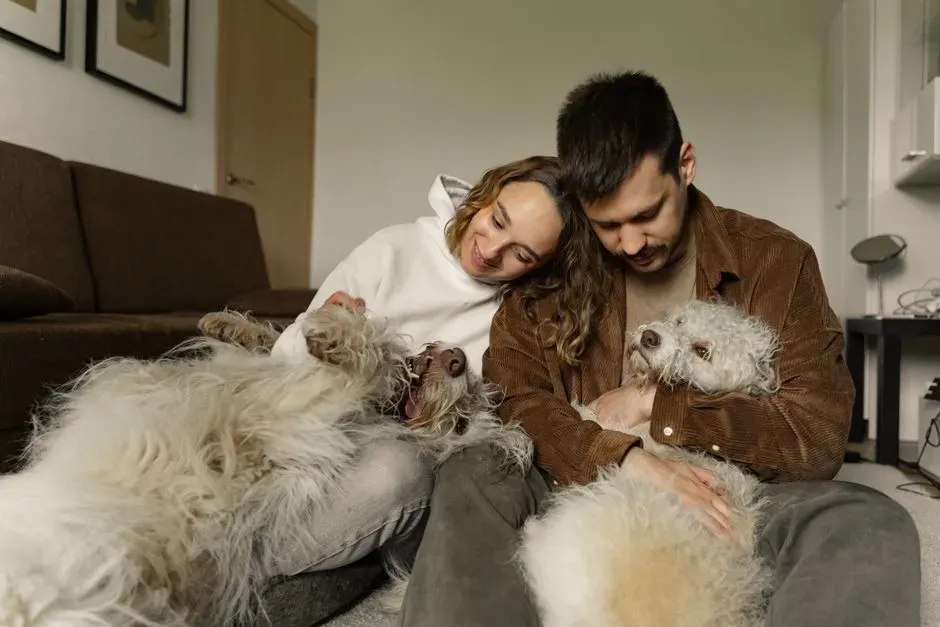
Allergies or restless sleepers sometimes test the arrangement, yet many find creative workarounds like dedicated blankets or slightly elevated pillows. The priority remains preserving the bond over perfect hygiene standards.
Veterinary advice on sleep positions and hygiene helps keep things balanced. Owners weigh these details against the emotional payoff of continued closeness.
A Subtle Marker of Relational Depth

In the end, this sleeping arrangement highlights a personality oriented toward generous connection rather than rigid independence. It favors presence and responsiveness over control of every detail.
People who choose it often carry that same openness into other relationships, human and otherwise. The trait feels rare because it asks for consistent emotional availability without demanding perfection in return. Over time it quietly reshapes what feels like home.


