
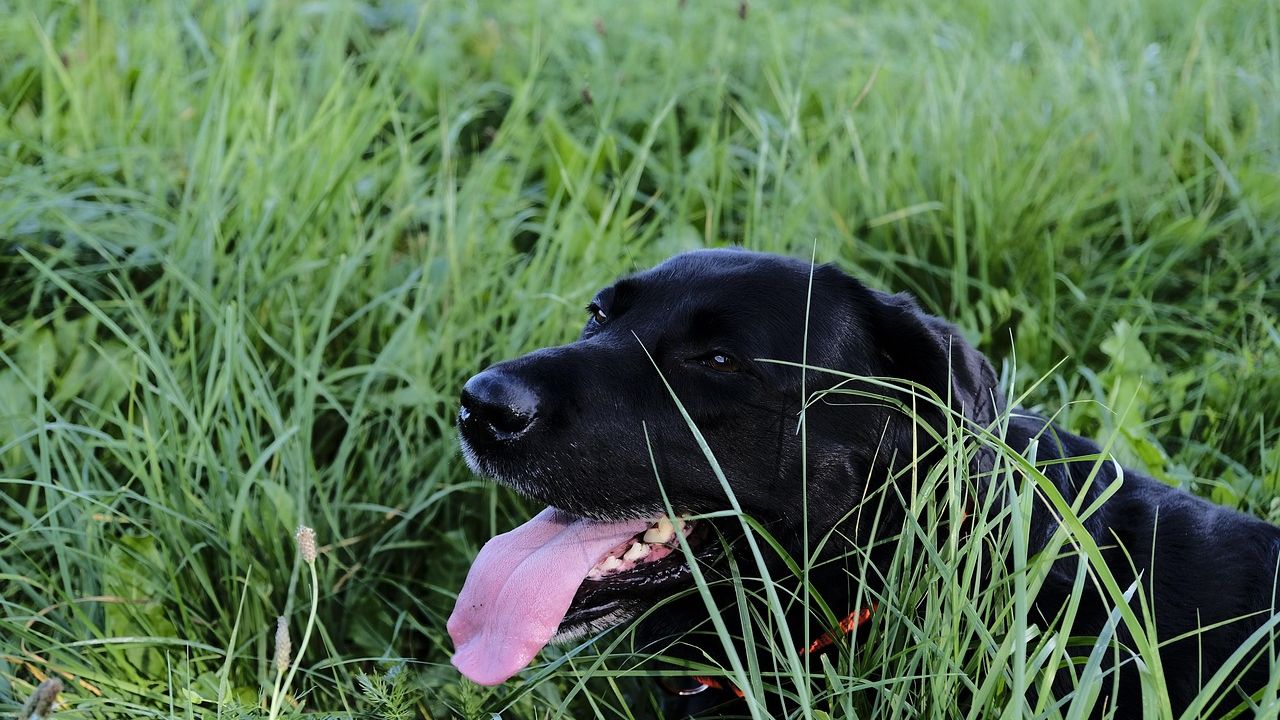
Loss of Appetite and Thirst
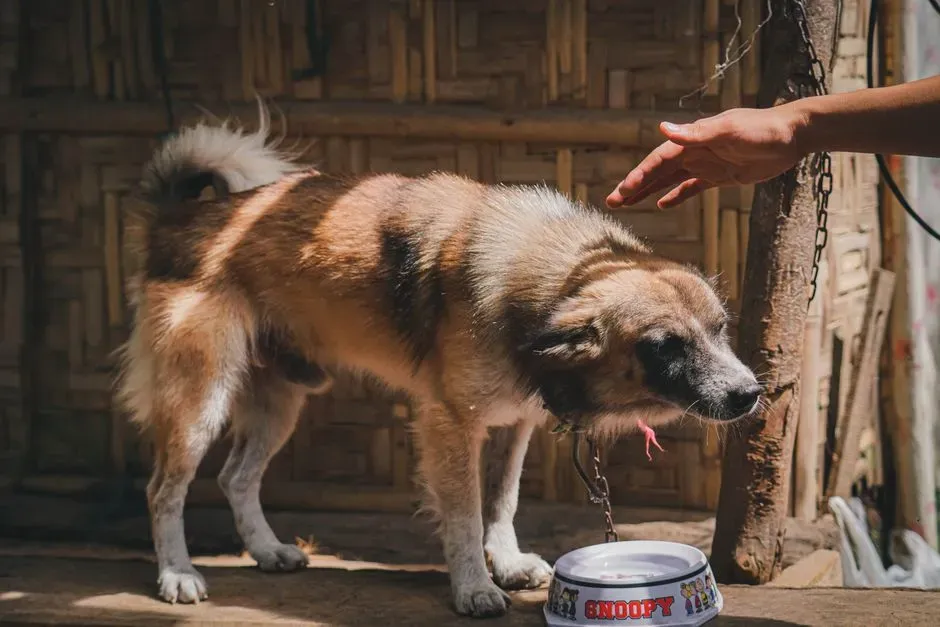
Senior dogs nearing the end often turn away from meals they once devoured with enthusiasm. They might sniff their bowl and walk off, or take only a few bites before losing interest entirely. This shift goes beyond a picky phase and tends to persist even when favorite treats are offered.
Water intake can drop at the same time, leaving them dehydrated and weaker. Owners sometimes try warming food or hand feeding, yet the refusal continues. When eating and drinking no longer appeal, it usually signals that vital systems are slowing down.
Extreme Lethargy and Weakness

A once energetic dog may now spend nearly all day sleeping or lying in one spot. Getting up becomes a struggle, and short walks turn into exhausting efforts that leave them panting heavily. Muscle tone fades, making every movement look labored.
Even favorite activities like greeting family at the door lose their pull. The dog seems content to stay put rather than follow loved ones around the house. This deep fatigue reflects a body that is conserving what little energy remains.
Incontinence or Loss of Bathroom Control
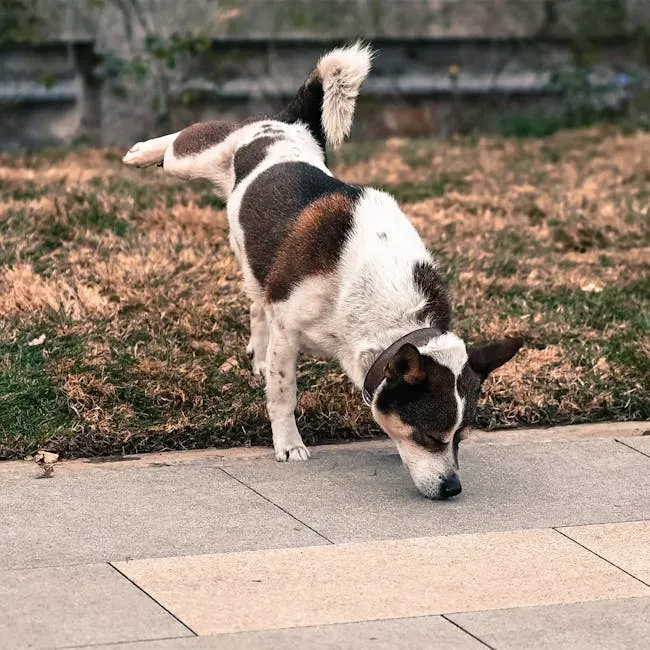
Accidents inside the house become more frequent as muscle control weakens. A dog that always waited by the door may now soil their bed without seeming to notice. Cleaning up turns into a daily routine that leaves everyone feeling helpless.
Some dogs appear embarrassed or uncomfortable afterward, while others show no awareness at all. Persistent incontinence often points to declining organ function and overall physical decline. It removes dignity that many dogs value deeply.
Labored or Irregular Breathing
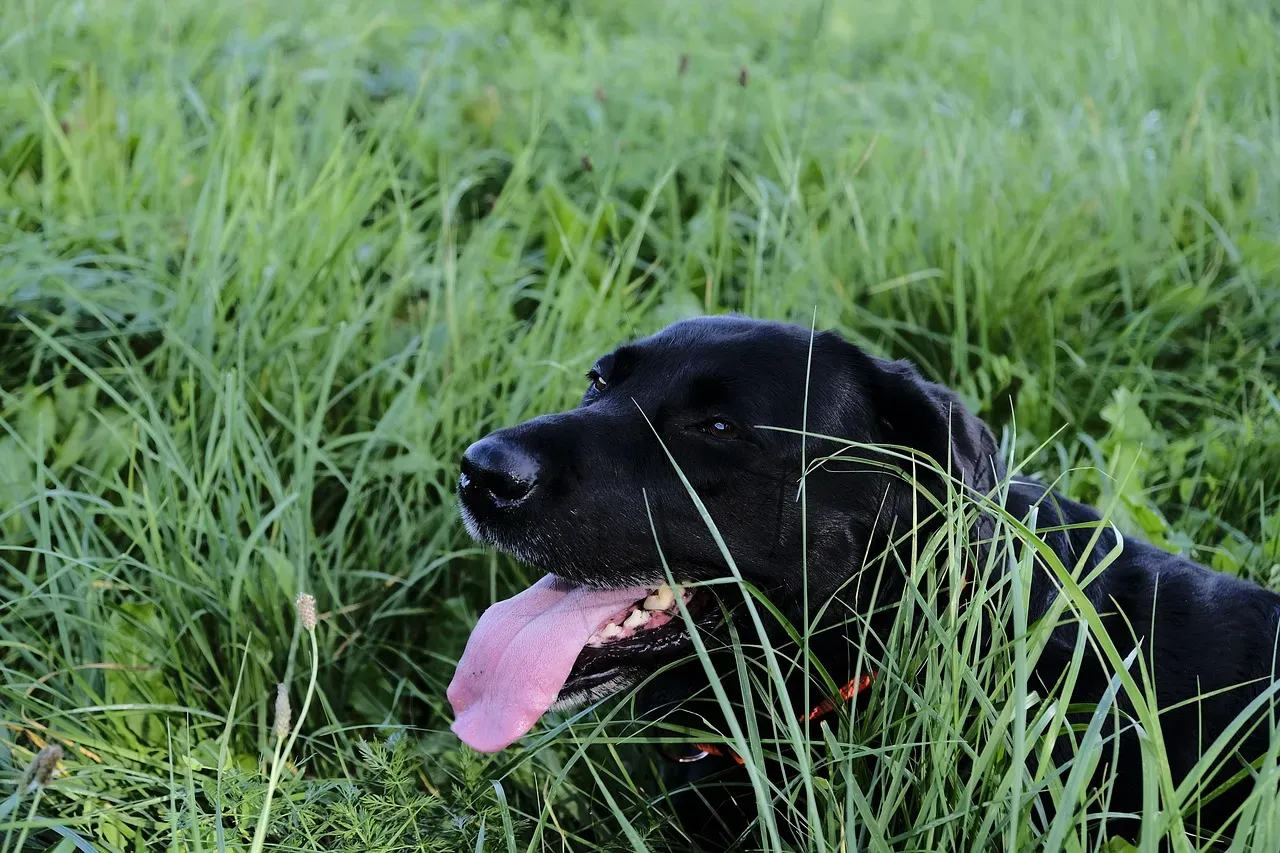
Breathing patterns change noticeably in the final stages. You might hear longer pauses between breaths or see the chest working harder with each inhale. Panting can occur even when the dog is resting quietly.
These shifts sometimes come with restlessness as they try to find a comfortable position. Owners who listen closely often pick up on the difference from normal senior breathing. Such changes deserve prompt veterinary attention to rule out treatable issues or confirm end of life care needs.
Withdrawal From Family Interactions

Many dogs start seeking solitude instead of curling up beside their people. They may move to another room or turn their head away during gentle pets. This is not sudden rejection but rather a need for peace.
Others become unusually clingy, following closely yet without their usual playful spark. Either extreme signals that normal social joy has faded. Watching these patterns helps owners understand how much their companion is still engaging with the world.
Unmanaged Pain or Discomfort
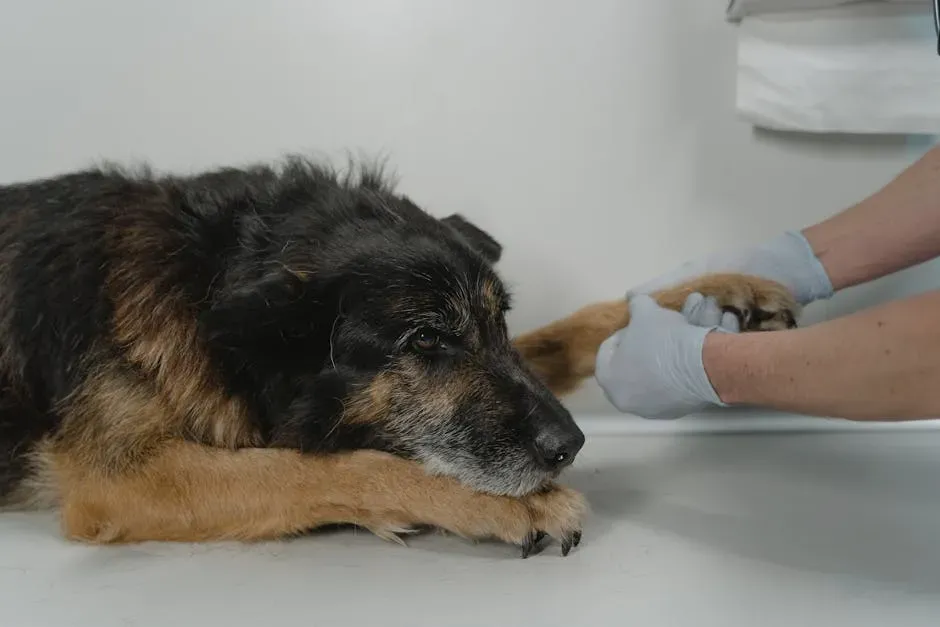
Even with medication, some dogs show ongoing signs of pain through panting, shaking, or guarding certain areas. They may cry out softly when touched or struggle to settle into any position. Restlessness at night often increases as discomfort builds.
Veterinarians can adjust pain protocols, yet when relief stays out of reach the quality of life drops sharply. Owners notice their dog no longer relaxes fully or enjoys simple touches. Persistent discomfort is one of the clearest reasons to discuss options openly with a trusted vet.
Rapid or Noticeable Weight Loss

Weight can drop quickly even when food is still offered regularly. Ribs and spine become more visible under thinning fur. This loss stems from reduced eating combined with the body using up reserves faster.
Owners who weigh their dog regularly see the numbers fall despite efforts to tempt appetite. The change affects energy levels and immune strength further. It serves as a visible marker that the body is no longer maintaining itself well.
Confusion or Disorientation
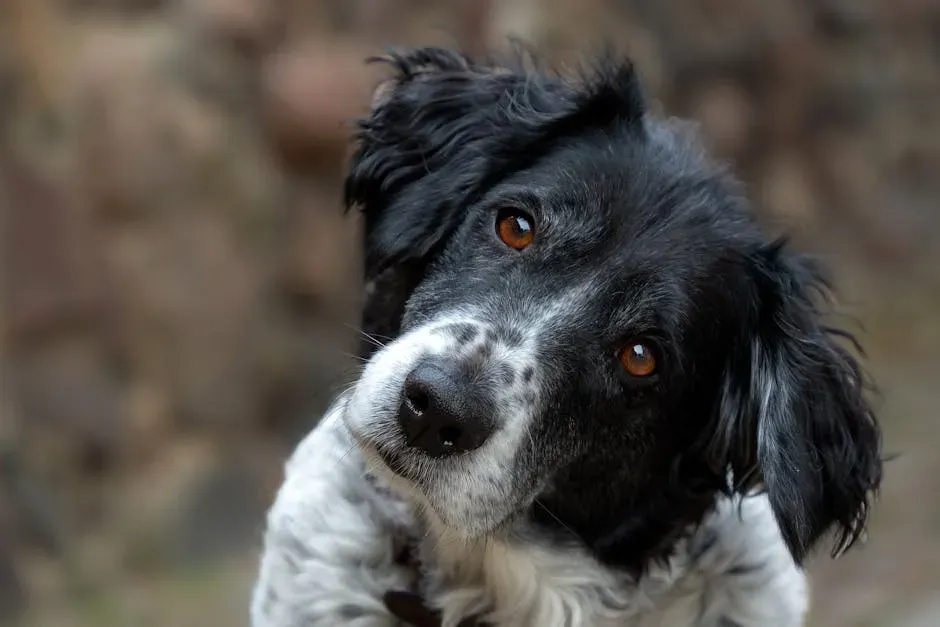
Cognitive changes appear as pacing, staring into corners, or failing to recognize familiar people. Nighttime restlessness or sudden barking at nothing can increase. These moments leave both dog and owner unsettled.
Some dogs wander aimlessly or get stuck behind furniture they once navigated easily. The confusion adds stress on top of physical decline. It often marks a broader fading of awareness that affects daily comfort.
More Bad Days Than Good Ones

Keeping a simple journal of good versus difficult days reveals the overall trend. When bad days outnumber the others for weeks, the balance tips toward suffering. Small pleasures like short outings or favorite toys no longer bring visible joy.
Owners who track this pattern gain clarity on when comfort measures alone are no longer enough. The shift feels gradual until one day the contrast becomes impossible to ignore. At that point many decide it is time to prioritize peace over prolonged struggle.
Making the choice to let a senior dog go is never simple, yet it remains one of the most compassionate acts an owner can offer. Trusting your observations while working closely with a veterinarian helps ensure the timing reflects genuine care rather than fear or guilt. In the end, honoring their quiet signals allows them to leave with dignity intact.


