
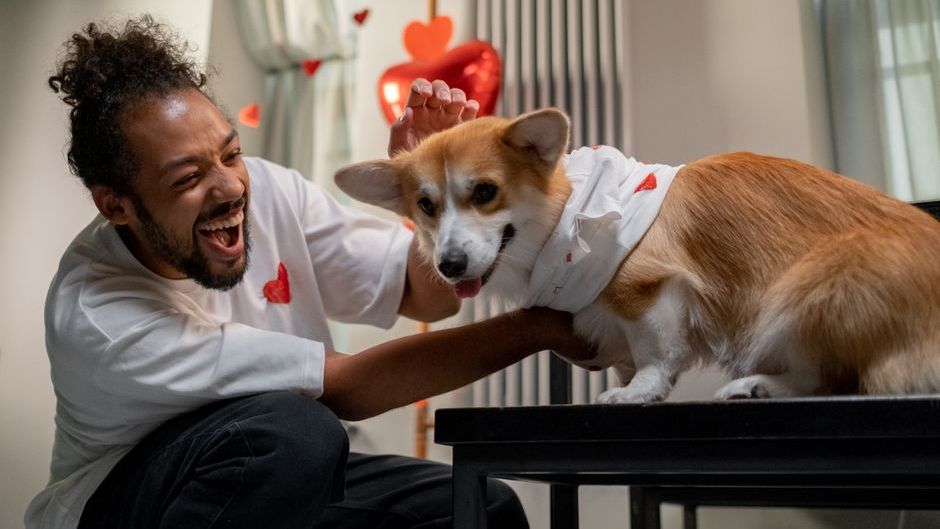
Picture settling into your favorite chair after a long day, your dog curling up beside you without a sound. Before long, something subtle shifts in the room. Your breathing slows, and so does theirs. It feels almost too simple to be true, yet recent research points to a deeper connection at work.
This quiet alignment goes beyond mere coincidence. Studies tracking heart rate variability reveal how closely bonded dogs tune into their owners during calm moments, reflecting rhythms that speak to attachment and shared emotional states.
The Deep Roots of Human Dog Attachment
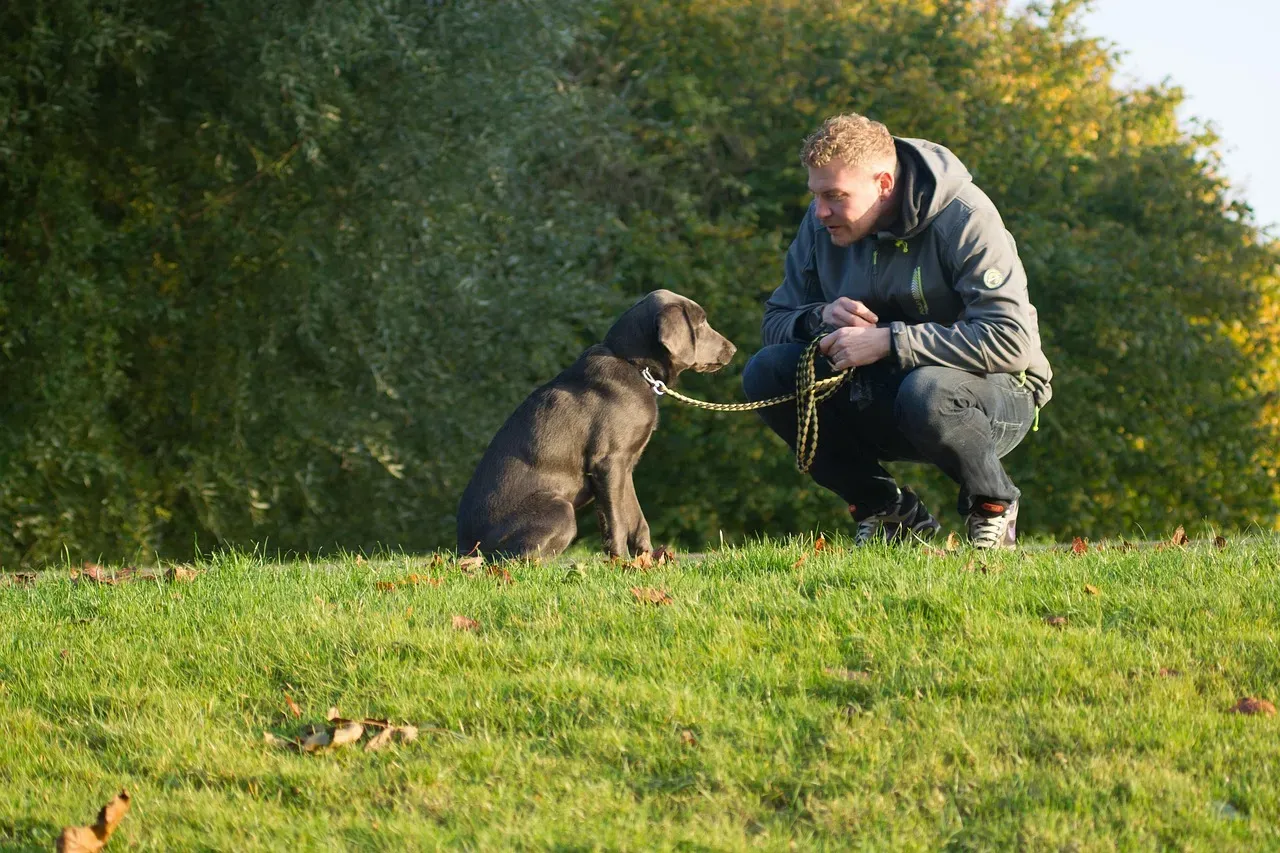
Dogs have lived alongside humans for thousands of years, evolving alongside us in ways that go far beyond simple companionship. Their ability to read our cues stems from this long shared history, where survival often depended on understanding each other’s signals. Attached dogs in particular develop a sensitivity that allows them to pick up on subtle changes in our physiology.
This bond resembles the connections seen in parent child relationships, where one party mirrors the other’s calm or distress. When owners feel secure, their dogs often settle into matching patterns of ease. Such mirroring strengthens over time through consistent daily interactions and mutual trust.
Exploring Heart Rate Variability as a Window into Sync
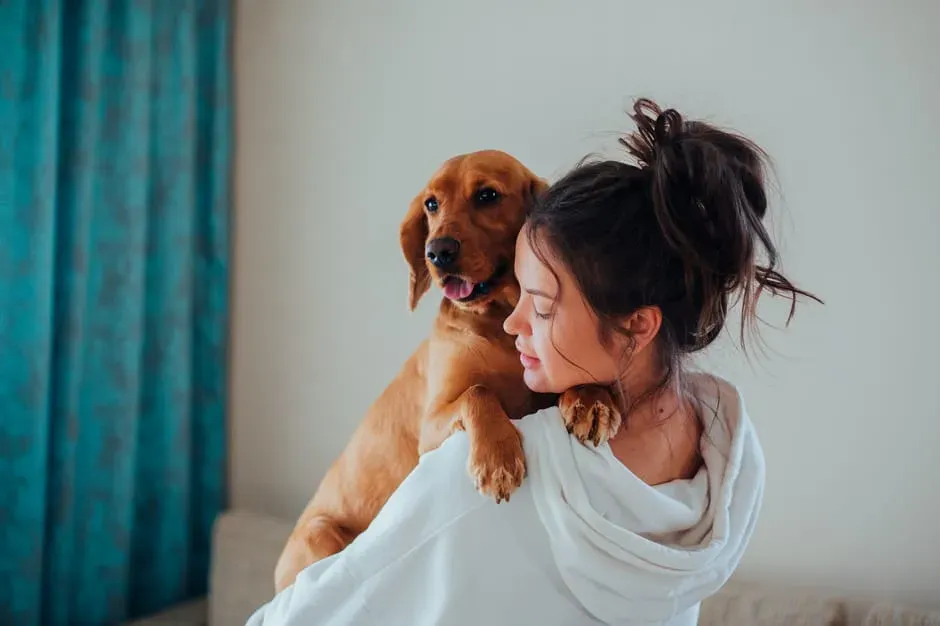
Heart rate variability measures the natural fluctuations between heartbeats, offering insight into how relaxed or stressed someone feels. In paired studies, researchers attached monitors to both dogs and owners during quiet periods. The data showed clear overlaps in these variability patterns when the pair relaxed together.
Higher variability typically signals better recovery and calm. Dogs whose owners maintained steady rhythms during rest displayed similar profiles themselves. This physiological link appears strongest in pairs with established attachment histories rather than casual acquaintances.
Respiration Patterns That Follow the Same Path
Breathing often serves as an anchor for relaxation, and dogs seem to fall into step with their owners here too. Slower, deeper breaths from a person can prompt a dog to adjust its own pace without any conscious effort. Observations during restful sessions highlight how these rhythms align naturally over minutes.
The effect ties into broader emotional contagion, where one’s state influences the other. Attached dogs use this cue to stay in tune, creating a feedback loop that reinforces mutual calm. It happens most noticeably when external distractions fade away.
What Recent Research Reveals About These Rhythms
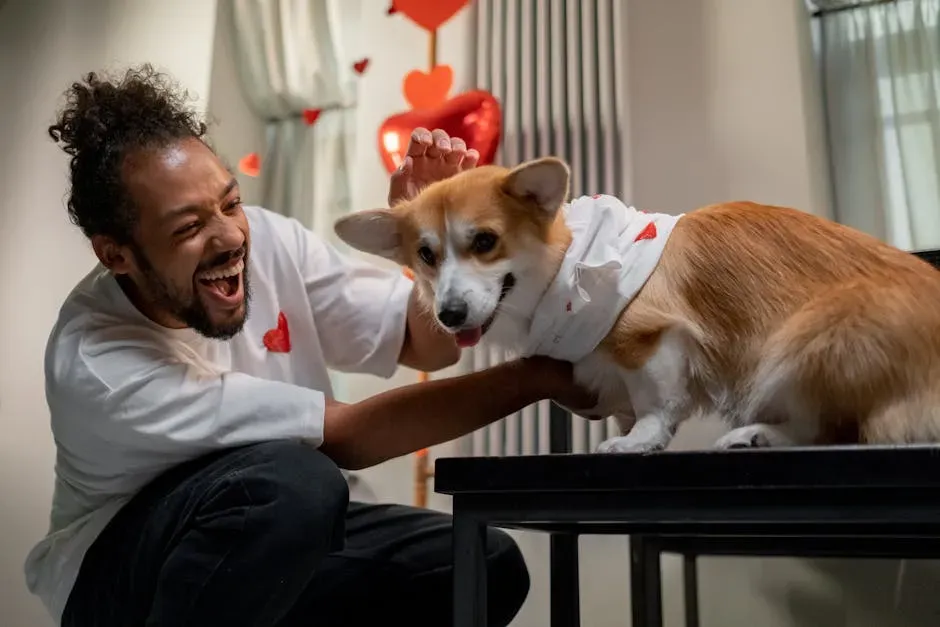
A 2024 study published in Scientific Reports examined co modulation between dogs and owners using heart rate monitors across different activities. During baseline relaxation phases, the heart rate variability of dogs predicted that of their owners to a meaningful degree. Activity levels played a smaller role in these quiet moments compared with direct interaction tasks.
Researchers noted that ownership duration and interaction quality influenced the strength of the link. Pairs who spent more relaxed time together showed tighter synchronization overall. These findings build on earlier work showing stress level mirroring but focus specifically on positive, low arousal states.
Factors That Strengthen or Weaken the Mirroring Effect

Breed tendencies and individual temperament play roles in how readily a dog syncs with its owner. Cooperative breeds often display more pronounced alignment during calm periods. Longer shared living arrangements also tend to deepen the physiological connection through repeated exposure.
Owner mood and consistency matter equally. When people maintain steady breathing and low arousal, dogs respond in kind more reliably. Disruptions like sudden noises or inconsistent routines can interrupt the flow temporarily until calm returns.
Practical Ways Owners Can Encourage Healthy Synchronization
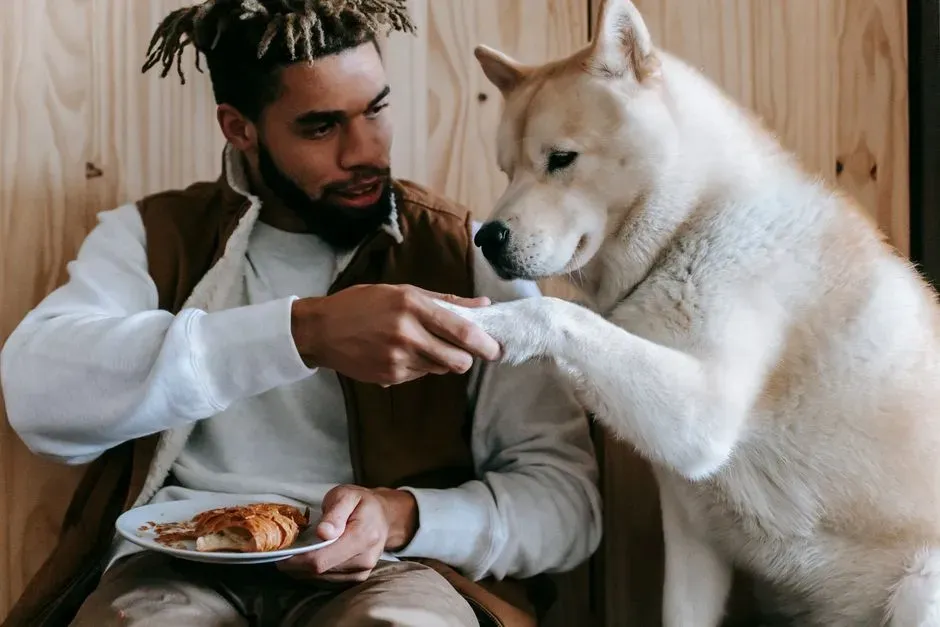
Simple habits support this natural mirroring without much extra effort. Setting aside dedicated quiet time each day allows both parties to settle into shared rhythms. Gentle petting or just sitting nearby often enhances the effect during these windows.
Paying attention to your own breathing provides an easy starting point. Dogs pick up on these cues quickly when attachment is already present. Over weeks, such practices can make relaxation sessions feel more restorative for everyone involved.
Looking Ahead at the Bond Between Species
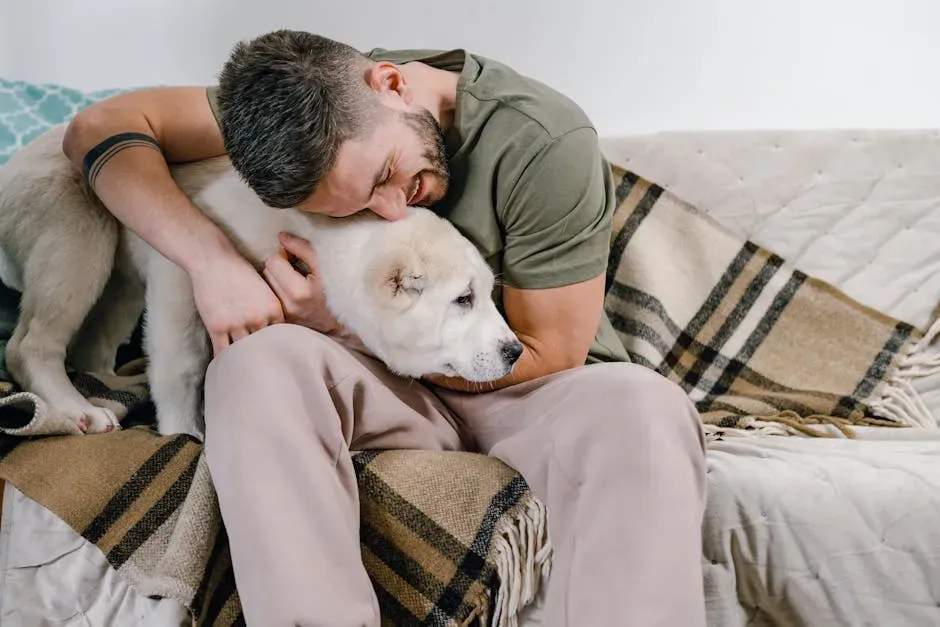
This physiological mirroring underscores how dogs serve as emotional barometers in our lives. Recognizing the link invites owners to approach restful moments with greater awareness of their own state. The result often feels like a quiet partnership that benefits both sides over time.
Ultimately, these findings remind us that strong attachments create ripple effects reaching into the body itself. Cultivating calm together may be one of the simplest gifts we can offer our dogs in return for their constant presence.


