
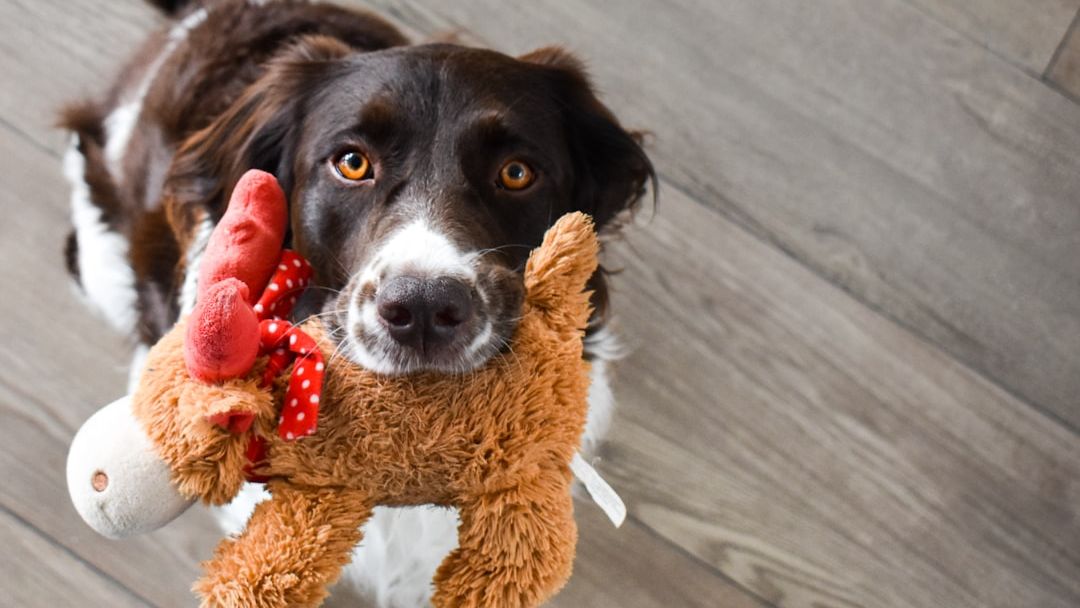
Observing the Behavior Up Close
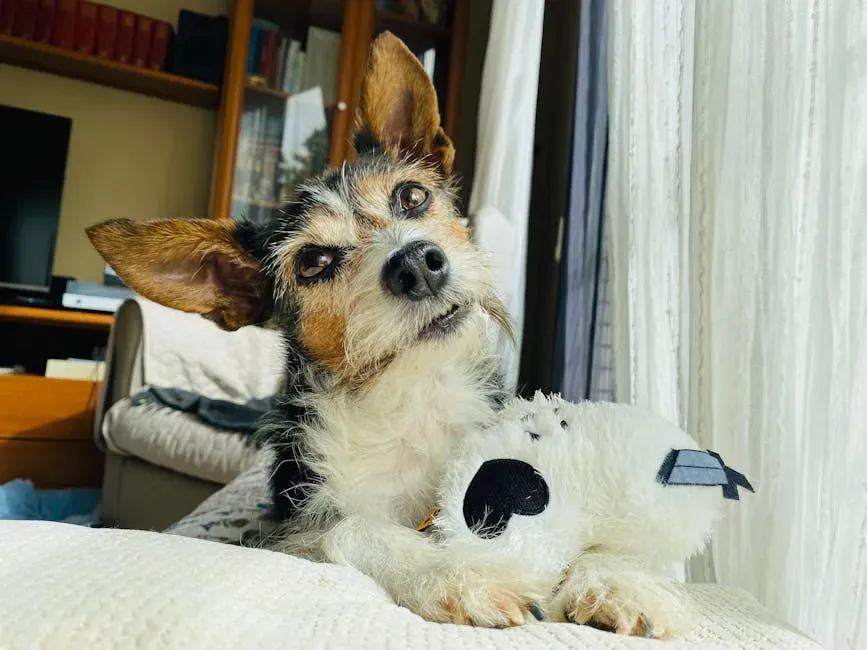
Dogs often pick up on subtle changes in their person’s posture, breathing, and voice long before any tears appear. When the crying begins, the toy arrives quickly, placed nearby rather than waved around in excitement. This pattern repeats across different households and breeds, suggesting it is not random.
Owners frequently report that the dog stays close afterward, watching for any sign that the offering helped. The toy itself rarely gets thrown or chased in these moments. Instead it sits there as a quiet presence until the mood shifts.
Dogs and Emotional Awareness
Research into canine cognition shows dogs can distinguish between happy and sad human expressions with surprising accuracy. They respond differently to recordings of crying versus laughter, often approaching the source of distress with a calmer demeanor. This sensitivity likely stems from thousands of years living alongside people.
The behavior does not require complex reasoning on the dog’s part. It reflects a basic ability to read social cues and act on them in ways that have proven useful in the past. Over time the dog learns which actions seem to ease tension in the household.
Toys Linked to Positive Associations
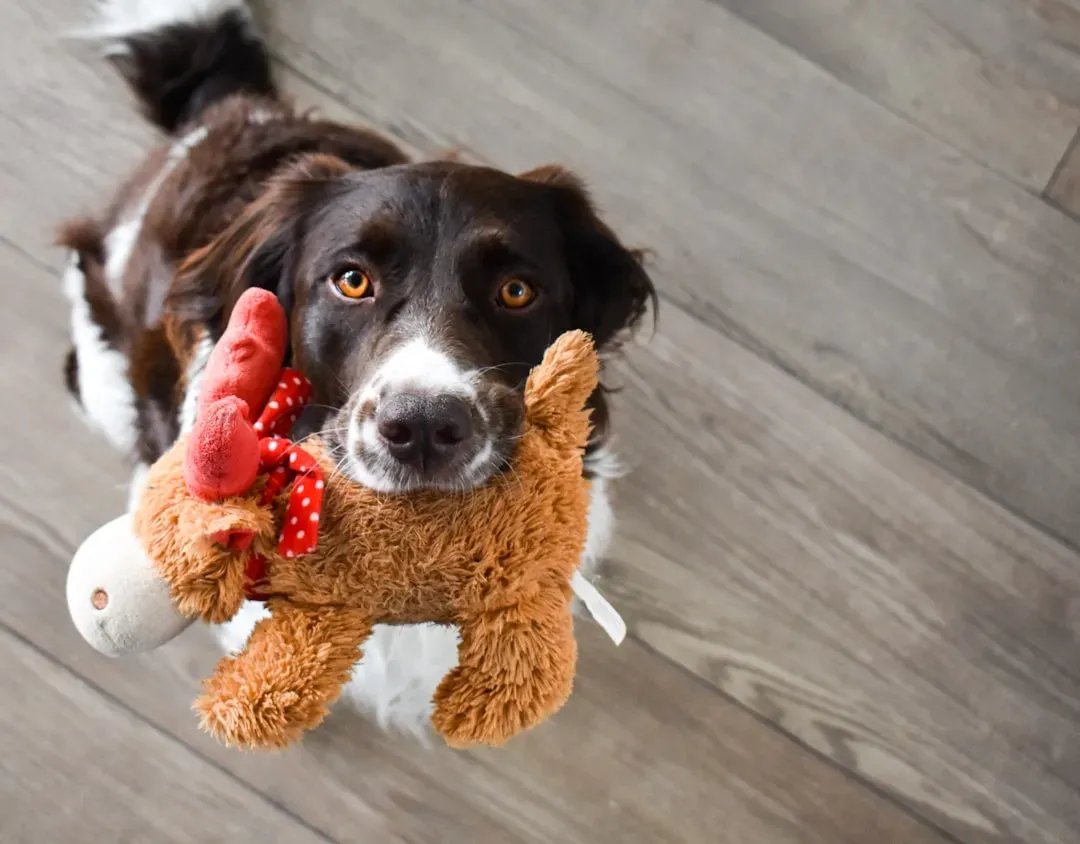
For many dogs a favorite toy carries strong memories of shared play, treats, and affection. Bringing that object forward may be their way of extending the same comfort they associate with it. The item becomes a bridge between their own calm state and the person’s distress.
This connection forms through repeated positive experiences rather than any deliberate plan. A dog does not analyze the situation. It simply reaches for something familiar that has helped create good feelings before.
Offering Comfort in Their Own Way
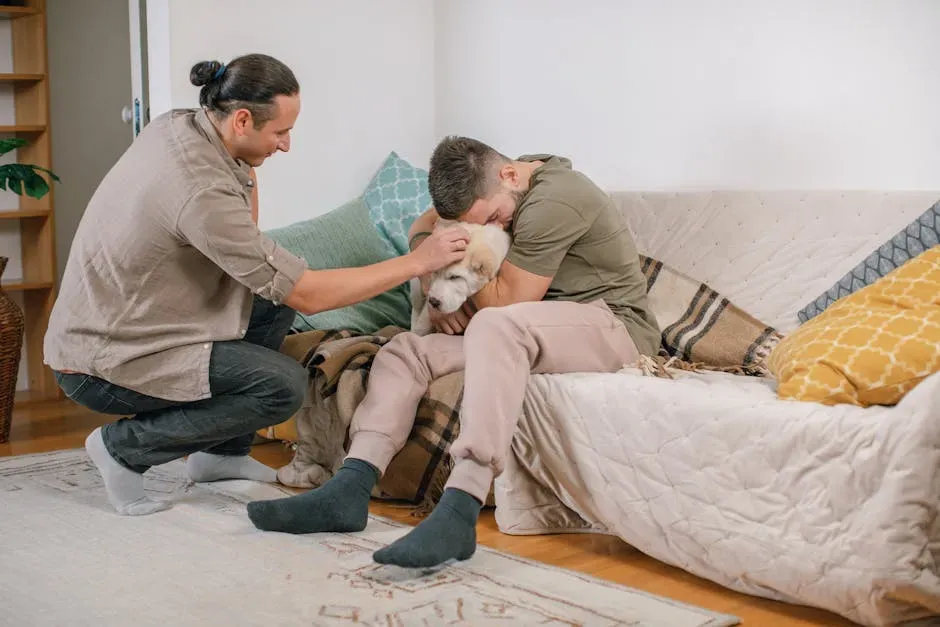
The gesture often functions as a form of social support rather than an attempt to distract. By placing the toy nearby the dog creates a small point of connection without demanding interaction. Some dogs even lie down beside the toy, mirroring a quiet presence that many people find soothing.
This approach aligns with how dogs comfort one another in packs, through proximity and shared objects instead of words. The result can feel surprisingly effective even when the owner does not fully understand the intent behind it.
Why It Is Not About Starting a Game
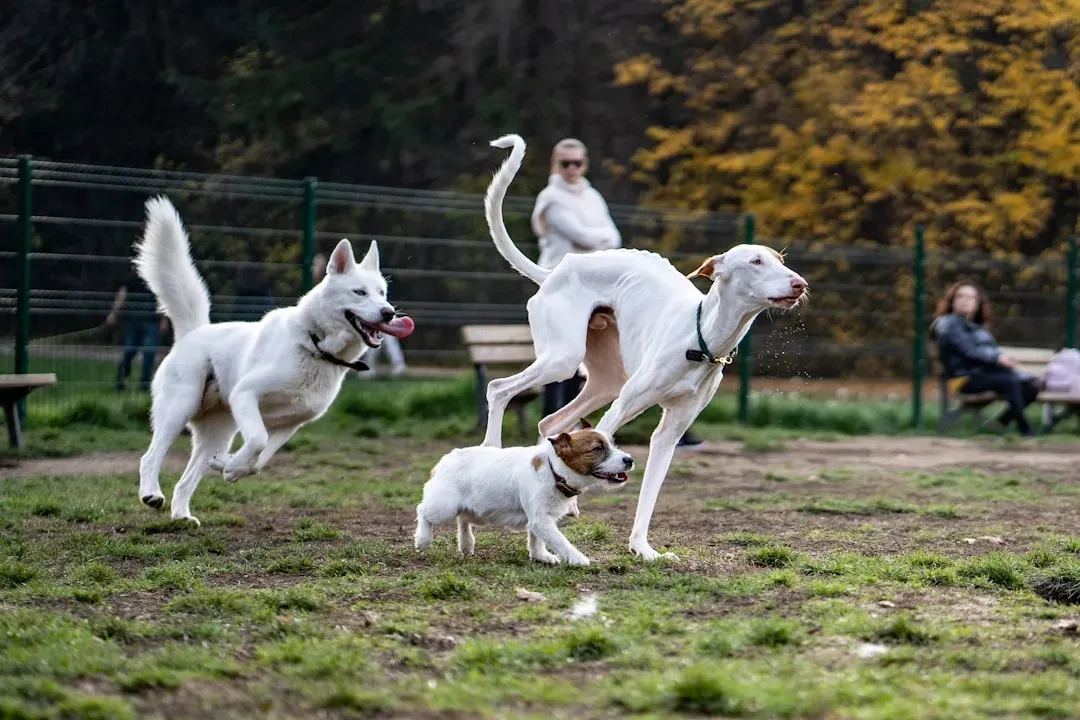
When the same dog brings a toy during happy moments, the energy looks entirely different. Tails wag broadly, eyes brighten, and the toy gets pushed forward with clear invitation. In contrast, the crying scenario features slower movements and a more tentative placement.
Owners who try to engage in play during these times often find the dog loses interest quickly. The focus stays on the person rather than the activity. This distinction points to a different motivation altogether.
The Science Behind Canine Empathy
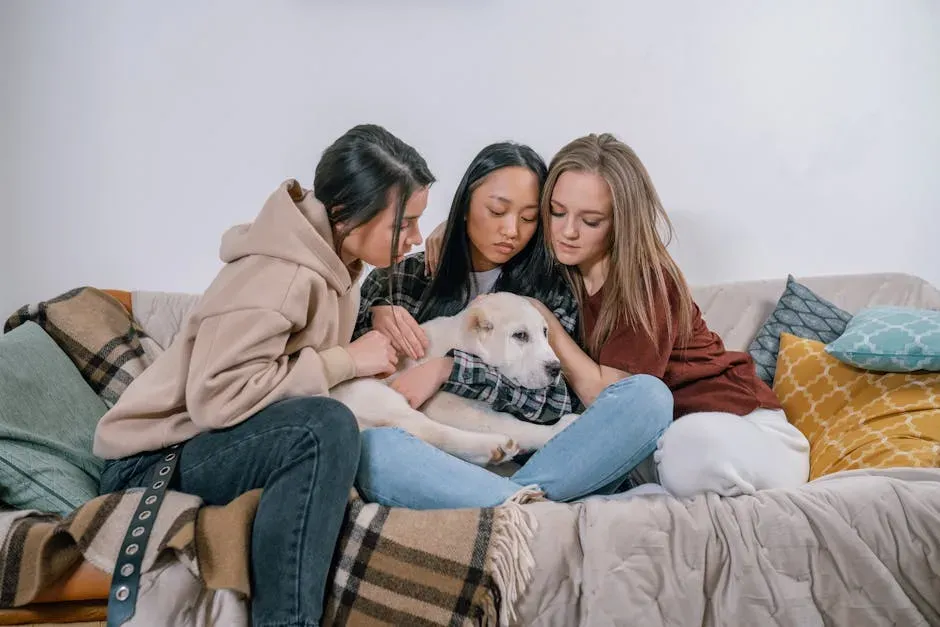
Studies on dog human interactions reveal measurable changes in stress hormones when dogs witness their owners in distress. Heart rates can rise, and some dogs seek out familiar objects as a way to self soothe while staying near the person. The toy may serve both the dog and the owner in these moments.
Empathy in dogs appears rooted in basic emotional contagion rather than advanced perspective taking. They feel the shift in the room and respond with behaviors that have worked in similar situations before. Over generations this trait has strengthened through close companionship with humans.
Embracing These Quiet Moments of Connection
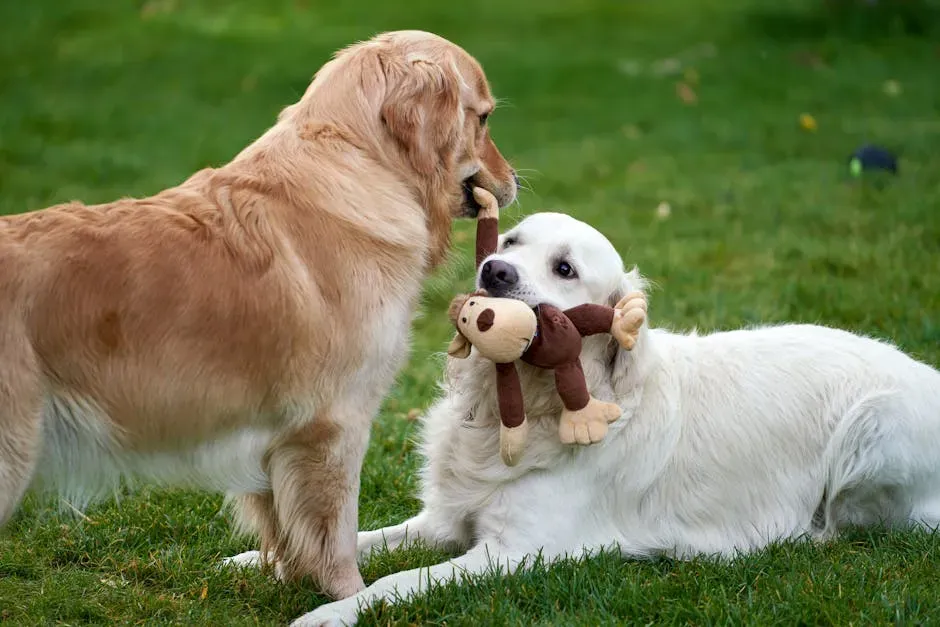
Recognizing the deeper meaning behind the toy can change how owners respond to their dogs during tough times. Instead of assuming a request for play, a gentle thank you or soft pat acknowledges the effort. The relationship gains another layer of quiet understanding.
These small acts remind us that dogs navigate the world through presence and shared routines rather than explanations. Paying attention to them strengthens the bond in ways that feel mutual and lasting. In the end the toy is less about fixing the moment and more about staying present through it.


