

Picture this. Your dog is curled up on the couch, breathing steady, when suddenly a soft whimper escapes. Then another. The sound tugs at your heart, and you wonder if something is wrong. Many owners jump to the same conclusion at first.
Yet the explanation turns out to be far more ordinary, and more fascinating, than most people assume. What looks like distress often reflects something entirely different happening inside that sleeping mind.
The Familiar Pattern of Canine Rest
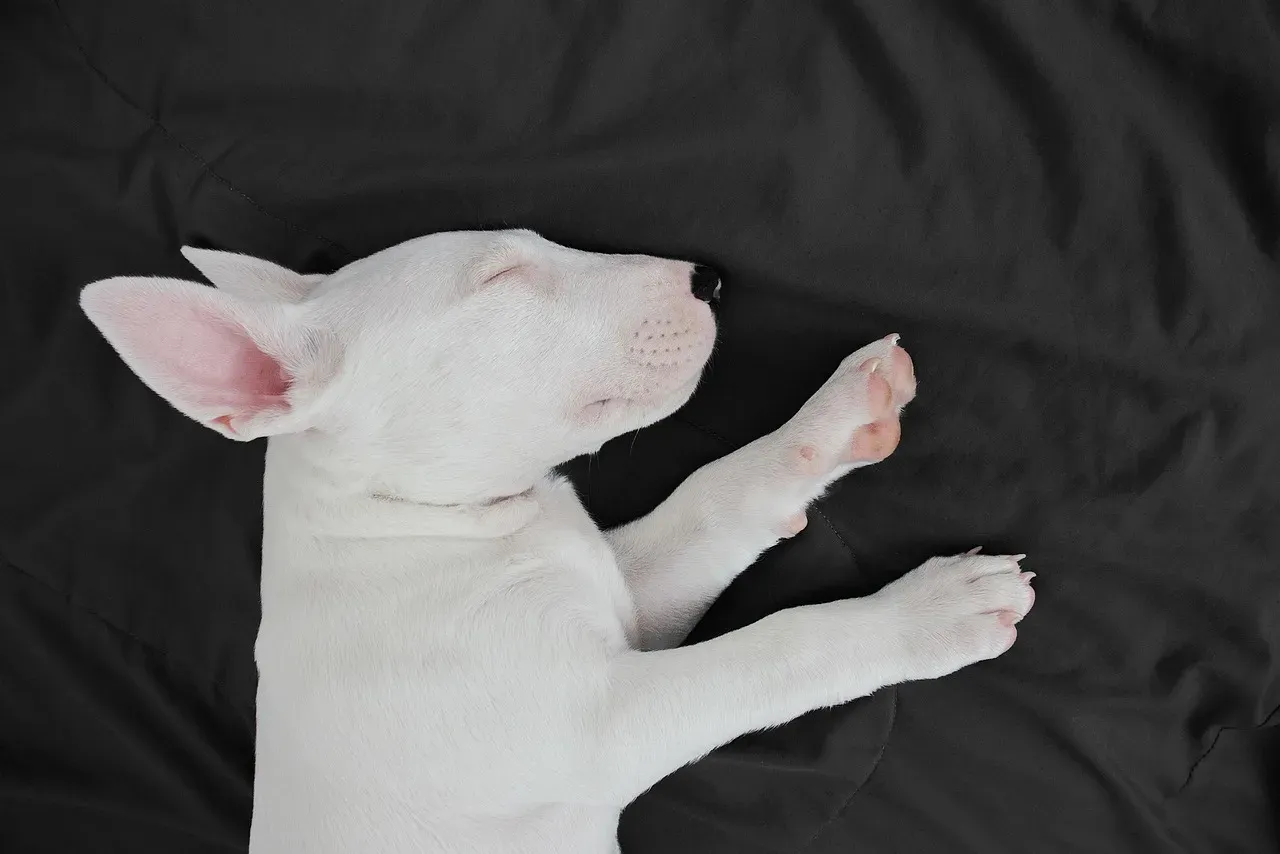
Dogs move through sleep stages much like people do. They settle into light sleep first, then deeper slow wave periods before reaching the active phase known as REM. During REM their brains show patterns of heightened activity that mirror waking moments.
Breathing can grow irregular. Eyes dart beneath closed lids. Small twitches ripple through paws or legs. These signs appear consistently across healthy dogs of many breeds and ages. The cycle repeats several times each night, with REM episodes lasting just a few minutes at a time.
Why Vocalizations Appear During Those Moments

The sounds owners hear often tie directly to brain activity in that REM window. Dogs replay daily events in their minds, whether chasing a ball, greeting a family member, or reacting to a loud noise from earlier. Those mental images trigger the same muscle responses and vocal cords that would activate while awake.
A short cry or whine simply marks an emotional spike inside the dream. It does not always signal fear or discomfort. Some dogs even produce happy sounding yips when the dream involves play or food. The key difference lies in timing. These noises stay confined to sleep and vanish once the dog wakes fully.
Shifting Away from Older Assumptions

For years many explanations centered on physical pain or hidden medical issues. Owners and some professionals worried that crying meant arthritis flaring or an upset stomach. Those concerns make sense when a dog shows the same sounds while awake or during position changes.
Closer observation of brain waves and muscle tone during sleep has changed the picture. The vast majority of cases line up with normal dreaming rather than ongoing discomfort. Only when the behavior continues after waking or pairs with other symptoms does a vet visit become the next step.
How Breed and Age Influence the Experience
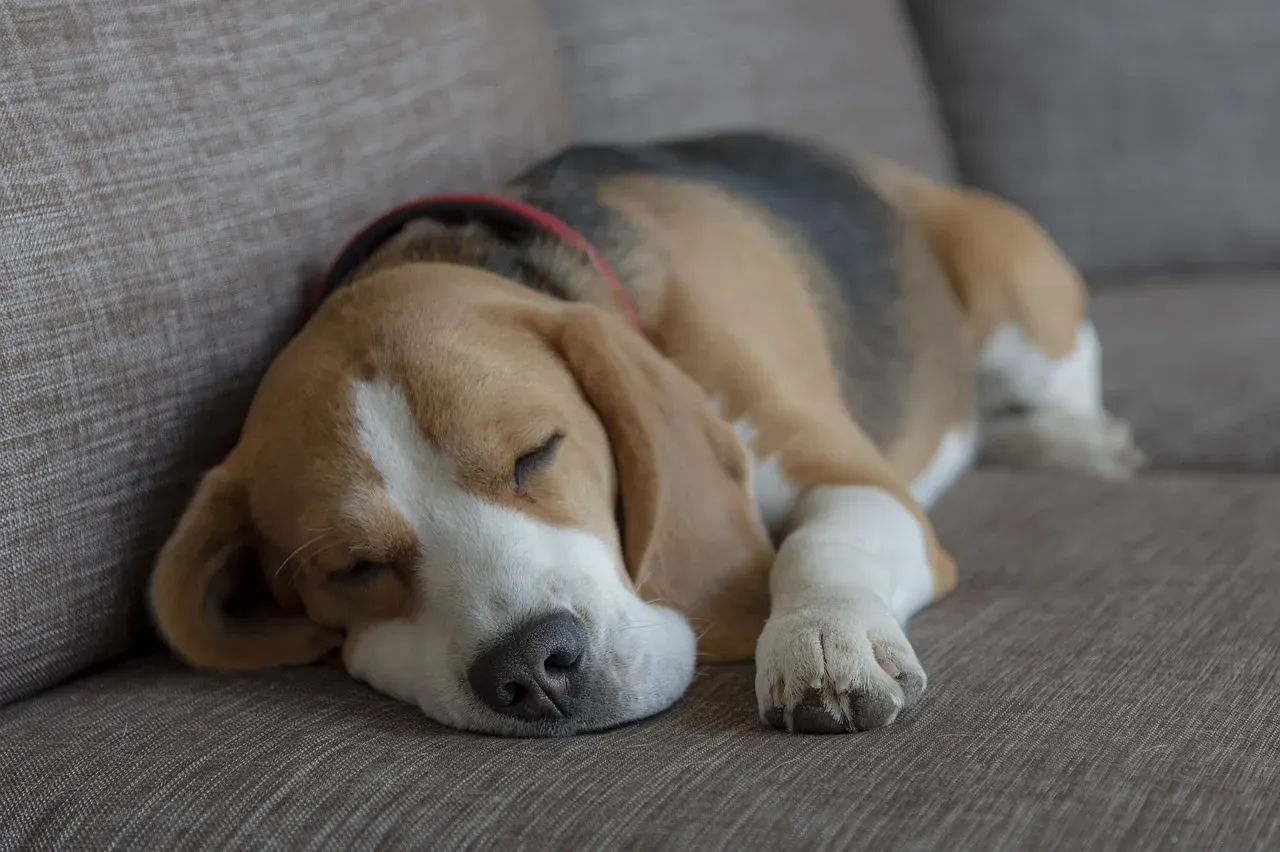
Puppies and younger dogs spend more time in REM sleep, which means more opportunities for vocal moments. Their developing brains process new sights and smells from each day, leading to lively dream sequences. Older dogs may show fewer episodes as their sleep patterns shift with age.
Working breeds or those with high energy levels often display stronger physical reactions too. A herding dog might paddle its legs more vigorously while a lap dog stays quieter. Individual personality plays a role as well, with some dogs simply more expressive in every state of being.
Practical Steps for Concerned Owners

Watch the full picture rather than reacting to isolated sounds. Note whether the dog settles quickly after the episode or shows signs of unease once awake. Keep a simple log of timing and any recent changes in routine or diet.
Most experts advise against waking a dreaming dog abruptly. Gentle observation usually reveals the behavior as harmless. If new symptoms appear during daylight hours, such as reluctance to move or changes in appetite, professional advice helps rule out other causes.
Understanding the Emotional Layer
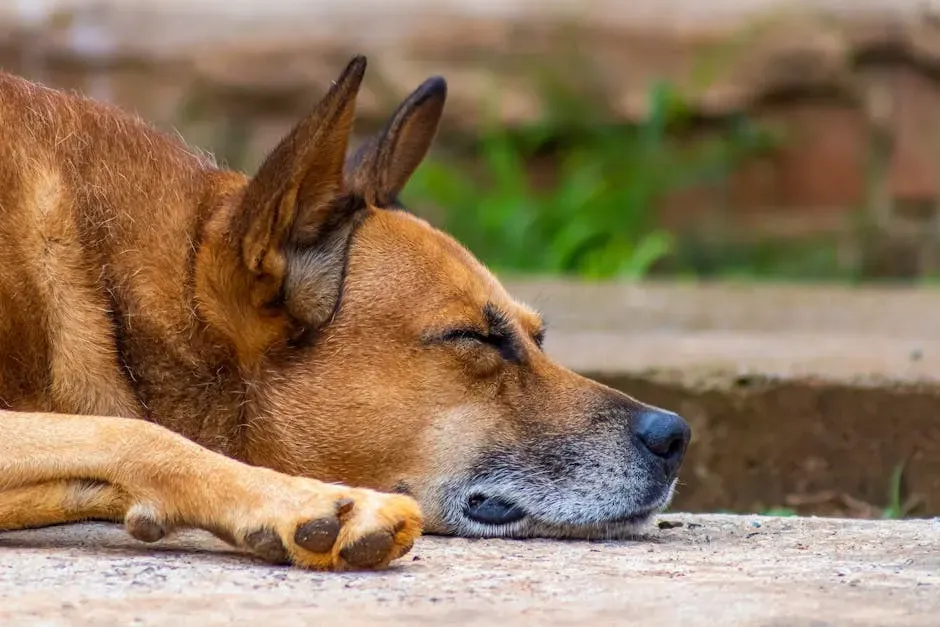
Dogs form strong attachments and carry daily feelings into rest just as people do. A day filled with visitors or a long walk can translate into animated dreams later. The cries reflect that emotional processing rather than any deliberate call for help.
This connection highlights how closely canine minds resemble our own in fundamental ways. It also explains why the same dog might cry one night and sleep silently the next. Context from the preceding hours often provides the missing piece.
Embracing a Gentler View of Nighttime Sounds
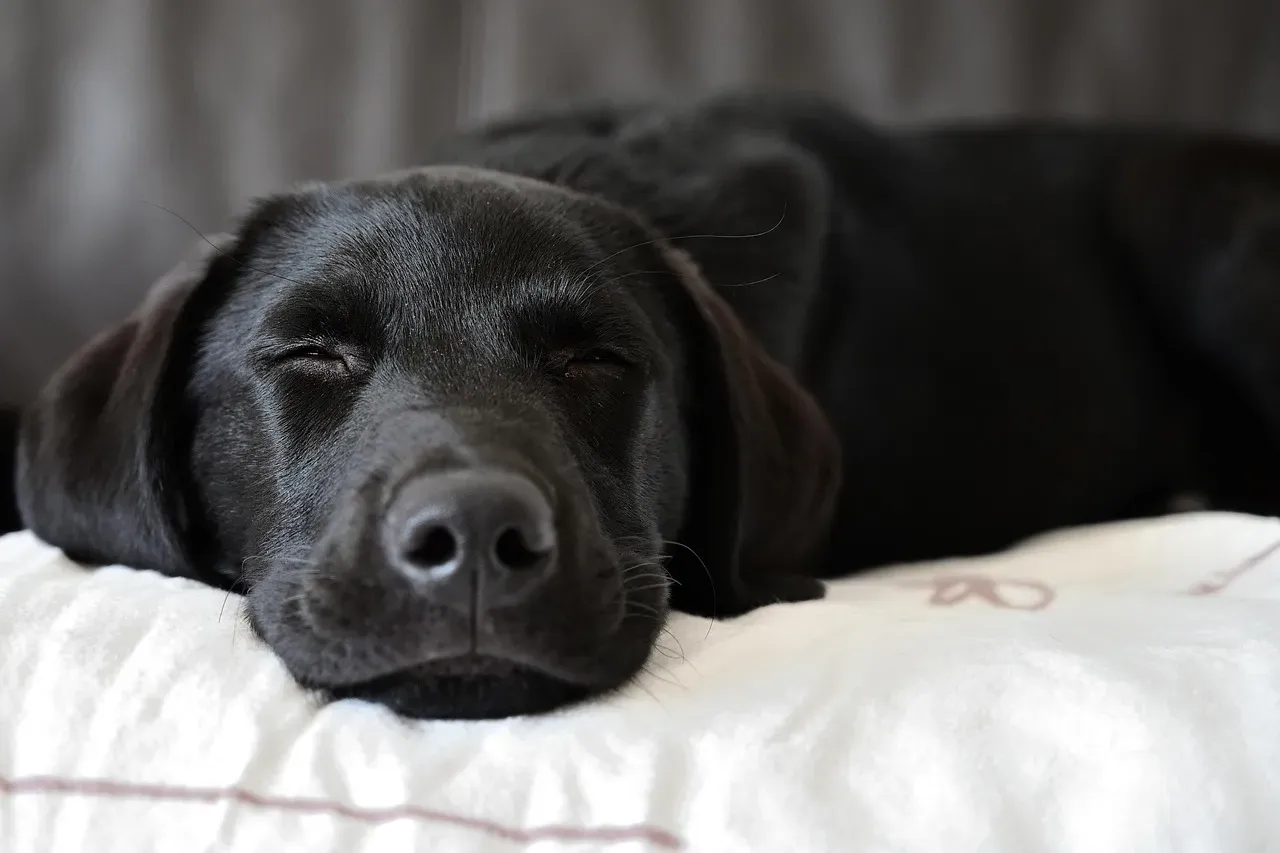
Recognizing dreams as the main driver invites a calmer response from owners. Instead of worry, many now feel a quiet sense of connection when those soft noises arise. The dog is simply living out its day in private, much like anyone else settling in for the night.
This shift in understanding reminds us that our pets experience rich inner lives even when their bodies stay still. Paying attention without overreacting strengthens the bond and keeps both sides resting easier. In the end, those cries often mark nothing more than an active imagination at work.


