
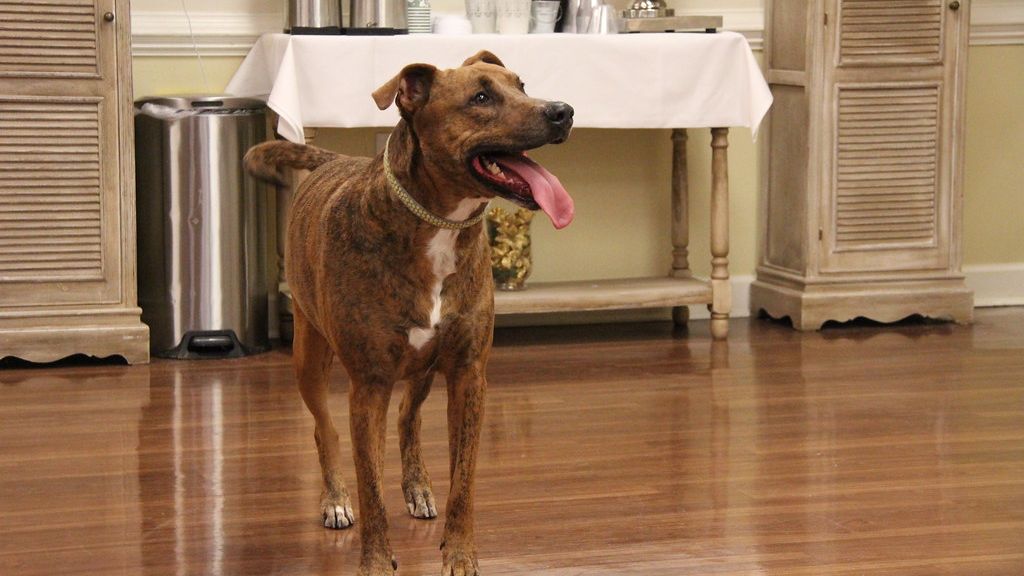
Physical Discomfort Often Lies at the Root
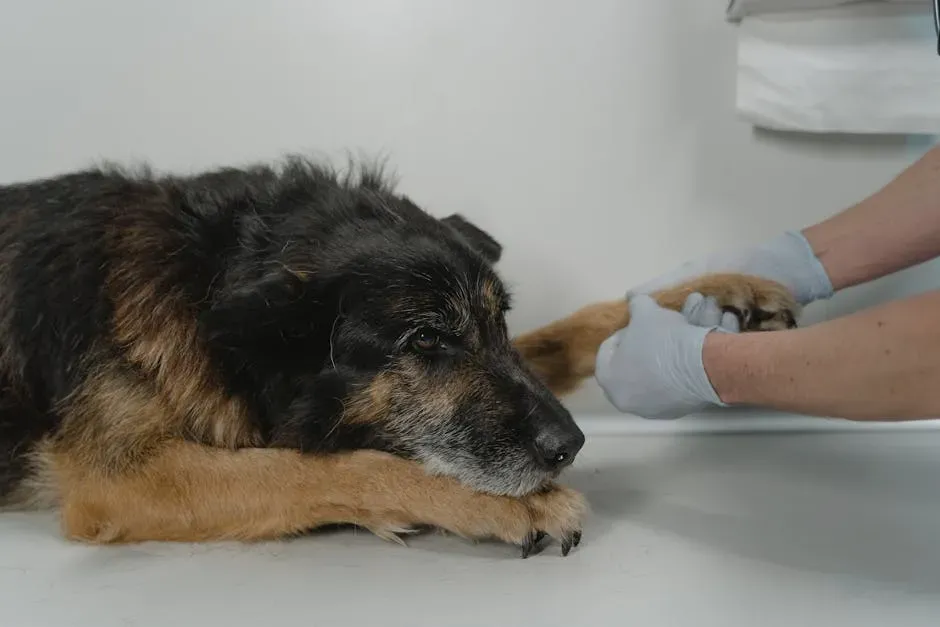
A sudden drop in door greetings frequently traces back to some form of physical unease rather than any emotional slight. Dogs hide discomfort well, so the first noticeable sign often appears in routine behaviors like this one. Pain or illness can make the short walk to the door feel like too much effort.
Veterinary observations note that dogs experiencing internal issues tend to conserve energy by staying put. This change does not mean your bond has weakened. It simply signals that something inside needs attention before it worsens.
Joint Pain and Reduced Mobility Play a Major Role
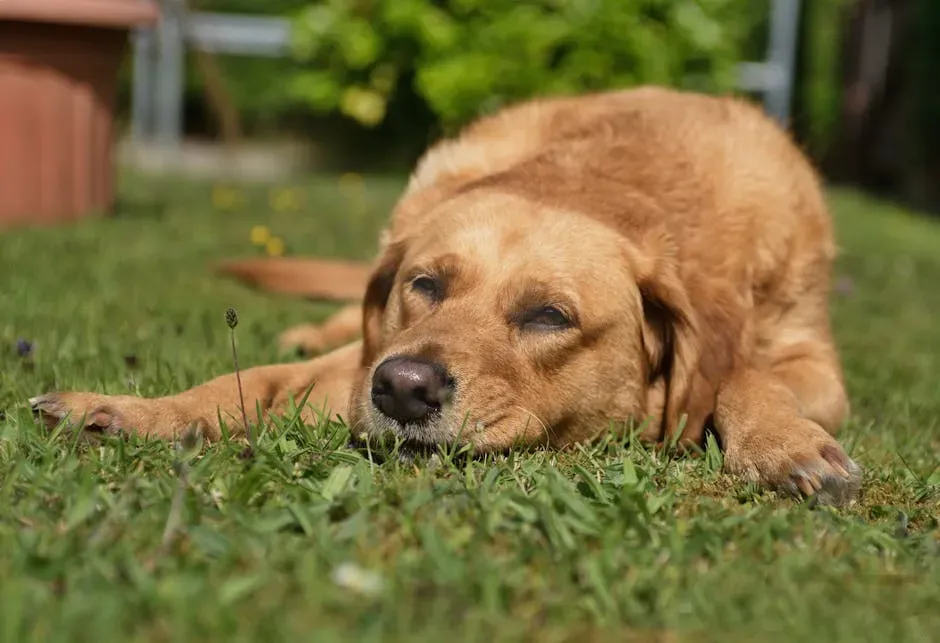
Arthritis or other joint conditions commonly affect older dogs and can turn a once eager greeting into a reluctant stay on the couch. Stiffness builds gradually, yet the impact on daily rituals shows up abruptly in the owner’s eyes. Getting up quickly becomes uncomfortable, so the dog opts for rest instead.
Weight gain or past injuries can accelerate these mobility challenges. Regular movement helps, but sudden avoidance points to a need for evaluation. Addressing joint health early often restores some of that old enthusiasm over time.
Sensory Losses Change How Dogs Respond
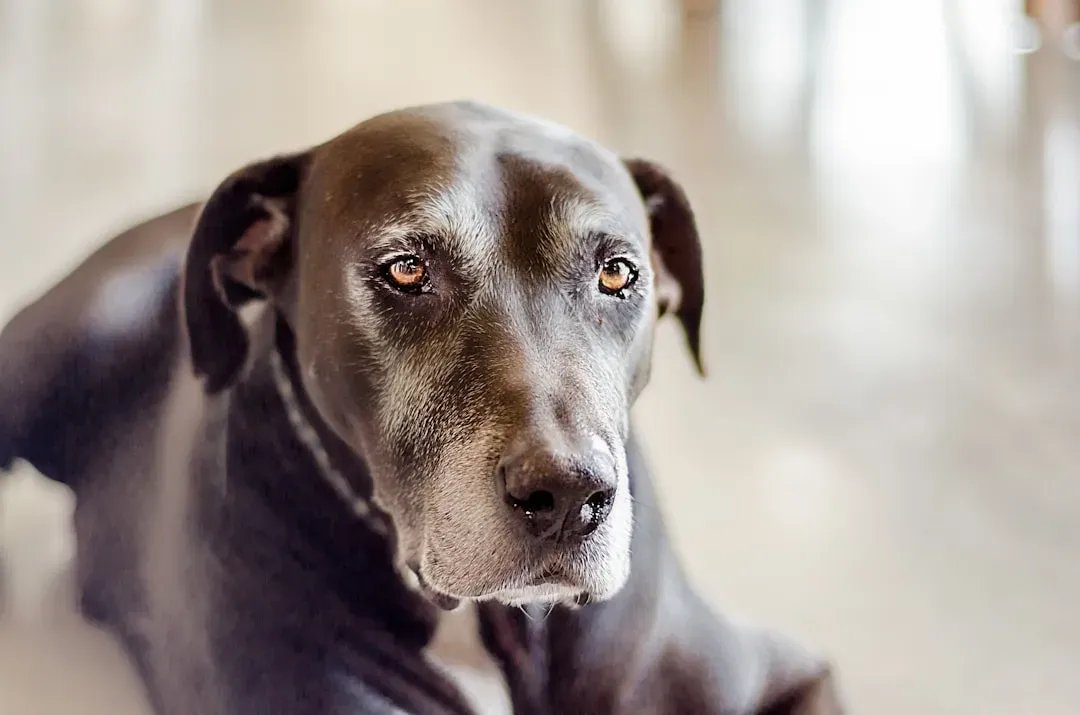
Hearing or vision decline can make the sound of your arrival less noticeable or harder to locate. A dog that once perked up at footsteps might now miss the cue entirely. This sensory shift happens more often than many realize and does not reflect any change in affection.
Older dogs especially experience these gradual losses. The result is a quieter welcome that feels out of character. Simple adjustments around the home can help bridge the gap while professional checks confirm the cause.
Cognitive Shifts Appear in Senior Years
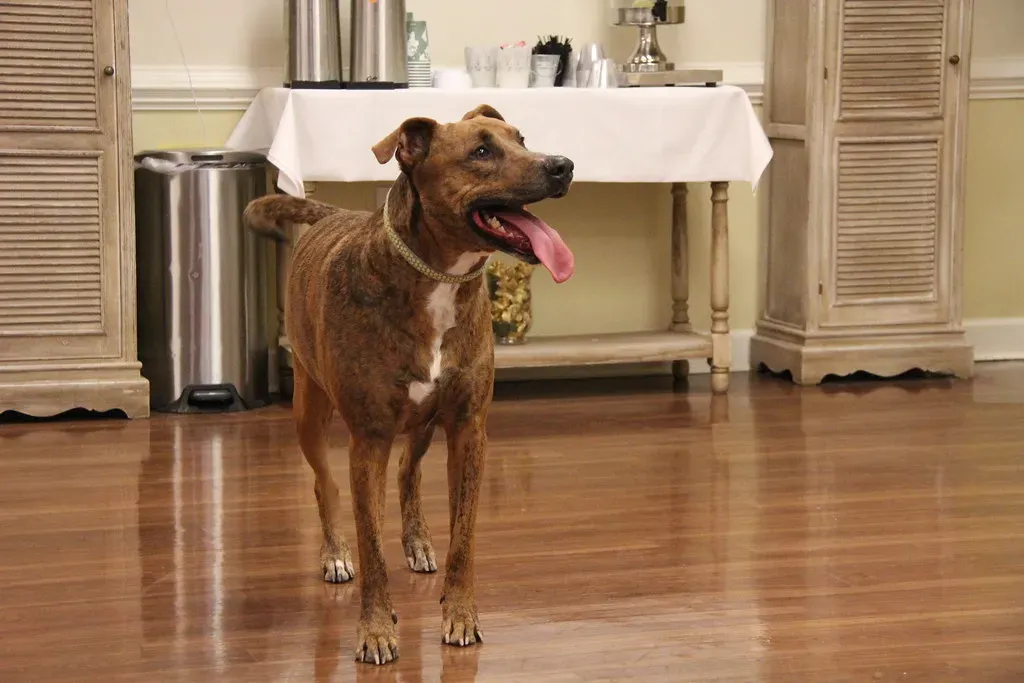
Age related cognitive changes sometimes reduce interest in social routines like door greetings. Confusion or disorientation leads dogs to linger in familiar spots rather than move toward activity. These shifts develop slowly yet become obvious when compared to past patterns.
Memory lapses or altered sleep cycles contribute to the overall picture. The dog is not ignoring you on purpose. Instead, the brain processes the environment differently, requiring patience and adapted expectations from owners.
Stress or Household Changes Can Influence Behavior
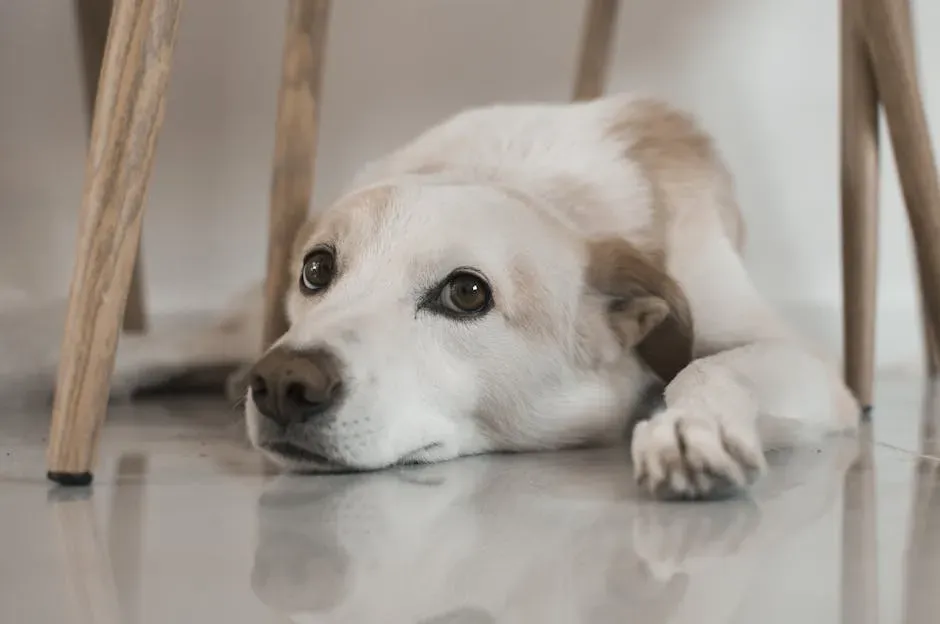
Disruptions such as new schedules, visitors, or even subtle tension in the home may dampen a dog’s usual excitement. Dogs pick up on these cues and respond by withdrawing slightly. The greeting ritual feels less rewarding amid uncertainty.
Even positive changes like a move or added family member can trigger temporary withdrawal. Observing other behaviors helps distinguish stress from deeper issues. Consistent routines often ease the transition back to normal interactions.
Professional Evaluation Brings Clarity and Relief
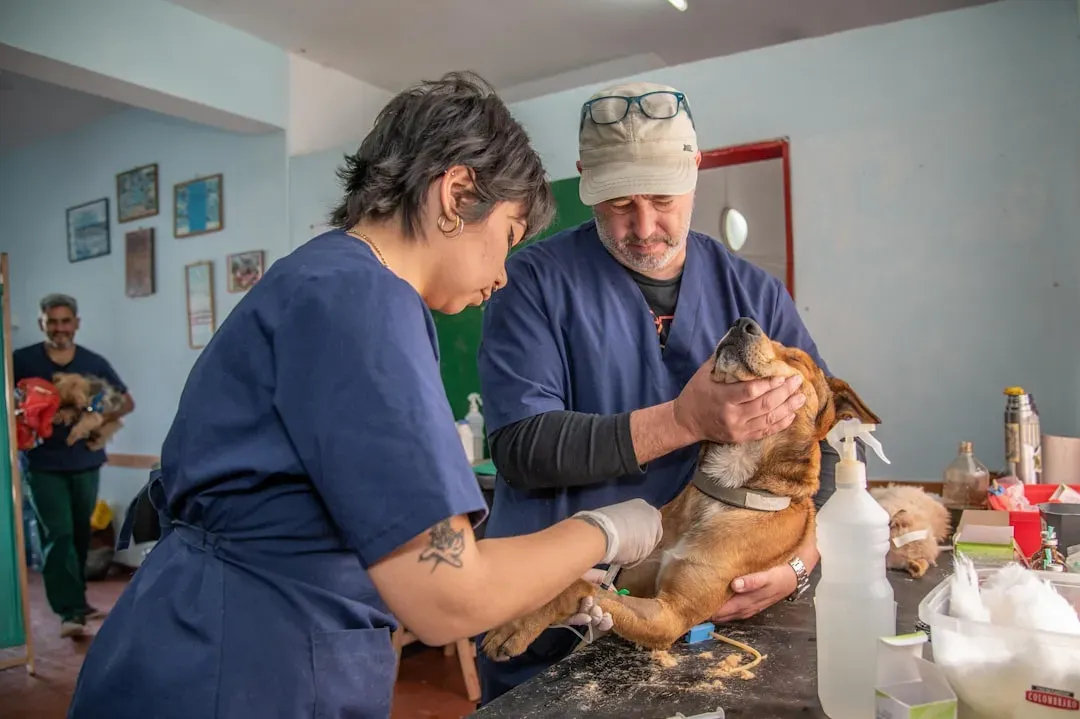
A vet visit rules out medical causes and provides targeted guidance when the change persists. Behaviorists emphasize that early checks prevent minor problems from escalating. Bloodwork or exams often reveal treatable conditions behind the quiet welcome.
Waiting too long risks missing windows for effective care. Owners who act promptly usually see improvements in both health and daily greetings. This step transforms worry into actionable steps forward.
Small Adjustments Strengthen the Connection Over Time
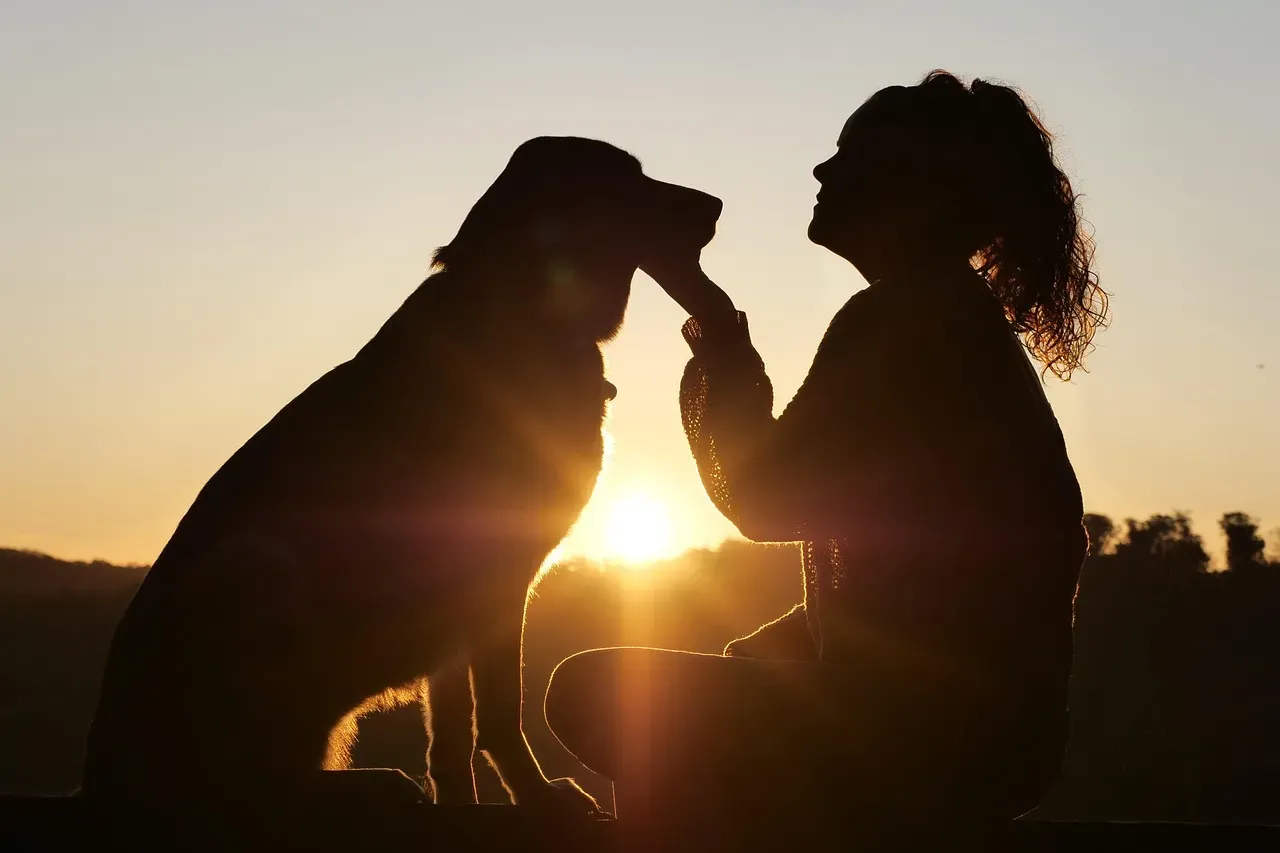
Once health factors receive attention, gentle encouragement like shorter walks or favorite treats near the door can rebuild positive associations. The goal remains supporting the dog without pressure. Every small success reinforces the bond that already exists.
Paying attention to these signals ultimately deepens the relationship rather than straining it. Dogs continue to communicate needs in their own quiet ways. Staying observant turns a warning sign into an opportunity for better care and shared years ahead.


