
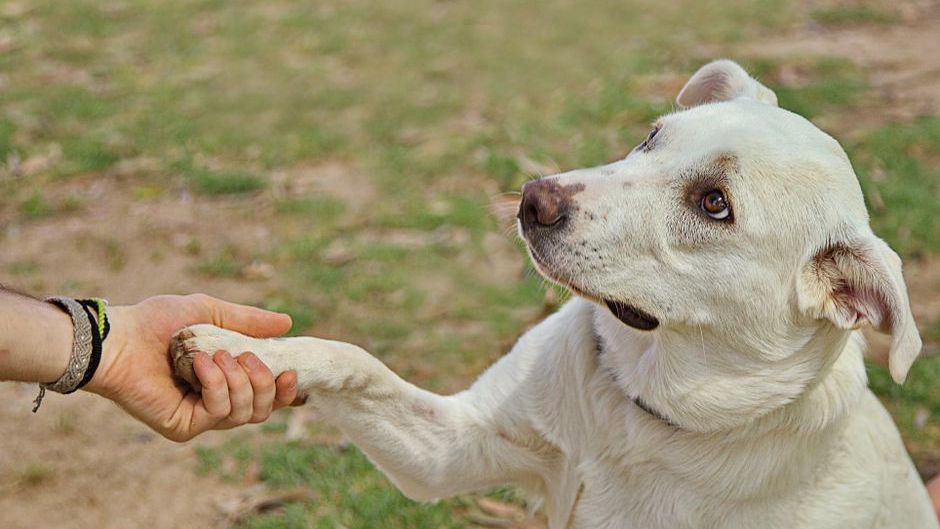
Imagine the upheaval of being suddenly uprooted from your familiar surroundings, separated from loved ones, and placed into an entirely new environment. For dogs, rehoming can be a profoundly disorienting experience, leading to deep-seated trust issues that may take years of consistent care to mend. Understanding the psychological impact of rehoming on dogs is crucial for fostering successful, lasting bonds with our canine companions.
The Emotional Turmoil of Rehoming

Dogs are creatures of habit, thriving on routine and familiarity. When rehomed, they often experience confusion and stress due to the abrupt changes in their environment and the loss of their previous human connections. This disruption can manifest in behaviors such as withdrawal, anxiety, or even aggression as they attempt to navigate their new reality.
Research indicates that rehomed dogs may exhibit elevated stress levels, with some showing signs of fearfulness and attachment issues. These behavioral changes underscore the emotional toll that rehoming can inflict, highlighting the need for patience and understanding from new owners.
Recognizing Signs of Trust Issues

Identifying trust issues in rehomed dogs is essential for addressing their emotional needs. Common indicators include avoidance behaviors, reluctance to engage in social interactions, and heightened sensitivity to touch or sudden movements. Some dogs may also display destructive behaviors or excessive barking as expressions of their inner turmoil.
It’s important to note that these behaviors are not acts of defiance but rather coping mechanisms for the stress and uncertainty they feel. Recognizing these signs allows owners to tailor their approach, fostering a supportive environment that encourages trust-building.
The Role of Consistency in Rebuilding Trust
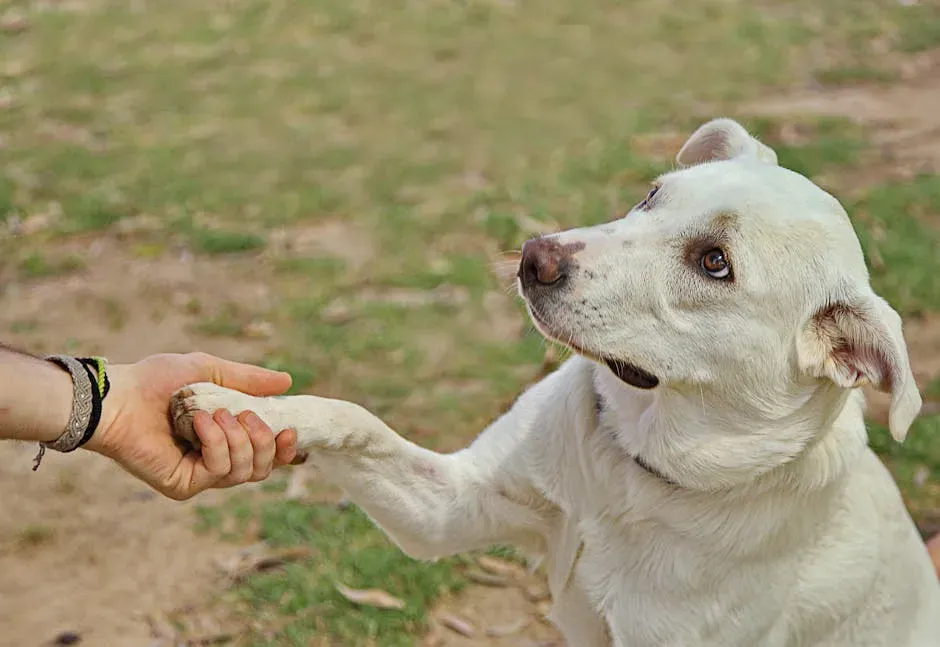
Consistency is the cornerstone of rebuilding trust with a rehomed dog. Establishing predictable routines for feeding, walks, and playtime provides a sense of security, helping the dog understand what to expect in their new home. Consistent, positive reinforcement during training sessions reinforces desired behaviors and strengthens the bond between dog and owner.
Moreover, maintaining a calm and patient demeanor, even in the face of setbacks, reassures the dog that they are in a safe and stable environment. Over time, this consistency helps to alleviate anxiety and fosters a sense of trust.
The 3-3-3 Rule: A Guideline for Adjustment

The “3-3-3 rule” offers a framework for understanding a rehomed dog’s adjustment period:
- First 3 days: The dog may feel overwhelmed and anxious, often exhibiting withdrawal or cautious behavior as they assess their new surroundings.
- First 3 weeks: As they become more comfortable, the dog’s true personality begins to emerge, though they may still test boundaries and require guidance.
- First 3 months: The dog starts to feel at home, fully settling into routines and forming a strong bond with their new family.
Understanding this timeline helps owners set realistic expectations and provides a roadmap for supporting their dog’s transition.
Factors Influencing the Trust-Building Timeline

Several factors can affect how quickly a rehomed dog rebuilds trust, including their age, previous experiences, and individual temperament. Dogs with traumatic pasts or multiple rehomings may require more time and specialized care to overcome their trust issues.
Additionally, the new owner’s approach plays a significant role. A patient, empathetic, and consistent caregiver can significantly shorten the trust-building timeline, while inconsistent or harsh methods may exacerbate the dog’s anxiety and prolong the process.
Strategies for Fostering Trust

Building trust with a rehomed dog involves several key strategies:
- Positive reinforcement: Rewarding desired behaviors with treats, praise, or play encourages the dog to repeat those behaviors and associates the owner with positive experiences.
- Respecting boundaries: Allowing the dog to approach at their own pace and not forcing interactions helps them feel in control and reduces stress.
- Providing a safe space: Creating a designated area where the dog can retreat when feeling overwhelmed offers a sense of security.
- Engaging in bonding activities: Participating in activities the dog enjoys, such as walks or playtime, strengthens the relationship and builds positive associations.
Implementing these strategies with patience and consistency lays the foundation for a trusting and loving relationship.
The Long-Term Commitment to Trust Restoration
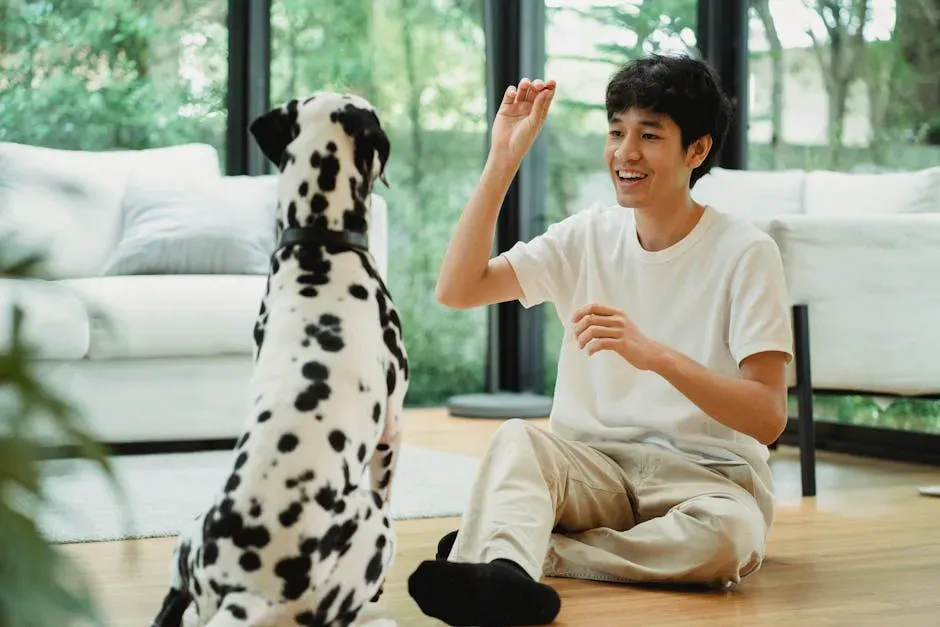
Rebuilding trust with a rehomed dog is not a quick fix but a long-term commitment. It requires ongoing effort, understanding, and adaptability to the dog’s evolving needs. Celebrating small victories along the way and remaining patient during setbacks are essential components of this journey.
Ultimately, the reward is a deep, enduring bond with a loyal companion who has overcome their past traumas to find security and love in their new home.
Conclusion
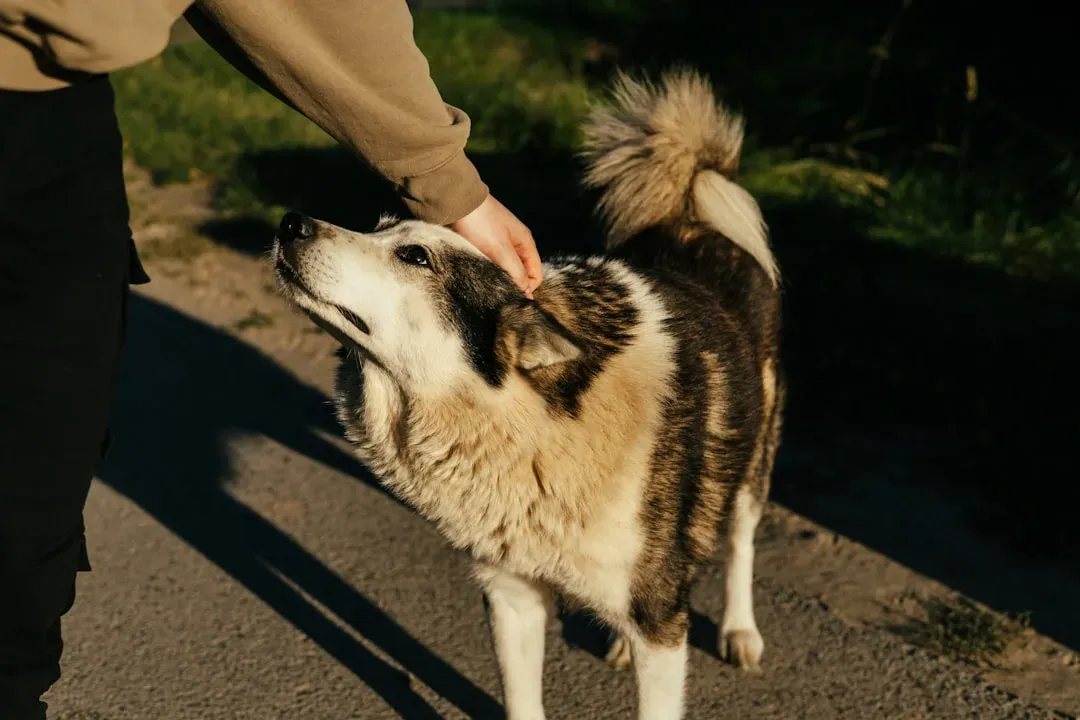
Rehoming can profoundly impact a dog’s trust, leading to behaviors that may take years of consistent, compassionate care to overcome. By understanding the emotional challenges these dogs face and committing to a patient, consistent approach, owners can help their rehomed dogs heal and thrive. The journey may be long, but the resulting bond is a testament to the resilience of these remarkable animals and the transformative power of trust.
Are you ready to embark on this rewarding journey of trust-building with your rehomed dog?


