
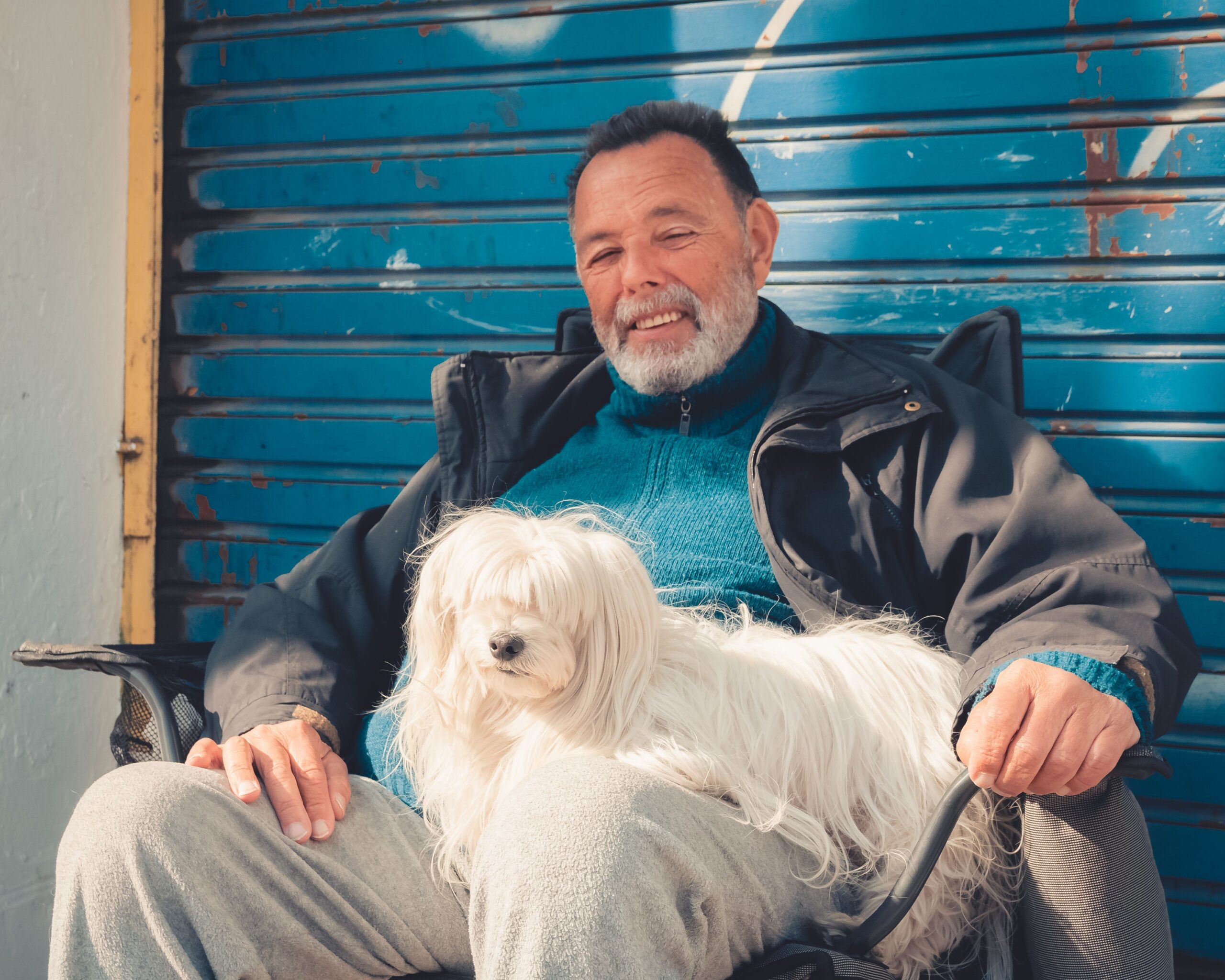
Imagine a serene morning where the only sound is the gentle patter of paws following you around the house. For many older adults, this isn’t just a pleasant thought – it’s a daily reality. But what is it about seniors that makes them such exceptional companions for dogs? Let’s delve into the unique .
Patience: A Virtue in Training and Beyond
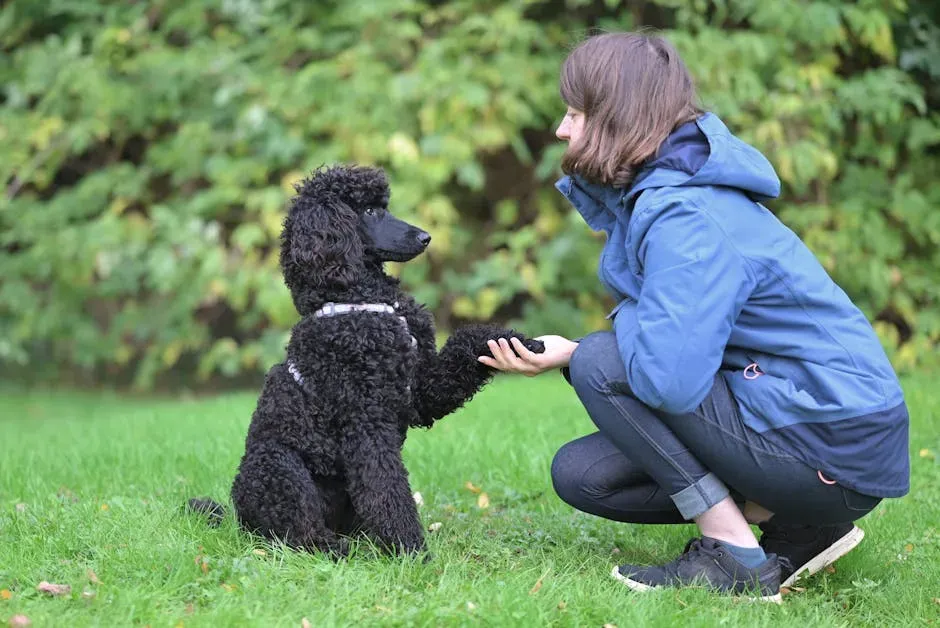
Training a dog requires a calm and steady approach. Older adults often possess a level of patience that comes from years of experience, making them adept at teaching and guiding their canine companions. This patience ensures that dogs learn commands effectively and feel secure in their environment.
Beyond training, patience plays a role in understanding a dog’s unique needs and behaviors. Seniors are more likely to take the time to observe and respond appropriately, fostering a deep bond built on mutual respect.
Consistency: Establishing Trust Through Routine

Dogs thrive on routine, and older adults often have established daily schedules that align perfectly with a pet’s needs. Regular feeding times, walks, and rest periods provide a sense of security for dogs, reducing anxiety and promoting good behavior.
This consistency not only benefits the dog but also brings structure to the owner’s day, creating a harmonious living situation where both human and canine know what to expect.
Empathy: Understanding and Responding to Canine Emotions
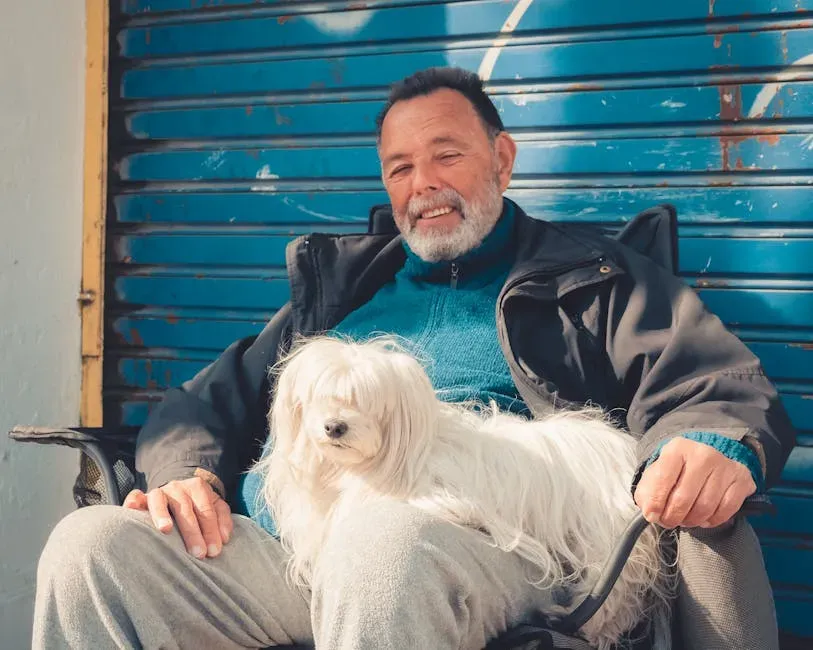
With age often comes a heightened sense of empathy. Older adults are more attuned to the emotional cues of their dogs, recognizing signs of stress, joy, or discomfort. This sensitivity allows for timely responses, ensuring the dog’s well-being.
Empathetic owners are also more likely to provide comfort during times of distress, strengthening the emotional bond between them and their pets.
Reliability: A Steady Presence in a Dog’s Life
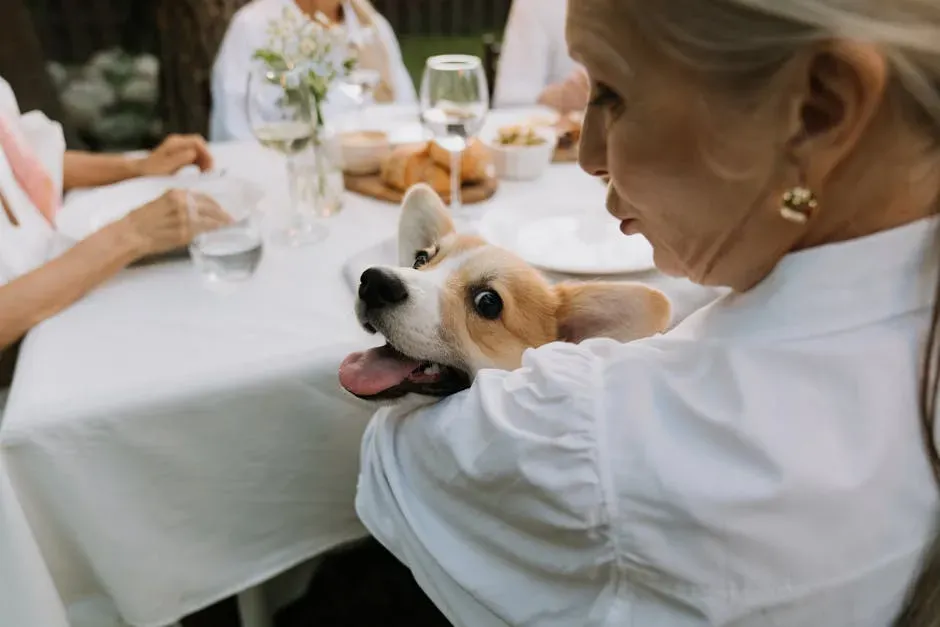
Stability is crucial for a dog’s mental health. Older adults often lead more settled lives, offering a reliable presence that dogs can depend on. This reliability helps in building trust and a sense of security for the pet.
Knowing that their owner will be there day in and day out allows dogs to relax and exhibit positive behaviors, leading to a more harmonious household.
Affectionate Nature: Providing Love and Comfort

Many seniors have a nurturing disposition, offering warmth and affection that dogs naturally gravitate towards. This loving environment encourages dogs to be more affectionate in return, creating a mutually rewarding relationship.
Regular cuddles, gentle petting, and kind words contribute to a dog’s emotional well-being, making them feel valued and loved.
Experience: Drawing from a Lifetime of Knowledge
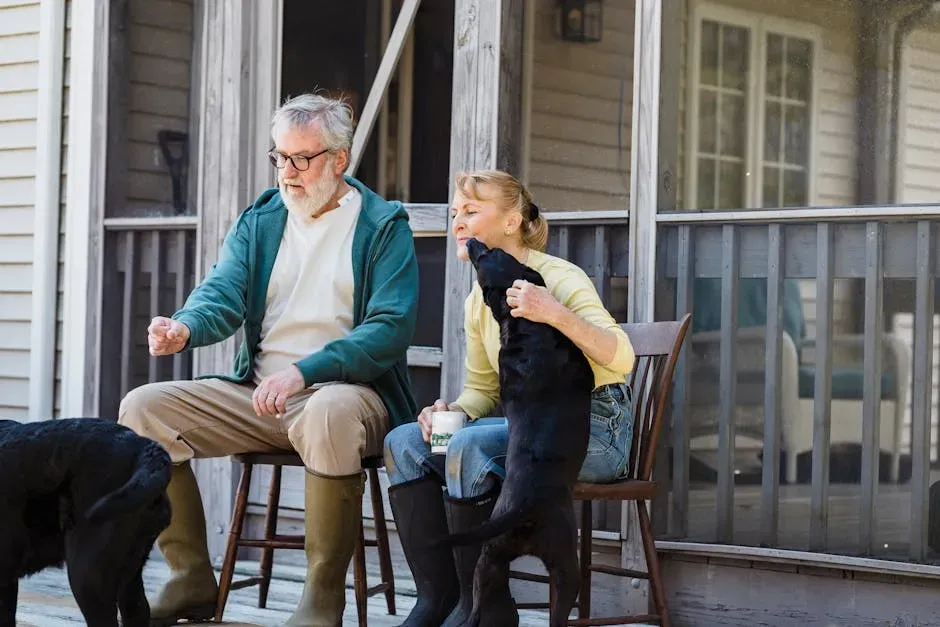
Having lived through various life stages, older adults bring a wealth of experience to dog ownership. This knowledge allows them to handle challenges with a calm demeanor, whether it’s addressing behavioral issues or managing health concerns.
Experience also means that seniors are more likely to seek out information and resources to provide the best care for their pets, ensuring a high quality of life for their canine companions.
Financial Stability: Ensuring Proper Care

Many older adults have reached a stage in life where they have financial stability, allowing them to provide for their dog’s needs without undue stress. This includes quality food, regular veterinary care, and any necessary supplies.
Financial security ensures that dogs receive consistent care, contributing to their overall health and happiness.
Time Availability: Offering Undivided Attention
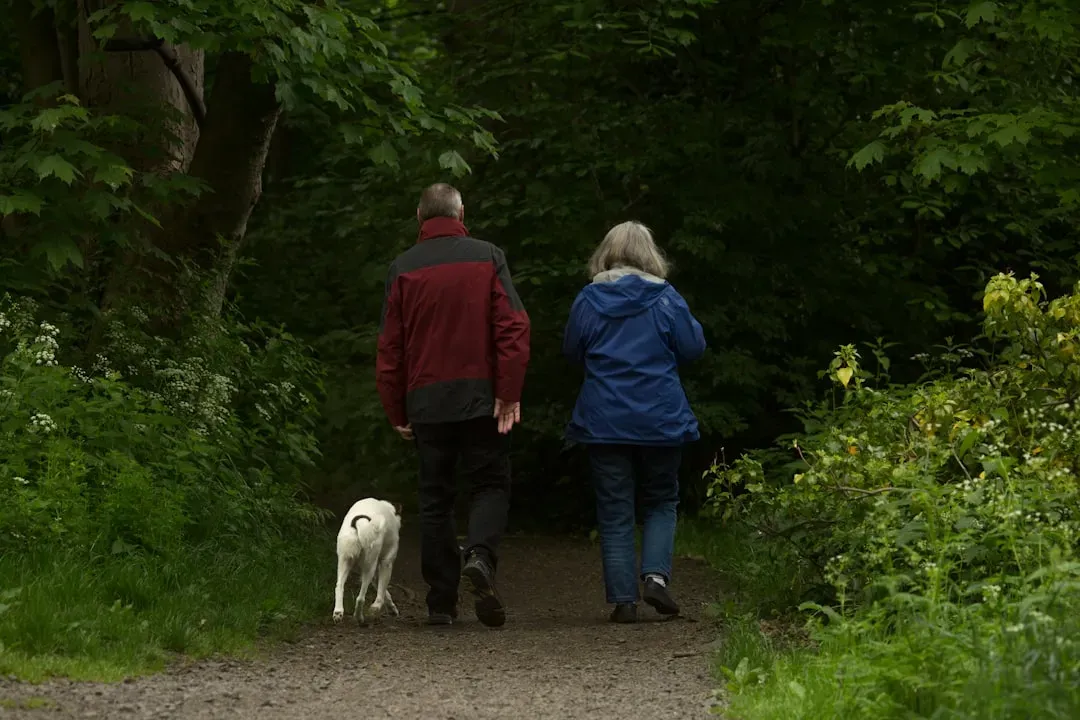
Retirement or reduced work commitments mean that older adults often have more free time to spend with their pets. This availability allows for longer walks, extended play sessions, and ample opportunities for bonding.
Dogs benefit greatly from this attention, leading to better socialization and a deeper connection with their owners.
Calm Demeanor: Creating a Peaceful Environment

A tranquil household is beneficial for a dog’s mental health. Older adults often cultivate a calm atmosphere, free from the chaos that can accompany younger households. This serenity helps dogs feel at ease and reduces anxiety-related behaviors.
A peaceful environment also makes it easier for dogs to rest and recuperate, contributing to their overall well-being.
Commitment: A Lifelong Promise
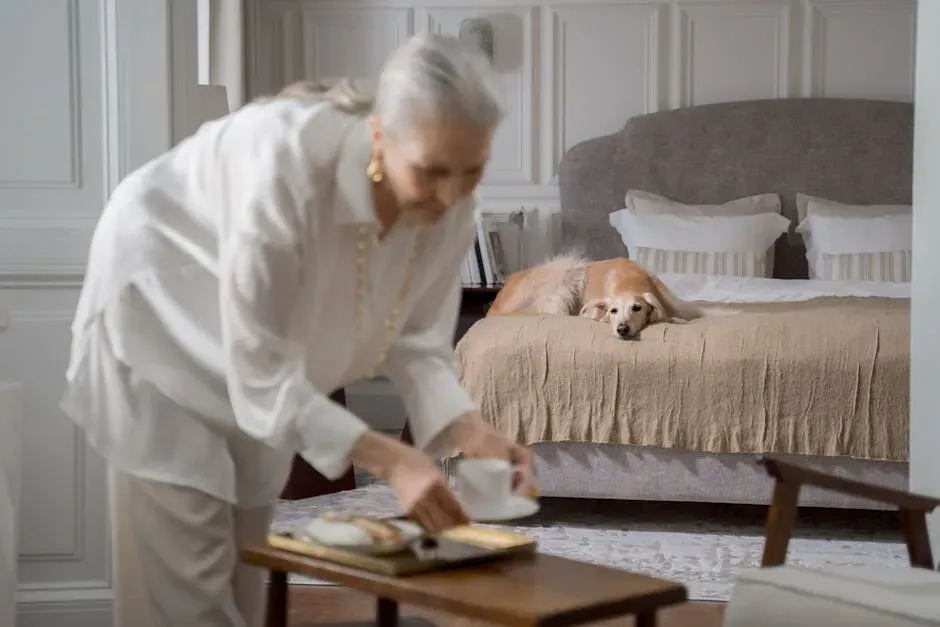
Understanding the responsibilities of dog ownership, older adults are often deeply committed to their pets. This dedication ensures that dogs receive consistent care throughout their lives, fostering a strong and enduring bond.
Such commitment also means that seniors are more likely to make arrangements for their pets’ care in unforeseen circumstances, ensuring their well-being no matter what.
Wisdom: Making Informed Decisions

With age comes wisdom, and older adults are often more discerning when it comes to making decisions about their pets. Whether it’s choosing the right breed, selecting appropriate food, or addressing health concerns, this wisdom leads to better outcomes for the dog.
Informed decisions contribute to a dog’s longevity and quality of life, reflecting the owner’s dedication and care.
Sense of Purpose: Finding Meaning Through Care
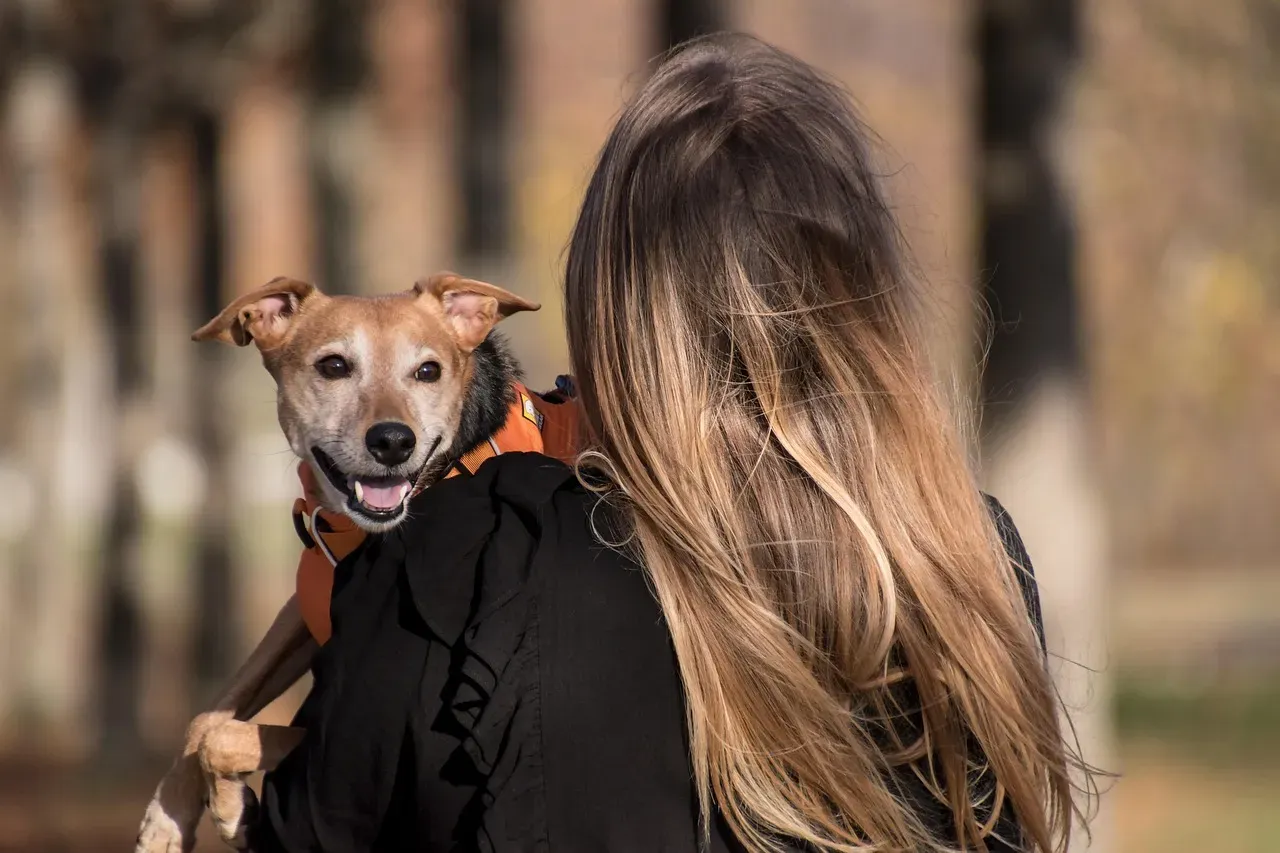
Caring for a dog provides older adults with a renewed sense of purpose. The daily responsibilities and the unconditional love received in return can be incredibly fulfilling, enhancing the owner’s overall well-being.
This sense of purpose not only benefits the owner but also ensures that the dog receives attentive and loving care, creating a mutually beneficial relationship.
In conclusion, the unique combination of patience, empathy, reliability, and other traits commonly found in older adults makes them exceptional dog owners. Their life experiences and stable lifestyles provide a nurturing environment where dogs can thrive. So, if you’re considering adding a furry friend to your life, remember: age isn’t a barrier – it’s an asset. Could you be the perfect companion for a dog in need?


