
Why Dogs Who Live With One Person Bond More Intensely Than Dogs in Busy Households – Attachment Research Shows Undivided Social Focus Deepens Emotional Reliance
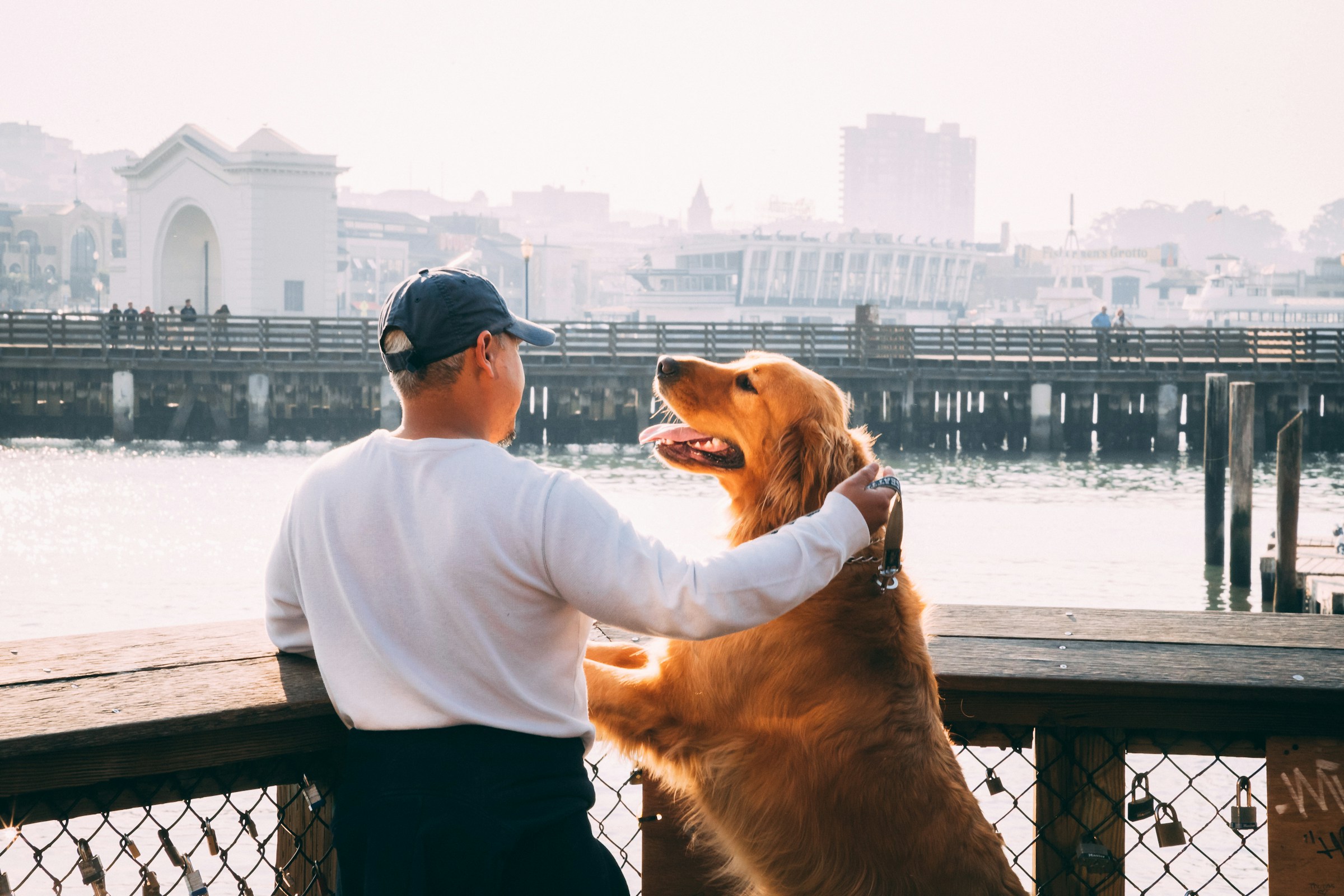
Imagine coming home to a wagging tail, eager eyes, and a companion who seems to understand you better than anyone else. For many single-person households, this is the daily reality – a dog whose world revolves entirely around one individual. But why do these dogs form such profound bonds compared to their counterparts in bustling, multi-person homes?
The Singular Focus: A Recipe for Deep Attachment

In a one-person household, a dog’s social interactions are primarily centered around a single individual. This undivided attention fosters a unique environment where the dog learns to rely heavily on that person for companionship, guidance, and emotional support. The consistency and predictability of this relationship strengthen the bond, making the dog more attuned to their owner’s behaviors and emotions.
Conversely, in a household with multiple members, a dog’s attention is divided among several individuals. While this can lead to a well-socialized pet, the depth of attachment to any single person may be less intense. The dog receives care and affection from various sources, which can dilute the singular focus that deepens emotional reliance.
Quality Time Over Quantity: The Impact of One-on-One Interactions
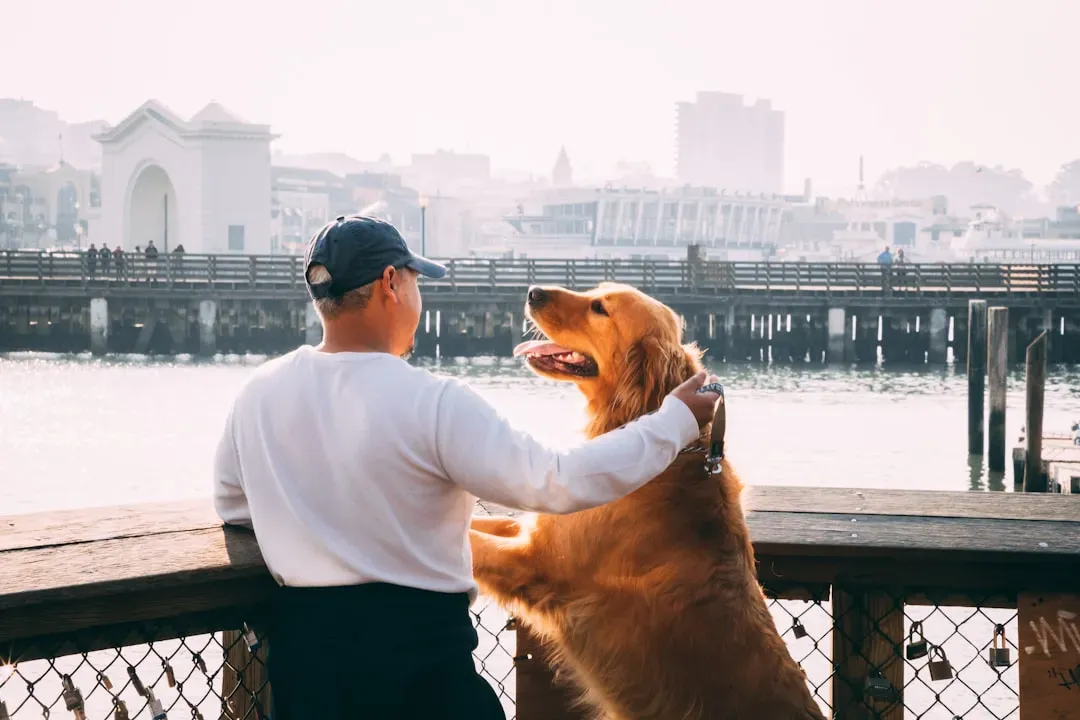
Spending quality time together is crucial in building a strong bond between a dog and its owner. In single-person households, every interaction – be it feeding, walking, or playtime – is an opportunity for one-on-one engagement. These consistent, personal interactions reinforce the dog’s dependence and trust in their owner.
In contrast, dogs in multi-person households might experience fragmented attention. Different family members may have varying schedules, routines, and ways of interacting with the dog. This inconsistency can make it challenging for the dog to form a deep attachment to any one person, as their experiences are more varied and less predictable.
Consistency Is Key: Routine and Predictability in Single-Person Homes

Dogs thrive on routine and predictability. In a single-person household, routines are often more consistent, providing the dog with a stable environment. This consistency helps the dog feel secure and reinforces their attachment to their owner.
In busier households, routines can be more erratic due to the differing schedules and commitments of multiple family members. This variability can lead to confusion and anxiety in dogs, potentially weakening the strength of their attachments.
Emotional Availability: The Unspoken Connection
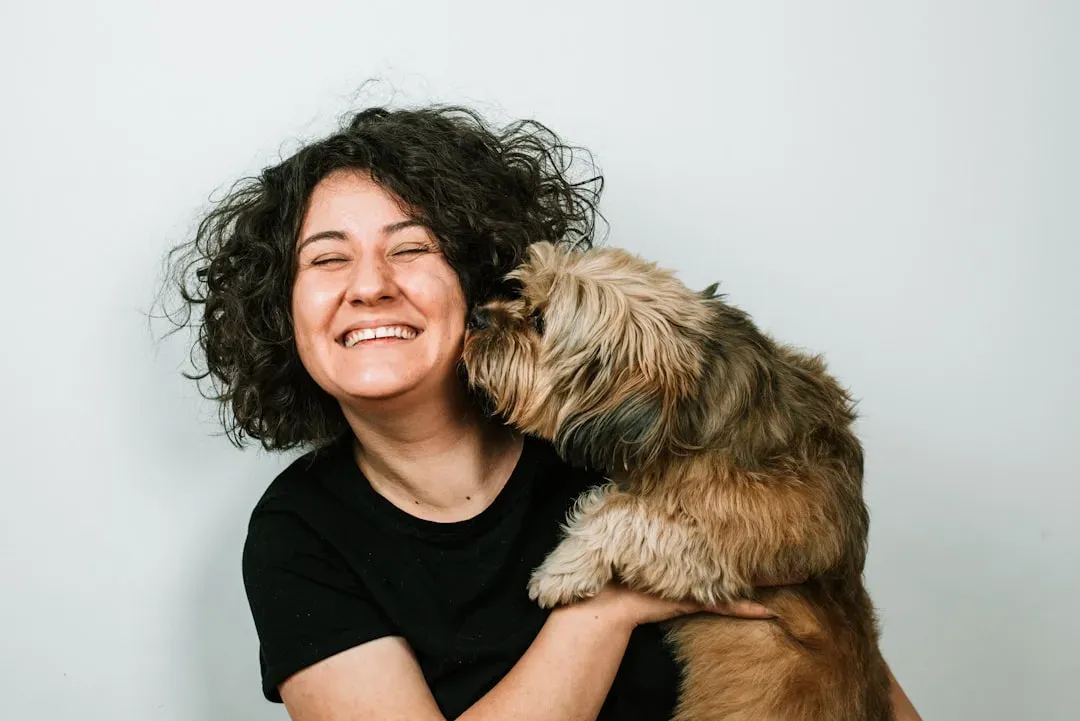
Emotional availability plays a significant role in the bond between a dog and its owner. Single individuals may have more time and emotional energy to devote to their pets, leading to a deeper connection. The dog becomes a confidant, a source of comfort, and a constant companion.
In contrast, individuals in multi-person households might have divided attention due to other familial responsibilities. This division can result in less emotional availability for the dog, affecting the depth of the bond formed.
Attachment Styles: How Dogs Mirror Their Owners
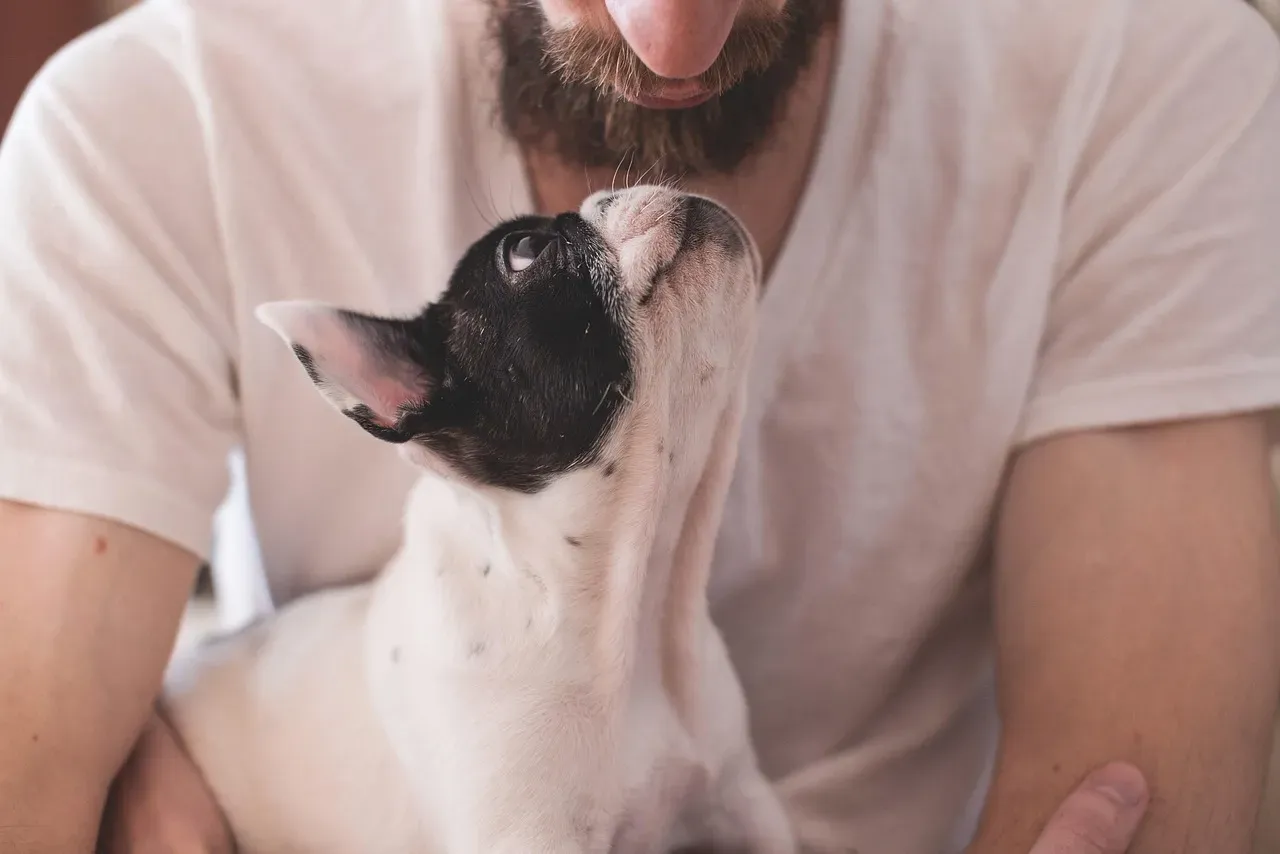
Research suggests that dogs can develop attachment styles similar to those observed in human relationships. In single-person households, dogs often exhibit secure attachment behaviors, seeking comfort and security from their sole caregiver. This attachment style is characterized by trust and a strong emotional bond.
In multi-person households, dogs might develop more varied attachment styles, depending on their interactions with different family members. Some may form secure attachments with one person while maintaining more casual relationships with others, leading to a more complex social dynamic.
Socialization vs. Attachment: Striking the Right Balance

While dogs in single-person households may form deeper attachments, it’s essential to ensure they are well-socialized to prevent over-dependence and anxiety in the absence of their owner. Regular exposure to other people, animals, and environments can help maintain a balanced temperament.
Dogs in multi-person households often benefit from natural socialization due to interactions with various individuals. However, it’s crucial to ensure that these dogs also have opportunities for one-on-one time to build strong attachments and trust with each family member.
Conclusion: The Depth of a Singular Bond

The profound bond between a dog and a single owner is a testament to the power of undivided attention, consistency, and emotional availability. While multi-person households offer diverse social interactions, the singular focus in a one-person home creates an environment ripe for deep emotional reliance. Understanding these dynamics can help all dog owners foster stronger, more meaningful connections with their canine companions.
So, whether you’re the sole focus of your dog’s world or one of many beloved family members, how can you deepen the bond you share with your furry friend?