
Imagine walking into your kitchen and your dog suddenly refuses to leave your side, nose glued to one particular spot on your body. It feels weird, even annoying… until months later, a doctor finds a problem in that exact area. Stories like this sound dramatic, but they reflect something science is taking very seriously: the idea that a dog’s nose can sometimes sense trouble before the best machines in the best hospitals.
Dogs live in a world of smell the way we live in a world of color and screens. They pick up tiny chemical changes in our breath, sweat, urine, or skin long before we notice anything is wrong. While research is still ongoing and not every claim is rock-solid, some patterns are emerging that are honestly mind-blowing. Below are ten diseases and conditions where dogs may detect early warning signs that even the smartest medical technology can easily miss.
Cancer: When A Strange Sniff May Be The First Alarm
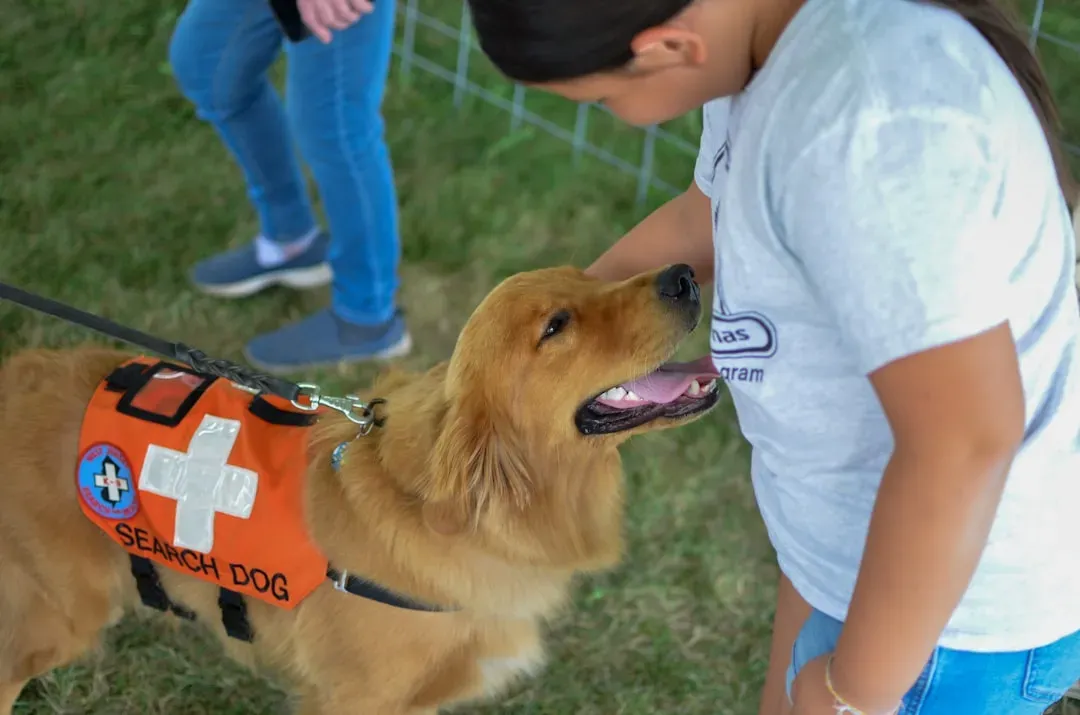
One of the most powerful and chilling examples of a dog’s nose beating hospital machines is cancer. In several controlled experiments, trained dogs have identified lung, breast, colorectal, ovarian, prostate, and skin cancers simply by smelling breath, urine, blood, or tiny skin samples. They are not smelling the tumor itself, but the volatile organic compounds, or chemical “odors,” cancer cells release as they grow and disrupt normal metabolism.
What makes this so striking is that dogs have sometimes picked out cancer samples when imaging scans or standard blood tests still looked normal. People have reported dogs obsessively sniffing or pawing at a single mole, breast, or patch of skin months before a diagnosis was made. Is every clingy dog a cancer detector? Absolutely not. But the pattern is strong enough that scientists now actively study dog-assisted cancer screening and are trying to build electronic noses to copy what those snouts can do.
Diabetes And Dangerous Blood Sugar Swings
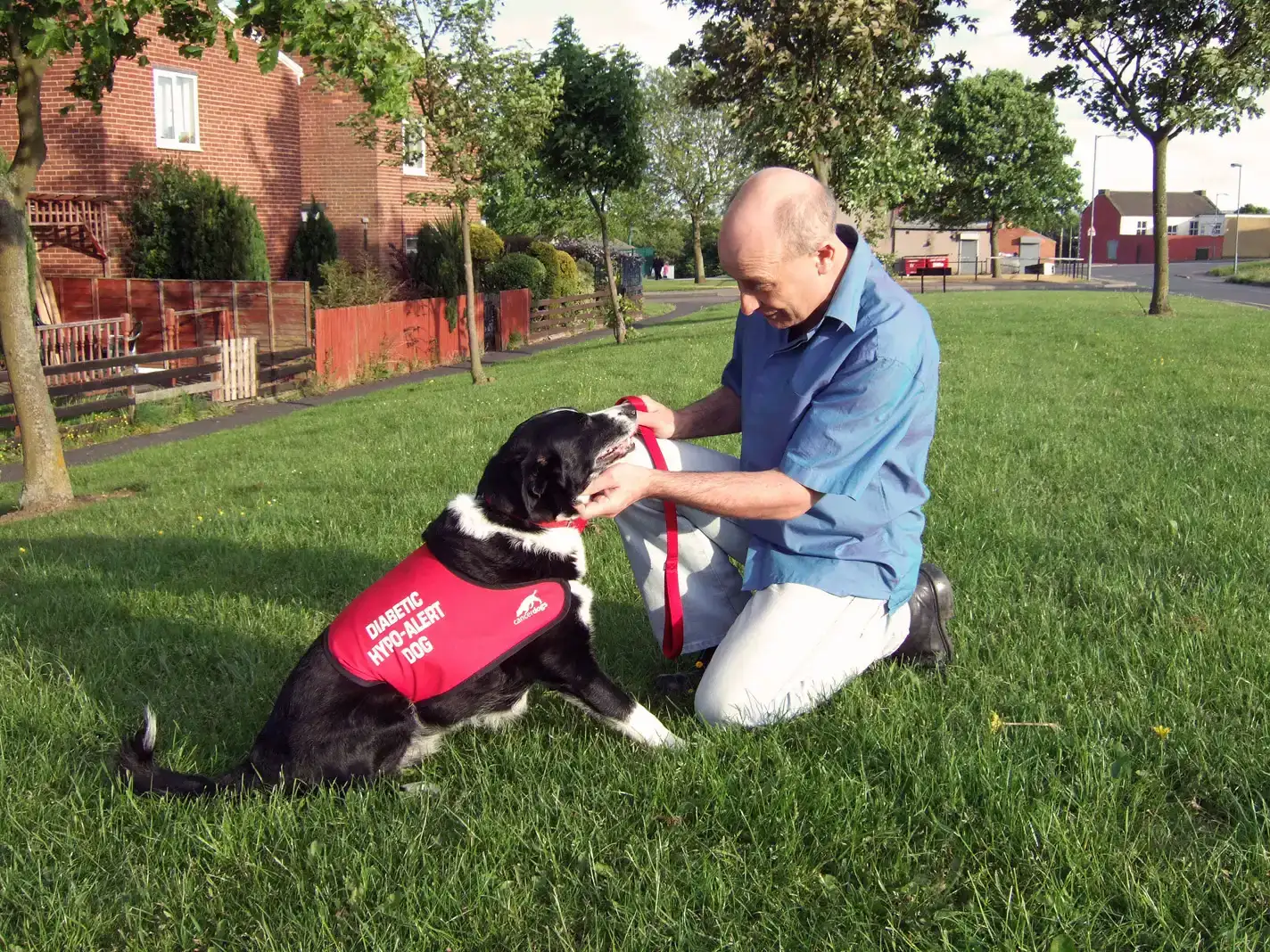
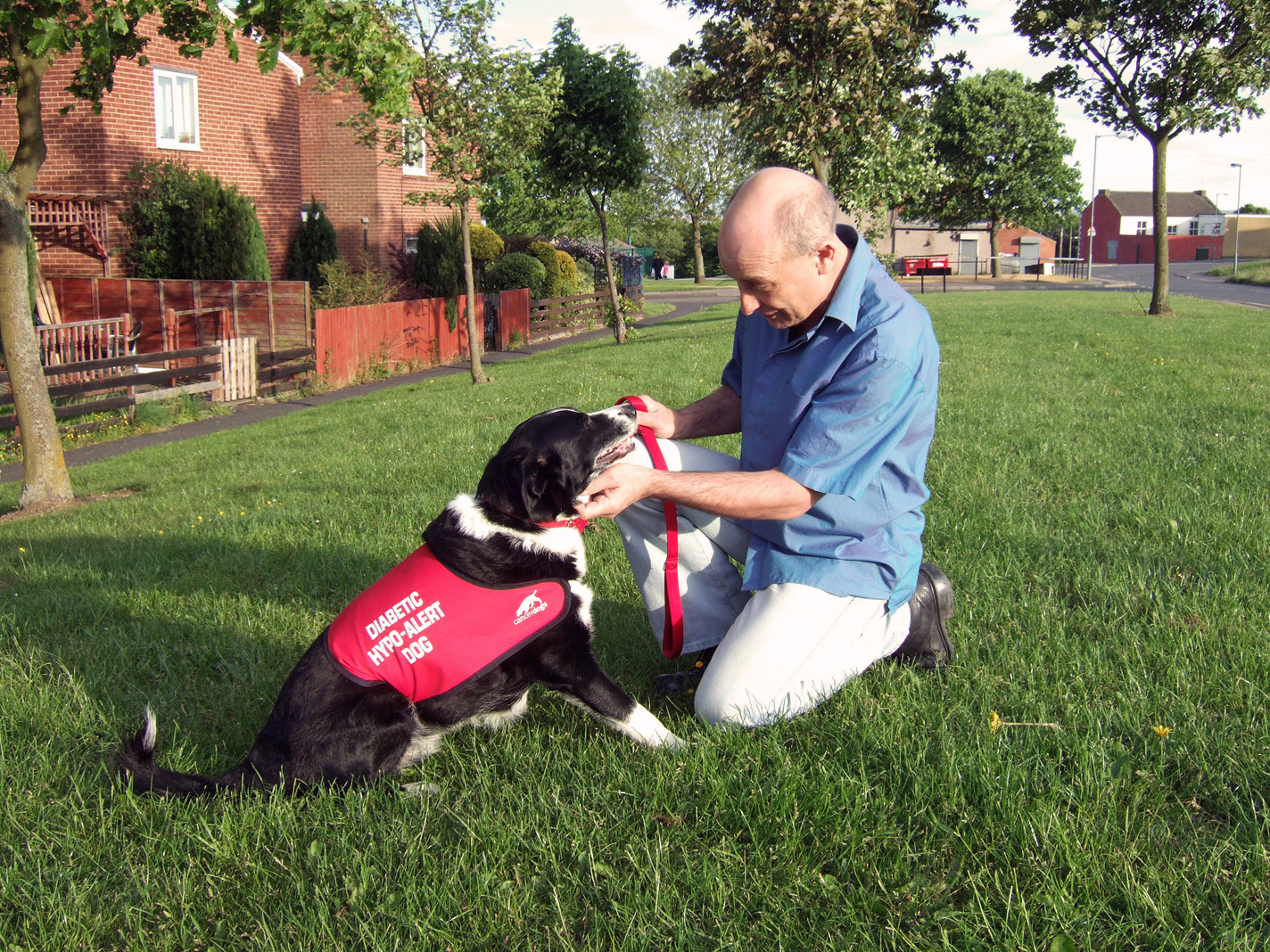
Many people know about “diabetic alert dogs,” but not everyone realizes how early and subtle their warnings can be. These dogs are trained to recognize changes in the scent of their person’s breath, sweat, or saliva when blood sugar drops too low or soars too high. The funny part is, even before training, some dogs spontaneously act stressed or clingy when their owner’s blood sugar is way off, as if something just “smells wrong.”
Machines like continuous glucose monitors are incredible, but they still lag behind real-time biology, and they can malfunction or fall off. A well-trained dog often reacts faster than the device, waking a sleeping owner before a severe nighttime low or alerting in the middle of the day when a spike is silently building. For many families, the dog becomes a living safety net, catching trends before they turn into emergencies, especially in kids who cannot always describe how they feel.
Epileptic Seizures And Mysterious Pre-Ictal Smells
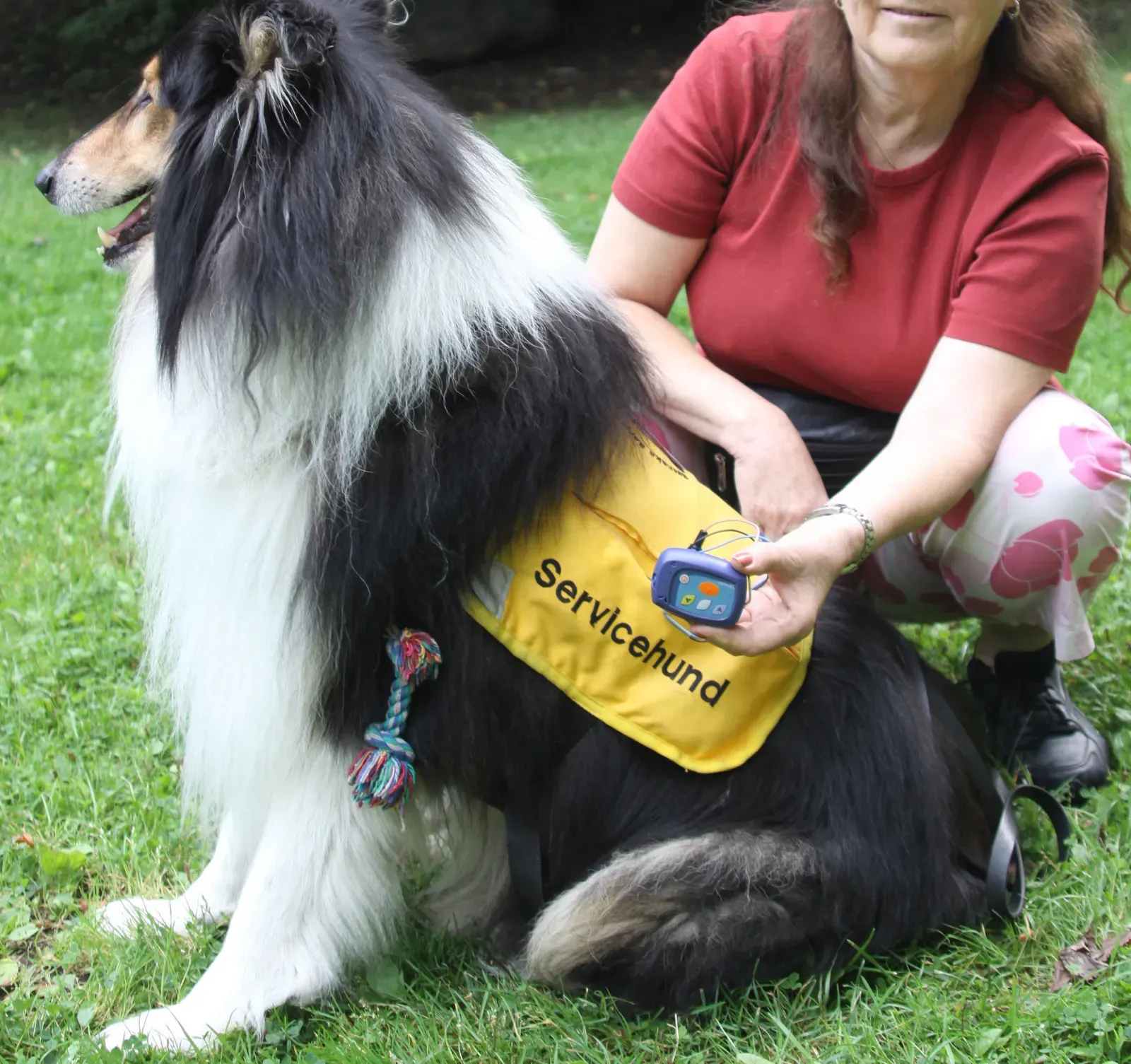
There are countless stories of “seizure alert dogs” who warn their humans minutes to even an hour before a seizure hits. Science is still figuring out exactly what dogs are detecting, but a leading theory is that subtle metabolic and hormonal shifts before a seizure change the person’s odor. That pre-seizure phase, called the pre-ictal period, is invisible on the outside but seems to have a scent signature that a trained (or sometimes untrained) dog can pick up.
Think about how valuable that is: hospital EEG machines can track electrical activity in the brain, but they cannot follow you into your living room, on a bus, or to the grocery store. A dog can. For someone at risk of falling, getting hurt, or losing consciousness without warning, even a few minutes of early notice to sit down, call for help, or get to a safe place can be the difference between a scare and a serious injury. It is one of the most emotionally powerful examples of canine detection in real life.
Malaria And The Scent Of Infected Blood
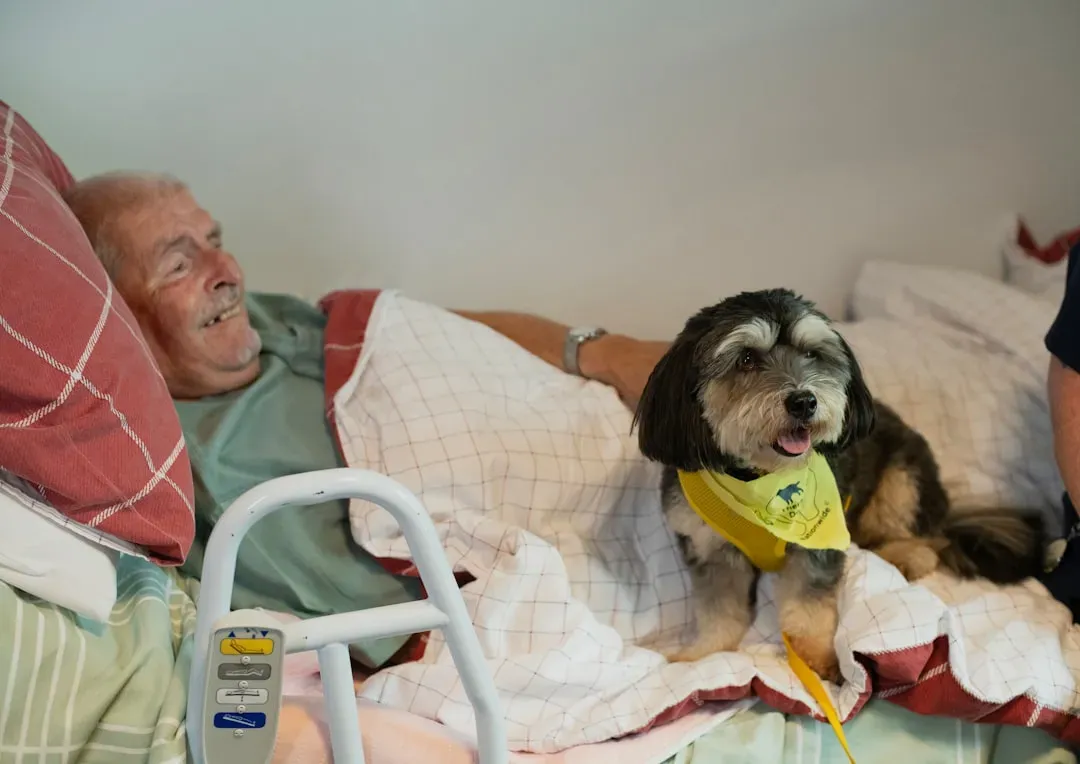
Malaria might sound like a tropical disease far away, but it is still a massive global problem. Some research has shown that dogs can identify people infected with malaria by smelling their worn socks or other odor samples, even when those people felt fine and had only low levels of parasites in their blood. In other words, before obvious symptoms or basic tests catch it, the infection may be changing the person’s scent in a reliable way.
This matters because early detection in malaria can literally save lives and prevent outbreaks. In places with limited access to labs, having dogs screen large groups of people could help target who needs further testing. Most hospitals rely on blood smears or rapid tests that only pick up infection once it reaches a certain threshold. A dog, in theory, could be like a roaming early-warning radar, flagging cases long before the disease takes hold.
Parkinson’s Disease And The Odd “Musky” Aura
Parkinson’s disease is usually diagnosed after tremors, stiffness, and movement problems show up, but by then the brain has already taken a massive hit. One of the most fascinating lines of research in the last decade has been around smell changes years before diagnosis. Some humans with extremely sensitive noses have described a particular musky or oily odor on the skin of people with Parkinson’s. Unsurprisingly, scientists quickly thought: if people can smell it, dogs almost certainly can too.
Studies now suggest that a characteristic change in skin-related compounds appears long before any visible symptoms. A properly trained detection dog can, in some settings, distinguish Parkinson’s samples from non-Parkinson’s ones just by scent. That raises a pretty wild idea: a future where a dog (or dog-inspired sensor) flags people at high risk so that treatment can begin years earlier. We are not there yet, and this is not standard medical practice, but the potential is huge and more than a little mind-blowing.
COVID-19 And Other Viral Respiratory Infections
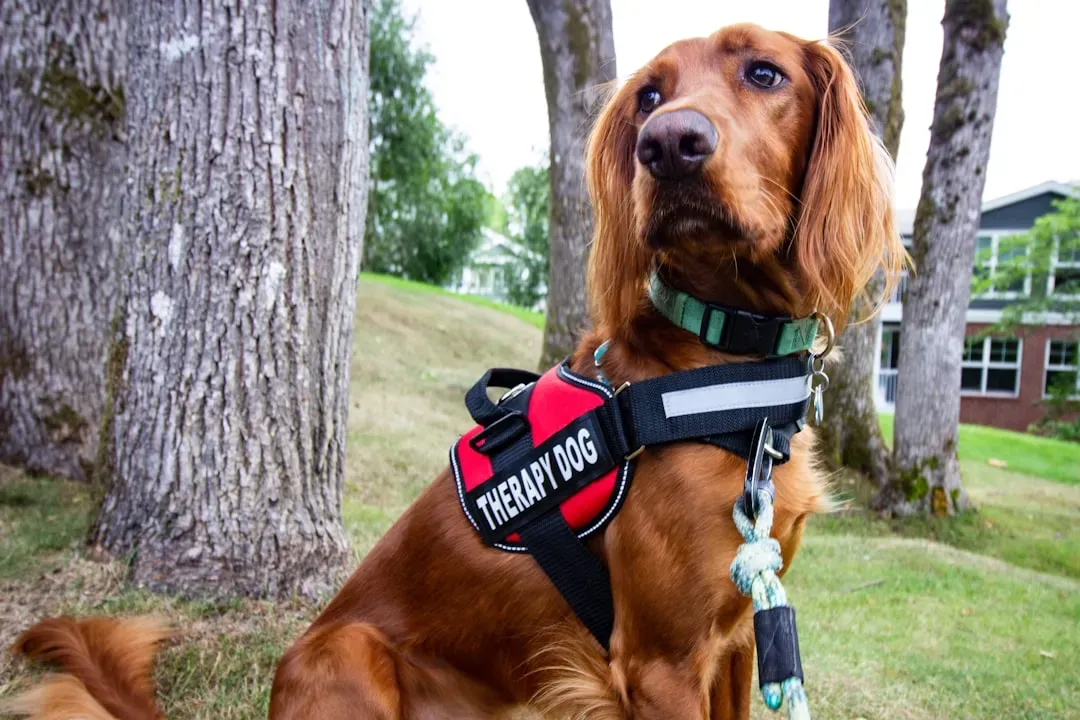
During the COVID-19 pandemic, researchers all over the world rushed to test whether dogs could smell infection. Over and over, trials found that properly trained dogs could identify positive samples of sweat, saliva, or breath, often from people who felt perfectly healthy and had no cough or fever. In some controlled settings, dogs matched or beat rapid antigen tests in accuracy, acting like living, furry screening tools at airports, events, and hospitals.
What makes this especially striking is timing. Lab PCR tests are incredibly sensitive but can take hours and need equipment. Rapid tests are convenient but may miss early or low-level infections. Dogs, by contrast, can sniff a person walking by in a second, potentially catching cases before a test line ever turns positive. The same logic is now being applied to flu and other respiratory infections, with the hope that one day a trained dog next to a doorway might quietly cut off a chain of transmission before it even starts.
Clostridioides difficile (C. diff) And Hidden Hospital Infections
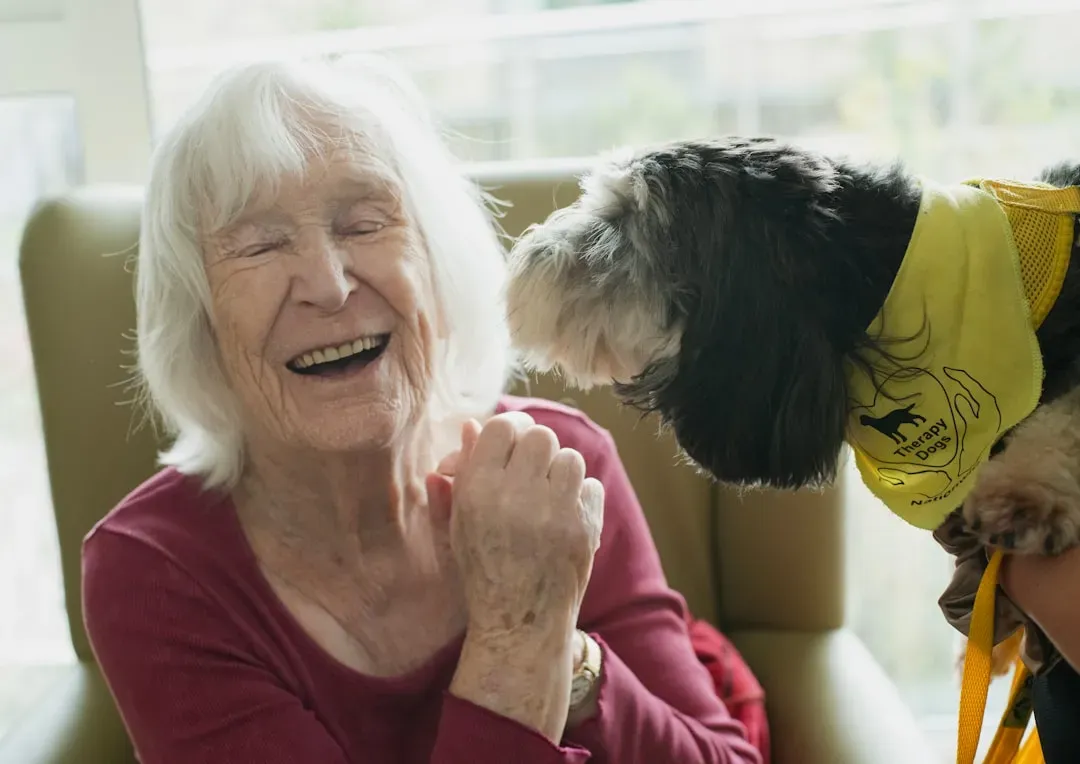
C. diff is a nasty gut infection that often strikes people in hospitals or nursing homes, especially after antibiotics. Diagnosing it typically relies on lab tests of stool samples, which naturally take time and do not always happen until someone is clearly sick. A few forward-thinking hospitals tried something different: bringing in specially trained dogs to sniff out rooms or patients where C. diff might be lurking based purely on odor.
These dogs learned to identify the scent of C. diff in stool samples and then transferred that skill to real-life hospital environments, sometimes flagging contaminated areas before outbreaks spread widely. Think about that: a dog walking down a hallway, nose twitching, picking up what even sensitive lab equipment will only see later, after samples are collected. It is a vivid example of how dogs can slot into modern medicine not as a gimmick, but as a fast, mobile, and surprisingly precise first layer of detection.
Narcolepsy And Sudden Sleep Attacks
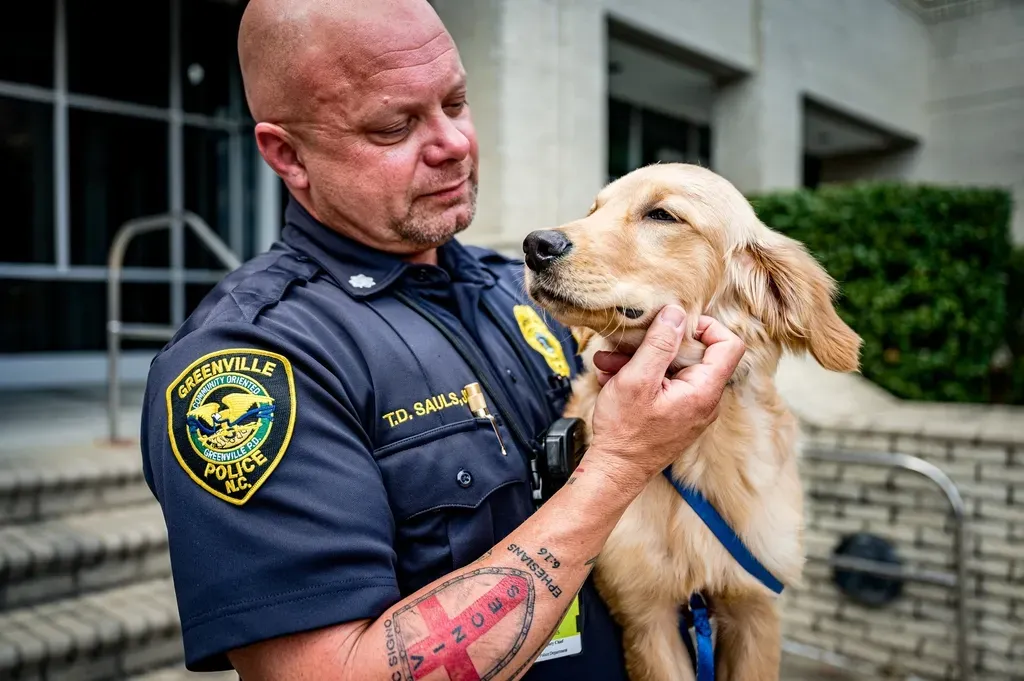
Narcolepsy is a neurological condition where the brain’s sleep-wake regulation goes off the rails, leading to overwhelming daytime sleepiness and sudden “sleep attacks.” Some people with narcolepsy report that their dogs seem to sense when an episode is coming, nudging them, whining, or refusing to move on before any visible sign appears. Researchers suspect that subtle shifts in body chemistry and hormones during these pre-episode moments might change a person’s smell.
Unlike seizure alert dogs, narcolepsy alert dogs are less widely studied, but there is growing interest in training them carefully, similar to other medical alert dogs. Machines can measure sleep stages in a lab, but they cannot follow you through your daily routine. A dog can travel with you on a bus, to school, or at work and respond within seconds to almost invisible internal changes. It is still early days, but the idea that a dog can sniff out an oncoming sleep attack before even a wearable device notices anything is both comforting and humbling.
Hypothyroidism And Subtle Metabolic Shifts
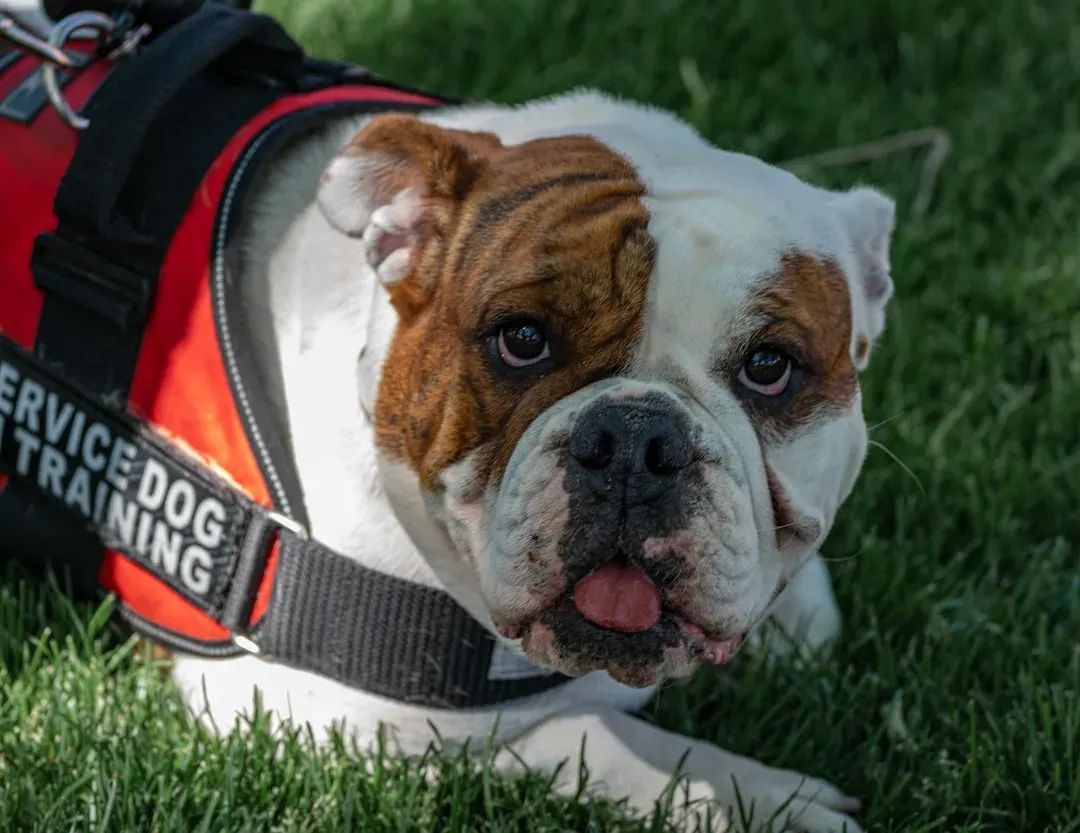
Hypothyroidism, where the thyroid gland does not produce enough hormone, is common in both humans and dogs. In people, it creeps up slowly with fatigue, weight gain, dry skin, and mood changes that are easy to brush off for years. Some anecdotal reports and early research suggest that dogs may sense something is “off” in a person’s scent long before blood tests are ordered. Because thyroid hormones influence almost every cell in the body, the overall metabolic scent profile likely shifts too.
Pet owners sometimes notice that their dog becomes unusually attentive, licking or sniffing specific body areas or even ignoring others when their person’s health is changing. While this is not as well-studied as cancer or diabetes detection, it fits the broader pattern: chronic hormonal conditions quietly reshape our internal chemistry, and dogs are natural experts at noticing those shifts. One day, refined research might turn that raw canine sensitivity into a structured way of catching thyroid issues earlier, instead of waiting until someone feels completely burnt out.
Stress-Related Conditions And Mental Health Crises
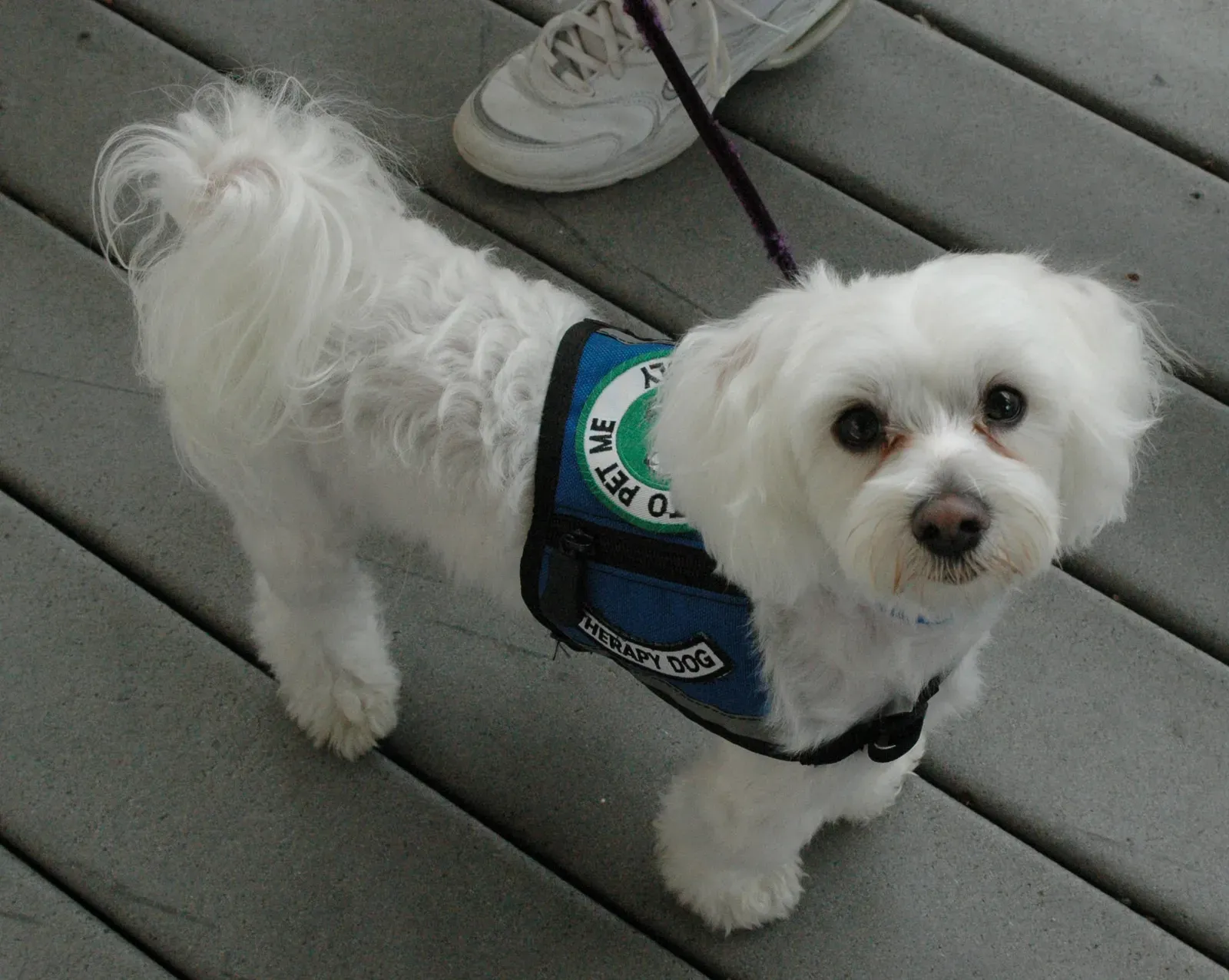
Here is where things get personal for many of us. I once went through a period of extreme work stress, and my usually independent dog started sleeping pressed against my chest every night, as if guarding me from something. Looking back, my diet, sleep, and mood were a mess, so it makes sense that my breath and sweat probably smelled different. Dogs are incredibly tuned in to changes in cortisol and other stress-related chemicals, which leak out through our skin and breath whether we like it or not.
For conditions like severe anxiety, panic disorder, post-traumatic stress, or even suicidal crises, dogs sometimes alert through whining, pawing, or blocking doors just before a major emotional crash. Machines can record heart rate and brain waves, but they rarely predict a breakdown in the wild, in real time. Dogs, on the other hand, live in constant sensory conversation with us. Their early detection is not a formal diagnosis, but in practice it can mean the difference between spiraling alone and reaching out for help just in time.
Conclusion: Dogs Are Not Magic – But They Might Be Our Most Underrated “Medical Devices”
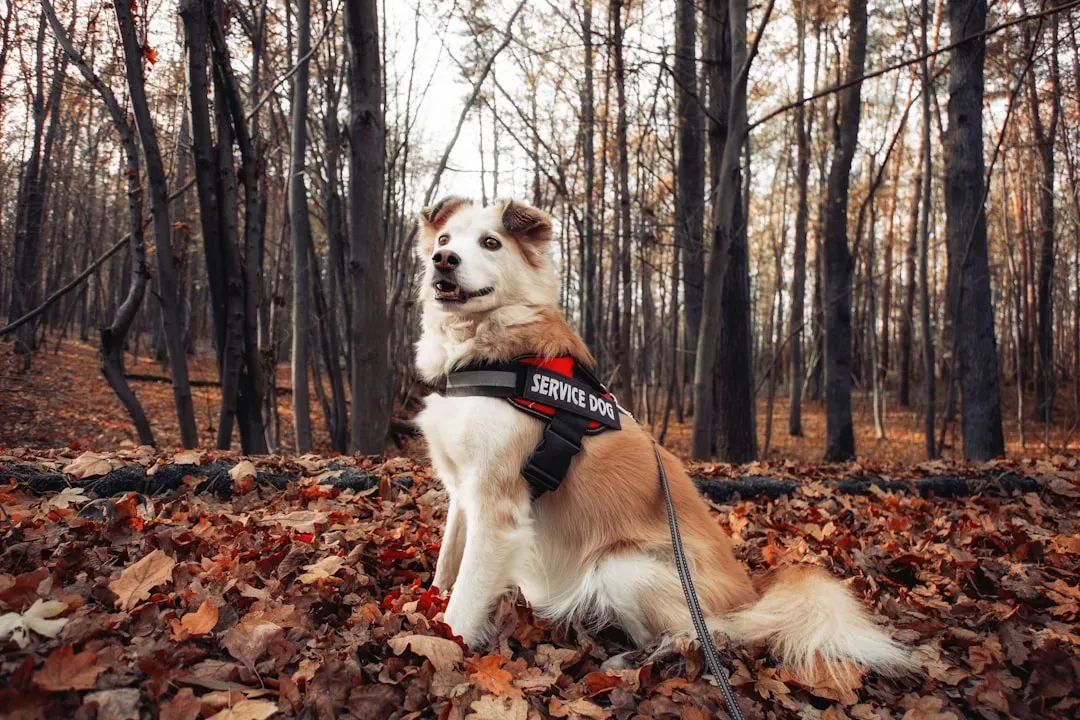
It is tempting to romanticize all this and imagine dogs as mystical healers who can smell every disease before any machine. That is not true, and it would be unfair to pretend otherwise. Not every dog has this talent, training really matters, and even the best detection dogs can make mistakes. Medical tests and imaging are still absolutely essential. But when you look at the evidence across cancer, infections, neurological disorders, metabolic diseases, and mental health, one message keeps popping up: our dogs are picking up biological warning signs long before we are.
In my view, the biggest mistake we make is treating dogs as cute extras instead of serious partners in health. We should not blindly believe every nudge or stare, but we also should not shrug it off when a usually calm dog becomes fixated on a part of your body or your behavior out of nowhere. The future of medicine will likely blend high-tech scanners, lab tests, and dog-inspired sensors that try to mimic that incredible nose. Until then, paying attention to the animal sleeping at the foot of your bed might be one of the simplest, most human pieces of preventive care you have. The next time your dog will not stop sniffing you, are you going to ignore it or at least wonder what they know that you do not?


