
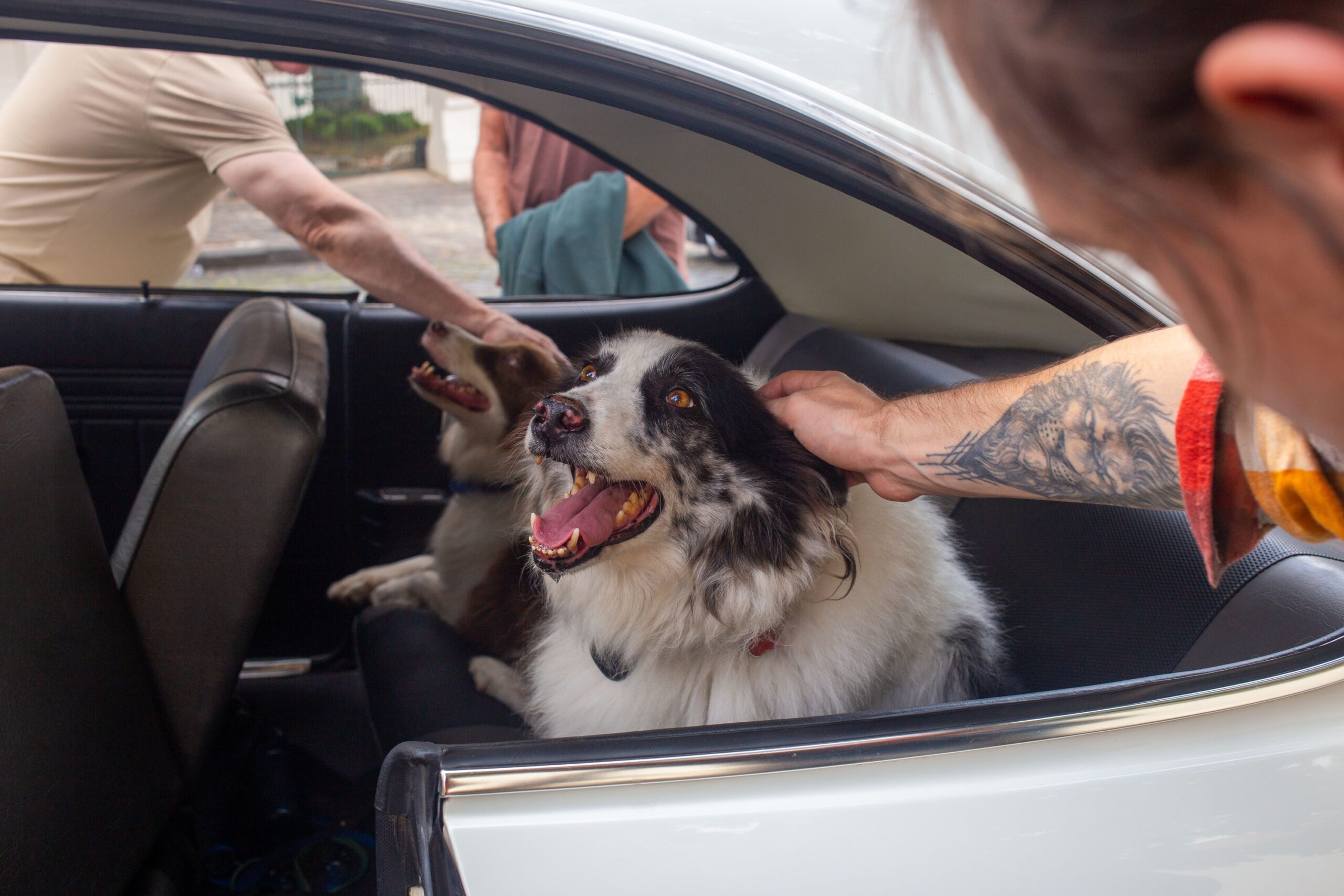
You know that gentle (or not so gentle) nudge on your hand the second you pause scratching your dog’s head? It can feel a bit like your dog has turned into a tiny furry dictator demanding nonstop service. But when you look at what behavioral science and modern dog research are actually finding, that nose nudge is far less about entitlement and far more about connection.
In other words, your dog is not just saying “more, human servant.” They’re saying something closer to “hey, I like this closeness with you, can we keep it going?” Understanding that shift – from “demanding behavior” to “solicitation of social contact” – completely changes how we see and respond to our dogs. Once you see it through that lens, the nudge becomes one of the sweetest, most emotionally honest things an animal can do.
That Nose Nudge Is a Social Question, Not a Command
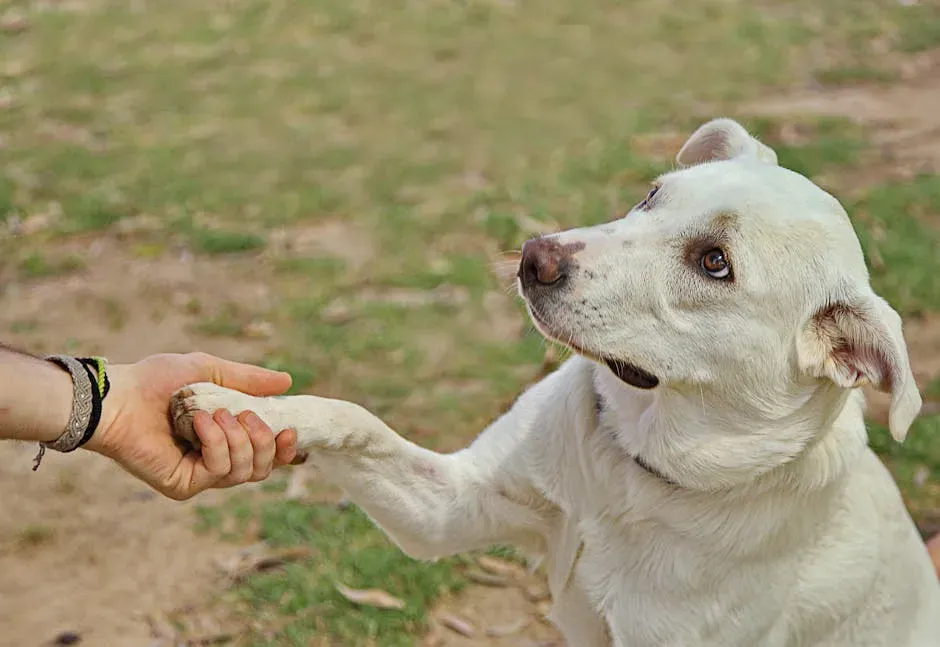
When you stop petting your dog and they lean in, paw at you, or press their nose into your hand, they’re essentially checking in: “Are we still connected right now?” In behavioral research, these small actions are often grouped under something called solicitation behaviors – ways animals actively seek social contact or interaction from someone they trust.
It is a subtle but crucial distinction. A demand implies entitlement and control. A solicitation is a request, a bid for interaction that the other party can accept or decline. Your dog cannot force you to keep petting; they can only ask in the ways evolution has given them. That little nudge is less like a boss snapping their fingers and more like a friend gently tapping your arm to say, “Hey, don’t walk away yet, I’m enjoying this.”
Dogs Are Hardwired to Seek Cooperative Social Contact
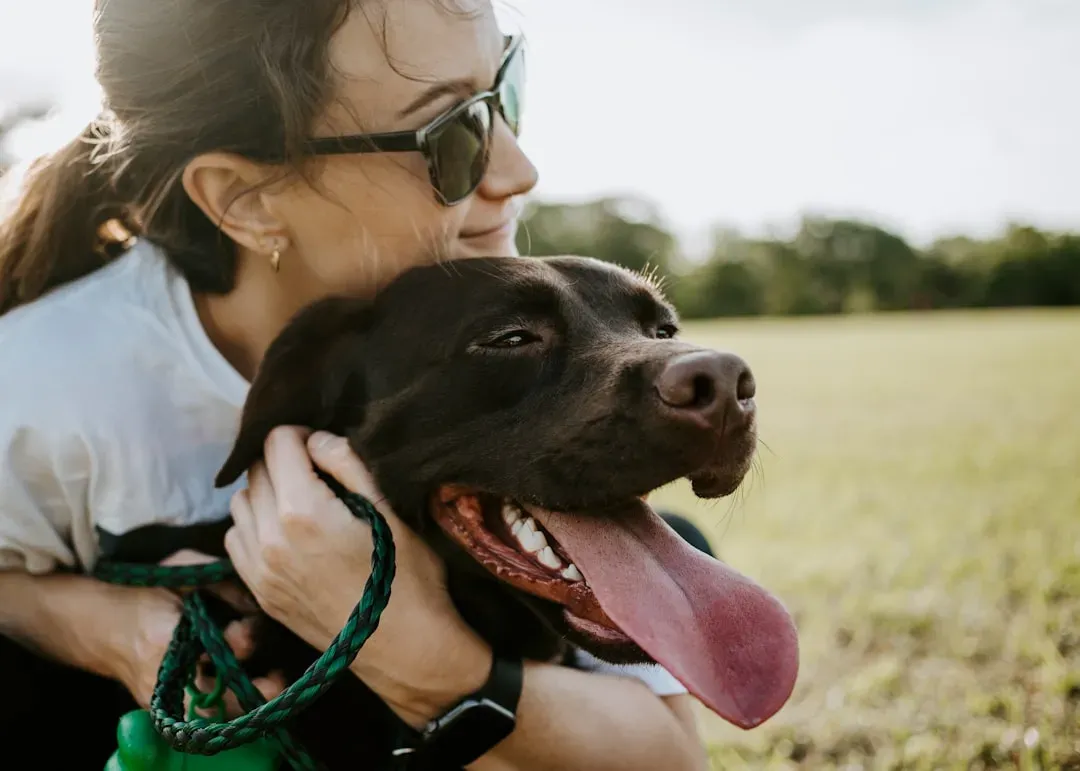
Modern research on dog behavior keeps confirming something dog people have suspected for ages: dogs are deeply social animals who are unusually tuned in to humans. Over thousands of years of domestication, dogs that were better at forming cooperative, friendly relationships with humans tended to thrive. That history is written all over their behavior today.
So when your dog nudges your hand, it fits into a much bigger pattern. Dogs sit closer than they need to, follow us from room to room, sleep near us, gaze at our faces, and use a rich mix of body language to keep that social bond alive. The nudge is just one more social “tool” they use, like a soft ping in a group chat: quick, clear, and meant to keep the connection going rather than to take control.
It Feels Good for Them – But It’s Not Just About Physical Pleasure
Let’s be honest: petting feels good. Many dogs show signs of relaxation when we stroke them in the right way – lowered heart rates, soft eyes, looser muscles, sometimes even that content little sigh. So yes, the nudge is partially about wanting more of a pleasant physical sensation. If you turned off someone’s massage mid-shoulder blade, they might reflexively lean back into your hand too.
But petting is not just physical for dogs; it is also emotional. Touch can act as social glue, reinforcing safety and togetherness. Studies have found that positive human–dog interactions can influence hormones related to bonding and stress regulation in both species. That means your dog’s nose push is not simply “more scratching, please,” but also “more of this safe, connected feeling we are sharing right now.”
Why Calling It “Demanding” Often Misses the Point
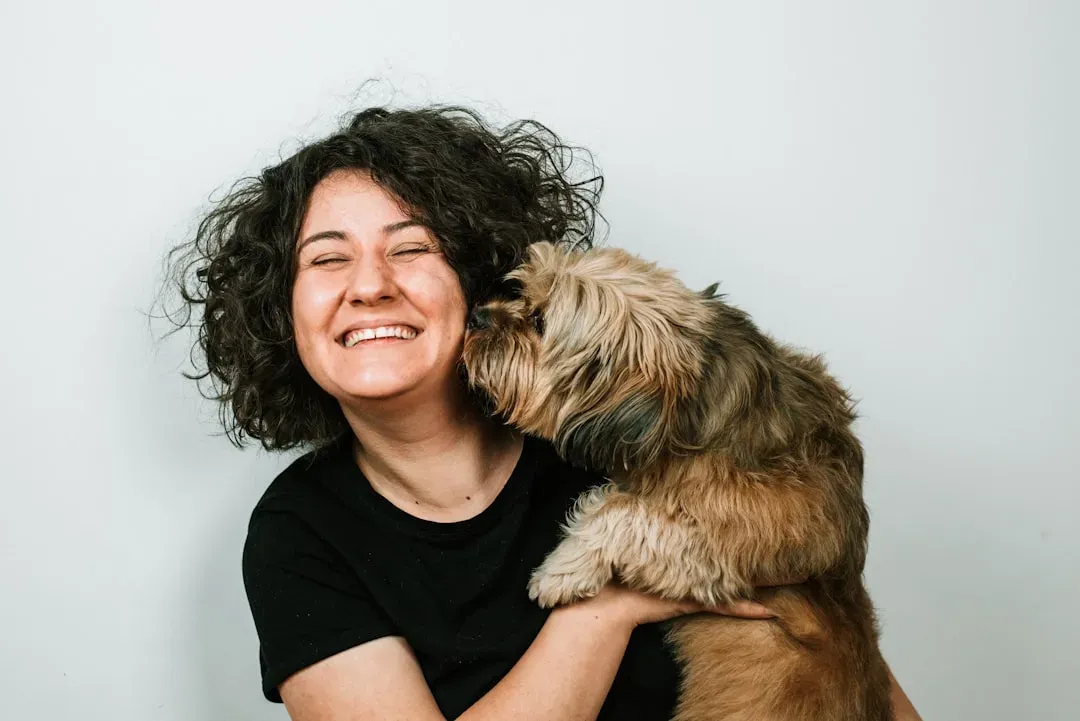
We humans have a habit of labeling behavior through a moral lens: polite, rude, bossy, demanding. When we see a dog paw or nudge for attention, it is easy to call it spoiled or pushy. The problem is that those labels do not reflect how animals actually think or what science observes about their motives; they reflect our own frustrations or expectations.
From a behavioral standpoint, your dog is simply using a behavior that has been rewarded before. You stop petting, they nudge, you resume – that cycle quietly teaches the dog that nudging is an effective way to ask for more contact. That is not moral failure or manipulation; that is basic learning. Framing it as “soliciting social contact” instead of “being demanding” encourages us to respond with curiosity instead of irritation and to notice the emotional need underneath the action.
Context Matters: Affection vs Anxiety vs Overarousal

Not every nose nudge means the same thing. Sometimes it is a calm, easygoing request for more affection; other times it can be part of a bigger picture of anxiety, frustration, or overarousal. A soft nudge paired with a loose body, relaxed eyes, and a gently wagging tail likely signals a simple desire for more connection. It is your dog saying, affectionately, “Can we keep the cuddle session rolling?”
However, if the nudging is frantic, relentless, paired with vocalizing, pacing, or difficulty settling, it might point to something more complex like stress, boredom, or a dog that has never learned how to relax without constant touch. In those cases, the behavior is still a solicitation of social contact, but it is coming from a dysregulated emotional state rather than easy comfort. That is when partnering with a good trainer or behavior professional makes sense, not because the dog is rude, but because they are struggling.
How You Respond Quietly Shapes the Habit
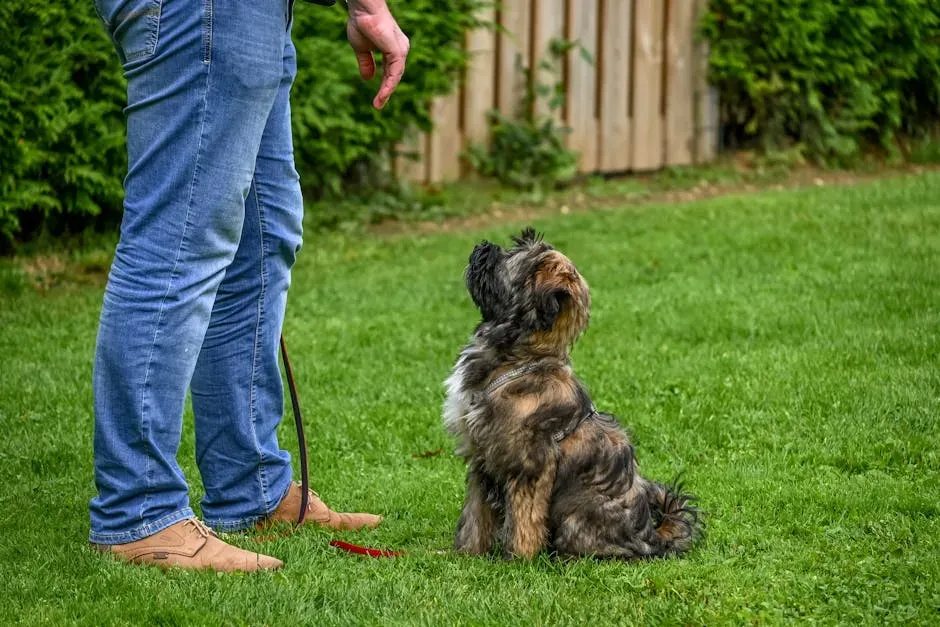
Here is where your choices come in. If you always immediately resume petting the instant your dog nudges, you are reinforcing that behavior strongly. There is nothing inherently wrong with that if you enjoy it and your dog stays calm and respectful of your space. For many people, that shared routine becomes a cherished part of the relationship – a small, everyday ritual of “I see you, I’m here with you.”
If you find the nudging excessive, though, you are not being cruel or cold by setting limits. You can calmly pause, ask for an easy alternative behavior like lying down or settling, reward that, and then offer petting on your own terms. That way, your dog still gets social contact, but they also learn that nudging does not automatically run the show. The behavior stays what it truly is – a request – and you remain free to answer yes, no, or later without guilt.
Turning the Nudge Into a Two-Way Conversation
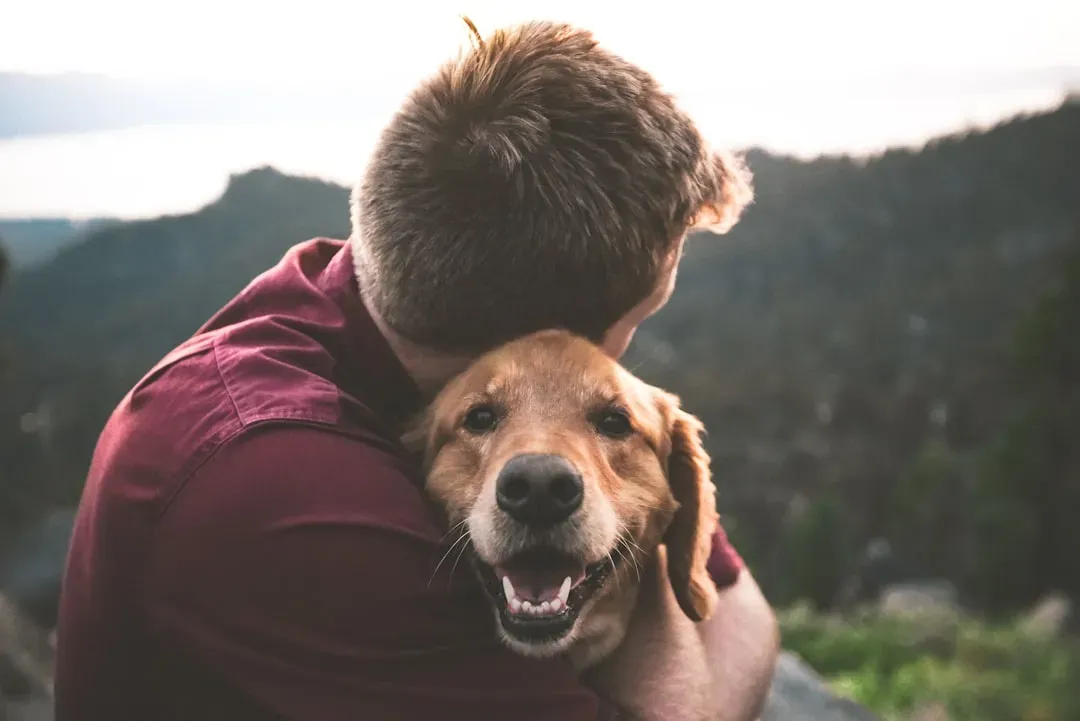
One of the coolest mindset shifts you can make is to treat that nudge as the start of a conversation, not a problem to fix. Your dog is communicating: “I’m enjoying this; I want more.” You can mentally answer back: “I hear you. Let me decide if now is a good time.” Sometimes you will say yes and lean into the cuddle. Other times you will say no and gently redirect without drama.
This kind of back-and-forth, even though it is nonverbal, is where relationships deepen. You are not a vending machine of touch, and your dog is not a boss. You are two social creatures sharing signals, comfort, and boundaries in real time. When you respond thoughtfully, you are teaching your dog that communication is safe and worthwhile – which, long term, tends to make dogs more secure, not more demanding.
Seeing Your Dog’s Behavior Through a More Generous Lens

At the end of the day, that little nose jab when you stop petting is one of the clearest reminders of how much your dog values you. Yes, it can be mildly annoying when you are trying to type or drink coffee with both hands, but step back for a second: an entirely different species is reaching out for you not for food, not for survival, but for shared comfort. That is extraordinary when you really let it land.
My own opinion is simple: we should stop calling this behavior “demanding” unless we truly mean “my dog cares a lot about staying connected to me.” The science lines up with that more generous interpretation, and frankly, so does common sense. So the next time a wet nose pushes under your palm the moment you pause, maybe you do not just feel interrupted. Maybe you feel chosen. And really, in a noisy, disconnected world, is there anything better than being genuinely wanted by a creature who has no reason to fake it?


