

Getting older with a dog can be one of the best chapters of your life. Your walks might be a bit slower, your knees might complain a little more, but that quiet moment when your dog sighs and leans into you on the couch? That still feels like magic. Yet there are health details that quietly shape both your future and your dog’s future that you almost never hear in a ten‑minute vet visit.
This is the side of dog health that lives in the “grey zone” between medical textbook and real life: how your energy, income, home layout, and your dog’s changing body all collide. It can be uncomfortable to think about, which is probably why it doesn’t come up often. But once you know these nine things, you can make smarter, calmer decisions that protect both you and your dog in a way that feels realistic, not overwhelming.
1. Your Dog’s Health Is Quietly Tied To Your Mobility And Balance
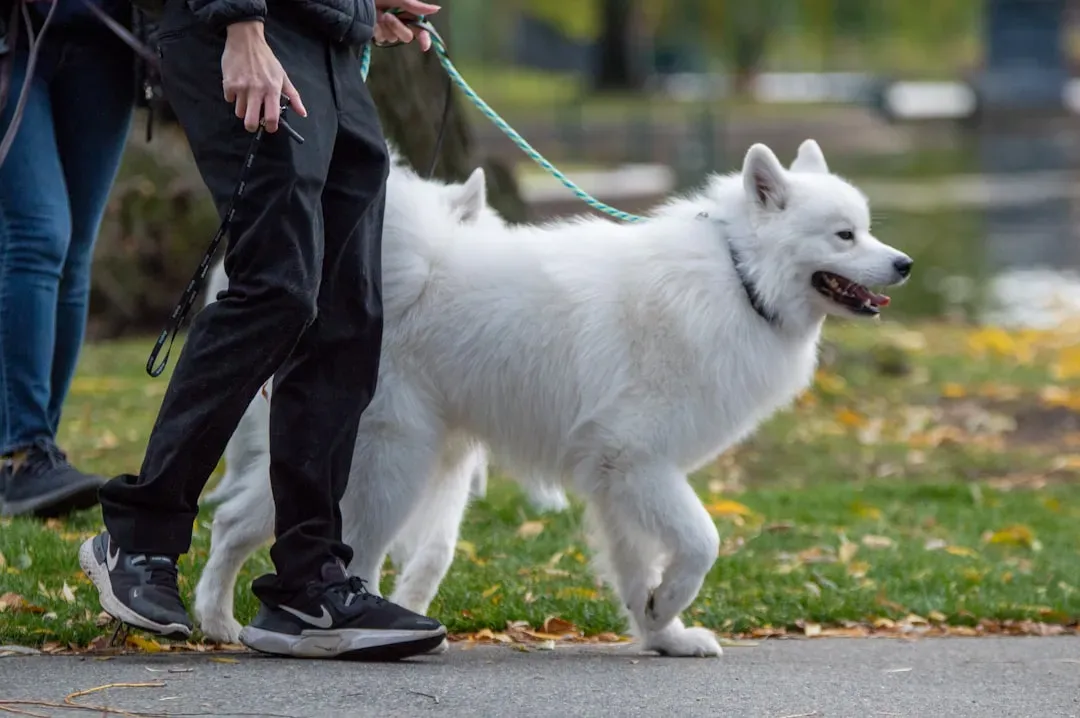
Here’s something most vets never say out loud: as you pass 60, your dog’s behavior and your risk of falling become tightly linked. A dog that pulls on the leash, darts in front of you on the stairs, or rushes the door can turn a simple walk into a real hazard when your balance, reflexes, or joints aren’t what they used to be. Even a friendly, overexcited greeting can knock you sideways if your hip or back is fragile.
The health twist is that your dog’s problems often get missed because you start avoiding walks or play to protect yourself. Less movement means weight gain, stiffness, and sometimes behavior issues from boredom. A simple shift like using a front‑clip harness, shorter leashes, and teaching a solid “wait” and “slow” can keep both of you moving safely. You’re not just preventing your own injuries; you’re also quietly improving your dog’s long‑term joint, heart, and mental health.
2. Subtle Pain Is Often Misread As “Getting Old” – And It Changes Everything
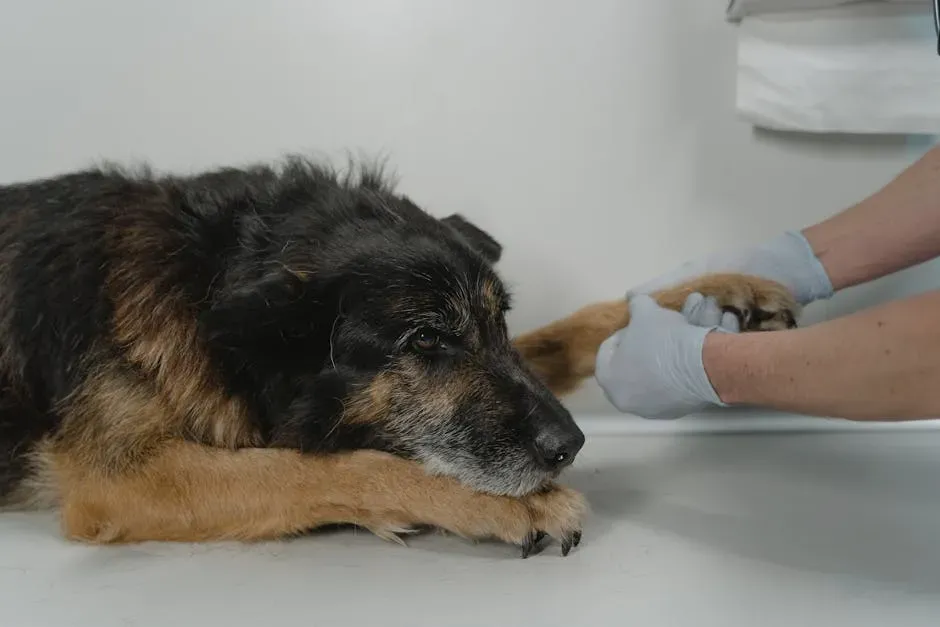
Many dogs over seven live with low‑level chronic pain that nobody recognizes, and it’s especially easy to miss when you’re also dealing with your own aches. When you wake up stiff, you expect to feel creaky; it becomes too easy to assume your dog “slowing down” is simply age. In reality, arthritis, dental pain, neck issues, and old sprains can all simmer in the background for years without obvious limping.
Watch for tiny changes: taking longer to lie down, hesitating on the last two stairs, licking joints, avoiding being touched in certain spots, or going from affectionate to a bit grumpy. These are often pain signals, not personality changes. The good news is that modern pain management for dogs is far more advanced than many people over 60 were taught to expect. With the right plan – weight control, joint support, pain meds when needed, gentle exercise – dogs often act “younger” again, and that extra spark can make your days feel lighter too.
3. Your Dog’s Weight Is One Of The Biggest Lifespan Levers You Actually Control
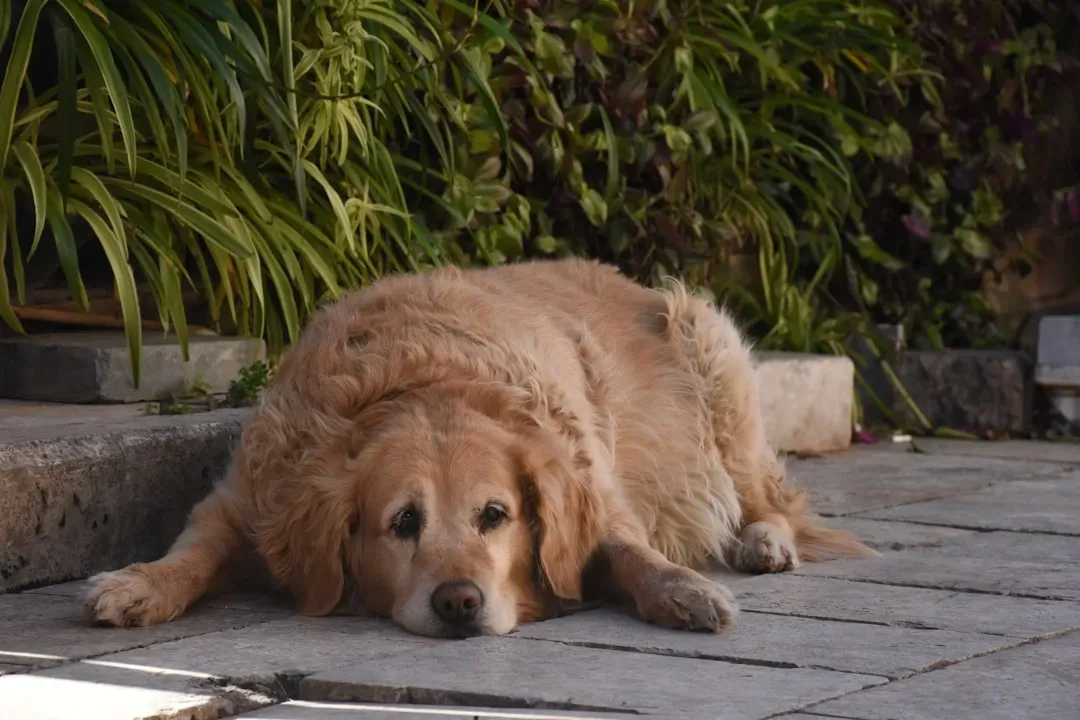
Vets talk about weight, but they rarely explain just how powerful it is, especially when you’re older. Even a bit of extra fat quietly loads more strain onto your dog’s joints, heart, and lungs. When your own back, knees, or shoulders give you trouble, lifting an overweight dog into the car, onto the exam table, or up steps becomes harder and sometimes impossible. That, in turn, makes you more likely to delay care or skip tests that require lifting.
The hard truth is that for many senior dog owners, keeping their dog lean is not just a “nice to have,” it’s a survival strategy – for both of you. A dog at a healthy weight is easier to handle, easier to support in an emergency, and far more likely to stay agile and comfortable. Measuring food with a scale instead of “by feeling,” cutting out the random snacks, and using part of their meal as treats can make a quiet but dramatic difference in both lifespan and everyday comfort.
4. Hearing And Vision Loss Are Common – And Often Mistaken For Confusion Or Disobedience

As dogs age, many start to lose some hearing or vision, just like people do, but very few owners get clear guidance on how to adjust. A dog that “ignores” you outside might not be stubborn; they might simply not hear you over background noise or see your small hand signals. Inside, bumping into furniture, hesitating in dim light, or staring at you blankly when you call can all be early clues.
For someone over 60, this matters on a safety level too. A dog that startles easily because they did not hear you approach may snap in surprise, or a dog who cannot see stairs well is more likely to pull or stumble and topple you. Soft night lights, rugs that create “paths,” consistent furniture placement, and more touch‑based cues (like a gentle tap followed by a treat) can transform their world from scary to manageable. Instead of seeing your dog as “fading,” you start seeing them as adapting – with your help.
5. Dental Disease Is Not Just A Mouth Problem – It’s A Whole‑Body, Whole‑Household Issue
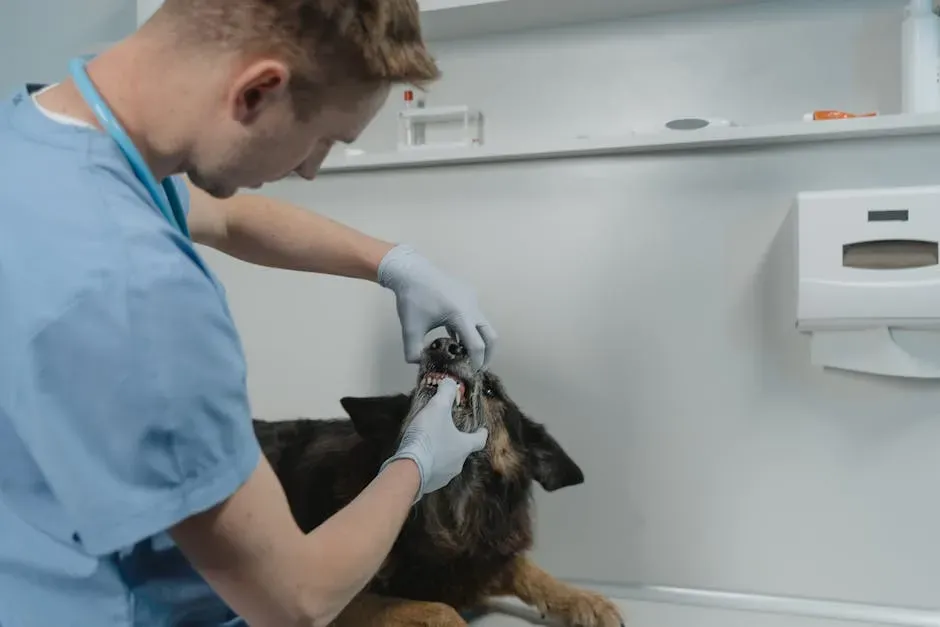
By later life, the majority of dogs have some degree of dental disease, yet it’s still treated like a cosmetic detail. For older owners, the consequences can be bigger than usual. Bad teeth hurt, even if your dog keeps eating, and that constant discomfort quietly chips away at their appetite, energy, and mood. Infections in the gums can also stress the heart, kidneys, and immune system over time.
What rarely gets discussed is how this affects your daily life as an older adult. Picking up a dog with painful teeth to put them in the car can make them yelp or snap, which is scary when your skin is thinner and your healing is slower. On top of that, the cost of dental work can feel overwhelming on a fixed income, so owners delay it. Having an honest, early conversation with your vet about staged cleanings, payment options, and home care you can realistically do – like dental wipes or specific chews – can help you protect your dog’s comfort without feeling backed into a financial corner later on.
6. Your Energy Levels Should Shape Your Dog’s Exercise And Enrichment Plan
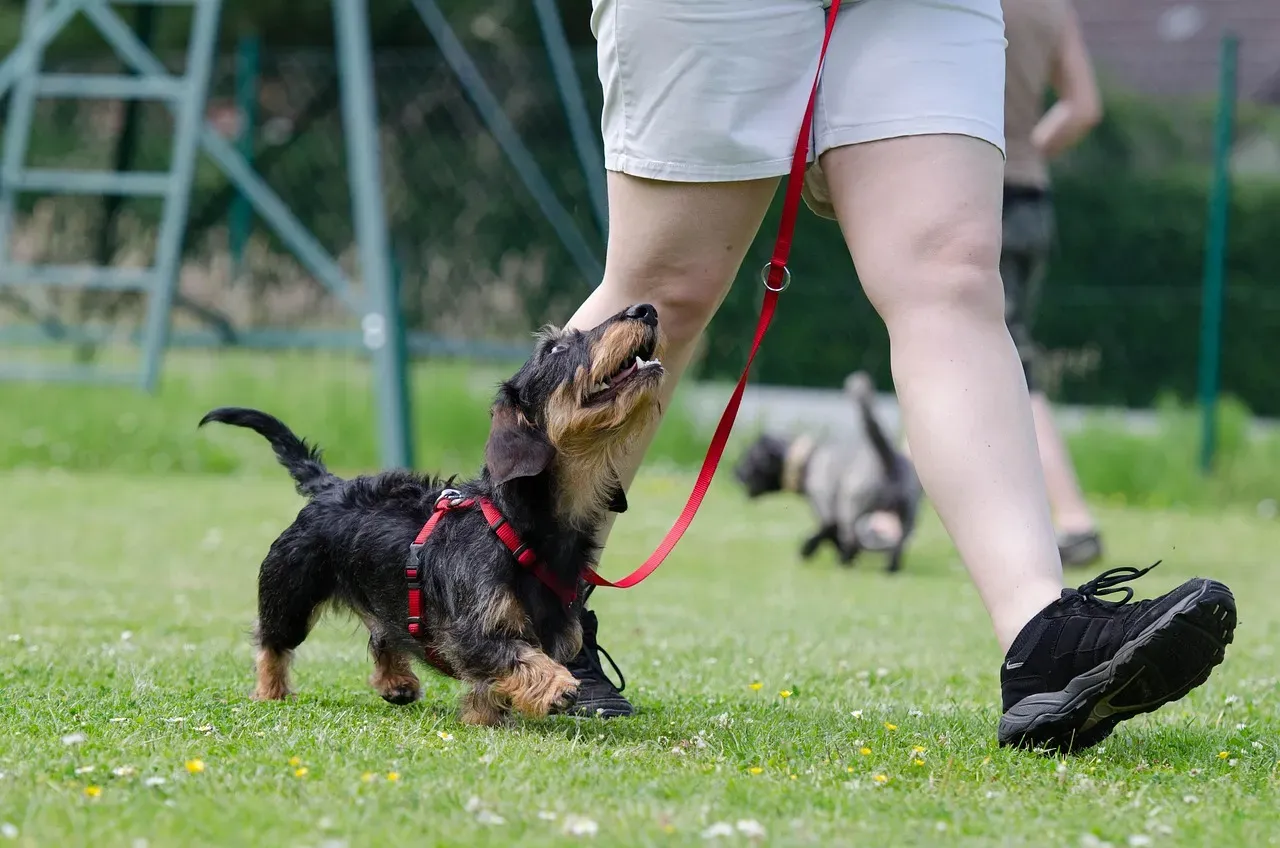
Many health guidelines for dogs assume the owner has endless time and energy for long walks, hikes, and play sessions. That is simply not realistic if your knees ache, you’re caring for a partner, or you are managing your own chronic conditions. Trying to match those idealized routines can leave you feeling guilty or physically wrecked, which does not help anyone – including your dog.
The part vets rarely emphasize is that mental exercise can be just as powerful as physical exercise for many dogs. Short sniff‑walks, simple scent games at home, food puzzles, scatter feeding in the yard, or basic training sessions while you sit in a chair can wear your dog out far more than a drag‑you‑down‑the-block march. Instead of forcing yourself to keep up with a fantasy standard, design a routine that respects your body while still giving your dog a rich, interesting life.
7. Planning For Emergencies And “What If I Get Sick?” Protects Your Dog More Than Any Supplement
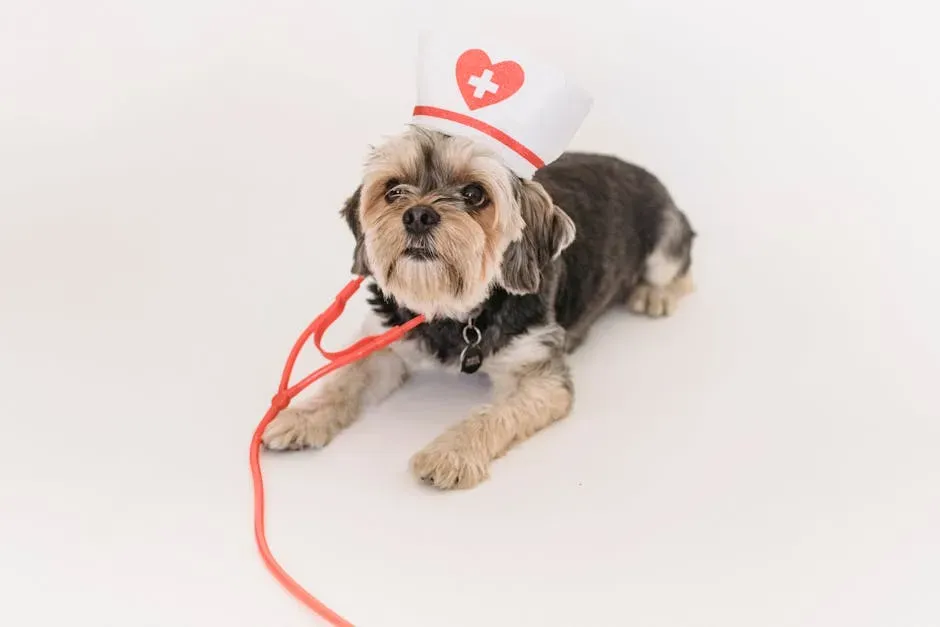
There is a topic that hovers in the background for every dog owner over 60 and almost never gets discussed at the vet: what happens to your dog if you land in the hospital unexpectedly? It is uncomfortable, but pretending it will not happen is a risky strategy. A sudden illness or fall can leave your dog alone, confused, and possibly without proper care for hours or days if no one is clearly assigned to step in.
A basic written plan is one of the most powerful health decisions you can make for your dog. List who will take the dog short‑term, who is allowed to make medical decisions, what meds they take, what and how much they eat, and where their vet and records are. Keep a copy in your wallet and on your fridge, and tell at least one neighbor or friend where it is. It feels morbid the first time you do it, but in reality, it is a deeply loving act that keeps your dog from becoming an afterthought in a crisis.
8. Senior Screening Tests Matter More When You’re Also Aging – But They Need To Be Chosen Wisely
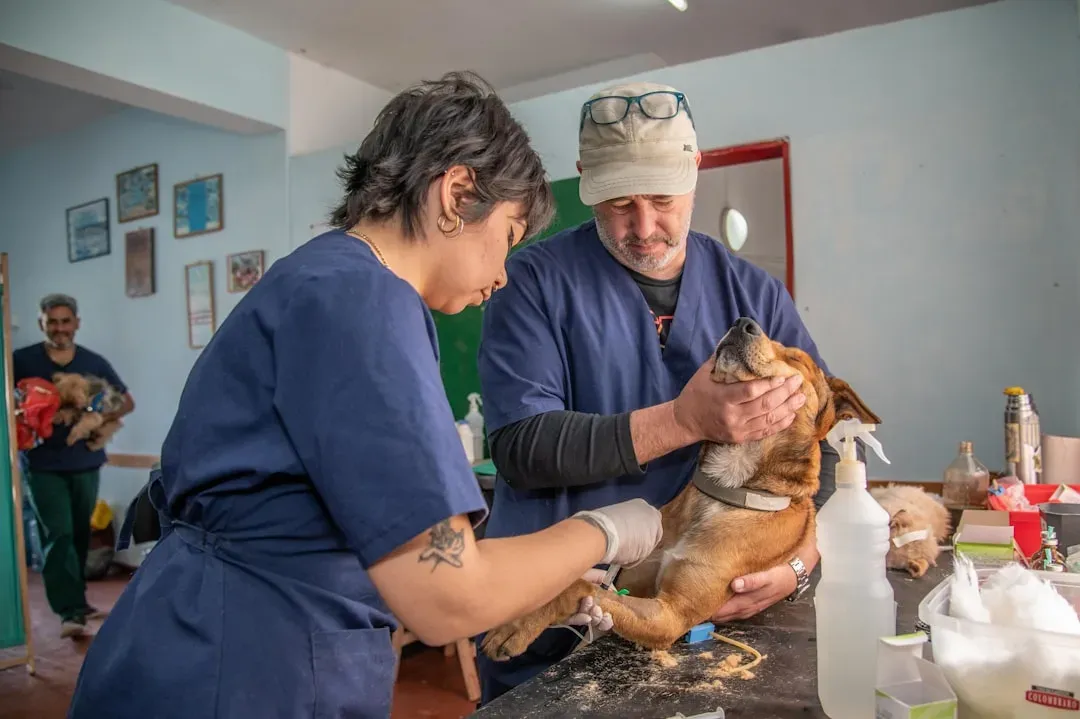
As dogs get older, vets often recommend more bloodwork, imaging, and monitoring, but rarely connect this to your own stage of life. When you are over 60, those tests are not just about finding problems; they are about avoiding late‑stage emergencies that are physically and emotionally harder for you to manage. Catching kidney disease, diabetes, thyroid issues, or early heart changes before your dog collapses one night can spare you a traumatic rush to the emergency clinic that your body and nerves might struggle to handle.
At the same time, not every possible test is automatically the right choice, especially if money is tight. This is where you should feel empowered to ask direct questions: What decisions would this test actually change? Is this more about curiosity, or will it alter treatment? What is the most important screening for a dog of this age and breed, given my budget? Prioritizing the tests that truly guide care lets you protect your dog’s health without draining the resources you also need for your own medical needs and daily security.
9. Honest Conversations About The End Of Life Can Prevent A Lot Of Regret
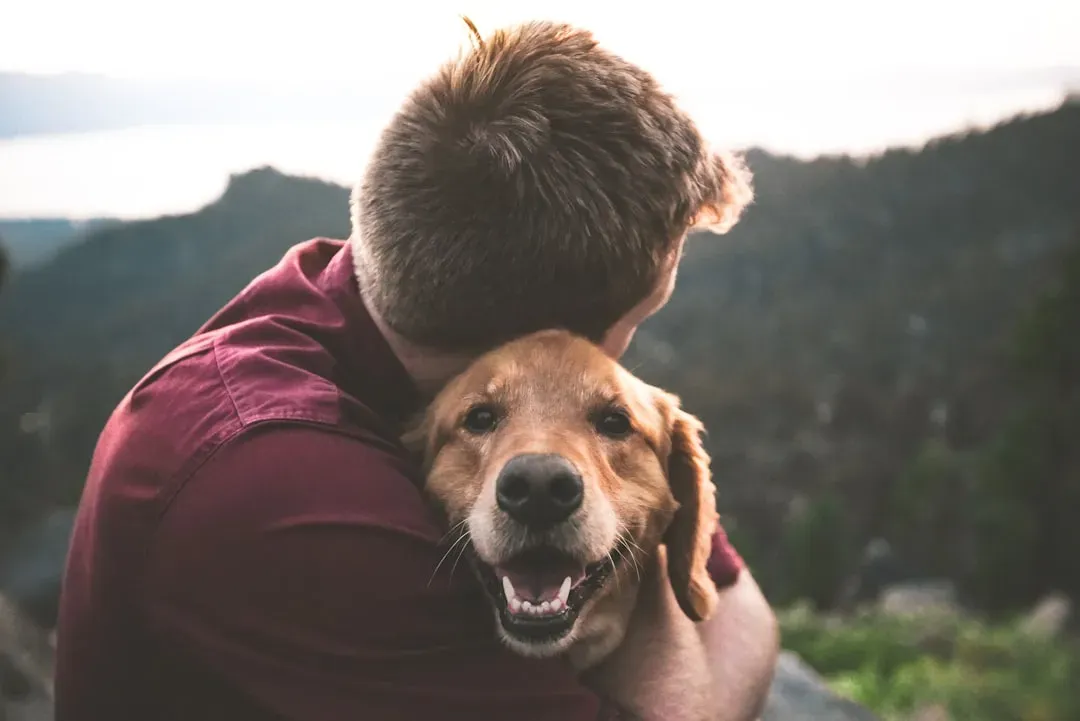
By the time both you and your dog are in your later years, the usual “fight everything to the end” approach can become more complicated. You may not be able to physically carry an immobile large dog outside, lift them into a car, or stay awake all night nursing them. This is not a failure on your part; it is your body telling the truth. But if nobody talks about it ahead of time, you can end up in heartbreaking situations where your love for your dog clashes with what you can physically or financially do.
It is worth sitting down – early, while things are still relatively good – and quietly asking yourself what a good last chapter looks like for both of you. How much pain is too much? How many emergency visits feel acceptable? Are there lines you know you cannot cross, such as carrying a heavy dog up stairs several times a day? Sharing these thoughts with your vet allows them to support you with realistic options, home‑based comfort care, and gentler timing. It is not giving up; it is refusing to let the final decisions be driven purely by panic and guilt.
Conclusion: Growing Older Together Should Feel Like A Partnership, Not A Struggle
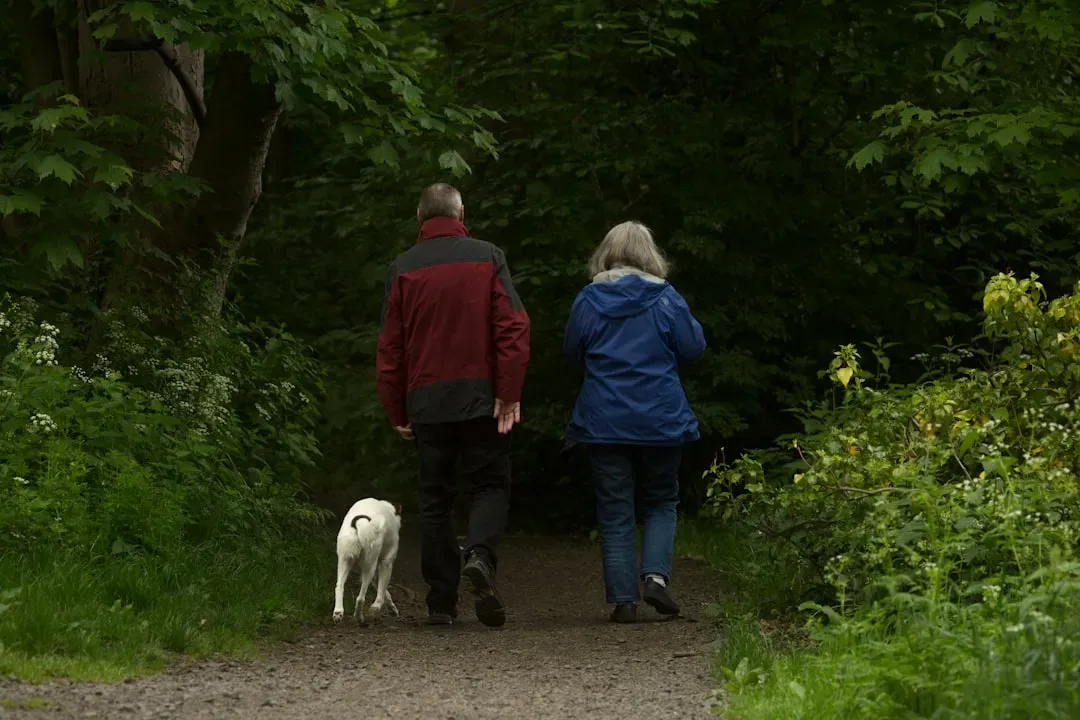
Living with a dog after 60 is not just about managing their arthritis, teeth, or bloodwork; it is about accepting that your lives are woven together in practical, physical, and emotional ways. The pieces people rarely talk about – your balance, your budget, your energy, your ability to lift, and your fears about the future – directly shape your dog’s health as much as any medication. Ignoring that reality does not make it less true; it just makes it harder when life eventually tests the weak spots.
Looking at these nine “quiet truths” is not meant to scare you; it is meant to give you back a sense of control. With a leaner dog, better pain recognition, safer routines, an emergency plan, and honest end‑of‑life conversations, you are not at the mercy of bad luck. You are building a soft landing for both of you. In the end, that is what real love looks like at this stage of life: less about grand gestures, more about practical, deeply thoughtful care. When you picture your dog years from now, do you see a relationship running on guilt and guesswork, or one guided by calm, informed choices that honor you both?


