
If you share your life with an older dog, you already know: they slow down, they nap more, and they do not bounce back from things the way they used to. But somewhere in that blur of “just getting older” can hide the early clues of serious disease, and those are the clues veterinarians desperately want you to spot sooner, not later.
This is especially important if you are over 60 yourself. You may be juggling your own health, energy, and finances while trying to give your senior dog the best possible care. That makes it even more crucial to know when something is no big deal and when it is a flashing red light. Let us walk through the specific warning signs vets say should never be brushed off as “just age” in a senior dog.
Slowing Down vs. Subtle Pain: How to Tell the Difference
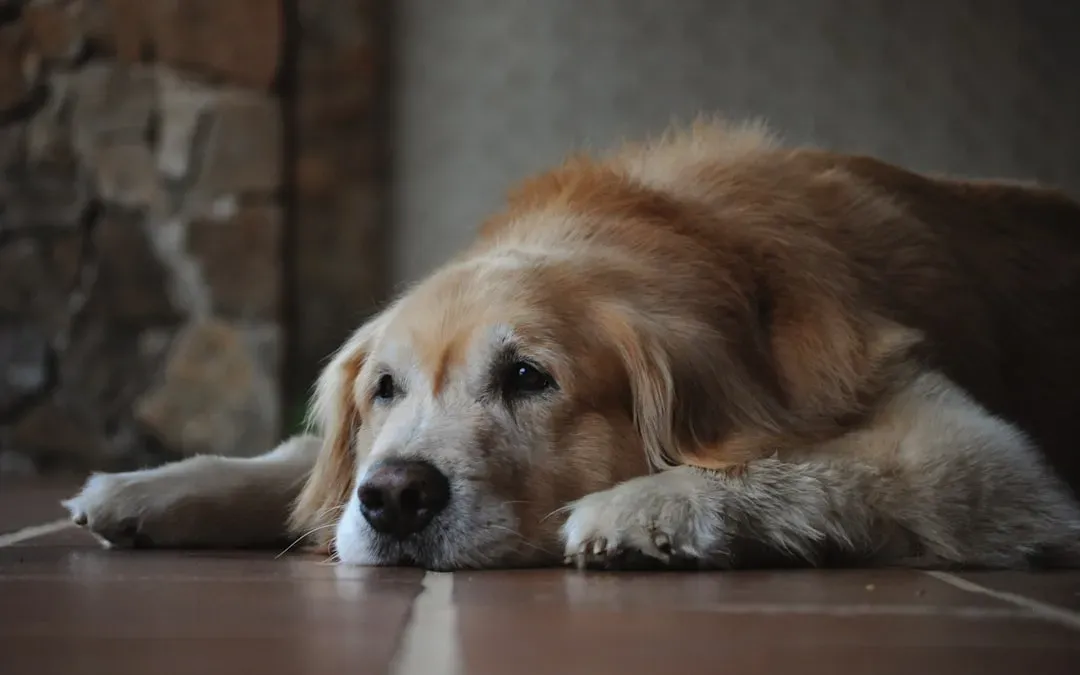
It is easy to assume a senior dog that is lagging on walks or hesitating at the stairs is simply “old and tired.” Veterinarians will tell you that in many cases, that slowdown is actually chronic pain from arthritis, spinal issues, or joint disease. Dogs are experts at suffering quietly; instead of crying out, they change how they move, avoid jumping onto the couch, or stop playing fetch as often.
Watch for small but consistent changes: taking longer to get up, stiffness after naps, or suddenly refusing activities they used to love. These can be early red flags of pain that can often be managed with medications, supplements, weight control, or physical therapy. Catching this early does not just add comfort; it can literally add years of higher-quality life to your dog, and make your daily routines easier and more enjoyable too.
Changes in Drinking and Peeing: A Big Clue You Cannot Ignore
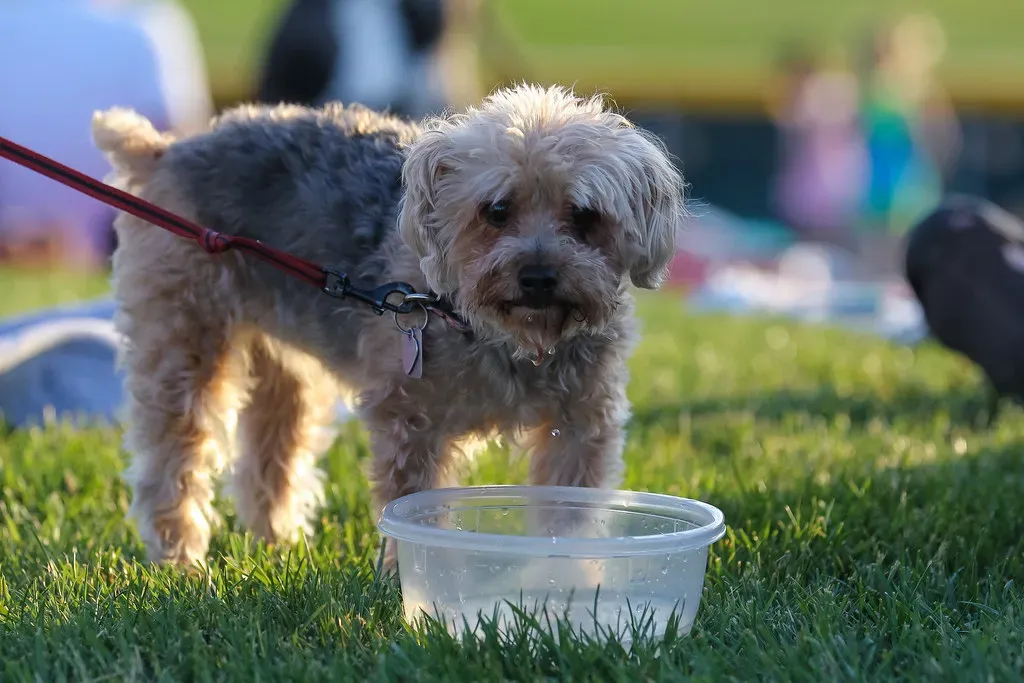
One of the most important things vets ask about in senior dogs is water intake and urination. Drinking noticeably more than usual or needing to pee more often can signal kidney disease, diabetes, Cushing’s disease, or urinary tract problems. On the flip side, suddenly drinking much less can also be a concern, especially if your dog seems weak or confused.
If you are over 60, you might already have your own bathroom and hydration routines; consider mentally pairing those with your dog’s habits. Notice if you are refilling the water bowl more than usual, or if your dog starts having accidents in the house after years of being perfectly trained. That is not “stubbornness” or “getting back at you” – it is your dog’s body waving a flag that something internal has changed and needs a vet’s attention.
Weight Loss, Weight Gain, and the “Pot-Belly” Look
Older dogs rarely have random weight changes without a reason. Gradual but steady weight loss can point toward chronic issues like kidney disease, dental problems, cancer, or digestive disorders. Sometimes guardians do not notice this until they actually run a hand over the dog’s ribs and spine and realize there is less muscle and fat than there used to be.
On the other hand, weight gain or a strange “pot-belly” shape can also be a major red flag. Conditions like Cushing’s disease, low thyroid function, or fluid buildup in the abdomen can all cause a distended belly, and they can be serious if left untreated. If your dog’s body shape changes noticeably over a few weeks or months – whether leaner, rounder, or just “off” – that is a strong signal to schedule a checkup instead of waiting to see if it passes.
Behavior Shifts and Senior Dog Dementia
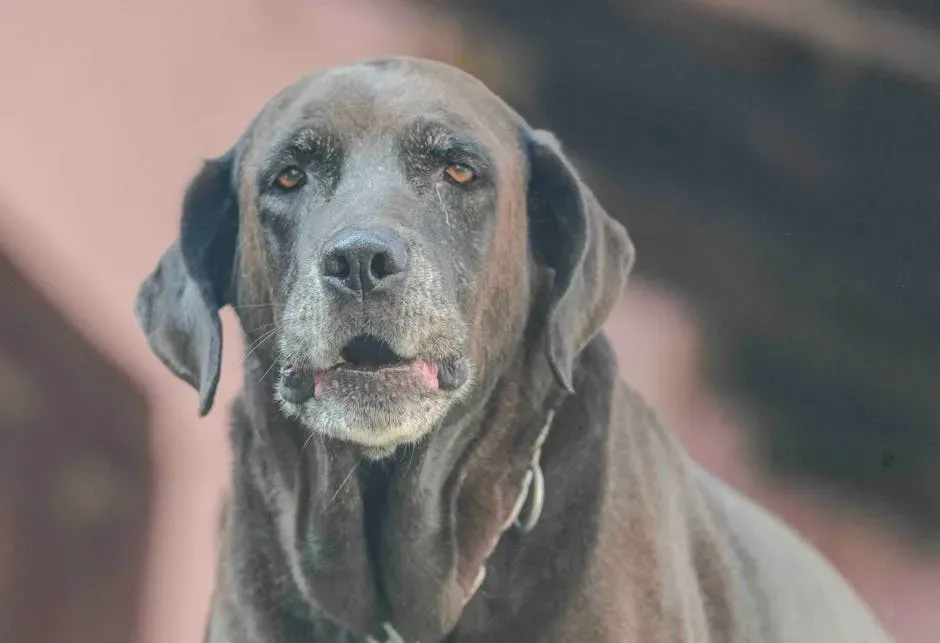
When a senior dog starts pacing at night, staring at walls, getting stuck behind furniture, or seeming to forget familiar routines, many owners assume it is simply “confusion with age.” Veterinarians now recognize a condition similar to human dementia in older dogs, often called canine cognitive dysfunction. The early signs can be subtle but deeply unsettling: nighttime restlessness, random barking, or seeming not to recognize family members for a moment.
What makes this tricky for people over 60 is that disrupted sleep caused by a restless dog can wear you down quickly too. The good news is that there are diets, medications, and lifestyle adjustments that can help slow cognitive decline and improve quality of life for both of you. If your senior dog’s personality seems to be fading around the edges – more anxious, clingy, withdrawn, or “lost” – that is not something you should silently accept. It is something to bring up with your vet in detail.
Coughing, Heavy Breathing, or “Just Getting Winded”
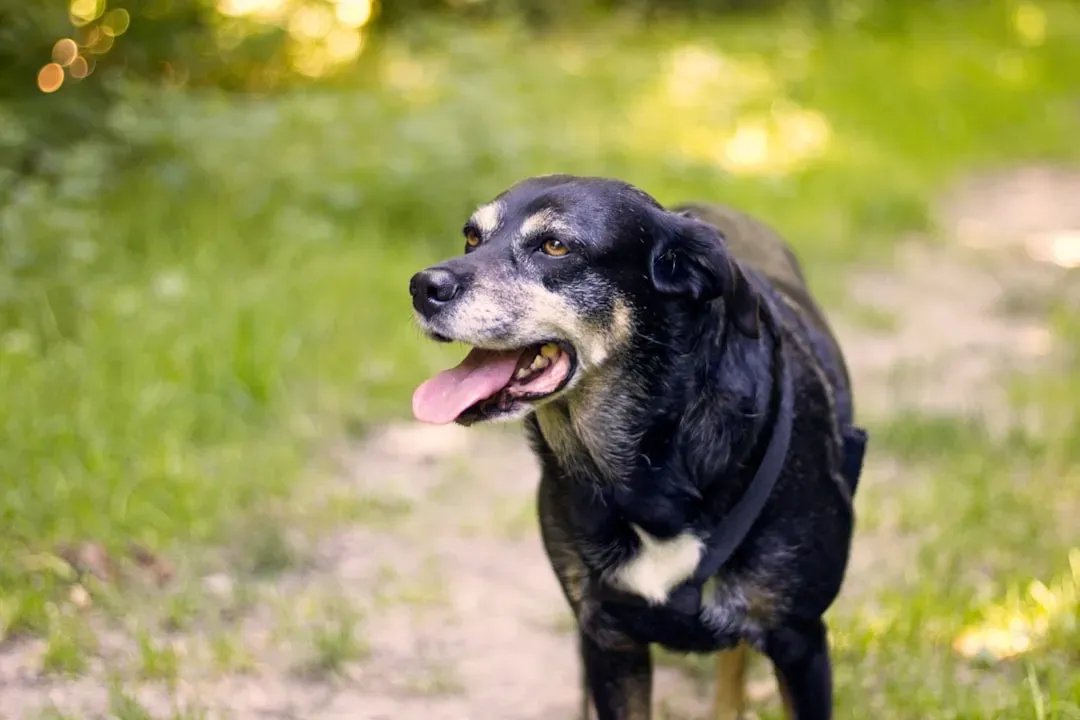
A senior dog who starts coughing, panting heavily at rest, or getting winded on short walks might not just be out of shape. Heart disease, lung disease, collapsing airways, and even certain cancers can show up first as mild breathing changes that are easy to shrug off. Pay attention to patterns: a cough mostly at night, swelling around the belly, or a dog who seems to struggle more when it is humid or hot outside.
Because many people over 60 pace themselves and move more slowly, it can be tempting to adjust the walk to the dog and ignore how different things really are. Instead, try to remember how your dog handled the same route six months or a year ago. If they now stop to rest, seem anxious, or lie down after minimal activity, your vet may want to listen to the heart, check blood pressure, and run bloodwork or imaging. Early treatment can sometimes turn a scary diagnosis into a manageable long-term condition.
Digestive Upsets That Keep Coming Back
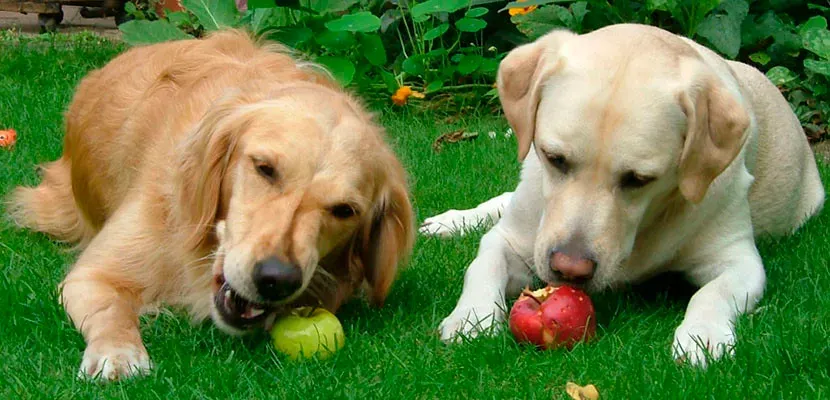
An occasional upset stomach happens; dogs eat weird things, and not every loose stool is a crisis. The danger for senior dogs comes when vomiting, diarrhea, or reduced appetite become a pattern instead of a one-off event. Repeated bouts of “tummy trouble” can signal kidney or liver disease, pancreatitis, inflammatory bowel disease, endocrine disorders, or even intestinal tumors.
For older adults, cleaning up frequent messes or dealing with a dog that will not eat can be exhausting and emotionally draining. You might be tempted to try home remedies over and over, but if digestive problems recur, last more than a day or two, or are paired with weight loss or low energy, it is time for a proper exam. A vet can differentiate between something simple, like a dietary intolerance, and something far more serious that needs labs, imaging, or ongoing management.
Eyes, Ears, and Mouth: Small Places, Big Warnings
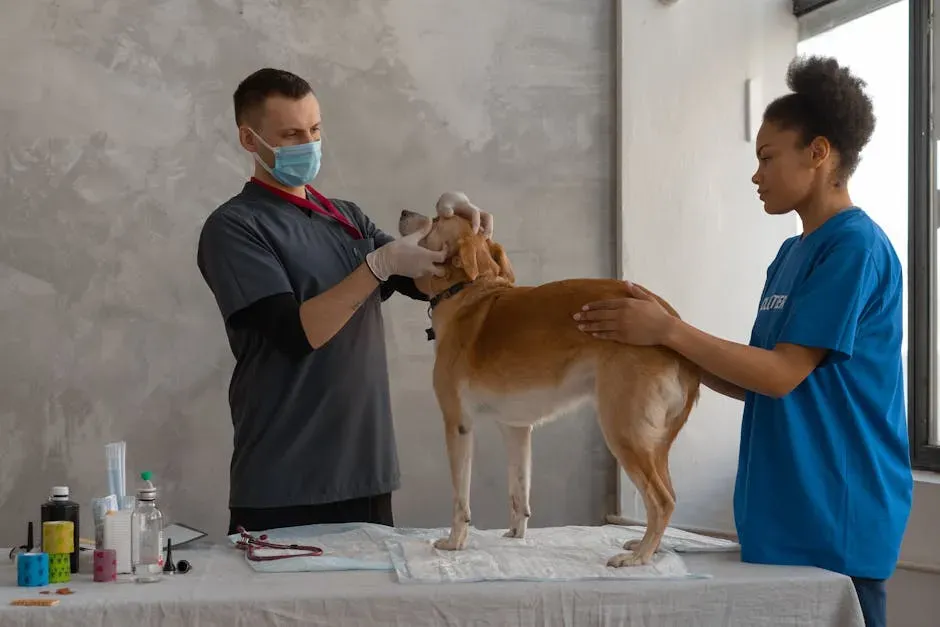
Veterinarians pay a lot of attention to the parts of your dog you probably inspect the least: the eyes, the ears, and the mouth. Cloudy eyes, squinting, redness, or a sudden bump in eye discharge can mean cataracts, glaucoma, or other painful conditions that threaten vision. Frequent head shaking, foul ear odor, or tilting the head can indicate infections or even neurologic problems that need more than a quick cleaning.
The mouth might be the most overlooked warning zone. Bad breath that you smell from across the room, loose or missing teeth, drooling, or dropping food can point to dental disease, oral pain, or even mouth tumors. For senior owners, it can be difficult to wrestle a dog for toothbrushing or ear cleaning, but that makes regular professional checks even more important. These “small” issues often hurt far more than dogs let on, and treating them can transform how comfortable and cheerful your older dog seems day to day.
When Your Gut Says “Something’s Off” – Trust It

One of the most powerful tools you have as a senior dog guardian is your intuition. You know your dog’s habits, quirks, and moods better than anyone else. If you find yourself thinking, over and over, that your dog “just is not quite right” – sleeping differently, moving oddly, interacting less – that vague feeling can be the earliest and most important warning sign of all.
As someone over 60, you might already have experience advocating for your own health, asking questions, and pushing for answers when something feels off. Your dog needs you to do the same for them. In my view, it is far better to be the “overcautious” client a vet sees a bit too early than the heartbroken one who arrives when it is too late. Senior dogs give us a kind of honest, uncomplicated love that is rare in this world; the least we can do is listen closely when their bodies whisper for help before they are forced to scream. Did you expect that the quiet, everyday changes could be the ones that matter most?


