
If you’ve ever locked eyes with a dog and thought, “You and I could grow old together,” you already know that not every breed fits every season of life. Some dogs are basically weighted blankets with tails, while others wake up every morning like they’re training for the Olympics. Choosing the wrong dog for your age and lifestyle can turn a sweet dream into a stressful daily grind.
This is especially true for seniors and older adults. The right dog can lower stress, encourage gentle movement, and bring real companionship. The wrong one can pull you off your feet, shred your schedule, and make you feel guilty or overwhelmed. Let’s walk through ten breeds that tend to be wonderful matches for many seniors – and five fantastic dogs that usually do better with younger, more energetic humans.
Cavalier King Charles Spaniel: The Couch Companion With a Big Heart
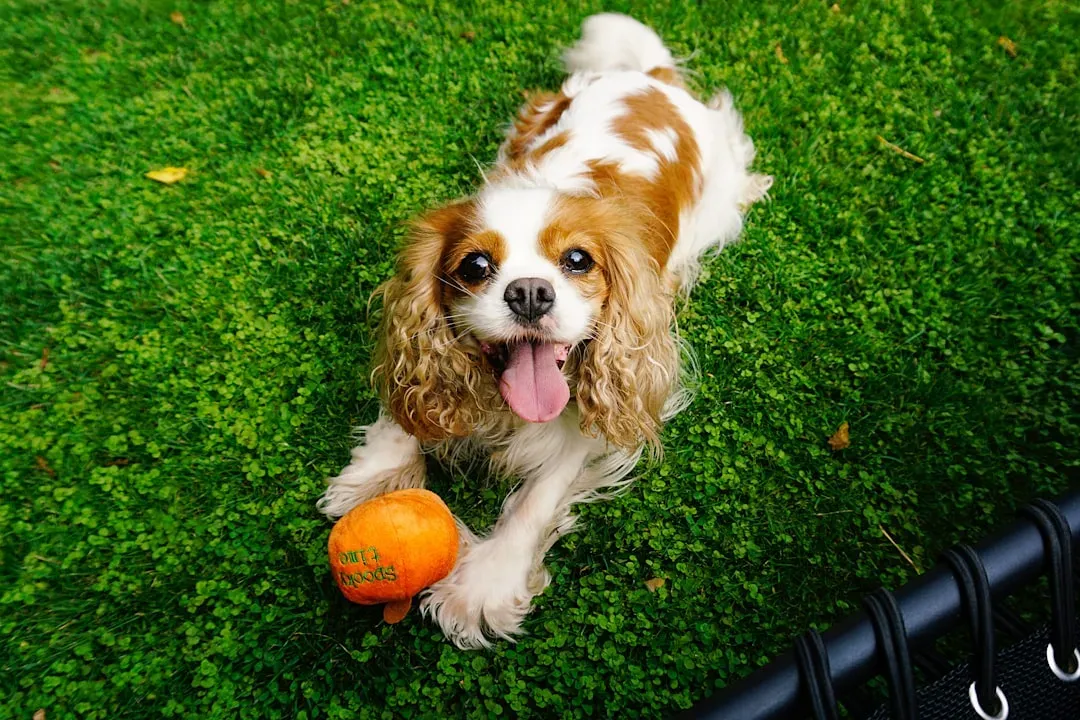
Cavaliers are often described as “lap dogs with manners,” and that sums them up pretty well. They’re small enough to lift, gentle enough for fragile skin and joints, and usually happiest when they’re simply near their person. Many seniors love that a Cavalier will follow them from room to room but still be content with short, easy walks.
They’re also typically very social, which can be a lifesaver if you feel lonely. A Cavalier has a way of pulling people into conversation at the park or vet’s office. The tradeoff is that the breed is prone to certain health problems, especially heart and eye issues, so seniors need a good vet relationship and a realistic budget for care.
Pug: A Comedian in a Compact Package
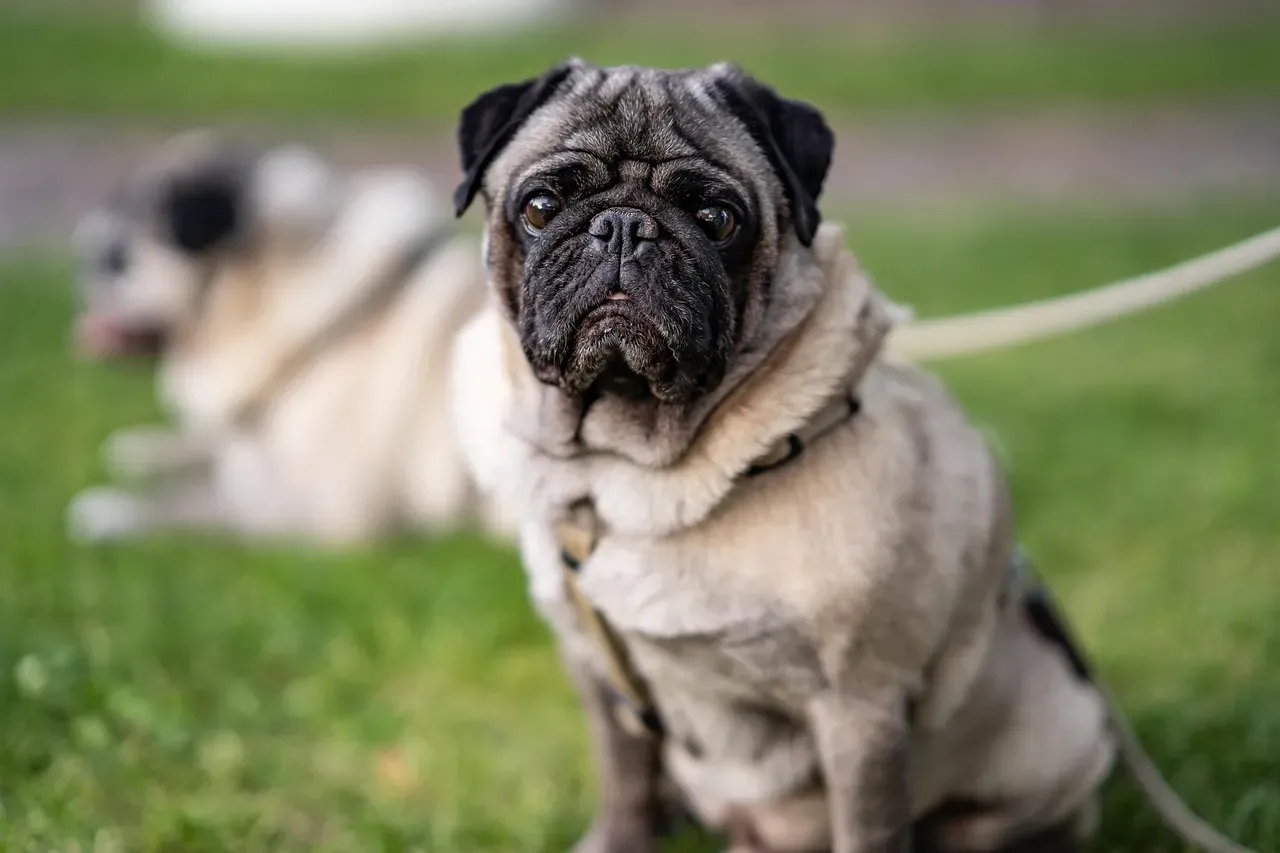
Pugs are like that funny friend who turns even a quiet afternoon into a story. They’re sturdy but small, generally friendly with strangers, and often bond closely with whoever feeds and snuggles them most. For many seniors, their biggest plus is that they don’t need marathon walks – short strolls and indoor play are usually enough.
Because of their flat faces, though, pugs can struggle with breathing and heat, so they’re better for seniors who live in moderate climates or have good air conditioning. Their snorting and snoring can be either hilarious or annoying, depending on your sense of humor. If you want a dog that makes you laugh more than you scroll, a pug can be a surprisingly good fit.
Bichon Frise: The Hypoallergenic Social Butterfly
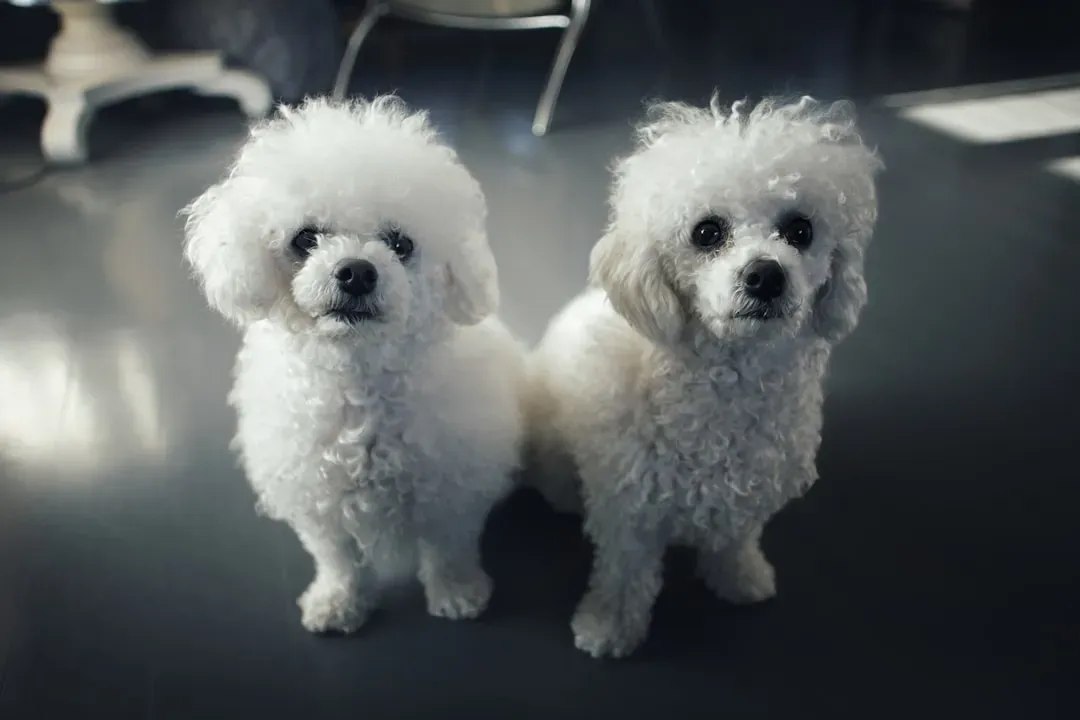
Bichon Frises are often recommended for older adults because they’re small, cheerful, and typically good for people with mild dog allergies. Their curly coat doesn’t shed much, which keeps the house cleaner, and they’re usually light enough for seniors to control on a leash without fear of being dragged.
The catch is that low-shedding coats require regular grooming, either at home or with a professional. For a senior who enjoys routine and has a bit of extra time, brushing and grooming can become a calm, almost meditative ritual. For someone who hates that kind of maintenance, though, it can feel like one more chore. Personality-wise, they’re often outgoing and people-focused, which helps seniors stay socially engaged.
Cocker Spaniel: Gentle Soul With Manageable Energy
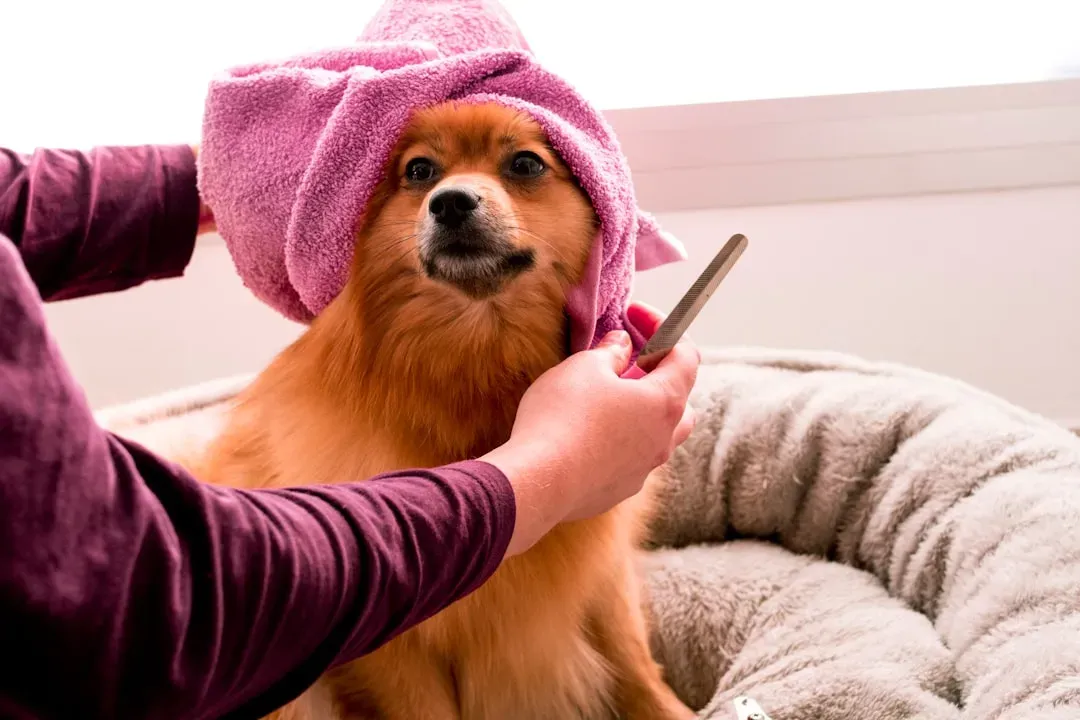
Cocker Spaniels bring a sweet, sensitive temperament that many seniors find deeply comforting. They’re big enough to feel like a “real” dog but not so large that they’re unmanageable. Most Cockers enjoy moderate walks, gentle play, and then curling up nearby for hours, making them a good match for a slower-paced household.
They do need regular ear and coat care, since their long ears and softer fur can be prone to infections and mats. On the upside, that grooming time often becomes bonding time. For a senior who wants a dog that looks classic and beautiful but doesn’t need endless running, a well-bred, well-socialized Cocker can be a wonderful choice.
Shih Tzu: Small Dog, Big Lap Loyalty

Shih Tzus were literally bred as royal lap dogs, and they still take that job seriously. Many seniors appreciate their compact size, calm demeanor indoors, and generally friendly nature. They’re usually content with a couple of short walks or even indoor play, then they’re ready to nap while you read, watch TV, or chat on the phone.
Their long coat looks glamorous in photos but demands real-world upkeep. Many owners opt for a shorter “puppy cut” to make daily life easier. If a senior has access to a good groomer and likes the idea of a snuggly, somewhat independent companion, a Shih Tzu can feel like a little royal roommate who is perfectly happy to slow down with you.
Maltese: Featherweight Friend for Smaller Spaces
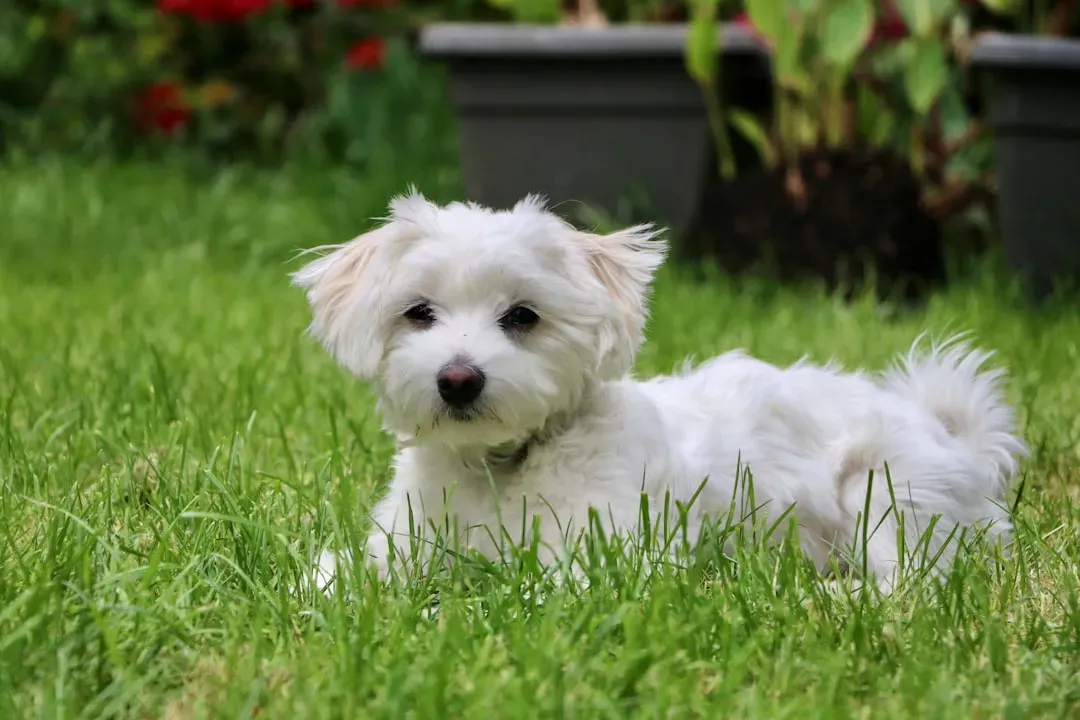
The Maltese is a tiny, graceful breed that often suits apartment-living seniors very well. Because they’re light and easy to carry, there’s less risk of injury if they tug on the leash or need to be lifted into a car. They generally prefer being with their person over big adventures, which can fit nicely with a more home-focused lifestyle.
They can be surprisingly playful, though, so gentle games and short, regular walks still matter. Their silky coat requires consistent grooming, similar to other low-shedding breeds, but many seniors appreciate that Maltese dogs do not typically shed heavily on furniture or clothing. For older adults who want a small, portable best friend, this breed often checks a lot of boxes.
Poodle (Miniature or Toy): Smart, Trainable, and Allergy-Friendly
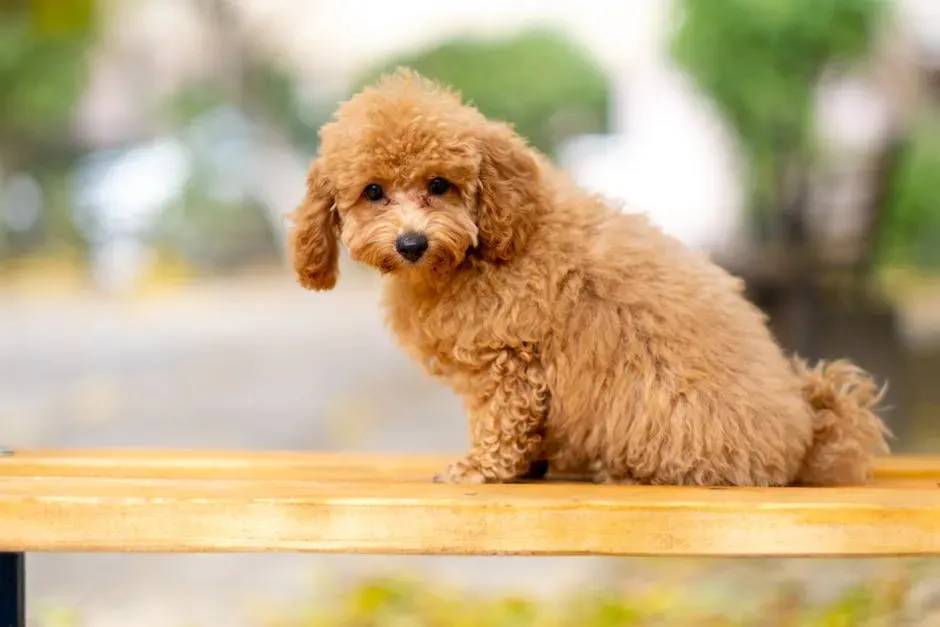
Miniature and Toy Poodles can be excellent for active seniors who enjoy interacting, training, and thinking of the dog as a true partner. These dogs are alert and clever, often picking up basic commands quickly, which can make daily life easier and more predictable. Their non-shedding, curly coat is another perk for those who like a tidy home.
Their brains do mean they need mental stimulation – puzzles, training games, and variety in their walks. Many seniors actually like this, because it gives structure and purpose to the day. With manageable size, strong trainability, and relatively low shedding, Poodles are a practical option for older adults who are still fairly active and mentally engaged.
French Bulldog: Low-Mileage Walker, High-Commitment Companion
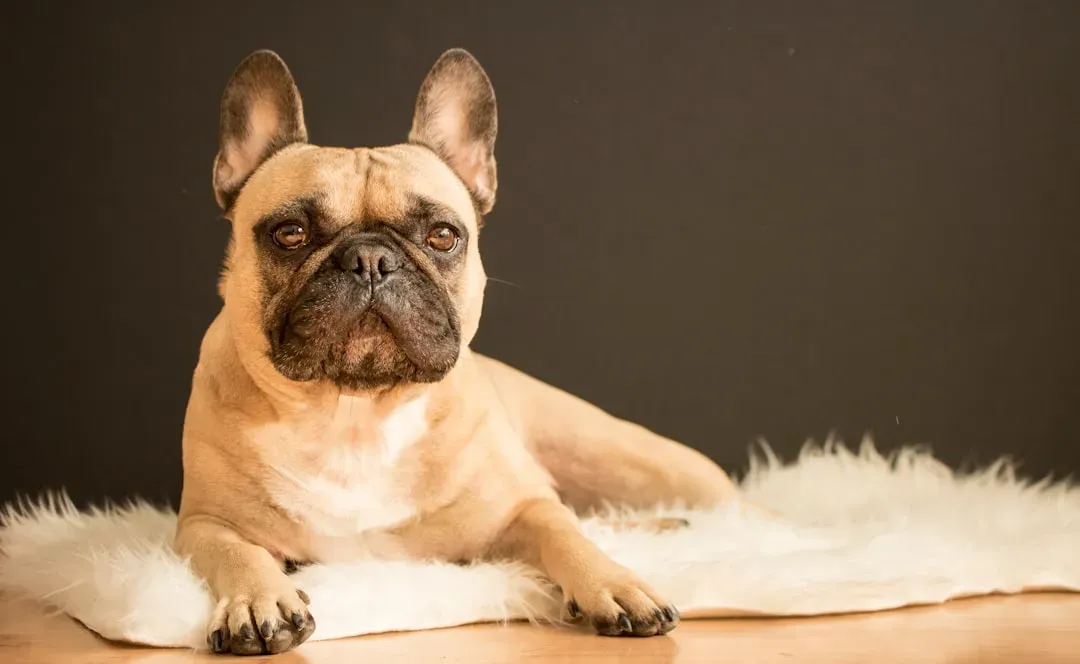
French Bulldogs have become trendy, and it’s not hard to see why – they often offer clownish personalities in compact, muscular bodies. Many seniors appreciate that Frenchies typically do not require long walks; in fact, too much exercise or heat can be risky because of their breathing challenges. A few short strolls and plenty of indoor time can often be enough.
The concern with Frenchies is health. They are prone to skin, spine, and breathing issues, which can mean vet bills and emotional stress. For a senior with good financial resources and access to quality veterinary care, a well-bred Frenchie can be a deeply affectionate companion. But it’s essential to go in with eyes open and avoid impulse purchases based only on their cute faces.
Pembroke Welsh Corgi: Short Legs, Big Personality
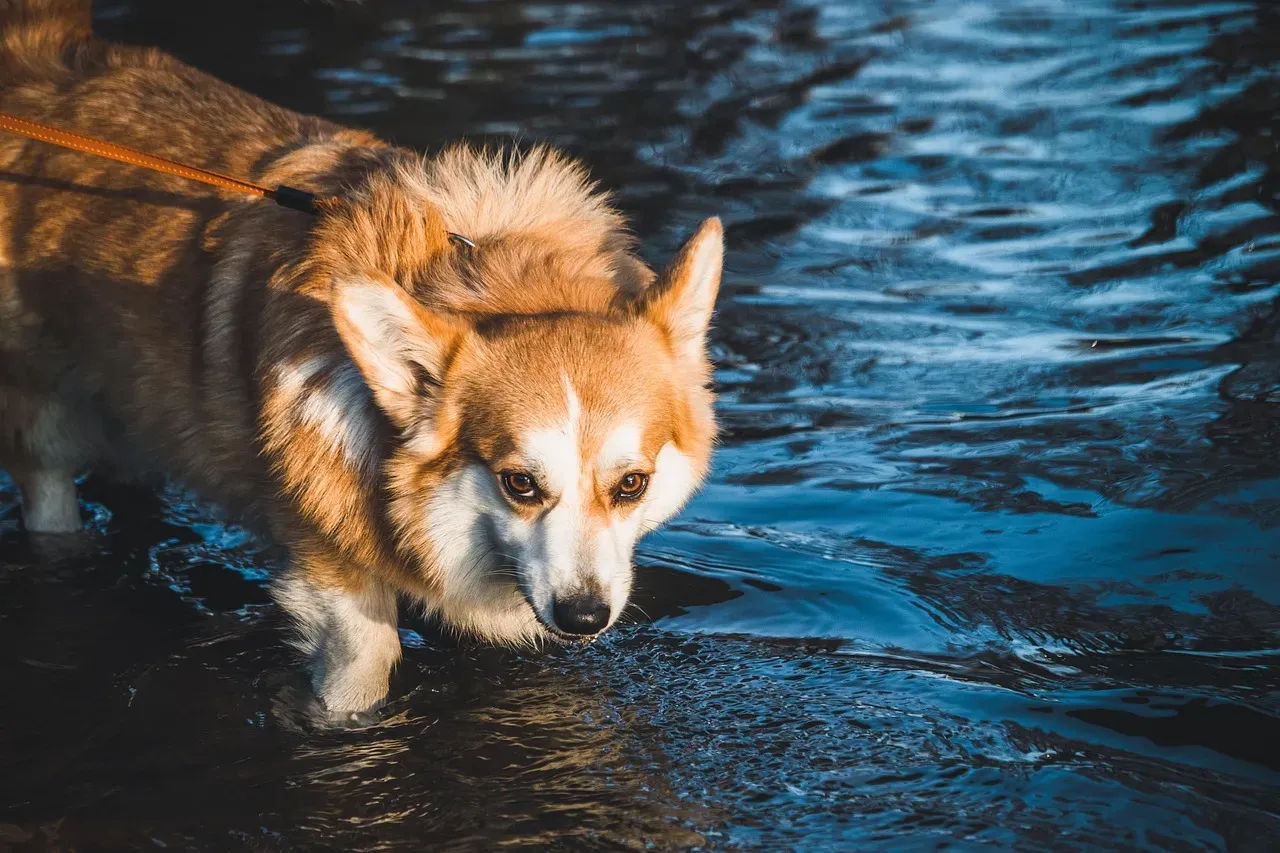
Pembroke Welsh Corgis can be a surprisingly good fit for energetic seniors who still enjoy walking and moderate activity. They’re herding dogs in a compact body, which means they’re intelligent, alert, and love having a job, even if that “job” is simply being your shadow. Many older adults love that Corgis look unique and often spark friendly conversations with strangers.
They do shed heavily and need regular brushing, and their herding instinct can make them a bit bossy without consistent training. For a senior who still moves well and likes a dog with some spark and sass, a Corgi can provide structure, routine, and a lot of quiet entertainment. For someone with balance issues or very low stamina, though, a calmer breed might be safer.
Mixed-Breed Seniors: The Overlooked Gems in Shelters
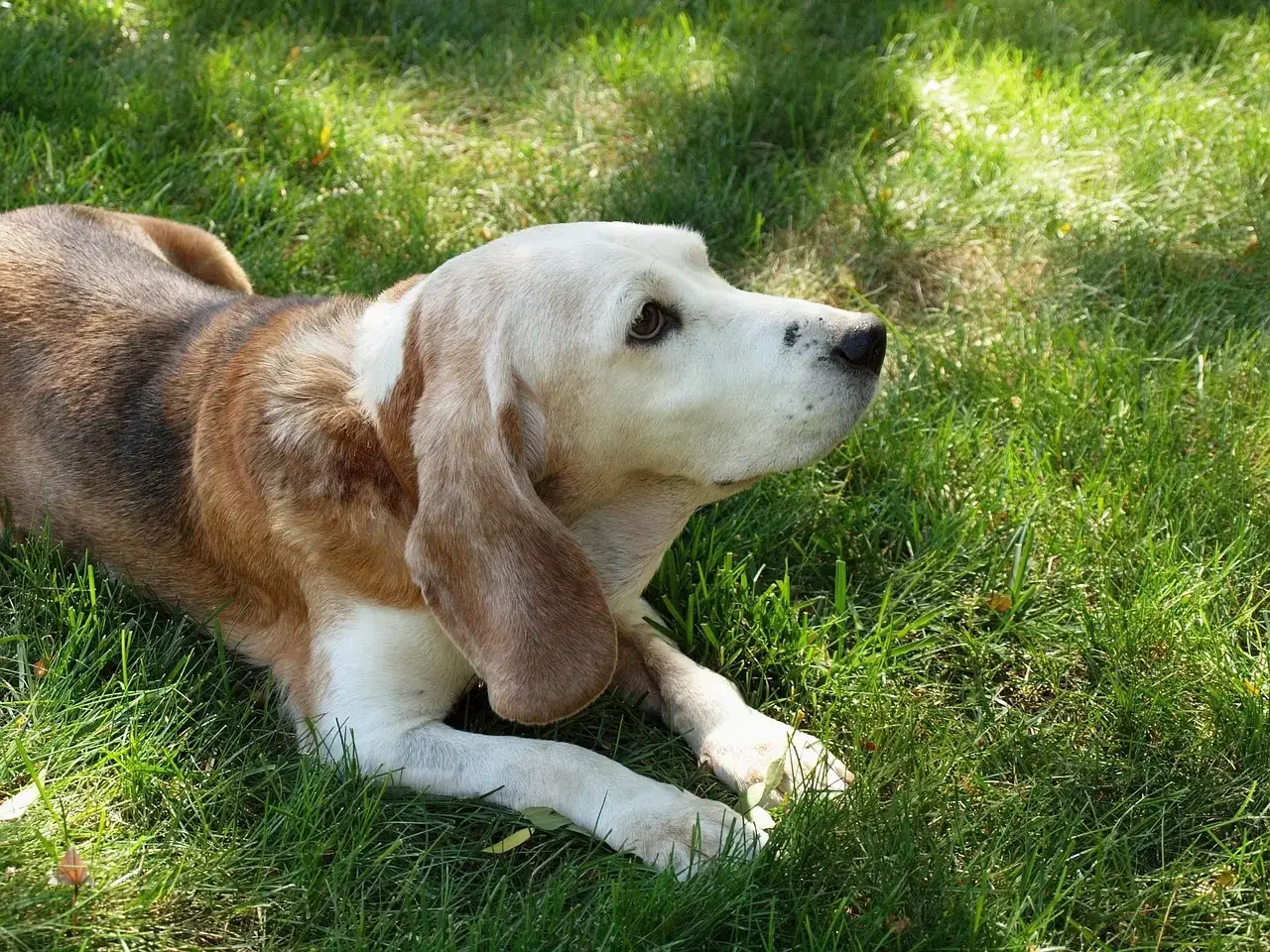
One of the best “breeds” for many seniors is not a specific breed at all, but an adult or senior mixed-breed dog from a shelter or rescue. Older dogs often come with known energy levels and personalities, so you can choose a calmer dog that already walks politely and is house-trained. This can be far easier than raising a puppy, especially if you’re juggling medical appointments or limited mobility.
Another benefit is emotional: giving a home to a dog that others may overlook can feel incredibly meaningful. Rescues often help match you with a dog that fits your lifestyle, which takes guesswork out of the process. For seniors who want companionship more than a specific “look,” an older mixed-breed dog can be a deeply rewarding choice.
Border Collie: Brilliant, Intense, and Often Too Much
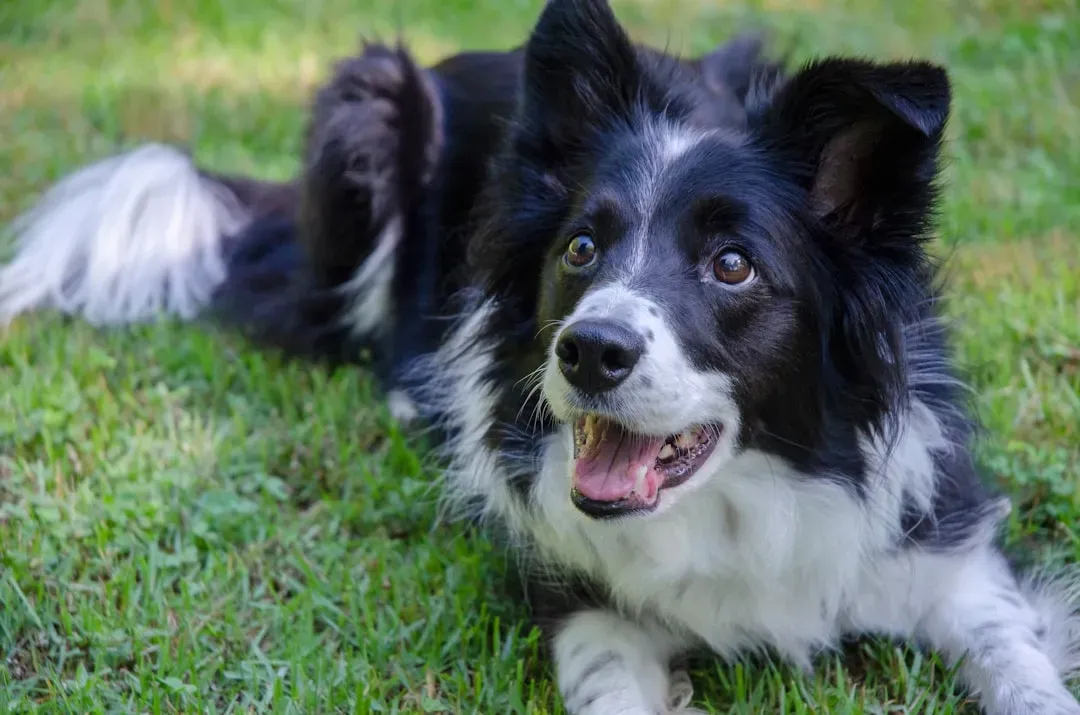
Border Collies are often called one of the smartest breeds in the world, and that intelligence comes with a price: they need work. Real work. These dogs thrive on long, focused activity, advanced training, and constant mental challenges. Many younger owners keep them busy with sports like agility, herding trials, or running and hiking.
For most seniors, that level of intensity is simply not realistic. A bored Border Collie can develop anxiety, obsessive behaviors, or destructive habits, which is emotionally draining for any owner. Unless an older adult is unusually active and eager to commit a good chunk of each day to working with their dog, a Border Collie is usually better suited to a younger, high-energy household.
Siberian Husky: Gorgeous Sprinter, Escape Artist, and Powerhouse
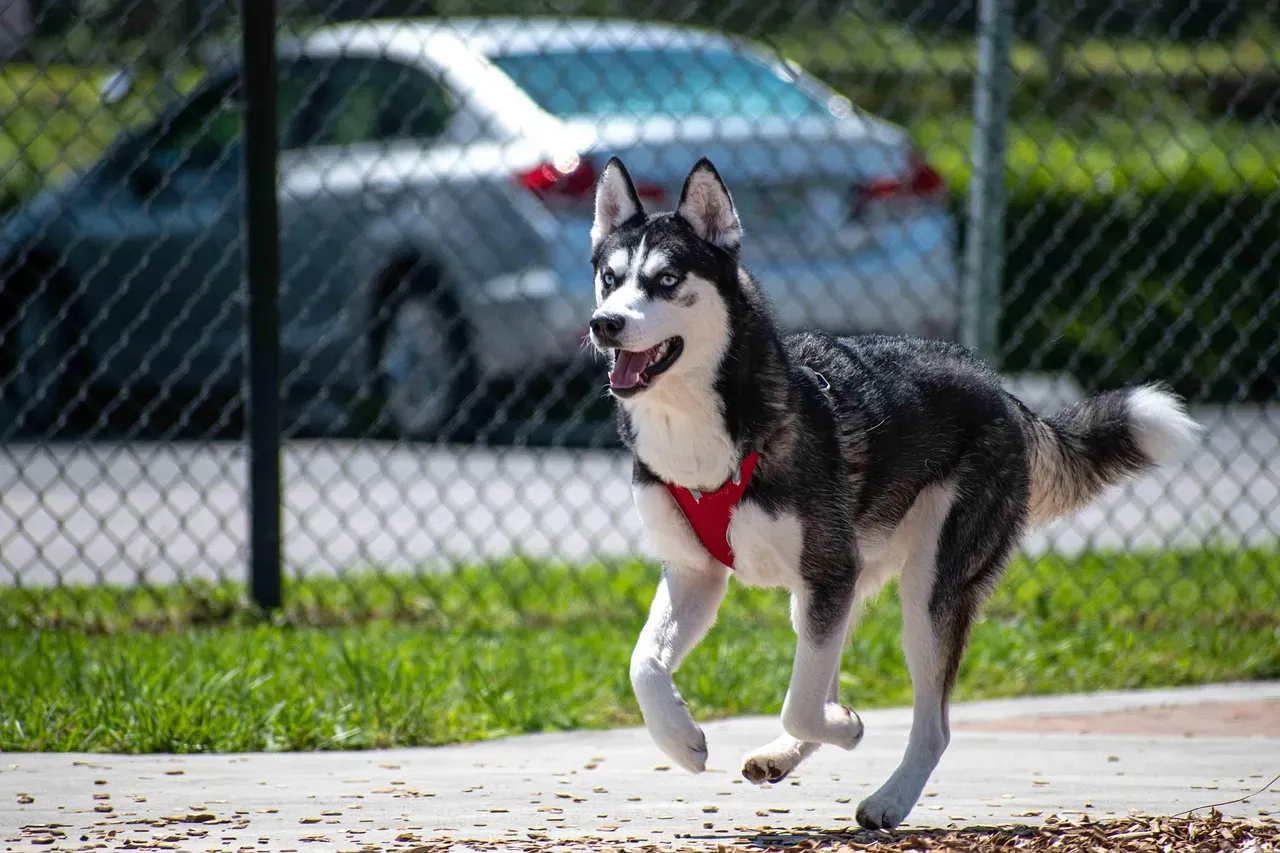
Siberian Huskies look like wolves straight out of a nature documentary, and that wild beauty draws a lot of people in. But behind those blue or multicolored eyes is a dog built to run long distances in harsh conditions. Many Huskies have a strong prey drive, a love of pulling, and a talent for escaping yards and slipping out of collars.
For a senior with balance challenges or slower reflexes, that combination can be risky. A Husky that lunges toward a squirrel can easily topple someone, and their need for vigorous exercise is hard to meet with casual strolls. They can be wonderful companions, but they tend to fit best with younger owners who hike, run, or have large, secure spaces for them to burn off energy.
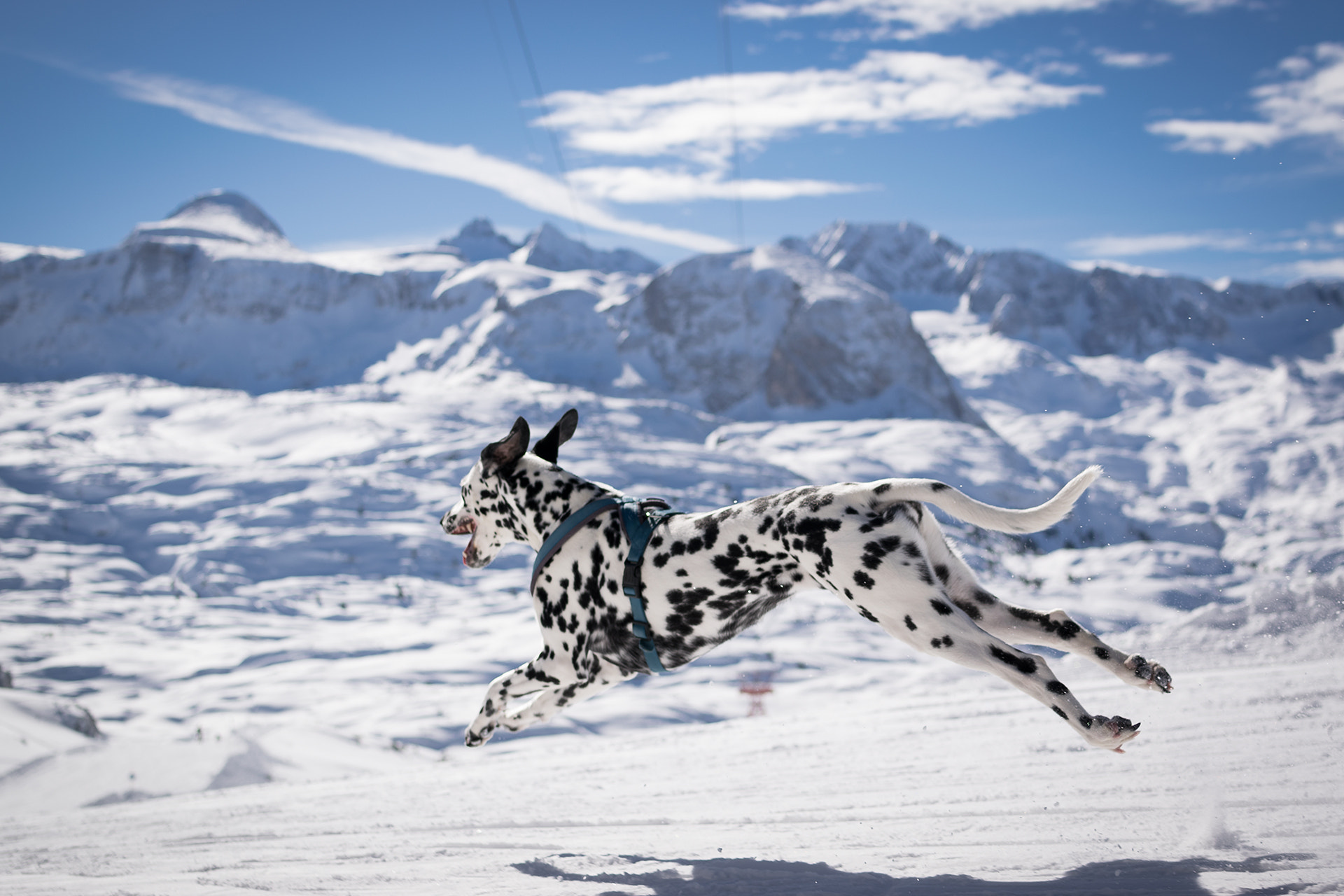
Dalmatian: High Stamina and Sensitivity in One Spotted Package
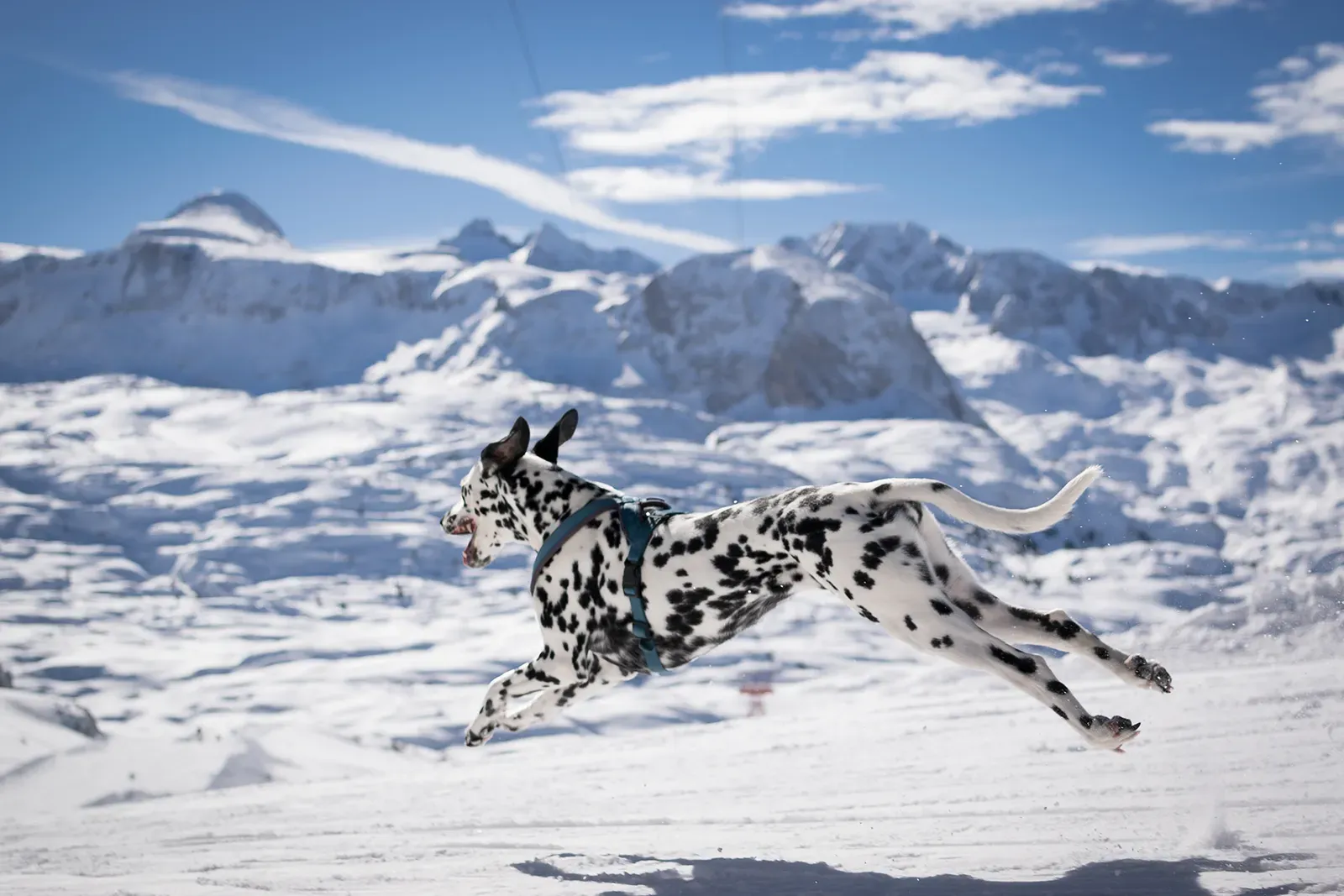
Dalmatians were historically carriage dogs, bred to run alongside horses for long distances, and that heritage shows. They typically have strong endurance, need consistent physical outlet, and can become restless or anxious without it. They’re also often quite sensitive, reacting strongly to tension or inconsistent handling.
For many seniors, especially those who tire easily or have health conditions, that energy level is hard to match. A Dalmatian that does not get enough movement and structure can start to channel that energy into unwanted behaviors. In the hands of younger, active owners who enjoy running or long hikes, they can shine; for older adults, though, the mismatch can be stressful for both dog and human.
Australian Shepherd: Herding Brain in Overdrive
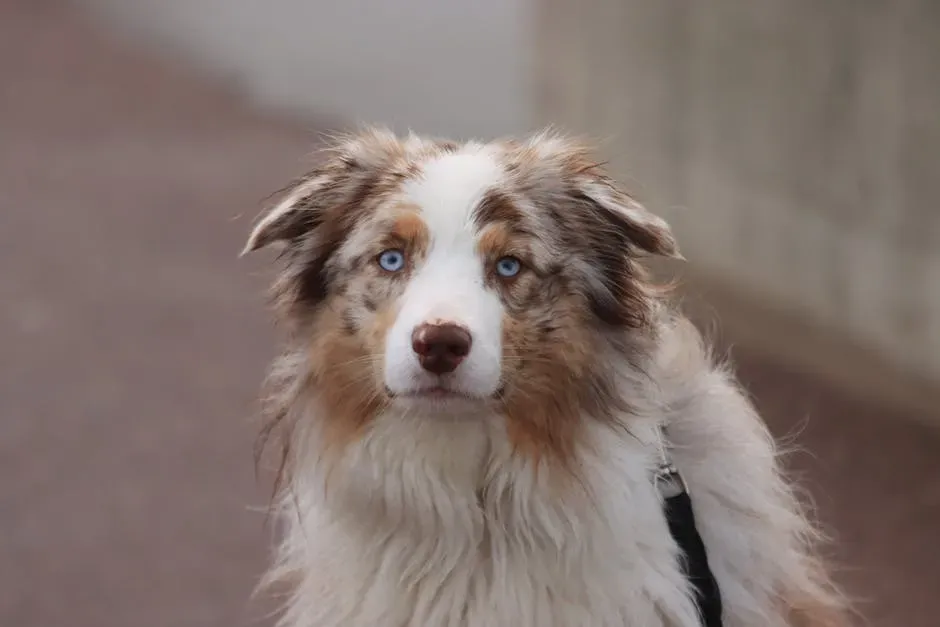
Australian Shepherds are athletic, clever, and often stunningly beautiful, which makes them very tempting. But they are true working dogs, originally bred to move livestock and respond to subtle signals from their handlers all day long. That kind of wiring rarely turns into a relaxed, low-key house pet without serious time invested in training and exercise.
They also tend to form strong attachments and can develop separation-related issues if under-stimulated or left alone too long without mental tasks. Younger, outdoorsy humans who like hiking, running, and doing dog sports usually suit them far better. Most seniors would be taking on a full-time project rather than a calm companion, and that is not what many people envision for their later years.
Belgian Malinois: Professional Athlete, Not a Casual Pet
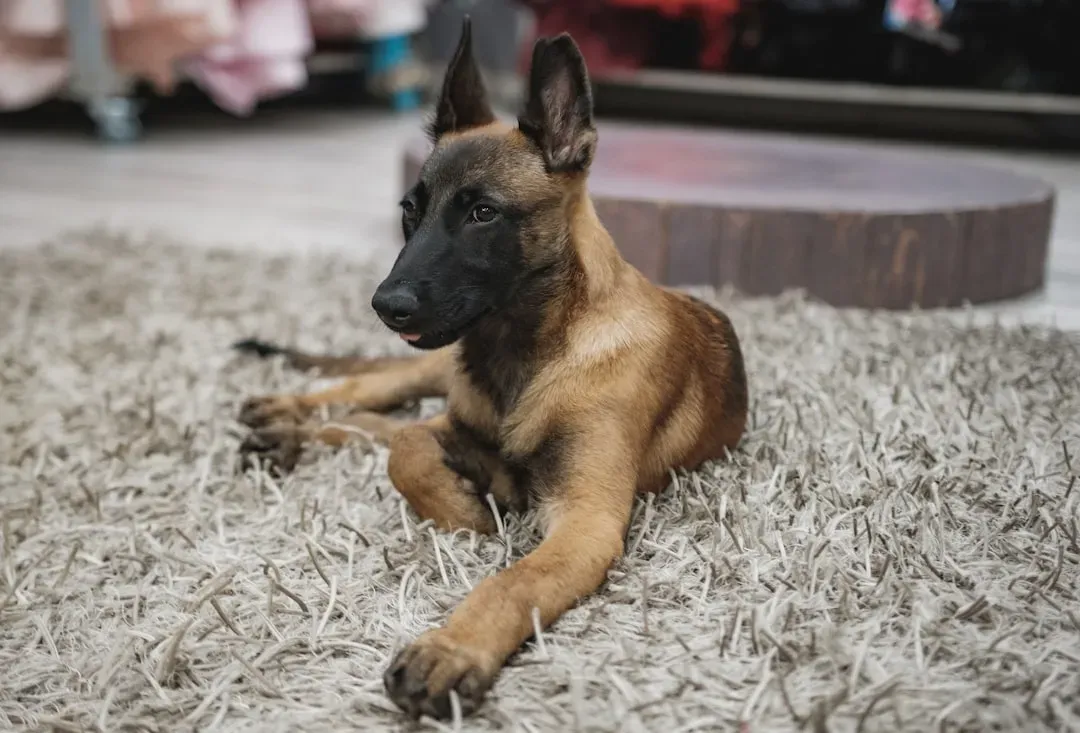
The Belgian Malinois has become more visible thanks to their use in police and military work, which can create a dangerous misunderstanding. People see a loyal, impressive dog and forget that these animals are essentially professional athletes with razor-sharp drive and intensity. They are fast, powerful, and require expert training and constant structure.
For the vast majority of seniors – and honestly, for many younger owners too – a Malinois is far more dog than they bargained for. Without serious work, they can become anxious, reactive, or destructive. They tend to thrive with experienced, physically capable handlers who can commit years of consistent training and management, not with someone hoping for a relaxed retirement companion.
German Shorthaired Pointer: Endurance Machine in Dog Form
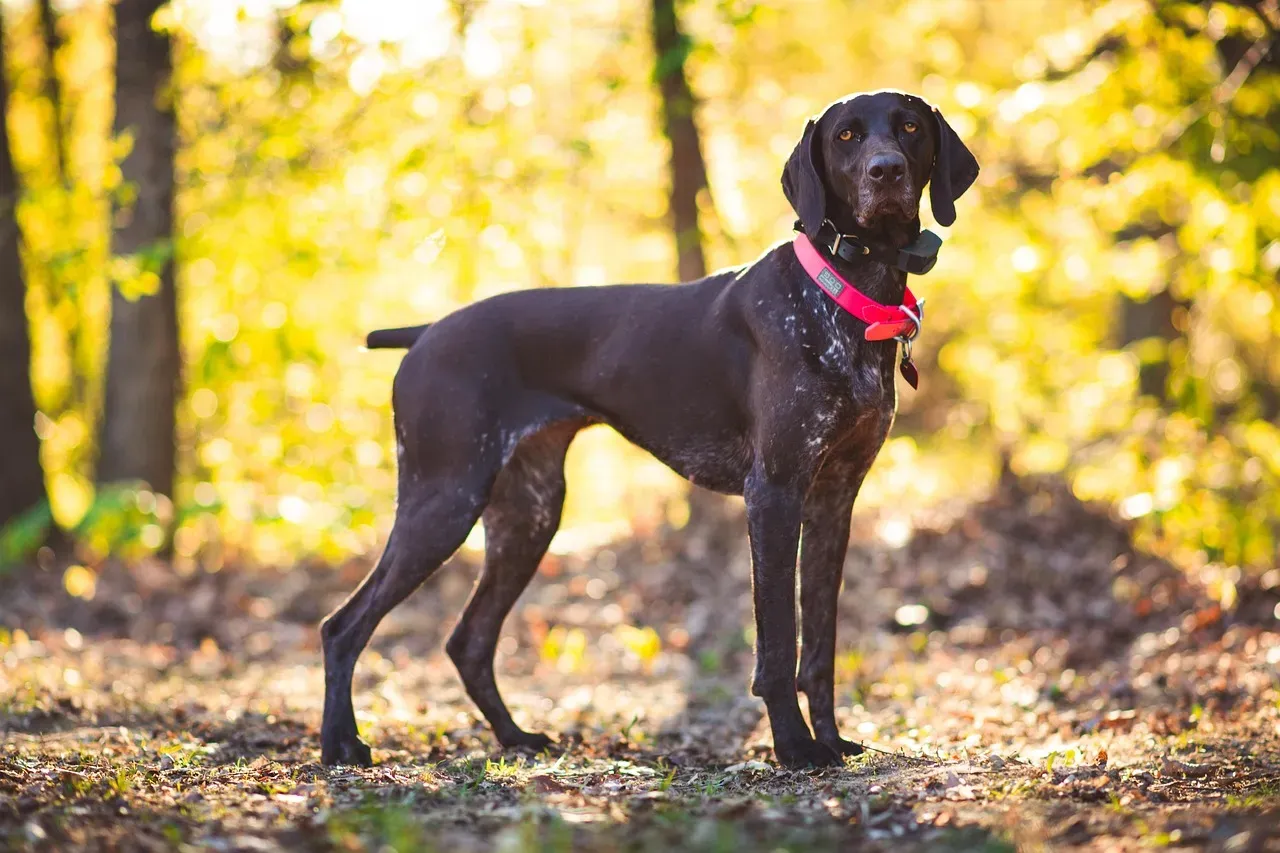
German Shorthaired Pointers were designed as versatile hunting dogs, comfortable in fields, woods, and water. That translates into a dog that often wants to move, explore, and chase for long stretches of time. Many younger owners channel that drive into running, hunting, or high-level sports, which keeps the dog balanced and happy.
For most seniors, matching that output is not realistic. A quick walk around the block won’t burn off enough steam for a dog bred to work all day. Without generous exercise and structured training, GSPs can become jumpy, destructive, or simply frustrated. They’re incredible partners for the right person, but they generally need more energy and time than older adults can comfortably give.
Conclusion: The Best Dog Is the One That Matches Your Season of Life
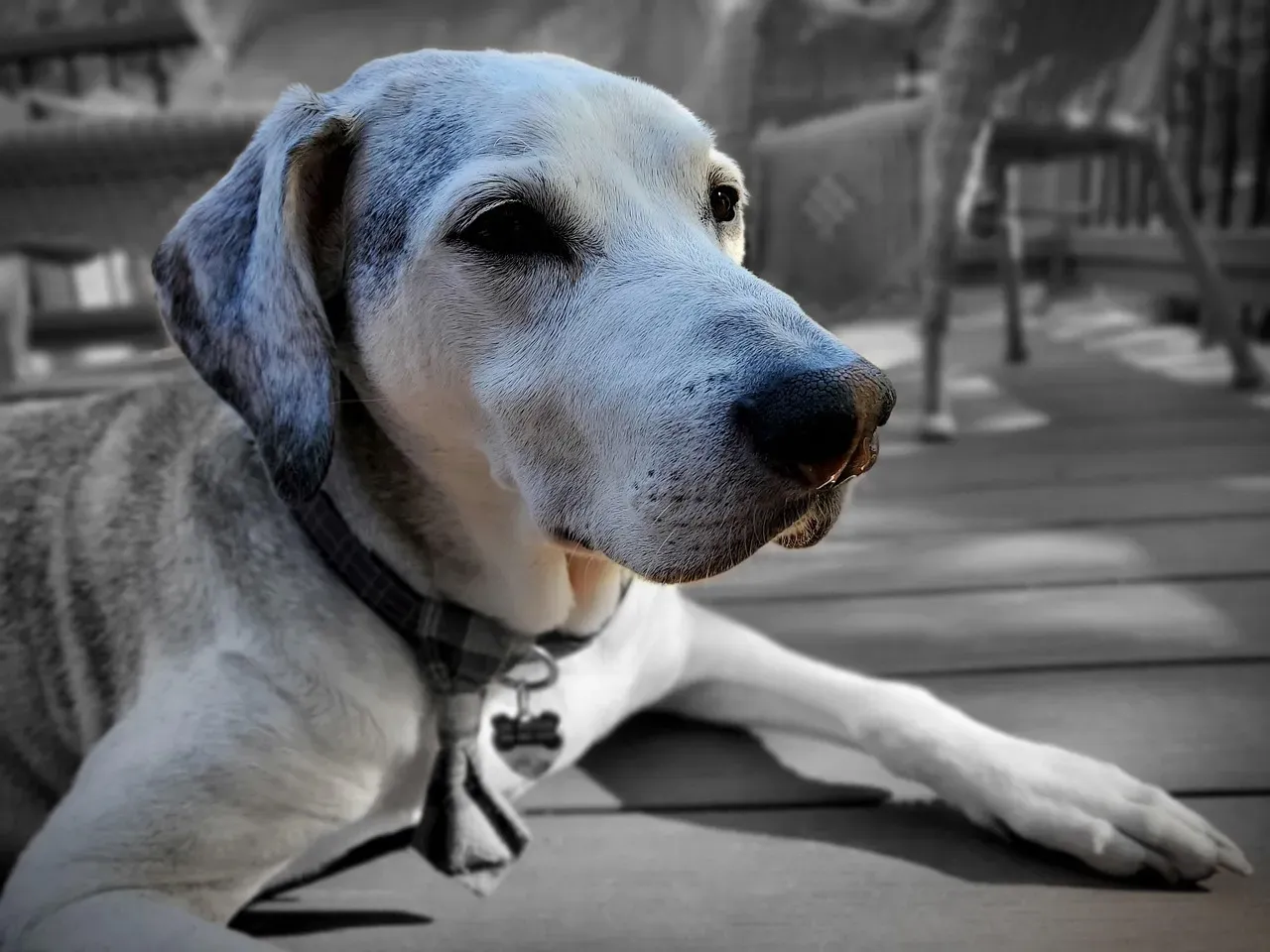
When I think back to my own family, the calm mixed-breed senior my grandmother adopted did more for her mood and routine than any fitness tracker or wellness app ever could. That dog did not care about her age, only that she showed up with love, food, and a soft spot on the couch. The real magic was not in the breed label, but in the match between his gentle temperament and her quieter lifestyle.
The truth is, there’s nothing wrong with high-energy breeds; they’re amazing in the right hands. But for seniors, the kindest, most responsible choice is often a dog that fits your current energy, health, and living situation, not the one you dreamed about at twenty-five. If you pick a dog whose needs you can happily meet for years, you’re not just giving them a good life – you’re protecting your own independence and peace of mind. Looking at your life as it really is today, which kind of dog would genuinely thrive beside you?


