
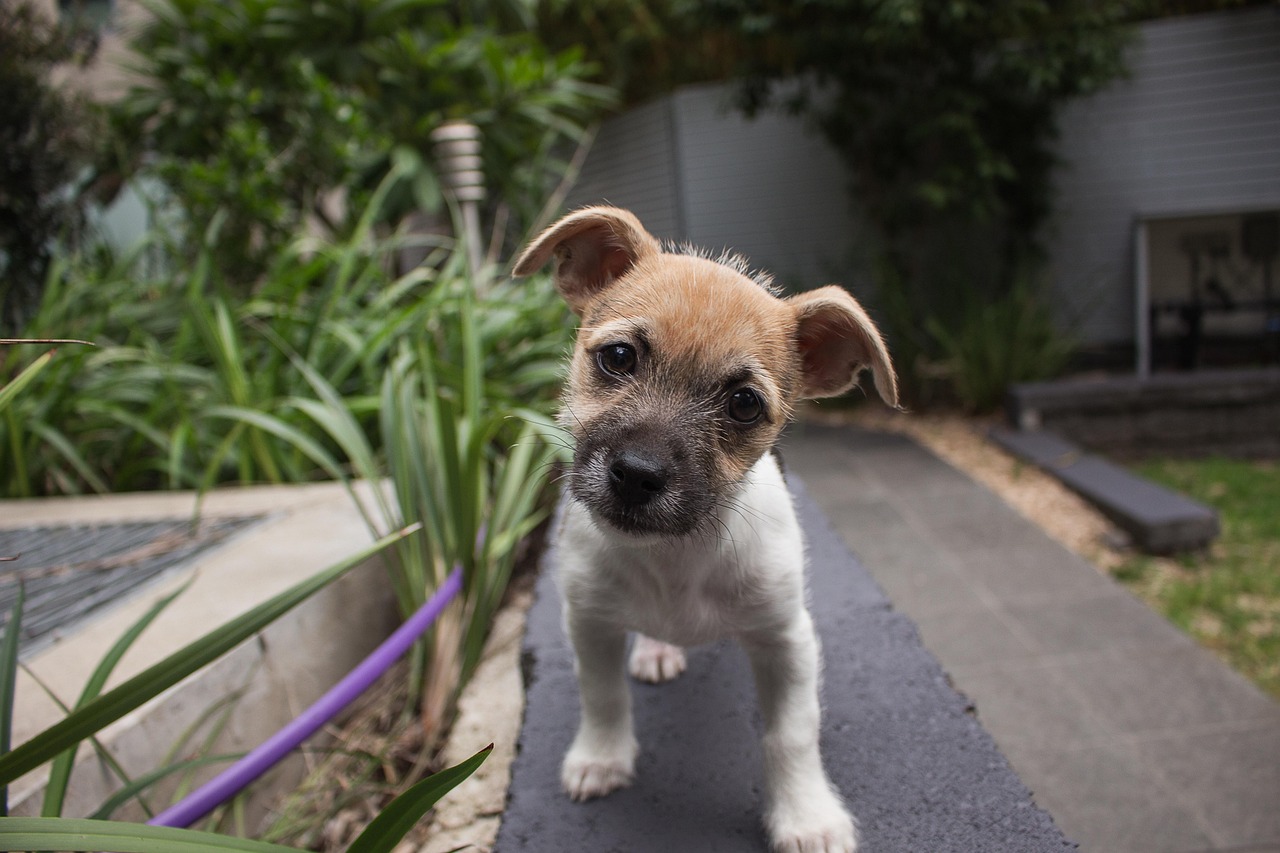
You know that tiny head tilt your dog does that seems to say, “I’m listening, human”? For years we’ve treated it like pure cuteness, something worth a thousand photos and a dozen treats. But researchers are increasingly convinced that this behavior is not just adorable; it may actually be a clever, functional adjustment that helps dogs hear and see us better.
When I first learned this, I immediately replayed years of memories of my own dog tilting her head during certain words and sounds. It suddenly felt less like a random quirk and more like watching a brain at work. Once you see the head tilt as a kind of sensory superpower, you can’t unsee it – and it makes everyday moments with your dog feel strangely deeper and more intentional.
That Famous Head Tilt Might Be All About Better Hearing
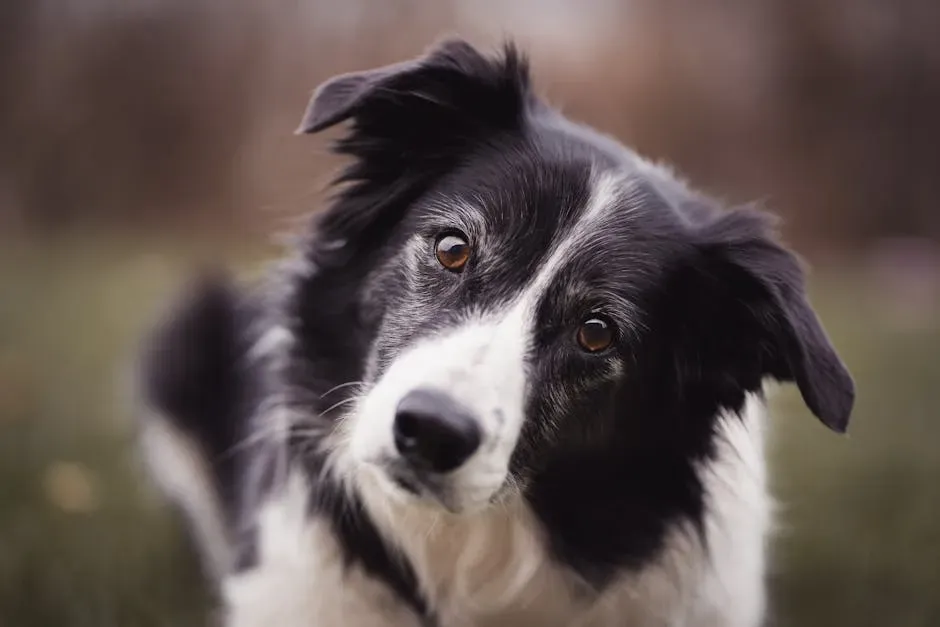
One of the strongest scientific ideas behind the head tilt is surprisingly simple: your dog may be repositioning their ears to figure out exactly where a sound is coming from. Dogs rely heavily on their hearing, and the way sound enters each ear tells their brain whether something is in front, behind, above, or to the side. Tilting the head slightly changes the shape and angle of the ear canals, giving the brain a cleaner comparison between left and right.
Imagine you are trying to locate a faint song at a crowded festival; you might lean or turn your head slightly to tune out background noise and pinpoint the music. Dogs are doing a version of the same thing, just with far better hearing and more flexible outer ears. The tilt looks cute to us, but to them it may be a tiny acoustic recalibration to isolate your voice from the hum of everyday life.
Seeing Your Mouth Clearly Could Make Your Words Easier To Decode
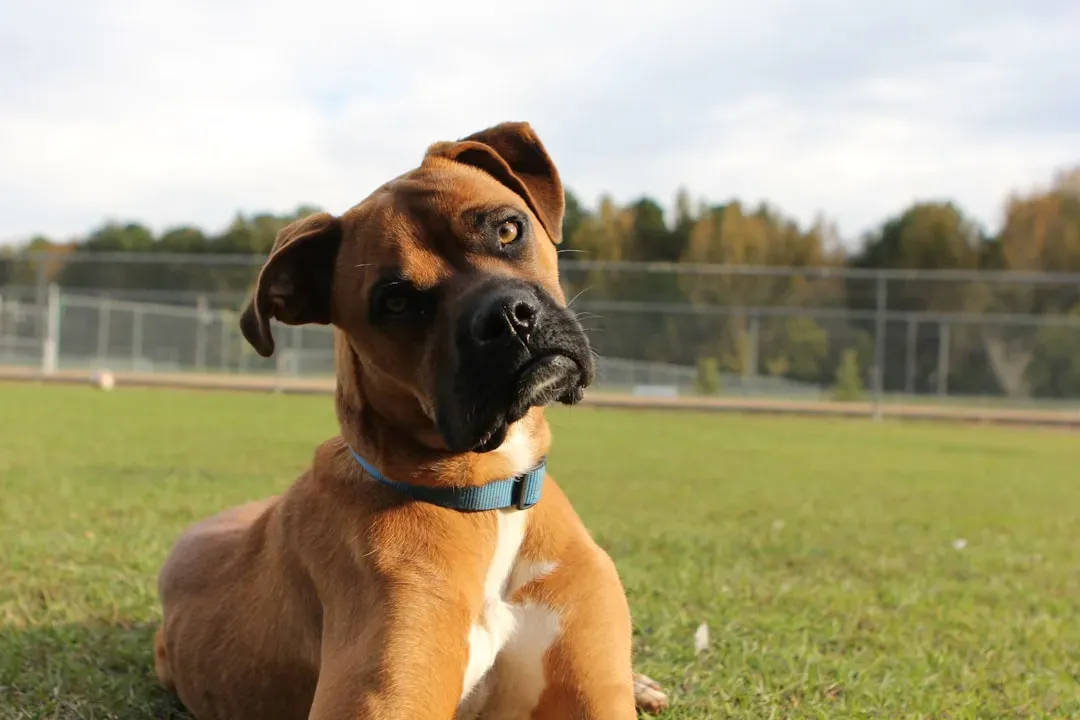
Another compelling idea is that dogs tilt their heads to see our faces – especially our mouths – more clearly. Dogs read human body language with incredible sensitivity, and that includes subtle movements of the lips, cheeks, and jaw when we speak. If a dog’s muzzle or the bridge of their nose partially blocks their view when they look straight at us, a small tilt could shift their perspective and open up a better line of sight.
Think of it like trying to watch a movie while someone’s shoulder is just slightly in the way; you instinctively lean or tilt until the picture snaps into focus. Dogs may be doing that every time we talk, especially when we use words they associate with actions, like “walk,” “outside,” or their own name. The tilt is less about flattery and more about gathering visual clues that help them match our sounds to our expressions and intentions.
Head Tilting Often Shows Up With Words Dogs Actually Recognize
Researchers who study how dogs learn words have noticed that head tilts often appear when dogs hear terms they genuinely know, not just random chatter. In experiments where gifted dogs were asked to fetch specific toys by name, the head tilt tended to pop up more when the dog was processing familiar words tied to actual objects or tasks. That suggests the tilt might be linked to deeper mental work, rather than simple confusion.
In everyday life, you might notice your dog tilts their head at “Do you wanna go for a walk?” but not when you mumble to yourself about your email. That pattern lines up with the idea that the gesture shows up when the brain is actively sorting meaning, like a visual sign of internal concentration. It is almost like watching the loading icon in their mind spin for a brief second while they connect your sounds to their mental dictionary.
Why Some Dogs Tilt Constantly And Others Almost Never Do
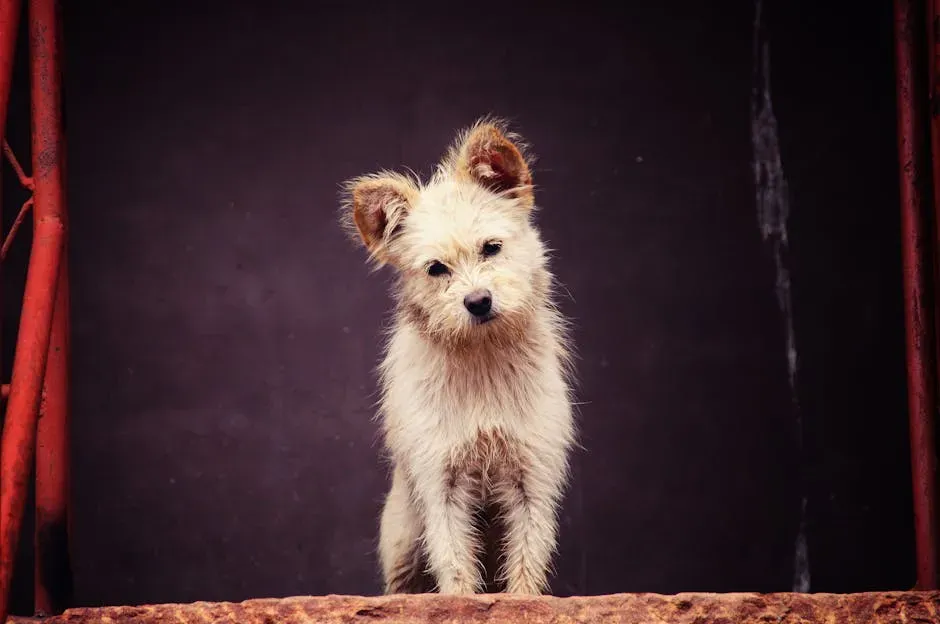
If the head tilt is so useful, why do some dogs do it all the time while others seem totally uninterested? Part of the answer likely comes down to differences in anatomy, personality, and experience. Dogs with bigger muzzles or heavier fur around their faces might benefit more from tilting to see your mouth, while flatter-faced dogs have a more direct view already and do not need to move as much.
On top of that, some dogs are naturally more people-focused and sensitive to human speech. A dog that has learned that tilting brings more attention, praise, or treats may also do it more often simply because it works. Over time, a functional behavior can get wrapped up in social feedback, turning a practical sensory adjustment into a signature “look” that feels like part of the dog’s personality.
Hearing Problems, Ear Shape, And Health Can All Influence Tilting

The shape and condition of your dog’s ears may also affect when and how much they tilt their head. Dogs with floppy ears, deep ear canals, or heavy hair in the ears might tilt to compensate for muffled or distorted sound, using movement to open up a clearer acoustic path. Just as you might cup your ear or lean closer when something is hard to hear, they may add the tilt for a similar reason.
At the same time, frequent or sudden head tilting can sometimes be a warning sign rather than a cute quirk. If your dog is tilting their head persistently, especially to one side, or seems off balance, it can signal issues like ear infections or inner ear problems that affect their sense of equilibrium. The tricky part is that the same gesture can be charming in one context and concerning in another, which is why noticing new patterns and changes really matters.
Emotion, Attention, And That “I’m Listening To You” Look
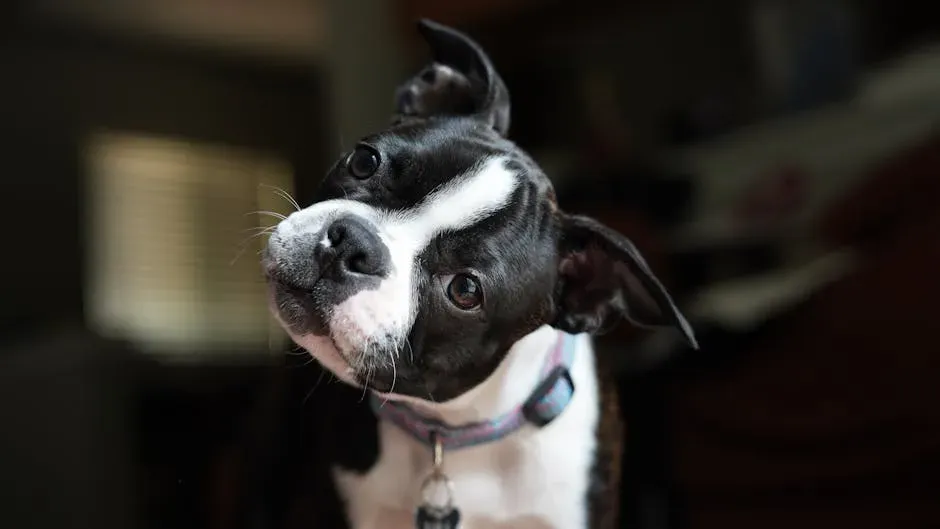
Head tilting is not just about physics and anatomy; it also seems tightly woven into how dogs show attention and emotion. When you talk in a warm, animated tone, your dog may tilt to tune in more closely and show that they are engaged with you. It works on us almost too well: we tend to feel seen and understood when our dogs do it, which in turn encourages us to talk to them even more.
There is likely a feedback loop here. A dog that tilts gets rewarded with smiles, softer voices, and more interaction, so they keep using it as a kind of social amplifier. Over time, what started as a functional adjustment to sound or sight becomes a reliable way to make their humans melt. It is hard not to read love into that look, even if part of it is simply good sensory strategy.
How To Respond When Your Dog Tilts Their Head At You

When you see your dog tilt their head, it can be a perfect moment to slow down and communicate more clearly. Try speaking in a steady, calm tone, using familiar words they know well, and watch how their body language shifts in real time. You might start to notice patterns, like specific phrases that trigger the tilt or situations where they are really trying to lock in on your meaning.
You can also use those moments to reinforce your bond and their understanding. Pair clear words with consistent actions and gestures, like always saying the same phrase before a walk or mealtime. Over time, you will likely see the tilt show up more around those predictably meaningful routines, as if your dog is double-checking that they heard you right before they leap into action.
So, Is The Head Tilt Just Cute, Or Something More? (An Opinionated Take)
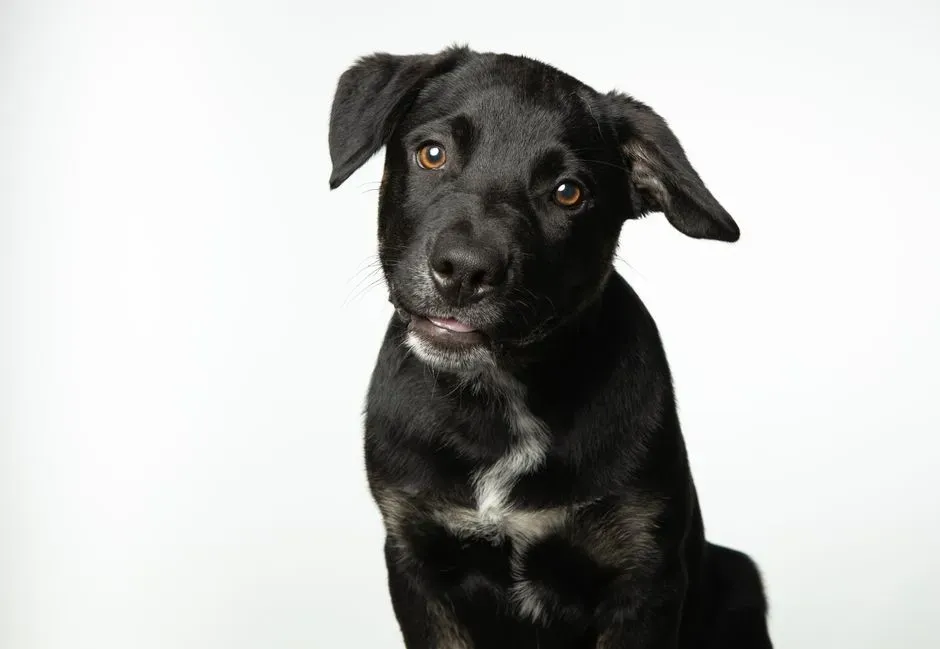
To me, treating the head tilt as mere cuteness badly underestimates dogs. The more we learn, the more it looks like a multitool behavior: part acoustic fine-tuning, part visual adjustment, part emotional signal. When a dog tilts their head at you, they are probably not posing for Instagram; they are actively working to read you better, to squeeze a little more meaning out of your sounds and expressions.
In a way, that tiny tilt might be one of the clearest everyday reminders that dogs are not just pets living beside us, but partners trying to meet us halfway across a species gap. They bend their senses toward us – literally – to make sense of a language that was never designed for them. The next time your dog does that slow, searching tilt, you might see it not just as adorable, but as a small act of intelligence and effort on their part. And once you see it that way, it is hard not to wonder: who is training whom in those moments – you, or them?


