
Picture it: a shaggy family dog trotting solo down the sidewalk, no leash, no chip, no worries. A kid riding him like a pony in the backyard. Bacon grease poured straight over the kibble as a treat. Nobody flinched. It was just… Tuesday.
Here’s the uncomfortable part: vets today aren’t nostalgic about any of it. Behind that warm, grainy home-video glow were habits quietly linked to broken bones, poisoned organs, and dogs that died years before their time. Some of these habits are still happening in living rooms and backyards right now, just with better branding. Let’s go through all 14, starting with the one every 80s kid remembers fondly.
#1 – Letting Dogs Roam the Neighborhood Unsupervised

In the 80s, a dog with no leash and no fence wasn’t a red flag, it was a badge of honor. “He always comes home” was practically a compliment, proof your dog was smart, independent, well-adjusted. Nobody thought twice about a dog trotting off after breakfast and reappearing at dinner smelling like the whole neighborhood.
Vets see that story differently now, because they saw how it usually ended. Roaming dogs got hit by cars, poisoned by antifreeze, tangled in fights with wildlife, or simply never came home at all, which is exactly why microchips exist today. The injuries that didn’t kill them outright, torn ligaments, hidden parasites, slow-building joint damage, still quietly shortened their lives. Unsupervised freedom looked like love. Statistically, it was closer to a gamble.
#2 – Riding Loose in the Back of Pickup Trucks

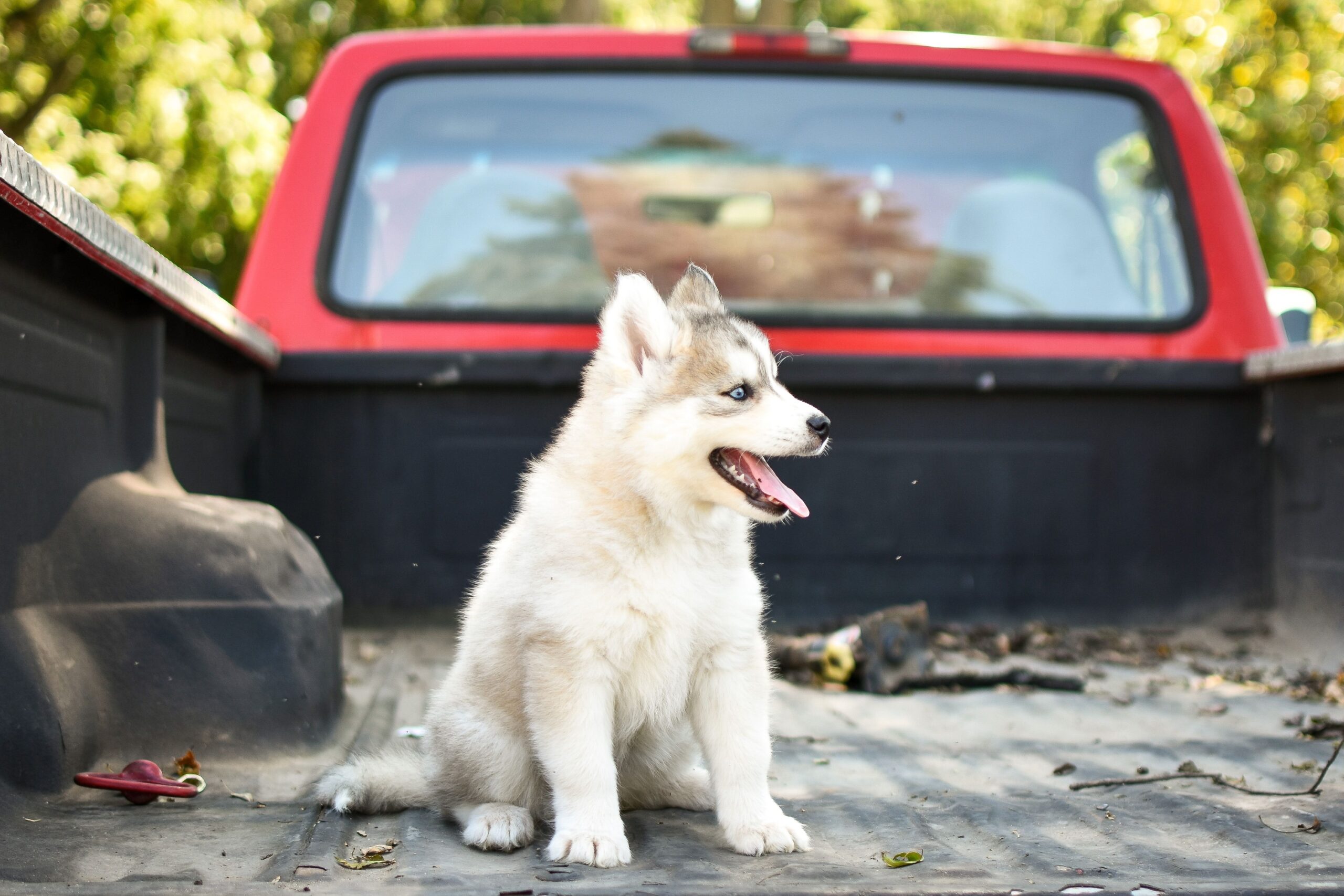
Every 80s kid has this image burned into memory: a dog standing tall in an open truck bed, ears flapping, tongue out, looking like the happiest animal alive. Families genuinely believed this was the dog living its best life, wind in its face, freedom in its eyes.
ER vets and animal control officers remember it differently, because they’re the ones who dealt with the aftermath. One hard brake, one swerve, one squirrel darting across the road, and that same happy dog goes airborne. Broken legs, spinal trauma, and fatal head injuries were common enough that several states eventually made it illegal outright. That “freedom” families were so proud of was often just seconds away from a tragedy nobody saw coming.
Fast Facts
- Several states now require dogs in open truck beds to be crated or tethered to the bed itself, not just to a collar.
- A clip-in harness anchored to the cab can prevent a dog from being thrown at sudden stops.
- Even short trips at low speed carry risk, most incidents happen close to home, not on highways.
#3 – Feeding Table Scraps as a Primary “Diet”

Dog food in the 80s was often an afterthought, something you grabbed at the store when the leftovers ran out. Meatloaf, fried chicken skin, casserole drippings, bacon grease over kibble, it all counted as love. If the dog was eating and wagging its tail, nobody questioned it further.
Vets now flag that logic as dangerously flawed. A wagging tail doesn’t mean a healthy pancreas. High-fat, salty, processed table scraps are directly linked to pancreatitis, obesity, diabetes, and even certain cancers, and staples like onion-heavy casseroles or splintering cooked bones made things worse without anyone realizing it. Dogs don’t need variety on their plate, they need consistency and balance, which is exactly what decades of “just give him what we’re having” never provided.
#4 – Giving Cooked Bones as Regular Chews

Family barbecue in the 80s meant one guaranteed ritual: the dog got the bones. Chicken bones, pork chop bones, T-bone leftovers, straight from the plate to the floor, treated as a harmless reward and a natural toothbrush all in one.
Emergency vets now consider that ritual one of the most preventable disasters they still see walk through the door. Cooked bones turn brittle and shatter into sharp fragments that can slice the mouth, lodge in the throat, or tear through the intestines from the inside. Some dogs end up in agonizing emergency surgery, others show no symptoms until the damage is already severe. The dog that “seemed fine” after chewing a steak bone may have been quietly injured the whole time.
#5 – Leaving Dogs Outside All Day on Chains or Tie-Outs

The backyard chain dog was practically a suburban landmark in the 80s. Families swore “he loves being outside” while the same dog wore a dirt circle into the grass, day after day, year after year, with barely any human contact beyond feeding time.
Behaviorists now describe chronic tethering as a genuine welfare crisis, not just an inconvenience. It’s linked to spikes in anxiety, territorial aggression, and even measurable changes in stress-related brain chemistry. Chained dogs also face real physical dangers, from strangling on tangled tethers to suffering heatstroke or hypothermia with little real shelter. Many of the “out of nowhere” bite stories families still tell can be traced right back to a dog that spent its whole life alone at the end of a rope.
#6 – Skipping Heartworm Prevention Because “We Never Had That Problem”

Parasite prevention just wasn’t a habit yet in the 80s. If a dog wasn’t visibly crawling with fleas, most families assumed everything under the surface was fine too. Heartworm, in particular, got waved off as something that happened to “other people’s dogs,” not theirs.
Vets now call that assumption one of the most dangerous gambles of the era, because heartworms don’t announce themselves until it’s almost too late. A single mosquito bite can seed worms that grow up to a foot long and physically clog the heart and lungs. Treatment, when it’s even possible, is painful, expensive, and risky, while prevention is a simple monthly chew. The old “we never had that problem” mindset wasn’t luck, it was just undiagnosed damage waiting to surface.
#7 – Letting Kids Climb, Hug, and “Ride” the Dog

Flip through any 80s family photo album and you’ll find it: a toddler sprawled across the family dog, a kid’s arms locked tight around its neck, maybe even a child “riding” a bigger breed like a pony. At the time, it was the cutest photo of the year. Nobody read it as a warning sign.
Trainers and behaviorists wince at those same photos now, because they can see what the camera missed. Dogs signal discomfort quietly first, lip licking, turning away, stiffening, showing the whites of their eyes, and in the 80s those signals were almost universally ignored. “Hug the dog to show love” replaced “respect the dog’s space,” and that gap is exactly where most child bite incidents start. Most dogs tolerate rough handling for a long time. They don’t tolerate it forever.
Worth Knowing
- Lip licking with no food nearby is often an early stress signal, not a hungry hint.
- “Whale eye,” when you can see the whites around a dog’s eyes, usually means the dog wants distance.
- A stiff, frozen posture is a bigger warning sign than growling, since it often comes first.
- Tucked tails and flattened ears together usually mean discomfort, not shyness.
#8 – Using Harsh Punishment, Alpha Rolls, and Hitting

Dog training in the 80s ran almost entirely on dominance. “Show him who’s boss” meant forcibly pinning dogs to the ground, yanking choke chains hard, smacking muzzles, or rubbing a dog’s nose in its own accident. Popular TV trainers made it look normal, even necessary.
Modern behavioral science has quietly dismantled almost all of it. Fear-based corrections might suppress a behavior in the moment, but they build anxiety, aggression, and something trainers call learned helplessness underneath the surface. Dogs actually learn faster and retain more with positive reinforcement and consistent boundaries than they ever did with pain-based “corrections.” The irony stings: the tough-guy training style meant to create obedient dogs often just created more dangerous ones.
#9 – Letting Dogs Ride in Cars with Heads Fully Out the Window
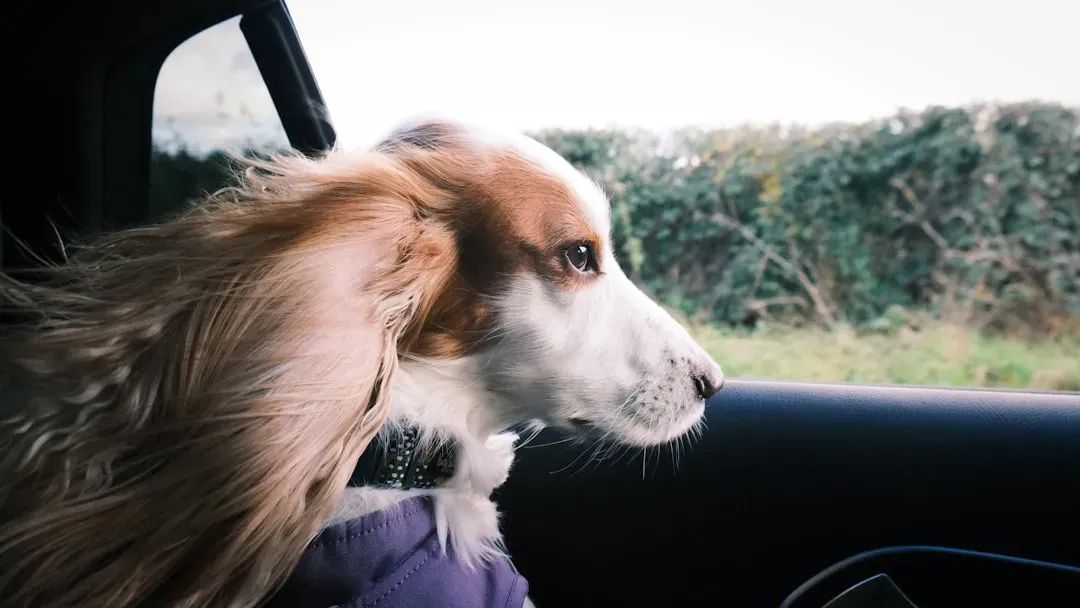
The 80s car dog look was iconic: ears flapping in the wind, tongue out, sometimes even front paws hanging out the window at highway speed. Families thought it was the picture of pure joy, and honestly, the dogs seemed to agree.
Vets and eye specialists know the hidden cost, because they treat it regularly. High-speed wind blasts dust, grit, and insects directly into unprotected eyes and ears, causing corneal ulcers, infections, and sometimes permanent damage. There’s also the impact risk nobody thinks about until it happens, a sudden stop or swerve that sends a dog slamming into the frame or straight out the window. Vets now recommend windows cracked just enough for airflow, with the dog secured by a harness, because that joyful flapping face is far more fragile than it looks.
#10 – Using Human Medications and Home Remedies Instead of a Vet
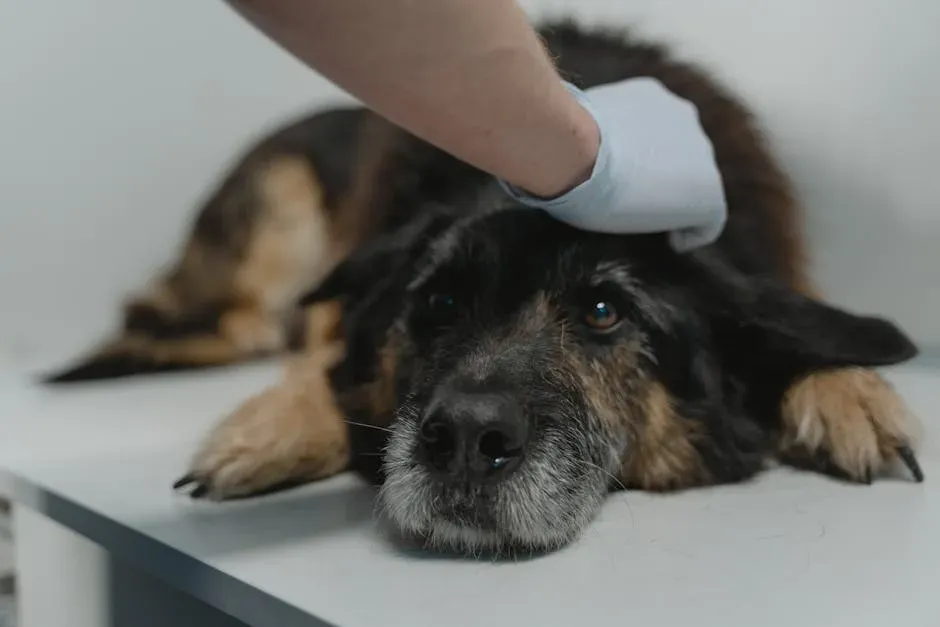
Before Google and 24/7 emergency clinics existed, families just guessed. Aspirin for a limp, Pepto-Bismol for an upset stomach, a leftover antibiotic from a kid’s ear infection, all handed out with good intentions and zero real knowledge of dog physiology.
Vets now rank this among the most dangerous holdovers from that era, because the margin for error is razor thin. Ibuprofen, acetaminophen, certain antidepressants, and even some herbal remedies promoted in old home-care books can cause organ failure, seizures, or death in surprisingly small doses. “If it works for us, it’ll help the dog” wasn’t just wrong, it was actively poisoning pets for decades, and vets are still seeing the fallout walk through their doors.
#11 – Ignoring Dental Care Completely
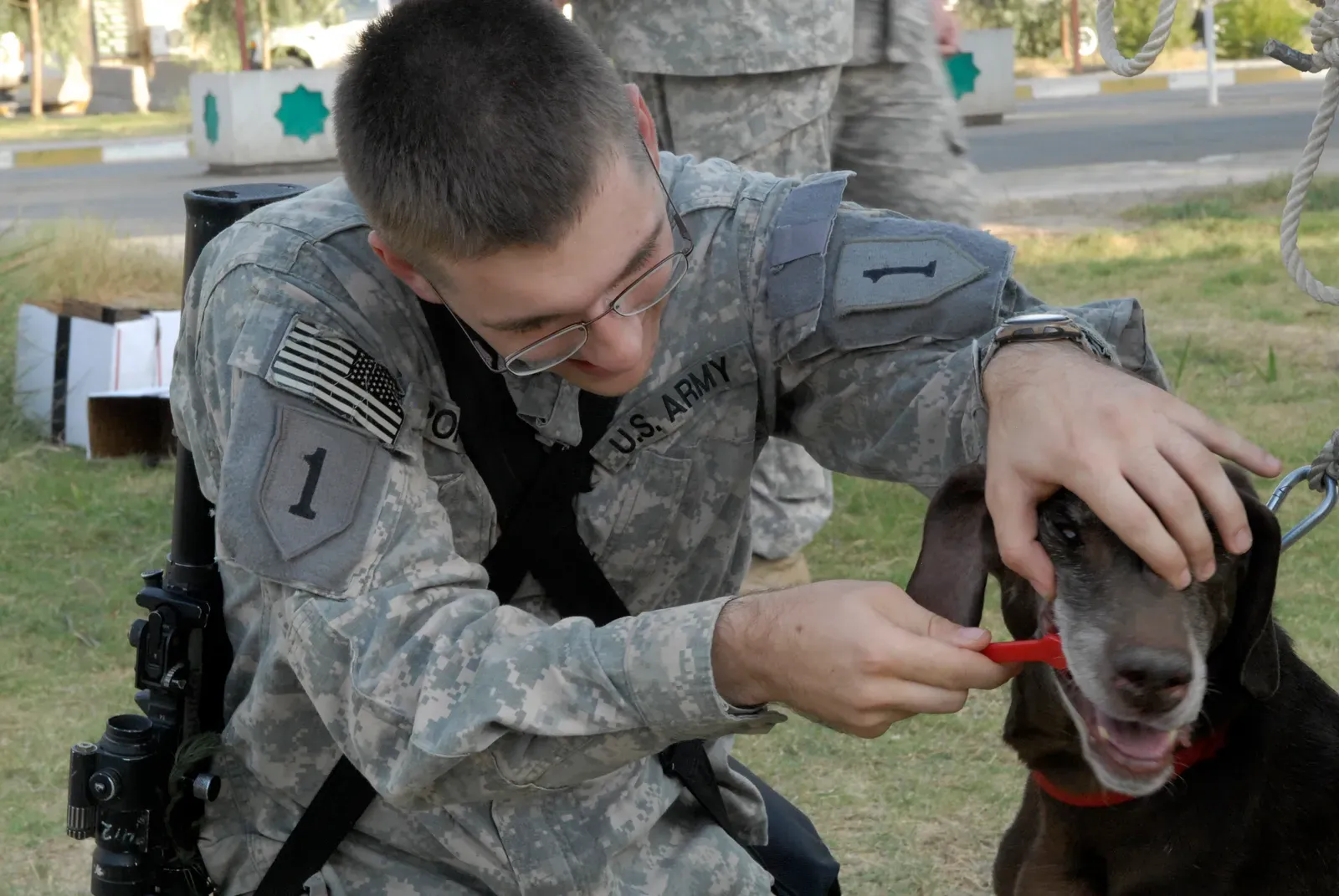
Brushing a dog’s teeth in the 80s sounded like a joke, not a real chore. Dental treats barely existed, professional cleanings were rare, and yellow teeth with bad breath were just accepted as “dog smell,” nothing more.
Vets now describe advanced dental disease as one of the most common, most painful, and most preventable problems they treat, and it’s rarely just cosmetic. Chronic infection in the mouth can leak bacteria into the bloodstream, quietly damaging the heart, kidneys, and liver over time. Dogs with rotting teeth and infected gums often act “old” and tired simply because every bite of food hurts, a slow, silent suffering their 80s families never even suspected.
At a Glance: Signs of Dental Trouble
- Bad breath that doesn’t fade, even right after eating
- Yellow or brown tartar buildup along the gumline
- Bleeding gums or blood on chew toys
- Chewing only on one side or dropping food while eating
#12 – Delaying or Skipping Spay/Neuter “So They Can Have One Litter”

A huge myth in the 80s claimed female dogs needed one litter, or at least one heat cycle, to be healthy or emotionally balanced. Families genuinely believed it would “settle her down” or make her a better, calmer dog. It sounded reasonable at the time.
Science has since torn that belief apart. Unspayed females face a dramatically higher risk of pyometra, a life-threatening uterine infection, along with certain cancers, while unneutered males are more prone to roaming, fighting, and testicular tumors. Beyond the individual health risk, that “just one litter” mindset helped flood shelters with accidental puppies that families couldn’t actually rehome, and many of those puppies never made it out alive. Responsible spay and neuter timing isn’t moral posturing, it’s a direct response to decades of brutal shelter statistics.
Quick Compare: Then vs. Now
- 80s belief: Let her have one litter to “settle her down.”
- Vet guidance now: Spaying timed appropriately lowers lifelong cancer and infection risk.
- 80s belief: Neuter whenever it’s convenient, if at all.
- Vet guidance now: Timing is based on breed size and growth needs, not convenience.
#13 – Using Flea Collars and Harsh Chemicals Indoors Without Ventilation

If you grew up in the 80s, you probably remember that strong, sharp chemical smell your dog’s flea collar gave off. Indoor foggers, powders, and harsh dips were used casually back then, often with windows shut tight and both pets and kids still in the house.
Toxicologists now know that some of those older-style flea products contained pesticides linked to neurological issues and skin reactions, especially with heavy or repeated exposure. Vets today push spot-on treatments and oral preventives prescribed specifically for a dog’s weight and health, paired with targeted pest management instead of blanket chemical bombing. Some outdated products still linger quietly on store shelves, and just because something is sold publicly doesn’t mean it’s actually safe.
#14 – Treating Dogs as “Backyard Security” Instead of Family Members

This one is the hardest to talk about, because it rarely looked cruel from the outside. Dogs kept almost exclusively as alarms lived outside full time, got minimal affection, and were only praised when they barked at strangers. Many families genuinely believed this was simply “a dog’s job.”
Modern behaviorists are blunt about the cost: long-term social isolation is a form of neglect that actually reshapes how a dog’s brain processes fear and trust. These dogs tend to become more reactive and anxious, which owners then “corrected” with more punishment or even harsher confinement, deepening the cycle. The bitter irony is that well-socialized indoor dogs often make far better watchdogs, because they’ve actually learned to tell the difference between a stranger and a threat.
The Habits Worth Actually Retiring
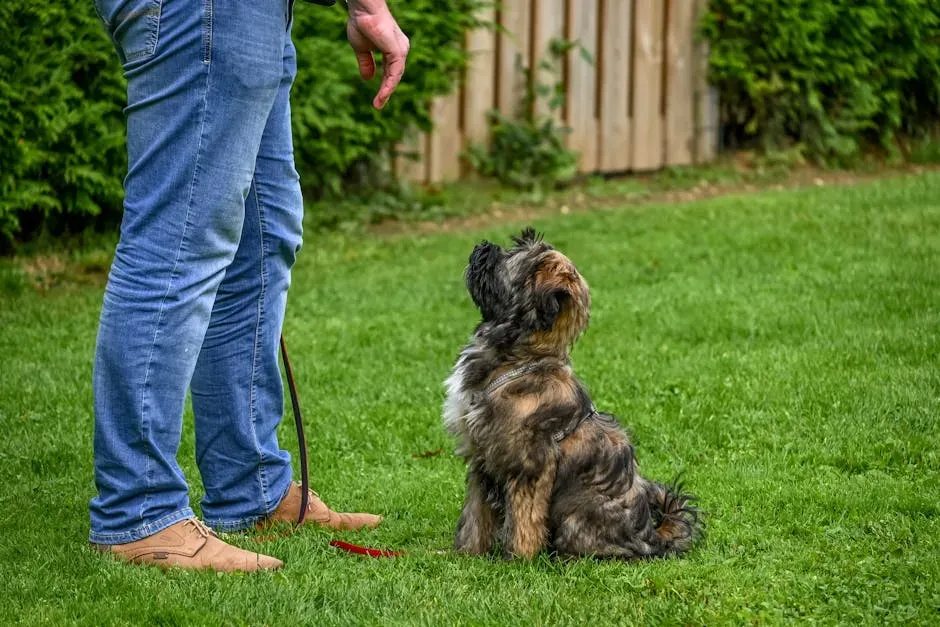
Nostalgia makes the 80s look harmless, but zoom in and a lot of that “normal” dog life was quietly brutal. Unsupervised roaming, alpha rolls, cooked bones, chain-link backyards, skipped prevention, these didn’t just risk shortening a dog’s life, they lowered the quality of nearly every day in it.
The uncomfortable truth is that plenty of families are still repeating these exact patterns, just with nicer collars and better marketing. Modern veterinary advice was never about spoiling dogs. It’s about correcting decades of damage nobody realized they were causing in real time.
So here’s the real question worth sitting with: which one of these 80s habits still lives quietly in your routine, and are you actually willing to defend it in 2026, or is it finally time to let that one go?


