
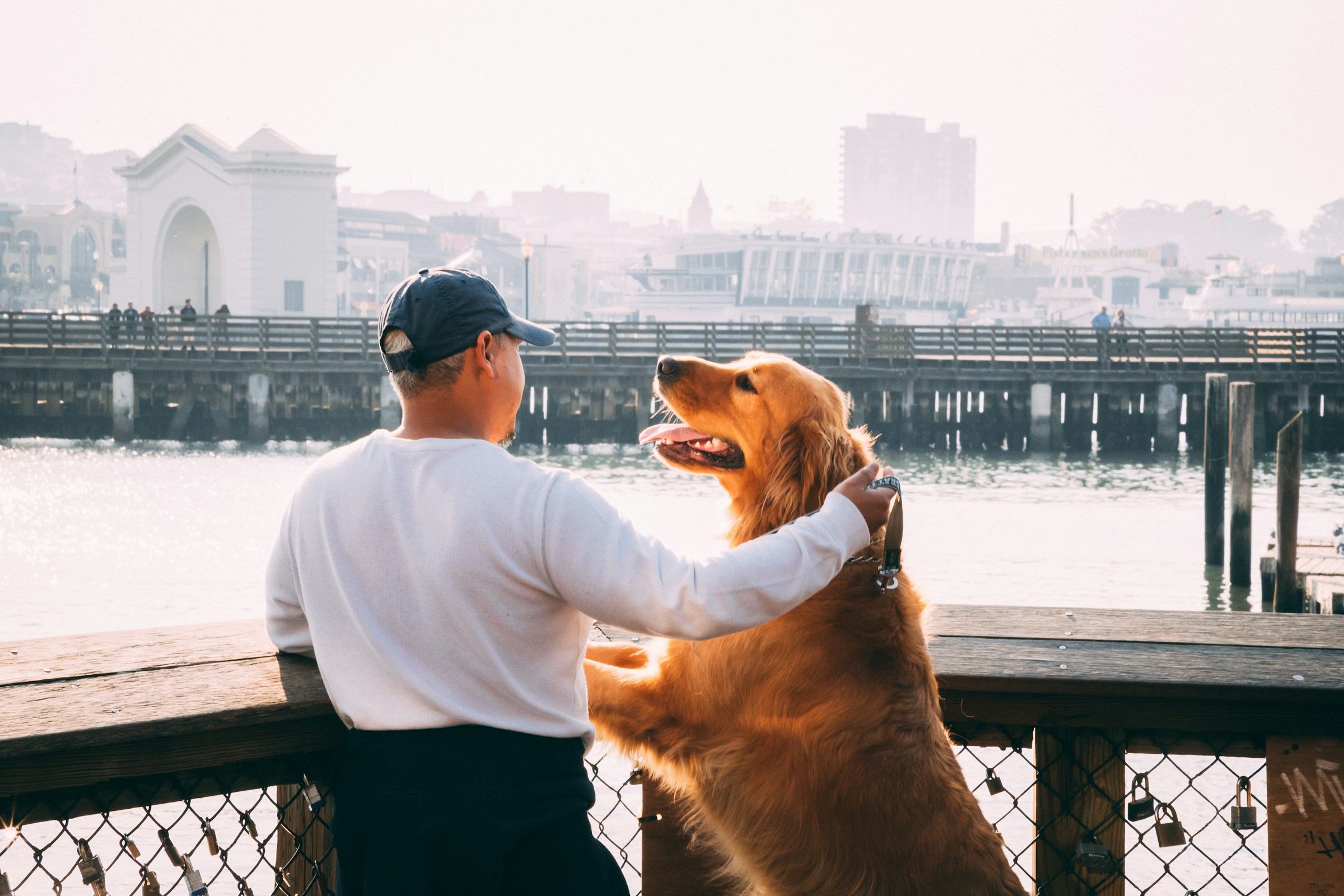
Everyone assumes grandparents and dogs are the safest combination in the house – soft laps, extra treats, endless patience. What could possibly go wrong with more love?
Dog trainers quietly disagree. Behind closed doors, they’ll tell you that well-meaning grandparents are behind some of the most common behavior problems, near-misses, and even bites in family dogs. Not because they’re careless, but because they’re running on rules from thirty years ago that never accounted for how dogs actually think, feel, and warn us before things go wrong. Here’s where the love and the risk get tangled together.
#13 – Overfeeding Treats “Because It’s Just Love”

“Grandma treats” sound harmless – until the dog’s waistline quietly disappears. Many grandparents show affection the way they always have: food equals love. The problem is that today’s dogs move less, eat richer diets, and already get plenty of extras from everyone else at home. Those crusts, biscuits, and “just a little” cheese add up faster than anyone notices.
Even being 10–20% overweight raises a dog’s risk of arthritis, diabetes, and a shorter life. Grandparents don’t see the slow creep, they just see a happy face begging for more. What they don’t realize is that constant handouts quietly wreck training too – once a dog learns that staring at Grandpa gets food, begging becomes a full-time job, and the kids’ rules stop mattering because the “fun humans” always pay out.
Fast Facts
- A few extra treats a day can add up to real weight gain over just a few months for a small dog.
- Carrying just 10-20% excess weight raises the risk of arthritis, diabetes, and a shorter lifespan.
- Most commercial treats aren’t portion-controlled, so “just one” often means more calories than owners realize.
- Dogs quickly learn that begging near grandparents gets faster results than begging near parents.
#12 – Ignoring the “No Table Scraps” Rule
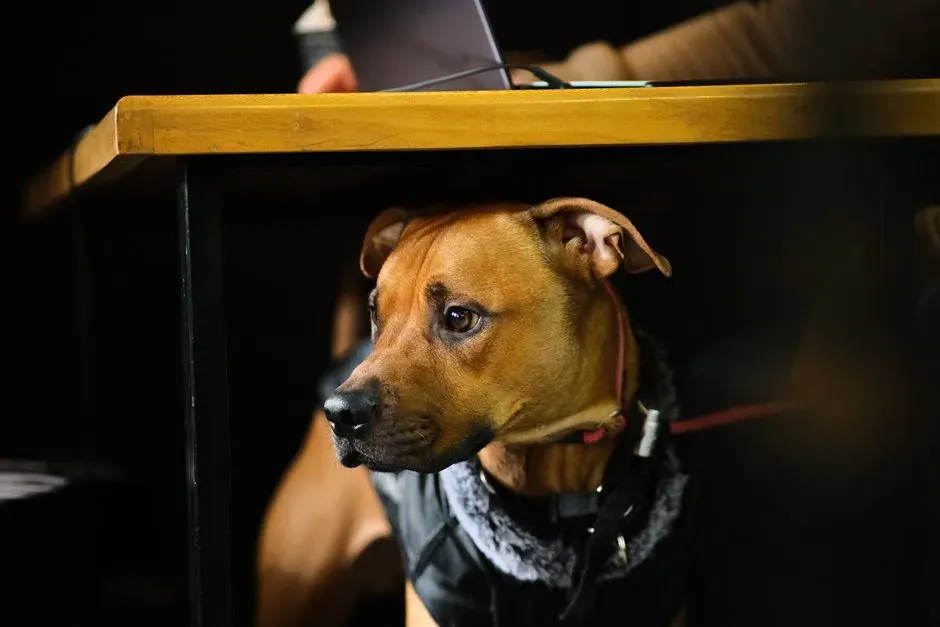
Most families agree on one thing: no feeding from the table. Grandparents often see it differently. Slipping a bit of meat under the table feels harmless in the moment, but once a dog learns that human mealtimes equal jackpots, you’ve created a professional food thief – one who barks at the table, climbs onto laps, and lunges for anything that hits the floor.
That last habit is more dangerous than it sounds. Many bites happen when a dog rushes for dropped food at the exact moment a toddler reaches for it too. There’s a health cost as well – gravy, fatty meat, and seasoned leftovers can trigger pancreatitis in sensitive dogs, even from a single meal. Grandparents remember tough farm dogs eating “whatever we had” and surviving fine. Today’s dogs, bred and fed differently, don’t always get that same luck.
#11 – Forcing Affection When the Dog Wants Space
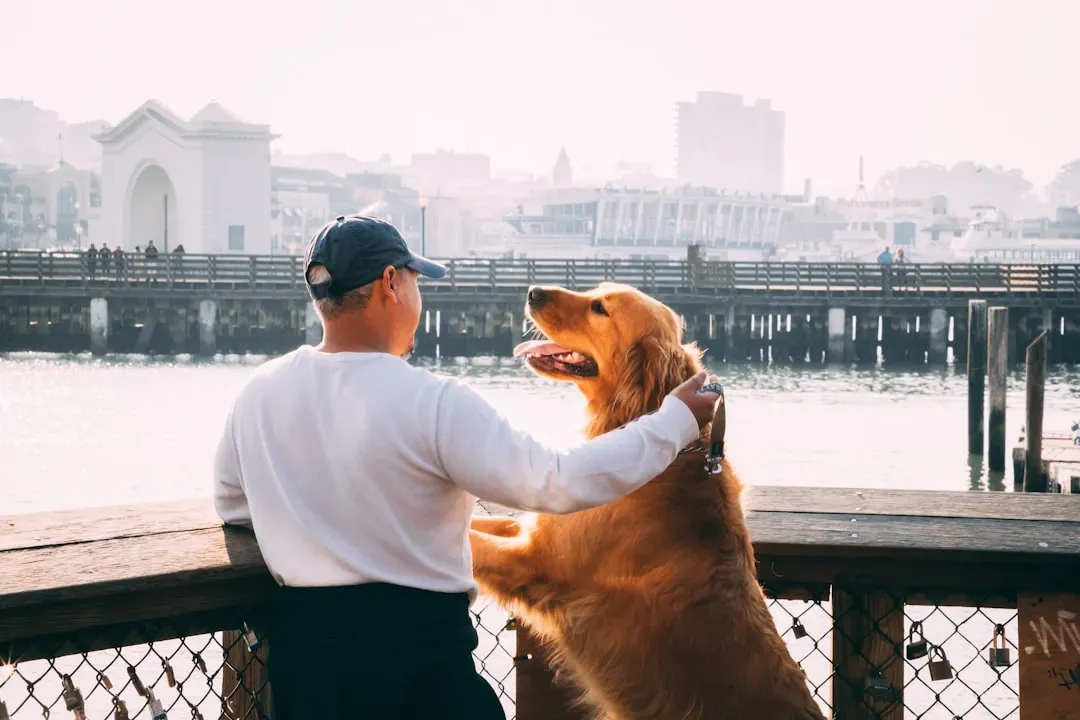
“Come give Grandma a hug!” sounds sweet to us. To a dog, it can feel like being cornered. Many older adults grew up believing dogs were supposed to tolerate anything – hugging, looming over, kissing the face, all filed under normal affection. We now know most dogs actually find hugging uncomfortable, sometimes even threatening.
Lip licking, turning the head away, yawning, or going stiff are a dog’s polite way of saying “please stop.” Grandparents often miss those signals entirely and call the dog “so patient” instead. The danger shows up when they encourage grandkids to do the same thing – a dog who’s quietly tolerated years of unwanted handling can suddenly snap, and everyone insists it came “out of nowhere.” It didn’t. The dog had been saying no for months.
#10 – Letting the Dog Break Every House Rule
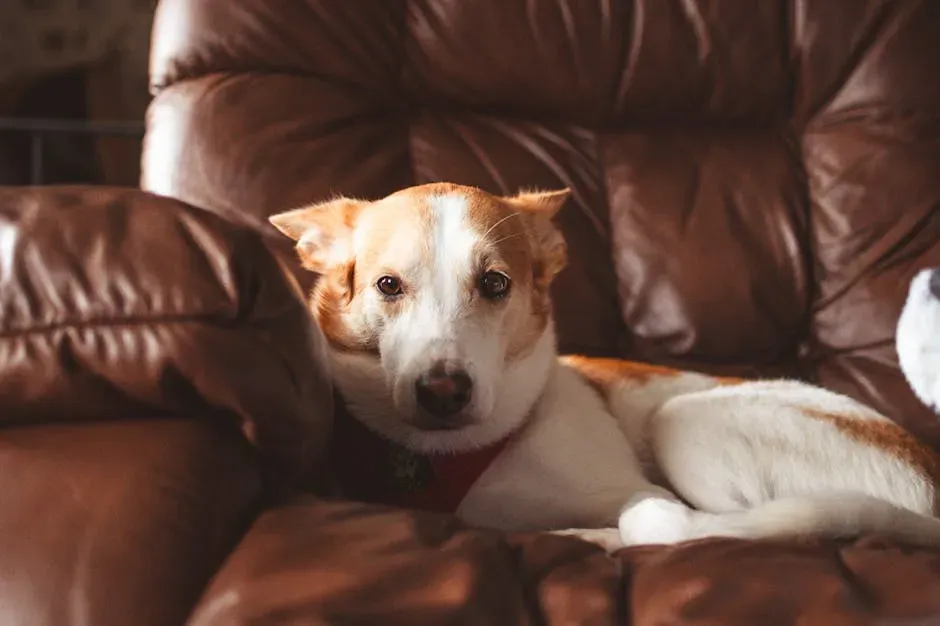
At Grandma’s house, the dog often gets to do whatever it wants – on the sofa, in the bed, up on laps whenever it pleases. The cuddling isn’t the problem. The confusion is. Dogs don’t understand context the way we do; they understand patterns. If the rule at home is “no couch,” but Grandma laughs and waves them up anyway, the dog quietly learns that rules are negotiable, and that pushing limits sometimes works.
That lesson doesn’t stay at Grandma’s house. Suddenly the dog whines at the couch, scratches at doors, or tests every chair in every home “just in case this human allows it.” Inconsistent rules are one of the biggest reasons dogs get labeled stubborn, when really they’re just confused. A behavior is either always allowed or it never is – dogs thrive on that kind of clarity, not exceptions.
#9 – Encouraging Jumping Up Because “It’s Cute”
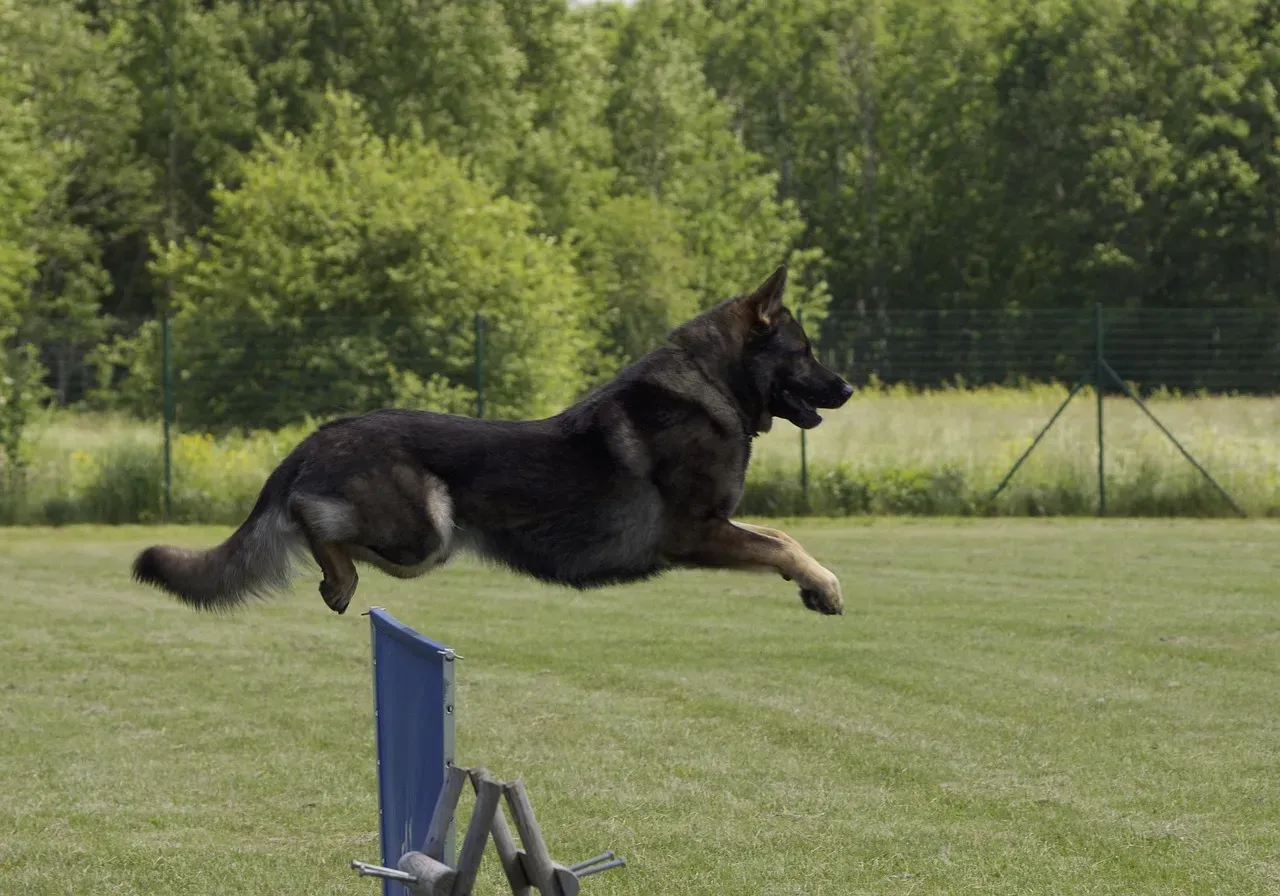
A little dog bouncing onto Grandma’s knees looks adorable – until it isn’t little anymore. Many grandparents greet the dog with excited voices, open arms, and zero boundaries, and that energy rewards jumping every single time. Dogs do what works, and if leaping up earns squeals and petting from Grandma, they’ll try the exact same move on everyone else.
People tolerate it while the dog is small. It becomes an “emergency problem” the moment a seventy-pound teenager slams into a child or an elderly relative. Some seniors with balance issues are genuinely at risk here – a joyful jump can cause a fall, a broken hip, or worse. Trainers now recommend a simple “four on the floor” rule from day one, and grandparents can help just by waiting for paws to stay down before giving any attention at all.
At a Glance
- “Four on the floor” is the trainer-recommended rule: attention only when paws stay on the ground.
- Falls linked to pets are a well-documented cause of injury among older adults.
- A jumping puppy is easy to catch; the same dog can weigh 50-90+ pounds by adulthood.
- Redirecting jumping early stops the habit before it ever forms with visitors, kids, or strangers.
#8 – Overruling Crate Time and Rest “Because He Looks Lonely”
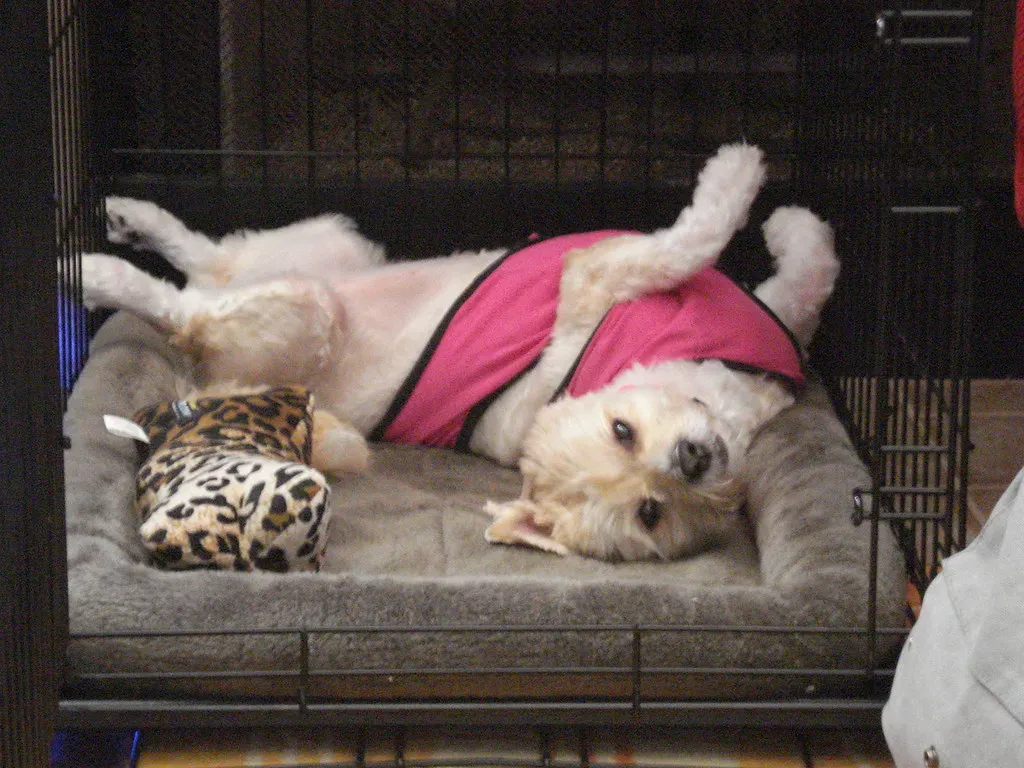
Many grandparents think crates are cold or cruel, so they quietly undo the structure everyone else worked hard to build. Modern trainers see crates more like a toddler’s playpen – a safe place for rest, not a punishment. But a grandparent who hates the idea may let the dog out the second it whines, and the dog learns fast: make noise, and you get what you want.
Crate training regresses. Nighttime barking explodes. Separation anxiety can actually get worse instead of better. Rest matters most for puppies and high-energy breeds – without it, they become overtired, mouthy, and hard to handle, just like an overstimulated toddler who missed a nap. Grandparents often mistake that meltdown for “needing more play” when it’s really the opposite.
#7 – Ignoring Subtle Stress Signals (Or Calling Them “Guilt”)
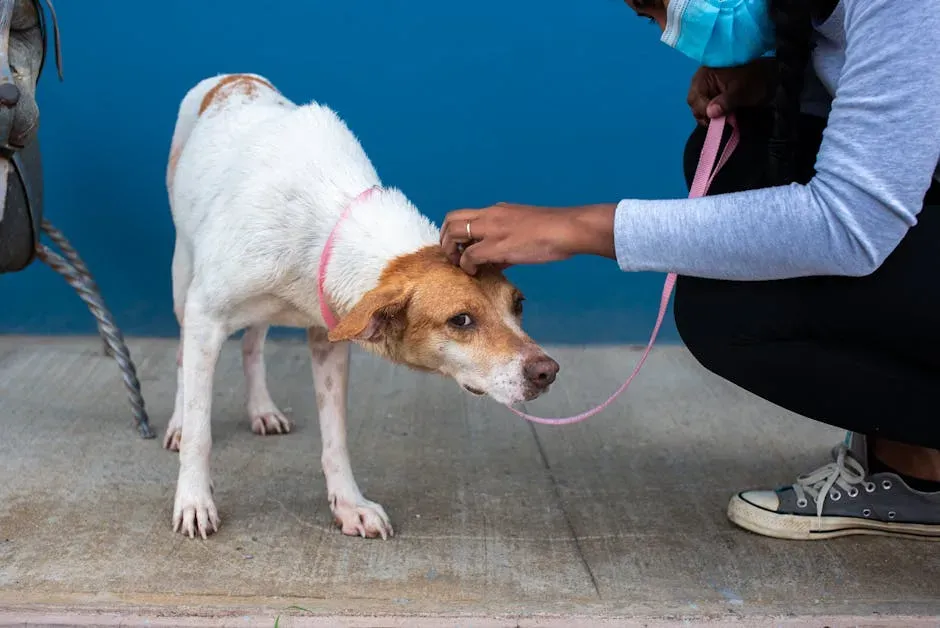
“Look at that guilty face, he knows he did wrong!” is almost always a misread. Grandparents swear the dog “feels bad” about the trash on the floor. In reality, those lowered ears, squinty eyes, and cowering body are classic fear signals, not guilt – the dog is reacting to an angry tone and tense body language, not replaying the crime.
When seniors mistake fear for shame, they sometimes double down on scolding, thinking it’s working. That’s the smaller problem. The bigger one is that these exact signals show up when dogs are stressed around kids – lip licking when a toddler leans on them, yawning during a hug, freezing when touched near their food bowl. If grandparents laugh it off as “silly,” the family misses the window to step in before a growl turns into something worse.
#6 – Letting Kids and Dogs “Work It Out Themselves”
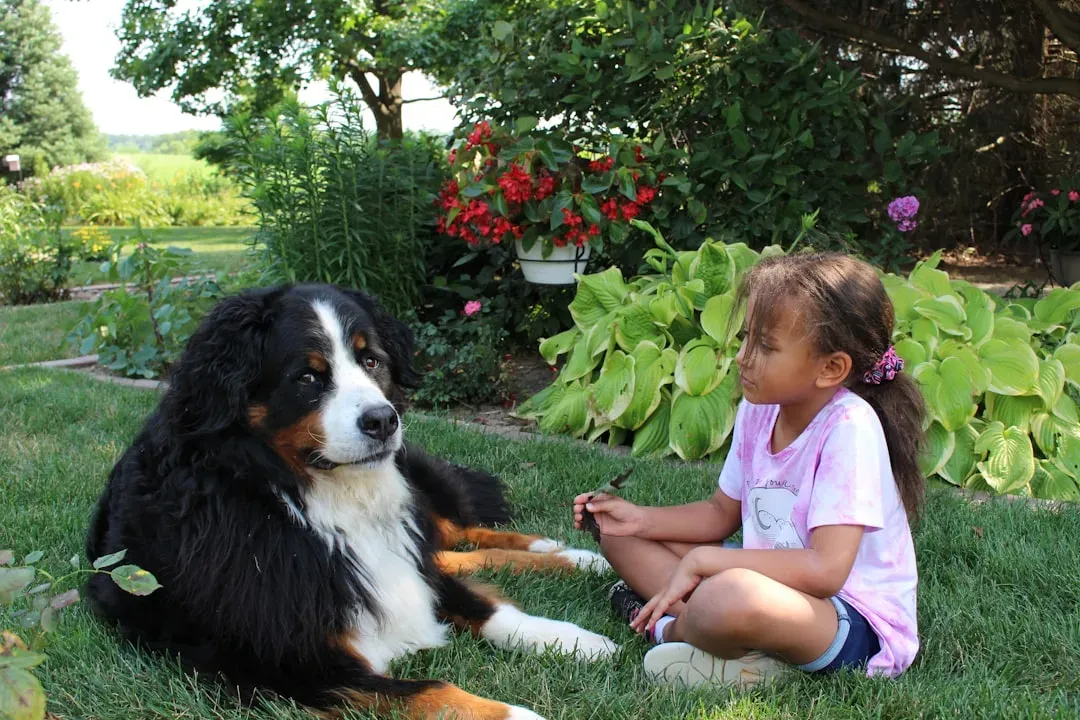
This is the hill many older generations still die on. “Dogs and kids need to figure out their place,” they say, or “we never supervised like this and we were fine.” But most dog bites to children happen during everyday interactions with a familiar dog, often with an adult standing right there and not stepping in.
Letting a child climb on, corner, or tease a dog because “he has to learn” is unfair to both of them. Modern guidance is simple: no unsupervised time between young kids and dogs, and adults step in before either side gets overwhelmed. Grandparents raised with tougher farm dogs may roll their eyes at this. Breeds, lifestyles, and expectations have all changed since then, and it’s now firmly an adult’s job to protect the child and the dog from each other’s mistakes – not a lesson worth gambling on.
Quick Compare
- Old-school view: “Let them work it out, that’s how kids learn respect.”
- Modern guidance: Never leave young kids and dogs unsupervised, even with a trusted family dog.
- Old-school view: “A growl means the dog is being bad.”
- Modern guidance: A growl is a warning system, and punishing it removes the dog’s ability to communicate.
#5 – Using Old-School Discipline: Yelling, Smacking, or Shoving
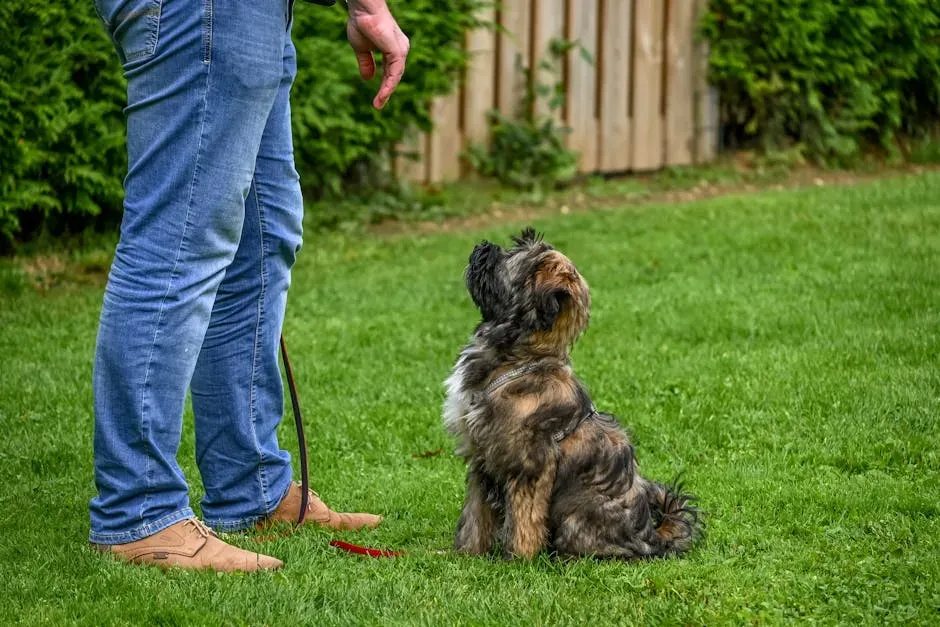
Some grandparents still believe a firm smack fixes problems – a tap on the nose, a shake of the collar, a shove off the couch. They rarely mean real harm. But the research on this is blunt: punishment rooted in pain or fear increases anxiety and can make aggression more likely, not less.
Dogs learn that humans are unpredictable, and many suppress their warning signs, like growling, just to avoid getting punished again. That’s the part that should worry people most. A dog who isn’t allowed to growl is a smoke alarm with the batteries pulled out – everything looks fine, right up until it isn’t. Positive, reward-based training isn’t about babying dogs; it’s the same evidence-based thinking grandparents already trust when it comes to their own medications.
#4 – Taking the Dog on Walks They Can’t Physically Handle
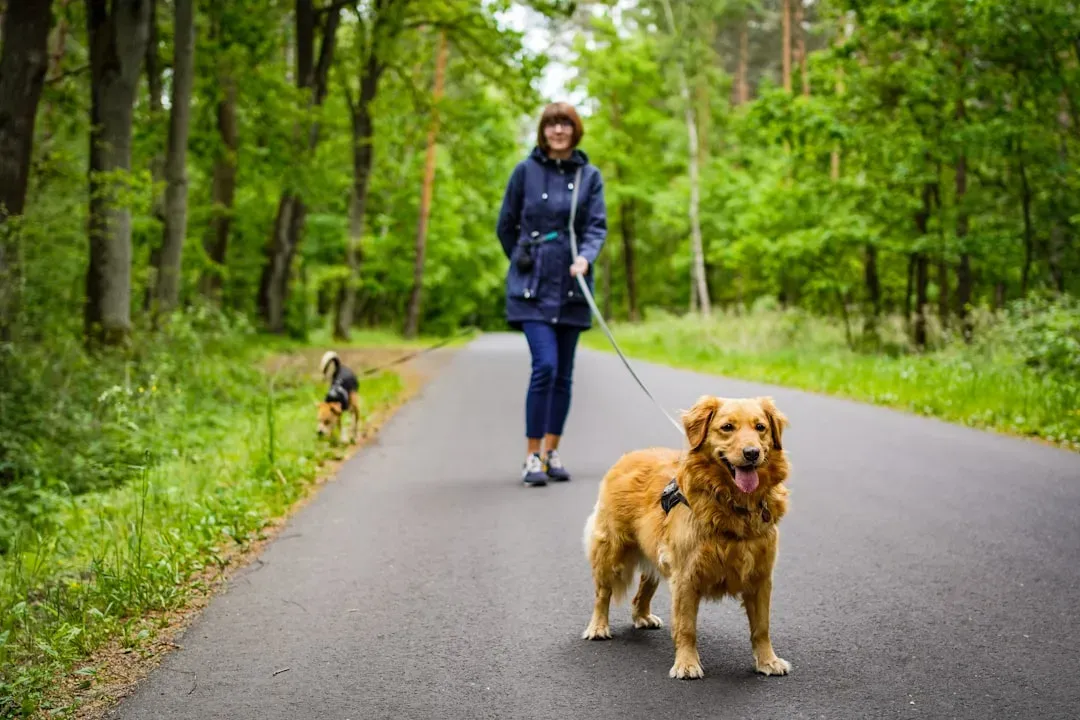
A slow stroll with Grandpa sounds harmless, right up until the dog pulls. Many seniors underestimate how strong even a medium-sized dog can be. A squirrel, a loud noise, a sudden encounter with another dog – one hard lunge can knock an older adult clean off balance, and hip fractures, wrist breaks, and falls from dog walks are far more common than people assume.
Grandparents rarely admit they’re struggling. They just tighten the leash and hope for the best. Meanwhile the dog is learning something too – if Grandpa can’t correct the pulling safely, pulling pays off, and parents end up battling a freight train on every future walk. A no-pull harness, shorter routes, and only walking dogs who already have solid leash manners turns a nice favor back into a safe one.
#3 – Sharing Unsafe Human Foods “Because We Always Did”
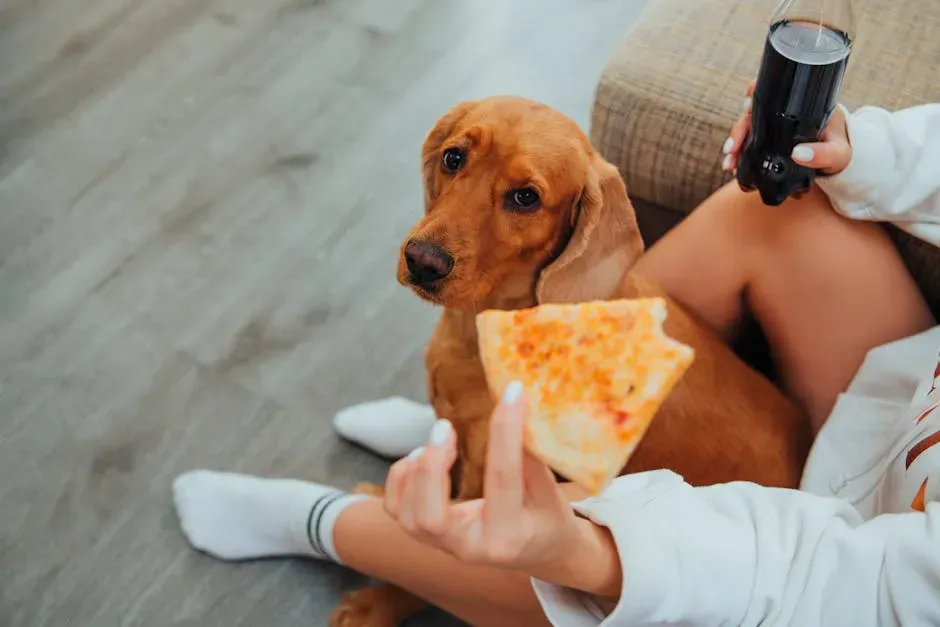
“Bits of my dinner never hurt our dogs growing up” is a common line, and an outdated one. Food culture has changed, portion sizes have changed, and so have the breeds living in our homes. Grapes, raisins, xylitol-sweetened candy or gum, and onion-and-garlic-heavy dishes can be genuinely toxic to dogs – not upsetting, toxic.
A well-meaning grandparent slipping the dog a piece of raisin bread or a sugar-free cookie has no idea they might be causing real harm. Even the “safe” table foods can backfire – salty snacks strain the kidneys, fatty meats trigger painful pancreatitis, seasonings upset delicate stomachs. The rule that actually works is blunt: if it isn’t explicitly dog-safe, it doesn’t go into the dog. It might feel cold to someone used to sharing everything, but modern veterinary medicine is clear that certain treats can send a dog straight to the emergency room.
Worth Knowing
- Grapes and raisins can cause sudden kidney failure in dogs, even in small amounts.
- Xylitol, a sweetener in sugar-free gum and baked goods, can trigger a rapid, dangerous drop in blood sugar.
- Onions and garlic, even cooked, can damage a dog’s red blood cells over time.
- Fatty leftovers like gravy or skin are a leading trigger of pancreatitis flare-ups in dogs.
#2 – Undermining Training Cues and Commands
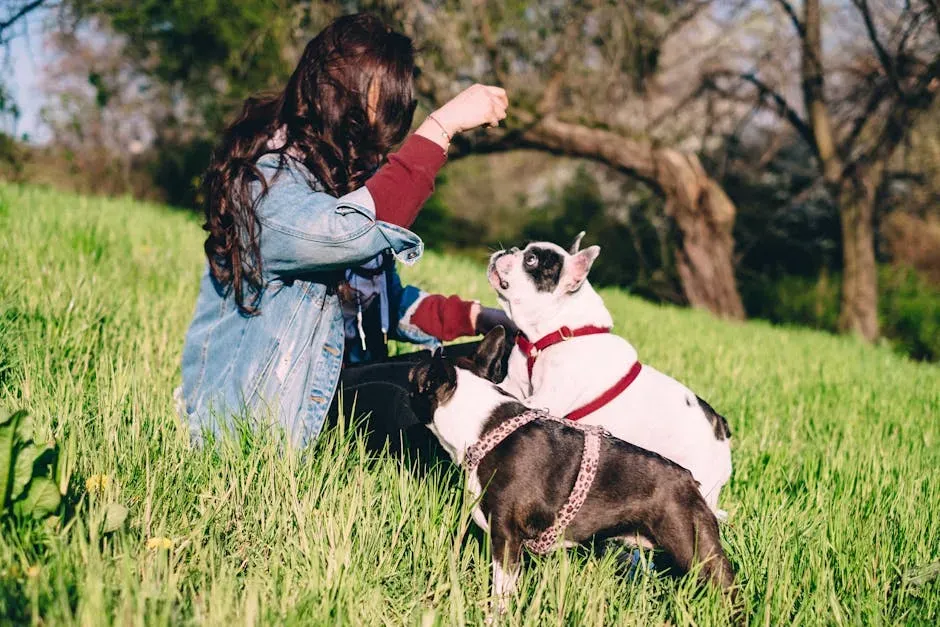
“Aw, you don’t have to listen to that, come here!” sounds harmless and quietly wrecks months of work. Grandparents love being the fun ones, not the enforcers, so when a parent asks the dog to stay, Grandma calls them over anyway. When the kids are working on “leave it,” Grandpa laughs and hands over the forbidden item. From the dog’s point of view, cues become optional noise – sometimes they matter, sometimes they don’t.
This is more serious than it looks. A reliable “come” can be the difference between safety and disaster near a road or wildlife. Ignoring “leave it” might mean swallowing medication, trash, or something poisonous off the ground. The moment grandparents teach a dog that obedience is negotiable, every future command loses its weight. The fix is simple and non-negotiable: everyone follows the training plan or stays neutral, and no one rewards a broken rule just to be the favorite.
#1 – Assuming “He Would Never Bite Family” (And Dropping Their Guard)
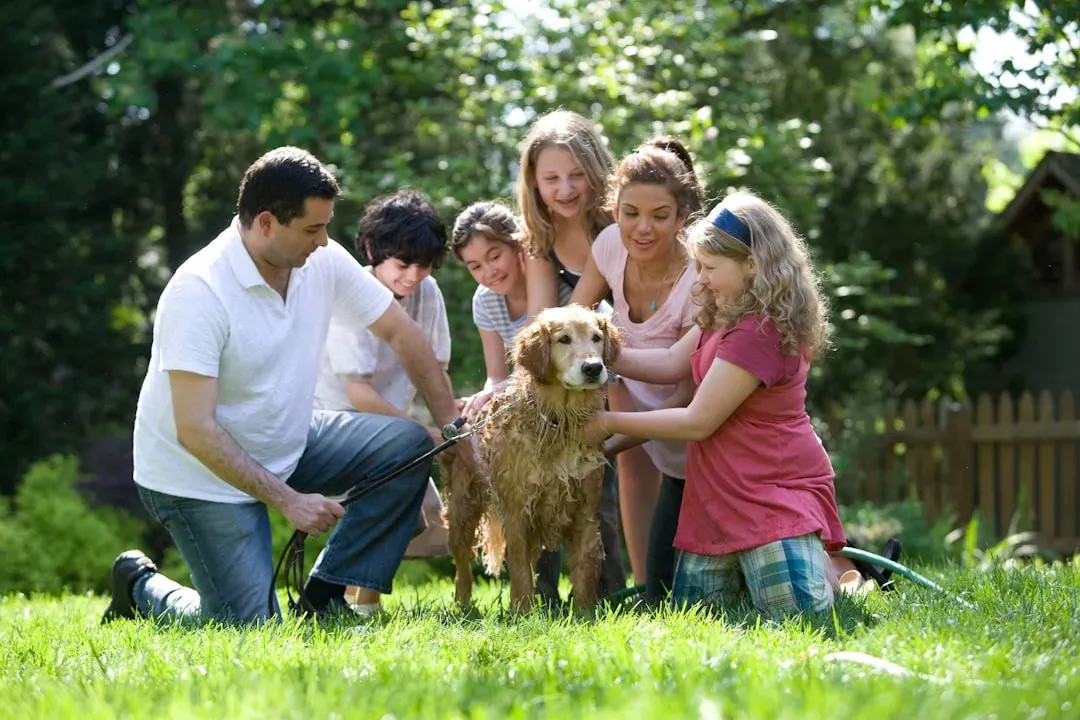
This is the most dangerous rule grandparents break, and it isn’t even a rule. It’s a belief. Many older adults deeply trust the family dog – they’ve watched him be gentle with babies, tolerant with toddlers, soft with the elderly, and they say with total confidence, “he’d never bite us,” then relax every boundary they’d normally keep.
They let grandkids climb on him, wake him mid-sleep, pull toys straight out of his mouth. Growls get ignored, or missed entirely, then quietly excused with “he didn’t mean it.” Every dog has a breaking point – pain, fear, illness, or sheer overwhelm can push even the sweetest pet past it. The myth that “good dogs don’t bite” is exactly what keeps people from respecting the limits that are already there. Good dogs warn. Good humans listen. The families who understand that a bite is always possible are the ones least likely to ever see one.
The dog is telling you long before he bites you.
Ian Dunbar, veterinarian and dog behaviorist
The Bottom Line
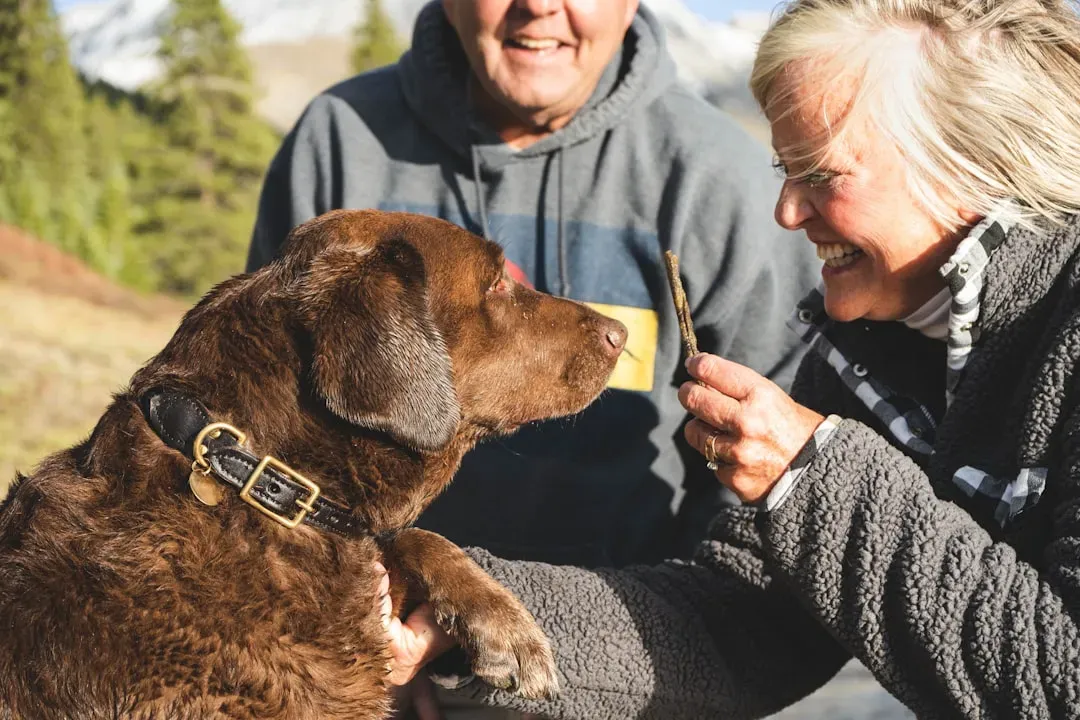
Grandparents aren’t the villains in the family dog story. They’re often the secret trigger, and nobody planned it that way. Outdated advice, over-generous treats, and “we’ve always done it this way” thinking quietly undo modern training, stress the dog, and put kids at risk without a single person meaning harm.
The toughest truth in all thirteen of these is simple: love isn’t enough on its own if it comes wrapped in mixed signals, unsafe snacks, and zero boundaries. What feels like kindness in the moment can shorten a dog’s life and quietly erode its trust in everyone around it.
The families who get this right don’t ban grandparents from the dog. They bring them into the plan – clear rules, shared cues, honest conversations – and that’s what turns Nana and Pop into safety allies instead of accidental chaos agents. Which one of these thirteen is happening in your own family right now, and are you ready to say something about it?


