

If you think your cat is just zoning out on the windowsill all day, think again. Cats are quiet observers, and you are their favorite subject to study. Every move you make, every mood shift, every tiny routine you repeat is being logged in that mysterious little feline brain.
Living with a cat is a bit like living with a tiny, fur-covered behavior scientist. They may not write anything down, but they absolutely take mental notes. Let’s dive into what your cat is actually paying attention to about you every single day – and why it matters more than most people realize.
1. Your Daily Routine And Schedule
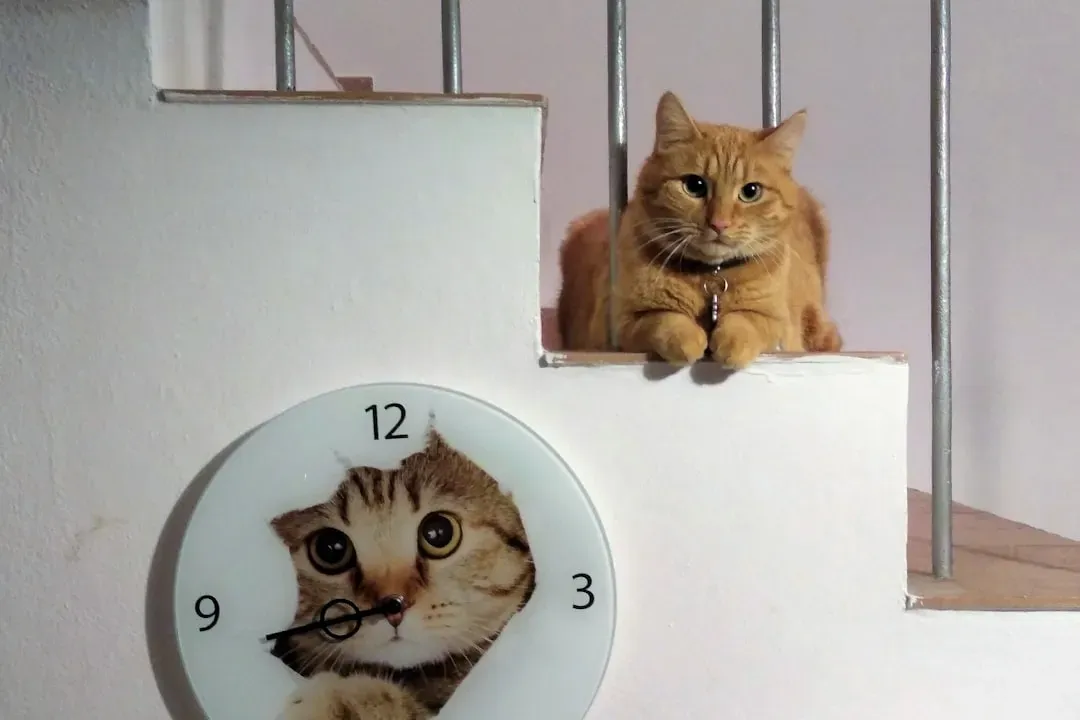
One of the first things a cat locks onto is your routine. They notice what time you usually wake up, when you head out the door, when you come back, and when you finally turn off the lights at night. Over time, they build a pretty accurate internal clock based on your habits, which is why your cat might be sitting by the bedroom door minutes before your alarm even goes off.
This is partly instinct and partly survival strategy. In the wild, predictability can mean safety, food, and fewer surprises, and your house is no different from your cat’s perspective. If you suddenly change your routine – start working night shifts, stay up much later, or travel more – you may notice your cat acting confused, clingy, or even a bit grumpy. To them, it’s like their whole calendar just flipped upside down.
2. Your Mood And Emotional Energy
Cats are much better emotional readers than people give them credit for. They watch your face, your posture, and especially your movement patterns to pick up on how you feel. When you’re stressed, you probably move faster, talk louder, and stomp around more; when you’re sad or tired, you move slow, talk less, and spend more time sitting or lying down.
Your cat notices these patterns and often adjusts their behavior in response. Some cats become more affectionate when they sense sadness or illness, curling up near you or choosing to stay in the same room. Others may keep their distance when your energy feels chaotic or angry to them. They might not understand the words, but they absolutely notice the weather of your emotions every single day.
3. Your Voice, Tone, And The Words You Repeat

You could argue that your tone of voice is your cat’s main user manual for understanding you. They may not decode sentences the way dogs sometimes do, but they absolutely pick up on emotional tone, pitch, volume, and rhythm. A calm, gentle voice signals safety. A sharp, high-energy tone can mean excitement or trouble. Angry or loudly raised voices usually send a cat into caution mode.
Cats can also learn specific words or patterns that matter to them, especially if those words are consistently paired with actions: their name, “treat,” “food,” or the sound of the treat bag being shaken. Over time, your daily chatter forms a soundscape your cat recognizes. If you suddenly become much quieter, more irritable, or more loud and erratic, your cat notices that contrast and reacts, even if you say nothing directly to them.
4. Your Scent And Subtle Body Changes

We live in a visual world; cats live in a scent-driven one. To your cat, you are not just a face, you are a very specific smell that they check in with constantly. When you come home, they smell where you’ve been – the neighbor’s dog, the park, another cat, the vet’s office. That’s why they might sniff your shoes or bag with laser focus, as if they’re reading your whole day like a newspaper.
Cats can also detect subtle changes in your scent and body chemistry. Changes caused by sweating more, being sick, changing medications, or even hormonal shifts can all slightly alter your smell. Some cats become clingier when their humans are unwell, while others become watchful or wary. They might not know what flu or anxiety or pregnancy is, but they can tell that something about you is “different” today compared to yesterday.
5. How Much Attention You Give Them (And When)
Your cat is constantly tracking your attention patterns: when you usually pet them, when you ignore them, when you push them away, and when you’re glued to a screen. If you always play or cuddle at a certain time, your cat learns to anticipate that and may show up like clockwork. If you start working longer hours or scrolling endlessly instead of engaging, they notice that too.
This is where you’ll often see “attention-seeking” behaviors emerge. Jumping on your laptop, sitting on your book, chirping at you when you pick up your phone – these are all ways your cat says, “I’ve noticed you’re not present with me like you usually are.” Some people misread this as spite; in reality, it’s your cat using the only tools they have to get your focus back.
6. Your Body Language, Posture, And Movements

To a cat, how you move is as important as what you say. Fast, stomping steps can feel threatening, especially to shy or previously mistreated cats, while slow, soft, sideways movements are easier to tolerate. Your posture matters too: leaning over them can feel intimidating, while sitting on the floor or couch at their level feels safer and more inviting.
Cats also clock your everyday habits: how you reach for them, whether you respect their signals when they’ve had enough petting, how often you loom in doorways or walk directly at them. Over time, they build a safety profile of you. If you’re consistently gentle and predictable, they’re more likely to greet you, expose their belly, or blink at you slowly. If you’re rough, grabby, or chaotic, they’ll keep a cautious distance, even if you mean well.
7. Your Stress, Health, And Physical State

Your cat may never read a lab report, but they are surprisingly tuned in to your physical state. They notice if you are suddenly moving more slowly, spending more time in bed, coughing more, or staying in the bathroom a lot. They also pick up the difference between your usual walking pattern and a limping or hunched one. To a cat, big changes in your physical behavior are huge red flags that something is up.
Many people report their cats becoming extra clingy or watchful when they are sick, grieving, or recovering from surgery. Others notice their otherwise independent cat suddenly sleeping by their feet or chest for days on end. There is probably a mix of scent changes, behavior shifts, and emotional energy at play. Whatever the exact mechanism, your cat is paying daily attention to how “normal” or “off” you seem, even when you’re trying to hide it.
8. Your Relationship With Other People And Animals

Cats do not just watch you; they watch how you interact with everyone else. They see who you hug, who raises their voice, who brings treats, who ignores them, and who moves unpredictably. Over time, they categorize the people and animals in your life: safe, neutral, fun, or potentially stressful. A partner who always greets them gently will get a very different reception than a visitor who rushes at them squealing.
Your cat also notices the emotional tone between you and others in the house. Arguments, tension, or cold silences create an atmosphere they can feel. On the flip side, laughter, relaxed conversation, and calm routines tell your cat that the territory is stable. In a way, they are constantly checking the social weather in the home, using your interactions as their daily forecast.
9. What You Prioritize: Work, Screens, Sleep, Or Them

One of the most overlooked things cats notice is what you prioritize with your time and energy. They may not know what a deadline is, but they understand that your laptop, phone, or TV often wins your attention over them. If you always shoo them away when you are working but welcome them during downtime, they will learn the pattern. Some adapt and simply nap nearby, others escalate with taps, meows, or full-on keyboard takeovers.
They also notice if you choose playtime, grooming, or quiet presence with them over other distractions. To a cat, consistency plus priority equals security. When your actions say, day after day, that they matter and are worth making space for, they become more confident, affectionate, and relaxed. When they are constantly second place to chaos, noise, or screens, they often become more anxious, clingy, or withdrawn – even if you never raise your voice.
Conclusion: Your Cat Is Not Ignoring You – They Are Studying You

Living with a cat has convinced me that they are far more observant than we are, not less. While we rush through our day barely noticing our own habits, they quietly track our routines, moods, scents, and priorities with almost unnerving precision. To them, we are not just background noise; we are the central character in their entire world, and they notice every plot twist.
The opinion I have landed on, after years of watching cats watch people, is simple: we owe them more credit and more intentionality. If they are going to study us this closely every day, the least we can do is become a version of ourselves that feels safe, predictable, and kind in their eyes. Next time you catch your cat staring at you from across the room, ask yourself: if they wrote a daily report on my behavior today, would I be proud to read it?


