
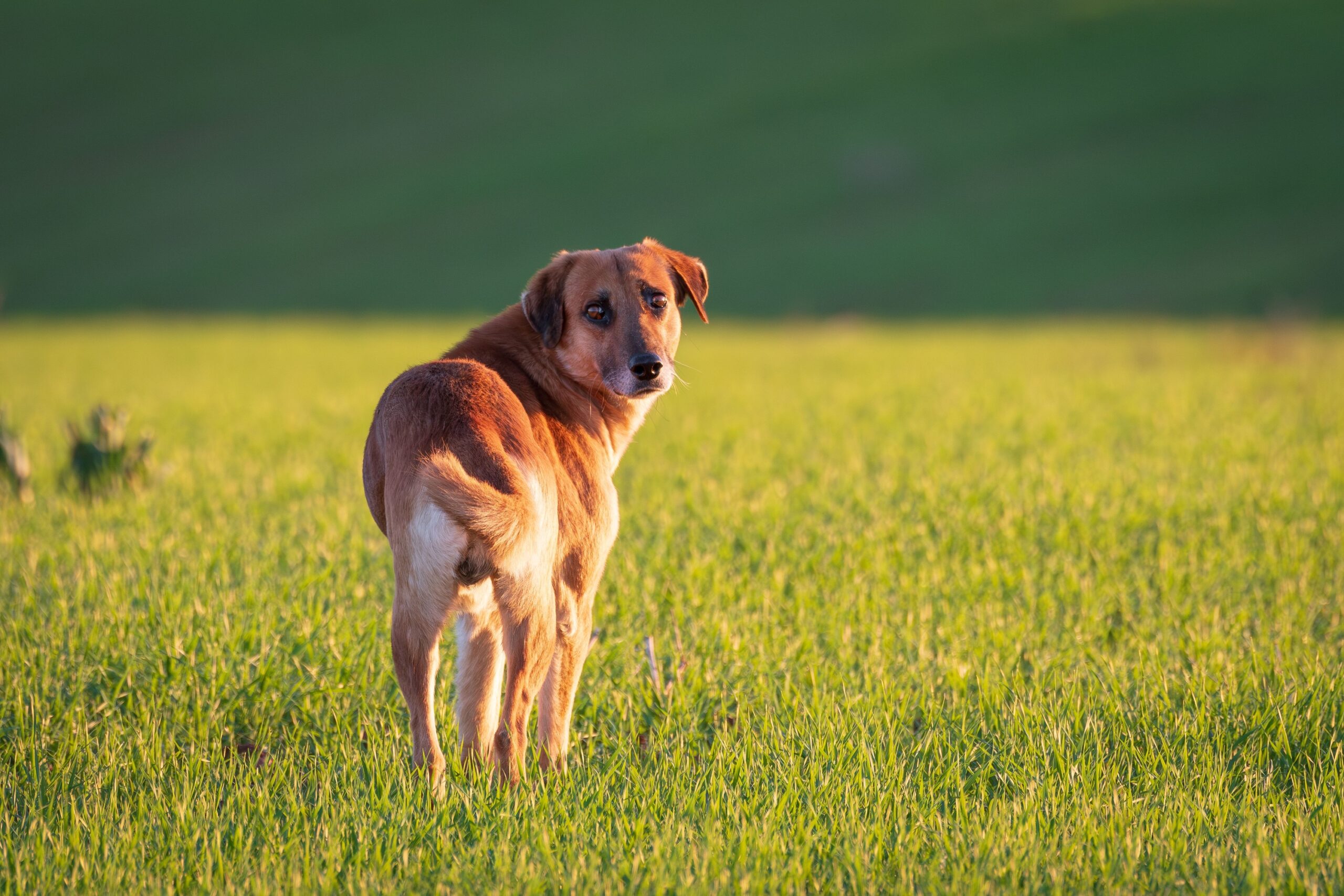
There’s a tiny moment on almost every dog walk that feels oddly intimate: your dog trots a few steps ahead, then suddenly slows down, turns around, and locks eyes with you. It is such a small gesture that most people dismiss it as nothing. But animal psychologists say that little glance is packed with meaning, and it goes far beyond a simple “where are you?” check.
Once you start paying attention to it, that look-back feels almost human: curious, a bit vulnerable, and deeply connected. It is not just a GPS ping; it is closer to a relationship “status update.” Understanding what is really going on in your dog’s mind when they pause and look back can change how you walk them, how you train them, and even how you see your place in their world.
The Science Behind That Quick Look Over the Shoulder
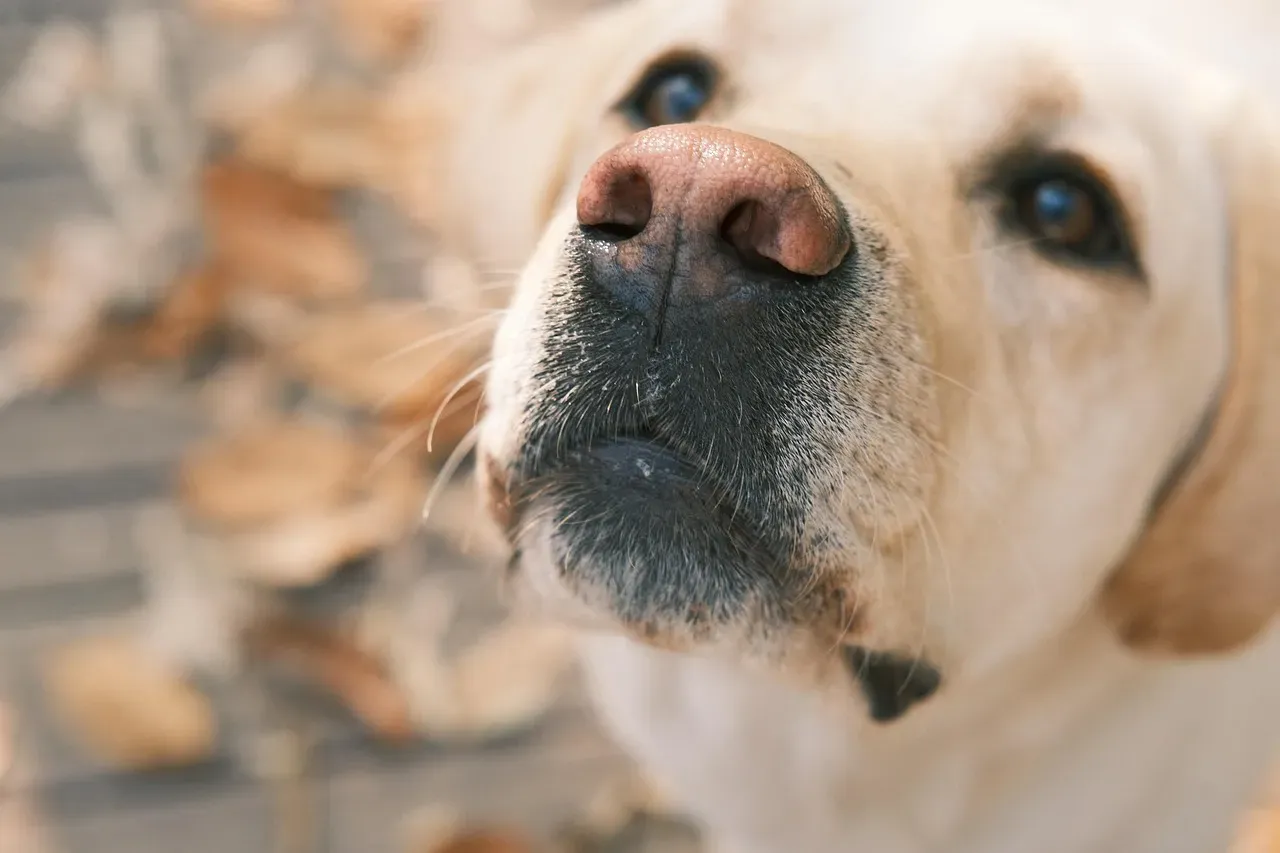
One of the most surprising findings in animal psychology is how strongly dogs are tuned to human faces and eyes. From early puppyhood, they start learning that your gaze, your expressions, and even the tiny tension in your shoulders carry important information about safety, direction, and approval. Over time, checking back becomes a built-in habit, like a child glancing at a parent before crossing a street.
Researchers studying dog behavior in problem-solving tasks have noticed that dogs often stop what they are doing and turn to look at their humans when they are unsure. That same behavior shows up on walks: the environment is full of smells, noises, and moving things, and your dog is constantly making micro-decisions. The look back is not random; it is a cognitive pause, a moment where your dog takes in your presence as part of their decision-making process.
Attachment: Your Dog Is Quietly Making Sure “We Are Still a Team”
When your dog turns back to look at you, one of the biggest things they are checking is emotional distance, not just physical distance. Many dogs form what psychologists call a secure attachment to their primary person. That attachment means you are their base of safety: the one they feel anchored to, even as they explore the world ahead. The look over the shoulder is their way of confirming that emotional tether is still there.
If you have ever walked a dog who does not look back at all, the difference feels almost cold. When they do pause and check in, it is like they are saying, in their own quiet way, “We’re still together, right?” That tiny behavior is often more reliable than dramatic displays of affection at home, because it shows up when they are busy, distracted, and flooded with other interesting stimuli. If they still make time to check on you then, you matter a lot.
Reading Your Mood: Dogs Use Your Face as an Emotional Weather Report
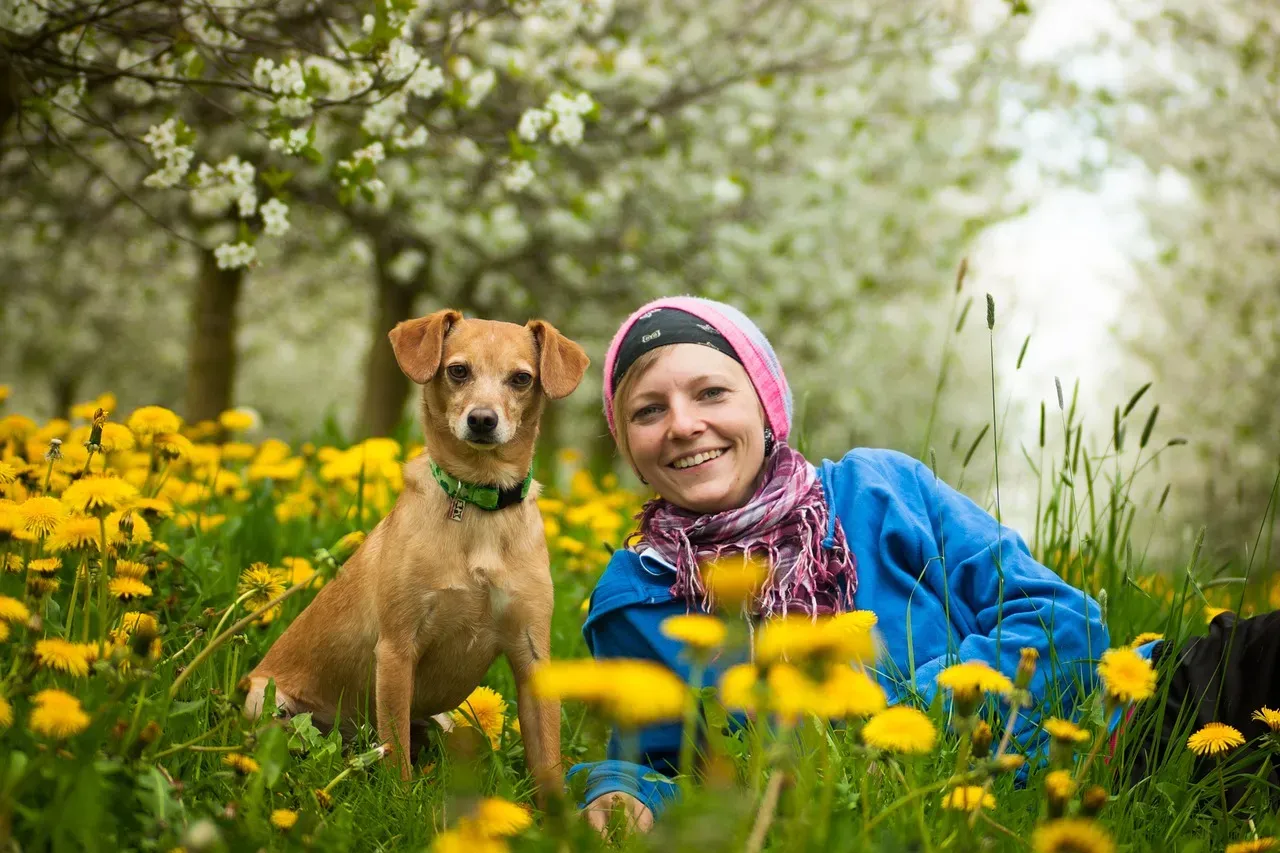
Dogs are surprisingly good at reading human emotions, even when we do not say a word. Your dog’s look back can be a quick “scan” of your facial expression and body language: are you relaxed, tense, upset, or happy? On a walk, that matters, because your emotional state tells them how safe the environment feels. If you suddenly stiffen, slow down, or pull the leash tight, many dogs will immediately swivel back to see what changed.
Think of your face as a weather app for your dog’s day. If you look calm and content, they feel more confident sniffing that tree, greeting that neighbor, or exploring a new path. If your energy drops, your dog may respond with their own shift: slowing down, staying closer, or even mirroring your mood. That sideways glance back at you often carries a subtle question: “Are we okay with this?”
Checking Your Speed, Route, and Rules of the Walk
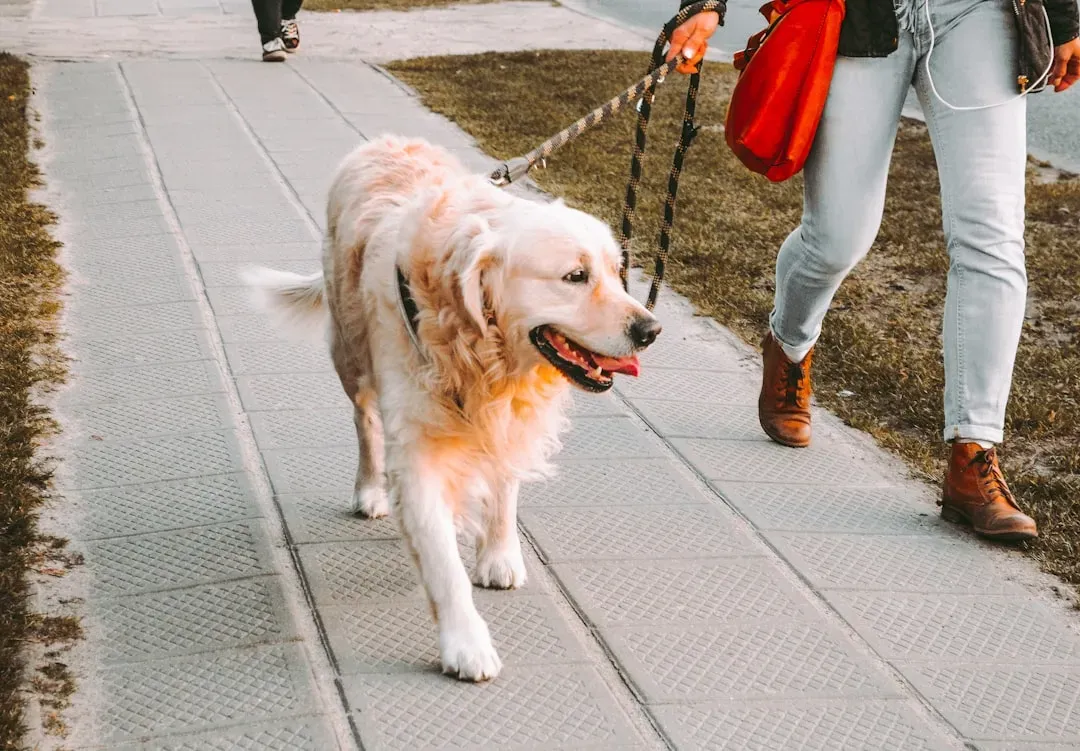
Beyond emotions, that look back is also practical. Dogs are constantly measuring the invisible “rubber band” of distance between you and them. If they get too far ahead, many will instinctively pause and look back to see if they need to slow down or wait. It’s one of the ways loose-leash walking naturally develops, even without formal training: they learn to sync their pace to yours by watching your position and responding to your movement.
They are also checking your decisions: Are we turning? Are we going straight? Are we crossing the road? Many dogs will glance back right at corners, driveways, or path splits, almost as if they are asking, “Left or right?” You may not even realize you are answering with tiny shifts in your body or where your chest and feet point, but your dog reads those cues and adjusts. That look is a communication gateway, not a simple location ping.
Seeking Approval: “Is What I’m Doing Okay With You?”
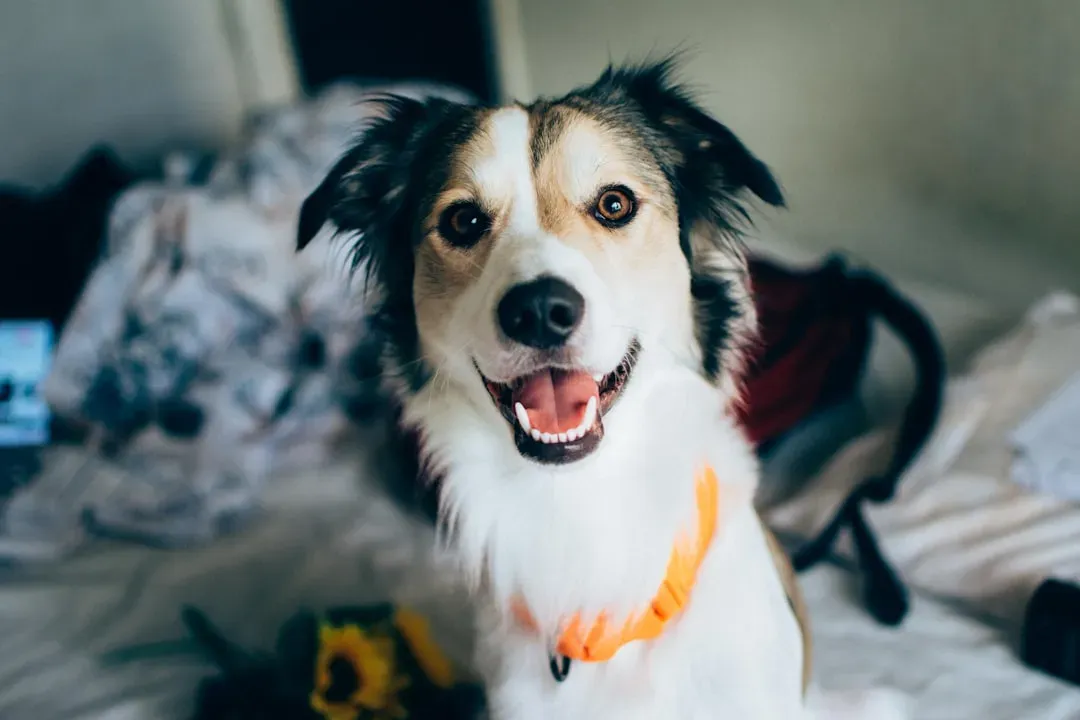
There is often a slightly guilty or hopeful feel to the way a dog looks back right before or after doing something questionable: lunging a bit toward a squirrel, sniffing a trash bag, or edging closer to another dog. In those moments, the look back can be an approval check. They are testing where the boundaries are, and your reaction teaches them what is allowed and what is not, far more than you might think.
When they look back after ignoring a distraction or choosing not to pull, they may also be quietly fishing for praise. Dogs that are tuned into positive reinforcement quickly learn that good choices earn happy voices, treats, or a gentle pat. So they make the choice, then check your face to see if you noticed. If you consistently acknowledge those little wins, that simple look back becomes part of a powerful feedback loop that shapes better behavior.
Managing Uncertainty: Looking to You for Safety and Reassurance
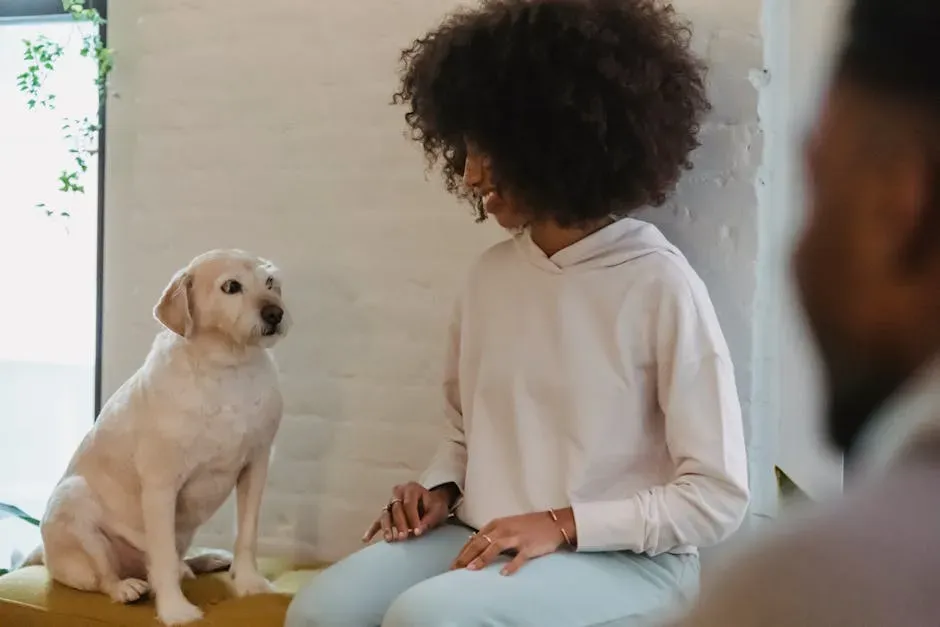
On a calm, familiar street, the look back might be mostly social. But in a new environment, or when something startling happens, it shifts into something deeper: a search for reassurance. Sudden loud noises, unfamiliar dogs, strange objects on the sidewalk – all of that can trigger a quick glance to you. That glance often means, “Should I be worried about this?” or “Will you handle it if things go wrong?”
I remember walking a nervous rescue dog past a noisy construction site. Every time a metal clang rang out, she flinched, then whipped her head around to check my face. If I stayed relaxed, her tension eased; if I unconsciously tensed up, she got worse. That experience made it brutally clear that the look back is not just cute – it is a survival strategy built on trust. Your response in those moments can slowly teach a fearful dog that the world is not as dangerous as it feels.
Personality Matters: Why Some Dogs Check In Constantly and Others Barely Do
Not all dogs are big on looking back, and that does not automatically mean they do not care about you. Breed tendencies, individual personality, life history, and training all play a role. Independent or scent-driven breeds often get more absorbed in their environment and may glance back less often, simply because their nose is in charge. Highly people-focused dogs naturally check in more, because their default setting is “human first, world second.”
That said, you can often increase how much your dog checks in by making yourself matter more on walks. Using rewards, playful engagement, and unpredictable but fun changes of direction teaches them that keeping an eye on you pays off. Over time, even a more aloof dog may start glancing back more frequently, not out of anxiety, but out of genuine interest in what you are doing next. It is not about forcing dependency; it is about building a richer conversation between you.
How to Respond: Turning Check-Ins Into Stronger Connection
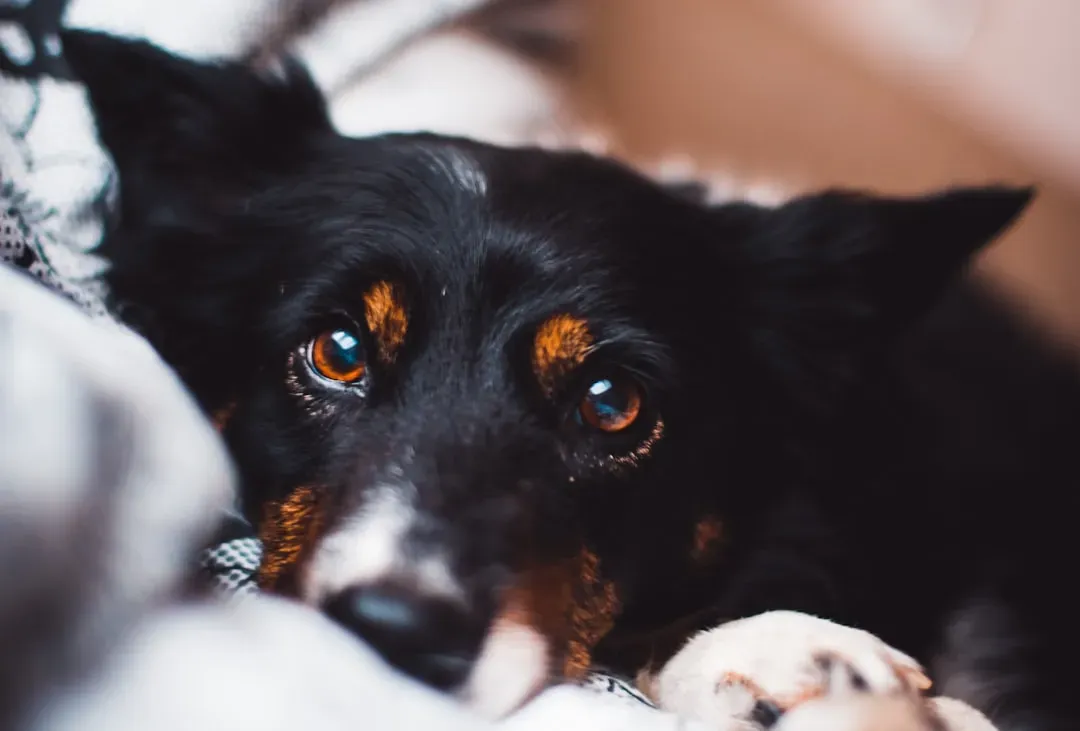
The look back is a gift, and most of us waste it by ignoring it. When your dog glances at you, especially in a distracting environment, that is a tiny open door for bonding, training, and reassurance. Responding with a soft word, a smile, a treat, or even just relaxed eye contact teaches your dog that checking in is worth it. Over time, that simple feedback can make your walks feel more like a shared activity and less like you being dragged along behind a furry missile.
You don’t have to turn every look into a formal training moment, but sprinkling in a bit of structure – like rewarding spontaneous eye contact or asking for a quick sit after a check-in – can upgrade your daily walk into a slow, steady relationship workout. Personally, I’ve found that when I treat those glances as little invitations instead of background noise, I end the walk feeling surprisingly closer to my dog, even if nothing dramatic happened. The walk becomes a quiet, moving conversation rather than just exercise.
Conclusion: That Small Look Back Says Something Big About You Both
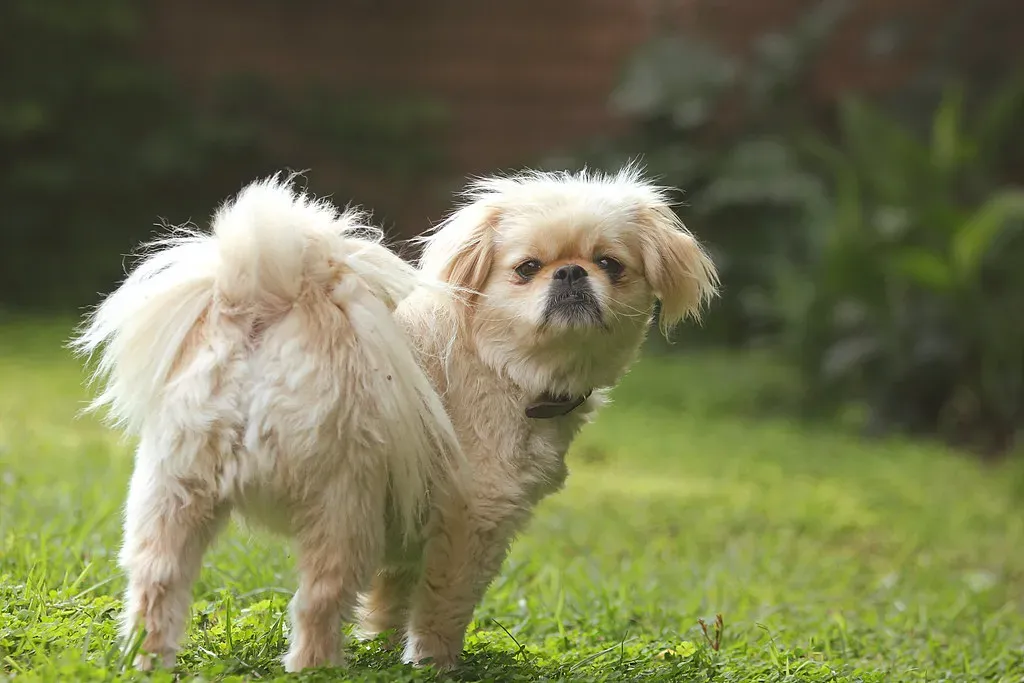
When you strip away the romantic myths and stick to what animal psychology really tells us, one thing stands out: dogs who pause and look back on walks are doing something thoughtful. They are not just confirming where you are; they are checking the state of the relationship, the emotional temperature, the rules of the road, and the level of safety. In a world full of distractions, the choice to look away from the smells and sounds and focus on you for a second is a powerful vote in your favor.
My own opinion is that how a dog checks back on you during a walk is one of the most honest, unfiltered measures of your bond. It is not performative, it is not trained for social media, and it often happens when no one else is looking. If you start noticing and nurturing those moments, your walks will feel less like chores and more like shared adventures. Next time your dog glances over their shoulder, maybe ask yourself: they are checking on me – but am I really showing up for them?


