
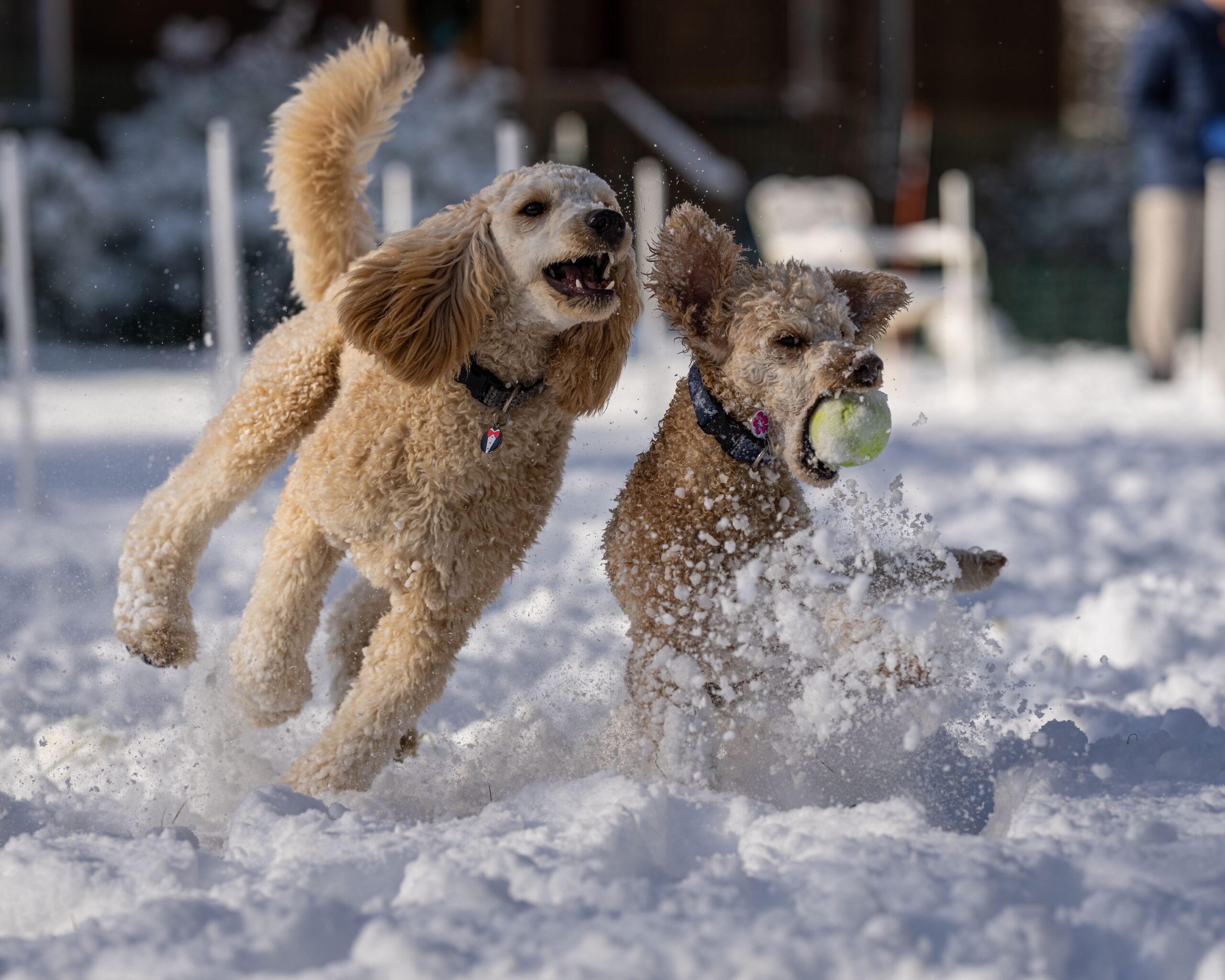
Some dogs curl up on the couch and happily nap away an afternoon. Others look at an idle human like a broken vending machine: they pressed the “fun” button and nothing happened. Those dogs don’t just get bored – they take boredom personally, and they will absolutely find their own entertainment if you don’t step up.
This article is all about those high-octane, high-brain-power breeds that can be wonderful companions in the right home and total chaos engines in the wrong one. We’ll walk through nine breeds that really do best with a job, a hobby, or at least a human who enjoys being outsmarted. If you’ve ever come home to a shredded couch and a dog who looks weirdly proud of the “renovation,” you might meet your dog’s soulmates here.
Border Collie: The Overachiever Who Thinks Your Life Is Under-Managed
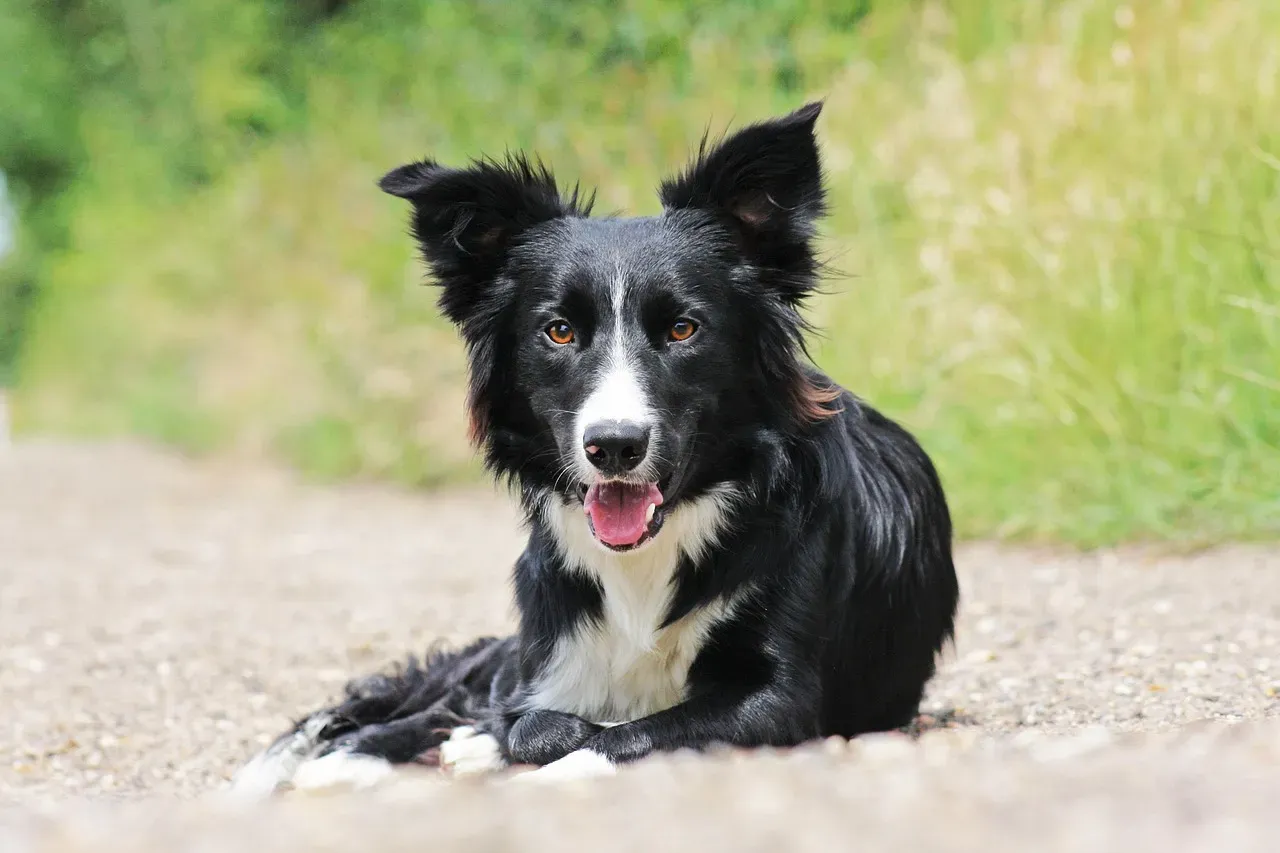
A bored Border Collie is like a genius kid stuck in a classroom with nothing but crayons and a broken clock. This breed was developed to move sheep all day in tough terrain, constantly making decisions and reading subtle signals. That working heritage means their brain is always on, and if you are not giving them problems to solve, they will happily invent some involving your shoes, your kids, and your furniture.
Border Collies need more than a long walk; they crave mental puzzles, structured training, and purposeful activity. Many thrive in dog sports like agility, herding trials, and advanced obedience because these activities tap into their instinct to control movement and respond quickly to cues. In a typical suburban home without enough outlets, you may see neurotic behaviors, obsessive chasing, or nonstop herding of anything that moves, from cats to vacuum cleaners. With the right stimulation, though, they’re one of the most rewarding partners you can have – but make no mistake, this breed will never accept a life on autopilot.
Australian Shepherd: The Colorful Workaholic With a Mischief Streak
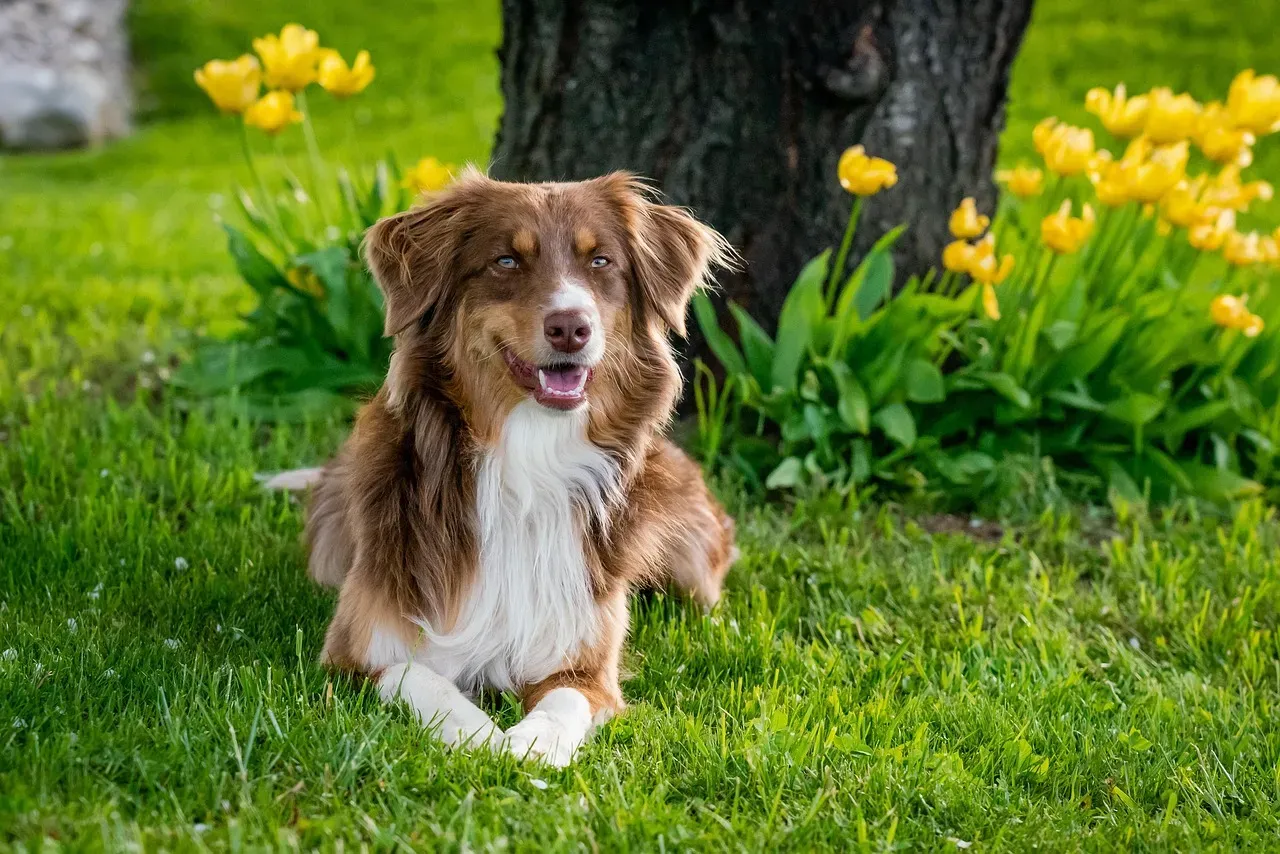
Australian Shepherds look like walking artwork, but underneath the pretty coat is a serious working dog with energy to burn. Originally bred to herd livestock across big ranges, they’re naturally alert, watchful, and ready for action all day long. Give an Aussie nothing to do and they’ll often start self-assigning “jobs,” which might mean herding the children, checking the perimeter of the yard every five minutes, or barking at every moving thing within eyesight.
These dogs are clever and sometimes a little sneaky, which makes boredom especially dangerous. Many owners discover their Aussie has learned to open doors, raid cabinets, or move furniture just because the dog figured out it could. They do best with an owner who enjoys consistent training, regular off-leash exercise in safe areas, and brain games like scent work or trick training. If you want a chill, decorative couch dog, this is the wrong breed; if you want a partner for hikes, sports, and projects, an Aussie will keep life exciting – whether you like it or not.
Belgian Malinois: The High-Voltage Athlete With a Tactical Mind
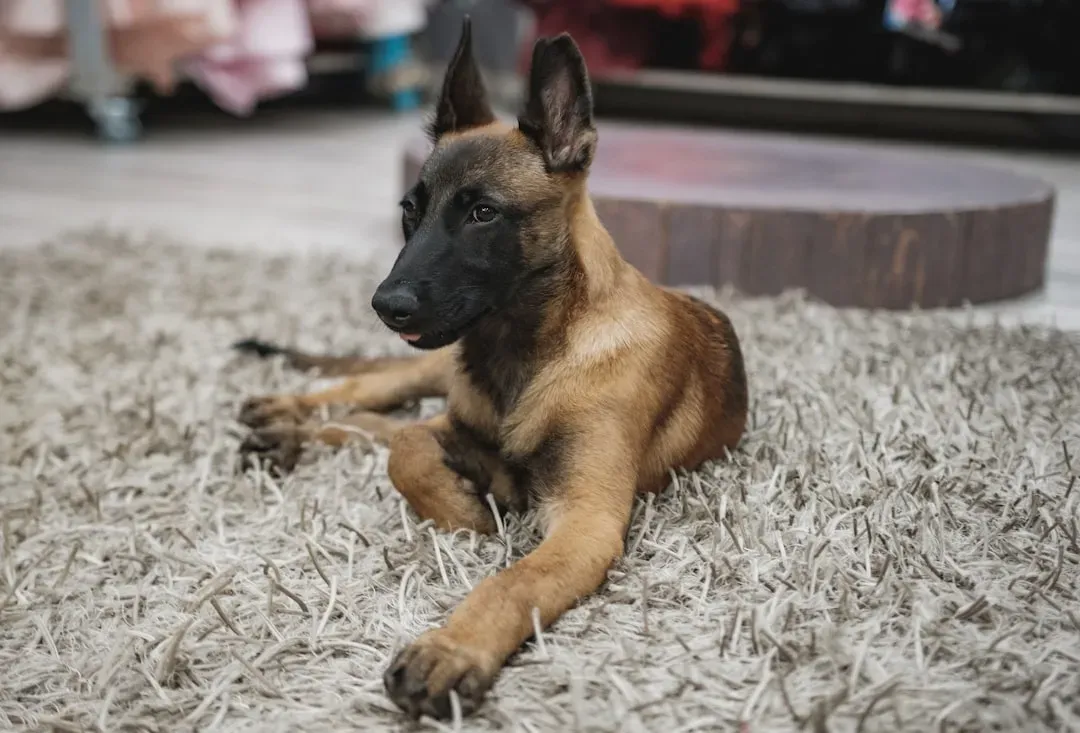
The Belgian Malinois is famous for police and military work, and there’s a reason for that: they are intense, driven, and almost frighteningly focused. This is not a breed that shrugs and naps when nothing is happening; a bored Malinois is often a destructive Malinois, because all that drive and athleticism has to go somewhere. In the wrong environment, that “somewhere” can be your walls, doors, car seats, or anything else that stands in their way.
These dogs excel when they have a serious job: protection work, high-level obedience, detection, or demanding sports. Their minds and bodies were built for rapid decisions, explosive movement, and near-constant work with a handler. As a pet with too little structure, they commonly channel their energy into obsessive behaviors like pacing, spinning, or extreme chewing. Many experienced trainers consider them a specialist’s dog for a reason – they don’t forgive boredom, and frankly, they don’t forgive inexperience either.
Jack Russell Terrier (and Similar Working Terriers): Tiny Body, Nuclear Core

Jack Russell Terriers are proof that size tells you nothing about intensity. Originally bred to chase and flush foxes, they’re fearless, stubborn, and wired for action. When nothing exciting is happening, a bored Jack Russell will go looking for chaos the way some people scroll social media – compulsively and with zero guilt.
These terriers are notorious diggers, chasers, and escape artists, especially if left alone in a yard or house with no challenge. They’re happiest when they have channels for their hunting instincts: games of fetch with serious rules, scent games, structured play, or even sports like flyball or earthdog. Treat them like a toy breed and you’re likely to get nonstop barking, chewed baseboards, and a dog who can out-jump your fence. If you love big personality in a small, combustible package, this might be your dog – but boredom will never be an option.
Husky (Siberian Husky and Similar Sled Types): The Escape Artist With Wanderlust
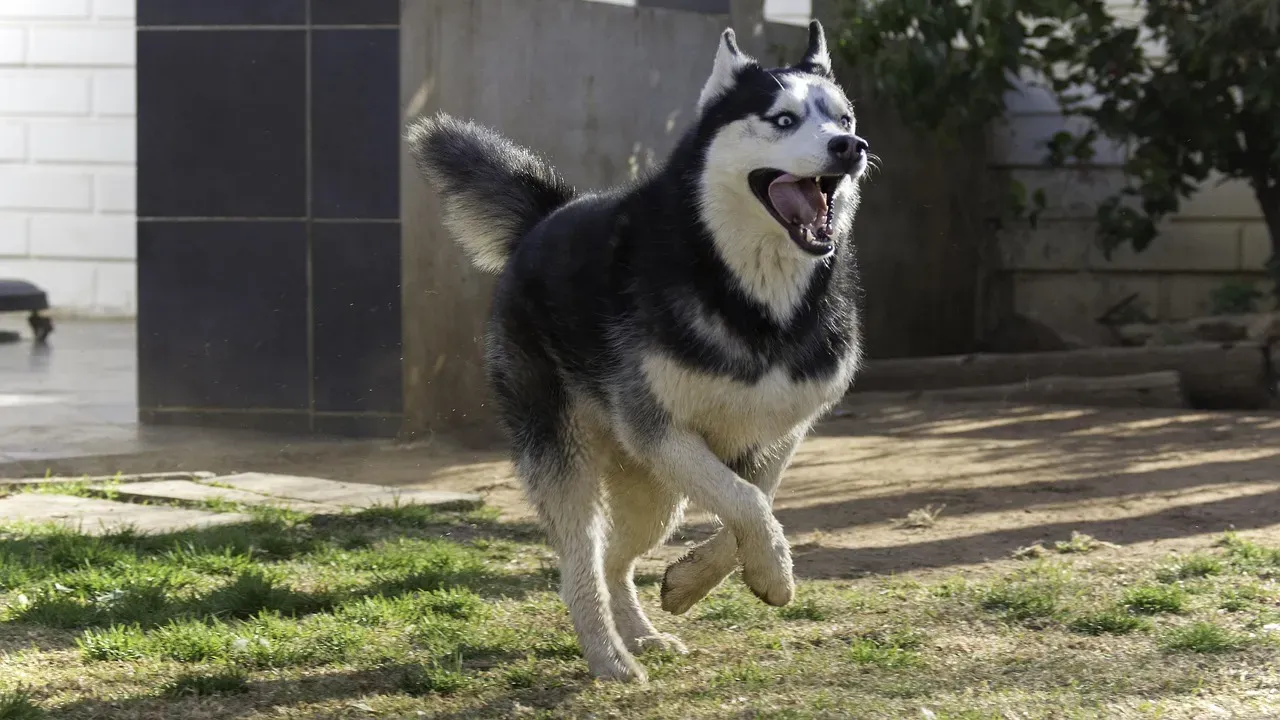
Huskies are bred to pull sleds for miles in extreme conditions, working in teams and making quick decisions about changing terrain. That background creates a dog that craves movement, novelty, and a bit of chaos. A bored Husky will not just lie around waiting; they’ll test your fences, your patience, and your sense of humor, often all in the same afternoon.
Common Husky “hobbies” when understimulated include digging craters in the yard, howling along with sirens, and slipping out of seemingly secure enclosures for a self-guided tour of the neighborhood. They do far better when their need for physical activity is taken seriously: long runs, bikejoring, skijoring, or at least vigorous hikes and play sessions. Mentally, many enjoy puzzle toys and training that lets them use their independent problem solving. If you expect a Husky to be an obedient, off-leash shadow, you’ll probably be frustrated; if you accept them as free spirits who need a job and a strong safety net, they can be wildly entertaining partners.
German Shepherd Dog: The Serious Worker Who Hates Having Nothing to Do
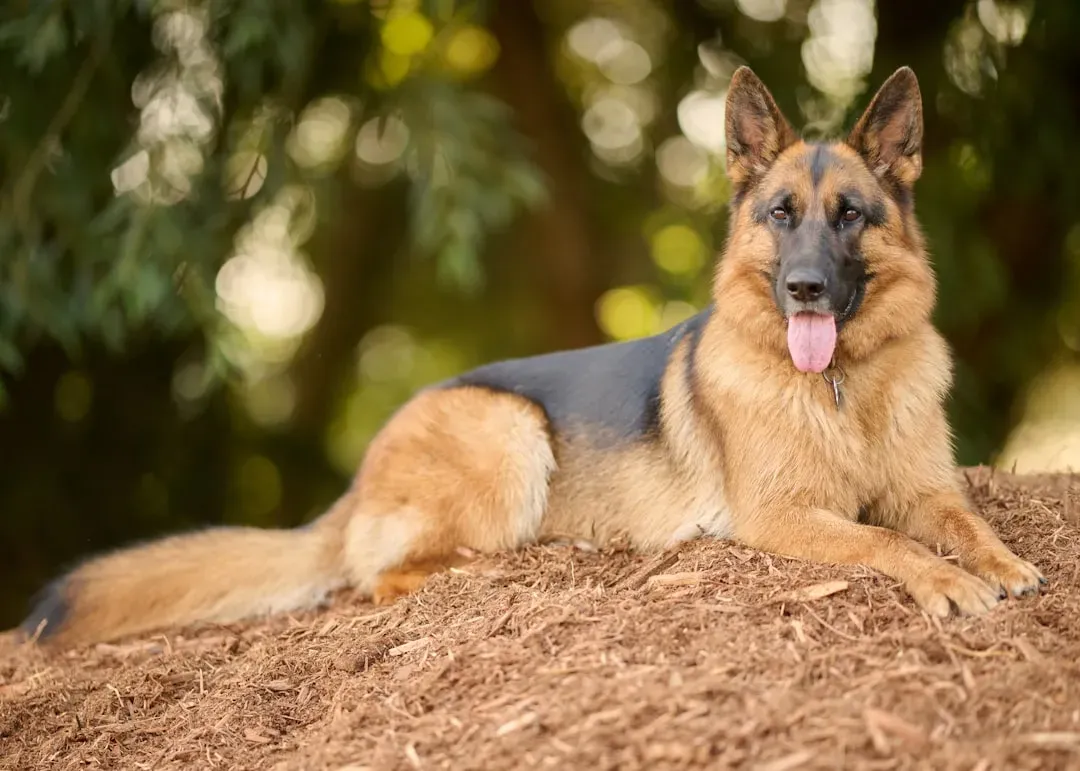
The German Shepherd Dog combines brainpower, biddability, and physical strength in a way that makes them incredibly versatile – and incredibly miserable if their life is too small. Historically used for herding, guarding, and later police and service work, they’re wired to scan, analyse, and act. When that brain and body sit idle, tension often builds, and you see behaviors like pacing, barking at every passing sound, or fixating on shadows and reflections.
They thrive when given structured tasks such as obedience training, tracking, protection work, or real-world jobs like search and rescue. Even as family pets, they do best with regular training sessions, purposeful walks that involve stops, cues, and engagement, and serious chew outlets. In my experience, a bored German Shepherd is one of the fastest ways to learn the difference between “I walked him” and “I actually worked his mind.” Treat them like living security systems without also providing enrichment, and they’ll often invent problems to solve that you never wanted.
Doberman Pinscher: The Velcro Guardian Who Needs a Mission
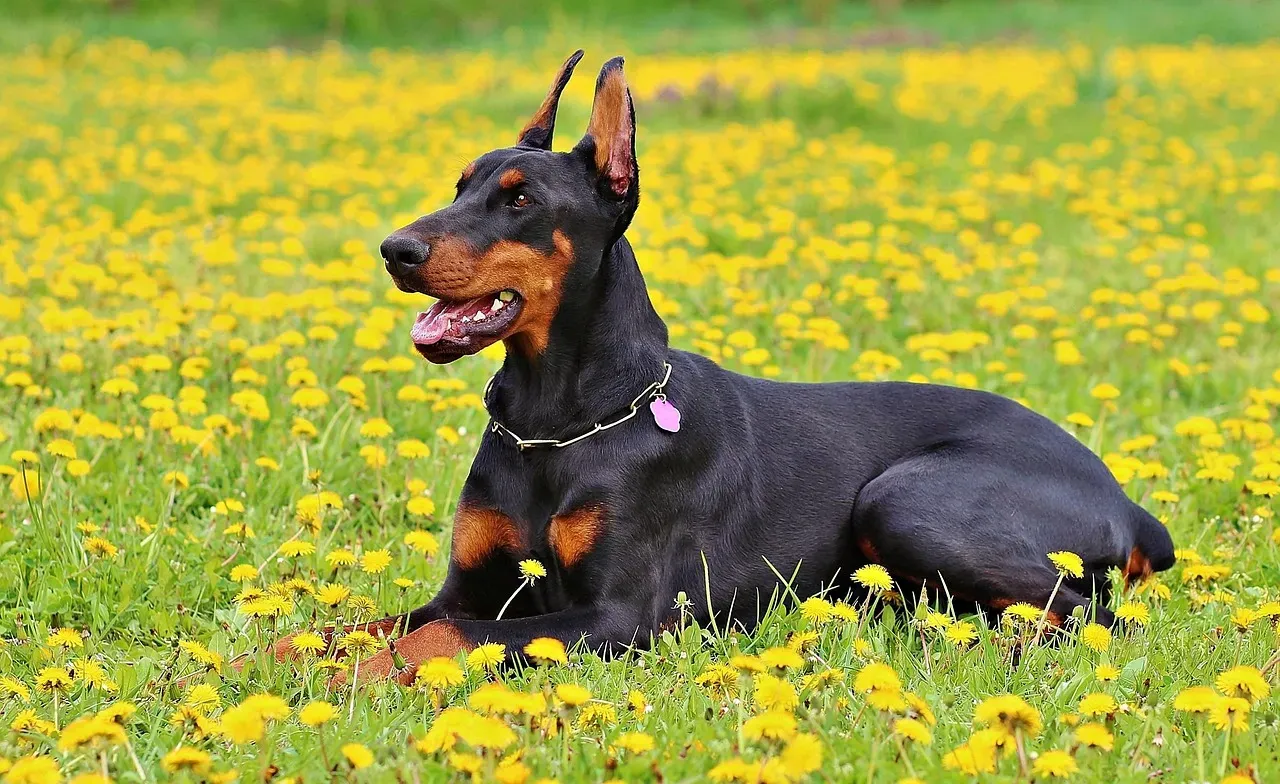
Dobermans are often described as velcro dogs because they bond so closely to their people, but that attachment comes with a sharp mind and a need for direction. Developed originally as personal protection dogs, they’re tuned to monitor their environment and watch their owner’s every move. Left alone with nothing to do, they can become anxious, destructive, or overly reactive, as if they’re trying to create a situation to justify their own adrenaline.
They generally respond beautifully to clear leadership, consistent training, and physically engaging outlets like running, obedience, and protection sports. Mental work is just as crucial: teaching new behaviors, practicing impulse control games, and giving them problem-solving toys can make a huge difference. I’ve seen Dobermans transform from nervous wrecks into calm, stable companions simply because someone finally gave their brain a job. Ignore their need for structure and stimulation, though, and they’ll often find their own “mission” – patrolling windows, barking at every noise, or redecorating the house with their teeth.
Poodle (Standard and Miniature): The Brainiac Who Refuses to Be Just a Pretty Dog

Poodles often get mistaken for fragile or fussy because of their grooming styles, but under the curls is one of the smartest, most capable working dogs out there. Originally bred for water retrieving, they’re athletic, observant, and nearly always thinking. Many Poodles become frustrated or even depressed if their life is reduced to short walks and a comfy bed; they want to learn, perform, and engage with their humans.
These dogs shine when they’re given complex tasks: advanced trick training, obedience, agility, or even scent work. They tend to pick up new behaviors quickly and then get bored just as fast if things become too repetitive. Without enough stimulation, they may invent games that involve stealing items to get attention, outsmarting baby gates, or teaching themselves elaborate routines you never requested. If you’re willing to treat a Poodle like the problem-solving athlete it really is, they’ll reward you with surprising versatility – but if you treat them like decor, they’ll find a way to prove you wrong.
Weimaraner: The Velvety Shadow With Endless Energy
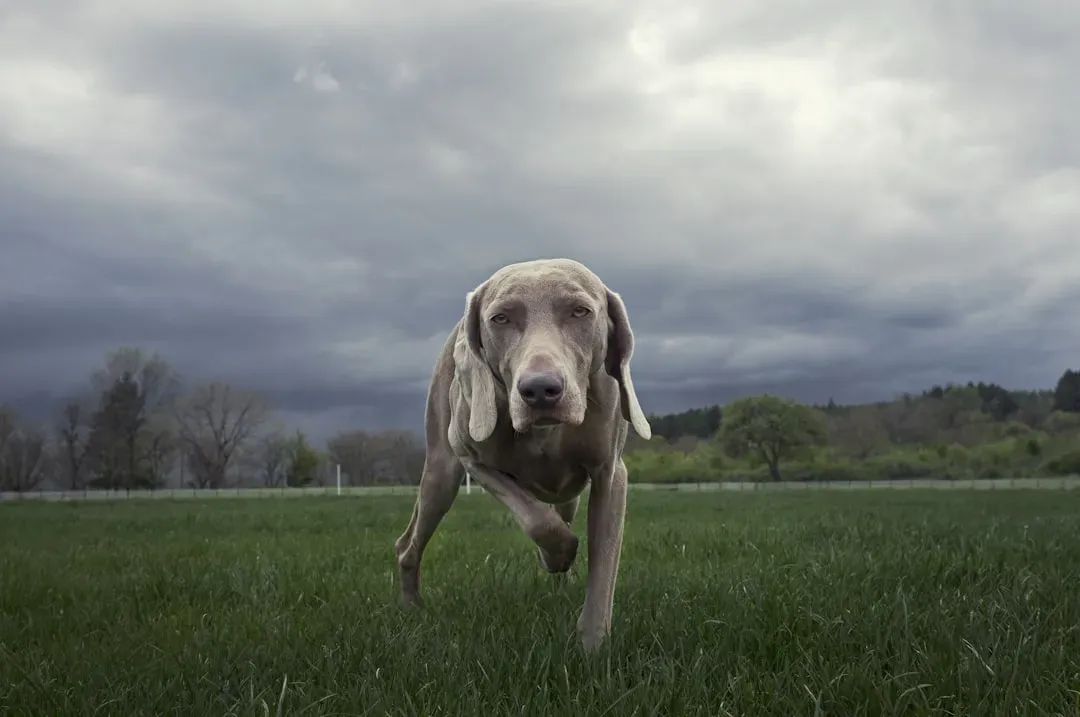
Weimaraners are sleek, athletic hunting dogs bred to run, search, and collaborate with their handlers for long stretches. That history created a dog that doesn’t just enjoy being near you; it wants to share your every movement and preferably be in the middle of whatever you are doing. When a Weimaraner is bored or underexercised, you can end up with severe separation issues, destructive chewing, or manic, restless behavior that never seems to switch off.
They are happiest when they’re physically tired and mentally engaged: long hikes, running, field games, and training exercises that tap into their scenting and searching instincts. Many Weimaraners excel at activities like tracking or advanced retrieving because it gives them both a purpose and an outlet. In a low-activity home, their sensitivity and intensity can become a liability, leading to anxiety-driven destruction or nonstop attention-seeking. If you like the idea of a dog that is your shadow and your workout partner, they can be amazing; if you want a calm indoor companion with just a quick walk around the block, this breed can feel like living with a tornado in a silver coat.
Conclusion: Some Dogs Don’t Just Get Bored – They Take It Personally
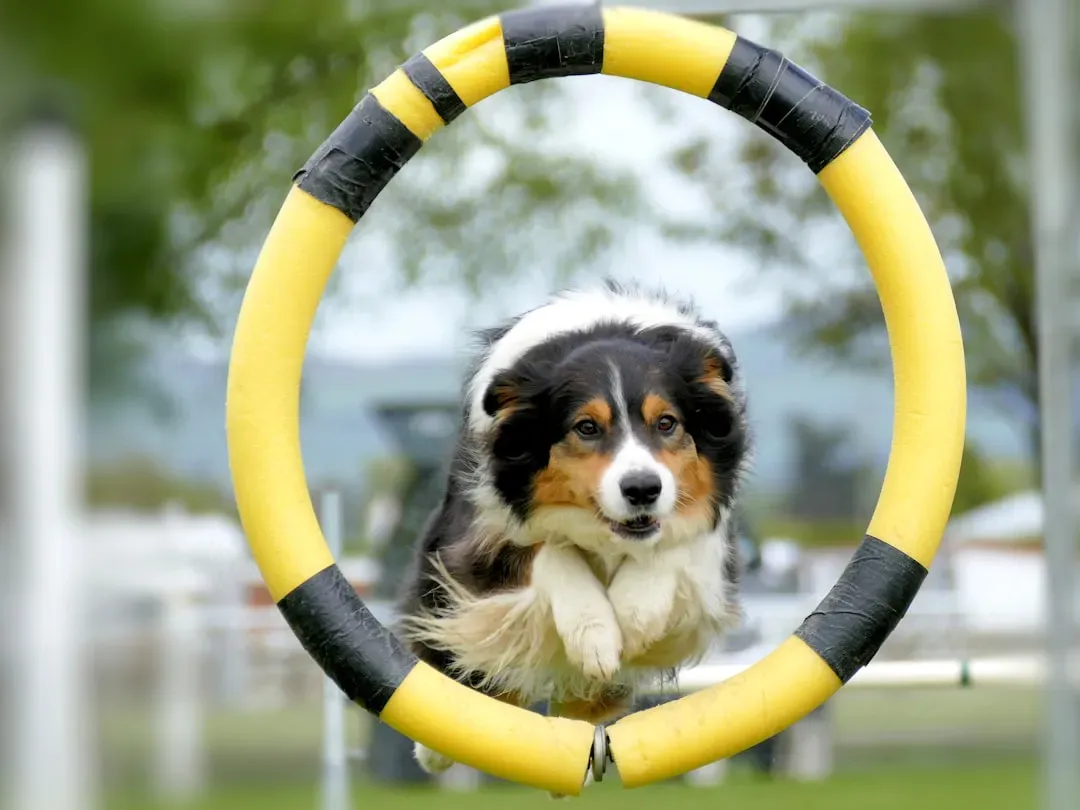
All dogs need some degree of exercise and enrichment, but these nine breeds push that idea into a whole different category. They were shaped over generations to work hard, think fast, and stay engaged for hours, and that wiring does not disappear just because they live in apartments or suburbs. When you bring one of these dogs into your life, you’re not just getting a pet; you’re signing up for a partnership that expects time, creativity, and effort from you, every single day.
In my view, that’s what makes them both challenging and spectacular. They’ll hold up a mirror to your lifestyle and your consistency, and they will absolutely call you out – usually by reorganizing your house with their teeth if you fall short. If you love training, movement, and the feeling of living with a mind that’s always just one step ahead, these breeds can turn daily life into an adventure instead of a routine. The real question is not whether these dogs forgive boredom, because they don’t; it’s whether you actually want a dog who insists you live a bigger, busier life – do you?


