
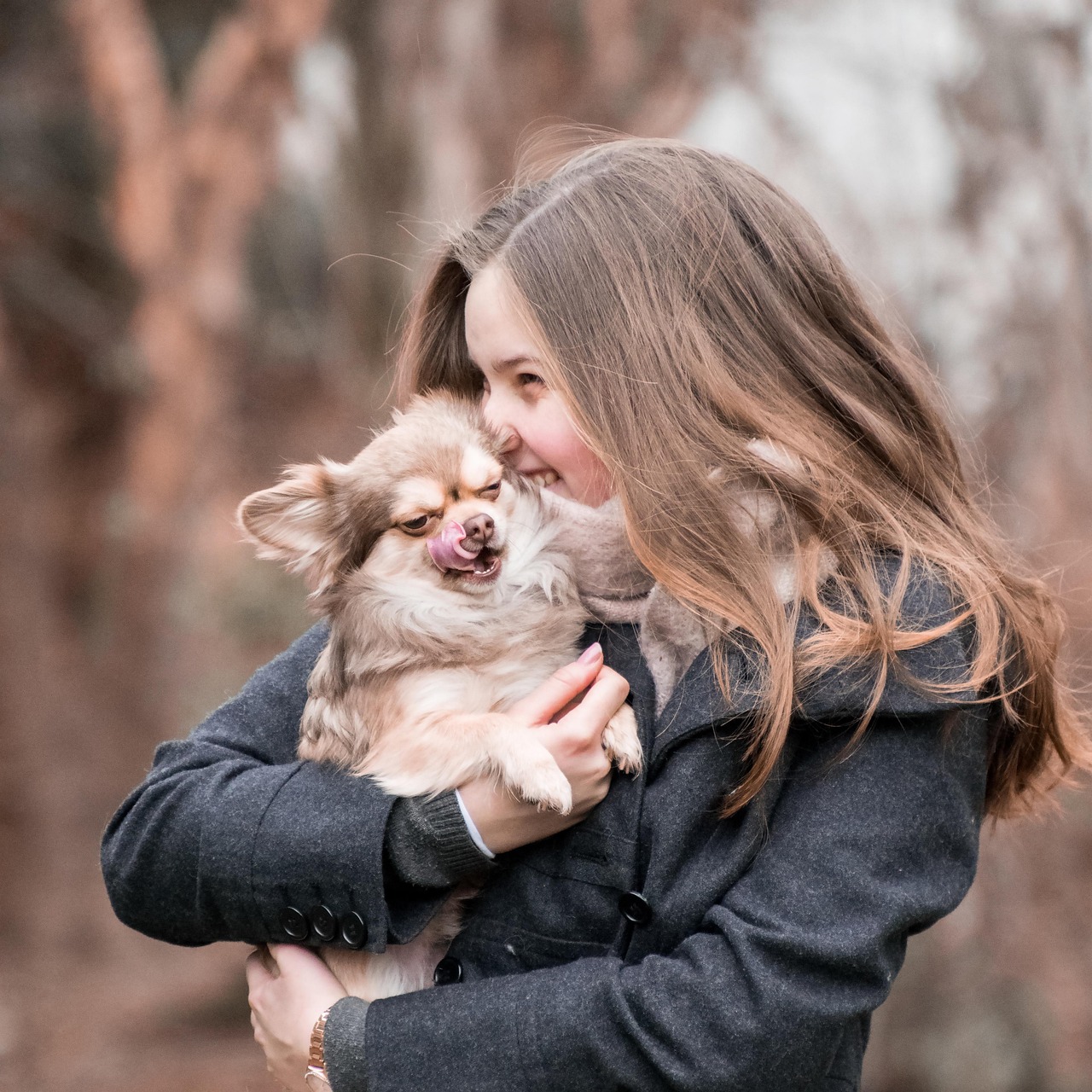
There’s a quiet kind of magic in realizing your dog doesn’t just love you, they actually feel safe with you. Love can be loud and excited and waggy; safety is softer and deeper. It shows up in the small, almost ridiculous ways your dog behaves when they finally stop worrying about the world and just exist around you, completely off guard.
Some of these signs look obvious, others are surprisingly subtle and easy to miss. A lot of people misread relaxed behavior as boredom, “disobedience,” or just quirks, when in reality it’s one of the highest compliments a dog can give. Let’s dig into the everyday moments that quietly scream: this dog trusts you with their whole nervous system.
1. They Sleep Deeply Near You (Or On You)
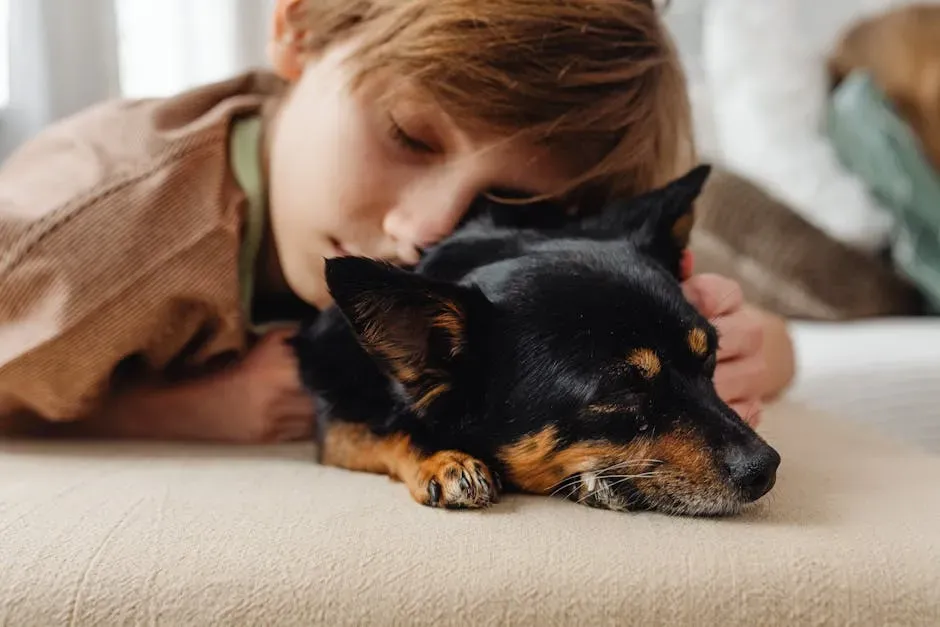
Think about it: in the wild, sleep is when an animal is most vulnerable. So when your dog drops into a deep snooze right next to you, legs twitching and breathing heavy, that’s not laziness, that’s trust. A dog that feels unsafe will nap lightly, wake at every sound, or choose a doorway or corner where they can watch everything.
When a dog truly lets go, you’ll often see loose, sprawled positions, slow breathing, and zero concern about what’s happening around them. They might even sleep with their back turned to you, which is a huge trust move in dog body language. It’s their way of saying, “You’ve got the night shift. I can clock out.”
2. They Show You Their Belly Without Tensing Up
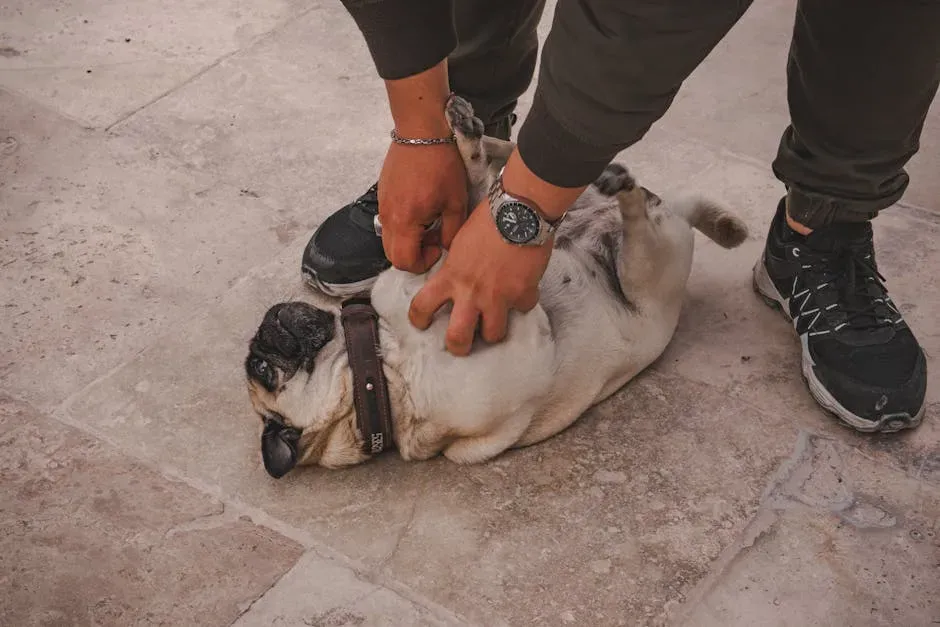
Exposing the belly is one of the most vulnerable positions a dog can take. That area protects vital organs, so evolution did not design them to flash it casually. When a dog rolls onto their back around you, especially with loose, wiggly movements, relaxed face, and soft eyes, it’s a strong sign they feel safe in your presence.
Here’s the nuance though: a stiff dog rolling on their back with tense legs, tucked tail, or worried eyes might be doing appeasement, not relaxation. The “I feel safe” belly is floppy, goofy, often combined with gentle pawing or little grunts of contentment. They’re basically saying, “If anything bad was going to happen, I wouldn’t be lying here like this.”
3. Their Body Softens When You Touch Them
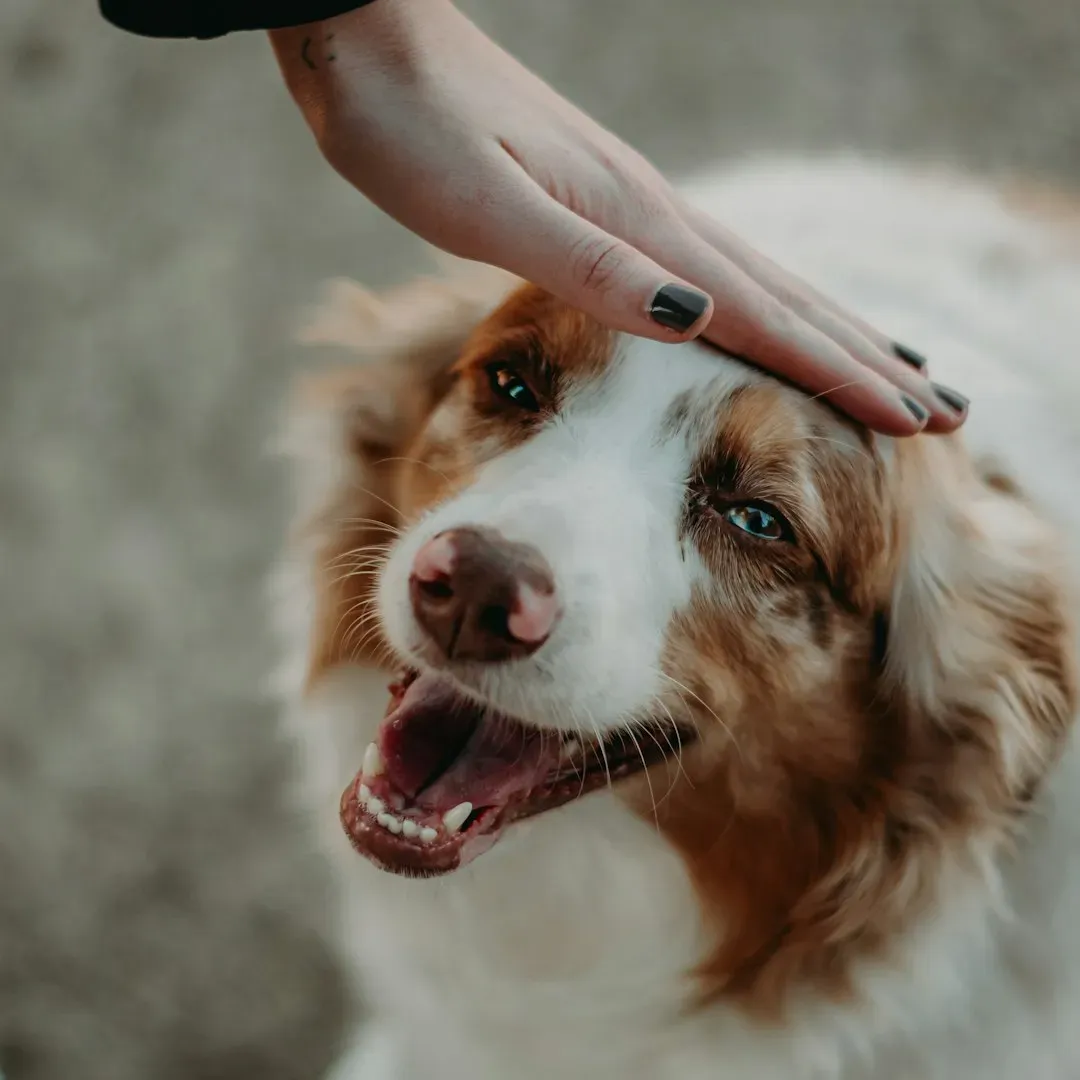
Watch what happens to your dog’s muscles when you pet them. A dog that doesn’t feel entirely safe might brace slightly, lean away, lick their lips, or keep their body just a little bit ready to move. In contrast, a dog that fully trusts you literally melts into your hands. Shoulders drop, breathing slows, and they feel heavier, like they’ve just exhaled from the inside out.
You’ll see this most clearly in areas that are sensitive: paws, ears, chest, tail base. If your dog allows gentle handling there and actually relaxes into it over time, that’s a big green flag. It means your history with them has taught their brain that your touch predicts comfort, not discomfort or unpredictability.
4. They Turn Their Back to You or Lie Facing Away
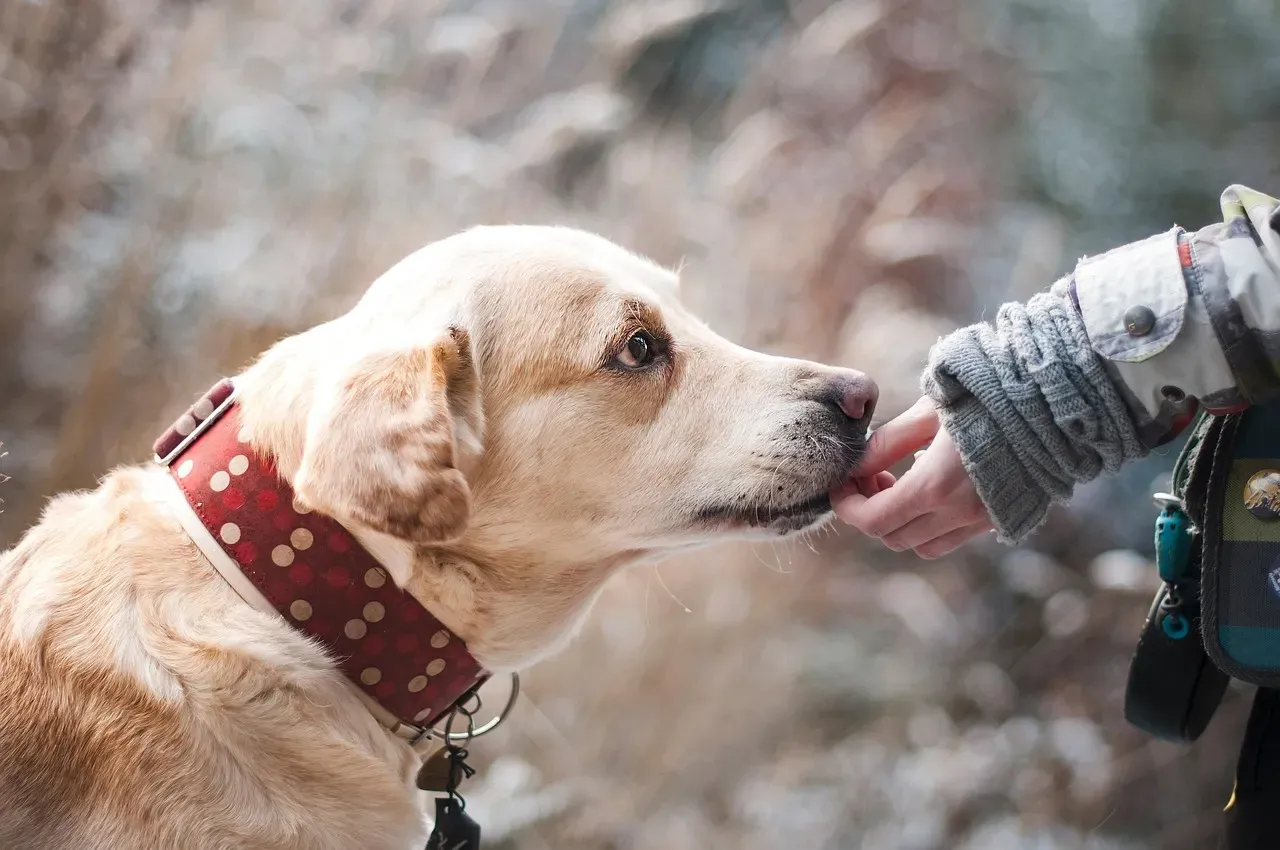
Humans often assume a dog turning away is rude or indifferent, but in dog language, it can be the opposite. By facing away from you, your dog is giving up the advantage of watching your every move. If they curl up with their back against your legs or lie across the room with their rear pointed at you, they’re trusting you not to surprise or hurt them.
This is the canine version of falling asleep on a flight and trusting the pilot. They’re saying, “I don’t need to monitor you; you’re in the safe category.” It can feel a little less romantic than a dog staring lovingly into your eyes, but honestly, this quiet confidence is one of the highest levels of trust.
5. They Show You Their Weirdest, Goofiest Zoomies
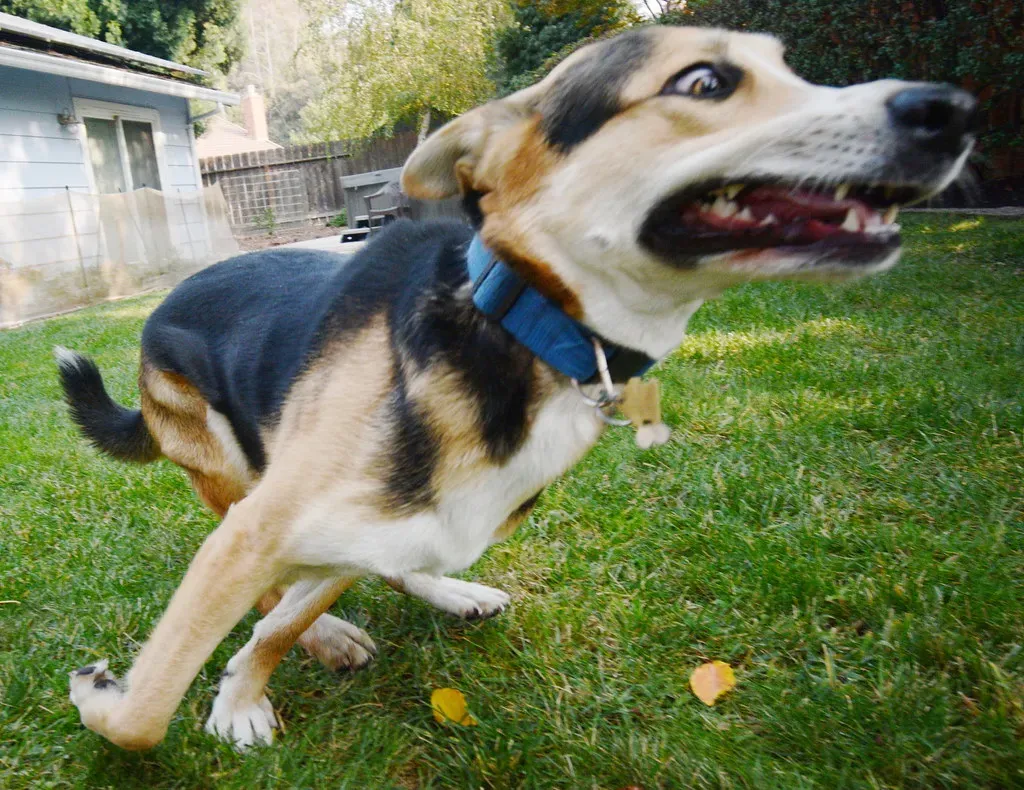
“Off-duty” behavior is a huge clue that a dog feels secure. When dogs feel safe, their play gets sillier, more uncoordinated, and totally unselfconscious. Wild zoomies, flopping onto rugs, rolling around with toy “kills,” and making bizarre play noises all signal that their stress levels are low enough to let go and be ridiculous.
A dog that is always perfectly restrained, silent, and controlled might look “well behaved,” but sometimes that’s a sign they’re holding tension. When your dog feels free to be clumsy, to sprint around the house like a tiny hurricane, or to toss toys in the air and pounce on them while you watch, they’re broadcasting: “This environment is safe enough for me to act like an idiot.”
6. They Eat, Chew, or Groom Themselves Calmly Around You

Eating, gnawing on a chew, or self-grooming are all activities dogs do when they feel relatively secure. A dog that constantly stops mid-chew to scan the room or refuses to eat unless everyone leaves may not feel fully at ease yet. On the other hand, a dog who flops down with a bone and settles into a long, relaxed chew while you move around the house is telling you they don’t feel the need to stay on alert.
You might see them slowly licking their paws, gently chewing a toy, or methodically working on a treat puzzle near your feet. These are self-soothing behaviors that dogs typically reserve for spaces they consider safe. It’s very similar to humans doing skincare or reading a book on the couch; you only do it when your guard is down.
7. They Can Actually Rest When You’re Busy, Not Just Shadow You
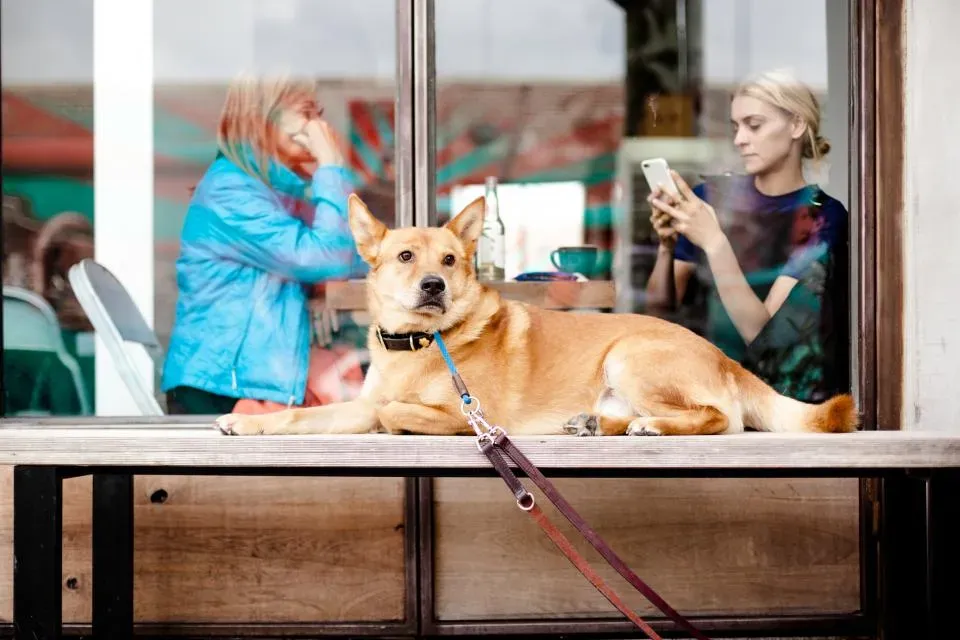
Many people mistake constant following as pure devotion, but it can sometimes be anxiety in disguise. A dog that has fully relaxed into your life will often choose to rest while you’re working, cooking, or on your laptop, instead of obsessively tracking every move. They’ll glance up, confirm you’re still there, and then drift back into whatever they were doing.
This does not mean a velcro dog does not love or trust you; some breeds and personalities are naturally clingy. But if over time you notice your dog can stay in another room, nap while you walk around, or stay comfy on the couch when you get up, that’s a sign their nervous system trusts that good things remain stable without constant supervision.
8. They Show a Full Range of Emotions Around You
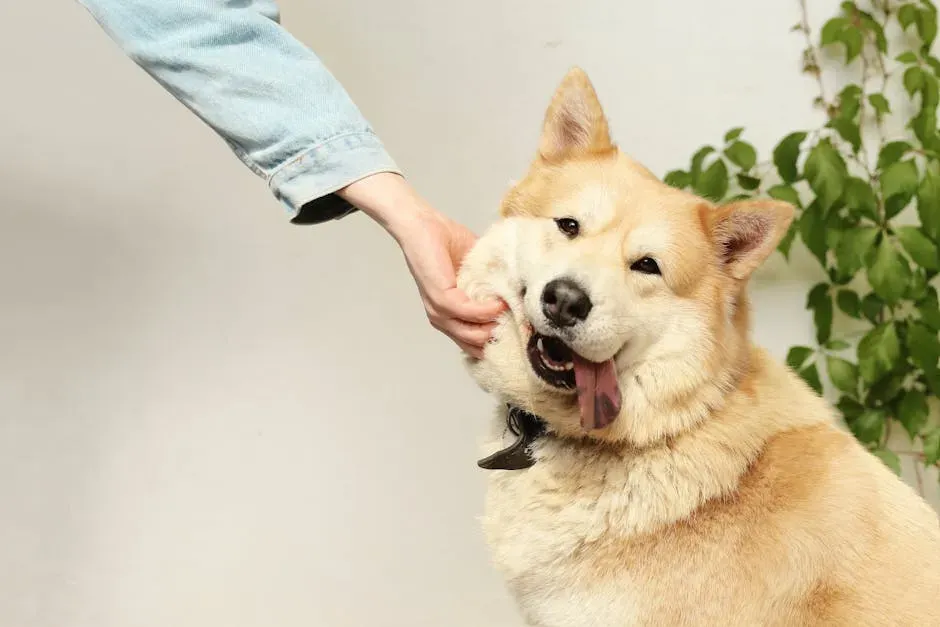
A truly safe relationship is not one where your dog is “happy” all the time; it’s one where they feel allowed to be themselves. That means you’ll see excitement, annoyance, boredom, frustration, and contentment. If your dog feels they can whine, ask for space, bring you toys, or walk away from you without getting punished, they’re signaling deep trust in how you’ll respond.
This emotional honesty is a bit like a friend who stops pretending everything is always fine around you. The dog that can refuse a treat, choose to go to their bed, or communicate discomfort without being corrected learns that you’re predictable and fair. That predictability is what allows them to fully drop their emotional guard.
9. They Offer Slow Blinks, Soft Eyes, and Relaxed Facial Muscles

We talk a lot about wagging tails, but the real story is often in the face. Dogs that feel safe will often have slightly squinty eyes, soft eyelids, loose lips, and almost no tension in their cheeks. You might notice slow blinking when they look at you, or they’ll gaze at you and then calmly look away, instead of staring hard or darting their eyes nervously.
Compare that to a dog who keeps their mouth tightly closed, eyes wide, and ears locked forward or pinned back; that dog is still on duty. Once a dog feels secure, their facial expression settles into what many people describe as a “soft smile.” It’s not about them looking cute for you; it is literally their facial muscles saying, “I am not bracing for anything bad right now.”
10. They Invite Contact, Then Stay Instead of Fleeing
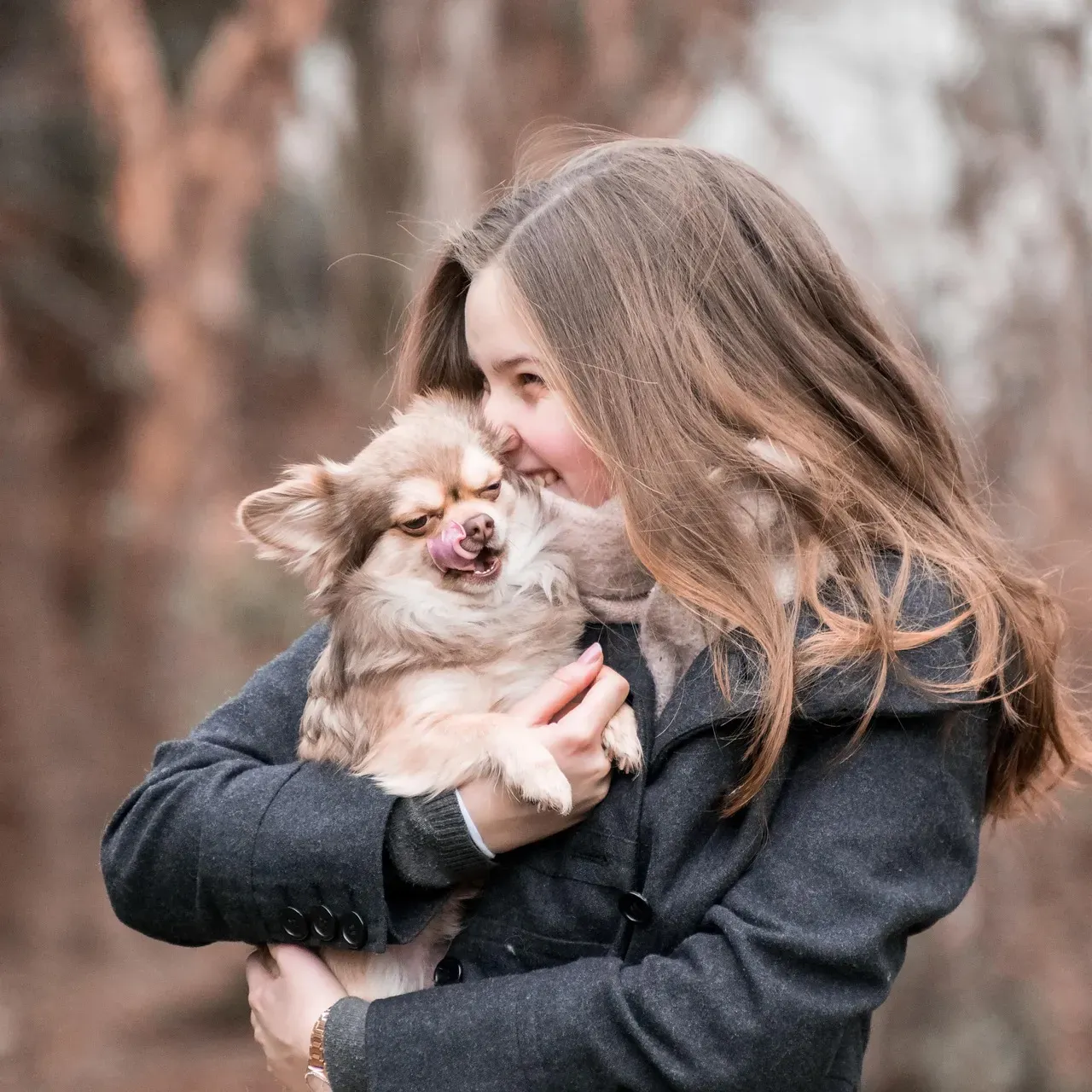
There’s a big difference between a dog tolerating affection and a dog seeking it out. When a dog feels safe, they’ll often initiate contact: nudging your hand, leaning into your legs, resting their head on your knee, or backing up to sit against you. The real trust test is what happens next: do they stay and relax, or do they quickly move away once you reach out?
A dog that lingers, adjusts their body to get more comfortable, or gives a contented sigh while you touch them is fully letting their guard down. They’re not calculating escape routes or second-guessing your intentions. They’ve learned, over countless repetitions, that your hands are a place of comfort, not unpredictability.
11. They Can Be Vulnerable When They’re Sick, Scared, or Tired
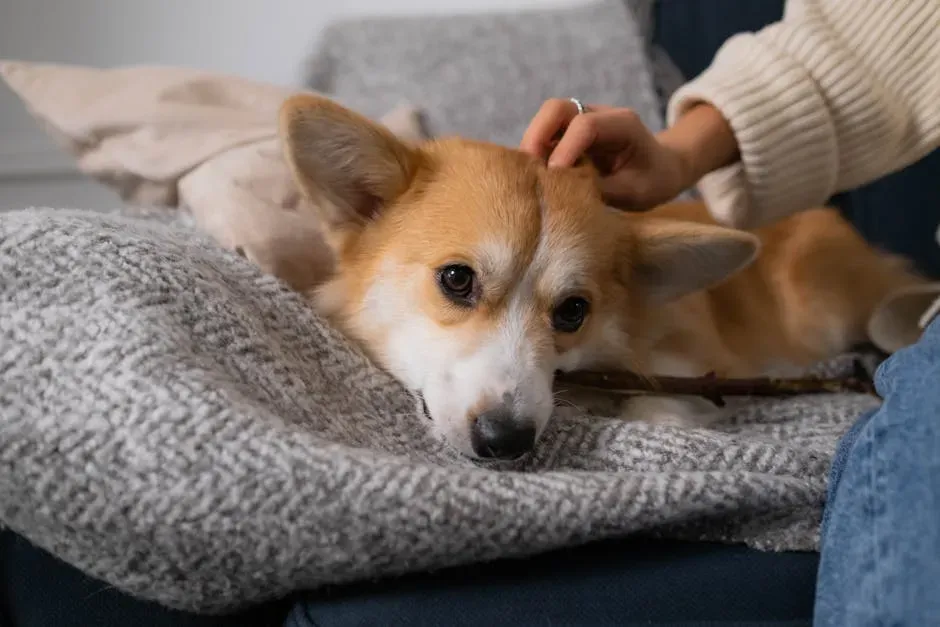
One of the clearest signs of deep safety is what your dog does when they don’t feel good. Many animals instinctively hide pain or weakness. If your dog chooses to come to you when they’re nauseous, injured, overwhelmed by fireworks, or just exhausted, that’s a massive sign they see you as a secure base rather than a source of extra stress.
They might curl up closer than usual, tuck their head against you, or quietly seek out your lap or bed. Sometimes they’ll just follow you and lie close without asking for anything. This is their version of saying, “I’m not okay, but I believe you will make things better, or at least not worse.” You cannot fake your way into that level of trust; it is earned slowly.
12. They Bounce Back Quickly After Startles When You’re There
Life will always have sudden noises and weird surprises. The question is not whether your dog ever gets scared; it’s how quickly they can recover when you are present. A dog that feels fundamentally safe with you may still jump at a dropped pan or a thunderclap, but they’ll often check in with you and settle faster than they would alone.
If you notice your dog glancing at you, then visibly relaxing when they see your calm body language, that’s a powerful trust marker. Their nervous system has learned that your reactions are a reliable signal of safety. In a way, you become their emotional weather report: if you are steady, they feel they can stand down too.
Conclusion: Safety Is the Real Love Language
People love to brag about how excited their dog gets when they come home, but the quieter signs are where the real relationship lives. A dog who can sleep deeply, act silly, show discomfort, and lean on you when they’re vulnerable is telling you something profound: you’re not just their person, you’re their safe place. In my view, that’s a far bigger achievement than any trick or perfect heel.
If you recognize many of these behaviors in your own dog, you’ve already done something deeply right, whether or not you have perfect training or a Pinterest-ready routine. And if you don’t see them yet, that’s not a failure; it’s an invitation. Every consistent, kind, predictable choice you make is another brick in the wall of safety you’re building for them. Years from now, when they’re snoring upside down on your couch without a care in the world, will there be any doubt in your mind about what that really means?


